Chippewa Flowage Bass Fly Fishing Wisconsin Essentials
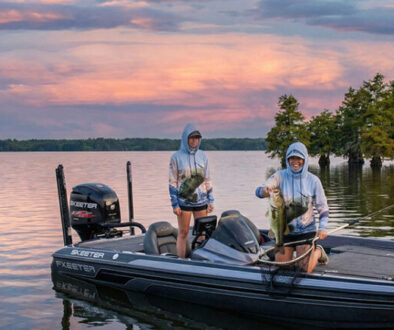
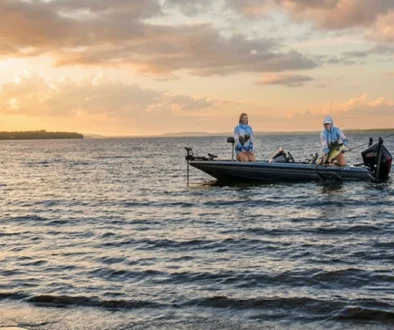
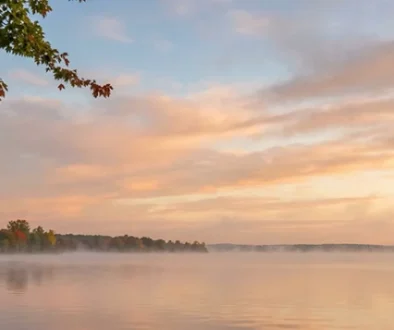
Chippewa Flowage Bass Fly Fishing Wisconsin sounds like a mouthful until you are standing on the bow, fog lifting off the water, and a popper vanishing in a toilet flush of a strike. If you have been daydreaming about trading your laptop screen for lily pads and log jams, this stretch of wild northern water will feel like home fast. Chippewa Flowage Bass Fly Fishing Wisconsin is where big bass, drifting bogs, and a heavy dose of sarcasm all collide.
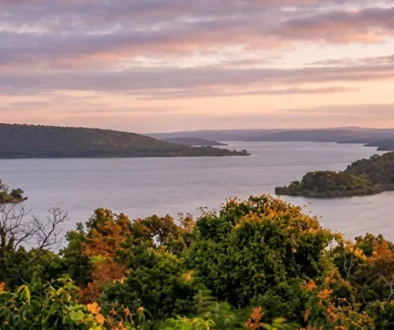
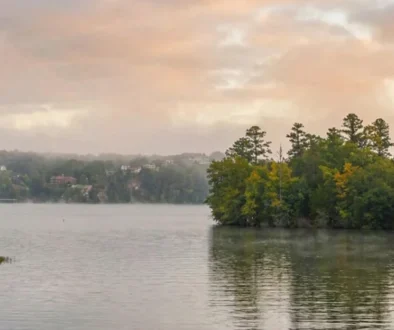
You have more than 17,000 acres of fishable water to pick apart, broken up by 200 plus islands, old river channels, and enough wood to start a small lumber yard. The “Big Chip” is officially the second largest reservoir and the third largest lake in the state. It was created when the Chippewa River and a web of smaller waters were flooded in the 1920s.
That odd mix of rivers, flooded lakes, and wetlands is why this place is so good for bass, pike, musky, and panfish. It is the heart of a true Wisconsin vacation. Few places offer this much variety in a single trip.
Yes, musky folks still tell stories here. A 69 pound 11 ounce muskellunge caught by Louis Spray back in 1949 is still held up by the Freshwater Fishing Hall of Fame as one of the best documented record fish ever. While the dream of a record musky draws crowds, you do not have to grind all day for one follow. You can hunt largemouths and smallmouths instead, with a fly rod and a box of big, rude bass bugs.
Table of Contents
Reason Chippewa Flowage Is A Bass Fly Fishing Playground
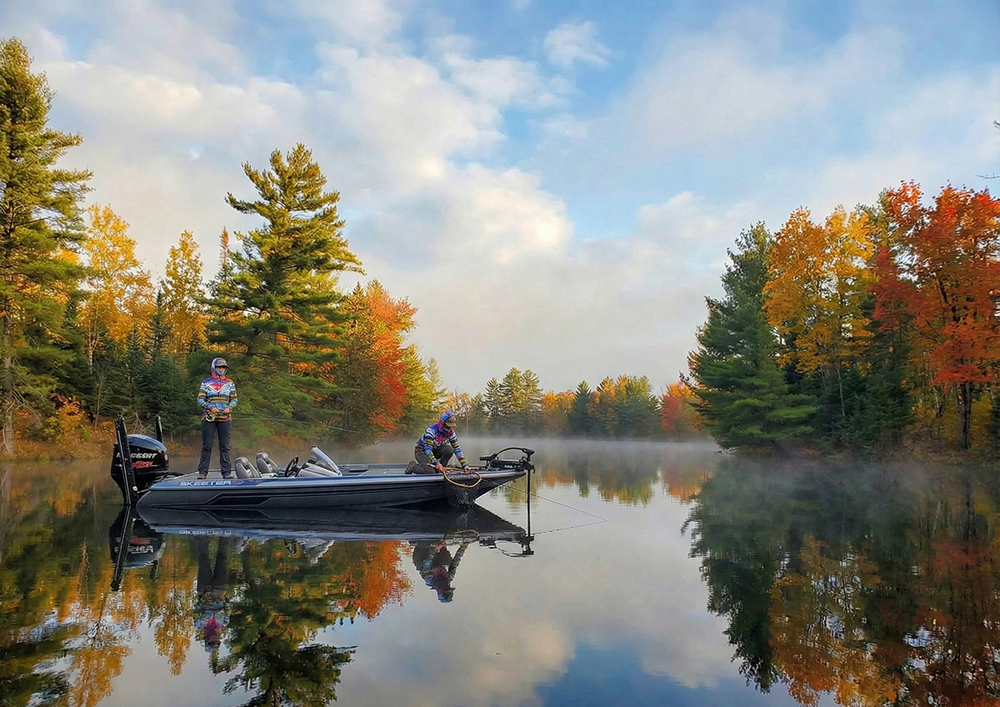
If you fish bass with flies, you are usually a little stubborn. You want the show, not just the meat. The Big Chip feeds that side of you in the best way possible.
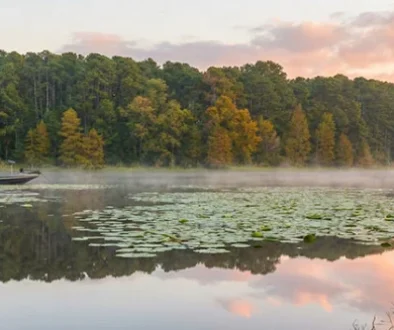
Its mix of weed flats, dark river arms, and endless shoreline gives you target after target to work with. The western side of the flowage fishing map has clearer water. You will find big cabbage beds, shallow bays, and pads tucked behind the drifting bogs.
This is largemouth country. It is the spot where five pound “bucketmouths” pin bluegills against the weeds. Early and late in the day, they crush frogs and poppers sitting on top of the salad.
Head east and you feel the river side kick in. Current from feeder streams and the main river gives you stained water, rocky points, and deeper edges. That is where smallmouth bass dig in on boulders, wood piles, and subtle drop offs.
Best Time Of Year For Bass On The Fly
You can catch bass all season here, but the “feel like a hero” window runs from late spring into fall. Ice goes off in April most years. Fish move shallow to spawn soon after the thaw.
Give them a break while they are locked on beds. Aim your fly around them instead of on top of them. By late May into June, both largemouths and smallies are feeding hard.
Evenings can be ridiculous during this time. You can skate a gurgler across a bay and get four or five explosions in an hour when the weather plays nice. It is peak season for chippewa flowage fishing excitement.
Summer days can turn flat in the afternoon. Bass often slide deeper off the edges where you need sink tips and bigger streamers. Early morning and last light stay strong though.
Late Season Opportunities
As summer fades, many anglers switch gears. Fall crappie fishing becomes a major draw for conventional anglers. However, bass fly anglers know that cooling water pulls big fish back toward the shallows to gorge before winter.
Fall crappie schools also signal where the bass might be lurking. Big predators often trail the panfish schools. If you see anglers targeting fall crappie, throw a big streamer nearby.
Chippewa Flowage Bass Fly Fishing Wisconsin: Gear That Actually Works
You can get away with light trout stuff in some bass lakes. The Big Chip is not one of those places. You are throwing bigger flies, into heavier cover, around fish that like to dive into jungle structures immediately.
| Gear | Recommended Setup | Why It Works Here |
|---|---|---|
| Rod | 8 weight, 9 foot, fast action | Turns over bulky bass bugs and handles pike and musky bycatch |
| Lines | Floating plus sink tip or intermediate | Float for topwater, sink tip for deeper edges and channels |
| Leaders | 7 to 9 foot, 10 to 15 pound mono or fluoro | Simple and strong for casting big flies near cover |
| Tippet add on | Short wire or 20 to 30 pound fluoro | Helps save flies from pike and musky teeth |
You can use tapered leaders, but straight ten to fifteen pound mono is cheap and works great for throwing poppers and streamers. Just remember a short bite guard of heavier fluoro or wire. Northern pike love chewing six dollar bass bugs into fuzzy earrings.
If you are just putting your kit together, or you want to clean up that rat nest of fly line and reels, it helps to walk through a full fly fishing gear guide. Dialing in the right rod and line weight makes a bigger difference on this water than obsessing over fly colors.
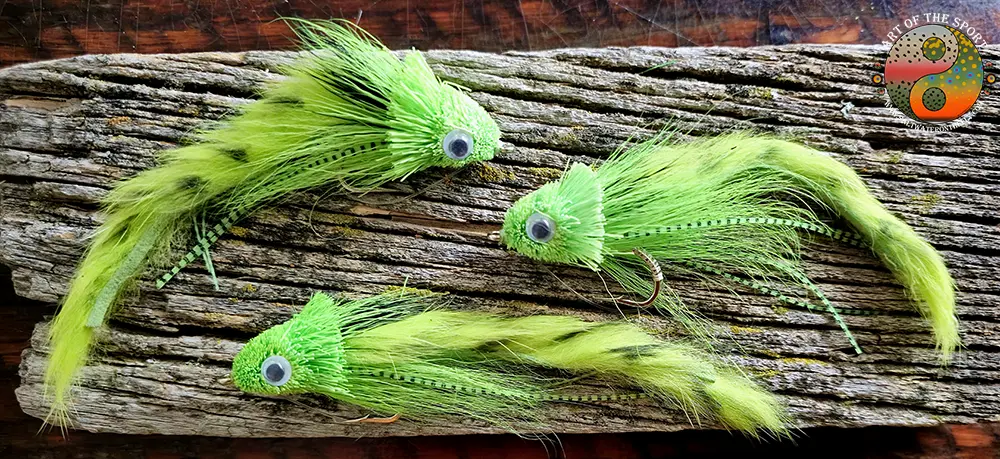
Thirteen Flies That Catch Bass On The Big Chip
You could stuff a boat bag with a hundred patterns, but the fish here do not need that much drama. They want frogs, minnows, leeches, and crayfish. These need to be in sizes that push water and show up against stained backgrounds.
Surface Flies And Poppers
-
Poppers like Dahlberg Divers or Boogle Bugs. Use sizes 2 to 2/0 in frog or white over red color schemes. Throw them tight to pads or wood, give two short pops, then pause and wait for that boil.
-
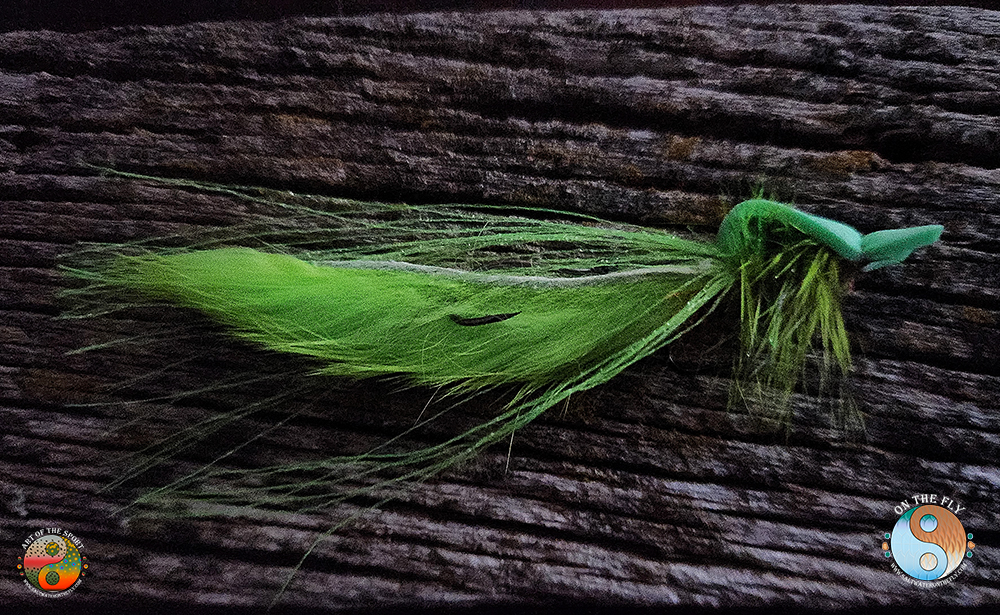
Gurglers. Foam body, simple to cast, easy to see in tannic water. Chartreuse, black, or hot pink all show up well. Fish them a bit faster than poppers so they leave a wake across shallow bays.
-
Frog poppers. Deer hair or foam, built to slide across pads and over cut weed tops. Largemouths love sitting under that shade waiting for anything with legs to kick across above them.
-
Mouse patterns. Ideal for low light and summer nights when you can stand the bugs. Cast near the bank or around logs, twitch slowly, and be ready for the loudest strike you hear all trip.
Subsurface Staples
-
Clouser Minnows. This is your bread and butter smallmouth pattern, and a solid backup for largemouths. Chartreuse over white and olive over white in size 2 to 1/0 handle most situations.
-
Half and Half Clousers. Part Deceiver, part Clouser, they push a bigger profile and sink well along breaks and old channels. Use these when you are targeting deeper water near main lake structure.
-
Deceivers. These look like the ciscoes, perch, and other baitfish roaming the lake. Whites and silvers for clear water on the west side, darker backs for stained east side spots.
-
Woolly Buggers. Size 4 to 1/0 in black, olive, or rust. You can strip them, jig them, or slow crawl them along the bottom near wood.
-
Bunny leeches. Rabbit strip patterns have crazy movement even when you are barely moving the line. These shine when the bite is slower or water is colder.
-
Articulated streamers such as Sex Dungeons. Think big, moving hunks of food that pull big bass out from brush and deep side of bogs. You will also tempt plenty of pike with these.
-
Crawfish flies. Orange, brown, and olive, with rubber legs and some weight to tick the rocks. The Flowage has strong crayfish numbers, and bass know they are a high calorie snack.
-
Muddler Minnows. You can fish these as a shallow streamer, dead drift them in current, or let the spun deer hair head push a little surface wake. They cross that line between baitfish and buggy insect.
-
Chubby Chernobyls. Oversized foam terrestrials that look like hoppers, beetles, or whatever big bug just splatted off the surrounding forest. Great fun for hot afternoons when bass are looking up near rocky banks and laydowns.
You can tie these flies from size 4 up to 4/0 for bigger patterns. Add weed guards on anything you plan to fish around timber and bog edges. The Chippewa Flowage has a talent for eating flies, so bring spares.
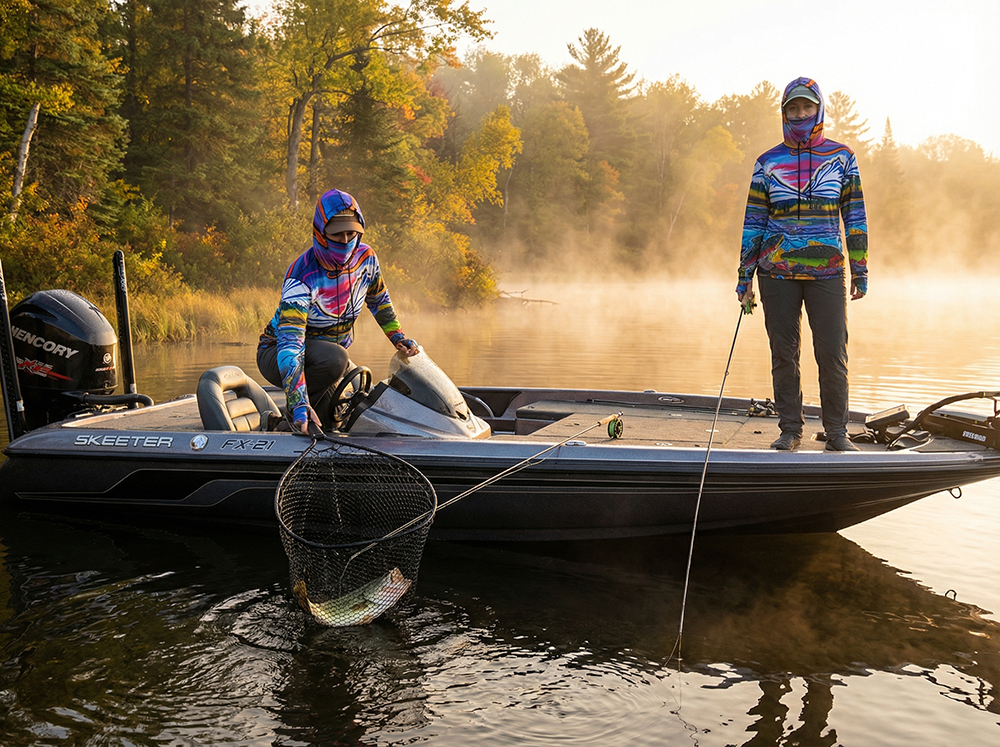
Where To Find Bass On This Sprawling Maze
A lake this big can feel like open ocean if you just put the boat in and wing it. This is where a smart map helps. The Chippewa Flowage waterway page on Fishidy shows detailed contour lines, key spots, and up to date reports from other anglers.
You can also use the wider Fishidy platform to keep track of your own waypoints. Mark where you find productive weeds or rock spines. Sharing patterns with friends beats guessing from scratch each trip.
As you scan that map, keep a simple breakdown in mind so you are not overwhelmed before your first cast. Utilize the various area boat landings to launch close to your chosen zone.
West Side: Weeds, Bogs, And Largemouths
Look for big flats near island chains and major bog lines. These floating bogs shift with wind and ice. Edges you fished one year can move by the next, but they still attract bass.
Focus your topwater and frog flies around pad beds with a clear pocket near deeper water. Early in the morning, work your poppers from the outside edge toward shore. As the sun gets higher, bass may tuck further back under cover.
Do not ignore subtle points and pockets formed by weed growth. A three foot depression off a weedy point can load with fish during heat waves. This is classic chippewa flowage fishing at its finest.
East Side: Rock, Current, And Smallmouths
Move east and look for narrower sections where the main channel squeezes between islands and shore. That light current helps oxygen levels. It positions smallies along breaks, boulders, and downed trees.
Clousers, Deceivers, and crayfish flies cover much of the work here. Use your sink tip line to get flies down the first few feet along shelves. Retrieve with a strip strip pause cadence.
If you are used to clear, western rivers, stained water here might feel odd. Pay close attention to water color shifts. Look for darker lines that suggest deeper pockets and current seams near bends.
Rules, Ethics, And Keeping The Big Chip Healthy
A special lake needs careful handling. Chippewa Flowage straddles several rule zones, and regulations change, so always read current information. The main legal backbone is laid out in Wisconsin State Statutes Chapter 29.
You should also check the current Wisconsin fishing regulations. These call out season dates, size limits, and the daily bag limit. Boat launches often post added local notes, so do a quick scan each time you launch.
Conservation is huge here, especially regarding the northern pike population. The pike improvement project has been a focus for local biologists like Max Wolter. The goal of pike improvement is to manage the size structure of the population.
Understanding the pike today situation helps you appreciate the fishery. It is not just about catching fish; it is about maintaining a balanced flowage fishery. Always check the specific daily bag rules for pike, as they may differ from general state rules.
Beyond legal boxes to tick, bass fly anglers can do a lot by pinching barbs. Wet your hands before handling fish. Letting larger breeding size bass go ensures the future of the sport.
Guides, Local Help, And Lodging On The Flowage
If it is your first time on Chippewa, or you just want to cut the learning curve, hiring a guide makes sense. A professional guide service can open up the lake for you.
The long running Hayward Guide Service offers trips on the Flowage. They chase walleye, muskies, crappies, and bass with a group of seasoned captains. Another solid choice is Tom Leahy’s Guide Service, where Tom has spent years breaking down the structure.
Where you stay matters too. The Lake Chippewa Flowage Resort Association is a great resource for finding the right spot. Many resorts are LCFRA members, which means they are dedicated to the quality of the lake.
Around the central and southwest areas you have well set up resorts. Consider spots like Timber Kove or the Treeland Farm RV Resort. These places understand the needs of anglers.
Further along, you can relax at Oak Shores or book cabins at other member resorts. Many of these locations are pet friendly, so you don’t have to leave the dog at home. You can view various chippewa flowage galleries online to see what each resort offers.
Other Great Fly Fishing Destinations
Making It A Bigger Northwoods Adventure
Maybe you are not the kind of person who can just fish sunrise to sunset every day. Around Hayward and the Flowage you have enough side options to fill off days. A lake chippewa flowage vacation offers more than just water.
If you like exploring other fisheries, northern Wisconsin is laced with water. The Central Wisconsin Basin holds many respected trout streams. Famous rivers like the Namekagon and the Black River offer their own mix of paddling.
On shore, Hayward has grown a fun small town culture. You can play a round at a local course if you enjoy golf hayward style. There are also plenty of area attractions for families.
The Angry Minnow brewery started with simple beer and burgers. Now it runs a full restaurant, gift shop, and patio. It is an easy stop after a long day on the water.
Local Events and Culture
The area is famous for its fishing events. The Musky Hunt Fishing Contest is legendary in these parts. Even if you are strictly chasing bass, the energy around the Musky Hunt is contagious.
This hunt fishing contest brings anglers from all over. It highlights the trophy potential of the water. Watching the weigh ins can be a fun evening activity.
For those who prefer running shoes to wading boots, check out the flowage fun runs. These community events are a great way to see the landscape from the road. Chippewa flowage fun runs often support local charities.
Travel Notes And Getting Here
Reaching Chippewa Flowage is part of the charm. You are driving into true northern Wisconsin. Arguments still happen over what road really feels “north.”
Some swear by the Highway 64 approach. Others fight for Highway 29. Almost everyone agrees this is genuine Northwoods.
The wider area tourism structure is supported by groups like Sports Wisconsin and Meet in Wisconsin. These organizations lean hard into fishing and outdoor recreation. You can browse options across the State of Wisconsin portal.
While you are planning, remember that Chippewa Flowage sits within a broader network. It connects rivers and lakes that hold everything from walleye to muskies. Many visiting bass anglers sneak a half day chasing other species.
Island Camping And Boat Rentals
For the ultimate flowage vacation, consider island camping. The Flowage is famous for its rustic island campsites. There are over a dozen islands maintained for public camping.
You will need a boat to reach these spots. If you do not have one, check out area boat rentals. Several resorts offer pontoon and fishing boat rentals for the day or week.
Island camping puts you right in the middle of the action. You can wake up and cast from your campsite before the coffee is even ready. It creates a chippewa flowage fun experience that hotels cannot match.
Why This Trip Fits An Adventure Traveler Lifestyle
If your life leans more toward backpacking trips and surf road missions, this Flowage fits right in. You can combine your fishing days with hikes and gravel bike rides. Spend lazy afternoons on remote islands you have to reach by boat.
Part of the joy is unplugging. Do something that asks more from your body and senses. Bass fly fishing trips like this force you to read water and judge wind.
You control your line and adapt with each bay or point. You come home sun burned, tired, and somehow sharper. It resets your mind better than a standard beach trip.
Frequently Asked Questions
Is a guide required to fish the Flowage?
You do not strictly need a guide, but the water is vast. A fishing guide helps you learn the safe navigation routes. They also put you on fish faster than learning it solo.
What is the bag limit for bass?
The daily bag limit changes based on the season and specific zone. Always check the DNR regulations for the current daily bag. Smallmouth bass often have stricter harvest rules than largemouth.
Are the resorts pet friendly?
Many lake chippewa flowage resort options are indeed pet friendly. Always call ahead to confirm the pet policy. A flowage vacation is often better with a dog in the boat.
Where can I find boat rentals?
Most major resorts offer area boat rentals to guests and the public. You can rent pontoons or specialized fishing boats. It is advisable to book these in advance during peak summer months.
Conclusion of Chippewa Flowage Bass Fly Fishing Wisconsin
If you are still reading, there is a good chance you are already halfway mentally packed for a Chippewa Flowage trip. The mix of wild scenery, big water, and floating bogs makes this place distinct. Chippewa Flowage Bass Fly Fishing Wisconsin offers something special.
You get an honest challenge and plenty of humor as logs turn into “fish” and back again. There is a deep satisfaction that comes when your planning lines up with the right cast. It is more than just fishing; it is a full escape.
You will share the water with musky hunters chasing that next fish of a lifetime. You might trace the path of records certified by the Freshwater Fishing Hall of Fame. Weave through islands, spot eagles, and hear loons.
Maybe you will grab a burger and beer at a Northwoods brewpub after a long day. Chippewa Flowage Bass Fly Fishing Wisconsin gives you an adventure that sticks in your memory. Regular life feels a bit small the week after you get home.
If your idea of a good trip is wild water and hard strikes, the Big Chip is waiting. Be prepared for a sore casting shoulder and a reason to come back year after year. Just pack extra poppers, a sense of humor, and enough curiosity to keep exploring the next bay.