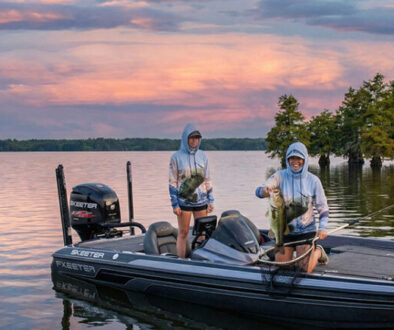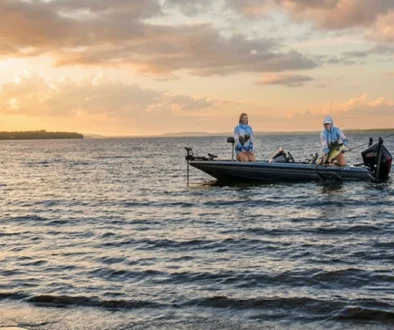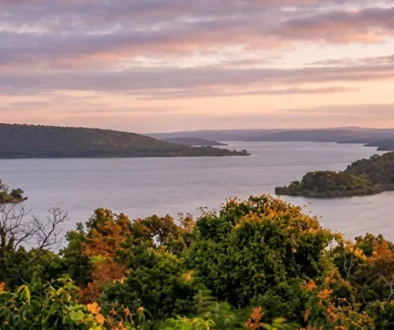
Fly Fishing Bass at Lake Guntersville, Alabama: Because Terminal Tackle Anglers Are Just Doing It Wrong
Ah, Lake Guntersville. The crown jewel of Alabama bass fishing, where the largemouths grow so big they probably have their own tax brackets. This massive 69,000-acre beast on the Tennessee River is famous for churning out 5- to 10-pound monsters that make tournament pros weep with joy. Most folks attack it with Alabama rigs, chatterbaits, and enough electronics to launch a space shuttle. But you? You’re here for the pure, unadulterated joy of fly fishing for these green tanks. Congratulations, you’ve officially joined the elite club of people who like making things harder for themselves.
Why fly fish Guntersville? Because nothing says “I’m better than you” like delicately presenting a size-4 popper while everyone else is chunking 1-ounce jigs. Plus, when a 7-pounder explodes on your fly, the fight feels epic—like you’re in a Hemingway novel instead of just another boat on the water. Sarcasm aside, fly fishing here is rewarding, especially in the right conditions. The lake’s vast grass beds, ledges, and creeks provide plenty of targets, but you’ll need to adapt to the bass’s mood swings.
Ready to ditch the spinning rod and catch bucketmouths on the fly? Let’s get into it.
Table of Contents

Reason Lake Guntersville is Perfect for Fly Fishing Bass
Lake Guntersville isn’t your average Southern reservoir. It is consistently ranked as one of the top bass fisheries in the country. There are many reasons for this accolade.
The lake is absolutely packed with aquatic vegetation. Milfoil, hydrilla, and river grass create a bass paradise. These weed beds provide cover for bass. They also attract massive schools of shad and bluegill.
As the largest lake in North Alabama, it offers endless water to explore. While largemouth bass are the primary target here, diversity exists. You will also find smallmouth bass, spotted bass, and even catfish.
If you enjoy crappie fishing or freshwater fishing in general, this lake delivers. The lake’s fertile waters mean bass grow fast and fat. Five to eight pounders are common. Big fish show up often enough to keep things interesting.
What makes this place so fly-friendly? Bass here love topwater action. This is especially true during the warm water months. They will absolutely destroy a well-placed popper or streamer.
The ecosystem is robust. The sheer volume of fish fishing the bait schools creates a frenzy. When you see shad gather, you know predators are near. It is a cycle of life that supports massive populations.
Plus, the lake’s size gives you options. You can fish shallow water grass flats or deep channel edges. You can target creek channel mouths and everything in between.
Technically a river lake, Guntersville flows like a river but fishes like a lake. This creates current that positions fish in predictable ways. It makes finding them easier once you understand the flow
The Challenge of Vegetation
One defining feature of Guntersville is the grass. It is everywhere. For a fly angler, this presents both a challenge and an opportunity.
Thick mats of hydrilla can be intimidating. However, this is where the lake bass live. You have to be willing to get your fly into the thick stuff.
Learning to identify different types of river grass is helpful. Bass prefer different types of vegetation at different times of the year. Crisp, green grass is usually better than decaying brown grass.
The edge grass is where the predators patrol. They cruise these lines looking for baitfish that stray too far from cover. If you want to catch fish, fish these edges hard.
Best Times to Fly Fish for Bass at Guntersville
Timing matters when you’re fly fishing for bass. Hit it right and you’ll have the trip of a lifetime. Show up at the wrong time and you’ll wonder why you bothered.
Early spring is when things get really exciting. As water temperatures climb from the 50s into the 70s, bass move shallow. They head toward the spawning grounds to reproduce.
This is prime time for sight fishing with poppers or woolly buggers around grass edges. Once temps hit 60 degrees, topwater action explodes. The fish are aggressive and defending their beds.
Late spring transitions into summer patterns. Summer brings heat, humidity, and some of the best topwater blowups you’ll ever witness. Early mornings and late evenings are golden hours.
Bass school up on shad during summer. This makes stripping streamers through the water column incredibly effective. Just be ready to sweat, as Alabama summers are intense.
Fall is feeding time. As water cools from the 70s down to the 50s, bass go on an aggressive feeding binge. They need to bulk up for winter.
Cold fronts can slow things down, but generally, the fish are active. Poppers, divers, and streamers all work well during this period. The fish are less picky and more willing to chase.
Winter slows things down significantly. Bass get lethargic and move to deep water. You can still fish deep with subsurface streamers or sinking lines, but it takes patience.
Current reports show water temps in the 40-50 degree range during late winter. Bass activity picks up once temps climb above 55 degrees.
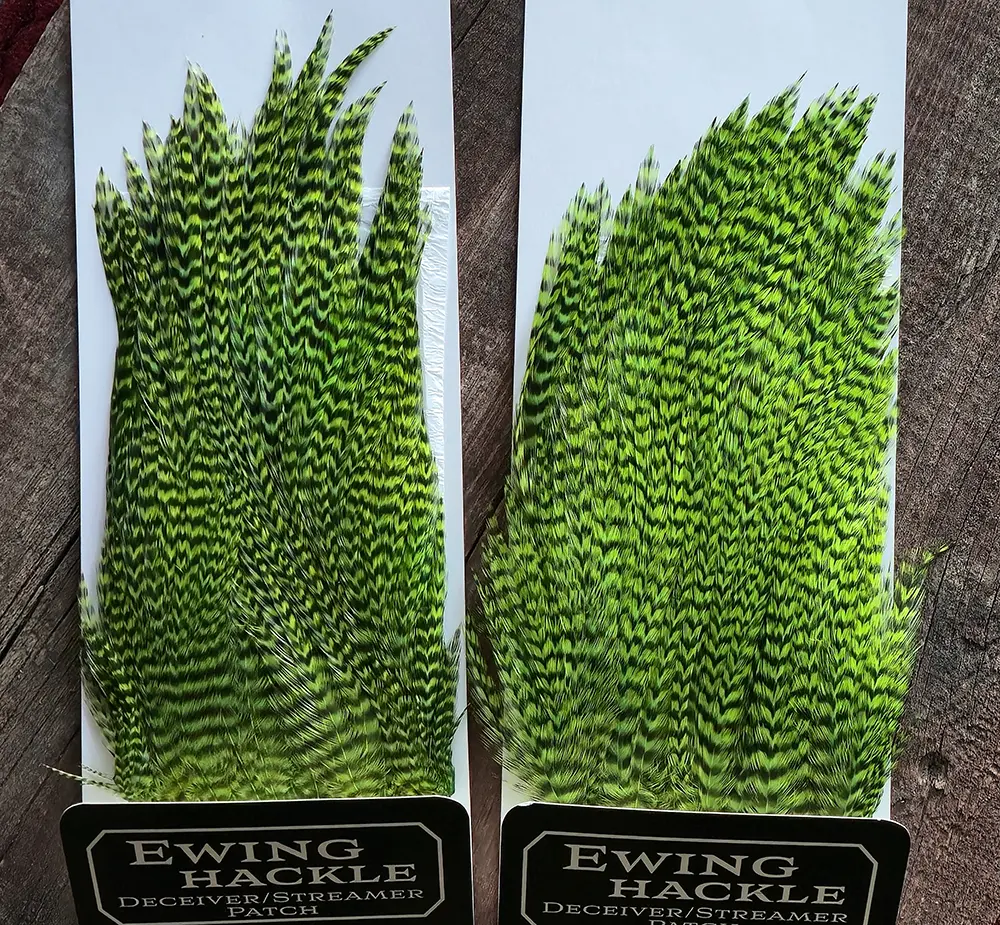
Gear You Actually Need for Fly Fishing Bass at Lake Guntersville Alabama
Don’t show up with your delicate trout setup. Bass fishing requires heavier gear that can handle big flies. It also needs to handle even bigger fish.
You’ll want an 8 or 9 weight rod. It should be nine feet long with a fast action. This gives you the backbone to cast large flies and muscle bass out of heavy cover.
When selecting fishing tackle, durability is key. Your fly rod must withstand the shock of a heavy strike. It also needs to lift heavy wet flies out of the water. Fly rods specifically designed for bass often have a stiffer tip.
Pair that rod with a large arbor reel that has a solid drag system. These bass can make surprisingly strong runs. This is especially true in open water.
For line, start with a weight-forward floating line for topwater work. Add an intermediate or sinking line for fishing deeper. You need to be prepared for various depths.
Your leader and tippet should be short and stout. Nine to twelve feet tapered down to 15 or 20 pound fluorocarbon or mono is standard. Bass aren’t leader-shy here.
Think of it less like trout fishing and more like light saltwater fishing or chasing big game fish. The power of a big bass in heavy cover is substantial.
Other essentials include a stripping basket if you’re fishing from a boat. Flies with weed guards are a must. Bug spray is crucial, as Alabama mosquitoes are legendary.
A boat or kayak is highly recommended. This lake is massive, and you’ll want the mobility to cover water. You need to be able to find active fish.
Public boat ramps are plentiful. Facilities at Lake Guntersville State Park and several other locations offer access. Free boat ramps are scattered around the lake, making access easy.
Lake Guntersville is Perfect for Fly Fishing Bass (Even If Everyone Else is Using Terminal Tackle)
Let’s get real: Guntersville is Alabama’s largest lake, stretching 75 miles along the Tennessee River with endless weed beds of milfoil, hydrilla, and eel grass. These grass lines are bass heaven—cover for ambushing shad, bluegill, and whatever else swims by. And guess what? Bass love exploding on surface bugs here. Those “big bass explode on topwater baits” descriptions you read in every report? That’s prime popper and frog fly territory.
Sure, the lake is tournament central, with pros winning on chatterbaits, frogs, and swimbaits. But fly fishing works because the bass are opportunistic feeders in this fertile impoundment. Largemouth here average solid size, with plenty of 5-8 pounders and the occasional teen showing up. Spotted bass are in the mix too, adding scrappy fights.
The sarcasm comes in because fly fishing Guntersville feels like bringing a knife to a gunfight—at first. But when you’re stripping a streamer through a grass edge and a bass bulldogs your fly, you’ll be the one smirking as bass boats idle by wondering what that long whippy rod just hooked.
Flies That Actually Work on Lake Guntersville
The right fly makes all the difference. You want patterns that match what bass are eating. This includes shad, bluegill, crawfish, and frogs.
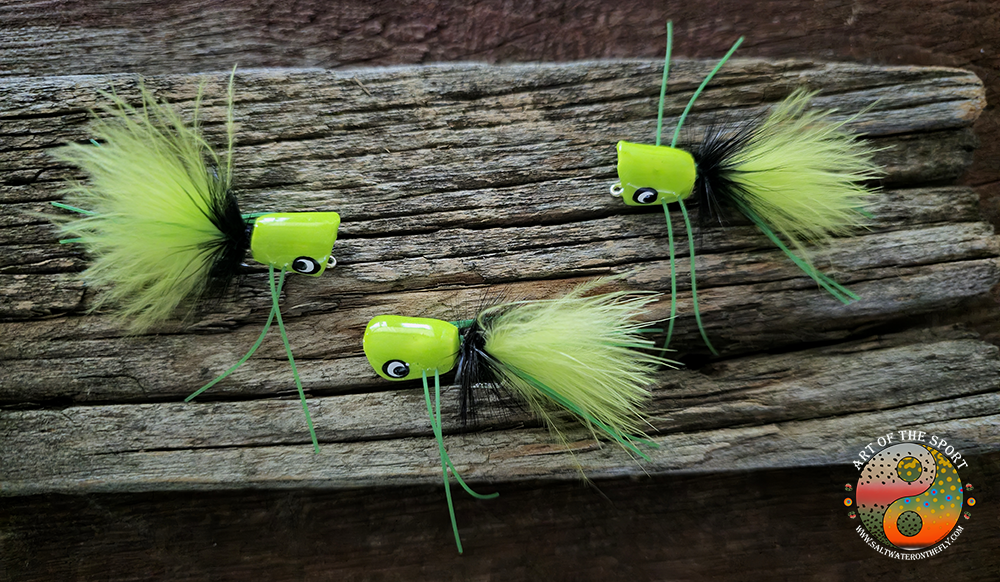
Topwater poppers and divers are your bread and butter. Frog patterns work exceptionally well. Chartreuse and white combinations and bumblebee colors all produce.
Size matters here. Go with hooks in the 2 to 6 range. Bass here aren’t shy about eating big meals.
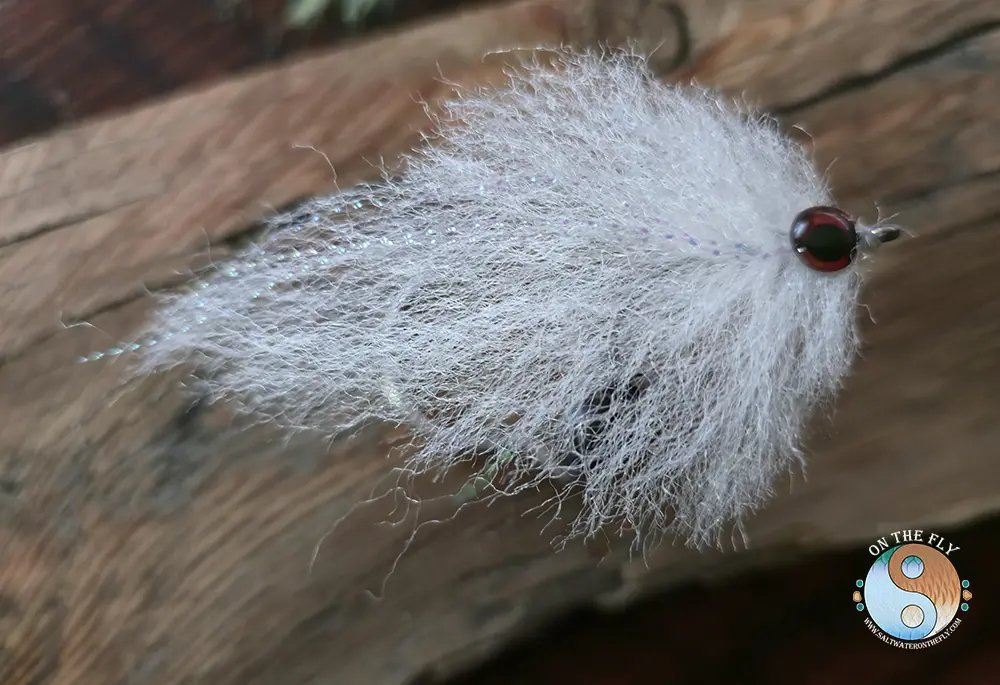
Streamers are essential for subsurface fishing. Clouser minnows in shad colors mimic the baitfish perfectly. Deceivers and woolly buggers in black or green all work great.
Conventional anglers use big worms or the Alabama rig. You can mimic these presentations with large, articulated flies. Weighted patterns let you fish different depths along grass lines and drop-offs.
If you check out Saltwater on the Fly, you’ll find solid options for bass flies. Foam frog flies are killer over thick vegetation. Bass will come up through the mats to smash them. As well as mice patterns in the evening.
For deeper work, crayfish patterns and bunny leeches work well. Fish these along creek channel edges and rocky areas. If you only buy one fly, the Wooly Bugger is your best bet.
Tie your flies big and bold. These bass aren’t looking for subtle presentations. They want a substantial meal
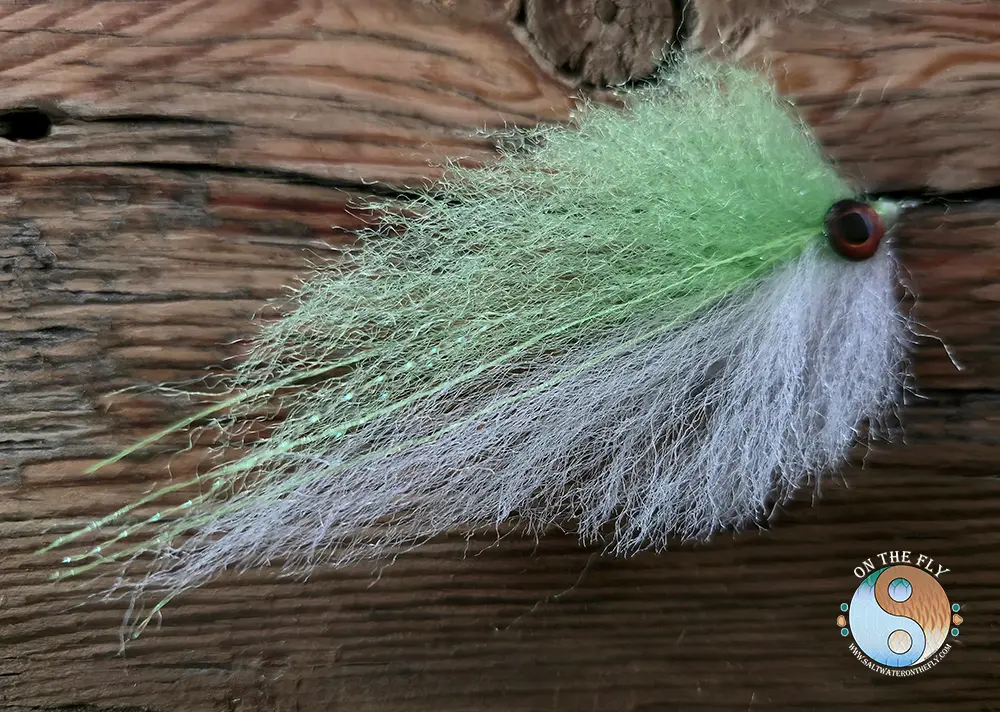
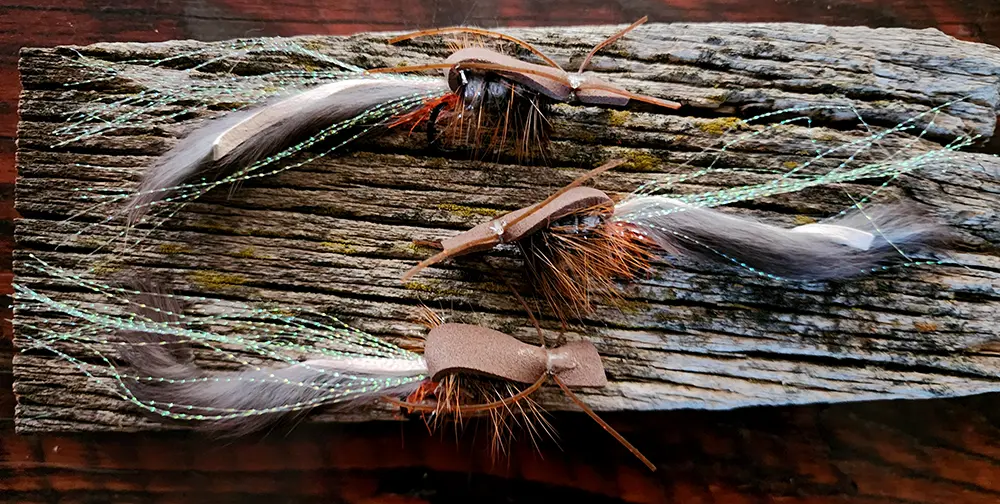
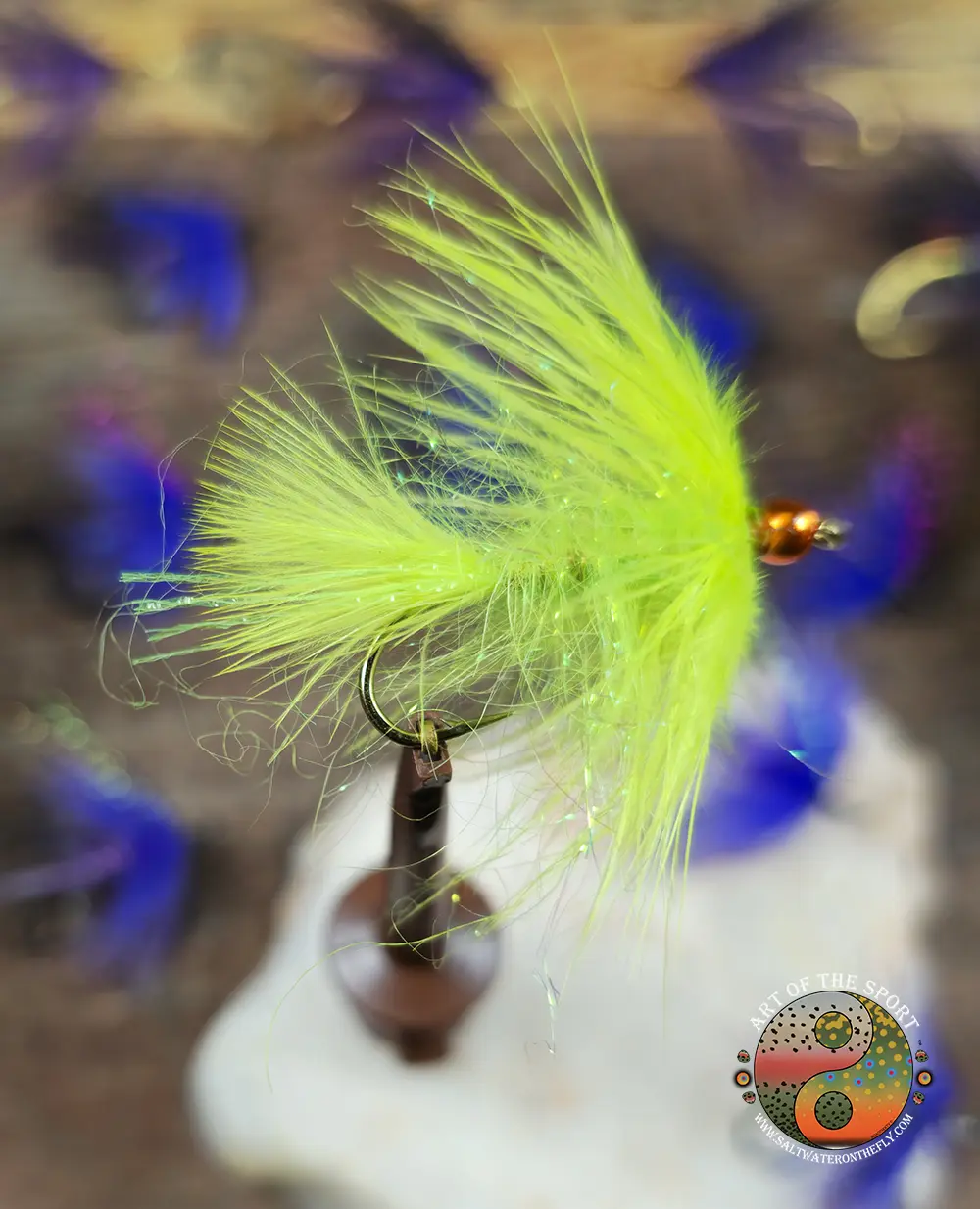
Or Another Way to Look at Flies That Actually Work: Because “Match the Hatch” Is Code for “Don’t Be Stupid”
Guntersville bass eat shad, bluegill, crawfish, and anything that looks like dinner. Top producers:
- Poppers and gurglers (size 2–6): Dahlberg divers, foam poppers in chartreuse/white or black/blue. Early morning explosions are pure dopamine.
- Clouser minnows (chartreuse/white or olive/white): Classic baitfish imitators. Strip them fast for reaction strikes.
- Deceivers, Pelagic Forgers, and woolly buggers: For deeper water. Add weight to get them down.
- Crayfish patterns (size 4–8): Rabbit fur or woolly buggers in rust/orange. Drag them slowly near ledges.
- Frog imitations: Hollow-body flies for grass mats. If you can punch through hydrilla, you’re a hero.
Colors? Bright for dirty water, natural for clear. Always carry extras—these fish will eat your fly like it’s their last meal.
We Can’t Go on Without Mentioning Fly Fishing for Smallmouth Bass on Lake Guntersville: The Acrobatic Underdogs
Okay, let’s be real: When most people think “Lake Guntersville bass,” they picture those fat, lazy largemouths lurking in the thick grass beds, waiting for a frog popper to plop down like room service. But hidden among them (especially if you venture up toward the Nickajack Dam tailwaters or the riprap banks) are smallmouth bass—the feisty, jumping, rod-bending cousins that fight like they’re auditioning for an action movie.
Smallmouth aren’t as numerous as largemouth here, but Guntersville has a solid population, especially in the upper lake and Tennessee portions. We’re talking riverine sections with current, rocky riprap along bridges and dams, ledges, and deeper drops. These bronzebacks prefer cleaner, cooler water than their bucket-mouthed relatives, so they hang out where there’s flow and structure—think bridge pilings, rocky points, and current breaks.
The Alabama state record smallmouth is over 10 pounds (caught elsewhere, but hey, dreams are free), and Guntersville regularly coughs up 4- to 6-pounders that will make your 8-weight feel like a noodle. They might not hit double digits as often as largemouth, but pound-for-pound, smallies fight harder—they jump, run, and generally act like they’ve got something to prove.
Best times? Spring pre-spawn (March–April) when they’re staging on ledges and points, and fall when shad schools pull them shallow. Summer can be tough as they go deep (15–25 feet), but if you’re slinging sinking lines, you can still score. Avoid mid-winter unless you’re into slow, deep dredging.
Gear and Locations for Smallmouth Success
Stick with your 8- or 9-weight for these guys—they pull hard. A sinking or intermediate line helps get flies down to those ledges. Leaders: 9-foot tapered to 15–20 lb; no need for delicacy.
Prime spots: Upper lake near Nickajack Dam tailwaters, riprap banks (bridges are gold), rocky points, and creek mouths with current. North Sauty and South Sauty creeks can hold them, especially shallower ponds in summer. Look for baitfish schools—smallies love chasing shad.
Flies and Techniques That Actually Work on Guntersville Smallies
Smallmouth are opportunistic carnivores: crayfish, shad, hellgrammites, you name it. Top flies:
- Clouser Minnows (chartreuse/white, olive/white, size 2–6): Strip them erratically along ledges. The dumbbell eyes make them jig—perfect for imitating fleeing baitfish.
- Crayfish patterns (rust/orange woolly buggers or dedicated craws with claws): Bounce them on the bottom near rocks. Short strips and pauses to mimic a fleeing crawdad.
- Woolly Buggers (black, olive, brown—beadhead for depth): Versatile; swing them in current or strip in still water.
- Streamers like Game Changers or Murdich Minnows: For aggressive fish chasing shad schools.
- Topwater? Yes! Small poppers or gurglers in calmer pockets—smallies explode on surface flies almost as enthusiastically as largemouth.
Technique: Aggressive strips for reaction strikes. In current, swing flies across seams. Use your electronics to find ledges and schools—yes, even fly anglers cheat a little on big lakes. When a 5-pounder cartwheels across the surface, you’ll forget all about those “easier” largemouth.
Challenges: Fewer numbers than largemouth, deeper water in summer, and boat traffic dodging. But the payoff? Epic fights that make you feel like a hero.
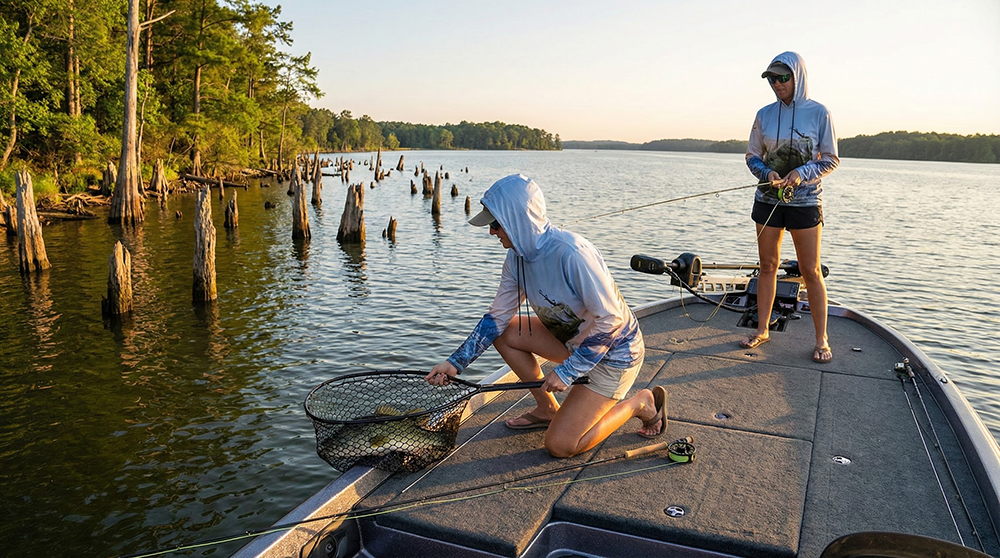
Let’s Not Forget Fly Fishing for Spotted Bass on Lake Guntersville: The Sneaky Schoolers
Ah, the spotted bass (aka Kentucky bass)—the third wheel in Guntersville’s black bass trio. They’re not the stars like largemouth, nor the acrobats like smallmouth, but don’t sleep on them. Spots have exploded in population here over the years, often outnumbering the others in certain areas. They’re aggressive, school up like teenagers at a mall, and grow respectable (state record around 8 pounds, with 4–6 pounders common).
Spots love similar habitat to smallmouth: riprap, points, ledges, and current breaks. But they’re more adaptable—happy in grass edges too, especially where it mixes with deeper water. You’ll find them schooling on shad in open water, ambushing along bridge pilings, or holding on humps.
They’re reaction-strike machines: Fast-moving flies trigger them big time. Fall is prime when they chase shad balls on the surface—pure chaos. Spring pre-spawn on points and summer deep on ledges round out the calendar.
Targeting Spots with Fly Gear
Same setup as before: 8–9 weight, mix of lines (floating for top, sinking for depth). They hit hard, so heavy tippets.
Hotspots: Riprap banks, bridge areas, Town Creek, Brown’s Creek, and mid-lake ledges. Anywhere with current and baitfish.
Killer Flies and How to Fish ‘Em for Spots
Spots eat baitfish like it’s their job—shad, herring, whatever swims by.
Standouts:
- Clousers and Deceivers (white/chartreuse, gray/white): Fast strips through schools. When birds are diving, it’s on.
- Poppers and sliders: For surface schooling—heart-stopping boils.
- Woolly buggers or crayfish near structure.
- Smaller streamers if they’re picky.
Technique: Locate schools (birds, busting fish, electronics), then bomb casts and strip like mad. Long leaders help in clear water, but spots aren’t leader-shy.
Why bother? Numbers. On a good day, you can catch dozens, with solid 3–5 pounders mixed in. They’re fun-sized fighters—quick runs, head shakes, and they school, so one fish often means more.
Downsides: Smaller average size than largemouth, can dominate areas pushing out others. But hey, a bent rod is a bent rod.
There you go—now your Guntersville fly fishing arsenal covers all three black bass species. Go chase those smallies for jumps, spots for numbers, and save largemouth for when you want trophies. Or just catch whatever blows up your popper. Happy casting, you masochistic fly-slinging legends.
Where to Find Bass at Lake Guntersville
This lake is huge, which means you need a game plan. Random casting won’t cut it. You need to know where the fish live.
Grass lines from the mid-lake to lower sections are prime areas. Places like Goose Pond and the BB Comer Bridge area hold lots of fish. Staging bass often hold on these edges before moving shallow.
Creek channel mouths are money spots. Roseberry Creek and Mud Creek both offer good kayak access and consistent action.
Shallow flats with emergent vegetation are perfect for topwater work. Bass hang in these areas to ambush baitfish. If you see a blue heron standing in the water, cast near it.
Offshore ledges and steep banks hold fish during midday. When they are less active on the surface, they go deep. Use a depthfinder or fish finder to locate schools.
Conventional anglers might use jigging spoons here. You can use heavy sinking lines to get down to them. Sometimes you need to go to where the fish are resting.
The interactive maps at Fishidy can help you identify productive areas based on recent reports. They also show GPS hotspots.
Water levels fluctuate, so patterns change throughout the year. Pay attention to what’s working currently rather than relying on old information.
If you want to explore more great bass fishing spots, check out the best places to go fly fishing in the United States for additional inspiration.
Seasonal Location Guide
| Season | Key Location | Primary Strategy |
|---|---|---|
| Early Spring | Shallow Bays & Creeks | Target pre-spawn fish on grass edges. |
| Late Spring | Spawning Flats | Sight fish for bedding bass in clear water. |
| Summer | Main River Ledges | Fish deep structure and current breaks. |
| Fall | Back of Creeks | Follow the baitfish as they move shallow. |
| Winter | Deep River Lake Channels | Slow down and fish near the bottom. |
Techniques for Catching Bass on a Fly Rod
Knowing how to fish your flies is just as important as which flies you choose. Let’s break down the techniques that actually work.
For topwater popping, cast to shallow grass edges and let your popper sit for a few seconds. Give it a couple of sharp pops, then pause.
Watch for wakes and swirls. Sometimes bass will follow before committing. Keep working that fly until something explodes on it.
When stripping streamers, mix up your retrieval speed. Quick, erratic strips trigger reaction strikes. Slow, steady strips work for following fish.
Sight fishing is incredibly effective during spring. This is when the bass spawn pushes them shallow. Wear polarized glasses to spot cruising fish in the grass.
Present your fly ahead of the fish’s path and strip it slowly. Sometimes a motionless fly triggers a strike better than constant movement.
Weedless presentations are critical here. Learn to skip your flies under overhanging grass. Drop them into small pockets in the vegetation.
Avoid fishing in heavy current areas if possible. Bass prefer calmer water. Look for a current break where they can ambush prey without fighting the flow.
Focus on water creek mouths like Siebold Creek or Town Creek. These spots offer kayak-friendly access and solid fishing opportunities. The water creek inflows often bring oxygen and cooler temps.
Proper boat positioning is vital. Keep your boat far enough away to not spook the fish, but close enough to cast accurately. Use the wind to drift quietly along the banks.
Strip, Twitch, Pray
Fly fishing Guntersville isn’t delicate trout stuff. It’s aggressive. Strip fast for schooling bass in fall. Twitch poppers on top for heart-stopping strikes in spring. Use a double haul to punch through wind, and always strip-set—yanking the rod like a bass fisherman will snap your tippet.
Target grass edges, creek mouths, flats near bridges, and ledges. In spring, hit shallow areas around North Sauty or Goose Pond. Fall? Look for bait balls and birds diving. Use your electronics (yes, even fly guys need them) to find structure.
Pro move: Drift the fly with the wind over grass beds. Bass love an easy meal. And when one hits? Hold on—Guntersville bass fight like they’re auditioning for a monster movie.
Other Challenges: Because Nothing Worthwhile Is Easy
The lake’s thick vegetation (hydrilla, milfoil) will snag your fly faster than a bad date. Wind can be brutal, and boat traffic is constant. Plus, most guides use conventional gear, so finding fly-specific advice is like finding a quiet spot on the lake—rare.
But that’s the charm. When you land that 6-pounder on a fly rod while everyone else is trolling Alabama rigs, you can smirk and say, “Yeah, but did you do it with style?”
Planning Your Trip to Fish Lake Guntersville
A successful fishing trip takes more than just showing up with a rod. You need accommodations, local knowledge, and a solid plan.
For lodging, consider staying at Goose Pond Colony. It offers cottages right on the water. The Guntersville State Park Lodge is another excellent option.
If you prefer something different, check out the Highland Cottages at Lake Guntersville. They offer a peaceful retreat after a long day on the water.
For fishing tackle and supplies, Saltwater on the Fly.com. They will have everything you need. You can pick up a few flies or replacement leaders there.
When you’re not fishing, visit City Harbor. It is an entertainment district built on a pier over the lake. Great food, cold drinks, and live music make for a perfect evening.
Consider hiring a guide service for your first trip. A guide can provide invaluable insight. But hard pressed to find one who fly fishes. Just a half day tour of the lake will open many opportunities for you to fish later. The lake is massive and having local knowledge can save you days of frustration.
Respect tournament anglers when they’re competing. Give them space and avoid interfering with their fishing area. There is plenty of water for everyone.
Practice catch and release, especially for bigger fish. Keeping the genetics strong means better fishing for everyone in the future.
You must obtain a fishing license before you wet a line. It is easy to buy a license online through the Alabama Department of Conservation and Natural Resources. This ensures you are legal and supporting the conservation efforts.
Tips for Success When Fly Fishing for Bass
You’ve got the gear, you know the spots, and you understand the techniques. Here are a few final tips to put it all together.
Bring a backup rod. Bass are strong and can break things. Having a spare keeps you fishing instead of heading home early.
Don’t let skeptics get in your head. Sport fishing crowds might give you weird looks. But wait until you land a six pounder on a popper.
Pay attention to weather patterns. Overcast days often produce better topwater action than bluebird skies. The low light makes the bass more confident.
Learn to read the vegetation. Bass position themselves along channel edges where they can ambush prey. They move between open water and cover.
Keep your hooks sharp and check them often. Vegetation can dull points quickly. Missed hooksets are heartbreaking.
Don’t ignore the wind. A windy day can position baitfish against the bank. This makes for excellent water fishing conditions.
Take photos but release fish quickly and carefully. These bass are a resource we all want to enjoy for years to come. Feel free to celebrate your catch, but respect the animal.
Connect with other fly anglers online or through local clubs. Sharing information makes everyone better at this pursuit. The fly fishing community is generally very welcoming.
Remember that fly fishing is about more than just catching fish. It’s about the experience, the challenge, and being on the water. Enjoy every fishing day, regardless of the count.
Frequently Asked Questions
Is Lake Guntersville good for beginners? Yes, it is a fantastic place to learn. The abundance of fish makes it easier to find success. However, mastering the fly rods in wind can be a challenge.
Can I catch other species besides bass? Absolutely. You can enjoy good fish action from bluegill, crappie, and catfish. You won’t find exotic species like peacock bass, but the native varieties are plentiful.
Do I need a boat to fish here? While a boat bass fishing approach is best, it’s not strictly necessary. There are areas for bank fishing and wading. However, to reach the best offshore ledges or deep creek channel edges, a boat is helpful.
What is the biggest bass caught in Guntersville? Bass over 10 pounds are caught annually. While not every hit bass is a monster, the potential for a trophy is always there. It is truly a destination for big game freshwater hunters.
Is night fishing productive? Yes, especially in summer. When the sun goes down, big bass move to shallow water to feed. Use dark colored flies that create a strong silhouette against the surface.
What if I don’t fly fish? This lake caters to all styles. While we love the fly, many people enjoy conventional fish fishing methods. Water fishing of any kind is celebrated here.
Conclusion of Fly Fishing Bass at Lake Guntersville, Alabama
Fly fishing for bass at Lake Guntersville Alabama offers something special. Conventional bass fishing can’t quite match the thrill. There is an art to presenting a fly and reading the water.
This lake gives you everything you need. It has massive size, abundant vegetation, and healthy fish populations. It holds lake bass that are willing to eat flies.
Whether you’re popping topwater over shallow grass or stripping streamers along grass lines, the opportunities are incredible. The visual strike of a caught fish on topwater is unmatched.
Yes, you’ll get some confused looks from tournament bass boats. And yes, there’s a learning curve if you’re new to fly fishing bass. But don’t let that stop you.
This fish lake is legendary for a reason. It produces memories that last a lifetime. The sheer quality of the fishery makes every cast exciting.
When that seven pound largemouth explodes on your popper, you’ll understand. When your reel screams as line peels off, you’ll know why anglers are making the switch.
The Lake Guntersville area offers not just great fishing but also beautiful scenery. It has plenty of amenities for a complete trip. You will find everything you need nearby.
Pack your 8 weight and tie on a frog pattern. Head to Alabama for some good fish and great memories. These bucketmouths are waiting.