Fly Fishing for Bass at Grand Lake O’ the Cherokees Oklahoma
Fly Fishing for Bass at Grand Lake O’ the Cherokees Oklahoma is what happens when you mix chaos, beauty, and bad life choices in the best way. You grab a fly rod that was meant for gentle trout and you throw it at thick backed bass in a massive Ozark reservoir. Fly Fishing for Bass at Grand Lake O’ the Cherokees Oklahoma is loud, splashy, and a little addictive once you feel that first topwater explosion.
This isn’t just a casual weekend activity. It is a pursuit that challenges you to read the water differently than the gear anglers do. The thrill of sticking a heavy fish on the fly here is unmatched.
Table of Contents
Reason Grand Lake O’ the Cherokees Is Built For Fly Rod Bass
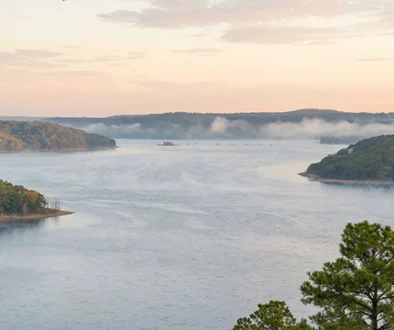
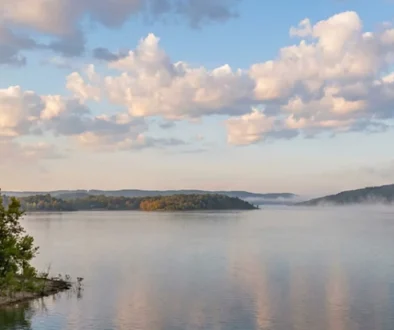
Grand Lake is big water with big attitude. We are talking more than 46,000 surface acres and well over a thousand miles of shoreline tucked into the northeast corner of Oklahoma. The sheer size of this fishing lake offers endless opportunities.
Rocky banks, flooded timber, dock lines, grass pockets, and winding creek arms give bass places to ambush, chase, and crush anything that moves. For a fly angler, that means a playground full of structure that begs for a cast. The diversity of the lake Oklahoma landscape keeps things interesting.
It is also a serious tournament stage. Grand has hosted the Bassmaster Classic several times, with the most recent return in 2024. You can see in coverage from the 2024 Bassmaster Classic at Grand Lake here: The Bassmaster Classic.
Pros do not keep coming back to dead water. They come because the lake kicks out heavy bags and trophy largemouth bass. You will also find solid populations of spotted bass and the occasional smallmouth bass.
The primary inflow from the Neosho River keeps nutrients cycling through the system. This creates a strong food chain from the bottom up. A healthy lake supports a healthy forage base, which grows big predators.
What Makes Fly Fishing Bass Here So Fun
Most folks on Grand Lake are chucking soft plastics, spinnerbaits, and jerkbaits from fast boats. They work the points and docks with side imaging and waypoints. You show up with a nine weight, a handful of deer hair poppers, and probably a kayak in the back of an older truck.
You are going to get looks. You are also going to get some violent eats from bass that are tired of seeing the same gear day after day. This sets fishing Grand Lake apart from other pressured fisheries.
Fly presentations have a different profile and sound. Foam bugs sit and gurgle on the surface. Streamers pulse and stall in a way that sometimes flips a neutral fish into full predator mode.
Bass are reaction feeders. A hand stripped fly plays right into that instinct. You might even stumble into aggressive schools of white bass or striped bass while targeting largemouth.
These large schools of temperate bass fight incredibly hard on fly tackle. It adds another layer of excitement to the day. You never truly know what will smash your fly next.
Gear You Really Want For Bass On The Fly
You do not need to build a guide level kit, but certain setups make life a lot easier. The lake can kick up wind and many banks have laydowns and brush. Think power and control rather than tiny rods and fairy wands.
Rod, Reel, And Line
Most fly anglers chasing bass on Grand Lake O’ are in the 7 to 9 weight range. A fast action 8 weight hits the sweet spot for casting big flies and still giving some sport on average fish. If you are chasing trophies near docks or deep brush piles, a 9 weight gives you more backbone to steer fish out of trouble.
Reels do not have to be boutique gear. However, a smooth drag and solid frame matter once a heavy bass dives under a dock float. You are pulling fish out of cover, not tip toeing with them.
Pair that reel with a weight forward floating line for most shallow water work. Then add a sink tip or full intermediate line for working ledges. This helps when you need to reach deeper water points.
Leader setups can stay simple. A stout 7 to 9 foot leader ending in 12 to 20 pound tippet is normal. The fish here see crankbaits on 17 pound mono all the time.
They are not leader shy in the way pressured trout might be. You can lean heavy and keep fish out of brush. This is critical when trying to land larger fish.
Flies That Bass Actually Eat At Grand
Grand Lake O’ the Cherokees is packed with shad, sunfish, and crayfish. Flies that echo those shapes will draw heat. Think of your box in three basic categories.
- Topwater bugs.
- Streamers and baitfish patterns.
- Bottom and craw profiles.
For topwater, foam poppers and sliders in white, yellow, or frog patterns shine. These are perfect for the hot summer months in the mornings and evenings. Quiet coves and the shade behind docks become ground zero.
Let that bug sit after the splash, twitch it, then pause. Many eats happen right after the pause. That is when the rings fade and the bass has lined it up.
On the streamer side, patterns that move and push water do well. Clouser Minnows in chartreuse and white copy shad perfectly. This mimics the primary forage base found throughout lakes Oklahoma.
Woolly Buggers in black or olive stand in as leeches or small baitfish. Articulated streamers like Game Changer style flies add extra wiggle for big fish hunts. These are great for imitating injured prey.
For the bottom, crayfish patterns and simple zonker strips crawled slowly along chunk rock points work well. These draw slower but more committed takes. Grand has rocky structure and rock piles along bridges and the dam.
Craw style flies absolutely have a place here. This is especially true near the dam area. If you need supplies, check out local tackle shops for specific regional colors.
Season By Season: Timing Your Trip
Bass in a big southern reservoir follow patterns that tie closely to water temperatures, day length, and baitfish movement. If you match those rhythms with fly tactics, you give yourself way better odds of a banner day. Otherwise, you might just have a long casting practice session.
| Season | Key Areas | Primary Tactics | Target Depth |
|---|---|---|---|
| Spring | Creek arms, pea gravel banks | Streamers, crayfish patterns | Shallow (1-5 ft) |
| Summer | Docks, main lake points | Topwater (early/late), Sinking lines | Surface to 15 ft |
| Fall | Creek backs, channel swings | Fast stripped baitfish | Variable |
| Winter | Bluff walls, deep structure | Slow rolling heavy flies | Deep (15+ ft) |
Spring: Prespawn And Spawn Mayhem
From March through May, bass push shallow as water climbs through the low 50s and up into the 60s. You will find them in protected pockets and inside creek arms. They also love pea gravel banks where the spring spawn occurs.
This is prime time for both numbers and bigger fish. Subtle streamers worked near laydowns and docks can pick off cruising bass. A warming trend can trigger aggressive feeding binges.
Once fish are tight on beds, small weighted baitfish patterns worked on the edge of their comfort zone get smashed. This is often out of defense, not hunger. Be precise with your placement.
Remember that spawning bass are building the next year class for this fishing lake. This helps explain why fishing tournaments pay such close attention to handling practices. The Bassmaster Classic is famous for emphasizing fish care.
Try to fight fish hard and land them quickly. Keep them in the water as much as you can. Get them back fast to protect the bass fisheries.
Summer: Early, Late, Or Night
Once the Oklahoma heat cranks up, Grand can feel like an oven by noon. The summer months can be brutal on the angler. The good news is the best fly windows often line up with cooler times.
Dawn and dusk give you glassy pockets and long shade lines. Work poppers and sliders along docks and seawalls. Submerged grass in protected coves is also a prime target.
Look for nervous bait dimpling the surface. Set your casts just beyond them. Bring the fly back with short pops to mimic a struggling insect.
When the sun gets high and the hot summer kicks in, bass push deeper. That is your cue to swap to sink tip lines. Fish streamers down ledges and around deep brush.
Night sessions under dock lights can also be special. This is especially true during shad spawns. Lights draw bait, and bait draws predators.
Fall: Shad Chase And Surface Shows
As water temps cool from summer peaks, bass follow shad schools into the backs of creeks. They also patrol along channel swings. You will sometimes see busts on the surface where shad schools get hammered.
Match that scene with baitfish flies close to the size of the shad you see. White and gray Clousers or sparse deceiver patterns shine here. Strip them fast with short pauses.
Think of a spooked shad trying to keep its scales. On calm days with low light, topwater comes right back into play. Some of the most visual bass fishing days happen in October.
Winter: Slow And Deep
Winter does not completely shut down fly options, but it shifts your strategy. Fish stack on structure in deep water. Their feeding windows tighten significantly.
You want a sinking line or a heavy sink tip and patience. Slow roll streamers along the base of bluffs. Working across main lake points is also effective.
You may be fishing many feet deep to find them. The strikes are softer in cold water. Many feels more like weight than a hard tick.
Keep tension and lift with a steady strip set. Do not use a dramatic trout style lift. You need to drive the hook home firmly.
Grand Lake Areas That Set Up Well For The Long Rod
You could spend years learning every arm of Grand Lake O’. If you are visiting or just starting, focus on high percentage zones. Do not try to cover every mile of shoreline.
Elk River Arm
The Elk River arm on the north side often has slightly clear water. It features lots of rock banks and channel swings. Those conditions are helpful if you like sight fishing.
Current flow from rains can set up eddies and current breaks. These give you current seams that look almost like big river spots. Work flies across those lines where bass can sit.
They wait just out of the flow to shoot into bait. On overcast days, this arm carries a nice color. This lets you get tight to shore with bigger flies.
Dock Heavy Coves
Places like Duck Creek and similar coves on the main lake have heavy dock cover. These spots see plenty of boat traffic. However, they also give bass shade, food, and cover.
Fly anglers can focus on the shade pockets and floats. The corners of dock frames are also key targets. Short, accurate casts matter far more than hero distance here.
Swing a streamer or drop a popper tight to the shadow line. Start your retrieve right away to pull the fish out. You have to move them before they wrap you.
The boat ride into these coves will give you plenty to look at. You will also notice that many folks show up pulling rigs with classic vehicles.
Lower Lake And The Dam Area
Closer to Pensacola Dam, you find deeper water and rock structure. Points here drop sharply into the lake channel. This part of the lake lines up better with subsurface work.
Steep bluff walls with broken rock are good places to run streamers parallel to shore. Count down to get to the level you want. You might feel a tick halfway back as a fish darts out.
Do some laps across key points and ledges. Make mental notes of where you get touched. Patterns tend to repeat there across different days.
Boat, Bank, Or Kayak: How To Get On The Water
Access on Grand is good, with public boat ramps, parks, and marinas scattered across the shoreline. Whether you are rolling up in a daily driver like a Camry or backing in with an older tow rig such as a pickup, you can usually find a spot to launch. Finding a place to start fishing Grand is rarely an issue.
State parks and town areas around Grove offer ramps and picnic spots. Bank fishing is possible in certain areas. This is easiest in spring when bass slide into shallow brush.
A small boat or stable fishing kayak lets you slip into quiet pockets. You can get away from heavy traffic and access open water easily. You do not need a bass boat to have a good time here.
Simple Fly Tactics That Work On Grand
You do not have to be a casting wizard to stick bass here. If you stick to a few clean habits, your hookup rate will jump fast. Attention to detail is everything.
Read The Cover Before You Cast
Stop and scan every spot before that first cast. Ask yourself where a bass could sit to ambush food. Look for irregularities in the bank or water.
On a laydown, that might be the first thick branch under the surface. On a dock, it could be the darkest pocket in the back. A corner post in shade is also a prime lie.
Cast with that target in mind. One smart cast is worth ten blind throws into dead water. Visualization helps you catch more fish.
Work Your Retrieve Like It Matters
Most new fly bass anglers either strip way too fast or move the fly with no life. Think about the kind of food you are copying. Your fly needs to look like the local forage.
A spooked shad might dart and stall with quick strips. A craw sneaks along with slower drags and short hops. Spend more time letting craw patterns sit on the bottom.
Change pace, pause lengths, and strip length until something clicks. Once a pattern works, stick with it until conditions change. Adaptation is vital in Oklahoma fishing.
Short, Quiet Casts Beat Hero Shots
Fly lines can slap and spook fish if you bomb every cast. Bass in shallower water will react to noise and shadows fast. This is especially true in clear water pockets.
Stand off a little and angle your cast carefully. Land the fly close without dropping your whole line over the fish. Work that first ten to fifteen feet hard.
If you get nervous, remind yourself of conventional tactics. Many bass are caught by folks flipping baits on ten to twenty foot pitches. You do not need half a football field of line out.
Fishing With Local Help And Learning Faster
Guides on Grand Lake spend long days watching patterns move. They track water level, bait, and seasons. Photos and stories from local operations show clients holding great fish.
You can see from the Grand Lake fishing guide images shared here: Grand Lake OK Fishing Guides. They regularly put clients on everything from steady keepers to thick bass. A day with a pro is an investment in knowledge.
Even a single day with a good guide can cut months off your learning curve. You get eyes on good areas and workable flies. They teach you how to position a boat against wind.
After that, your solo days feel less like guesswork. You start exploring off a solid foundation. Anglers fishing with guides often return with much higher confidence.
Safety, Conditions, And Respect For The Lake
Grand Lake can switch from glass calm to whitecaps quickly. When the wind funnels down the main channel, it gets rough. Pay close attention to weather patterns.
Life jackets are not just for long runs. Wear one when waves build or traffic is heavy. Stay aware of other boats, especially on weekends.
Treat other anglers and docks like you want your own property treated. Give people room. Avoid hooking ropes, buoys, and swim ladders.
You are sharing this resource with many others. A little courtesy keeps the whole scene better for everyone. Respect helps preserve Grand Lake’s reputation.
Frequently Asked Questions About Fly Fishing Grand Lake
What license do I need?
You must possess a valid Oklahoma fishing license. These are available online through the Oklahoma Department of Wildlife Conservation. Non-residents can purchase temporary licenses as well.
Are there other species to catch on the fly?
Absolutely. While bass are king, crappie fishing is huge here. You can also target channel catfish, blue catfish, and even the occasional flathead catfish on streamers. Be prepared for a fight if you hook a monster catfish.
How does Grand Lake compare to Lake Texoma?
Lake Texoma is famous for striper fishing on the border. Grand Lake is more renowned for its largemouth bass fishing and diverse structure. Both are incredible fishing lakes, but Grand offers more traditional shoreline cover.
Is the fishing good in the heat?
Yes, even during the hot summer. You just need to adjust your depth. Fish early for topwater action or go deep during the day.
Conclusion Fly Fishing Bass Grand Lake Oklahoma
Fly Fishing for Bass at Grand Lake O’ the Cherokees Oklahoma might feel a little wild compared to stalking trout, and that is exactly the point. You trade hushed runs and tiny tippets for ripping streamer strips past dock pilings. You are always waiting for that sudden heavy weight to stop the line.
The lake has earned its reputation as a powerhouse. It is backed up by high profile events like the repeated classic ‘ events and local photos of smiling anglers. Add a fly rod to that story and you get a fresh way to experience those same fish.
From quiet coves at first light to dock lines after sunset, the opportunities are endless. Whether you are after a trophy lake bass or just enjoying the cast, this place delivers. It challenges you to improve your skills every trip.
Pack a rod that can turn a fish and a small box of proven bass flies. The fish do not care what you drive.
They care that your fly looks alive, in the right place, at the right time. So get your Oklahoma fishing license and get out there. The lake o’ the Cherokees is waiting for your next cast.