Fly Fishing Bass Orange Lake Florida: The Premier Destination Among Bass Lakes
Orange Lake, situated in Marion County near Ocala FL, offers prolific fly fishing bass Orange Lake Florida opportunities for anglers seeking trophy largemouth bass. This expansive body of water is renowned for its diverse fish species and the unique challenges presented by its dense aquatic vegetation. While northern anglers are often restricted to ice fishing during the winter months, the subtropical climate here ensures that fishing orange lake remains a year-round pursuit for enthusiasts. The lake’s reputation as a premier destination is bolstered by its consistent ability to produce double-digit bass for those willing to master its nuances.
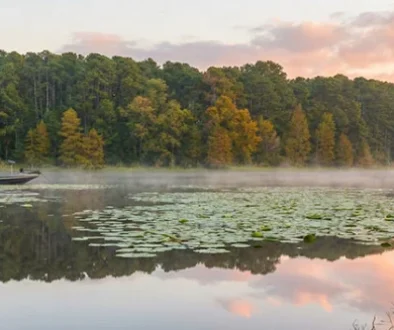
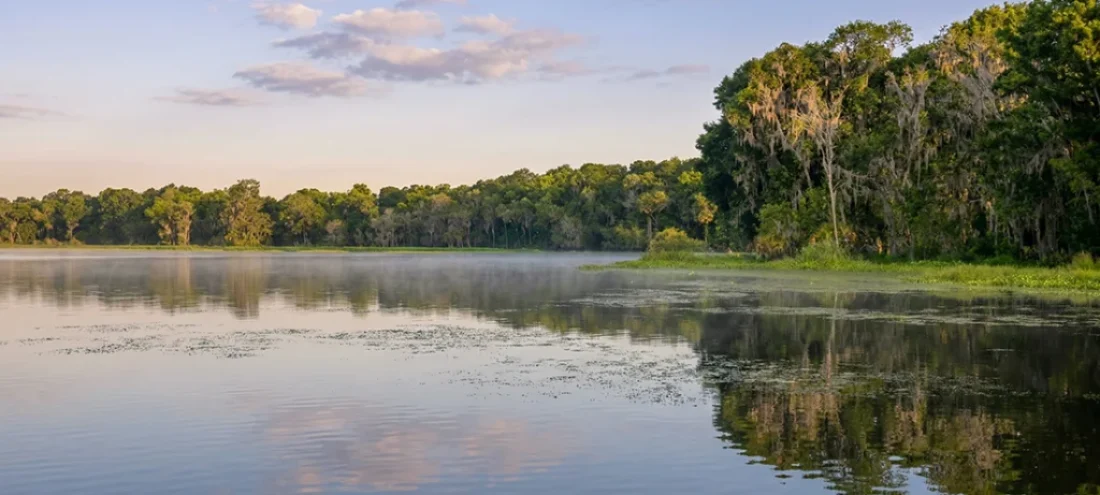
The ecosystem of Orange Lake is a complex tapestry of lily pads and vegetation edges that provide ideal cover for predatory Florida fish. Anglers who choose to fish orange lake will find that the early morning hours offer the most productive windows for topwater action. Whether you are a seasoned veteran or a novice, the experience of fly fishing in these waters is truly unparalleled in the Sunshine State. The interplay between the hydrilla, spatterdock, and maiden cane creates a labyrinthine environment where the largest predators often lie in wait for an easy meal.
To maximize your success, many visitors choose to book orange lake excursions through professional fishing guides who understand the seasonal patterns of the area. These experts can help you navigate the intricate channels and find the hidden pockets where the largest fish reside. Before you head out, ensure you have a valid fishing license and have reviewed the local wildlife conservation regulations to maintain the health of the fishery. Understanding the specific forage base, which includes golden shiners and various sunfish, is essential for selecting the right fly patterns for the day.
Table of Contents
History of Orange Lake Bass Fishing in Marion County Florida
The history of Orange Lake is deeply intertwined with the development of Marion County and the surrounding regions like Belle Glade. For decades, this destination has been recognized as one of the premier bass lakes in the United States, drawing visitors from across the globe. The lake receives inflow from various sources, including the River Styx, which contributes to its rich nutrient profile and biodiversity. Historically, the lake has undergone dramatic transformations, including periods of extreme low water that have actually served to rejuvenate the lake bed and stimulate new growth.
In the mid-20th century, the Florida Fish and Wildlife Conservation Commission recognized the need for active management to preserve the lake’s legendary status. This led to the establishment of the Orange Lake management area, which focuses on habitat restoration and the protection of native fish species. Today, the lake continues to be a cornerstone of the local economy, supporting numerous fishing charters and recreational businesses. The legacy of the lake is preserved through stories of legendary catches that have been passed down through generations of local angling families.
Understanding the historical context of the lake helps anglers appreciate the delicate balance required to sustain such a productive environment. The conservation commission works tirelessly to monitor the health of the water and the populations of largemouth bass that call it home. By respecting these efforts, we can ensure that future generations will also enjoy the thrill of fishing orange for years to come. The resilience of this ecosystem is a testament to the effectiveness of modern fisheries management and the dedication of the local community to conservation.
During the 1950s and 60s, Orange Lake was often cited in national publications as the “Bass Capital of the World,” a title it fought for alongside other famous Florida waters. The unique geology of the area, featuring limestone formations and sinkholes, has played a significant role in the lake’s historical water fluctuations. One of the most famous events in the lake’s history was the opening of a sinkhole in the early 2000s, which significantly drained the basin. This event, while initially concerning, allowed for the removal of accumulated muck and the revitalization of the sandy bottom, which is crucial for bass spawning.
Managing Water Levels with the Fixed-Crest Weir
One of the most critical factors affecting the health of Orange Lake is the management of its water levels. A fixed-crest weir located at the outlet of the lake plays a vital role in maintaining the hydrological stability of the entire basin. This weir ensures that normal water levels are preserved, preventing the lake from draining too rapidly during periods of low rainfall. The engineering of this structure was a collaborative effort designed to balance the needs of the environment with the requirements of local navigation and recreation.
When the lake experiences normal water, the aquatic vegetation thrives, providing essential nursery grounds for young largemouth bass and other species. However, the lake can fluctuate by several feet annually, which significantly impacts the accessibility of certain areas like Cross Creek. Monitoring these changes is essential for any lake fishing charter looking to provide a safe and productive experience for their clients. The weir acts as a safeguard, ensuring that even during dry spells, the core habitat remains submerged to support the resident fish populations.
The wildlife conservation commission closely monitors the maximum depth of the lake, which can vary significantly based on seasonal precipitation and inflow. During times of high water, the fish orange lake populations tend to disperse into the newly flooded vegetation, requiring a change in tactics. Conversely, lower levels concentrate the fish, often leading to some of the most intense bass fishing action of the season. Anglers must stay informed about these hydrological shifts, as they dictate where the fish will hold and how they will respond to various fly presentations.
The fixed-crest weir also helps to regulate the flow of water into the Lochloosa Lake system, creating a unified management approach for the entire watershed. This connectivity is vital for the migration of various species and the overall genetic health of the Florida bass population. Without the weir, the lake would be far more susceptible to the whims of Florida’s erratic weather patterns, potentially leading to habitat loss. By maintaining a relatively stable pool, the weir supports the growth of beneficial submerged aquatic vegetation, which oxygenates the water and provides cover for forage fish.
Targeting Florida Fish: Largemouth Bass and Chain Pickerel
While the largemouth bass is undoubtedly the king of Orange Lake, the lake is also home to the aggressive chain pickerel. These toothy predators often inhabit the same vegetation edges as bass, providing an exciting surprise for fly fishing enthusiasts. Both species respond well to articulated streamers and large poppers that mimic the natural forage found within the lake. The chain pickerel, often referred to locally as “jackfish,” offers a different kind of fight, characterized by sudden bursts of speed and acrobatic leaps.
The Florida fish found in these waters are known for their strength and stamina, often putting up a fierce fight when hooked. To successfully land a trophy, anglers must use heavy monofilament leaders to prevent the fish from wrapping the line around thick lily pads. This style of fishing requires a combination of finesse and raw power to extract large specimens from their heavy cover. Many anglers prefer using an 8-weight or 9-weight fly rod to ensure they have enough backbone to steer a large bass away from submerged hazards.
Beyond the primary targets, Orange Lake also supports a healthy population of panfish, which can provide hours of entertainment for families. Many fishing charters offer specialized trips focusing on these smaller species, which are perfect for introducing children to the sport. Regardless of your target, the biodiversity of this lake ensures that there is always something biting beneath the surface. The presence of bowfin and gar also adds an element of prehistoric intrigue to the waters, as these ancient species are frequently encountered by fly fishers.
The “Florida Strain” of largemouth bass is genetically distinct from its northern cousins, growing larger and exhibiting more aggressive behavior in warmer water. These fish have evolved to thrive in the dense vegetation of the South, making them the ultimate prize for fly anglers visiting Marion County. Because they are cold-blooded, their metabolism is highly dependent on water temperature, which is why the spring and fall seasons are so productive. During the heat of the summer, these fish often retreat to the deeper, cooler pockets of the lake or bury themselves deep within the shade of the hydrilla mats.
Top 13 Best Flies for Bass on Orange Lake (Because 10 Is for Amateurs)
Fly fishing for largemouth here means imitating baitfish, crawdads, or whatever the bass are slurping in the pads and hydrilla. Forget dainty dries—these fish want meat. Here’s my sarcastic take on the top 13 flies that’ll actually work instead of just looking pretty in your box:
- Clouser Minnow (chartreuse/white or pink/white) — The GOAT. Strip it fast through hydrilla edges, and bass explode like they owe you money.
- Woolly Bugger (black or olive, size 2-6) — Classic, cheap, and stupid-effective. Swing it or strip—bass eat it like it’s free pizza.
- Deceiver (white or shad patterns) — Lefty Kreh’s gift to warmwater anglers. Perfect for imitating shiners in open pockets.
- Popping Bug (bumblebee or frog) — Topwater chaos in spring/fall. Watch a 10-pounder inhale it and try not to scream like a kid.
- Half and Half (Clouser/Deceiver mashup) — For deeper spots or bigger fish. Because why choose when you can have both?
- Froggie Patterns (like a foam frog) — In the lily pads, this is basically cheating. Bass smash it like it’s personal.
- Muddler Minnow — Sculpin vibes for the bottom. Deadly when bass are moody.
- Gamechanger (articulated, 5-6 inch) — Fancy feather wizardry. Strip it erratically—big girls love the wiggle.
- Bass Popper-Dropper Rig: Why choose one pattern when you can have the best functional elements of both flies to maximize your strike rate? (large, noisy) — For dawn/dusk explosions. If it doesn’t wake the dead (or the gators), tie it bigger.
- Leiser’s Bass Angus or similar meaty streamers — Beefy, articulated—imitates bluegill or shad schools.
- Pineapple Grenade Popper — Bright, obnoxious, and irresistible in murky water.
- Sunny Corleone — Sunfish imitation for when bass are keying on panfish (more on that soon).
- King Rat or rodent patterns — Because why not throw a mouse? Big bass eat dumb things.
- Pelagic Forger Baitfish: A lightweight streamer that is easy to cast even on windy days, offering a translucent profile that looks natural.
What happens when you hook a ten-pounder in heavy cover? You need a fly that is tied on a strong, sharp hook and a rod with enough backbone to control the fish. Many local fishing guides recommend using weedguards on all your flies to minimize snags in the dense aquatic vegetation. This small adjustment can make a massive difference in your overall efficiency and enjoyment during the trip. Additionally, using a loop knot for your streamers will allow the fly to move more freely, increasing its attractiveness to wary trophy bass.
Tie ’em weedless if you can—hydrilla laughs at barbless hooks.
Conservation Challenges: Because Nothing’s Ever Easy in Florida
Ah, conservation—where “challenges” is code for “humans screwing things up, then spending millions to half-fix it.” Orange Lake’s biggest headache is invasive plants like hydrilla (that underwater weed that turns your prop into a salad spinner) and water hyacinth. Hydrilla showed up in the ’70s and loves choking everything. The Florida Fish and Wildlife Conservation Commission (FWC) spends boatloads on herbicides to keep it in check—because nothing says “eco-friendly” like dumping chemicals into a lake that drains into the aquifer. (Pro tip: Don’t drink the water after a spray day.)
Floating islands—those weird natural mats of vegetation—are cool for biodiversity (especially amphibians), but they make navigation a nightmare. Low water levels from sinkholes and overuse add drama, and gators… well, they’re just there, reminding you that you’re not the apex predator. The good news? The bass are thriving again, thanks to nutrient-rich waters and aggressive habitat management. But anglers grumble about over-spraying killing good cover. It’s a delicate balance: too much vegetation, you can’t fish; too little, the bass sulk. Classic Florida.
Best Locations on the Lake: Where the Bass (and Gators) Hang Out
Orange Lake is 12,550 acres of shallow (avg. 5.5 ft, max ~12 ft) mess, so focus on vegetation edges, drop-offs, and inflows. Here’s the hot zones:
- Cross Creek Inlet — Where Lochloosa feeds in. Current brings bait—prime for streamers.
- Allen’s Point — Legendary for big girls in the pads. Cast to edges; don’t fall in.
- Gator Hole — Deeper spot (6-7 ft) that holds trophies. Hydrilla beds here are bass condos.
- Spatterdock and Lily Pad Fields — Everywhere, but deeper ones in the middle. Strip flies along edges.
- Floating Islands — Weird, amphibian-rich mats. Bass ambush from below—target pockets.
- Hydrilla Beds — The thick stuff. Use weedguards; fish the edges or channels.
- Shallow Marshes — Inaccessible by boat, but edges produce panfish and incidental bass.
Early morning/late afternoon in spring/fall; summer means shade and deeper water. Watch for gators—they own the place.
Fly Fishing for Panfish: Crappie, Sunfish, and the “Other” Stuff
Okay, let’s talk panfish—because sometimes you want to catch 50 fish instead of waiting for one moody 10-pounder to decide you’re worthy. Orange Lake is loaded with bluegill, redear sunfish (shellcrackers), black crappie (specks), and bonus species like bowfin (dogfish—fun fighters), catfish, and even the occasional chain pickerel.
For fly rodders, panfish are a blast on light tackle (4-6 weight, 5X tippet). Bluegill and sunfish crush small poppers, foam spiders, or tiny nymphs around beds in grass/lily pads. Crappie hang in deeper spatterdock or hydrilla—use small minnow imitations like mini Clousers or crappie jigs on a slow strip.
Best flies for panfish:
- Foam Spiders/Poppers (ant, beetle, or bumblebee)—surface fun with bluegill slurps.
- Small Woolly Buggers (olive/black, size 10-12)—universal.
- Crappie Minnows or small streamers—chartreuse or white for specks.
- Sunfish Patterns like little poppers or wet flies.
Techniques: Sight-fish beds in shallows for sunfish (spring spawn is epic). For crappie, drift deeper edges with intermediate line. The panfish bite is excellent year-round, peaking spring. Bonus: Catching a mess of bluegill on fly is way more satisfying than admitting you got skunked on bass.
Other species? Bowfin on big streamers (they hit like freight trains), catfish on bottom flies (if you’re into that), and pickerel as accidental bycatch.
In the end, Orange Lake fly fishing is equal parts frustrating and addictive. You’ll lose flies to hydrilla, dodge gators, and probably swear a lot—but when that 8-pounder eats your Clouser like it’s owed rent, you’ll be back. Just remember: The lake’s been through worse than you. Respect it, have fun, and maybe leave a few flies for the next sucker. Tight lines—or whatever fly guys say instead of “good luck.”
The Ethics of Catch and Release in Florida Waters
As the popularity of fly fishing bass Orange Lake Florida grows, the importance of ethical angling practices cannot be overstated. Catch and release is the cornerstone of modern bass fishing, ensuring that trophy-sized fish remain in the population to spawn and be caught again. When handling a large bass, it is crucial to support its weight with both hands and minimize the time it spends out of the water. Using barbless hooks can also make the release process much smoother and less stressful for the fish.
The Florida Fish and Wildlife Conservation Commission encourages anglers to participate in the Trophy Catch program, which rewards those who document and release bass over eight pounds. This data is invaluable for biologists monitoring the health and growth rates of the lake’s population. By participating, you are contributing directly to the science that keeps Orange Lake a world-class destination. Always ensure your hands are wet before touching a fish to protect its protective slime coat, which prevents infections and parasites.
Furthermore, being mindful of the environment means properly disposing of old fishing line and avoiding the disturbance of nesting birds. The delicate balance of the Orange Lake ecosystem depends on the respect and care of every visitor who launches a boat. By following “Leave No Trace” principles, we can preserve the pristine beauty of Marion County for future generations of fly fishers. The goal is always to leave the water better than you found it, ensuring the “Bass Lakes” of Florida remain legendary.
Frequently Asked Questions About Orange Lake Fishing
What is the best time of year for fly fishing on Orange Lake?
The best time for fly fishing bass Orange Lake Florida is typically during the spring spawning season from February through April. During this window, the largemouth bass move into shallower water, making them more accessible to fly anglers. Fall is also an excellent time as the temperatures cool and the fish begin to feed heavily in preparation for winter. However, the winter months can also produce giant fish for those who are patient and use slower presentations.
Do I need a special permit to fish in the management area?
While a standard Florida fishing license is required for all anglers, no additional special permits are usually needed for the general management area. However, it is always wise to check the latest updates from the wildlife conservation commission before your trip. They provide the most current information on bag limits and any temporary closures that might be in effect. Licenses can be easily purchased online or at many local bait and tackle shops in the Ocala area.
Can I launch a large bass boat at the local boat ramp?
Yes, the main boat ramp facilities on Orange Lake are designed to accommodate most standard bass boats and trailers. However, during periods of low water levels, some ramps may become difficult to use for larger vessels. It is recommended to contact local fishing guides or bait shops for the most recent reports on ramp conditions before you arrive. The Hevener Inlet and the Marjorie Kinnan Rawlings State Park are two of the most popular launch points for visitors.
Are there any specific fly line recommendations for this lake?
For the dense aquatic vegetation of Orange Lake, a weight-forward floating line with a powerful taper is generally the best choice. This allows you to turn over large, wind-resistant flies and poppers with ease, even in breezy conditions. Some anglers also carry a sink-tip line for fishing the deeper holes near the fixed-crest weir or the main river channels. A tropical-rated line is also beneficial, as it will not become too soft and gummy in the Florida heat.
Is Orange Lake suitable for wade fishing?
Wade fishing is generally not recommended on Orange Lake due to the soft, mucky bottom and the presence of alligators. The best way to experience the lake is from a boat, kayak, or through a professional lake fishing charter. This ensures your safety while providing the mobility needed to reach the most productive fishing spots across the 12,550-acre expanse. Kayak anglers should be particularly cautious and stay aware of their surroundings at all times while navigating the vegetation.