Fly Fishing Beaver Lake Arkansas A Flooded History
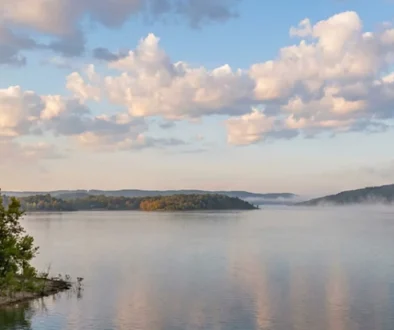
Beaver Lake in Arkansas isn’t just another pretty reservoir—it’s that one body of water that looks all innocent with its crystal-clear Ozark vibes and then slaps you with a bass that makes you question your life choices. Built by the U.S. Army Corps of Engineers back in the 1960s (construction kicked off in 1960, filled by 1966, because why rush a good flood control/hydroelectric/power play?), this 28,000+ acre monster on the White River flooded valleys, relocated graves, drowned old towns like Monte Ne, and basically told Mother Nature, “Hold my beer, we’re making a lake.” Named after some guy named Wilson Beaver who set up shop in the 1850s with a ferry and inn—because nothing says “timeless legacy” like a dude who ran a river crossing.
Oh, and the history? Congress authorized it in the 1950s after decades of “maybe we should dam this river” talk dating back to the 1920s. The dam went up near Busch, cost around $46 million (chump change today), and boom—Beaver Lake was born. It flooded archaeological sites, uprooted families, but hey, now we’ve got flood control, power, drinking water for half of Northwest Arkansas, and a playground for anglers who think spinning rods are for quitters. Fly fishing here? Yeah, it’s a thing, especially since the clear water lets you see those bronzebacks ghosting through the shallows like they’re judging your cast.
Table of Contents
Beaver Lake Conservation Quest in Northwest Arkansas
Conservation? Oh boy, where do we start? Beaver Lake serves as the primary drinking water supply for half of the region’s rapidly growing population. A booming regional population brings serious environmental challenges to the surrounding watershed and various creek systems throughout the area. Nutrient runoff from local farms, residential lawns, and aging septic systems feeds aggressive algae blooms during the summer.
High levels of phosphorus and nitrogen turn pristine coves into green soup during hot summer months when the water stagnates. The Beaver Water District constantly fights taste and odor issues caused by blooming cyanobacteria in the upper lake arms. Warm, still conditions trigger these blooms, giving the tap water an unpleasant earthy flavor that concerns many local residents.
Eutrophication strips oxygen from the water, which stresses the fish populations and creates headaches for treatment facilities across the region. Groups like the Beaver Watershed Alliance fight hard for better land management and stable banks to protect the water. If homeowners keep fertilizing their yards heavily, the reservoir will continue throwing these occasional green tantrums every single year.
It’s not apocalyptic yet, but ignore it and your grandkids might be fly fishing in pea soup.
Now, onto the good stuff: bass on the fly. Beaver Lake’s got largemouth, smallmouth, spotted bass, and those stripers that think they’re too cool for school (but they’ll smash a fly if you throw it right). Fly fishing isn’t the default here—most folks chuck crankbaits or live bait—but the clear water makes sight fishing epic, and the structure (bluffs, points, submerged timber from the old river valley) screams for streamers and poppers.
Fly Fishing Bass Beaver Lake Arkansas: Top Patterns for a Lake Fly Box
Clear water makes sight casting completely incredible here during the spring and fall months when fish move shallow. You need a dedicated beaver lake fly to trigger strikes in this warm water environment from wary predatory species. Hungry black bass usually attack anything resembling an easy meal along the rocky points and submerged bluff walls.
These are proven patterns that work in the Ozarks’ clear, deep impoundment vibe. Strip ’em, twitch ’em, let ’em sink—bass here aren’t picky when they’re hungry, but they love something that looks like an easy meal.
- Clouser Minnow (chartreuse/white, olive/white, or pink/white) – Clouser Minnow remains the undisputed king of baitfish patterns across the entire region for both bass and stripers. Smallmouth completely crush chartreuse and white versions stripped quickly near steep, rocky points during the early morning hours.
- Woolly Bugger (black, olive, or purple, sizes 4-8) – Versatile AF. Swing it near drop-offs or strip slowly around brush. It’s the “I forgot my good flies” fly that still catches everything.
- Half and Half (Clouser/Deceiver mashup) – Deeper water beast. Great for bigger largemouth lurking in channels.
- Dahlberg Diver – Topwater chaos. Frog colors or natural—bass explode on it during low light. Because nothing says “fun” like a bass trying to murder your fly.
- Clouser Crayfish – Craw patterns rule around rocky bottoms. Smallmouth love ’em; twitch along ledges.
- Popping Bug (foam, like a Stealth Bomber or Boogle Bug equivalent) – Summer evenings, shallow coves. Pop and pause—watch the boil.
- Swimming Frog – Weedless topwater for lily pads or flooded timber. Because bass here occasionally pretend they’re in Florida.
- Arbogast Fly Rod Hula Popper (weedless version) – Classic surface slayer for aggressive largies.
- Muddler Minnow – Sculpin imitation. Deadly for smallies on gravelly areas.
- Deceiver (white/chartreuse) – Striper crossover fly, but bass eat it too. Long strips for schoolies.
- Sneaky Pete – Diver/panfish hybrid that bass can’t resist.
- Jailbait (or similar baitfish pattern) – Subtle subsurface for picky days.
- Boogle Bug (popper) – Because redundancy is key when bass are slurping shad.
Pro tip: Go 7-9 wt rod for wind and big flies; 20 lb leader to turn fish in structure. Beaver’s clear—long casts, stealthy approaches, or you’ll spook ’em like they’re auditioning for a horror movie.
Best Locations on the Lake for Fly Fishing Bass
Beaver’s got 450 miles of shoreline, so “everywhere” is technically correct, but let’s narrow it to spots where fly rodders actually catch fish instead of just waving sticks.
- War Eagle Creek arm – Upper lake, shallower, lots of timber and points. Great for topwater and streamers in spring/fall.
- White River arm (near the dam) – Deeper, clearer; target drop-offs and bluffs for smallies.
- Prairie Creek area – Shore access, rocky points, good for wading or boat. Smallies hang here.
- Indian Creek and Rambo Creek – Creek mouths = shad schools = bass ambushes. Strip streamers like your life depends on it.
- Ford’s Creek and Cedar Creek – Shallow flats and coves for popping bugs in evenings.
- Main lake points and ledges (like around Point 5 or Starkey) – For deeper Clousers; wind-blown banks concentrate bait.
- Blue Springs area – Upper end, good access, rocky structure for bronzebacks.
Avoid the middle on windy days unless you like casting like a drunk sailor. Boat or kayak helps—Beaver’s big, and the best water’s often away from crowds.
Mastering the Cast: Fly Fishing Lessons for Bass
Clear water demands long, stealthy casts to avoid spooking the fish immediately before your fly even hits the water. If you slap the water heavily, the bass will scatter before your fly sinks to the appropriate strike zone. Beginners should seriously consider taking formal fly casting lessons to improve their mechanics and overall accuracy on the water.
Fly Fishing for Panfish (Crappie, Sunfish, and Friends)
Ah, panfish—the gateway drug to fly fishing. When bass are being divas, these guys save the day. Beaver’s loaded with black/white crappie, bluegill, redear sunfish (shellcrackers), green sunfish, warmouth, and longear. They’re everywhere in shallows, brush piles, docks, and submerged cedars.
For crappie: Think small streamers or nymphs. Clouser Minnow (mini version, size 8-10), soft hackles, or woolly buggers in olive/black. Suspend under an indicator near brush or troll slowly. Spring spawn in shallows—sight fish beds with small poppers or wet flies. They’re spooky in clear water, so long leaders and stealth. Crappie here hit 2-3 lbs easy; fly rod makes the fight hilarious.
Sunfish/bluegill: Dry flies (ants, beetles, foam spiders) or small poppers. Sizes 10-14. Redear love crayfish patterns or small buggers near gravel. Cast to beds in spring—watch ’em charge like tiny angry puppies. Warmouth (those weird aggressive ones) smash anything near structure.
Gear: 4-6 wt fly rod, floating line, 3-5X tippet. Beaver’s panfish are chunky—redear push 1 lb, crappie bigger—so don’t go too light or you’ll lose ’em in snags.
Other Fish Species Worth Mentioning
Beaver’s a buffet: Striped bass (trophy 30-50+ lbs; fly fish with big Clousers/Deceivers in main channels—Dan Roberts at Beaver Lake Fly Fishing knows the drill). Walleye (spring/fall, deep jig streamers). White bass runs (spring, Clousers in creeks). Catfish (channel/blue/flathead—big buggers at night). Muskellunge (stocked, rare, catch-and-release monsters). Paddlefish (snagging records lately, but not fly). Hybrid stripers, spotted bass… it’s ridiculous.
In short, Beaver Lake’s that sarcastic friend who says, “Sure, come fly fish me,” then hands you a 5-lb smallie on a Woolly Bugger while algae tries to ruin everyone’s drink. History’s cool, conservation’s a ongoing eye-roll, but the fishing? Chef’s kiss with a side of humility. Grab your 8-wt, tie on a Clouser, and go get humbled—or heroic. Your call.
Beaver Lake | Frequently Asked Questions
What weight rod is best for bass on this reservoir?
You should use a 7-weight to 9-weight rod for casting large bugs. This heavier gear helps you fight the wind and turn big fish away from heavy structure.
What are the main fish species you can target here?
Anglers primarily target largemouth, smallmouth, and spotted bass in the main reservoir. You can also find massive striped bass, crappie, and various sunfish species.
Do I need a boat to fish this body of water?
A boat or kayak definitely helps you reach secluded coves away from the crowds. However, you can find excellent wading access at places like the Prairie Creek area.
Why does the water sometimes taste earthy in the summer?
Nutrient runoff feeds cyanobacteria blooms during hot, still weather conditions. This algae creates taste and odor issues for the local drinking water supply.
When is the best time to throw topwater flies?
Early mornings and late evenings during the summer provide the best surface action. Bass aggressively hunt in shallow coves when the sunlight fades from the water.
Conclusion of Fly Fishing Beaver Lake
This reservoir acts like a sarcastic friend who invites you out and then immediately humbles you with difficult conditions. You might spend hours casting perfectly, only to have a massive smallmouth reject your streamer at the very last second. The history remains fascinating, and the ongoing conservation battles require our full attention to preserve the fishery for future generations.
Fly fishing here offers an incredible alternative to the standard conventional tackle approach used by most anglers on the lake. You get to sight cast to giant fish in incredibly clear water over flooded timber and ancient rock formations. Grab your heaviest rod, tie on a chartreuse Clouser Minnow, and prepare for a fight with an Ozark trophy.
You will definitely lose a few flies to the submerged cedar trees and rocky bluffs during your time on the water. However, that one explosive topwater strike makes every single lost fly completely worth it in the end. Go get humbled by the Ozarks, or return to the boat ramp as a hero with a great story.