Fly Fishing for Bass at Chickamauga Lake, Tennessee: Why It’s Absurdly Awesome (And Why Gear Anglers Are Missing Out)
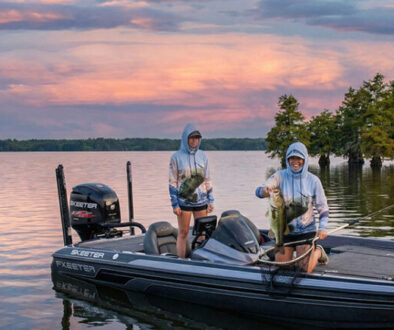
Fly Fishing for Bass at Chickamauga Lake. That sprawling 36,000-acre beast on the Tennessee River that’s basically the undisputed king of largemouth bass fishing in Tennessee. Yeah, yeah, I know – most folks show up with their glitter boats, crankbaits, and enough plastic worms to choke a landfill, chasing those Florida-strain hybrids that can tip the scales at 10+ pounds like it’s no big deal. The state record 15-pounder came from here, for crying out loud. But here’s the sarcastic kicker: while everyone’s flipping jigs and dragging Carolina rigs, a select few of us snobs are out there with fly rods, slinging oversized bugs and watching bucketmouths explode on poppers like they’re auditioning for a fireworks show. Fly fishing bass at Chickamauga Lake? It’s not just possible – it’s hilariously underrated, explosively fun, and yeah, it might just make you question why you ever bothered with conventional tackle.
Let’s be real: Chickamauga isn’t your dainty trout stream in the Smokies. This is a big, bad reservoir born in 1940 from the Tennessee Valley Authority’s dam-building spree, loaded with hydrilla beds, ledges, stumps, and current that turns bass into feeding machines. Thanks to the Tennessee Wildlife Resources Agency (TWRA) stocking Florida-strain largemouth since 2000, the fish here grow stupid fast on a buffet of threadfin and gizzard shad. Bassmaster has ranked it in the top bass lakes nationwide multiple times, and tournament sacks regularly hit 20-30 pounds for five fish. But fly fishing? Most gear chuckers scoff at it for bass – “Too slow,” they say, or “You can’t cast far enough.” Ha! Tell that to the 8-pound largemouth that just inhaled my deer-hair popper and nearly spooled my reel.
Table of Contents
Chickamauga is Perfect for Fly Fishing Bass (Even If No One Talks About It)
Look, fly fishing for bass in reservoirs isn’t new, but on Chickamauga, it’s criminally underutilized. The lake’s got everything a fly rodder dreams of: abundant aquatic vegetation (hydrilla and milfoil that hold baitfish like magnets), shallow flats for topwater mayhem, deeper edges for stripping streamers, and current from dam releases that positions fish predictably. In spring and fall, when water temps are in the 60s-70s, bass push shallow to gorge on shad – prime time for poppers and divers.
Chickamauga gets regular national press for giant bass limits in tournaments. Many of these are reported and tracked through major resources. Yet, the fly fishing potential remains largely untapped by the masses.
Very few anglers show up with fly rods on deck. Part of that is habit and tradition. People think fly gear only fits rivers, trout, and skinny water.
Another part is a mistaken belief that you cannot cover enough water. Some believe you cannot cast large enough baits to matter here. They assume live bait or heavy lures are the only way to catch fish live.
The thing is, modern fly fishing has changed. Heavier rods, dense lines, and big durable flies give you nearly the same reach as gear setups. You have the tools to mimic the large forage base present in the lake.
It is just a different style of presentation. Instead of dragging plastic worms across the bottom all day, you are active. You feel connected to every move of the line in your hand.
There is even an interesting crossover showing up in business circles. People link lessons from fly fishing to planning for the future. The idea is simple and resonates with many professionals.
You learn patience, reading water, and timing from days on rivers and lakes. Those same habits support clear decision-making in life and work. This mental aspect adds another layer to the pursuit.
Once you put all that beside Chickamauga’s bass potential, ignoring fly rods here starts to look a bit silly. The fish are ready and willing. The habitat is perfect for fly presentations.
You just need to be the person bold enough to try it. Rig an eight-weight instead of one more conventional rig. The rewards are often worth the effort.
Reason Chickamauga Is Built For Fly Rod Bass Heads
Chickamauga is far from a small farm pond. You are looking at roughly 36,000 acres of Tennessee River water lined with aquatic grass, docks, wood, and miles of shoreline structure. It is a massive reservoir with immense character.
Hydrilla, milfoil, river ledges, long points, and creek mouths all come together to shape a lake that holds fish almost everywhere. The sheer amount of fishable water can seem overwhelming at first. However, this diversity creates endless opportunities for fly casting.
The Tennessee Valley Authority manages the water levels here. Because of these operations, Chickamauga usually reaches full summer pool around May 15. That timing shift is laid out in the official reservoir operations study and dictates how much shallow cover is available.
This schedule gives bass a long growing season in warm water. The Tennessee Wildlife Resources Agency has backed that up with smart management strategies. Their stocking program introduces Florida strain largemouth to the system.
They also support a forage base rich in shad and sunfish. The results of this management speak loudly to anyone paying attention. Chickamauga has landed near the top of the country’s best bass lakes lists repeatedly.
In fact, Bassmaster Magazine’s 2018 rankings placed the lake in the second spot for top bass lakes, as shared in the writeup at Bassmaster. Thou through the years I have noticed a certain trend up over all, with those wish I would have gone elsewhere trips. You can see the contours that make this possible on maps from Navionics. Most of the chatter surrounding these rankings focuses on conventional gear fishing.
Anglers throw jigs, swimbaits, and Alabama rigs while staring at electronics. Yet, the same baitfish, bluegill, and frogs that keep those anglers busy align perfectly with fly fishing tactics. Bass here are aggressive and willing to eat well-presented flies.
Best Time Of Year To Fly Fish Chickamauga Bass
Bass live here all year, but certain windows set up better for fly gear than others. Water temperatures, river current, and grass growth all play a part in how your day feels on the lake. You can plan trips to chase shallow eats or deeper streamer sessions depending on your schedule.
| Season | Water Temp Range | Fly Game Plan |
|---|---|---|
| Late Winter | High 40s to low 50s | Sinking lines, slow streamers on ledges and channel swings |
| Spring | Mid 50s to high 60s | Prespawn and spawn, shallow banks, streamers and early topwater |
| Summer | 70s and 80s | First light poppers on grass, deeper lines by mid day |
| Fall | Low 70s down to 50s | Shad runs, bait pushed shallow, streamers and all day surface chances |
Spring is often considered the best time for sheer numbers. As the water warms, fish move into shallower water to prepare for the spawn. This is when anglers targeting bank structure find the most success fishing.
The crappie spawn also happens around this time. This brings crappie fishing enthusiasts to the banks, but it also draws big bass looking for an easy meal. Bass will hunt juvenile crappie and bluegill in the bushes.
Summer months bring heat, but the early morning topwater bite is world-class. You need to be on the water before the sun hits the trees. Once the sun is up, bass retreat to deep water ledges or bury themselves in thick grass.
Fall triggers a massive migration of bait. Threadfin shad move into the backs of creeks, and bass follow them. This creates a frenzy where white bass, largemouth, and spotted bass slash at bait on the surface.
You can keep a closer eye on current bite trends from seasonal updates like the local fishing report. Even though those reports focus on conventional tactics like plastic worms, the information on water level applies to you. Notes on activity carry straight across to fly tactics.
Essential Fly Fishing Gear For Chickamauga Bass
You will feel under-gunned on this lake with a light trout setup. These fish are thick and strong. The lake’s grass, wood, and rocks will show every weak spot in your gear.
Rod, Reel, And Line
Most days an 8-weight rod hits the sweet spot for the Chattanooga area. It is heavy enough to turn over large poppers and wind-resistant flies. However, it is still fun when a three-pounder jumps on.
On days with hard wind or really bulky flies, a 9-weight gives you a bit more control. You need that power to pull fish out of the heavy cover found in Chickamauga Lake. Pick a large arbor reel with smooth drag and decent backing space.
Chickamauga largemouth will rarely run all the way to your backing. However, striped bass and other strong fish live here and will test your equipment. Modern disc drag reels meant for salt or heavy freshwater hold up well on this lake.
A weight-forward floating line will cover a big part of your needs. This works great for bank popper fishing or light streamer work. To reach deeper grass edges or river ledges, bring a sink tip or a full sink line as well.
Many seasoned anglers use specialty bass tapers because they carry big flies more cleanly. These lines are designed to punch through the wind. If you want a refresher on core tools, this guide on fly fishing lessons touches on preparation that translates well to lake bass.
Leaders And Tippet
This is not finesse fishing in clear trout streams. A simple leader system does the job perfectly. You can run a nine-foot tapered leader down to around fifteen to twenty-pound mono.
Alternatively, skip the taper and use a straight line in the same range for big poppers. This helps turn over the fly. Fluorocarbon helps when you throw streamers because it sinks a bit faster.
It also handles teeth and cover better than monofilament. Mono rides high and works better for topwater presentations. Both catch fish, but durability is key.
What matters most is keeping your leader short and strong enough to turn flies. You also need it to survive snags on wood or rocks. Break-offs are heartbreaking when a trophy is on the line.
Flies That Make Chickamauga Bass Lose Their Minds
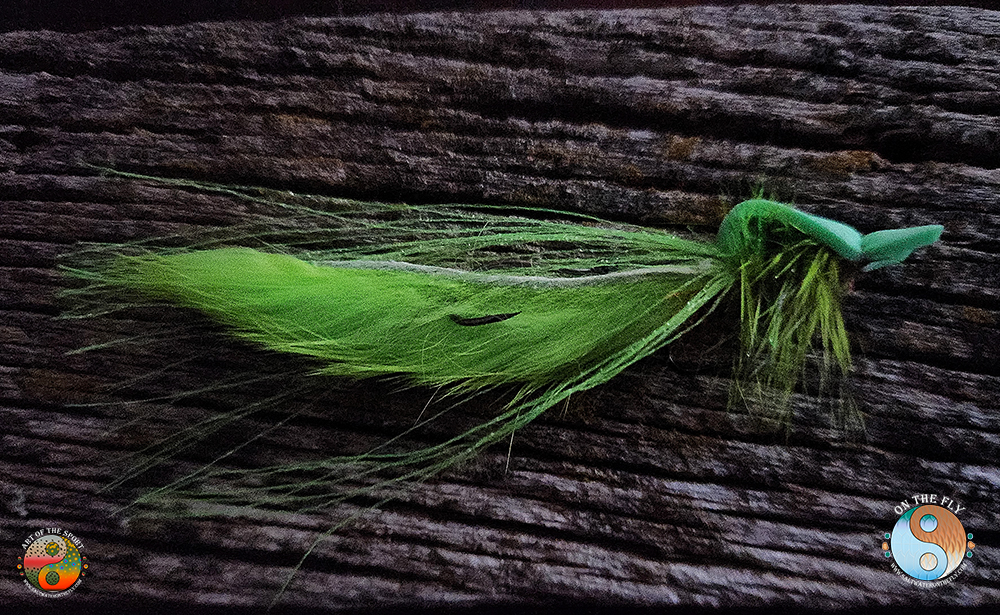
You want patterns that push water and resemble what bass already eat here. Shad, bluegill, and crawfish rule much of the year as the primary forage base. Add frogs and baby birds when grass is thick near shorelines and backwater cuts.
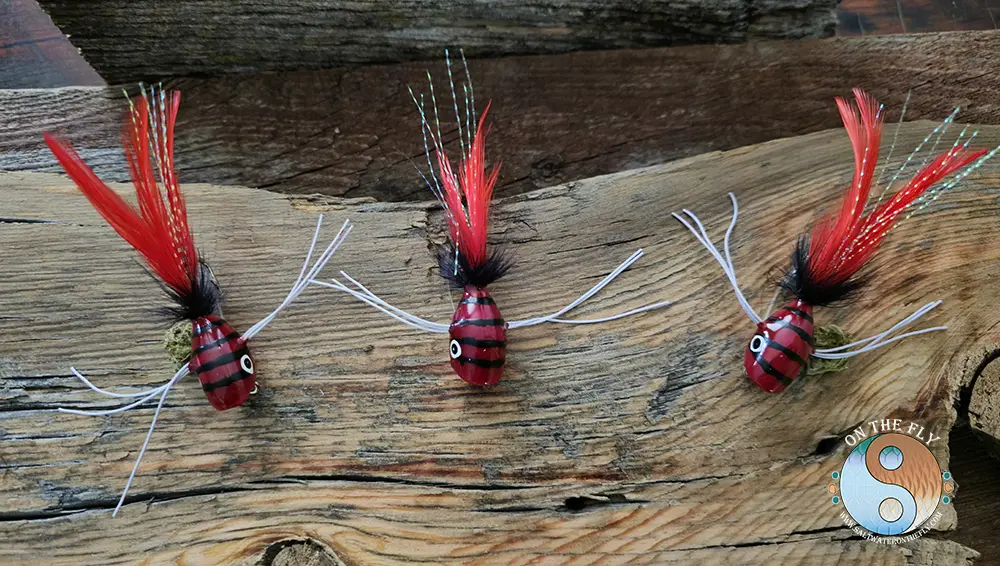
- Poppers and sliders in size 2 through 2/0 in white, chartreuse, black, or frog shades.
- Divers like Dahlberg-style heads or foam divers for a louder surface track.
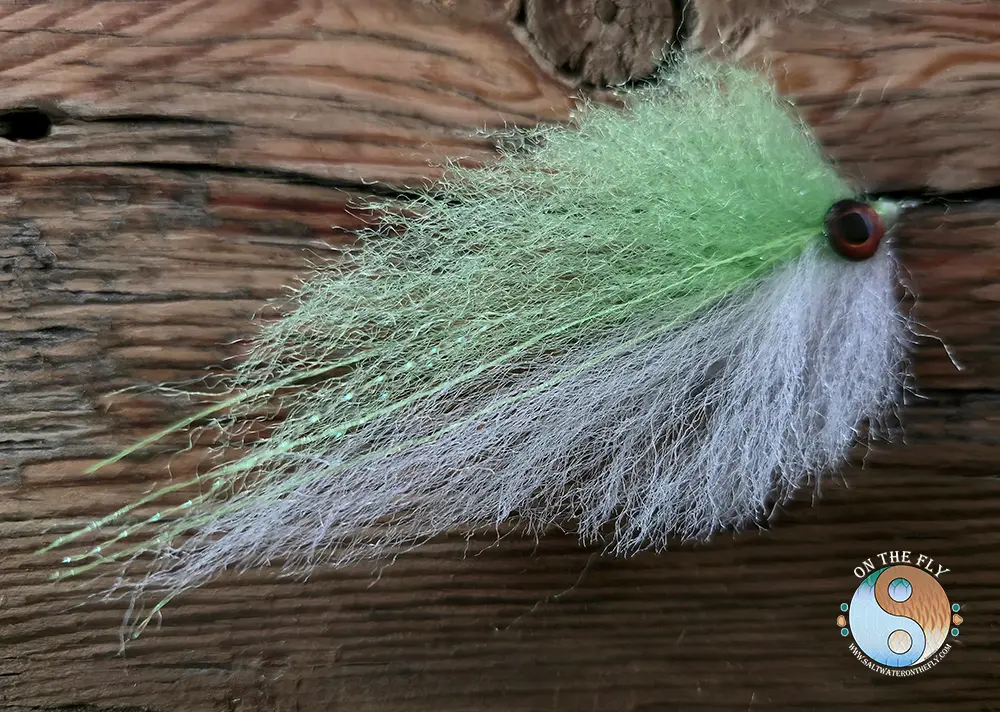
- Clouser Minnows in white over chartreuse, white and gray, or shad colors for open water bait schools.
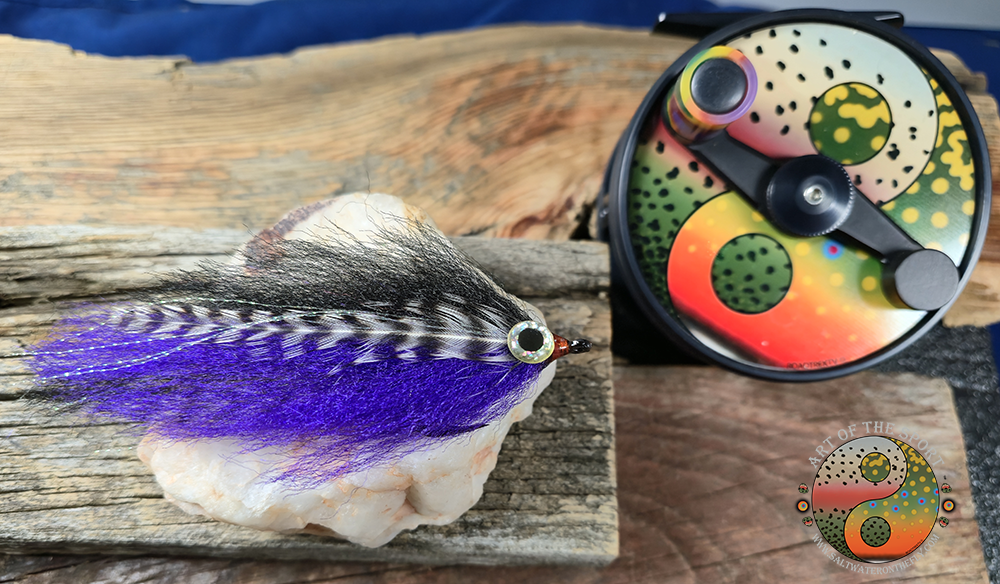
- Articulated baitfish patterns such as Game Changers for hunting bigger bass along breaks.
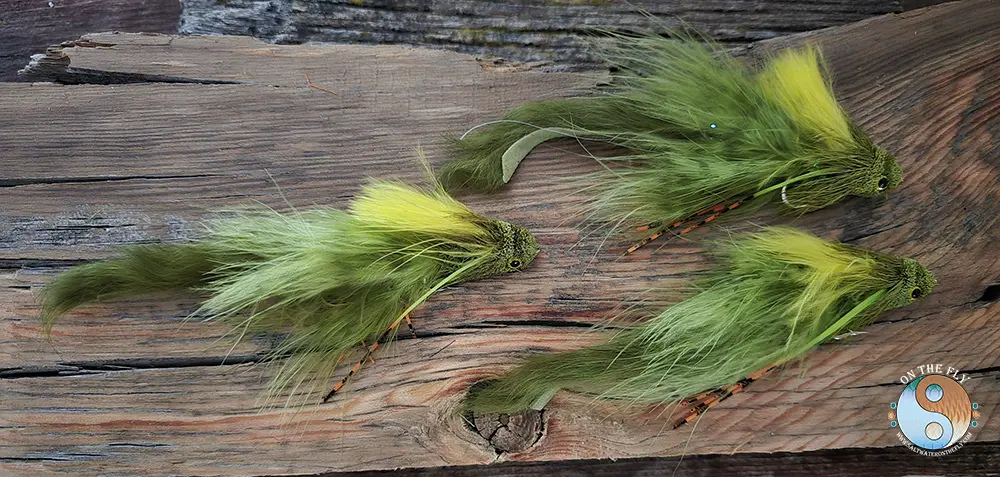
- Crawfish style flies in rusty brown and olive around riprap and rock lines.
It is hard to go too big here. Fish in the four to eight-pound class do not mind eating a two or three-inch long surface bug. Large deer hair heads throw the kind of profile these bass track from a distance.
Do not forget to carry some patterns that mimic threadfin shad. Small, shiny baitfish patterns work wonders when schools of bass are busting surface water. Matching the hatch applies here just as it does on a trout stream.
Where To Find Fly Friendly Bass Water On Chickamauga
Chickamauga is large enough that you could waste time just running spots if you show up without any plan. A little scouting through lake maps helps narrow it down. Then you can add your own eyes, instincts, and seasonal thinking.
Grass Beds And Shallow Bays
The hydrilla and milfoil that some gear anglers curse are a dream for a fly rod. They hold baitfish and panfish securely. This vegetation funnels cruising bass along edges where your poppers land.
Focus on pockets and lanes inside the grass during low light. Then shift to outside edges as the sun gets higher. These edges often drop into slightly deeper water.
Back bays off the main river also load up during spring and early summer. Quiet coves behind points let you hide from big boat wakes. They set you up for classic shore pounding from a kayak or low draft boat.
Creek Arms And Current
Feeder creeks form natural travel paths for many species. Where stained water meets clearer main lake water, bass will stage to ambush shad. Look for laydowns and undercut banks just inside these creek mouths.
Current from dam releases matters a lot on the Tennessee River. On days TVA pulls water, the lake fishes like a giant slow river. Bait moves, bass set up behind eddies, and your streamers gain life as they swing through seams.
Cast slightly above a current break and let your fly sweep by. Then add strips to trigger a chase. The flow activates the predatory instincts of the fish.
Docks, Riprap, And Man Made Cover
Docks provide shade, vertical cover, and snack opportunities for bass. A sidearm cast under a walkway with a quiet slider can be deadly. Work the front posts first, then push deeper as your casting allows.
Riprap along bridges or ramps offers another great shot with craw and baitfish patterns. Boulders break up the current and draw crayfish, small shad, and bluegill. Keep your line tight and your rod ready.
Strikes near rocks come fast and furious. You often find spotted bass mixing in with largemouth on these rocky banks. They fight hard and love moving water.
How To Work Flies So Chickamauga Bass Commit
The cast is only part of the story. What you do after the fly lands makes all the difference. Chickamauga bass like speed and surprise but still want movement that feels natural.
Topwater Popper Rhythm
Start by dropping the bug close to the edge of grass, wood, or docks. Let the rings fade away completely. That short pause often brings the biggest fish to the surface.
Then work a pattern like pop, pop, pause. The noise attracts their attention, while the pause convinces them to eat. It mimics a wounded creature struggling on the surface.
If bass seem fired up, you can speed that up. In colder water or bluebird skies, try a longer rest between moves. You might feel silly letting the bug sit that long, but plenty of fish stare it down before eating.
Streamer And Baitfish Fly Retrieve
Chickamauga shad and baitfish move in short darts with quick pauses. Try mixing a couple of hard strips with a brief stall. This action triggers a reaction strike.
Count your line down if you are using a sink tip. This allows you to target a specific depth along breaks or outside weed lines. You might need to get your fly five to ten feet deep to reach the strike zone.
On days when the local report notes deeper holding bass, lengthen the pause. Use slower pulls to keep your fly close to the bottom contour. Watch your line closely for hits on the drop.
Fighting And Landing Big Lake Bass
Set the hook with a strip, not a high trout lift. Bass here have heavy mouths that are hard to penetrate. Drive that fly in, then get them on the reel once the line clears your feet.
Steer fish hard away from thick grass or dock pilings right away. A strong butt section on your leader helps you move them without snapping. If they bury themselves in weeds, apply steady pressure until they turn.
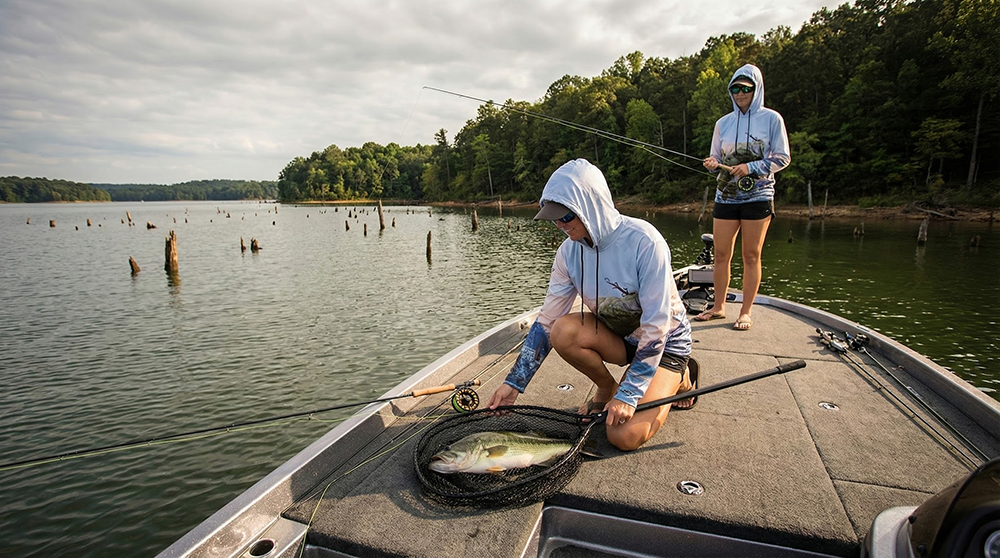
Once you have them out in cleaner water, you can relax. Enjoy the jumps a bit more. Landing a largemouth bass weighing over five pounds on a fly rod is a memory you will keep.
Other Nearby Waters For The Adventure Minded Angler
If you are mixing travel and fishing, this part of the Tennessee Valley stacks up pretty nicely. You could spend a week bouncing between bass on Chickamauga and trout or scenery on smaller waters. That makes it a dream base for the “get lost and explore” type of trip.
Roughly twenty miles west sits Nickajack Lake on the same river chain. It offers deep bluffs, tailwater sections, and plenty of space if you need a change of scenery. It provides a different feel from Chickamauga’s extensive grass beds.
The Hiwassee River flows into the Tennessee River nearby. This river offers cool water releases and excellent fishing for striped bass and trout upstream. It is a fantastic option if you want to drift moving water.
For trout and cold clear water, North Chickamauga Creek brings a tighter canyon setting. It is located only about twenty minutes from Chattanooga. You can wet wade or rock hop in this scenic environment.
Go another ten minutes and Big Soddy Creek Gulf shows off clear pools. It features rock walls and hiking that pairs well with a lightweight rod. You might even find redear sunfish or spotted bass in the deeper pools.
Upstream, the Watts Bar Dam creates the boundary for Chickamauga. The tailwaters below the dam are famous for mixed species. You can catch smallmouth bass, white bass, and stripers in the turbulent water.
Put it together and you have bass, trout, hiking, and swimming all within a quick drive. It is exactly the type of setup adventure travelers crave. This is especially true if you enjoy mixing fishing with camping or backpacking days.
Reason Fly Fishing For Bass At Chickamauga Lake Tennessee Is So Overlooked
Chickamauga gets regular national press for giant bass limits in tournaments. Many of these are reported and tracked through major resources. Yet, the fly fishing potential remains largely untapped by the masses.
Very few anglers show up with fly rods on deck. Part of that is habit and tradition. People think fly gear only fits rivers, trout, and skinny water.
Another part is a mistaken belief that you cannot cover enough water. Some believe you cannot cast large enough baits to matter here. They assume live bait or heavy lures are the only way to catch fish live.
The thing is, modern fly fishing has changed. Heavier rods, dense lines, and big durable flies give you nearly the same reach as gear setups. You have the tools to mimic the large forage base present in the lake.
It is just a different style of presentation. Instead of dragging plastic worms across the bottom all day, you are active. You feel connected to every move of the line in your hand.
There is even an interesting crossover showing up in business circles. People link lessons from fly fishing to planning for the future. The idea is simple and resonates with many professionals.
You learn patience, reading water, and timing from days on rivers and lakes. Those same habits support clear decision-making in life and work. This mental aspect adds another layer to the pursuit.
Once you put all that beside Chickamauga’s bass potential, ignoring fly rods here starts to look a bit silly. The fish are ready and willing. The habitat is perfect for fly presentations.
You just need to be the person bold enough to try it. Rig an eight-weight instead of one more conventional rig. The rewards are often worth the effort.

Fly Fishing Destinations
Practical Trip Notes For Fly Anglers On Chickamauga
You do not need a giant bass boat to enjoy this lake on a fly rod. A simple kayak, small jon boat, or even a paddle board works well. You just need to respect the wind and boat wake.
Many coves near parks and public ramps give you close access. You can find good banks without making a long run across the main river. This keeps you safe and fishing longer.
Launch points like Dayton Boat Dock, Chester Frost Park, and Harrison Bay State Park all make decent home bases. The City of Dayton leans into their “bass town” status. You can learn more about events and lodging at FishDayton.
There are guiding options available as well. Services like Rip-Rap Fishing Adventures can help you learn the water. While they may focus on gear, their knowledge of where fish live is invaluable.
Always watch for weather changes and boat traffic. Weekends in peak summer bring heavy wakes on main river channels. It is advisable to stick to cuts and side pockets during these times.
Weekdays or shoulder seasons feel much quieter. These times suit fly casting a lot better. You have more room to work the water without interference.
If you plan to eat what you catch, be aware of consumption advisories. However, most fly anglers practice catch and release. This ensures the good news about the fishery continues for years to come.
Remember to check reservoir operations before launching. Knowing if the water is rising or falling helps you predict fish location. Current flow from Watts Bar or the Hiwassee River inputs can turn the bite on.
Conclusion of Fly Fishing for Bass at Chickamauga Lake Tennessee
Fly Fishing for Bass at Chickamauga Lake Tennessee sits right on that line between “hidden in plain sight” and “how did we miss this.” The lake already has the trophy genetics you want. This is thanks in part to work by the Tennessee Wildlife Resources Agency and local partners.
The ongoing promotion and care by the City of Dayton helps maintain the facilities. You simply show up with a different tool set. You bring a willingness to trade constant casting for thoughtful shots at quality fish.
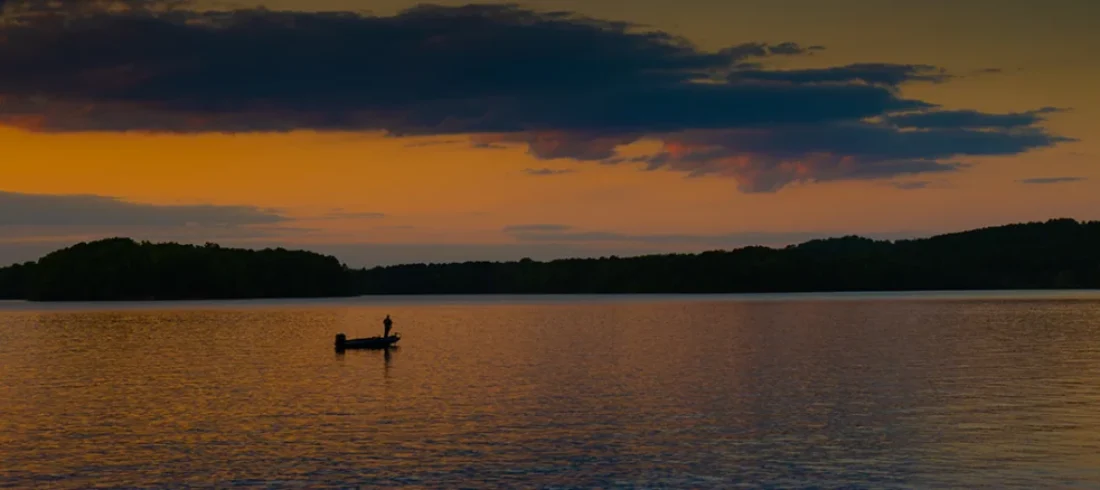
If you love long drifts of quiet, that dawn hour is special. Working poppers along a glassy hydrilla edge might spoil you forever. It is a peaceful way to start the day.
If you crave chaos, a six-pound largemouth launching out of shallow water will provide it. Having a diver stuck in its jaw creates a moment of pure adrenaline. This fishery offers both ends of the spectrum.
The mix of big water, travel potential, and nearby creeks makes it special. The legitimate shot at a fish of a lifetime makes this a serious target. It is a destination for any fly angler who likes bass.
So if you have been wondering where your next trip should be, consider this area. A run through southeastern Tennessee with Chickamauga as your anchor is hard to beat. Pack the eight-weight and tie up some noisy bugs.
Lean into the ride and enjoy the challenge. The bass here are more than ready to prove a point. They will show you that this lake belongs on any serious short list for Fly Fishing for Bass at Chickamauga Lake Tennessee.