Fly Fishing for Bass at West Point Lake, Georgia: Clear Water, Spotted Surprises, and Why You’ll Still Love (or Hate) It
Fly Fishing for Bass at West Point Lake Georgia, you probably pictured calm water, easy shots, and hungry fish waiting under every dock. Then you got out there, felt the wind slap your line sideways, watched boats run past at 60 miles an hour, and wondered why you left that quiet little trout stream. Fly Fishing for Bass at West Point Lake Georgia is gorgeous, frustrating, and addicting, often in the same morning.
Alright, fly rod warriors, let’s talk about West Point Lake – that 25,900-acre Chattahoochee River impoundment squatting on the Georgia-Alabama border like it’s gatekeeping Atlanta’s runoff. Known for crappie slabs, hybrid stripers, and a solid mix of largemouth and spotted bass, this place is a tournament darling. But fly fishing for bass here? Oh boy, that’s the quirky choice. You’re the guy showing up to a bass boat party with a 9-foot wand, looking like you got lost on the way to a trout stream. Power fishermen will zip by flipping jigs into brush piles, smirking, while you’re double-hauling poppers into the wind. Truth bomb: Fly fishing bass at West Point Lake, Georgia, is challenging, visual, and ridiculously rewarding when it clicks – but it’ll test your patience more than your casting arm.
West Point consistently ranks as one of Georgia’s top bass lakes – often trading blows with Seminole and Eufaula for largemouth quality, but with a twist: clearer water and a growing spotted bass population (now 50-60% of black bass). The lake’s transitioned from nutrient-rich green soup to cleaner, rockier habitat, favoring spots over pure bucketmouths. But largemouth still thrive in creeks and cover, with regular 4-7 pounders and shots at 8+. Recent 2025 reports (as of late December) call the bite “good to above-average” for mixed bass, even in cooler water temps around 55-62°F. Shallow patterns linger north of bridges if it stays mild, but most fish school on brush and ledges.
Table of Contents
West Point Lake Screams “Fly Fish Me” (Or Laughs While You Try)
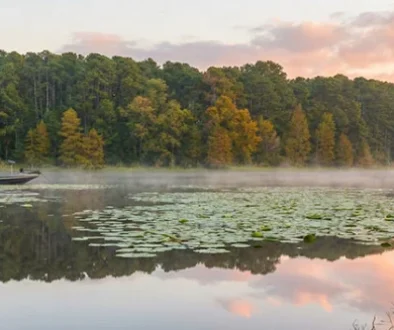
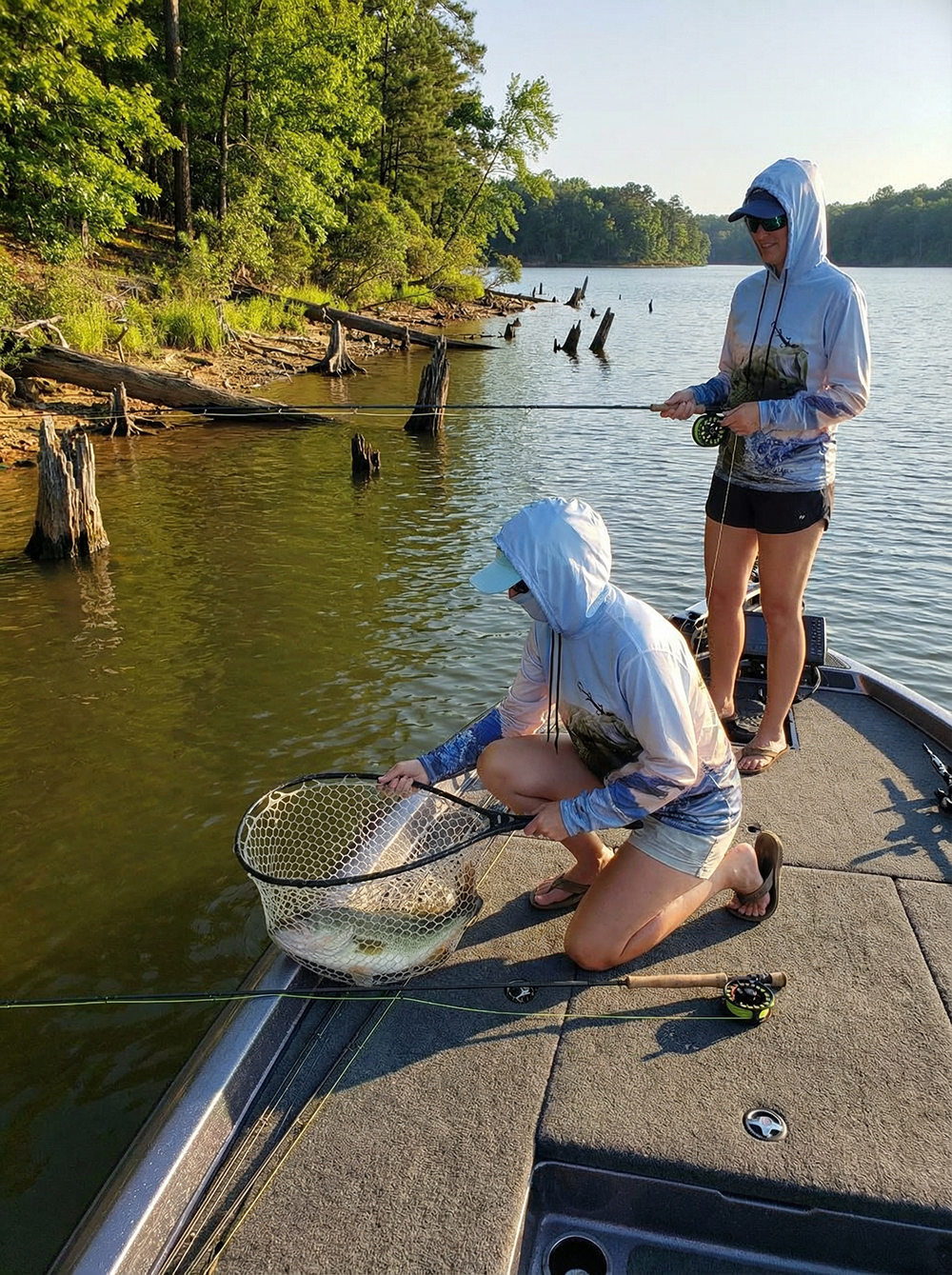
This ain’t your swampy southern slop-fest like Seminole. West Point is clearer (often 5-10+ feet visibility), rockier, with standing timber, brush piles galore, roadbeds, points, and creek channels. Average depth 20-25 feet, but tons of shallow flats, blowdowns, and docks for largemouth. Spotted bass dominate deeper structure – humps, ledges, brush in 15-30 feet.
Forage? Shad schools, bream beds, crawfish – perfect for fly imitations. The clear water means visual eats: poppers gurgling on surface, streamers darting along drops. But sarcasm alert: That clarity also means spooky fish and wind knots from hell. Conventional anglers crush numbers with jigs and crankbaits on brush piles (30+ fish days reported in fall 2025), but fly guys get the explosions – a 5-pound largemouth cratering your deer hair bug at dawn? Priceless.
Georgia DNR stocks Florida-strain largemouth to boost trophies, and it works – healthy population with good growth. Hybrids and stripers add chaos if your streamer fools one. Year-round fishery, but spring spawn and fall feed-ups are prime for fly action.
Largemouth bass hang in creeks, blowdowns, and docks, while spotted bass dominate points, rock, and mid depth structure. Reports from places like the Highland Marina Fishing Reports and Georgia Outdoor News reports for West Point Lake keep pointing to a strong mixed population and steady fishing. This remains true even through late fall and early winter.
The biology here supports a healthy food chain. Add schools of threadfin shad, bream, and crawfish scooting along the bottom, and you get a lake where streamer and topwater flies really look like groceries. On the right day you will watch bass chase bait right into the bank.
You can drop a fly right in the middle of the chaos when this happens. Unlike the colder trout water found in the Soque River, this ecosystem is warm and nutrient rich. It creates aggressive fish that are willing to chase a meal.
Reading The Water And Current Conditions
If you show up to West Point with no plan, you end up just blind casting and getting sunburned. The fish move a lot with water level changes, current, and weather shifts. Checking conditions before you ever back the boat down the ramp helps a ton.
For water level and river flow on the Chattahoochee, I like to glance at the Chattahoochee River gauge near West Point and the Whitesburg gauge upstream. They tell you if the lake is pulling current. Moving water can push spots up on points and tight to brush lines.
Weather matters here too. Sudden fronts or long strings of bluebird days change where those bass set up and how far they are willing to chase a fly. I check the local Columbus weather to guess wind direction and cloud cover before choosing which arm of the lake to work.
Fly Fishing For Bass At West Point Lake Georgia: Seasons That Matter
You can catch bass here every month of the year, but some windows line up better with fly tackle than others. The lake fishes like a different place in each season. Your approach has to shift with it to stay productive.
Winter: Slow Strips And Deep Fish
From December through February, most bigger bass hold on deeper ledges, roadbeds, and brush piles. Gear anglers do well with jigging spoons, which you see mentioned often in long term logs like the Georgia section of Bass Fishing Home Page reports. You have to be patient to find them.
On the fly side, you need a sink tip or full intermediate line and heavy streamers to reach deep water. Focus on twenty to thirty feet down. Use short strips with long pauses, and think about bumping the bottom more than burning the top.
On mild sunny afternoons, you might see a small group of fish slide onto shallow rock near creek mouths. That is the time for a baitfish streamer on a floating line. Pull it along slowly like an injured shad.
Spring: The Best Show In Town
Once water creeps into the upper fifties and low sixties, everything changes. Bass stage on secondary points, then slide shallow to spawn in protected pockets and on sandy flats. This is when the bass shallow bite really turns on.
This is prime time for Fly Fishing for Bass at West Point Lake Georgia if you like visual shots. You can work streamers along shallow docks for staging females. Then you can swap to small craw or baitfish flies around visible beds once you spot bright clean circles.
After the spawn, keep an eye on rocky rip rap and bridge causeways at first light. There is often a strong shad spawn pattern on these rocky shoals. Walking poppers or shad colored sliders along those banks can produce angry boils and short violent eats.
Summer: Early, Late, Or Deep
Once the warm weather and real heat kicks in, you deal with pleasure boats, jet skis, and tough mid day sun. The answer is to fish very early, very late, or accept that you will grind streamers in deeper water. Many locals try to get off the water by noon.
At dawn, head to shady banks in creeks like Yellowjacket or Wehadkee and work frogs, mice, or big deer hair poppers around laydowns and docks. Largemouth cruise tight to shade. Many of the better topwater fish I have seen have come in that first hour.
Spotted bass often hold on twenty foot points or brush during the day, so this is where a fast sinking line and Clouser Minnow in chartreuse and white earn their keep. Reports out of places like the Alabama section of Bass Fishing Home Page back up the deep brush bite pattern for spots on similar reservoirs. It helps to locate the creek channel edges.
Fall: Chasing Shad And Schoolers
As water cools and days shorten, the lake can feel alive again. Shad group up in creeks and on main lake flats. Bass school under them, sometimes blasting bait right at the surface.
Look for gulls circling, small dimples of bait near the top, and fast flashes just under the surface. An intermediate line and small baitfish pattern stripped at medium speed does damage during this time. This is excellent fishing west point action.
Fall and early winter often get good ratings on long standing outlets like the Georgia Outdoor News West Point page. These reports line up with that shad driven bite staying strong even as the air cools. It is a great time to be on the water.
Gear That Works On This Lake
You can fish light rods on small creeks. West Point is not that kind of place. The wind, long casts, and heavy cover make heavier gear feel like your friend instead of overkill.
| Gear Piece | Suggested Setup | Why It Helps |
|---|---|---|
| Rod | 8 or 9 weight, fast action, 9 feet | Punches big flies, controls fish near timber |
| Reel | Large arbor, strong drag | Handles quick runs, especially if a hybrid eats |
| Lines | Weight forward floating and sink tip | Covers topwater, mid depth, and deep edges |
| Leader | 7 to 9 foot, 15 to 30 pound fluoro | Short and stout for brush and docks |
Always keep a backup rod rigged and ready. If you want to dig more into general setups and theory, this longer form guide on fly fishing gear is worth a look. It covers basic rod and line choices that line up well with the kind of heavy flies we throw at West Point.
Many fly anglers also bring a spinning rod as a backup tool. It helps for checking deep water quickly with a heavy carolina rig before committing to the fly. This can save your arm from endless casting in empty water.
Flies That Pull Bites On West Point
West Point fish eat shad, bluegill, and crawfish day after day, so your box needs to mirror those food types. You also deal with timber, docks, and brush, so weed guards help keep your sanity intact. Simple patterns often work best.
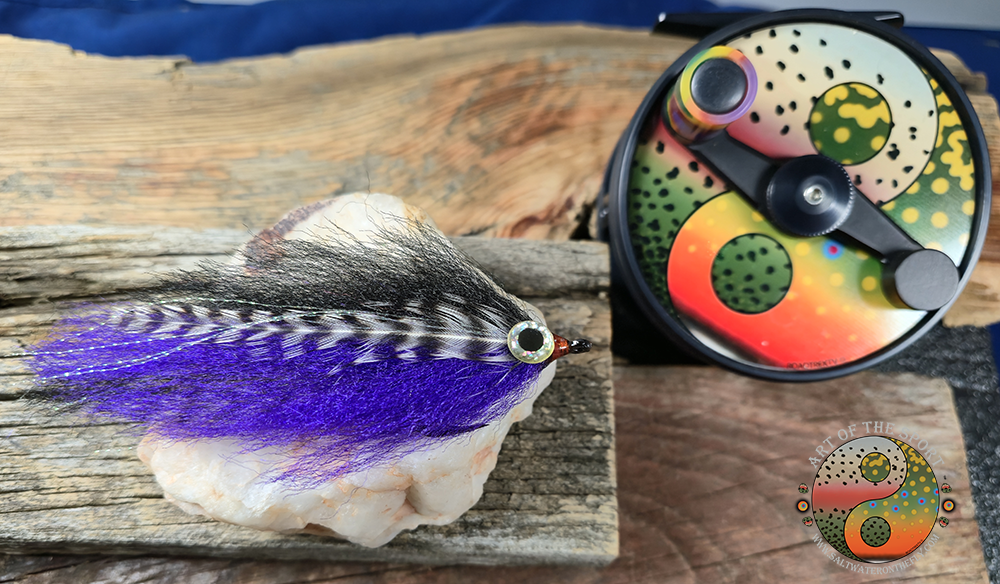
- Poppers and sliders in white, chartreuse, yellow, and black.
- Clouser Minnows in shad patterns like white and gray or white and chartreuse.
- Articulated streamers such as Game Changers and bunny leech styles.
- Craw patterns in green pumpkin or with muted oranges and browns.
- Foam frogs and mouse patterns for dock and blowdown work.
Fly tying allows you to customize weights and hook sizes. Have sizes from one or one aught down to size four hooks to match forage and wind conditions. Bring backups because you will hang up in trees, cables, and old brush piles.
Polarized glasses help you see underwater structure and fish movement. That matters on a clear lake where a bass may slide three feet to stalk your fly. Watching how fish live and react to the fly teaches you how to adjust.
Where To Focus On West Point
You could spend years trying to cover every arm of West Point. I like to break the lake down into sections and then rotate based on season. Some stretches are better for fly rods than others.
Upper Lake And Creeks
Creeks like Yellowjacket and Wehadkee have docks, blowdowns, shallow flats, and easy current seams. These spots feel a bit more intimate. They give you clearer banks to aim at with topwater and shallow streamers.
On warm spring and fall mornings, largemouth slide onto wood and grass lines here. A slow gurgling popper crawled along a shade edge often draws a violent strike. This is where you find skinny water opportunities.
Main Lake Points, Humps, And Timber
Once you get closer to the dam and below the Highway 109 bridge, the lake opens up and becomes spotted bass country. These fish roam around brush piles on main lake points, humps, and drops. Two famous structures to learn are Big Rocky and Rocky Point.
A sink tip with a baitfish streamer pulled over brush tops is your best friend here. Strip fast and erratic and hang on when you tick the top of a tree. That deflection is often where they ambush.
Guides and serious locals who report on sites like the Highland Marina Fishing Reports often mention schooling activity in this section. You might see fish chasing shad close to the surface on wind blown banks. Keep your eyes peeled for diving birds.
On The Water Techniques That Actually Work
Standing on a big lake with a fly rod can feel awkward at first. It is very different from wading small farm ponds or river fly fishing. The key is to simplify your plan.
Topwater Strategy
With poppers and frogs, think precision more than speed. Land your fly tight to the target, let the rings settle, then give it one short pop and pause again. You want to annoy them into biting.
Bass on clear lakes often study the fly before they commit. Rushing the retrieve can kill your shot. Try a mix of pop pop pause or even long dead drifts near a stump before you change banks.
Streamer Game
For spotted bass on points and deeper edges, strips matter more than fancy patterns. Try fast short pulls followed by quick twitches. Mix in random pauses so the fly looks nervous, not robotic.
On shallow docks and laydowns for largemouth, slow things down. Let the fly sink next to the post or trunk. Then swim it away with slow pulls like a bluegill that made a bad life choice.
Boat Position And Casting
Give yourself casting angles that keep the wind mostly on your casting shoulder and open space behind you. Turning the boat a little to one side can suddenly make your double haul feel much cleaner. A reliable trolling motor is critical for holding position in the wind.
On long points or banks, pick specific spots rather than spraying casts everywhere. Work each key piece of cover with several good presentations, then move. Access points can be far apart, so cover water thoroughly before running to the next spot.
Regulations, Camping, And Trip Planning
Before you start stringing rods in the parking lot, you need a valid Georgia fishing license. You can buy or confirm that online at the state licensing portal by using the link here Click Here. Wardens do check, especially near popular boat ramps.
If you plan to turn the trip into a camping and fishing combo, the lake has several solid spots for tents and campers. West Georgia offers plenty of hospitality. Many anglers enjoy the quiet atmosphere of the local campgrounds.
Some groups travel together and look for specific facilities. You might hear people compare options to the Springs Group Campground or Indian Springs Group Campground located further east. While those are great, the local options near West Point are better for early morning launches.
If you need a large area for a club event, look for a dedicated group campground nearby. Facilities similar to the Indian Springs Group area can be found within the Army Corps parks. Always check availability for Indian Springs or any springs group styled sites well in advance.
Guided trips are also an option if you want a local to shorten your learning curve. You can hire a guide service to learn the lake faster.
Reason Fly Fishing Culture Fits This Lake
West Point sits in a funny overlap between hard core bass tournament culture and more relaxed fly scenes. Some days you feel like the odd one out. Glitter boats race past while you are trying to feed a single fish on a foam bug.
But that slow, deliberate rhythm pairs well with a travel lifestyle. You want your fishing trip to mean more than numbers alone. Plenty of business folks I know treat their time on the water like a reset. I find that tying patterns that catch fish here very rewarding.
The Honest Downsides Of West Point With A Fly Rod
You will fight wind here more days than you would like. You will watch bass on your sonar and struggle to get your flies down to them in rough conditions. It is not as protected as a trout fly stream in the mountains.
Snags happen a lot because timber, cables, and brush line most banks worth fishing. I have lost more good patterns here in an afternoon than I lose on a trout stream in a month. Fly tying your own flies helps reduce the financial pain of these losses.
You also will not match the sheer numbers of fish that a good conventional angler can put in the boat. They use jigs and crankbaits on those deeper piles to great effect. You trade some of that volume for slower, more visual takes and heavier head shakes.
Bonus Species And Photo Moments While Fly Fishing for Bass
West Point has hybrid and striped bass that roam with shad. They do not read rule books about what should or should not eat a fly. Every now and then your streamer will vanish, and your reel starts spinning much faster than any bass run.
Crappie hold around the same brush and docks you target for bass. They hit smaller streamers and jig style flies under an indicator. It is common to see folks note slabs in detailed posts that sit on long term fishing logs like the Highland Marina Fishing Reports.
You might even encounter a shoal bass or two if you venture far enough up the river sections, though they are more common in the Flint River system. The Flint River is famous for them, but strays do happen in the Chattahoochee drainage.
If you like to remember these trips, West Point’s clear morning light makes great backdrops. The long points and red clay banks are stunning. Some anglers joke about their cast making the cut for a glossy promotion shot in a brand spread, like a Scott fly rod ad.
Legendary anglers like Earl Cook have spent decades understanding these waters. Their stories and caught bass photos inspire new generations. Creating your own memories here is what it is all about.
Conclusion Fly Fishing for Bass at West Point Lake Georgia
Fly Fishing for Bass at West Point Lake Georgia is not about filling a cooler or racking up easy numbers. It is about picking apart clear banks, reading subtle signs, and waiting for that one big swirl under your fly. That moment erases every slow hour before it.
If you come ready for wind, snags, and some humbling learning curves, this lake gives a ton back. Combine solid gear, a few proven patterns, and up to date information. Check places like the Georgia Outdoor News West Point updates and Highland Marina Fishing Reports regularly.
Keep a mindset that values experience over numbers. Then it becomes clear why so many bass fishermen keep returning to this stretch of the Chattahoochee with eight weight rods on the deck. There are easier bass lakes to fish like Lake Lanier or smaller ponds.
However, very few offer the same mix of challenge and scenery. The memorable eats you get when Fly Fishing for Bass at West Point Lake Georgia are worth the effort. It is time to get out there and start fishing.