Guide to Fly Fishing for Bass in Lake Fork, Texas
You want to fly fish for trophy largemouth bass on Lake Fork? In Texas? With a fly rod? Buddy, you’ve officially crossed the line from “dedicated angler” to “certifiable lunatic,” and I’m here for every second of it. Grab a cold Shiner Bock, pull up a bucket, and let me explain why Lake Fork is the Disneyland of giant bucketmouths… except instead of Mickey Mouse, you get a 10-pound largemouth that just inhaled your size 2/0 Clouser like it owes her money.
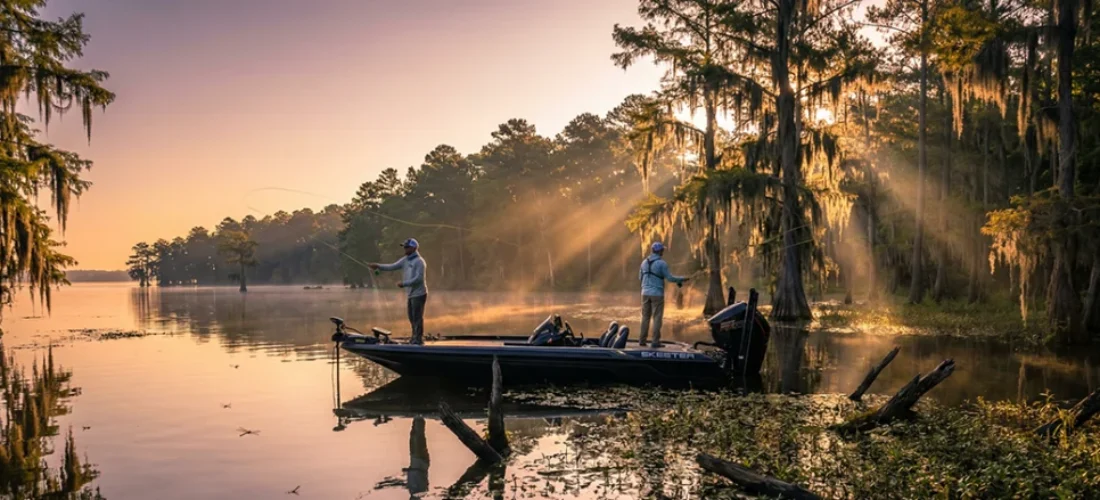
So you really want to fly fish for bass on Lake Fork in Texas? Seriously? Look, I get it. You have caught trout in Montana and redfish in Louisiana. Now you are ready for something different. Fly Fishing for Bass in Lake Fork in Texas is a challenge that many anglers overlook. This isn’t just about catching fish; it is about testing your skills on big water.
Lake Fork sits in East Texas and holds some of the biggest largemouth bass in the country. We are talking fish that will make your reel scream and your arms shake. Yes, you can catch them on a fly rod. This body of water presents opportunities that rival any trophy bass lake in the nation.
This is not your typical fly fishing destination. Most people show up with bait casters and crankbaits. That is exactly why bringing a fly rod makes it more interesting. It turns a standard fishing trip into a true test of skill.
Table of Contents
Reason Lake Fork Produces Monster Bass
Lake Fork covers about 27,000 acres of East Texas water. The reservoir was built in 1980 specifically to grow trophy bass. Texas Parks and Wildlife stocked it with Florida-strain largemouth bass from the start.
The result is a lake that consistently produces double-digit bass year after year. The state record largemouth came from here. So did hundreds of fish over 13 pounds. It is undeniably a premier bass lake.
The lake has everything big bass need to thrive. There is plenty of forage like shad, crappie sunfish, and bluegill. You will find tons of structure including submerged timber, brush piles, and hydrilla beds. A catch-and-release culture keeps the big girls swimming.
This abundance of cover creates a perfect habitat for lunker bass. The sheer number of hiding spots challenges even the best casters. You must be accurate to get your fly in the zone.
Lake Fork: Where Double-Digit Bass Go to Get Fat and Sassy
Lake Fork, down in East Texas, is basically the steroid era of bass fishing. This 27,000-acre reservoir has produced more ShareLunker bass (13 pounds and up) than most states have produced excuses for why their fishery sucks. The Texas Parks and Wildlife Department has been dumping Florida-strain largemouth in here since the ‘80s like it’s a genetic arms race. Result? Bass that look like footballs with fins and attitudes worse than a DMV clerk on a Monday.
And you, my friend, are going to try to catch them… with a fly rod. Godspeed. You beautiful, delusional maniac.
Best Times of Year: When the Big Girls Get Stupid
Let’s be real: you can catch bass on Fork 365 days a year, but if you want the true “I need therapy after this fight” trophy largemouth on the fly, here are the money windows:
- Prespawn (Late February – Early April) This is the Super Bowl. Water temps 48–58°F. The females move up to stage on creek channels and points before heading to the beds. They’re fat, angry, and will eat anything that looks like a shad, bluegill, or your ex’s heart. Bonus: the males are already guarding beds and will try to murder anything that drops on their spawn. Pure chaos. 10/10.
- Spawn (March – May) Sight-fishing beds with a fly rod is the most masochistic fun you’ll ever have. Watching a 9-pounder flare her gills and inhale a foam spider while you’re shaking like a chihuahua on espresso? Chef’s kiss. Just don’t be that guy who keeps a fish out of water for 47 TikTok minutes. We will find you.
- Post-Spawn (May – June) The big sows are done spawning, exhausted, and HUNGRY. Topwater time, baby. Poppers at dawn and dusk when the shad are flicking on the surface? You’ll need a change of underwear.
- Fall (October – November) Cooling water temps fire up the shad forage. Bass follow them into the creeks and go on a feeding binge to pack on winter weight. Streamer fishing creek mouths with sinking lines is dumb fun.
Summer? Sure, you can fish it, but you’ll be sweating like a sinner in church and the bass are deeper than your ex’s emotional baggage. Not impossible, but why punish yourself?
Gear That Actually Works for Lake Fork Bass
You need heavier gear than you would use for trout. These aren’t 14-inch rainbows. We are talking about fish that can hit 10 pounds or more. Your fishing experience depends on having the right tackle.
Because 8-Weights Are for Quitters
An 8-weight rod is the minimum. A 9 or 10-weight is better if you are serious about landing big fish. Including rods with a fast action helps with line control and casting distance.
Your reel needs a solid drag system. These bass will make long, powerful runs. Cheap reels with weak drags will fail when a big fish decides to head for the timber.
Spool at least 200 yards of 30-pound backing on your reel. Yes, that much. Big bass in open water can strip line faster than you would think possible. Always check your lb test strength before spooled up.
For lines, carry a floating line for topwater and shallow work. Add intermediate lines, specifically clear sink variations, for fishing 5 to 10 feet deep. A 250 to 400 grain full sink line helps you reach bass holding deeper in the water column.
Leaders should be 6 to 9 feet of 0X to 2X fluorocarbon. Add 20 to 30 pound bite tippet because bass have surprisingly sharp teeth. They will cut through lighter tippet like it is nothing.
Fly Patterns That Actually Work (Because 90% of Fly Boxes Are Lies)
Here are the greatest hits. Tie a dozen of each or just beg your wife for forgiveness and buy and get your material at Saltwater on the Fly.
-
Clouser Deep Minnow (Size 1/0 – 3/0) The GOAT. White/chartreuse or gray/white. Dumbell eyes. Rabbit and or bucktail. This thing has caught more species than Noah’s Ark. Strip it fast along drop-offs or slow near timber. Pro tip: bigger is better. A 4-inch Clouser looks like a cocktail weenie to a 10-pounder.
How to tie it (quick and dirty):
- Hook: Gamakatsu SC15 or Mustad 34007 size 1/0–3/0
- Thread: 6/0 Semperfli Classic Waxed White
- Eyes: Large lead eyes, painted yellow with black pupil
- Belly: White bucktail
- Wing: Chartreuse bucktail, topped with a few strands of pearl Krystal Flash or any flash you prefer, use your imagination.
- Tie it sparse. Fat Clousers don’t swim right and the bass know it.
-
Murder Chugger (Deceiver-style popper/diver) If you’re not throwing a big loud popper/diver in the spring, are you even alive? Think Swim Coach or a hard-foam deer-hair diver. Red/white, black, or chartreuse/fire tiger. Chug-chug-pause… then hang on.
-
Bendback Minnow For fishing timber without snagging every stick in East Texas. Tie it on a 2/0–4/0 bendback hook (or just mash the hook point up with pliers like a caveman). White/olive or shad colors. Fishes weedless and pisses off bass in flooded buckbrush like nobody’s business.
-
Game Changer (6–8 inches long) Because sometimes you need to throw a fly that looks like a baby alligator. Articulated beast with a big profile. White, chartreuse, or “sexy shad.” Strip it in erratic bursts. Warning: your shoulder will file for divorce.
-
Craft Fur Brush Bug (Bluegill pattern) Size 2–1/0. Olive, orange belly, rubber legs. Slow crawl it around spawning beds or bream nests. The males will try to kill it, and then mama shows up and inhales it like it insulted her children.
-
Foam Spider / Creeper For bed fishing. Black or purple foam body, rubber legs. Drop it on a bed and twitch it like it just stole her eggs. Works stupidly well when the males are guarding.
-
Sex Dungeons
How to Actually Fish These Things Without Looking Like a Total Googan
- Prespawn: Find main-lake points that drop into 15–25 ft (check Navionics). Cast a heavy Clouser or Game Changer on a 350-grain line. Count it down 10–20 seconds, then strip fast with erratic pauses. When she hits, it feels like you hooked a Subaru.
- Spawn: Polaroid sunglasses + elevated platform on the boat. Spot beds in 2–8 ft of water (usually around hydrilla edges or timber). Drop the fly a foot past the bed, twitch it into the crater, and watch the magic. If she flares gills and charges? Set the hook. If she just stares, twitch and wait. Patience, grasshopper.
- Topwater: Fish the shad spawn at dawn (May–June). Look for surface activity along riprap or grass lines. Big loud poppers or crease flies. Two hard chugs, long pause. When she blows up, wait until you feel weight before setting. I know, it’s unnatural. Do it anyway.
- Timber/Brush: Bendbacks or weedless streamers. Cast into the nastiest crap you can find. Twitch, strip, hang on. If you’re not getting snagged occasionally, you’re fishing the parking lot.
Pro Tips From a Guy Who’s Lost More 10-Weights Than He’ll Admit
- Bring wire bite tippet for gar. You will hook gar. They will cut 80-lb fluoro like it’s dental floss.
- If you’re bed fishing and a bass follows but won’t eat, downsize the fly and lighten the tippet. Sometimes they get lockjaw harder than your uncle at Thanksgiving.
- Fish early or late. Midday in summer is for masochists and people who enjoy heat stroke.
- The bass are structure-oriented. Timber, hydrilla edges, road beds, creek channels. If you’re casting to open water, you’re just giving your fly a bath.
- When a 10-pounder eats your fly, clear your line like your life depends on it (because the reel does). Palm the spool lightly or she’ll spool you into the backing and leave you crying in 47 feet of water.
Tips From Someone Who’s Been Humbled Here
Lake Fork will humble you. Even guides get skunked here. But when it comes together, the fishing is absolutely incredible.
Bring wire bite tippet for gar. You will hook gar at some point. They have teeth like bolt cutters and will slice through 80 pound fluorocarbon instantly.
If a bass follows but won’t eat, try downsizing your fly. Sometimes they get lockjaw and need a smaller, more subtle presentation. Lighter tippet can help too.
Fish early or late in the day during summer. Midday heat is brutal in Texas. The bass also feed more actively during low light periods.
Focus on structure. Bass here are structure-oriented fish. Timber, hydrilla edges, old road beds, and creek channels hold fish.
When a big bass eats your fly, clear your line immediately. Get it on the reel as fast as possible. Keep light thumb pressure on the spool or she will run into the backing.
Practice your strip set. Trout sets do not work well with bass. You need to strip the line firmly with your line hand while keeping the rod tip low.
We’re talking terminal tackle
This isn’t your grandma’s fishing report. We’re talking terminal tackle, spinning rods, level wind reels, crankbaits, poppers, and every other lure that might fool a Fork bass into thinking it’s dinner time. I’ll throw in some actual advice mixed with the sarcasm you deserve because, face it, if fishing was easy, we’d all be pros instead of pretending our $300 rod makes us better than the guy in the jon boat with a cane pole.
Terminal Tackle: The Boring But Essential Stuff That Keeps You From Crying
Terminal tackle isn’t sexy. Nobody brags about their swivels at the boat ramp. But without good terminal tackle, your fancy lures are just expensive boat decorations. On Lake Fork, with its timber, grass, and rocks, you need stuff that won’t fail when a big bass decides to wrap your line around a stump like it’s playing tetherball.
Start with hooks. For crankbaits and poppers, go with sharp, strong trebles—think Owner or Gamakatsu. Upgrade those stock hooks; the factory ones are often duller than a Monday morning. For Texas rigs or Carolina rigs (which you’ll use when the crankbaits stop working and you need to get serious), 3/0 to 5/0 wide gap hooks paired with tungsten weights. Tungsten is heavier for its size, sinks faster, and transmits bottom feel better than lead. You’ll thank me when you’re dragging a creature bait through 10 feet of submerged brush and actually feel the bite instead of guessing.
Line? Fluorocarbon is your friend for most applications here—12-20 lb test depending on cover. It’s nearly invisible underwater (bass aren’t stupid) and has low stretch for better hook sets with crankbaits. Braid for heavy flipping or punching through matted vegetation, with a fluoro leader to avoid spooking fish. Monofilament has its place too, especially with topwaters like poppers, because it floats and gives a little stretch to absorb those violent strikes without pulling the bait away.
Swivels, snaps, and split rings: Get quality ones. Cheap snaps open at the worst moment, usually right when that personal best is airborne. And don’t forget rod wraps or tape for your guides if you’re beating them up on timber all day. Lake Fork will eat cheap terminal tackle for breakfast and ask for seconds.
Pro sarcastic tip: If your knot fails, don’t blame the fish. Blame yourself for tying it while half-asleep at 5 a.m. with coffee in one hand. Practice your Palomar and Improved Clinch knots. Your future self (and your wallet) will high-five you.
Spinning Rods and Level Wind Reels: Because Sometimes Baitcasters Hate You
Let’s address the elephant in the boat: not everyone is a baitcasting wizard. If you’re still backlashing every other cast or just prefer the simplicity, spinning rods and level wind reels are perfectly acceptable on Lake Fork. In fact, for certain techniques, they’re downright superior.
For crankbaits and jerkbaits, a medium or medium-heavy spinning rod in 6’6″ to 8′ length with a fast or moderate-fast action works wonders. Pair it with a 2500-3000 size spinning reel spooled with 10-15 lb fluoro. The smooth drag on spinning gear helps when a big bass makes those sudden runs around structure. Level wind reels (baitcasters with a level wind mechanism) shine for consistent line lay, especially when you’re burning crankbaits or making long casts with lighter lures. They’re forgiving on the retrieve and reduce those annoying loops.
Reason level winds over standard baitcasters? Because when you’re cranking all day or dealing with wind (Lake Fork loves a good breeze), even line lay prevents bird’s nests and lets you focus on fishing instead of untangling. Brands like Abu Garcia, Lew’s, or Okuma make solid options that won’t break the bank or your spirit.
Sarcastic aside: Yeah, the purists will tell you spinning gear is for kids and trout fishermen. Ignore them. I’ve seen grown men with $600 baitcasters cry over backlashes while the spinning guy quietly boats a 7-pounder. Match your gear to the technique and your skill level. Ego has no place in a boat when the fish are biting.
Recommended setup for cranking: 8′ medium-heavy spinning rod, 3000 spinning reel or level wind baitcaster, 12-15 lb fluoro. For poppers and topwaters: Slightly lighter action, 10-12 lb line for better action and less pull-out on strikes.