Fly Fishing for Bass on Falls Lake North Carolina: A Guide
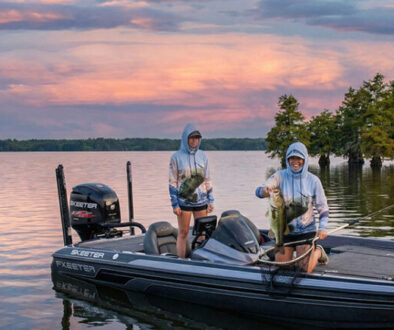
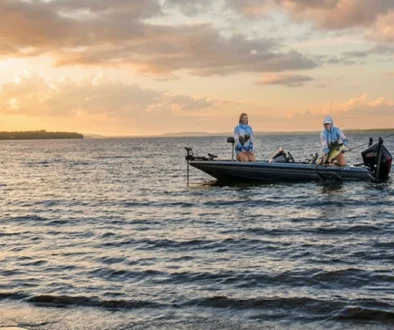
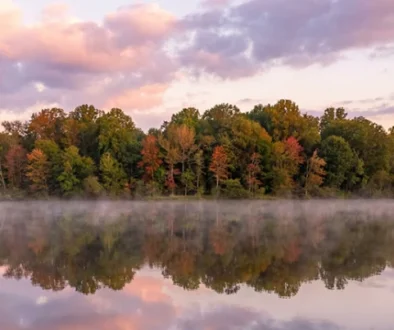
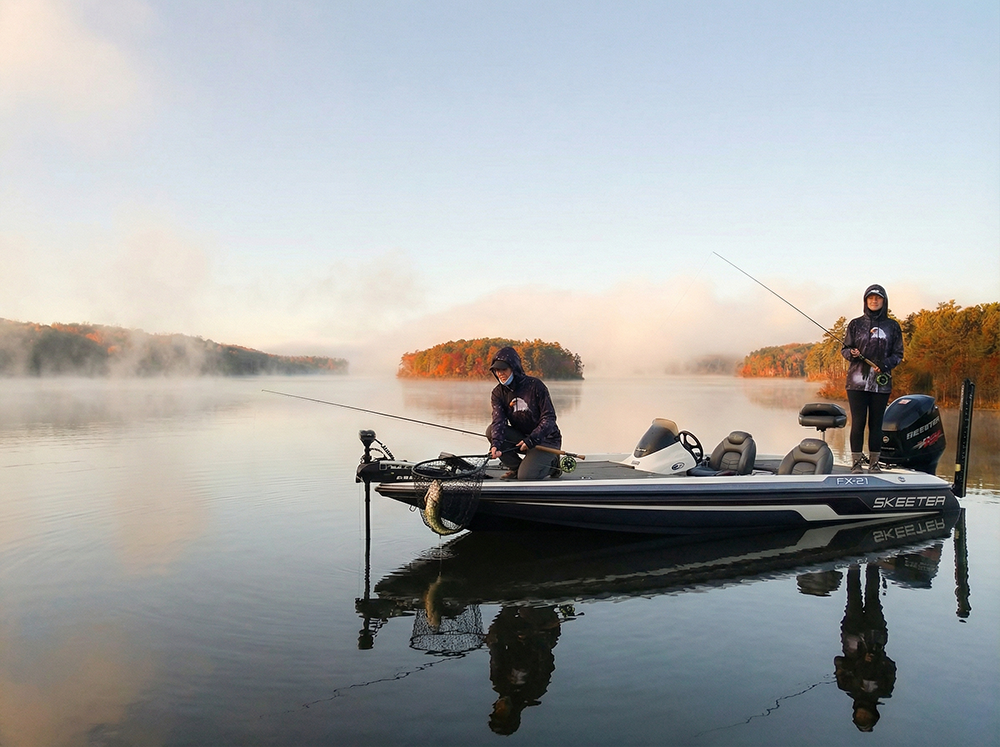
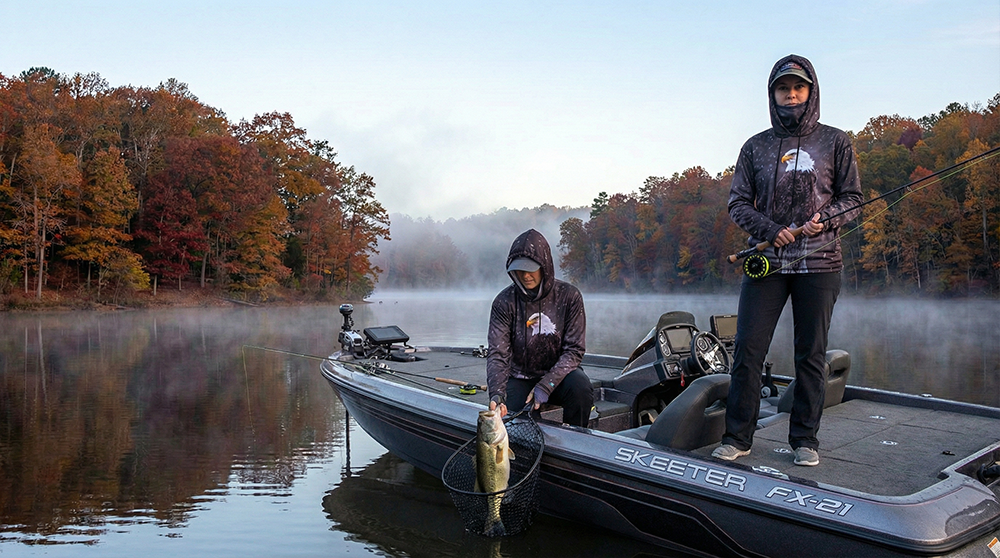
Fly Fishing for Bass on Falls Lake North Carolina can mess with your head in the best way. You get glass calm coves at sunrise, herons stalking the bank, and then a bass blows up your popper so hard you forget how to talk. This reservoir offers a challenging but rewarding experience for any angler willing to learn its rhythms.
If you have been dreaming about trading crowded trout streams for heavy rods, big flies, and real drag pulls, Fly Fishing for Bass on Falls Lake North Carolina is your move. You just need a game plan because this big reservoir can feel like an endless puzzle if you show up without one. With the right strategy, it is a great time to be on the water.
Table of Contents
Reason Falls Lake is Great Bass Fishing For Fly Anglers
Falls Lake covers about 12,000 acres north of Raleigh and stretches roughly 28 miles along the Neuse River. It was built by the U.S. Army Corps of Engineers in the late 1970s as a water supply and flood control project. The sheer size of this lake area provides endless structure to explore.
That boring dam story matters because the flooded creeks, old roadbeds, and timber all turned into perfect bass habitat. Largemouth here feed on shad, bluegill, crawfish, and the random frog that makes a bad life choice. When the bass feed, they are aggressive and plentiful.
Regional bass coverage from outlets like Game and Fish has put Falls Lake on the map as one of the stronger lakes in North Carolina. Tournament results back it up, and electrofishing studies have found high numbers of fish over the 14 inch mark. It consistently ranks high among largemouth bass lakes in the region.
A Quick Look At Falls Lake’s Background
Before the dam, the Falls of the Neuse was a rough whitewater stretch where the Piedmont dropped toward the Coastal Plain. In the late 1970s, the Corps started work on the dam, and by 1981 the reservoir we fish today was filled. This transformation created a massive new ecosystem for freshwater fishing.
The project covered pieces of Wake, Durham, and Granville counties and swallowed old roads and homesteads. Part of that work even involved relocating grave sites, which is well documented in public records like the North Carolina General Statutes. History lies beneath every cast you make in the deeper water.
Now the lake helps supply drinking water for the Triangle and doubles as a playground for campers, hikers, paddlers, and every bass addict with a boat. Falls Lake State Recreation Area and related park facilities are managed under the statewide framework laid out by North Carolina State Parks. It is a vital resource for both recreation and utility.
Conservation Problems You Ought To Actually Care About
Here is the part a lot of anglers skip. Water quality on Falls Lake has been a concern for years because of nutrient pollution. That means too much nitrogen and phosphorus coming from urban stormwater, eroding banks, old septic systems, and farms.
Several sections have been listed as impaired waters since the late 2000s due to high chlorophyll levels. In normal human words, that points to chronic algae issues that can hit dissolved oxygen and stress fish during hot weather. Keeping the lake water clean is a shared responsibility.
To deal with this, state officials rolled out a multi stage Falls Lake nutrient strategy aimed at reducing loading from upstream sources. You can see how North Carolina often handles legal and policy work around these resource problems in references such as the state law files at the legislative website. These efforts are crucial for maintaining a healthy fishing season.
The research has found that agriculture has improved its practices, while rapid growth in urban areas around Raleigh continues to push more runoff toward the lake. Streambank erosion has turned into one of the major nutrient pipelines feeding the system. The wildlife resources depend on us mitigating these impacts.
Here is the important thing for you as a fly angler. Even with these headaches, Falls Lake remains a high quality bass fishery. But that will stay true only if anglers keep backing conservation groups, respect park rules under the state park guidelines, and stop treating the shoreline like a trash can.
Gear Setup For Bass On The Fly
You do not need a tournament boat to have a great day out here, but the right fly gear matters. Falls Lake is windy more often than not, and your flies are on the large side, so leave the little trout sticks at home. You need power to punch through the breeze.
Rods, Reels, And Lines
- Rod: 7 to 9 weight, fast action, nine feet long.
- Reel: Strong drag, backing, and a large arbor.
- Lines: One floating line, one intermediate or sink tip for deeper water.
Plenty of serious warmwater fly anglers show up with eight weight rods, sinking lines, and even stripping baskets for long days of blind casting. That kind of setup is mentioned often by local shops such as Orvis Raleigh, which tracks seasonal shifts in shad and bass around the Triangle lakes. Using the right line helps you reach the fish when they suspend in deeper water.
Leaders And Tippet
- Leaders: 7 to 9 foot tapered or simple level leaders.
- Strength: 10 to 20 pound test depending on cover.
- Material: Straight mono or fluoro, nothing fancy.
Falls Lake bass live tight to wood and rock, so go heavier than you think. If your normal trout brain wants to fish six pound tippet, kindly tell it no and grab the twenty instead. You do not want to lose a big fish in the stumps.
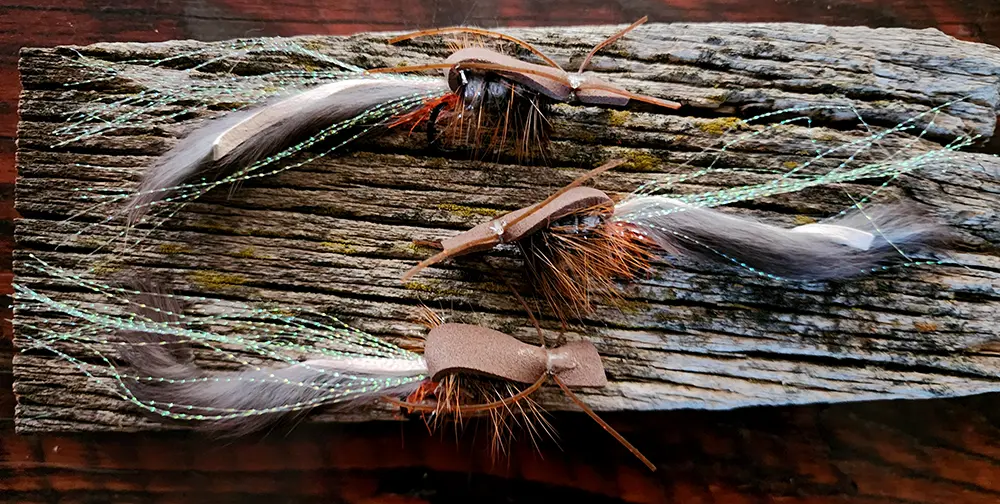
Top Flies For Falls Lake Bass
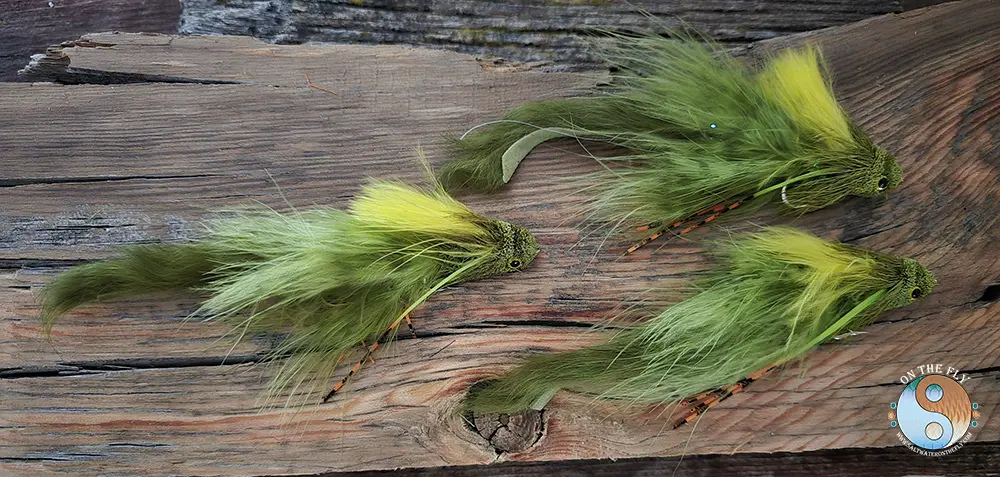
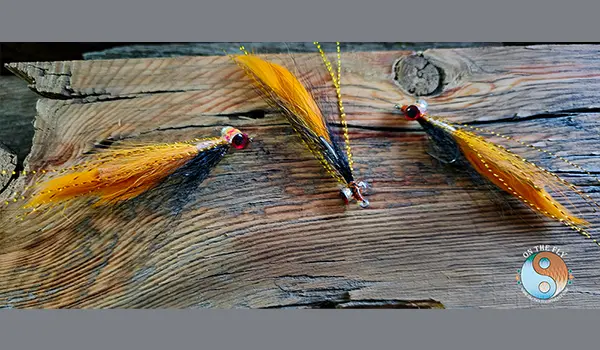
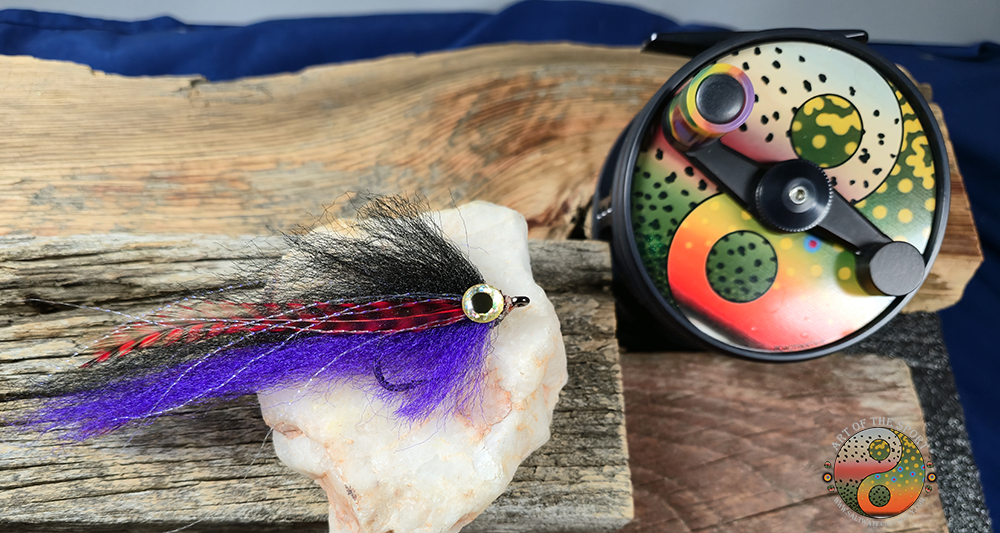
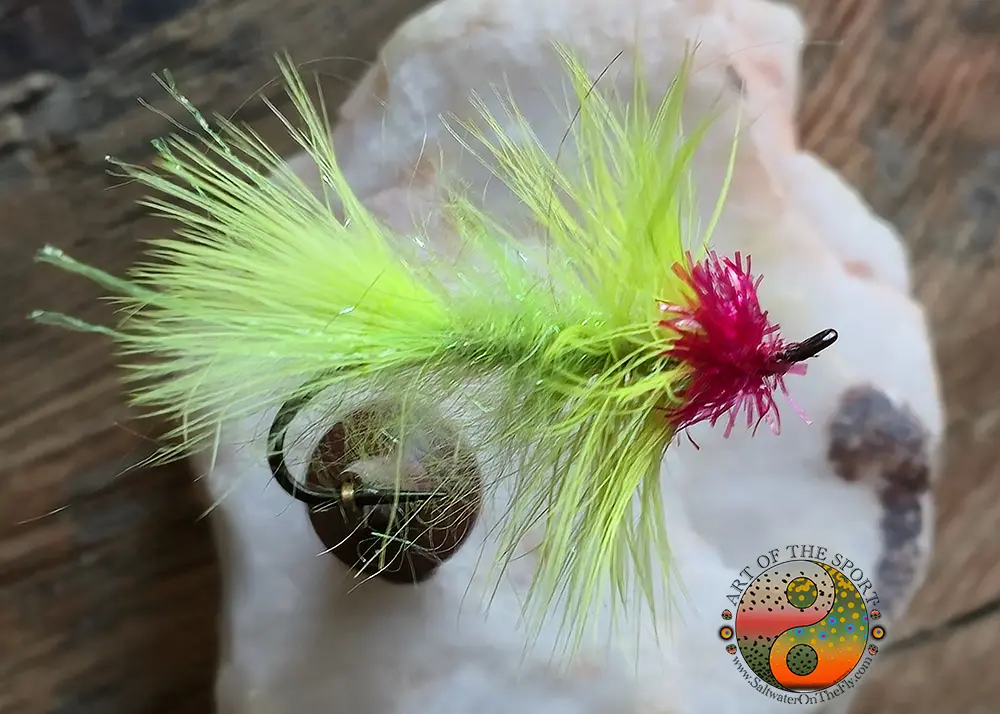
Bass out here are not shy. They eat shad, sunfish, young carp, frogs, mice, and each other. The key is picking patterns that move water, flash in the stained green color, and survive plenty of abuse.
Conventional anglers often use a white spinnerbait or plastic worms to locate fish. As a fly angler, you must choose flies that mimic the action of these lures. The following list mixes classic flies with modern twists suggested by warmwater guides and companies like Flymen Fishing Company, which builds heads for realistic baitfish.
1. Clouser Style Minnows
The Clouser minnow in white and chartreuse is a workhorse on this lake. It sinks, rides hook up, and matches threadfin and young gizzard shad in the main lake. It mimics the flash of a white spinnerbait effectively.
You can step it up with weighted baitfish heads like the Fish Skull Baitfish Head on longer streamers when you need to punch through chop and reach deeper breaks. That extra weight keeps your fly in the strike zone as you strip along points and ledges. This is essential when fishing deeper water.
2. Woolly Buggers And Bunny Leeches
Black or olive buggers, tied thick and heavy, are confidence patterns when bass get moodier. They look like leeches, young bluegill, or even craws, depending on how you strip them. They offer a similar profile to plastic worms used by gear fishermen.
Paired with a heavier head like the Fish Skull Sculpin Helmet, they ride low and bump rock in that sweet crawfish lane. Simple rabbit strip leeches in black and brown play the same role when the water gets dirty. Darker colors often work best in stained water.
3. Bluegill And Sunfish Imitations
If you want bigger bass, fish bigger groceries. Chunky sunfish patterns such as deer hair panfish or synthetic versions like the Pelagic Forger Bluegill turn the heads of four to six pound fish. These are great for fishing pressured waters where fish have seen everything.
These flies come alive on slow strips along dock lines and grass edges. Watch for follows, then speed up the last few feet as if the “bluegill” just saw the bass coming and tried to bolt. This triggers a reaction strike.
4. Topwater Poppers, Gurglers, And Divers
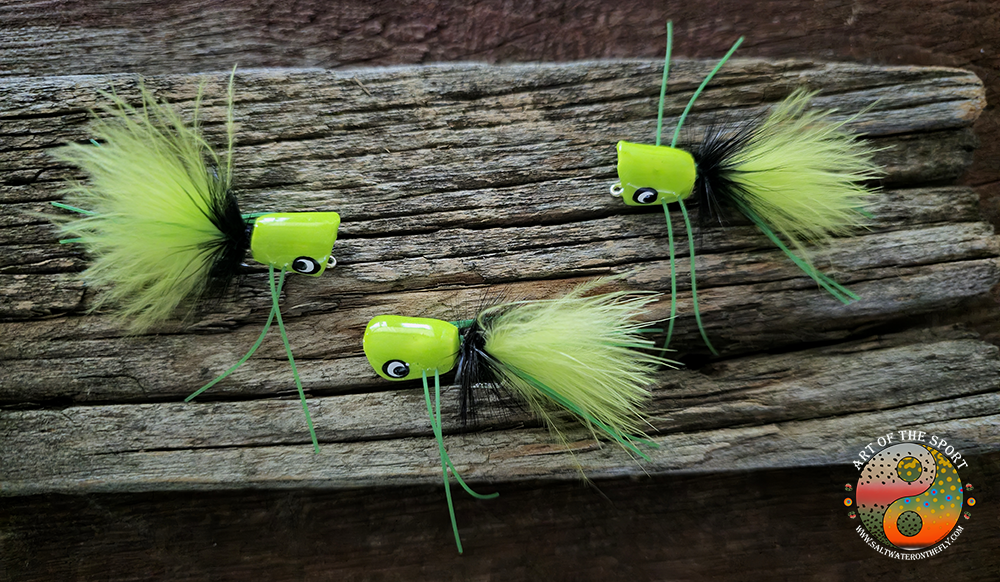
Early and late in the day, topwater is why you drove out here instead of scrolling another feed. Foam poppers, gurglers, and deer hair divers in frog or shad colors can pull fish from surprising distances. It is arguably the most fun way to catch fish on this lake.
You can see classic dry and surface styles recommended for warmwater fishers in many lists of patterns. One common warmwater lineup includes elk hair caddis and terrestrial dries such as ants and foam bugs for panfish, much like the patterns outlined near the section on dry flies linked with the Turks Tarantula. While smaller dries work for panfish, stick to big poppers for the bass.
Use a steady pop, pause, pop rhythm and give it time on the pause. Falls Lake bass will sometimes sit under the fly for seconds before deciding it must die. Patience is key during the pause.
5. Crawfish And Bottom Patterns
Rocky shorelines near the dam, riprap around bridges, and steeper clay banks all scream crawfish. Jiggy craw patterns, heavy buggers, and zonker style streamers can cover that role. Work these through the stump fields carefully.
You want contact with the bottom. Think short hops and slow drags instead of long fast strips. Any extra flash should be subtle since you are trying to imitate dinner creeping along, not a firework show.
Seasonal Game Plan For Falls Lake Bass
Water level swings and boat traffic can make Falls feel unpredictable. Break it down by season and it gets much more manageable. The basic rule is simple: follow water temperatures and bait.
Spring
As temps climb into the mid fifties, prespawn fish push shallower. Look at north facing coves that warm first and any protected creek arm with a mix of wood and hard bottom. This is the start of the primary fishing season.
Floating lines with small to medium baitfish patterns do well along secondary points. When they get locked on beds, scale down to smaller streamers or even big nymphs and fish slow along the edges instead of sight harassing fish. Finesse tactics can pay off during the spawn.
Early Summer
Once water settles into the seventies, expect strong morning and evening windows with topwater over grass and wood. Midday, shift out to main lake points with Clouser style patterns or sinking lines. It can be a great summer if you time your outings right.
This is a good time to cover water with long blind casts from a kayak or boat. Work windy banks, which push shad into predictable lanes, much like bass guides mention across the southern regions in broader bass roundups. The wind is often your friend in the summer.
Late Summer
Late summer can feel brutal with heavy boat traffic and hot surface temps. Bass slide deeper during the day and key on shade and current. You must find the thermocline or current breaks.
Think bridges, channel swings, and the first break off points. Intermediate or sink tip lines let you work mid depth structure where cooler water and roaming shad line up. Fishing bass in deep water requires patience.
Fall
Fall might be the best mix of comfort and action for the fly angler. Cooling nights push bait back into creeks, and bass follow them shallow again. Fall bass are often gorging themselves before winter.
This is your streamer season. Move from creek mouths to the backs as the month shifts, matching shad size with your flies and speeding up your retrieve when bass get aggressive. Look for schooling activity on the surface.
Where To Fly Fish For Bass On Falls Lake
Falls is big and confusing on a map, so let’s narrow it to several zones that fish well with fly gear. You can explore each more as you learn how the lake sets up across the year. Utilizing the right access areas makes a huge difference.
Beaverdam Area
The Beaverdam arm is partially no wake, has plenty of stumps, and offers more shelter from wind than the main lake. This makes it a favorite for kayaks and folks who do not enjoy surfing wake rollers all day. It feels like a totally different bass lake compared to the main body.
Look for grass edges, laydowns, and small pockets. Popper and gurgler action around sunrise here can turn into a steady grind of solid two to four pound fish. Access is easy from the boat ramps located here.
Rolling View And Holly Point
These recreation areas sit closer to the middle of the lake and give access to a network of points and coves. Steep shorelines near the main channel hold fish much of the year. There are nice picnic areas nearby for a post-fishing break.
Work riprap with baitfish patterns on a floating or intermediate line. Where you see rocky banks that drop fast, switch to a weighted pattern and count your fly down before you strip. These are prime spots for catching big fish.
Creek Arms: Lick Creek, Panther Creek, And Upper Barton
The back half of creek arms like Lick, Panther, and Upper Barton can light up with frogs, divers, and bluegill flies. These zones are shallow, brushy, and loaded with young fish that bigger bass follow. Upper Barton specifically holds some excellent cover.
Fish your way from the mouth to the back until you find active schools. Once you connect, work that area methodically. Bass here often feed in loose groups instead of single ghosts.
The Tributaries: Eno River and Neuse River
Above the I 85 area, the lake turns more river like as it fed by the Eno River, Flat River, and Little River. Current is stronger, water a little cooler at times, and cover shifts toward laydowns and channels. This area is distinct from the open lake north of the dam.
This plays right into classic river bass strategies similar to those described by regional sources such as Carolina Sportsman. Heavier buggers, craws, and streamers worked across current seams produce well here. It is also a prime area to find white bass during their spawning runs.
| Area | Best Season | Recommended Flies |
|---|---|---|
| Beaverdam | Late spring to early fall | Poppers, gurglers, sunfish patterns |
| Rolling View | Year round | Clousers, buggers, craw patterns |
| Holly Point | Spring and fall | Topwater along riprap, shad streamers |
| Upper Lake / Eno River | Summer and early fall | Heavy streamers, leeches, craws |
Targeting Other Fish Species
While largemouth bass are the main draw, Falls Lake is home to other fun targets. Striped bass and white bass provide excellent sport for fly anglers. Catching a striped bass on the fly is an adrenaline rush you won’t forget.
White bass make their annual run up the Eno River and other tributaries in the spring. This is a popular fishing event where high numbers of fish can be caught on small white streamers and Clousers. It is a great way to start your fishing season.
Striped bass roam the main lake chasing shad schools. You often need heavy sinking lines to reach them in deeper water during the summer or winter. However, they sometimes push bait to the surface, creating explosive topwater action similar to saltwater fish.
Don’t overlook the humble crappie or catfish if you just want to catch fish. While not traditional fly targets, they will eat small streamers. Diversity helps when the bass bite is slow.
Reading Falls Lake Like A Bass
Once you understand how bass use structure here, you stop wandering and start hunting. Three big features matter most: points, edges, and current breaks. You have to analyze the lake area thoroughly.
Points let fish slide up and down in depth with small moves. Edges like grass lines or shade bands concentrate prey. Current breaks around channel swings or bridges pull oxygen and food to one place.
Spend time with a map before each trip and think like a shad or a bluegill trying not to get eaten. Where can bait move while staying as safe as possible? That is where you cast first.
Comparison To Other NC Lakes
Falls Lake offers a different experience compared to other famous spots like Lake Norman or Kerr Lake. Lake Norman is known for its spotted bass and clear water, while Falls is often stained and dominated by largemouth. Kerr Lake is massive and nearby, but Falls is often more accessible for Raleigh locals.
Compared to a bass lake in the mountains or the coast, Falls Lake is a true Piedmont reservoir. It lacks the crystal clear water of some western lakes but makes up for it with nutrient-rich water that grows big fish. Understanding these differences helps you adjust your tactics.
Many anglers fish both the Haw River and the Neuse River systems. The Haw River feeds Jordan Lake, while the Neuse feeds Falls. Both offer great opportunities, but the upper Eno River arm of Falls offers a more scenic, river-like feel.
Rules, Access, And Respecting The Resource
Before you pack the truck, check current access and rules through the North Carolina State Parks contact pages. Ramp hours, fees, and swim zones can shift, and rangers take posted guidelines seriously. You will also need a valid North Carolina fishing license.
On the legal side, anglers across North Carolina often work within a patchwork of property and access rules, many based on long running statute language preserved at the state legislature site. It pays to stay aware of where public land stops and private shoreline begins. Access points are clearly marked, so stick to them.
You can purchase your fishing license online from the Wildlife Resources Commission. While there, you might see options for a gift subscription to their magazine or details on a privacy policy regarding your data. Always ensure your license is current to avoid fines.
Treat the place like a resource you want your kids or your buddies’ kids to fish later. Pack trash out, release the better class of fish when you can, and go easy on shallow bass during the peak of the spawn. Conservation is the key to sustainable Carolina fishing.
Comparison To Other NC Lakes
Falls Lake offers a different experience compared to other famous spots like Lake Norman or Kerr Lake. Lake Norman is known for its spotted bass and clear water, while Falls is often stained and dominated by largemouth. Kerr Lake is massive and nearby, but Falls is often more accessible for Raleigh locals.
Compared to a bass lake in the mountains or the coast, Falls Lake is a true Piedmont reservoir. It lacks the crystal clear water of some western lakes but makes up for it with nutrient-rich water that grows big fish. Understanding these differences helps you adjust your tactics.
Many anglers fish both the Haw River and the Neuse River systems. The Haw River feeds Jordan Lake, while the Neuse feeds Falls. Both offer great opportunities, but the upper Eno River arm of Falls offers a more scenic, river-like feel.
Rules, Access, And Respecting The Resource
Before you pack the truck, check current access and rules through the North Carolina State Parks contact pages. Ramp hours, fees, and swim zones can shift, and rangers take posted guidelines seriously. You will also need a valid North Carolina fishing license.
On the legal side, anglers across North Carolina often work within a patchwork of property and access rules, many based on long running statute language preserved at the state legislature site. It pays to stay aware of where public land stops and private shoreline begins. Access points are clearly marked, so stick to them.
You can purchase your fishing license online from the Wildlife Resources Commission. While there, you might see options for a gift subscription to their magazine or details on a privacy policy regarding your data. Always ensure your license is current to avoid fines.
Treat the place like a resource you want your kids or your buddies’ kids to fish later. Pack trash out, release the better class of fish when you can, and go easy on shallow bass during the peak of the spawn. Conservation is the key to sustainable Carolina fishing.
How Falls Lake Fits Into The Bigger North Carolina Adventure Picture
If you love an outdoor heavy lifestyle, Falls Lake is one piece of a bigger story. The same road trip that brings you here for bass can easily roll west toward mountain hikes or east toward coastal water. North Carolina offers diverse landscapes.
Writers and travelers keep highlighting how rich North Carolina has become for art, food, and local business in towns like Blowing Rock. That kind of mix lets you pair days on the water with nights exploring small downtown scenes. Wake Forest is also just around the corner from the lake.
On the coast, the North Carolina oyster trail shows how coastal communities are using seafood and eco tourism together. Even broader political headlines, such as coverage of national figures planning trips to North Carolina, keep the state in the national conversation for reasons that go far beyond fishing. It is a hub for activity.
For you as an adventure traveler, this all lines up. Bass on Falls, camping under the pines, maybe a detour for oysters or a small town taproom after your trip. It becomes a lifestyle loop instead of a one off outing.
FAQs About Fishing Falls Lake
Do I need a specific Carolina fishing license? Yes, you need a standard North Carolina fishing license. This applies to both residents and non-residents. You can buy these from the Wildlife Resources Commission.
Where can I find reliable fishing reports? Local tackle shops and online forums are your best bet for current fishing reports. Orvis Raleigh often has good intel. Guides also post updates on social media.
Is Falls Lake fishing pressured? Yes, popular spots can get fishing pressured, especially on weekends. However, the lake is large enough to find quiet water if you explore. Weekdays are generally much calmer.
What about the water level? The water level fluctuates due to rain and dam releases. High water pushes fish into the bushes, while low water pulls them to main lake structure. Always check the levels before launching.
Are there picnic areas near the boat ramps? Yes, most access areas like Rolling View and Beaverdam have picnic areas. It makes for a great family outing. You can fish while the family relaxes.
Conclusion of Fly Fishing for Bass on Falls Lake
Fly Fishing for Bass on Falls Lake North Carolina is what happens when big water, healthy largemouth, and hungry bait all stack in your favor. The lake was born as a dam project and a water supply line, but over the decades it turned into one of the better warmwater playgrounds in the state. It is a gem in the North Carolina landscape.
Yes, it has issues with nutrient runoff, algae, and the growing pains that show up in any booming part of North Carolina. Those same policy and conservation stories you see across statewide park updates and legislative records all touch this lake too. But the fishery remains strong, and you have a front row seat with a fly rod.
If you bring a solid eight weight, a small box of shad and bluegill streamers, a few topwater patterns, and a sense of humor, you are ready. Study the seasonal moves, pick your coves and points on purpose, and treat the place like it matters. Do that, and Falls Lake will hand you the kind of bass eats you will replay in your head for years.