Fly Fishing for Bass on Kentucky Lake: A Complete Guide
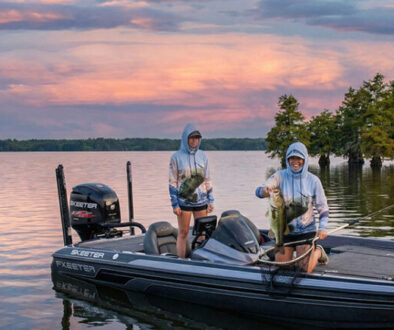
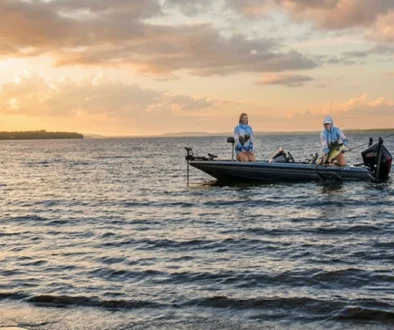
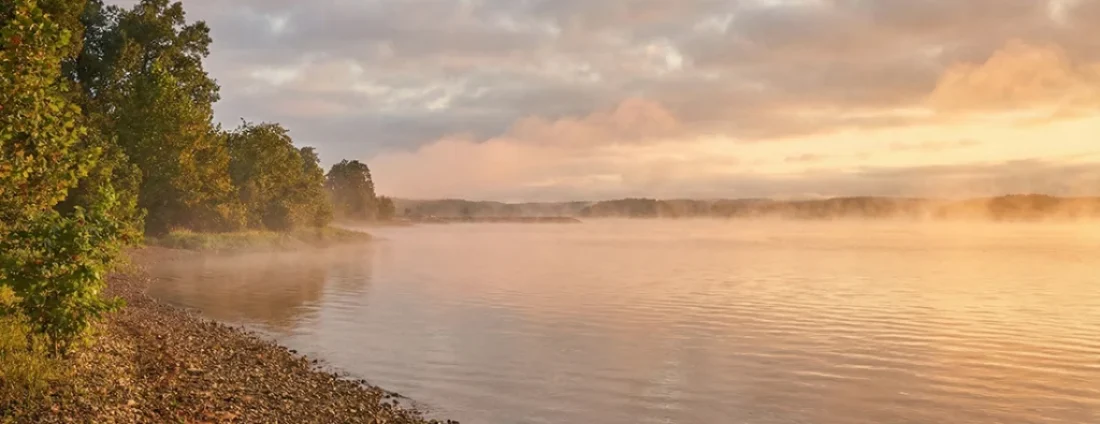
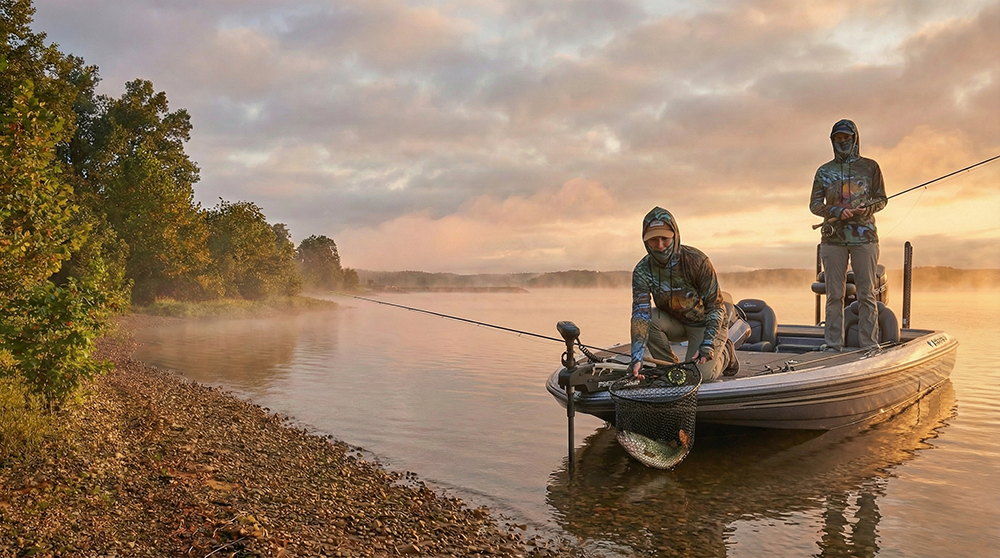
Fly Fishing for Bass on Kentucky Lake is one of those trips that lives in your head long after you drive home. Fly Fishing for Bass on Kentucky Lake is loud poppers, boat wakes, flying carp, and thick green shorelines that just look fishy the second you see them. If you love road trip adventures, backroad ramps, and long days chasing bass on the fly, this lake fits you.
You get southern hospitality at the marina and river level drama from the Tennessee Valley Authority. You also get a chance at a heavy bucketmouth on a deer hair bug right at dark.
Table of Contents
Reason This Is Your Next Big Bass Fly Trip
Think about what you want out of a big fly fishing trip. Chances are you want room to explore, solid odds of good fish, and enough side chaos to make a story worth telling later. Kentucky Lake checks all three boxes.
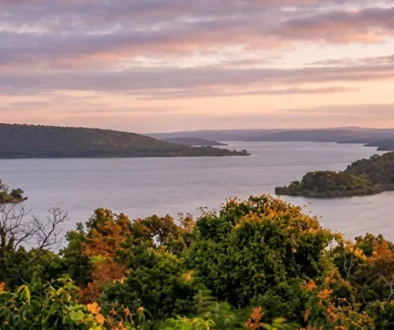
At roughly 160,000 acres and well over 2,000 miles of shoreline, it feels more like an inland sea than a simple reservoir. It was built when the Tennessee Valley Authority threw up Kentucky Dam in the 1940s to control floods and pump out power. The result today is a sprawling bass factory spread across western Kentucky and Tennessee.
If you are the type who likes exploring different launch areas and small communities, this region makes it very easy to mix fishing and travel days. Any serious fly fisherman appreciates the sheer scale of fishable water available here. From wide bays to narrow creek channels, the opportunities to find quality game fish are endless.
How Kentucky Lake Became A Bass Magnet
Long before anyone talked about Fly Fishing for Bass on Kentucky Lake, people just wanted the Tennessee River to stop blowing out towns. When the dam gates closed, valleys and old communities flooded under deep water. This left roadbeds, points, and creek channels for future bass inhabit areas to form.
The lake grew into a huge warmwater system that lines up perfectly with the natural range of largemouth bass and smallmouth bass. It also supports healthy populations of spotted bass, which often school up on rocky main lake points. Nearby Lake Barkley connects via a canal, creating a massive complex of water that anglers can navigate freely.
State biologists later stocked and managed around that base. Over time Kentucky became known for strong bass fishing across many waters. The agency shows this clearly in its identification booklets, which cover several types of bass, trout, and even carp. Outdoor writer James Henshall, who wrote one of the first serious books on black bass, spent a lot of time in this part of the country.
Conservation, Carp, And Reason The Lake Still Fishes Strong
You cannot talk about bass here without bringing up Asian carp. Those jumping silver fish showed up in huge numbers over the last decade. They turned quiet coves into circus shows the second a big motor throttles up.
Silver carp and bighead carp filter tiny plankton out of the water. That hurts shad and other bait that young bass rely on. Across the country, the Environmental Protection Agency tracks bigger issues like this in its reports on the nations wadeable waterways biological conditions.
On Kentucky Lake, carp, water level shifts, and shoreline development all pushed the bass fishery for a while. Guides and weekend anglers talked about poor spawns and vanishing bait. However, heavy commercial netting and natural swings in baitfish have started to bend the trend the other way.
Today you still see big carp, but you also see stronger shad schools and fatter largemouth again. That means if you are Fly Fishing for Bass on Kentucky Lake, your topwater bug actually has a solid chance of meeting something green and angry.
Conservation, Carp, And Reason The Lake Still Fishes Strong
You cannot talk about bass here without bringing up Asian carp. Those jumping silver fish showed up in huge numbers over the last decade. They turned quiet coves into circus shows the second a big motor throttles up.
Silver carp and bighead carp filter tiny plankton out of the water. That hurts shad and other bait that young bass rely on. Across the country, the Environmental Protection Agency tracks bigger issues like this in its reports on the nations wadeable waterways biological conditions.
On Kentucky Lake, carp, water level shifts, and shoreline development all pushed the bass fishery for a while. Guides and weekend anglers talked about poor spawns and vanishing bait. However, heavy commercial netting and natural swings in baitfish have started to bend the trend the other way.
Today you still see big carp, but you also see stronger shad schools and fatter largemouth again. That means if you are Fly Fishing for Bass on Kentucky Lake, your topwater bug actually has a solid chance of meeting something green and angry.
Gear Setup For Fly Fishing For Bass On Kentucky Lake
Big water calls for stout gear. If you try to bring a trout outfit here you will feel under gunned fast.
| Gear Piece | Recommended Setup | Reason It Works Here |
|---|---|---|
| Rod | 7 to 9 weight, 9 feet | Turns over big bugs and heavy streamers in wind |
| Reel | Large arbor with strong drag | Helps with quick line pick up and surging bass |
| Lines | Floating and sink tip | Float for poppers, sink tip for ledges and channels |
| Leaders | 7 to 9 foot leader, 0X to 2X | Short and strong for big flies and cover |
| Extras | Boat battery charger and spare cords | Keeping your trolling motor moving is half the game |
You might need to adjust your leader system for specific depths. Adding extra tippet helps get your fly down to suspended fish without changing the main taper. Adding extra length to a 9 foot leader can also make a difference when the water is exceptionally clear.
Boat days often run long, so smart power management really matters. Many locals like an onboard charger like the Minn Kota MK 460PC. This lets you juice up several batteries with one plug instead of juggling gear in a parking lot.
Do not skip on polarized glasses, UPF-50 Outdoor Apparel, and a simple rain jacket. This lake is large enough that storms can move fast. Sun on open water all afternoon will wear you down
Top 15 Flies That Actually Catch Bass Here
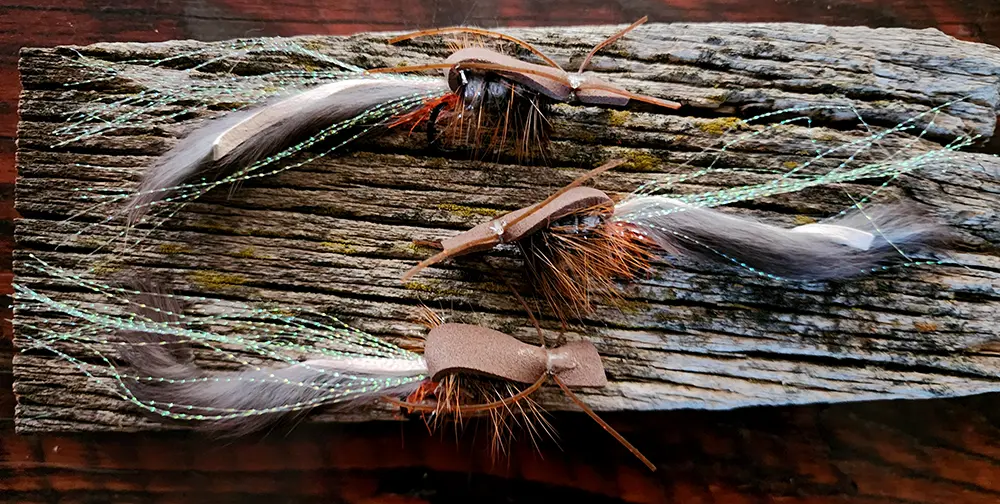
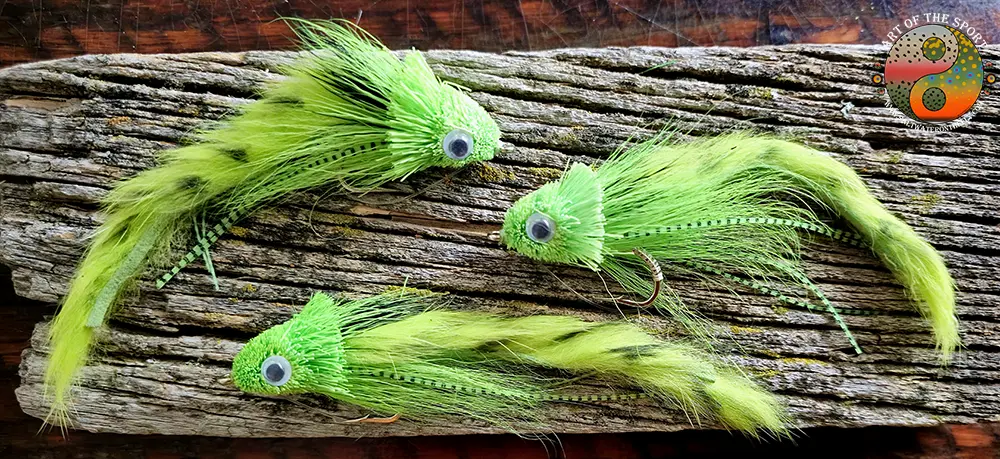
Bass in Kentucky Lake eat a mix of frogs, shad, bluegill, and crawfish. That gives you clear lanes for fly selection across seasons and water levels. The primary food source is almost always threadfin shad.
Here is a practical list you can build a whole trip around. These aptly named attractors cover the bases. You do not need every single pattern in ten colors.
Surface Flies For Explosive Strikes
-
Deer Hair Popper. Classic bass bug with a fat head that throws water and pulls bass from heavy cover. Olive and yellow for frog looks, white and chartreuse for baitfish vibes in stained water.
-
Dahlberg Diver. Sits low then ducks under on the strip and pops back up. Ideal around lily pads, shallow bushes, and laydowns in back bays.
-
Gurgler. Foam body, subtle wake, and a softer sound that helps when fish are shy. Great around shore grass early or late in the day.
-
Sneaky Pete. More slider than popper. Runs just under the skin of the surface, which shines on slick sunny afternoons.
-
Frog Popper. Either foam or deer hair, weedless hook if you can get it. Perfect for flipping right on top of matted grass or inside shallow brush lines.
Subsurface Streamers And Baitfish Imitations
-
Whitlock’s Swimming Sheep Shad. This is one of those fine flies that mimics distressed shad making an easy meal. The action of Whitlock’s Swimming Sheep Shad triggers strikes from fish looking for injured bait.
-
Davy Wotton Shad. A fantastic pattern for when fish are keyed on specific sizes of baitfish. The Davy Wotton Shad has a profile that fools wary smallmouth in clear water.
-
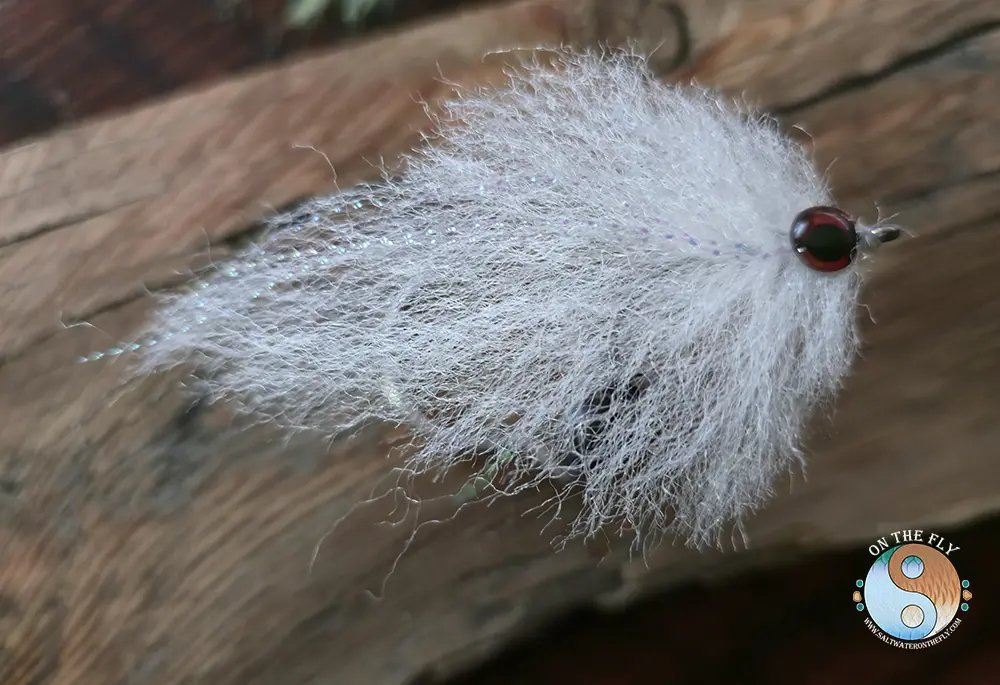
Clouser Minnow. The most important baitfish pattern you can bring. Chartreuse and white or gray and white look very close to threadfin shad.
-
Half And Half. Mix of Deceiver and Clouser traits that sinks deeper but still swims with nice action. Useful for ledge fishing or when wind stacks bait along main lake breaks.
-
Muddler Minnow. Old school but deadly, especially where smallmouth slide onto rock. Strip it or swing it near points that reach into the river channel.
Crawfish And Utility Patterns
-
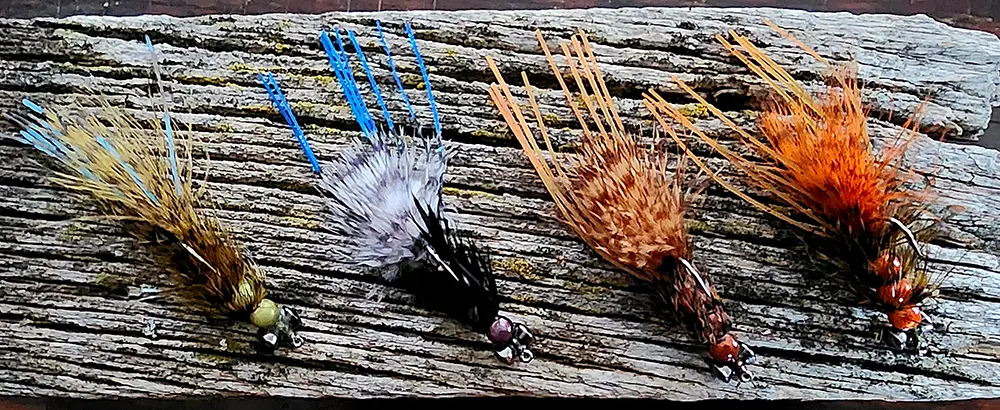
Woolly Bugger. Simple, ugly in a good way, and one of the best problem solvers on the lake. Fish it on sink tip around riprap, timber, and secondary points.
-
Beadhead Woolly Bugger. Same idea but heavier for getting down fast in current below the dam or on deep banks.
-
Weighted Crayfish. Drag this on gravel, chunk rock, and old roadbeds. Largemouth and smallmouth both chew craws, especially during summer and fall.
-
Boogle Bug Style Popper. Hard body option that holds up well when you are catching numbers. It also stands up to surprise encounters with smaller drum or rough fish.
-
Generic Bluegill Imitation. Anything that looks like a round panfish shape in olive, blue, and orange. Big bass spend plenty of time eating bluegill around docks and shallow brush.
Best Seasons And Patterns For Fly Fishing For Bass On Kentucky Lake
Timing matters almost as much as fly selection here. Water levels and bait movements drive where bass spend their days. This tells you where to point the boat.
Late Winter: The Float-and-Fly Window
In late February, the water temperatures push up very slowly. The pre-spawn period generally kicks off with deep, suspended fish. Pre-spawn smallies congregate around steep main lake points and bluff walls.
While traditional fishermen rely on spinning gear, fly anglers use the float-and-fly method. You suspend a small white jig or balanced leech under a strike indicator. This keeps your fly right in the strike zone for lethargic fish.
The process isn’t fast; it feels a bit like ice fishing from a casting deck. You cast to a promising point and let it sit. The fly twitch should be minimal, maybe just from the chop on the water.
You have a good chance at a trophy smallmouth if you stay alert. Making smallmouth eat in 45-degree water requires patience. Start high in the water column and adjust your depth by lengthening the leader.
Give the line the slightest strips occasionally to impart life. You will end up making numerous passes on the same bank. Making numerous casts to one spot is normal. Move the fly sporadically but mostly let the floating fly or indicator do the work.
Spring: Shallow Bays And Pre Spawn Action
As this time period moves into early spring, the spring pre-spawn bite heats up. As water creeps through the 50s into low 60s, largemouth slide from winter haunts. They move along the river channel into staging points and eventually bays.
This is one of the best windows to connect with bigger fish on a fly. Look for pockets with gravel or hard bottom and scattered wood. Fish a mix of Clousers along deeper edges early in the day.
Once the sun warms the water, throw poppers around the edges. Spawning fish deserve a light touch, so avoid camping on beds. Work parallel to the bank and focus on fresh cruisers instead.
Summer: Ledges, Current, And Night Options
Summer bass split between offshore ledges and shallower shade lines. The ledges here are famous for good reason. Long breaks along the old river channel stack bait and fish on certain spots.
This is where sink tip lines and heavier baitfish patterns pay off. Watch your electronics if you have them. Focus on areas where depth changes show sharply in a short span.
During heat waves, shift to early and late surface fishing. You can even try full night sessions with mice and big poppers along grass, docks, and rocky banks. When water temperatures push high, night fishing relieves the heat stress.
Fall: Bait Chasers And Power Fishing On The Fly
Fall may be the most fun season here if you like active fish. Shad roam more and bass follow. You get that classic feeding mood across large parts of the lake.
Work backs of creeks with Clousers, Half and Halfs, and light poppers. Watch for surface busts from bass slashing through shad pods. Get a fly into the chaos fast.
You can cover a ton of water. Trust that active fish will tell you where they are by showing up shallow and near obvious structure. Abandoning hope in a quiet creek is fine; just move to the next one with bait.
Best Areas To Target On Kentucky Lake
You will not run out of places to explore here. However, it helps to narrow your focus on zones that stack more bass through a normal year. This is a popular tactic among guides.
-
Big Bear Creek. Strong mix of docks, brush, and close access to ledges. Great option if you want both shallow fly casting and deeper work off the same area.
-
Blood River. Huge arm with grass lines and points everywhere. A dream zone for long days just fishing poppers and streamers along visible cover.
-
Jonathan Creek. A lot of varied structure which gives you different options when conditions change. Rock, wood, and creek swings keep things interesting.
-
Paris Landing region. Slightly deeper main lake access with a strong history of larger bass in warm months. Watch ledges and grass edges.
-
Upper Big Sandy arm. Dingier water at times, but largemouth love that stain. Great place for dark streamers and louder surface bugs.
If you like scouting by map, you can find plenty of local marinas and ramp info along the shore. Talking with local shop staff at these spots often saves you a day of guesswork. Traditional fishers at the cleaning station can also provide good intel
Dealing With Flying Carp And Busy Water
The stories are true. In certain areas and at certain speeds, silver carp can launch right out of the water near your boat. It can feel like you are standing in a live action arcade game.
Use that as comedy fuel instead of stress if you can. Wear glasses all the time and keep rods down when running. Keep your deck fairly clean so you do not trip if one flops onboard.
The lake also draws heavy boat traffic on holidays and summer weekends. Plan to fish low light hours or work farther from main boat lanes during peak days. You will want quiet water to swing a fly properly.
Staying Legal, Informed, And Ready To Travel Again
Before you pull out the waders or book a rental, make sure your license is lined up. State agencies adjust rules from time to time. They also use online tools to share new notices, much like the RBFF supported State Agency COVID-19 Updates page did during recent years.
Kentucky stocks plenty of trout in rivers, streams, and small lakes as laid out in the monthly stocking schedules. While that is a different game than warmwater bass on Kentucky Lake, it shows how active this state is. They work hard on everything from trout waters to wide river reservoirs.
Smallmouth fans should also check the agency information about . Bass live in nearly every major watershed here. Your Kentucky Lake fly trip can easily turn into a longer tour of creeks and tailwaters around the region.
Reason This Lake Hooks Bass Fly Fishers
If your idea of a good week involves hiking, camping, and fishing rolled into one, this lake sits in a sweet spot. Nearby recreation areas and public lands offer plenty of trails and campgrounds. You can mix bank fishing with full day paddles or hikes.
After all, a big road trip is about more than catching fish. It is also the gas station coffee before dawn and the late night rigging at the cabin table. It is the quiet drive back under tired eyes and full coolers.
Outdoor travelers who already roam from surf spots to climbing areas to backpacking routes will feel at home here. Kentucky Lake slides into that same mental catalog of places that give you room to breathe. It offers plenty of ways to wear yourself out in good ways.
Conclusion of Fly Fishing for Bass on Kentucky Lake
Fly Fishing for Bass on Kentucky Lake blends everything that makes warmwater fly trips fun. You get history, huge water, feisty bass, a few wild cards like flying carp, and plenty of structure. The massive shoreline will keep you busy year after year.
If you are craving a trip where you can push an 8 weight hard, work big flies around real cover, and still find quiet pockets, this reservoir is it. It deserves a spot near the top of your list. Tie up a box of poppers, baitfish, and craws, block off some time, and let yourself get lost in its bays.