Fly Fishing for Bass on Lake Monroe Indiana: A Guide
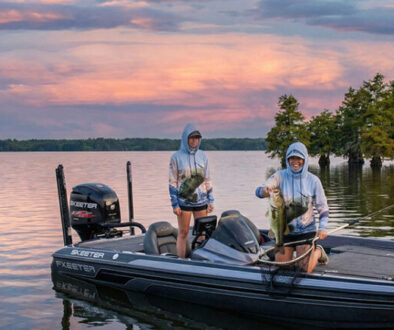
Fly Fishing for Bass on Lake Monroe Indiana is not some gentle, meditative thing where you stand in silence and quote poetry. It is more like combat in a flooded forest. You are throwing feathers and foam at thick shouldered largemouth bass that live in brush piles, milfoil jungles, and shad schools that move like ghost clouds.
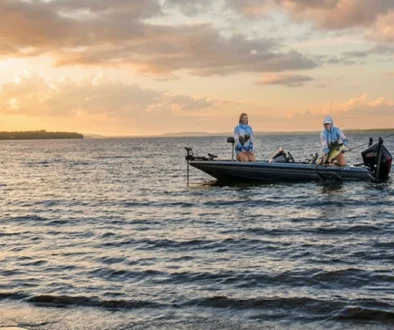
Spend a day Fly Fishing for Bass on Lake Monroe Indiana and you will understand why so many Midwestern anglers quietly obsess over this place. You get the best parts of bass fishing and fly fishing at once. Explosive surface eats, hard runs, and plenty of shots if you time it right and fish the lake smart.
This reservoir offers ample opportunities on public land that rival any private club. It is a destination that demands skill but rewards patience. You will find yourself testing your limits and learning new water with every cast.
Table of Contents
Why Lake Monroe Is A Bass Factory For Fly Anglers
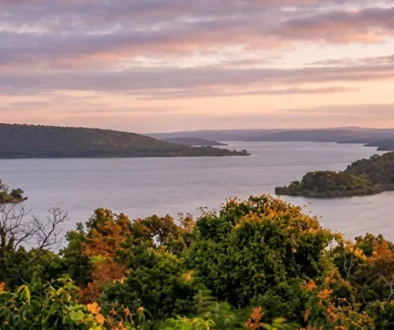
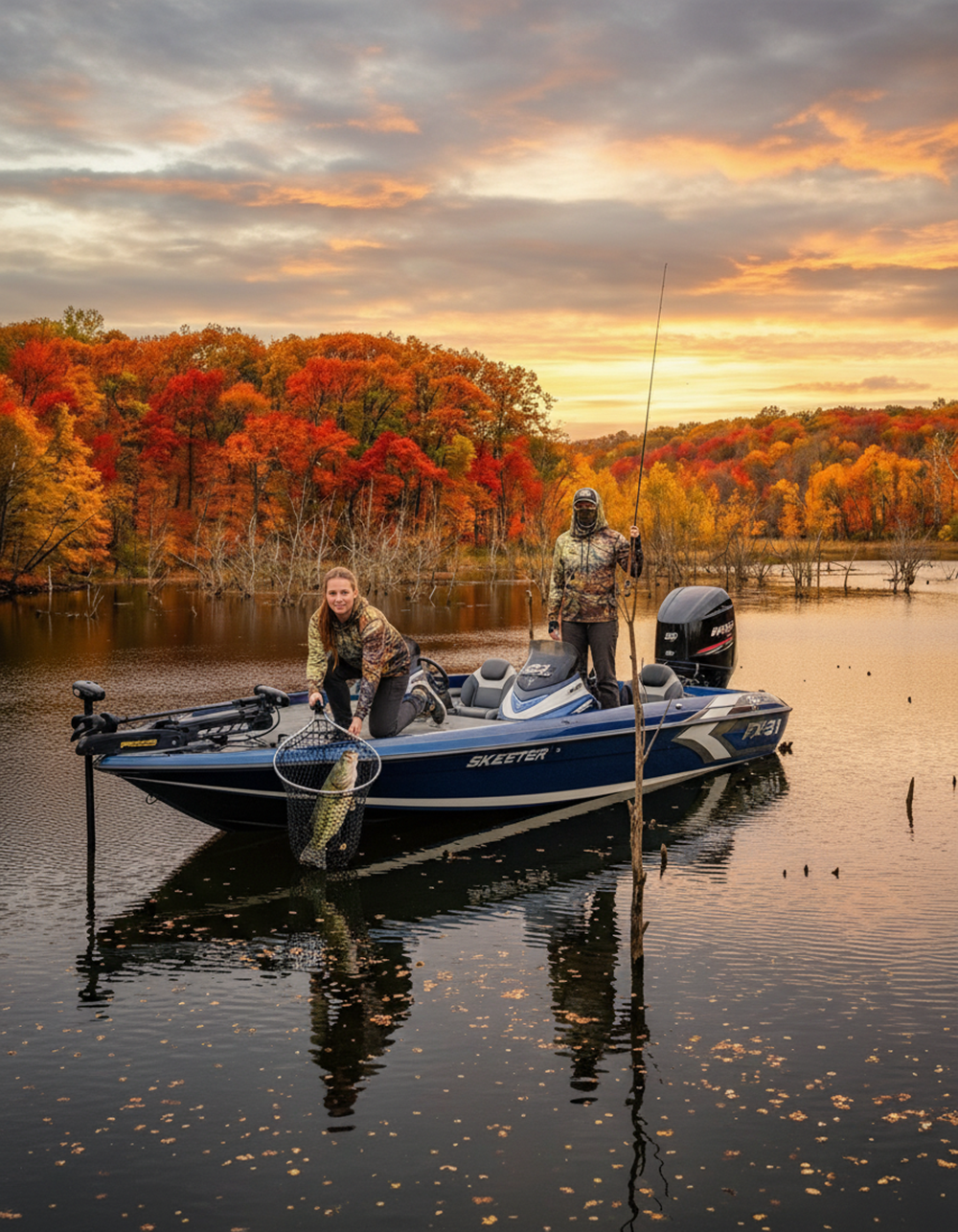
Lake Monroe is Indiana’s largest reservoir at roughly 10,750 acres, just southeast of Bloomington. It was built in the 1960s when the US Army Corps of Engineers dammed Salt Creek for flood control and water supply. Unlike a natural lake formed by glaciers, this body of water features diverse underwater structures left behind by the flooding.
The early years were rough and anglers used to call it the Dead Sea because fishing was so tough. Over time, habitat projects, shad populations, and better management turned it into one of the better bass lakes in the Midwest. Outlets like midwest outdoors have noted its improvements in roundups of Indiana bass water.
Today it is a serious largemouth fishery with a few smallmouth bass surprises. Heavy cover, broad flats, creek arms, and stable summer levels give bass everything they need to grow thick. That mix is exactly what makes it so much fun with a fly rod.
Beyond largemouth, you might encounter striped bass or hybrid striped bass roaming the open channels. These fish species add a layer of unpredictability to your day. It is not uncommon to hook a wiper while stripping streamers for green bass.
This variety sets Monroe apart from smaller local waters. The sheer biomass of forage fish supports multiple predator classes. It is a dynamic ecosystem that keeps you guessing.
Fly Fishing For Bass On Lake Monroe Indiana: Who This Guide Is For
If you are an adventure traveler who likes hiking ridges one day and chasing fish the next, you will feel right at home here. The lake is wrapped by Hoosier National Forest and state recreation areas, so you are never far from a trail or a quiet campsite. Those who read mwo magazine will recognize the rugged appeal of this terrain.
This guide is written for three groups of anglers. First, the trout person who owns a 6 weight and is wondering if that thing can survive an Indiana largemouth. This is quite different from chasing inland trout in delicate streams.
Second, the bass angler who already throws gear and wants to see what all the fuss is about with fly fishing. If you are used to casting dead bait or conventional hardware, the fly rod offers a new thrill. You will learn to manipulate the fly in ways spinning gear cannot match.
Third, the traveling outdoor addict building a bucket list based on the best places to go fly fishing in the United States. You might still want those sleeper, off radar spots that are not overcrowded. This guide helps teaching beginners and experts alike how to approach big water.
You do not need a drift boat or guide to catch fish here. A simple setup, a handful of smart fly choices, and a sense of humor about snagged weeds will take you a long way. Shore fishing is also a viable option in many coves.
Seasonal Pattern: When To Fish And What To Expect
Lake Monroe fishes differently month by month. You can catch bass year round, but the approach shifts with water temperature, water level, and boating traffic. You have to adapt your strategy to the conditions at hand.

Spring: Pre Spawn And Spawn Power Hour
By late March into April, surface temps climb through the fifties and sixties. Bass leave deep winter haunts and push toward creek arms like Moore’s Creek, Crooked Creek, Allen Creek, and the shallows near Paynetown. The early ice is long gone, and the water is ready.
This is the time for slower presentations on intermediate or sink tip lines. Clouser Minnows, Woolly Buggers, and crayfish style flies like a Crazi Craw pattern work along secondary points and the first real weed growth. Check your fishing knots often, as big females are strong this time of year.
On slightly stained water days after a warm front, you can sometimes get away with a Gurgler or small popper in the afternoon. Focus on cover near spawning pockets and move slowly. The fish are shallow and looking to feed before the spawn.
Summer: Topwater Circus And Weedline Work
June through August is peak fun for topwater obsessed fly anglers. Weeds and pads are up, bluegill and shad are everywhere, and largemouth use shallow cover at first light and again near dark. Understanding the correct depth range is critical once the sun gets high.
You will throw Boogle Bug style poppers, deer hair frogs, Gurglers, and similar surface flies over and along pad fields and laydowns. Make a pop or two, pause, then repeat. Those pauses are when most fish eat.
Midday, fish slide off to shade lines and deeper edges. Switch to streamers like Game Changers or Tequeely type flies fished on a sink tip around points, flooded timber, and the first sharp breaks off flats. Fishing electronics can help you locate these offshore schools quickly.
If you operate a small craft like a kayak, be mindful of the afternoon boat wakes. This is a popular lake for recreational boating. Stay close to the no-wake zones for a smoother experience.
Fall: Shad Chasers And Schooling Fish
By late September the lake cools and shad pods move into creek arms. Bass follow the groceries. Watch for nervous water or gulls and be ready.
This is one of the best times for moving baits with a fly rod. Clousers and other shad patterns burned just under the surface get hammered. It rivals the excitement of open water fishing anywhere in the region.
Work points near creek mouths, wind blown banks, and channel swings with bait present. Keep a popper tied on for the calm evenings, but live in streamer land most of the day. You might even see anglers prepping their hunting gear nearby as seasons overlap.
Hunters might be out pursuing wild turkey or prepping for ruffed grouse season in the surrounding woods. You may hear the distant sound of black powder/muzzleloader rifles later in the season. It is a busy time for the midwest outdoors enthusiast.
Winter: Slow, Deep, Patient
In cold months you will work harder for fewer bites. The trade off is a shot at some very solid fish without crowds. Midwinter ice can sometimes form in the bays, but the main lake often stays open.
Focus on steep banks near the dam, main lake points, and deeper creek channels. Use sinking lines and flies like Mohair Leeches, small Woolly Buggers, and compact baitfish patterns crawled very slowly. This is not the time for an ice fishing product showcase, but rather for slow, methodical dredging.
If you like solitude, you will love January weekdays out there. Just dress for it and take it easy around icy ramps. While others are reading about an ice fishing product in a magazine, you can be out catching bass.
Sometimes late ice hangs around in the back of creeks, limiting access. Always check conditions before launching. Safety is paramount when the water is near freezing.
The Right Gear For Lake Monroe Bass
You do not need a boatload of rods to fish here, but tackle choices do matter because this is a big reservoir with big flies and thick cover. Proper equipment maintenance ensures your reels won’t freeze or jam when a big fish hits.
| Gear | Recommendation | Why It Works On Monroe |
|---|---|---|
| Rod | 6 – 8 weight, fast action, 9 feet | Throws big poppers and streamers, has backbone to steer bass out of weeds |
| Reel | Large arbor with decent drag | Quick line pick up and smooth drag for larger fish near timber |
| Lines | Floating, sink tip, and optional full sink | Covers shallow pads to deep points in different seasons |
| Leader | 6 to 9 foot, 10 to 20 pound mono or fluoro | Short, stout leaders turn over wind resistant flies and stand up to cover |
| Accessories | Stripping guards, polarized glasses, small boat net | Protect fingers, spot structure, and land fish cleanly for fast release |
If you want a broader gear refresher before building a kit, that broader guide to fly fishing gear gives a solid baseline. Then you can adapt those ideas for warmwater bass instead of trout. You can also check a local fishing product showcase for the latest rod technology.
Choosing the right line is often more important than the rod itself. A heavy shooting head helps turnover large artificial lures and flies. Don’t be afraid to experiment with different tapers.
Some anglers treat their gear search like a product showcase, constantly buying new toys. However, a reliable 8-weight is really the workhorse you need. It handles the wind and the fish with equal authority.
The 11 Best Flies For Lake Monroe Bass
Local fly choices mirror other shad based lakes, but vegetation and stained water put a premium on movement, sound, and silhouette. Think foam, rubber legs, and patterns that shed weeds. These are distinct from lake salmon or big lake salmon flies which are often smaller and sparse.
1. Foam Or Cork Popper
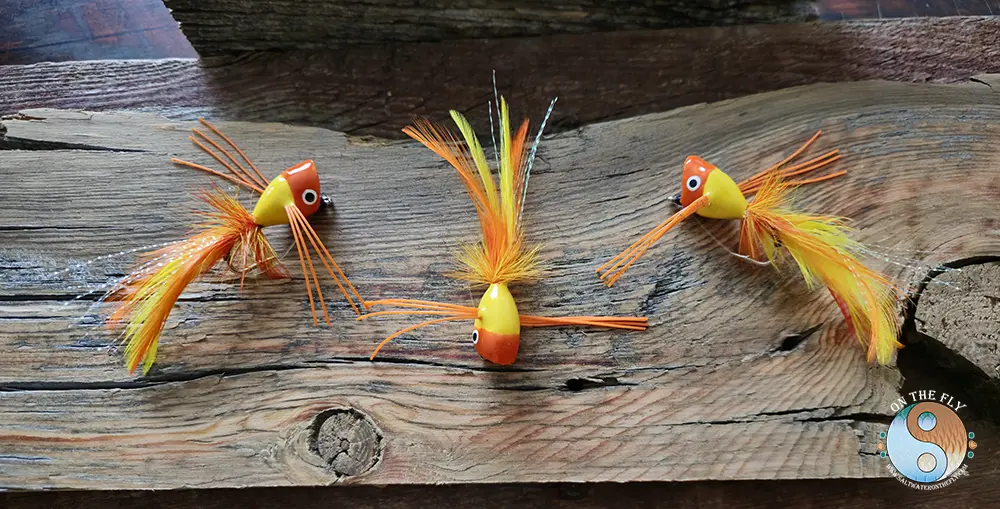
This is your classic Boogle Bug style surface fly in size 2 to 6. Colors like frog green, black, and chartreuse cover most situations.
Use a pop pop pause cadence over shallow weed beds early and late. On overcast days you can fish them all day in coves and along shady banks.
2. Deer Hair Frog
A spun deer hair frog sits lower in the water than a foam bug. It looks alive when you give it subtle twitches along pad edges and blowdowns.
This is a confidence fly around thick surface cover because it rides over debris well and draws serious strikes from resident fish.
3. Gurgler
Gurglers land softer than heavy poppers and make a little V wake. They shine on calm mornings and evenings when bass want something skittering but not loud.
Strip them steadily across pocket water between weeds and watch behind the fly for tracking fish.
4. Clouser Minnow
The Clouser is the Swiss army knife here. Tie them on strong hooks from size 1 or 1/0 down to 4 in white and chartreuse, shad grey and white, or plain white.
The dumbbell eyes get it down, the sparse wing pulses nicely, and bass eat it as shad, small bluegill, or generic meat. You will fish this fly more than you think in summer and fall.
5. Game Changer Style Streamer
Articulated baitfish that swim with a side to side kick are deadly on bigger fish. Think shad colors for clear sections and darker hues in stained arms.
Work these along ledges, off deep wood, and through suspended bait balls on sink tips. They can turn neutral fish into eaters.
6. Tequeely Style Flash Streamer
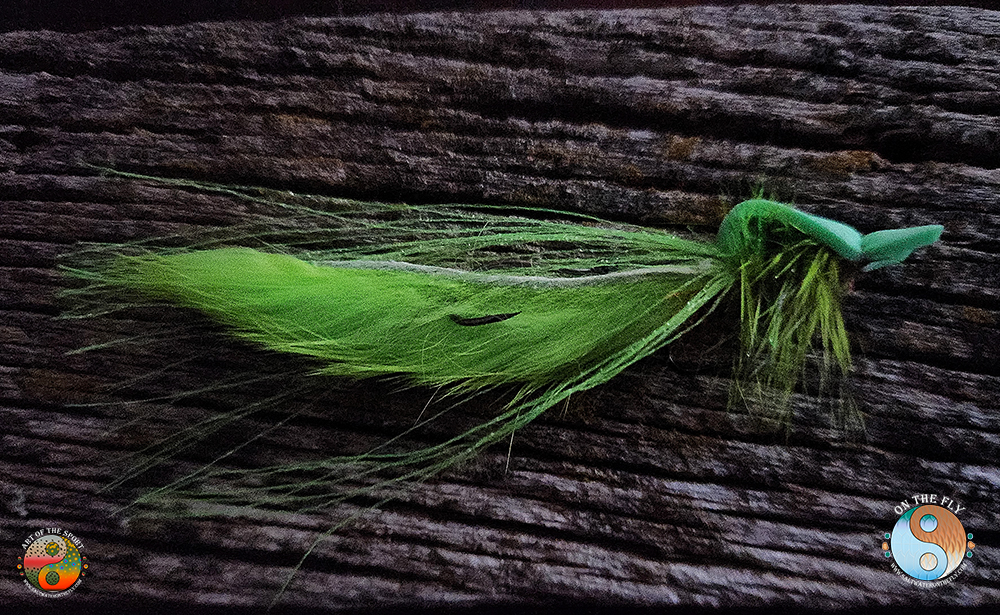
This is a bright, rubber legged, flash heavy baitfish. It gets noticed in dirty water and along weed edges.
Use it in the wind and chop or after rain when visibility drops. Strip fast and erratic with some short pauses.
7. Woolly Bugger
The Woolly Bugger does sculpin, leech, and baby crayfish duty all at once. Size 4 to 8 in black, olive, and brown covers it.
Crawl it along rocky banks and around submerged stumps, especially for the lake’s smallmouth that tend to hang near current and rock. It is less flashy than a lure used for northern pike but just as effective.
8. Crazi Craw Or Other Crayfish Imitation
Crayfish are protein bars for Monroe bass, especially on harder bottom sections and channel swings. A craw fly with claws, rubber legs, and lead eyes dragged along bottom works year round.
Make a short strip, pause, short strip pattern and imagine it bumping along rocks. Bites often feel like gentle weight that just appears.
9. Mohair Leech
This is a simple, shaggy pattern that breathes with very little movement. Fish it on a slow sinking line in cold water.
It can also save tough summer mid days by fishing it slowly under overhanging trees where fish suspend. It mimics the natural leeches found in the wildlife area waters.
10. Double Barrel Style Popper
This one is for rougher water, wind, and calling fish from distance. The cupped face moves water and makes real noise.
Use it around offshore wood, over deep weed edges, and anytime you suspect bigger fish are cruising but not tight to cover.
11. Small Bluegill Imitation
Bluegill and small panfish make up a big slice of the menu for larger bass in shallow cover. A rounded, tall profile streamer with barred sides triggers those predatory instincts.
Work them along docks in the Fairfax area, shallow wood at Hardin Ridge, and the no wake coves around the lake where panfish roam. This is distinct from fishing big lake waters where alewives are the main forage.
Best Areas Of Lake Monroe For Bass On The Fly
Lake Monroe is big enough to overwhelm anyone the first time you launch. Instead of running everywhere, pick a few high percentage areas based on your access and wind that day. Looking at lake maps beforehand saves a lot of fuel.
Best Areas Of Lake Monroe For Bass On The Fly
Lake Monroe is big enough to overwhelm anyone the first time you launch. Instead of running everywhere, pick a few high percentage areas based on your access and wind that day. Looking at lake maps beforehand saves a lot of fuel.
Paynetown SRA
Paynetown on the north shore gives easy boat and kayak access to classic shallow flats and coves. In spring, bass slide up to stage and spawn on those gradual shorelines.
Work pockets, small points, and early weeds with streamers and smaller topwater. You can build a whole trip around this section and stay plenty busy.
Fairfax Area
The Fairfax section on the southwest side mixes marinas, coves, and offshore structure. That combination draws both bass and bait through the warm months.
Hit protected pockets at low light with frogs and poppers. Mid day, fish docks and shade lines with subsurface flies. Be sure to check the boating registration stickers on your hull before launching here, as checks are common.
Cutright And Pine Grove / Crooked Creek Arm
The Cutright ramp opens the door to the lake’s eastern arm including Pine Grove and Crooked Creek. These creek arms feature flooded timber, brush, and weed growth along the channel. This area feels remote, bordering dense woods and occasional farm fields.
They fish great during pre spawn and fall, when bass use channel edges as travel routes. Probe wood with streamers on sink tips and do not be surprised if you hang some good ones.
Moore’s Creek And Allen Creek
Moore’s Creek and Allen Creek arms bring stained water, strong bank cover, and more of a river feel. The color here often lets you get closer to fish without spooking them.
Frogs, Gurglers, and big buggers worked tight to the bank draw aggressive eats. Watch for changing water level after storms because it affects how tight bass sit to shore.
Dam And Deeper Main Lake
The area near the dam, plus main lake points and channels, offers deeper structure for summer and winter fishing. This is sink tip country with heavier flies. It resembles the depth needed when fishing the great lakes.
Watch your graph for bait schools. When you mark them at a certain depth, get a fly running just above them and cover water until something grabs it.
Access, Boating Traffic, And Safety Tips
Monroe is a busy multipurpose reservoir in warm months, so part of the game is working around traffic. Weekdays, dawn sessions, and fall are much calmer. Taking a boater education course is a smart move if you are new to navigating large reservoirs.
Main launches include Paynetown, Fairfax, Cutright, Pine Grove, and Hardin Ridge, each with different access angles to the lake. The Indiana DNR and US Army Corps post current information about ramps, closures, and rules. Regional resources often highlight seasonal patterns and reminders, which you might find if you read mwo.
Use a bright kayak flag if you are paddling. Keep a good headlamp, whistle, and small first aid kit. Strong summer storms can roll through quickly, so watch forecasts and treat dark clouds seriously. Also, check if you are in a marked lake zone to avoid hazards.
If you plan to explore the shore, look for designated walk-in land areas. Always respect private land boundaries that may border the public property. Checking the map prevents any trespassing issues.
When purchasing your license online, glance at the site’s privacy policy regarding data usage, and consider signing up for a weekly newsletter from the DNR. These often contain stocking reports and general info that helps plan your trip.
Conservation: Keeping Monroe Fishy Instead Of Funky
Lake Monroe deals with runoff, sediment, and nutrient issues from its large watershed, as local reporting through outlets like regional newspapers has discussed for years. Those pressures affect water clarity, weed growth, and the overall health of the lake. We want to preserve the surrounding grasslands / praries that filter this water.
State agencies and local groups have added artificial habitat and pushed for better septic and runoff management around the reservoir. Anglers play a role here as well. Picking up trash near the wildlife area access points makes a huge difference.
Pack out trash, use designated pump outs for any larger boats, and practice quick catch and release for big bass. Treat those older fish like rare backcountry trophies and the lake will fish better year after year. Keeping the water clean ensures we can continue cooking wild fish for dinner safely.
Avoid transporting invasive species by cleaning your gear. Good scent control habits for hunters also apply to anglers; wash your hands of sunscreen before handling flies. These small acts contribute to the larger conservation picture.
Simple Day Plan For Your First Monroe Fly Trip
If you like checklists, here is a straightforward day layout for your first trip. It works whether you are on a boat or sticking to walk-in land spots.
- Launch at Paynetown at first light and fish poppers over shallow flats and weed edges near the ramp.
- By mid morning, slide toward deeper secondary points and switch to Clousers on a sink tip.
- Take a midday break on shore or scout new areas with your sonar rather than flogging high sun water.
- Move to a no wake cove near Fairfax for the last two hours and throw frogs or Gurglers tight to cover.
You will learn more in that one structured day than a month of random casts. Keep a small journal on water temps, where you saw bait, and where you hooked fish. You might even snap some short shots with your camera to remember the locations.
Blending Fly Fishing With Your Broader Adventure Plans
Lake Monroe sits in a part of Indiana that quietly spoils outdoor travelers. One day you are tossing poppers at brush, the next you are hiking Hoosier National Forest ridges or pedaling gravel roads. You might spot dog gear at the campsite as this is a very pet-friendly area.
If your life already mixes retirement planning podcasts and weekend fly fishing stories, Monroe fits right into that mix. You can bring family or friends who want to swim, paddle, or camp and still sneak out at first light. Bring some magazines with a coloring contest or cartoon contest to keep the kids entertained at camp.
Think of it less as a single fishing spot and more as a basecamp where you can build your own version of the outdoor lifestyle you actually want to live. Nearby ranges even offer target shooting if you want to mix up the itinerary. Explore the local hunting history at visitor centers to appreciate the land’s heritage.
Consider archery care if you are bowhunting nearby in the fall. The blend of big game hunting and fishing makes this region special. It is the total package for the sportsman.
Also, look for a fishing product shop in Bloomington. They often have specific mwo features on local patterns. You might even find a free signup sheet for local fishing clubs.
Conclusion
Fly Fishing for Bass on Lake Monroe Indiana feels a little wild and a little chaotic, in the best way. It asks you to throw bigger flies, make more committed casts, and embrace weeds and wood rather than avoid them. Whether you are using a new fishing product or an old favorite fly, the thrill is real.
If you are willing to work through some snags, pay attention to seasons, and respect the lake, you will find a fishery that can keep up with much more famous bass lakes. Those heavy largemouth crushing a popper at dawn will make every early alarm and long drive worth it. Even if you don’t read mwo magazine regularly, you will appreciate the Midwestern charm here.
So pack the 6 or 8 weight, grab a box of foam and feathers, and go see what this Hoosier reservoir can do. With a little persistence, your own stories from Fly Fishing for Bass on Lake Monroe Indiana will beat anything you have read here.
Title: Fly Fishing For Bass On Lake Monroe Indiana Guide