Fly Fishing for Bass on O.H. Ivie Lake Texas: An Adventure
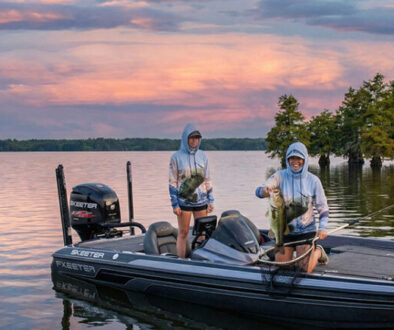
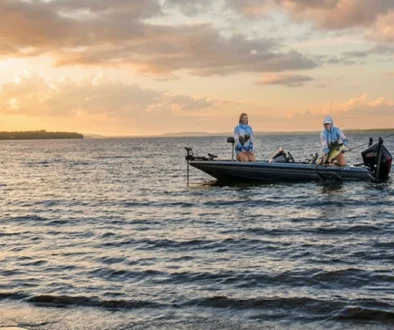
Fly Fishing for Bass on O.H. Ivie Lake Texas sounds a little crazy at first glance. You hear about twenty pound limits, forward-facing sonar, and gear guys swinging broom sized swimbaits. You do not hear much about someone standing on the bow with a nine weight and a box of streamers. Yet Fly Fishing for Bass on O.H. Ivie Lake Texas is not just possible. It is one of the wildest, most addictive things you can do in West Texas water.
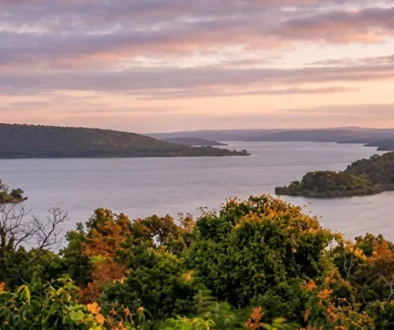
If you like adventure travel, big fish, and a bit of controlled chaos, this place fits. The lake looks rough around the edges, but that is the point. Flooded saltcedar, twisted timber, deep channels, and wind stacked points all set the stage for fly anglers who do not mind hanging up a few flies in trade for real giants.
This reservoir is located roughly fifty-five miles east of San Angelo. It draws crowds looking for the next world record largemouth bass. While most bring heavy casting gear, fly rods offer a different approach to these pressured fish.
Table of Contents
Reason O.H. Ivie Turned Into A Bass Freak Show
Before you rig your rods, it helps to know why this reservoir started pumping out such absurd largemouth. O.H. Ivie sits on the Concho and Colorado river systems in dry, dusty West Texas. It was built as a water supply lake in 1990, but anglers noticed the structure right away.
The Colorado River Municipal Water District manages the flow and levels. Engineers flooded miles of mesquite, oak, juniper trees, and saltcedar without clearing most of it. That decision loaded the basin with fish cover. Then Texas biologists stocked Florida strain largemouth, which grow faster and reach trophy sizes under the right conditions.
Water swings pushed the system over the top. From late 2018 into mid 2019, heavy rain pushed the lake level up an incredible thirty five feet. That jump was described by Lynn Wright from the Texas Department of Parks and Wildlife as a game changer.
Fresh cover went underwater, baitfish exploded, and those Florida genes had a buffet. A large proportion of the fish population saw massive growth rates. The influx of river municipal water revitalized the nutrient base.
Add in smart management, long growing seasons, and anglers who care about releasing giants, and you get a trophy factory. Traditional bass media, including magazines that highlight trips in their 2025 Fly Fisherman Destinations guides, keep pointing more eyes at fishing lakes like this. But you still see very few folks showing up with big rods and piles of feathers.
Fly Fishing Here Instead Of Throwing Conventional Gear
You might already own all the swimbaits and soft plastics. Maybe you have pitched a worm into a tree line at dawn and watched the line tick. That is fun. Strip setting a heavy bass that crushes a streamer three feet from your rod tip is something else.
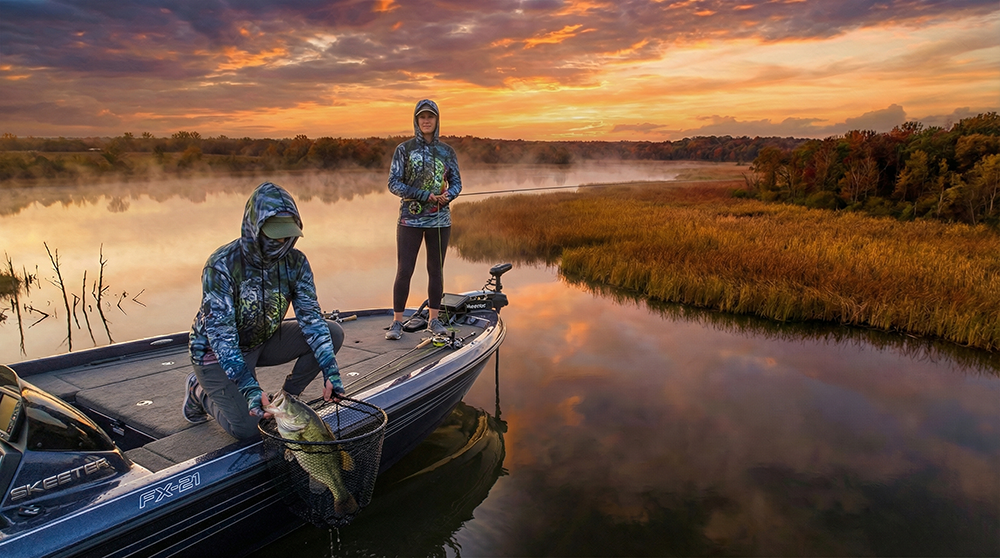
The strike feels personal. You worked the line, chose the retrieve, and watched the flash of white as the fly vanished in a hole in the brush. The rod doubles over, and now you are trying not to fall off the deck as the fish surges for the next tree.
Conventional fishing tackle like flipping jigs are undeniably effective. However, flies offer a more natural presentation that can trigger pressured fish. A fly suspended in the water column mimics dying prey better than many heavy artificial baits.
If you come from backpacking, climbing, or surfing, this also fits that chase for raw experiences. You are close to the fish, often casting tight to the cover and dealing with wind, angles, and current yourself. The gear can be simple. You can even bring the same general fly fishing system you use for other big predators and tweak a few parts for Ivie bass.
Reading O.H. Ivie For Fly Fishing Success
Ivie is roughly nineteen thousand surface acres when full, and it never sits at exactly one level for long. You get open main lake water with good clarity, off color river arms, and plenty of depth change. That mix sets up a range of fly tactics if you pick your spots.
The Colorado River Municipal Water District operations dictate the water level. Understanding how the municipal water district manages release schedules helps you predict currents. When the municipal water moves, the bait moves.
Text content
Key Structure And Where Fly Rods Shine
Flooded saltcedar banks sit right near the top of the list. These skinny, grabby shrubs are everywhere, but mid lake and in certain pockets they form lanes, gaps, and outer walls that bass use as ambush points. Native vegetation also plays a role in holding fish.
You can drop big, weed guarded streamers along the edges or punch flies right through the little cuts. Expect to lose gear. The payoff is violent eats at close range.
The Colorado River arm offers flats, gradual tapers, and stretches where hydrilla spreads under the surface. In spring and early summer, these areas are made for surface flies and lightly weighted baitfish patterns. Early and late in the day you might see fish tracking shad in wolf packs here.
Where hydrilla occurs, bass will bury themselves deep inside. Fly anglers can strip streamers right over the top of the grass. This is an effective bass technique during low light hours.
The Concho River arm carries more timber and classic Texas brush. It sets up as a mix of deep channel bends, side pockets, and edges. Bass slide up and down these little highways with light shifts and wind swings.
Timber in the main reservoir basin gives you that spooky, big fish vibe. Fly anglers often skip these forest patches because they look better suited to big jigs or oversized plastics. But a heavy sinking line and compact fly can probe right along trunks in ten to twenty feet of water.
Useful Access Points For Travelers
If you are road tripping in a camper or towing a skiff, simple logistics matter. One of the handiest home bases is Elm Creek Marina. They give you ramp access, an RV park, and motel style rooms so you can stash fishing rods, waders, and a couple coolers without worry.
You need to purchase a valid fishing license before heading out. The local marinas usually sell them, or you can get one online. Access is managed by the river municipal water district authorities in conjunction with parks departments.
Other public areas near popular launch spots and park zones give basic camping. Check regional coverage at outlets such as Game and Fish regions guides if you want to stitch Ivie into a bigger multi state swing through the South or West. That can fit right in with a broader road trip loaded with camping and climbing stops.
Best Seasons And Conditions For A Fly Trip To Ivie
You can catch bass here every month of the year. But there are certain windows that line up best for folks holding a fly rod instead of a crankbait stick. Water level and clarity matter as much as temperature.
Pre Spawn And Spawn
Late winter into early spring is prime for really heavy largemouth. As days get longer and water nudges into the high fifties and low sixties, fish start sliding from deep staging spots into creek pockets, flats, and shallow cuts near the brush line. This is when the ShareLunker program sees the most entries.
Traditional bass guides on Ivie talk a lot about sight fishing with swimbaits. Some, for example, like to pitch a realistic crappie style bait such as the 6th Sense Panorama swimbait on beds once the light gets right. That style of fishing lines up neatly with big, realistic flies for the fly angler.
When the water is clear enough and wind settles, you can glide the boat along shorelines and flats, scanning for shadows, beds, and cruising fish. Where gear anglers send in baits from companies such as 6th Sense or soft plastics dragged through bedding areas, you can swim light colored baitfish flies through the same zones. Seeing a largemouth bass caught on a fly during the spawn is unforgettable.
Post Spawn Into Summer
As fish recover and slide back toward deeper cover, they are hungry and mean. This period, often late spring into early summer, might be the best mix of size and numbers for fly fishing visitors. You get a real topwater window on low light mornings and evenings.
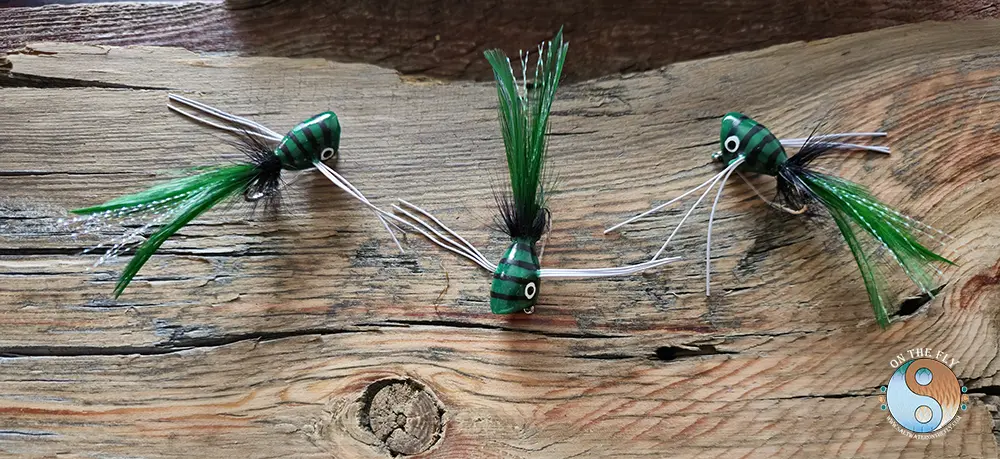
Think poppers and frog flies over shallow brush and vegetation edges. Once the sun hits, switch to baitfish and craw style streamers near the first drop from shallow to moderate depth. Afternoon wind can be brutal here, but it can also bunch bait on windward banks.
The Colorado River Municipal Water flow often slows down in summer, stabilizing the lake. This allows aquatic vegetation to top out. Fishing cover/structure becomes vital for locating schools.
If you do want to get more advanced with travel planning, it can be useful to read larger features that weave fly fishing trips into wider adventure itineraries. Those guides help you build an O.H. Ivie stop between other mountain, desert, or coast missions.
Fall And Winter
Do not sleep on the cold months. As crowds thin and air gets sharp, you can still chase deep fish with full sink lines and compact patterns that get down fast. While you won’t be ice fishing in Texas, the mornings are freezing.
Winter might remind you of slower, more methodical pursuits like big river trout or winter steelhead. You pay more attention to boat position and line control. One of the sneaky strengths of winter fly tactics is that your slow swings and patient strips keep the fly in front of big fish longer.
The Colorado River Municipal Water District sometimes adjusts levels in winter. This can expose mud flats that were previously submerged. Fish will pull back to the main river channels during these drawdowns.
This mindset carries over from how serious gear anglers grind in tougher periods. Some pros lean on very steady approaches even while much of the crowd shifts to flashy tricks. It is a useful contrast to the usual social feed noise.
Fly Fishing For Bass on O.H. Ivie Lake Texas: Gear That Actually Works
You do not need a whole new garage of stuff to try this lake with a fly rod. But a few key choices make the difference between fighting wind all day and actually putting the fly in the slot. The right terminal tackle is essential.
Rod And Reel Choices
For most visitors, an eight or nine weight rod feels right. The eight works well with poppers and medium streamers on lighter days. The nine punches through West Texas wind and throws bigger patterns into heavy brush lanes.
Pick a large arbor reel with a smooth drag and at least two hundred yards of thirty pound backing. Bass do not run like bonefish, but a big Ivie fish in deep cover will use every inch if it feels pressure. Strong fishing rods are non-negotiable here.
If you already spend time planning trips around other big trips, you probably know how multipurpose rigs save space. Articles that tie fly fishing themes to bigger life planning even joke about budgeting rods like you would retirement accounts. Same logic applies on a smaller scale here.
Lines And Leaders
Carry three basic line styles. A floating line covers poppers and shallow work along flooded brush and banks. An intermediate or slow sink line covers the top ten feet or so for flats and creek arms.
A heavy sink tip or full sink heads down along deep timber and humps. This is crucial for reaching bass in the conservation pool depths. The correct line depth makes you an effective bass angler.
Leaders should be simple and strong. Forget light tippets. Build leaders from straight twenty to thirty pound fluorocarbon in six to eight foot lengths for brushy structure.
You can step down a little for clear open water, but heavy leader saves flies and fish. Breaking off a double-digit fish due to light line is heartbreaking. Strong tackle also helps pull flies out of the flooded mesquite.
The same idea guides good planning away from fishing. Clear, sturdy setups beat fragile but fancy arrangements most days. Even some money pros like to use the calm head that shows up on stream when thinking about longer plans. You see that bridge in pieces such as this one on fly fishing and financial planning.
Top Flies That Produce On Ivie
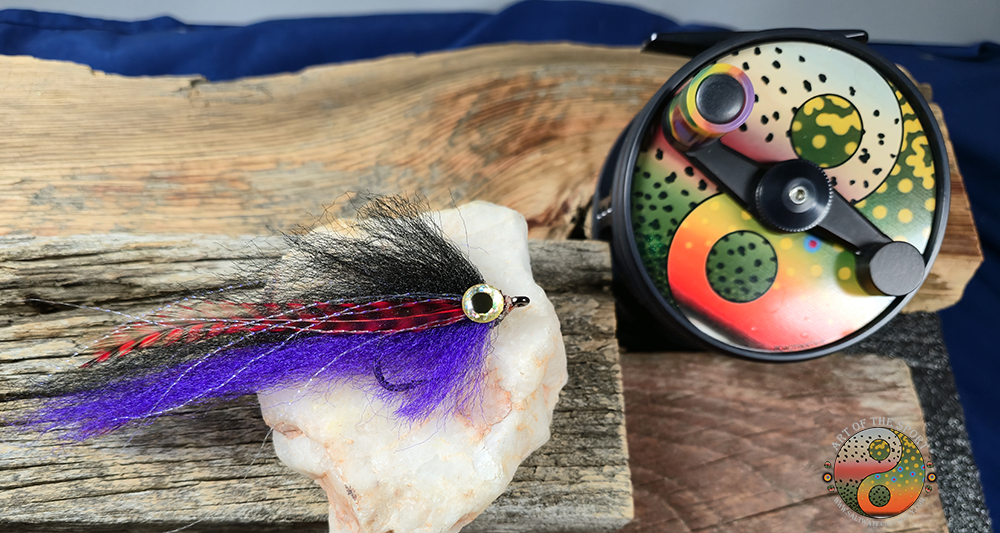
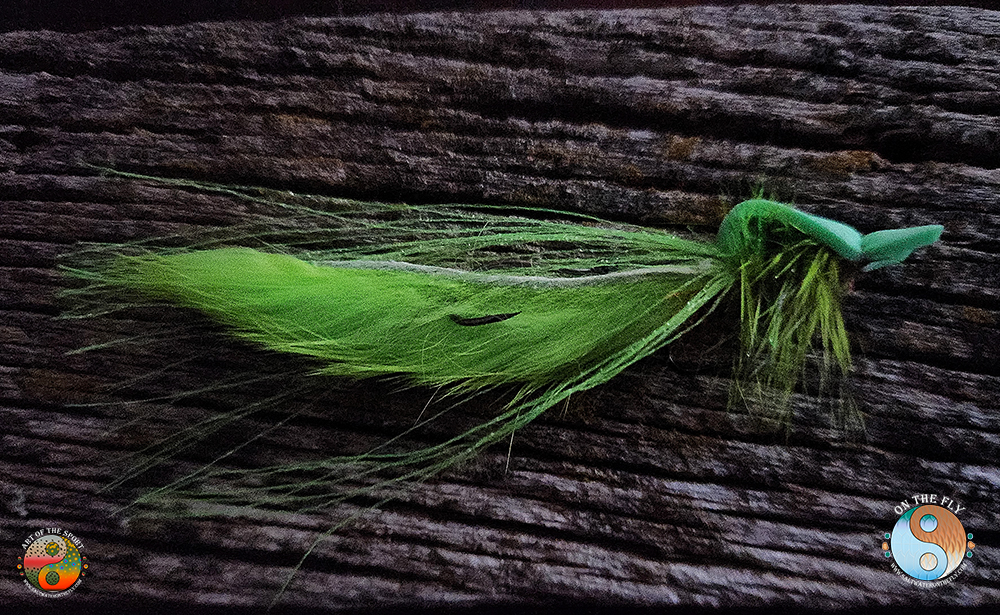
You could stuff your box with everything from the wall at the local shop. Or you could pack a tight group of patterns that actually fit the food sources here. Think shad, bluegill, young carp, frogs, and crawfish.
Live bait is popular here, so your flies must look alive. Using materials that breathe in the water is key. We focus on patterns that mimic the natural forage base.
| Fly Pattern | Main Use | Best Situations |
|---|---|---|
| Clouser style baitfish | Subsurface shad | Edges of brush and channels |
| Deceiver style baitfish | Long profile shad | Points, wind lanes, schooling fish |
| Articulated streamers | Big prey look | Deep edges and bigger fish targets |
| Crawfish flies | Bottom craw imitations | Rocky areas and channel breaks |
| Poppers and frogs | Surface bites | Low light on flats and brush lines |
Weight and attitude matter as much as color. You want some patterns that ride hook point up and some that can jig or fall nose down. In saltcedar tangles and timber lines, add weed guards to help slides through the maze.
Color rules stay simple. Use white, gray, and subtle greens in clear sections, often paired with small bits of chartreuse or darker backs. Use brighter, more visible patterns in stained water up the concho river arms where mud lines or algae build up.
Do not be afraid to throw large patterns. Big ivie bass want a substantial meal. When lake fishing fishing small flies often results in only small fish.
Boat Position, Presentation, And Staying Sane In The Wind
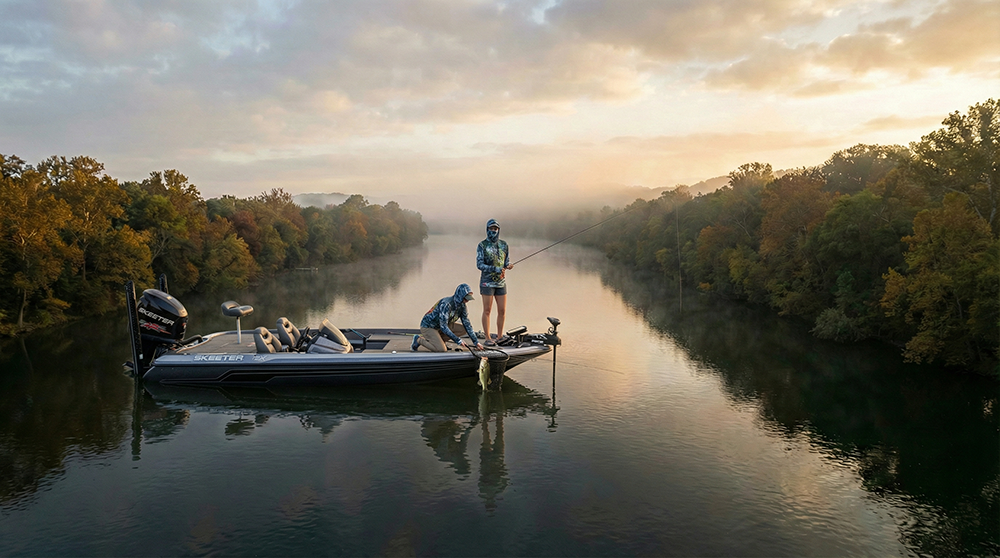
One thing you notice quickly at O.H. Ivie is how much boat control affects every cast. Wind hits this lake hard because the shorelines stay open. If you fish from a bass boat, use your trolling motor like your life depends on it.
Kayaks and small inflatables also shine here, because you can slide into saltcedar pockets and flooded brush without grinding the hull. Light craft match up with the kind of self propelled, go anywhere travel that outdoor junkies like. Just watch the forecast and be honest about what you can handle on bigger open stretches.
On structure, aim to fish angles that move your fly past ambush points, not just right into them. Throw beyond lanes and pull back through shadows and seams. Identify the cover/structure cover your fly needs to bounce off of.
Change retrieve speed often, because trophy bass sometimes react only after a stall or sudden burst. Understanding the effective bass technique of the pause is critical. Often the strike comes when the fly sits still.
The concho rivers inflow creates currents that position fish on points. Use the current to drift your fly naturally. Fishing fishing these moving water sections can produce smallmouth bass and white bass as well.
Conservation, Ethics, And The Future Of The Lake
A place that throws out double digit fish gets heavy pressure. Some of the growth on Ivie came from good timing with water level swings. As already noted, there were dramatic increases over a short time frame, and biologists like those at the Texas Department of Parks and Wildlife took notice.
Programs that track trophy fish, raise young bass from top end genetics, and stock them back help keep that curve going. The ShareLunker program work across Texas feeds the pool of big fish at Ivie. Angler behavior has started to catch up with the idea of protecting older fish.
The ShareLunker program relies on anglers donating their thirteen-pound-plus fish for spawning. These fish are taken to the hatchery to pass on their superior genes. Their offspring are then stocked back into lakes like Ivie.
For fly anglers, this translates into quick photos, gentle handling, and releasing large bass after a short time out of the water. Take advantage of cool morning periods for trophy hunting instead of grinding hard on stressed fish during blazing afternoons. Responsible angling ensures angling opportunities remain for the future.
The river municipal water authorities also monitor water quality to support these fish. Conservation involves both the fish species and their habitat. Without the standing timber and healthy water, the fishery would decline.
If you enjoy public lands and hunting stories, you probably already pay attention to larger conservation issues. Some publications even tie trophy deer, draw systems, and habitat together in guides like 2025 Public Land Hunter. That same long view matters on a fishery like O.H. Ivie.
Travel Extras And Multi Sport Ideas Around Ivie
Part of the fun for many folks reading this is stacking hobbies. Maybe you fish, climb, hunt, camp, and surf. O.H. Ivie sits within a drivable range of several Texas state parks and larger routes across the region.
After a few days throwing flies, you could swing south toward the hill country rivers. There you can scale down gear for smaller bass and sunfish, or you can chase carp in skinny flows with lighter rods. Or you might head west and tie on some desert hikes.
The Colorado River Municipal Water District maintains several parks around their reservoirs. These offer hiking and bird watching. It turns a fishing trip into a full outdoor experience.
Outdoor media houses now bundle special topic issues around that kind of all around lifestyle. They offer collections focused on topics like 2025 Kayak Fishing Fun or simple intro collections such as 2025 Fly Fishing Made Easy. Use that kind of material as inspiration to string your own route, rather than a rule book, Or the many locations and the round about ways we ended up where we ended up.
Conclusion of Fly Fly Fishing Bass on O.H. Ivie Lake Texas
Fly Fishing for Bass on O.H. Ivie Lake Texas feels a little rebellious. You show up at one of the most watched trophy bass lakes in the country and start unrolling fly line while most boats scan screens. People may stare. They may even smirk a bit.
Then a fish shaped like a football with a tail eats your streamer right next to the boat, and everything gets quiet for a second. That mix of chaos and control, wild habitat and thoughtful planning, is exactly what draws so many of us to fly rods in the first place. Fly Fishing for Bass on O.H. Ivie Lake Texas is about chasing those moments, one cast at a time, on a rugged piece of West Texas water that rewards anyone willing to put in the work.