Lake Charlevoix Fly Fishing Bass Michigan: A Guide
Lake Charlevoix Fly Fishing Bass Michigan is not a polite, sip your coffee type of trip. It is loud eats, bent rods, and smallmouth that fight way harder than they look. This destination offers an intense experience for anglers of all skill levels.
If you are used to stalking trout in skinny water, Lake Charlevoix will feel like someone just turned your fishing life up to eleven. The lake is big, deep, clear, and stuffed with bronzebacks that have seen plenty of baits but still crush a well placed fly. It is a true fishing adventure in the heart of Northern Michigan.
You are here because you want to know how to actually catch these fish, not stare at sonar all day and blame the wind. This guide to Lake Charlevoix Fly Fishing Bass Michigan walks you through seasons, fishing spots, gear, and flies. It covers the small details that turn a decent trip into a memory you talk about for years.
Table of Contents
Reason Lake Charlevoix Is Smallmouth Fly Candy
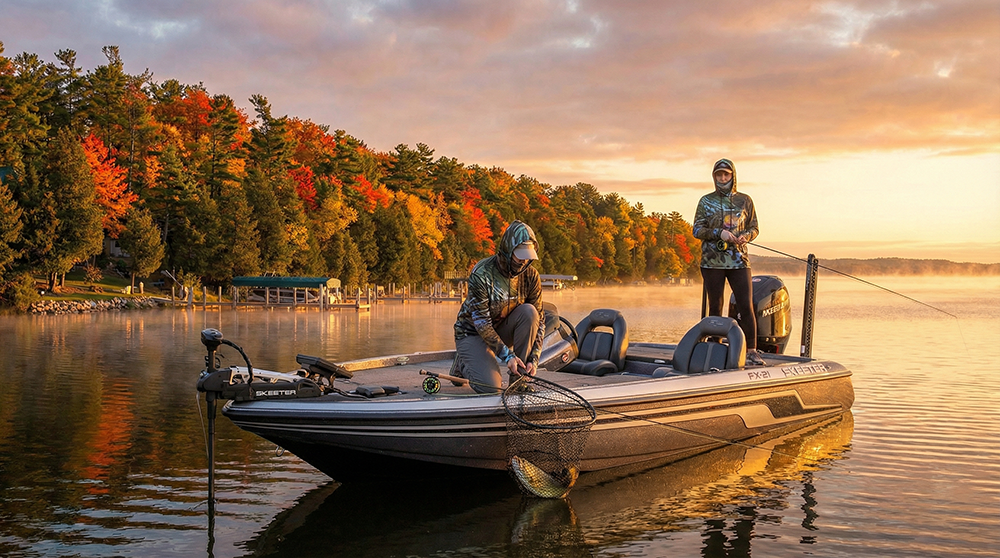
Lake Charlevoix is Michigan’s third largest inland lake. It is a sprawling 17,000 acre bowl of clean water linked to Lake Michigan through the Pine River Channel. That connection brings a mix of cold and slightly warmer water, plus bait that smallmouth bass love to chase.
Anglers who have fished it for years talk about weeks at Cedar Rest and long days on the water. They describe catching bass until arms were sore, then doing it again the next day on local forums. You will also hear stories of kids catching surprise steelhead or brown trout on drop shot rigs.
This mix of species gives you a sense of how connected this lake is to bigger water. From Boyne City to Charlevoix to East Jordan, every bay, flat, and point looks fishy. The lake offers diverse habitats ranging from shallow waters to steep drop-offs.
Steady tourism growth has led to more lakeside homes discussed by folks in local real estate guides. Yet, you get a busy, lively lake that still fishes incredibly well for bass if you play your cards right. It remains a popular destination for those seeking trophy fish.
Best Seasons For Lake Charlevoix Fly Fishing Bass Michigan
Smallmouth on this lake do not act the same all year. Water temps, boat traffic, and bait all push them around. The changing seasons dictate where you will find the best concentration of fish.
If you want to plan a serious bass focused trip, you should think in terms of seasons, not dates on a calendar. Conditions shift, but the patterns repeat every year. Being adaptable is crucial for any fishing adventure here.
| Season | Water temp guide | Smallmouth behavior | Best approach with flies |
|---|---|---|---|
| Late April to May | Mid 40s to 55°F | Pre spawn, staging near rocky breaks and mouths | Slow streamers, crayfish along bottom |
| Late May to mid June | Mid 50s to low 60s°F | Spawn, shallow flats and beds | Clousers, crayfish, be mindful of bedding fish |
| Late June to August | Mid 60s to 70s°F | Post spawn and roaming packs | Poppers, baitfish patterns, evening topwater |
| September to early October | Dropping through 60s°F | Feeding heavy before winter, deeper edges | Sinking lines, bigger streamers on structure |
If you can swing it, late May through mid June is hard to beat. Fish are shallow, hungry, and spread across shorelines. This timing makes it friendly for a boat launch focused outing, kayak trips, or even some limited wading.
Fall is the quiet, sneaky good season. Many boats switch to salmon, hunting, or football. You get cooler air, hungry bass, and way less pressure than July weekends.
During the winter months, the lake transforms completely. Ice fishing takes over as the primary activity. While you cannot fly fish then, it helps to know the lake stays active year-round.
Gear You Actually Need For Charlevoix Smallmouth
This is not the place to baby a three weight and hope for the best. You are casting bigger flies in wind, often from a rocking boat. The Great Lakes influence means weather can change rapidly.
If you are unsure how to pick solid equipment, you can brush up with broader gear guides on fly fishing setups. Then you must match that advice to this lake’s demands. Durability and power are your friends here.
Rod, reel, and lines
- Rod: Seven or eight weight, nine feet long, with a quick action to throw bigger bugs.
- Reel: Sealed drag, but more important is a big arbor to pick up slack fast.
- Lines: One floating line for poppers and shallow work, one sink tip or full intermediate for deeper points.
The sink tip pays for itself on wind blown days when bass drop into that ten to twenty five foot band. A straight floating line can struggle to keep you down long enough over those breaks. You need to stay in the strike zone to catch fish species consistently.
Leaders and tippet
- Leaders: Seven to nine foot leaders work fine in most situations, even with clear water.
- Tippet: Ten to twelve pound fluoro for most streamers, sometimes up to fifteen for pike friendly rigs.
Charlevoix water can be very clear, so dropping to eight pound can help on sunny flat calm days. However, you trade strength if a bigger fish or a pike shows up. You decide if that is worth the risk when targeting largemouth bass northern pike or other predators.
Other key items on this lake
- Good polarized glasses to see rocks, grass lines, and cruising bass.
- A net that handles a twenty inch fish without drama.
- Mapping app or GPS, which many anglers run through platforms such as on water map tools.
Because the lake is big, anything that helps you stay on subtle breaks or humps makes your time more productive. You can cover miles and still feel lost without a good map view. Identifying fishing spots electronically saves precious casting time.
Top Flies For Lake Charlevoix Bass
You do not need a suitcase full of patterns to catch fish here. You need the right handful, in the right sizes and colors. Confidence to fish them well matters more than variety.
The list below comes from what works on clear northern lakes. Long time Charlevoix anglers discuss these choices on local message boards shared through tools such as the Michigan Sportsman mobile app. Live bait is popular, but these flies compete with the real thing.
Core streamer box
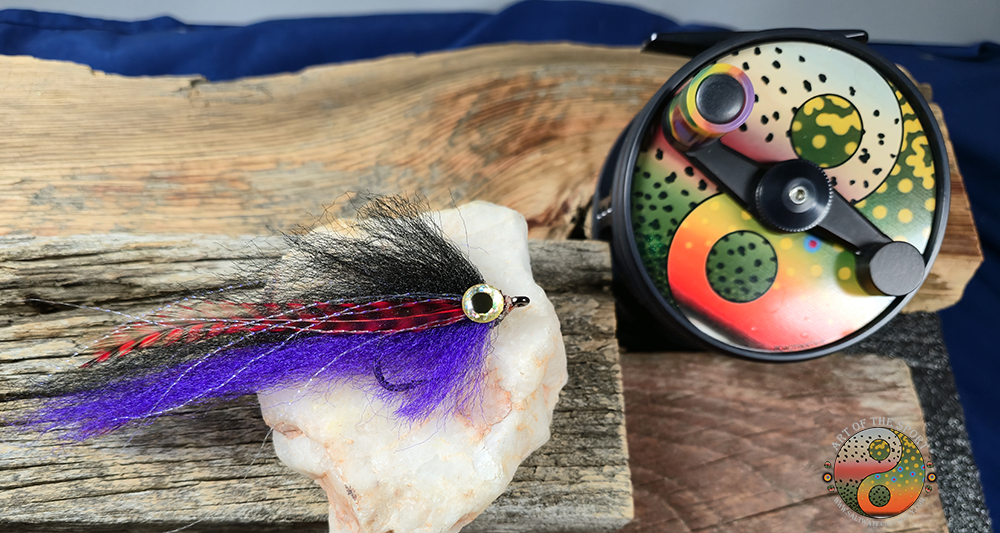
- Clouser Deep Minnow in chartreuse or olive over white, sizes 2 to 1/0, for baitfish along drop offs.
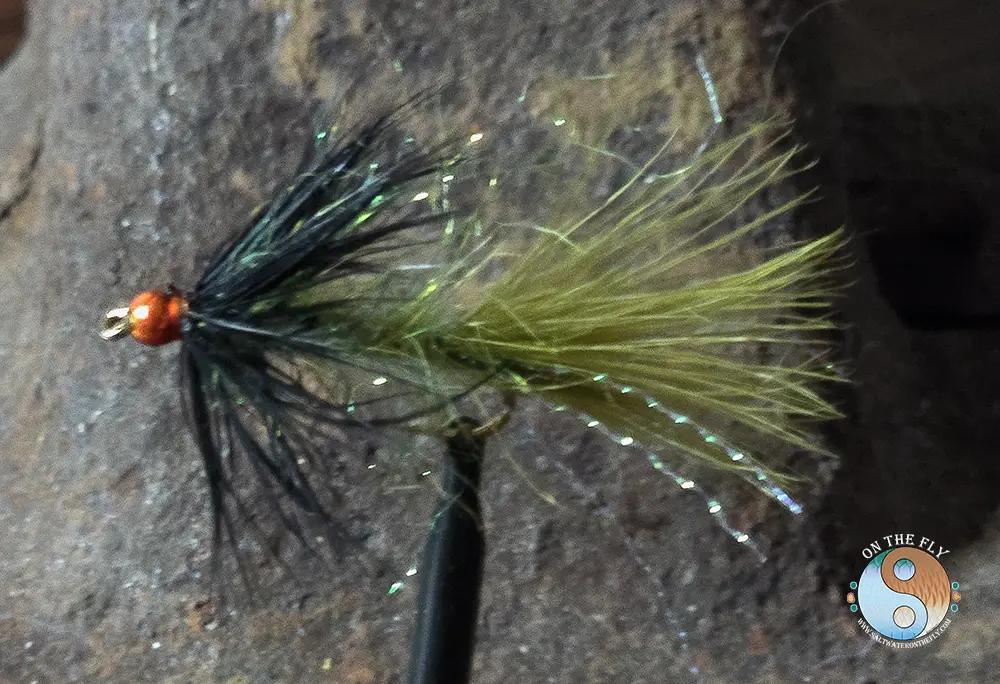
- Woolly Bugger in black, olive, and white, sizes 4 to 2, for crayfish, leeches, or generic food.
- Game Changer style articulated minnows, white or shad colors, for bigger fish in lower light.
- Double Bunny or similar twin strip patterns that push water and draw out chasing bass.
These are your workhorses for ten to twenty feet of water. Count them down, keep them moving, and pay attention on the pause. Many eats happen right there when the fly suspends.
Topwater and near surface flies
- Boogle Bug or similar hard foam poppers, in white, yellow, or frog colors.
- Deer hair diver patterns that swim just under the film when stripped hard.
- Slider style bugs that push a wake across calm pockets along shore.
Dusk on Charlevoix can be magical with these flies. As pleasure boats fade and the lake lays down, smallmouth move shallower. They pin bait on rocky banks and inside weed edges.
Bottom and buggy patterns
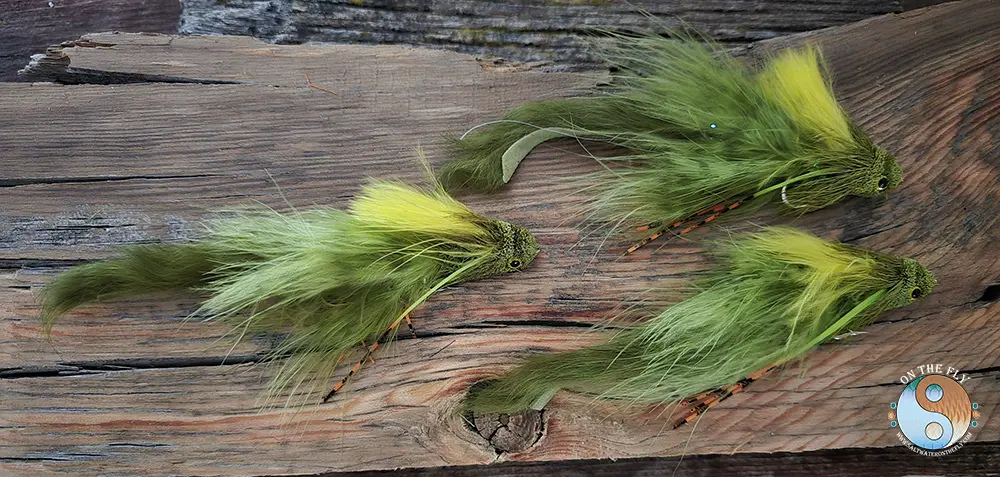
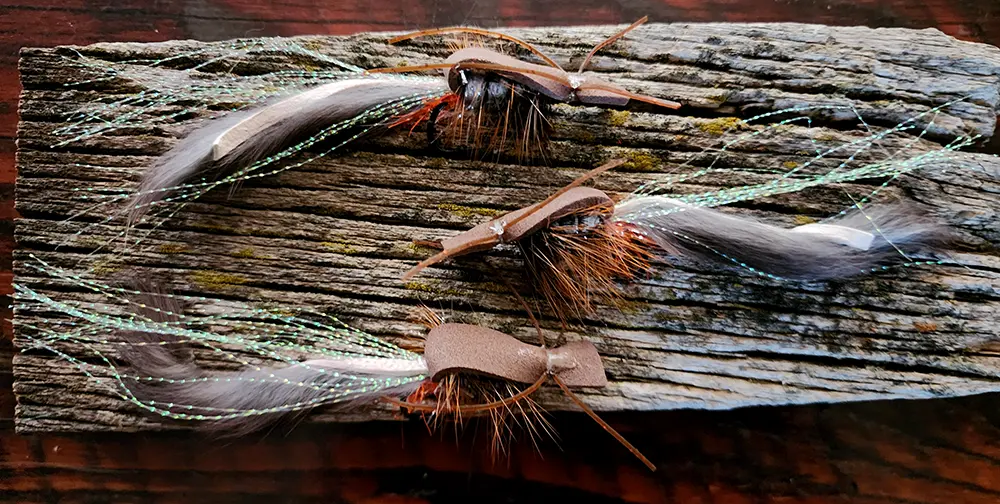
- Crayfish imitations in tan, olive, and rust to match rusty crayfish on the rocks.
- Damselfly and dragonfly nymphs fished on slower lines over shallow weeds in midsummer.
Rusty crayfish have been a real factor in many Michigan waters. They change both cover and food webs. The presence of these aggressive crayfish has shifted some bass feeding behavior, so having craw patterns is not optional.
Where To Find Smallmouth On Lake Charlevoix
Pull up a satellite map and you see why some folks get overwhelmed by Lake Charlevoix. You will see long arms, main basins, and connected rivers. The pull of nearby attractions highlighted through local travel hubs like the Petoskey area planning tools adds to the activity.
Break the lake down into smaller zones and it gets easier fast. You are mostly hunting rock, sand transitions, points, current, and weeds. Deeper water nearby is almost always a requirement for holding big fish.
South Arm and East Jordan zone
The South Arm, running down to East Jordan, fishes more like a long bay. You get classic weed beds, soft and hard bottom mixes, and plenty of docks. Some shorelines set up well for fly casting from a small boat.
Focus on:
- Weed edges near East Jordan, where smallmouth and some largemouth mingle.
- Rocky points on the eastern shore that fall fast into deeper water.
This arm also gets less open water wind on some days. This is nice if you are rowing or paddling. It allows you to stay on line for long casts without fighting whitecaps.
Oyster Bay, Ironton, and mid lake pockets
Oyster Bay and Ironton Cove offer sheltered water and fish friendly structure. These spots are popular with folks who come back year after year to vacation. Many stay at nearby vacation rentals and split days between fishing, boating, and hanging on the dock.
Look for:
- Inside weed edges early and late in the day.
- Small rock piles or single big boulders that act like magnets for bigger bass.
These zones are also great if you have family along. You can mix quick morning or evening sessions with other activities. Check out nearby towns described in regional guides to northern Michigan scenery.
Jordan River and Boyne River mouths
The Jordan and Boyne Rivers both feed Lake Charlevoix and add current. They provide cool water and periodic bait pushes. River mouths act like food funnels, drawing in smallmouth during warm stretches.
Key moves here:
- Fish current seams with sink tips and baitfish flies.
- Work edges of sand bars and channel cuts where bass sit out of flow and pick off passing prey.
You also have access to trout and mixed species opportunities up the rivers. Other lesser known lakes and streams are mentioned through Michigan DNR reports. This lets you build a flexible fishing week around shifting weather.
Main lake points and offshore structure
Once smallmouth wrap up their shallow summer pattern, many slide off to deeper structure. These areas often never touch the surface. Points with fifty feet close by and twenty foot tops can hold wolf packs of heavy fish.
You will need:
- Sink tips or intermediate lines.
- Heavier Clousers, Game Changers, and Double Bunnies.
- A map, or digital charts on something like fishing map platforms.
Make a series of fan casts over the structure. Change your depth and retrieve speed until you start connecting. Then you should repeat that setup on similar looking points across the lake.
Daily Tactics That Catch More Charlevoix Bass
You can show up with the perfect box of flies and still blank. Fishing the wrong water at the wrong times will leave you empty handed. The bass write the rules here, you just try to read them fast enough.
Think light and shade
On clear lakes like this, smallmouth often slide deeper when the sun is straight overhead. That does not mean they stop feeding. It just means your game needs to change to match their position.
- Fish shallow rocks and grass from first light through early morning.
- Move deeper and fish drop offs and humps in midday with sinking lines.
- Come back shallow with poppers and divers at last light.
Wind can be your friend on a clear lake. A breeze breaks up the surface and helps hide your leader. It also pushes bait to one side of a point or bay, creating feeding frenzies.
Vary your retrieves
Some days Charlevoix smallmouth want a slow, steady strip. Other days they respond to a fast two strip burst and a long pause. You must experiment until the fish tell you what they want.
Pay attention to what worked right before an eat. Then you should do more of that immediately. Change just one thing at a time so you can track what pattern the fish are rewarding.
Handle bass with care
Even though smallmouth seem bulletproof, treating them gently keeps the fishery strong. The Michigan DNR and groups across the region share constant reminders. Resources such as the state’s weekly fishing report often highlight proper handling.
- Wet your hands before handling fish.
- Keep them in the water until you are ready for a quick photo.
- Watch water temps in midsummer and cut fights short when you can.
This lake already deals with invasive mussels and rusty crayfish. Rising shoreline development also adds pressure. Respectful handling and clean boats are the easy wins we all control.
Planning Your Trip Around The Lake
A good bass trip is more than just fish numbers. It is also the cabin you roll back to at night. The simplicity of getting from launch to dinner without headaches matters too.
The wider Petoskey and Charlevoix region has deep tourism roots. Visitors look at webcams, local blogs, and recreation guides. These are often hosted by platforms like the Petoskey area planning page when planning trips.
Where to stay
You can go simple with small mom and pop motels or campgrounds. Alternatively, you can lean into full week cabin life at spots around the lake. Many locations offer stunning views of the water.
Many anglers book through regional lodging hubs and rentals such as Northern Michigan Escapes. These focus on homes and condos near Lake Charlevoix and Lake Michigan. Being close to a boat launch is a big deal when sunrise bite lines up with glass calm water.
Other things to do when the wind howls
There will be days where wind and storms slap you around. On those days you can still get outside on foot or two wheels. Hit nearby hiking and biking options described in the same Petoskey area recreation listings.
You can also wander places such as Bayfront Park or walk beaches. Many visitors enjoy hunting for a Petoskey stone along the shoreline. Or you simply sit on the porch and retie leaders for round two.
If you want to explore further, Traverse City is just a drive away. You can also visit nearby Elk Rapids or see the incredibly clear Torch Lake. Even Elk Lake and Wilson Lake offer scenic drives if the main lake is blown out.
Other Species That Crash The Party
You might show up only thinking about smallmouth, but Charlevoix offers plenty of side quests. The biodiversity here is impressive. You can find a range fish species that will take a fly.
- Pike on big streamers over weeds.
- Rock bass along almost any rocky bank, especially fun for kids.
- Chance encounters with trout, steelhead, or salmon.
Charlevoix fishing often yields mixed bags. Anglers might catch largemouth bass northern pike perch rainbow trout and other species in the same week. It is a true species fishing paradise.
Anglers in local events have talked about young competitors landing steelhead while drop shot fishing. Chat posts often show just how mixed these systems can be during tournaments. Bring a bit heavier bite wire if you want to land those northern pike.
For those interested in variety, the lake holds pike perch rainbow trout and more. Even elusive brown trout show up near the river mouths. Beaver Island offers another nearby adventure if you want to run your boat out into the big lake.
How Lake Charlevoix Fits Into The Bigger Fly Scene
Most national coverage of fly fishing travel spots leans hard on western trout or saltwater. Quietly, lakes like Charlevoix are building their own cult following. It is one of the largest inland lakes in the state and deserves the attention.
Writers even compare gear lists for fly fishing that include both coldwater and warmwater setups. This is for anglers who want a complete year round program. Business leaders have gone so far as to tie the art of fly fishing to how they plan and think about work and money.
Lake Charlevoix fits that mold well. You can spend a morning hunting twenty inch smallmouth on flies. Then spend an afternoon working remotely from a porch or visiting Bay Harbor.
Finally, end your day watching the sunset roll across one of the prettiest pieces of water in Michigan. Whether you use Charlevoix fishing charters or your own boat, the experience is world class. It rivals any fishing trip in the Great Lakes region.
Conclusion of Lake Charlevoix Fly Fishing Bass
If you love travel, wild places, and hard pulling fish, Lake Charlevoix Fly Fishing Bass Michigan should be high on your short list. The lake is big and bold enough to challenge you. However, it also rewards anglers who put in time to learn its points, arms, and seasonal shifts.
Spend a few days working rocky breaks near East Jordan or shaded bays by Ironton. Focus on deeper points that line up with bait and current. You will see why people keep coming back year after year.
Keep an eye on regional trip planning tools like the Petoskey visit planner. Regular updates through the Michigan DNR fishing report will help you arrive ready to fish. Being prepared is the first step to a successful trip.
In the end, this is what adventure travel in the Midwest looks like at its best. You get clear water, honest fish, and plenty of room to explore. There is enough comfort in nearby towns and rentals to turn a weekend on Lake Charlevoix Fly Fishing Bass Michigan into a full blown escape.