Mosquito Lake Bass Fly Fishing Ohio Adventure Guide
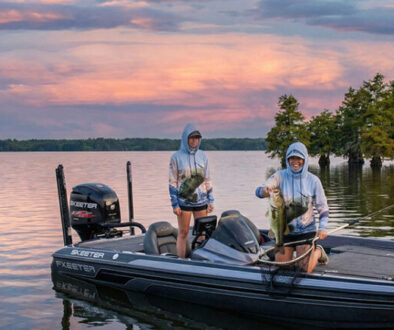
Mosquito Lake Bass Fly Fishing Ohio has a reputation that spreads fast through Northeast Ohio tackle shops. If you have heard people talk about it like some shallow, weedy, windy circus for bass, they are right. Mosquito Lake Bass Fly Fishing Ohio is loud, messy, and one of the most fun warmwater fly fisheries in the Midwest.
You are dealing with almost 7,800 acres of shallow water, wind chop, and weed jungles. This chaos is exactly why the lake grows big bass and tough smallmouth that crush flies with attitude. If you are an adventure traveler with a fly rod who prefers bucket mouths over traffic, this place belongs on your map.
Many anglers skip this water for famous spots like Lake Erie. However, they are missing out on a premier inland fishery. This guide helps you navigate the water effectively.
Table of Contents
Why Mosquito Lake Is A Bass Factory For Fly Anglers
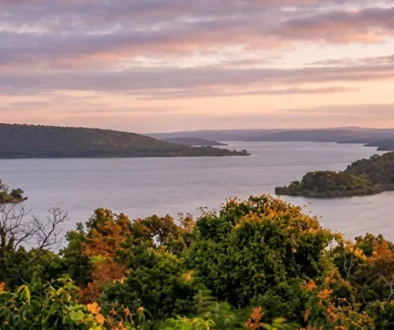
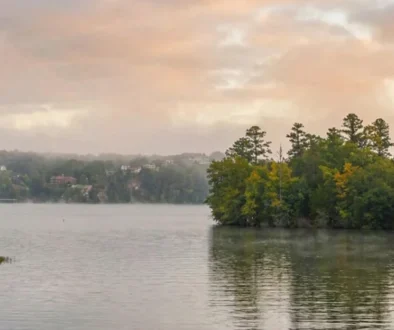
Mosquito Creek Lake was finished in the mid-1940s as a flood control project for the Mahoning and Beaver River systems. The dam turned low-lying farmland and marsh into a broad, shallow bowl. Average depths stay in the teens, and that matters if you love bass on the fly.
Shallow water warms fast in spring and stacks with weeds by early summer. Hydrilla, milfoil, and native vegetation spread through big flats and coves. That gives bass miles of cover and ambush lanes.
This environment makes the lake feel like a floating salad bar for your fly line. The unlimited horsepower rating adds pressure from tournament boats and weekend warriors. You can see that intensity in events like the Mosquito Lake “Mini Madness” tournaments logged at do bass Mosquito Lake results.
Heavy five fish limits and solid payouts show what the lake can produce even under heat and crowds. While it is not Sam Rayburn or Toledo Bend, the weights here are impressive for the region. You will find big bass lurking in the thickest cover.
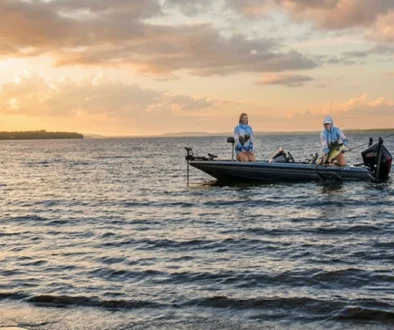
Still, Mosquito is large enough that a kayak or small boat can slide away from the fleet and find sneaky water. You just need a plan, the right flies, and a healthy respect for the wind. It is a true test of your bass fishing skills.
The Tournament Scene Impact
Mosquito Lake is a hub for competitive angling. It frequently hosts events that aspiring pros from the Buckeye Division attend. These anglers often have dreams of the Major League Fishing circuit.
You might see boats wrapped for the Phoenix Bass Fishing League launching at dawn. The pressure from the fishing league pushes fish deep into the cover. This actually benefits fly anglers who can punch flies into tight spots.
Competitors pay their entry fee hoping to join the Century Club with a massive bag limit. While this is not the Toyota Series Championship, the competition is fierce. Local high school and college fishing teams also cut their teeth here.
You do not need to pay entry fees to enjoy the resource. However, watching the pros can teach you where the fish are holding. Just remember to give them space while you fish.
Where Mosquito Lake Sits And Who It Suits
Mosquito Lake spreads across Trumbull County, a short drive from places like Warren, Youngstown, and Austintown. If you base yourself in the Mahoning Valley, you can fish dawn patrol and still be back for dinner. It slots in nicely with other Ohio and Pennsylvania waters for traveling anglers.
This lake fits a certain kind of angler personality. If you like tidy mountain creeks and soft dry fly presentations, you might twitch the first time your line rips through hydrilla. This is more like navigating a jungle than a stream.
But if you love throwing big flies and do not mind a bit of wind burn, you will feel right at home. It is similar to the rugged nature of the Tennessee River chains. You have to work for your fish caught here.
Understanding The Lake: Wind, Weeds, And Zones
To fish Mosquito with a fly rod, you have to understand how it sets up through the season. The lake is divided visually by the State Route 88 causeway, which runs east-west across the middle. South of the causeway lies Mosquito Lake State Park, campgrounds, and the marina.
This southern end sees more boat traffic and recreational users. North of it, speed zones tighten and the lake narrows. You eventually move closer to the wildlife refuge boundary where fishing is off limits.
Weeds Are Your Friend, Until They Are Not
Dense milfoil and hydrilla beds grow fast in this shallow system. Anglers love to complain about chopped weeds on their trolling motors, but bass pile into this cover. Zebra mussels cleared the water over the years, allowing sunlight to reach deeper.
Plant growth followed the clear water. Recent hydrilla growth has pushed Ohio managers into control efforts. Local reports point out that some bays are almost choked at summer peak.
That sounds bad if you like wide-open running lanes. But for a fly angler with a weedless frog pattern, it is basically paradise. You can fish water that power boats avoid.
The Wind Problem You Actually Want
Mosquito sits open on a northwest-southeast line, and even moderate winds can build rolling chop. There are days where your kayak nose slaps every wave. Your casting stroke might get shorter by the hour.
But that same wind moves plankton and pushes bait. It stacks active bass along windblown shores and weed edges. Experienced tournament anglers often talk about reading the wind.
Those Buckeye division event previews at Major League Fishing break down how wind angles turn areas on. You can use that same mindset with flies and a lighter footprint. It is less daunting than it seems once you understand the pattern.
Gear Setup For Mosquito Lake Bass On The Fly
This is not the place to bring a delicate four weight and a box of midges. Mosquito demands power, line control, and flies that move water. You are wrestling wind and thick cover almost every cast.
You need gear that can take abuse from big fish and heavy weeds. Check out Tackle Warehouse for specific bass fly lines if your local shop is out. Below is a breakdown of what you need.
| Gear Piece | Recommended Setup | Why It Works On Mosquito |
|---|---|---|
| Rod | 8 or 9 weight, fast action, 9 feet | Punches casts through wind and turns big flies from the weeds |
| Reel | Large arbor with solid drag | Helps line pickup when a bass runs for the weeds |
| Lines | Floating bass taper plus sink tip | Floating line for frogs and poppers, sink tip for drop edges |
| Leader | 6 to 9 foot, 12 to 20 pound mono or fluoro | Short and stout to turn over bulky flies and handle cover |
| Extras | Gloves, stripping guards, polarized glasses | Comfort and eye protection under long sun and chop |
If you are building a kit from scratch, a good breakdown of fly fishing gear can help you think through rod choices. You might see conventional guys using Abu Garcia reels or T-H Marine accessories. The fly equivalent is a robust large arbor reel.
You want a fly rod with backbone. Soft rods will fail you here.
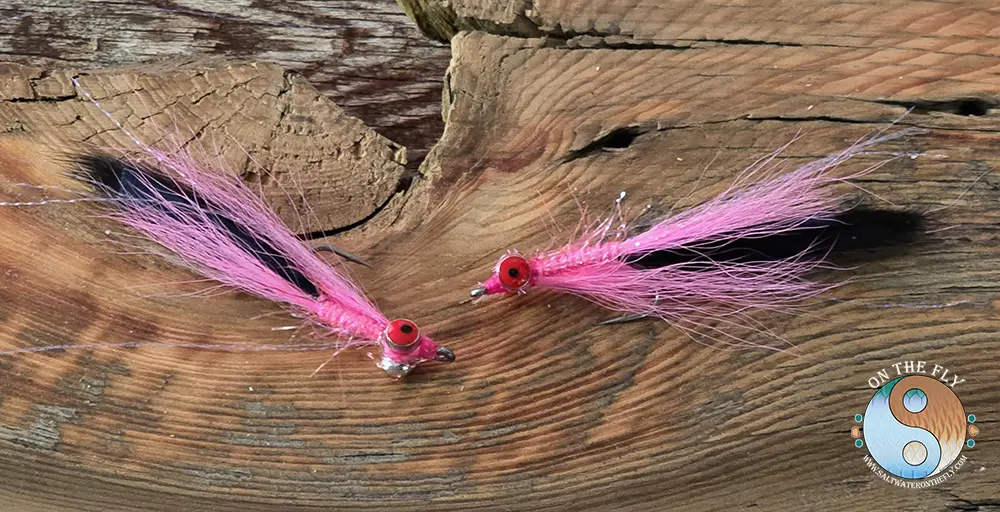
Top 11 Flies For Largemouth And Smallmouth On Mosquito
You will hear people say that Mosquito bass are dumb because they see many lures. That is not fully true. Heavy pressure from the Phoenix Bass Fishing League crowds has made some fish picky.
They still crush the right flies in the right spots. You do not need forward-facing sonar to find them if you use these patterns. Almost every one should have a weed guard.
-
Foam Popper in sizes 2 to 6. Use chartreuse, black, or frog colors. Work these along outside weed lines with slow bloops and pauses.
-
Dahlberg Diver or Gurgler pattern. These patterns ride the surface film but dig under with short strips. The splash helps fish track them across chop near the campground bay.
-
Chartreuse and white Clouser Minnow. A medium dumbbell Clouser in size 2 to 4 is your utility minnow. You can swim it above grass or bounce it along the causeway riprap.
-
Black or olive Woolly Bugger with conehead. It sounds simple, but it works on overcast days. A size 4 or 6 bugger stripped through drop-offs can wreck fish.
-
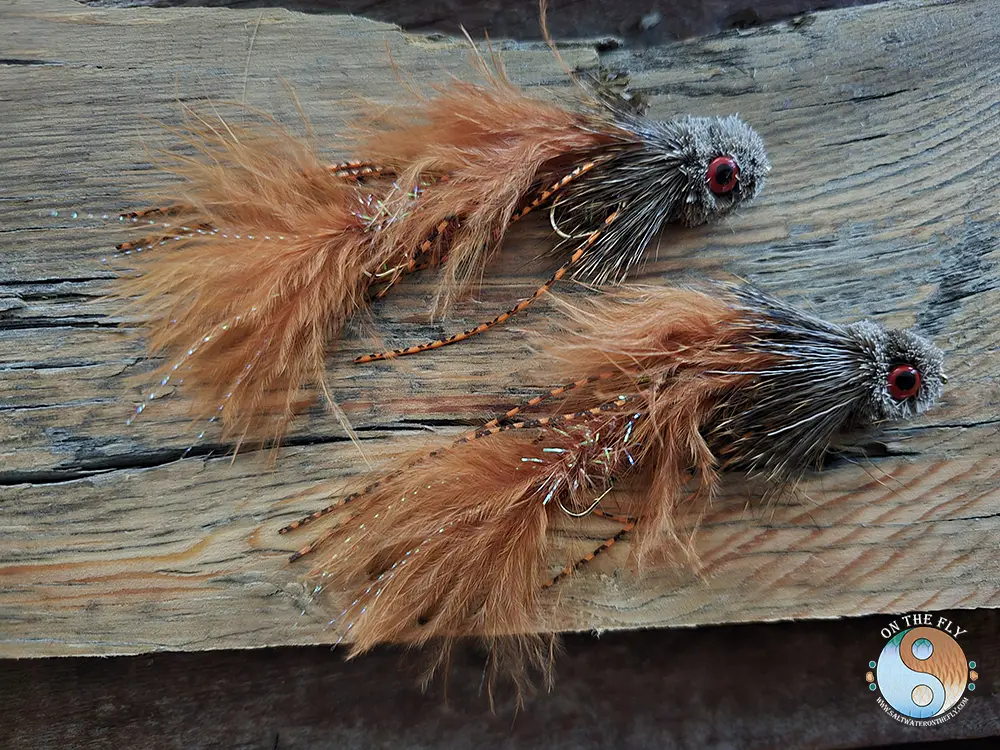
Articulated streamer like a Game Changer. When the water is warm, these flies act like swimbaits. Long pulls can trigger larger females lurking at the edge of grass lines.
-
Deer hair or foam frog pattern. Slide this across hydrilla mats and tight flooded brush pockets. Strikes often sound like someone dropped a bowling ball from a boat.
-
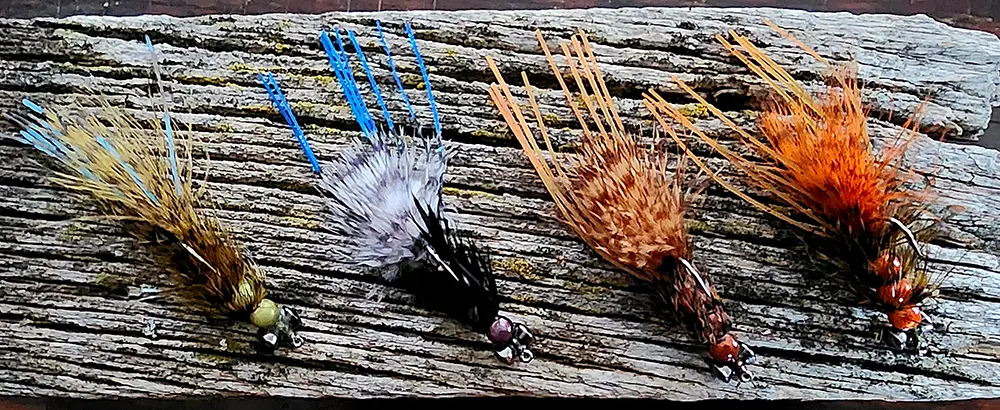
Dragonfly nymph and adult patterns. Mosquito Lake pumps out dragonflies through late spring and summer. A big nymph twitched near shallow weed clumps draws cool eats.
-
Near Nuff Crayfish or similar cray pattern. Smallmouth around the Route 88 causeway focus hard on crayfish. Keep your fly near bottom with short hops between rocks.
-
Slumpbuster or heavy conehead streamer. Windy afternoons push baitfish and predators together. This fly works almost as well as a vibrating jig in these conditions.
-
Mouse pattern for night fishing. Summer nights with warm air are perfect for this. Wake a deer hair mouse along the bank and wait for violent swirls.
-
Bulky baitfish pattern in bright chartreuse. Profile matters more than fine detail in stained water. Big silhouettes help bass track down food by vibration.
If you like cross-training your skills, consider the mindset used in business. There is an interesting take that links fly fishing and long game planning for business owners. Both require patience and strategy.
Best Areas To Target Bass On Mosquito Lake
This lake is big enough that you can wander around blind and catch a few. However, your odds jump if you lean into known high percentage spots. You should think about weed type and wind angle.
Shallow Weeds South Of Route 88
The main body south of the causeway holds heavy traffic. It also has strong weed growth and classic bass habitat. The campground bay stands out for topwater mornings.
Throw poppers and frogs here before the sun gets high. You want to beat the boat wakes that ruin the edges. Look for lanes where milfoil stops and open water starts.
Bass patrol these walls, especially during low light. If weeds are matted to the top, stay over them with a frog. Treat each opening in the scum as a strike zone.
Route 88 Causeway And Adjacent Drops
The long stretch of riprap at Route 88 is more than a road crossing. It forms current seams in wind and warms faster in spring. It is prime real estate for smallmouth bass.
A Clouser or crayfish pattern bounced along this rock face works well. Tournament coverage often shows the causeway as a reliable stop. You can scroll those Mosquito reports and weights at the Dobass Mosquito Creek pages for deeper insights.
Middle And Upper Lake Weed Beds
As you move north, the lake narrows and you see more milfoil. Boat lanes get tighter here. This is where kayak and paddle board anglers shine.
Quiet craft can slide across weed tops into hidden pockets. Frog flies and noisy poppers excel here at first light. In the middle of the day, switch to streamers.
Fish use even a foot of extra depth as shade cover. You can find pockets that the Phoenix Bass boats cannot reach. These unpressured fish are often more willing to eat.
Dam Area And Deeper Edges
At the southern end, the dam gives Mosquito one of its deepest basins. It is still shallow by Lake Martin or Lake Guntersville standards. However, it is deep for this specific lake.
If a front rolls through, this section keeps hope alive. A sink tip with a Game Changer lets you comb the break lines. It gives you shots at mixed species like walleye.
The fish mix here made Mosquito a headline in reports such as the Mosquito trophy crappie and bass spotlight. You never know what will grab your fly. Pike have also surprised many anglers in this area.
Bonus Species: Because Mosquito Never Sticks To Just Bass
You may go in focused on bass, but Mosquito Lake does not always follow plans. That can be frustrating for a tournament boat chasing five green ones. For a fly angler, it implies a pretty entertaining day.
Thick black and white crappie suspend around brush and old stumps. They love small marabou jigs and micro buggers. Longtime crappie chasers have made the lake famous in Angler News.
There are steady walleye numbers thanks to Ohio stocking efforts. A streamer on a sink tip might find you a surprise gold bar. Spotted bass are rare, but smallmouth are a nice bonus.
Channel catfish and flatheads roam deeper pockets. They have no problem grabbing a slow woolly bugger off the bottom. Mosquito Creek Lake offers a diverse portfolio of fish species.
Seasonal Tactics For Mosquito Lake Bass
Water level and weed growth change through the year. So should your game plan. Fly fishing success here comes from stacking seasonal behavior with daily clues.
Spring: Pre Spawn And Spawn
As soon as water bumps into the mid-50s, largemouth slide shallow. Focus on protected coves with dark bottoms. Streamers like buggers are strong early in the period.
As temperatures rise, beds appear in two to five feet of water. Your frog and popper game wakes up now. Keep casts long and slow to avoid spooking fish.
The broad shallow layout means wind protection matters. Find areas shielded from the cold spring breezes. Fishing reports usually heat up during this time.
Summer: Weeds, Heat, And Topwater Mania
By early summer, hydrilla mats form. Surface temperatures get hot on bright afternoons. Many people call this tough fishing, but they are wrong.
Midday can feel slow unless you commit to thick cover. But fly anglers live for that first hour of surface chaos. Wake up early and brew coffee to be on the water by dawn.
Fish frogs and poppers in tight openings. Skip them under overhangs if you can. Do not forget the after-dark bite with mice patterns.
Fall: Bait Push And Big Body Bass
As days cool, bass shift from lazing under mats to chasing bait. You see schools of shad flipping along windy banks. This is where big articulated streamers shine.
Focus on outside weed lines and subtle points. Work baitfish patterns faster than you think you should. Fish are building weight before winter.
This is when the big bass feed aggressively. It mimics the fall feed on the Tennessee River. You might catch your personal best during this window.
Access, Rules, And Planning A Trip
Mosquito Lake offers multiple launch ramps and a full state park setup. Campers can book sites close to the water. This lets you launch before the Tackle Warehouse Pro Circuit hopefuls arrive.
Day trippers can drive in from towns like Niles. Before you go, look over the latest Ohio fishing rules. You will need a valid fishing license.
Bag limits and special regulations sit on the Ohio fishing regulations page. It is a fast read and keeps your trip legal. You do not want a fine from a game warden.
You can use the ODNR portal to grab maps. Pages like the Ohio Department of Natural Resources home section offer great resources. They cover parks, licenses, and camping.
Many local clubs tie cleanup efforts and fishing days together. It is a community atmosphere. Just make sure to check if any major league events are scheduled.
Safety, Conservation, And Fishing Pressure
Busy public water needs thought beyond catching fish. Boat traffic is heavy during nice weekends. Big wakes can surprise kayakers near main channels.
A bright flag and PFD are essential. Hydrilla and zebra mussels present another concern. Campaigns like Clean Drain Dry stress rinsing hulls and boots.
Leaving weeds at the ramp matters. You do not want to transport invasive species to another creek lake. It protects the future of Ohio fishing.
Heavy tournament rotation puts steady pressure on bass. Circuits like the BFL Buckeye Division cover this extensively. You can read about the Buckeye anglers itching for Mosquito Lake action online.
Catch and release handling is crucial here. Use wet hands and minimize air exposure. This keeps the Fish Ohio trophy class alive.
Mosquito Lake Bass Fly Fishing Ohio: Who This Trip Is Perfect For
Think about your favorite style of water. If you love exploring weedy shorelines, this is for you. If you prefer topwater eats over counting numbers, Mosquito will feel like home.
If you prefer calm ponds, it might feel like boot camp. It can get as rowdy as the Cowboy Division or Bama Division waters. But that is part of the charm.
Adventure travelers often crave this challenge. They hike ridgelines for the view. This lake is similar in its rewards.
The weeds tear at your flies. The wind tosses your line. Yet every ugly cast can get punished by a heavy bass.
If you roam far for big trips, reading broad roundups helps. This guide on top fly fishing spots across the US compares options. Mosquito Lake might not have western cliffs, but it has grit.
It feels raw and local. You might see a Fishing Clash Team Series decal on a truck at the ramp. It is a melting pot of bass culture.
Conclusion Mosquito Lake Bass Fly Fishing
Mosquito Lake Bass Fly Fishing Ohio will not always make you feel smart. You will blow casts and hang up in hydrilla. You might question your choices when a Bass Pro Tour boat wakes you.
But somewhere between those moments, magic happens. A heavy largemouth will suck your frog off a pad line. It reminds you why you drove out in the dark.
If you rig an eight weight and carry topwater flies, you are set. Study the wind and weeds like structure. Respect the resource and the heavy traffic.
This lake pays you back with adrenaline. It is bass fly fishing turned up loud. It mixes midwestern grit with the chance for a big bass.
You step off the water with hands cut from fly line. You are already planning the next run. That is the mark of a sneaky great fishery.