Pelican Lake Bass Fly Fishing: Wisconsin’s Not-So-Secret Paradise (Where the Bass Are Big, the Bugs Are Bigger, and the Mosquitoes Laugh at DEET)
Pelican Lake Bass Fly Fishing Wisconsin is the kind of phrase that sounds like a niche hobby until you actually show up at the launch. You often see a full parking lot at sunrise, filled with anglers eager to start their day. Pelican Lake Bass Fly Fishing Wisconsin is less about perfection and more about figuring out how to feed big, stubborn fish.
These fish live in a shallow jungle of weeds, muck, and mosquitos that shrug off bug spray like it is scented lotion. If you love a good fishing trip, road adventures, and slightly chaotic lakes, this spot in Oneida County will feel like home fast. Think 3,585 acres of warm, stained water, miles of weed edges, and bass that act like they have never heard of being finicky.
They just bulldoze, run sideways into the weeds, and leave you retying leaders while you mutter on the bow. This is not a clean alpine trout stream. This is Northern Wisconsin.
This is bass country. If you rig smart and play the conditions, Pelican Lake fishing can spoil you for life. The trophy potential here is real for those willing to work for it.
Table of Contents
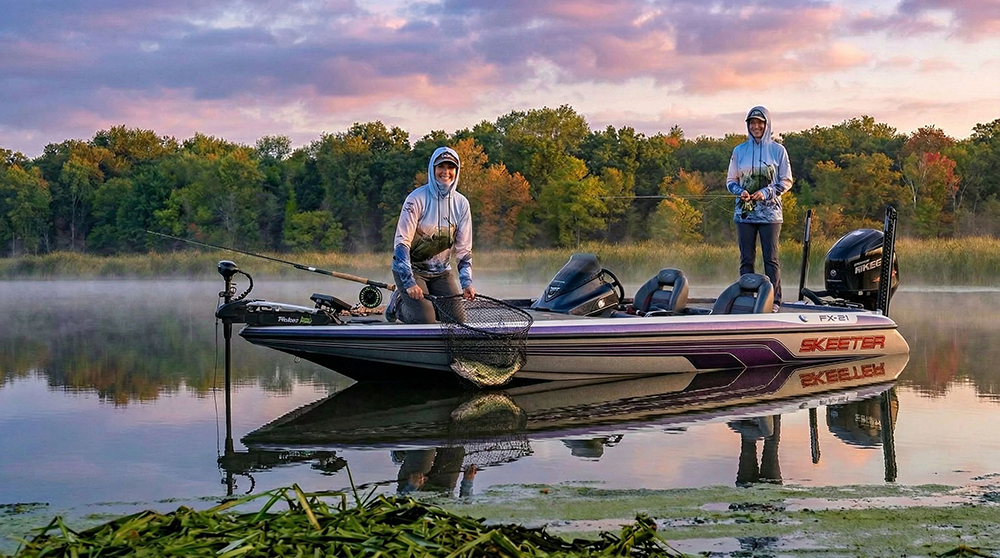
On the water you need the best sun protection and layering possible. Our Outdoor apparel will meet all of the those needs, warm weather outer wicking sun protection is a great base layer like the Bass Hoodie above.
A Brief History Of Pelican Lake: From Pelicans to Fly Fishers
Pelican Lake has been around since the glaciers said “eh, close enough” and left behind this shallow basin. Back in the day (we’re talking 1800s photos of dudes in rowboats with dogs and serious facial hair), it was a retreat for city folks escaping to the Northwoods. Historic spots like the Pelican Lakeside Resort (on the National Register, because nothing says “timeless” like a century-old hotel with character) still stand as reminders that people have been coming here to fish, drink, and pretend they’re rugged for generations.
The lake’s part of the Wisconsin Valley Improvement Company system—one of 21 reservoirs keeping the Wisconsin and Tomahawk rivers from turning into sad puddles. It’s got a dam on the outlet feeding the Pelican River, and it’s right on the Great Wisconsin Divide (lakes drain to the Great Lakes one way, Mississippi the other—nature’s way of saying “pick a side”). Ojibwe bands called it home long before anyone invented graphite rods, and early settlers turned it into a logging and fur-trading hub. Fast-forward to today, and it’s a hotspot for tournaments, family vacations, and fly fishers who think they’re superior because their line is weight-forward.
Fun fact: The water clarity is historically low (thanks, weeds and muck), with a bottom that’s 40% sand, 20% gravel, 10% rock, and 30% muck. Translation? Your fly will get weeded more than a college freshman, but the bass love it. They hide in those famous large weed beds that are better known for trophy pike and musky—but don’t tell the bass that.
Conservation Challenges: Because Nothing Says “Fun” Like Invasive Species and Overharvest Drama
Oh boy, where do we start? Pelican Lake has seen its share of drama. Invasive species are basically the uninvited guests who won’t leave: banded mystery snail, Chinese mystery snail, curly-leaf pondweed, Eurasian water-milfoil, purple loosestrife, and rusty crayfish. These little jerks mess with habitat, eat everything, and generally make life harder for native fish.
Then there’s the panfish situation—some locals whine that bluegills, crappies, and pike are “rare” now, blaming overharvest and too many small perch/crayfish turning it into a smallmouth/walleye factory. The 18-inch bass limit? Some folks say ditch it because the lake’s full of eater-sized fish. Meanwhile, the DNR runs creel surveys (2024-25 data shows effort on smallmouth and largemouth), and there’s ongoing chatter about closing seasons or tightening rules. Rusty crayfish are the real villains here—outcompeting natives and turning the bottom into a demolition derby.
But hey, conservation isn’t all doom. Nearby efforts like the massive Pelican River Forest easement (70,000 acres protected for logging, recreation, and wildlife) show Wisconsinites care—when politics doesn’t get in the way. The lake’s still kicking, bass are thriving, and fly anglers can help by practicing catch-and-release (it’s open year-round for bass, so no excuses).
Reason Pelican Lake Works So Well For Fly Anglers
Let’s start with the basic truth about the local geography. Pelican is a big, fairly shallow bowl. Max depth hovers under forty feet, but most of the lake is much shallower than that.
That means long weed lines, giant bays, and endless edges. This layout is exactly what largemouth bass and smallmouth bass like. It offers great options for fly rod enthusiasts who want to avoid deep dredging.
The lake sits in the Northern Highlands, part of the broader Wisconsin River system. Rivers like the Eagle, Pelican, and Tomahawk are all tied into the same watershed. This area holds some of the best bass, walleye, northern pike, and musky water in the state, as laid out in the discussion of the Wisconsin River basin and its tributaries.
That bigger landscape matters for the natural resources found here. These lakes and rivers sit in land carved by ice and covered with sand, gravel, and organic muck. Many of them have that tea color you see on the Central Wisconsin Basin.
The water is stained by tannins from wetlands and poor buffering soils. On Pelican, that color works in your favor because bass can hunt shallow most of the day. You should always consult lake maps to find these shallow hunting grounds.
Unlike the crystal clear waters of a place like Trout Lake or the massive Great Lakes, Pelican gives you visual cover. This makes lake fishing with flies much more forgiving. You can get closer to fish without spooking them.
The Feel Of Pelican Lake On A Bass Fly Day
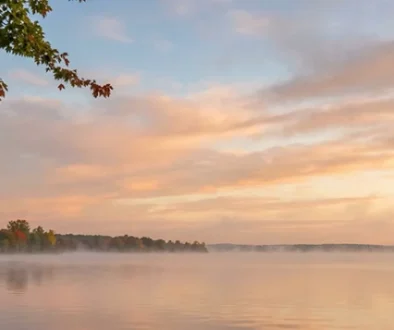
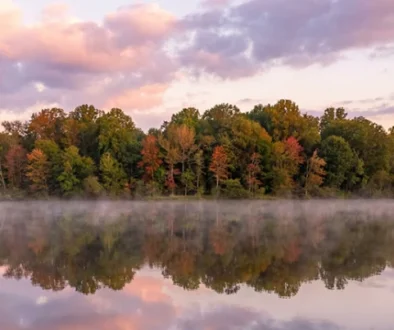
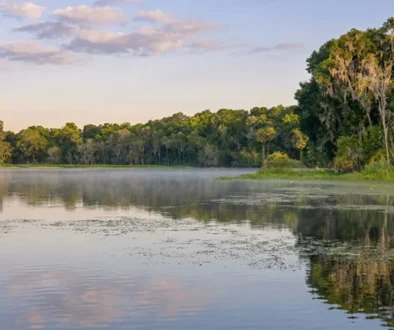
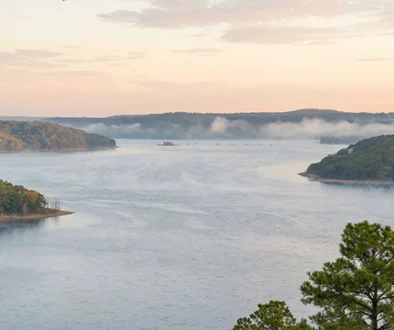
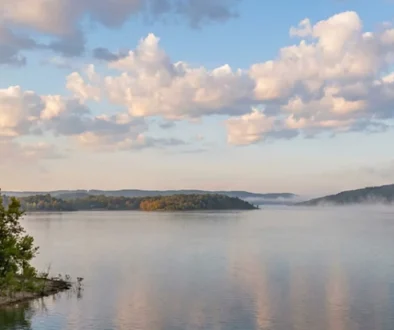
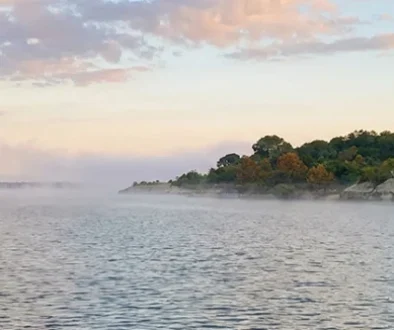
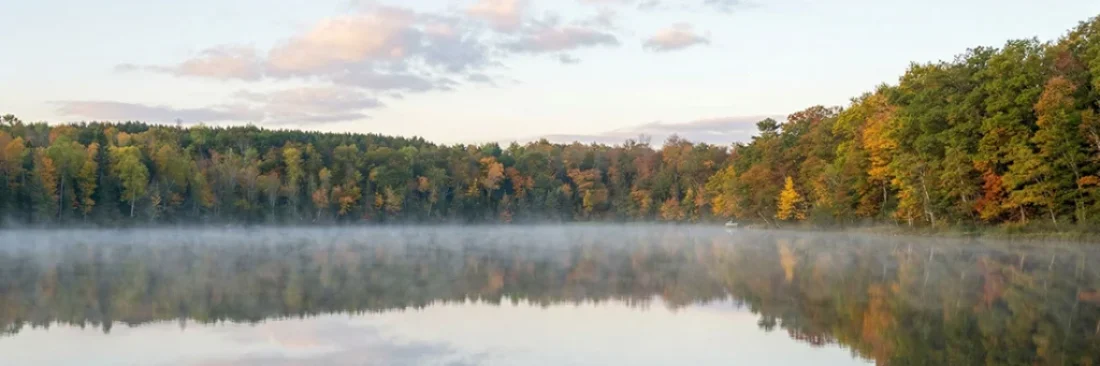
Picture this scene early in the morning. The sun is barely up, and fog still hangs over the main basin. Your breath looks like steam as you idle out from one of the public launches.
A loon calls in the distance. A musky angler rips by at about eight in the morning, already casting. You might even see someone motor trolling along the deeper breaks, searching for muskies or pike.
You idle just past the “no wake” zone and glance at your map. Weeds start in five feet and keep going, then thin out toward the main lake. That inside edge is where your day probably starts.
In water this stained, that early light and warm surface bring bass up to ambush mode. You make the first cast with a popper. Two twitches and then a pause.
Nothing happens at first. Third twitch and the lake sounds like someone threw a cinder block at your fly. This excitement is what defines Pelican Lake’s charm.
It is a place where catch and release fishing is common practice among fly anglers. Seeing a big bass swim away is part of the reward. It makes the early wake up call worth it.
Reading The Lake: Structure And Seasonal Bass Behavior
Pelican fishes like several lakes stacked into one. How it fishes for you depends on time of year and water temp. Wind direction that day also plays a huge role.
Early Season: Pre Spawn And Spawn
Once water temperatures reach the mid-fifties, bass start thinking about beds. Look for sheltered bays on the east and south shore. Shallow flats near sandy stretches are also prime locations.
This is a perfect time for smaller streamers and nymph rigs. This period offers incredible smallmouth bass fishing as they move shallow. Bass slide into three to eight feet of water.
They react hard to a slow stripped woolly bugger. If you keep things subtle, you will often find bass and panfish using the same bays. It is similar to river smallmouth bass fishing but in a lake setting.
While Pelican is a lake trip, it sits inside a bigger story of north state water. This includes famous trout and bass rivers such as the Namekagon and the Black River. Those rivers are celebrated for walleye and smallmouth.
They even hold ancient fish like lake sturgeon in the broader system. Shovelnose sturgeon are found further downstream in the Mississippi River and Wisconsin River main stems. While you won’t catch sturgeon on Pelican, the biodiversity of Wisconsin fishing is vast.
Summer: Weeds, Shade, And Low Light Windows
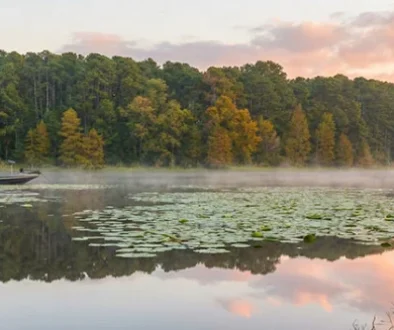
Once weeds hit full growth, Pelican becomes a textbook summer bass lab. You get thick cabbage beds and coontail. Under all that cover live bluegills, yellow perch, and other prey.
You will find plenty of rough fish and forage species hiding there too. This diversity supports the gamefish populations. Even species like white perch or white bass might be found in regional waters, though less common here.
This is where bass flies shine. Weedless frogs and foam divers are essential. Fishing largemouth in the slop is exciting visual sport.
Largemouth hug thick cover and boat docks. Smallmouth prefer rock bars and scattered boulders. They hang near deep water access points.
Because of the stained color, bass stay shallower than on clear lakes. Early and late windows are best. However, you can catch fish mid-day if you target shade.
Fall: Big Flies, Fewer Boats
Once temps fall back through the sixties, Pelican flips back on. Boat traffic dies off after Labor Day. You share space mostly with musky anglers.
Bass follow yellow perch and panfish to mid-depth structure. Think eight to fifteen feet deep. Rock bars and secondary points hold the best fish.
This is when your articulated baitfish flies earn their keep. River smallmouth tactics work well here in the fall. You retrieve flies slowly over rocks.
The wider watershed has plenty of similar fall options. Reservoirs on the lower river offer great fishing. Rivers like the Couderay, Flambeau, and Red Cedar give that same stained water mix.
Later in the year, ice fishing becomes the main activity. Anglers target panfish and pike through the hard water. But for the fly angler, the open water season is the main event.
Gear Setup For Pelican Lake Bass Fly Fishing Wisconsin
You do not need boutique gear to catch bass here. But you do need tools that punch into the wind. Fishing gear must be durable enough to pull fish out of heavy weeds.
If you arrive under gunned, this lake will let you know quickly. Using the right fishing lures or flies makes a difference. Check the table below for the ideal setup.
| Gear Piece | Recommended Setup | Why It Matters On Pelican |
|---|---|---|
| Rod | 8 or 9 weight, fast action | Turns over big flies and handles heavy fish in weeds |
| Reel | Large arbor with smooth drag | Helps manage fast runs, especially near docks and rocks |
| Line | Floating for topwater, intermediate for streamers | Covers weed tops and edges in various depths |
| Leader | 7 to 9 feet, 15 to 20 pound mono or fluorocarbon All I Use, | Prevents breakoffs when fish run into cabbage |
| Optional Sink Tip | Type 3 to 5 for fall or deeper structure | Reaches fish that drop off weed lines later in the season |
Be mindful of regulations regarding lures maximum hooks if you use multi-fly rigs. If you need a simple walkthrough on rods and lines, check out this practical guide to fly fishing gear. It covers basics without drowning you in specs you do not need.
Many anglers coming to fly fish Lake destinations with in Wisconsin bring too much stuff. Keep it simple. A good fly rod, a back up fly rod and a few trusted flies are enough.
Top 13 Best Flies for Pelican Lake Bass: Because A Fancy Dry Fly Won’t Cut It Here
Fly fishing for bass on Pelican Lake? It’s like bringing a knife to a gunfight—except the knife is a 8-weight rod and the gun is a bass with attitude. The lake’s weeds, docks, and rocky spots scream for streamers, poppers, and anything that looks like food. Here’s the -approved top 13 (tied with love, tested with frustration):
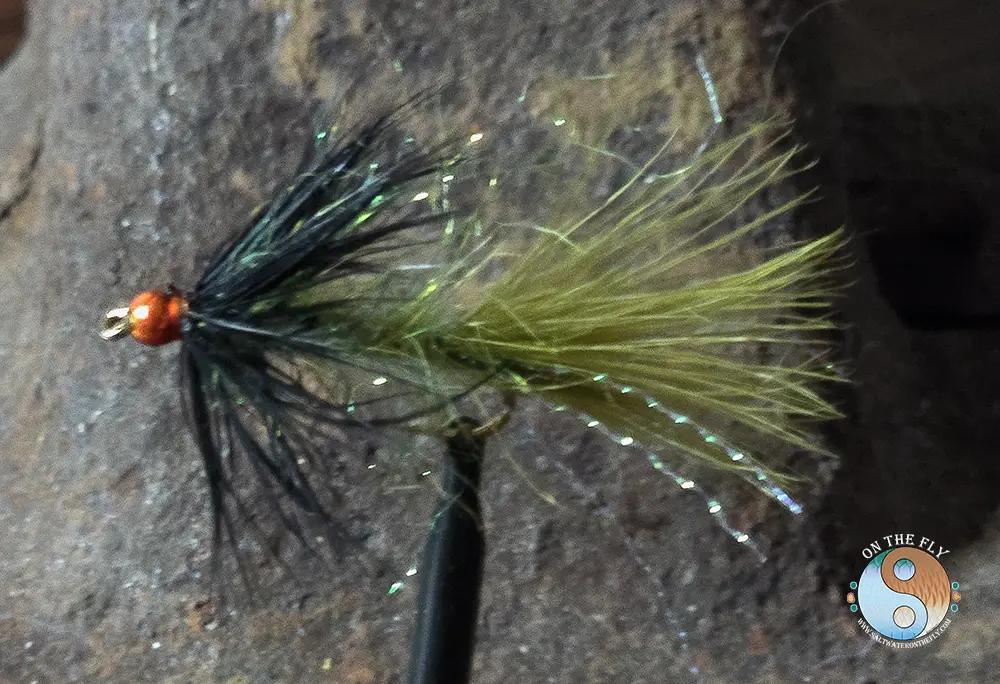
- Woolly Bugger (black or olive, size 4-8) — The Swiss Army knife of flies. Strip it slow through weeds and watch bass explode. If it doesn’t work, you’re probably not stripping aggressively enough.
- Clouser Minnow (chartreuse/white or gray) — Mimics perch or baitfish. Smallmouth crush these on rocky bars.
- Deer Hair Popper (frog or mouse pattern) — Surface chaos. Twitch it like it’s injured and pray the bass aren’t too hungover.
- Sex Dungeon — Yes, that’s the name. Big, articulated, and obnoxious. Largemouth love it in the weeds.
Subsurface And Streamer Patterns
When the sun climbs, switch to subsurface. This keeps the action going. These are workhorse patterns for any fishing trip.
- Woolly buggers in olive, black, and rust, size 4 to 8.
- Clouser minnows in perch, shad, and white.
- Bunny leeches in black or purple.
- Articulated baitfish flies for bigger fish.
Fish streamers on a floating line over weeds. Switch to a sink tip for deeper breaks. Vary strip speed until you get a strike.
I believe in the old adage tell them once then tell them again.

Surface Patterns
On still mornings, topwater is what makes Pelican special. Fishing largemouth on top is a thrill. Here are core choices that earn their spot in your box.
- Foam or cork poppers in frog, black, and chartreuse, size 2 to 6.
- Weedless foam frogs for thick slop and matted weeds.
- Divers that push a small wake, for edges and sparse weeds.
Work these over holes in weed beds. Target areas around docks and across points. A stop and go retrieve works wonders.
-
- Gutless Frog — Weedless wonder for those “famous” weedbeds. Hop it across the surface—bass will suicide for it.
- Dahlberg Diver — Dives and wiggles like a panicked baitfish. Perfect for the sandy narrows.
- Leech Pattern (bunny leech) — Slow strip along the bottom. Rusty crayfish hate competition.
- Chubby Chernobyl — Terrestrial attractor. Ants, hoppers—bass aren’t picky when bugs hit the water.
- Prince Nymph (weighted) — For deeper spots or when bass are sulking. Double as a dropper.
- Game Changer (perch pattern) — Articulated baitfish. Smallies on rocks go nuts.
- Pheasant Tail Nymph — Smaller, for finesse when the big stuff fails (rare, but it happens).
- Muddler Minnow — Classic surface/sub-surface. Sculpin imitation that works anywhere.
- Popping Bug (cork or foam) — Old-school fun. Cast to docks and let the magic happen.
Pro tip: 8-9 weight rod, floating or intermediate line, 20-pound leader. Bring extras—bass here are weed-snapping machines.
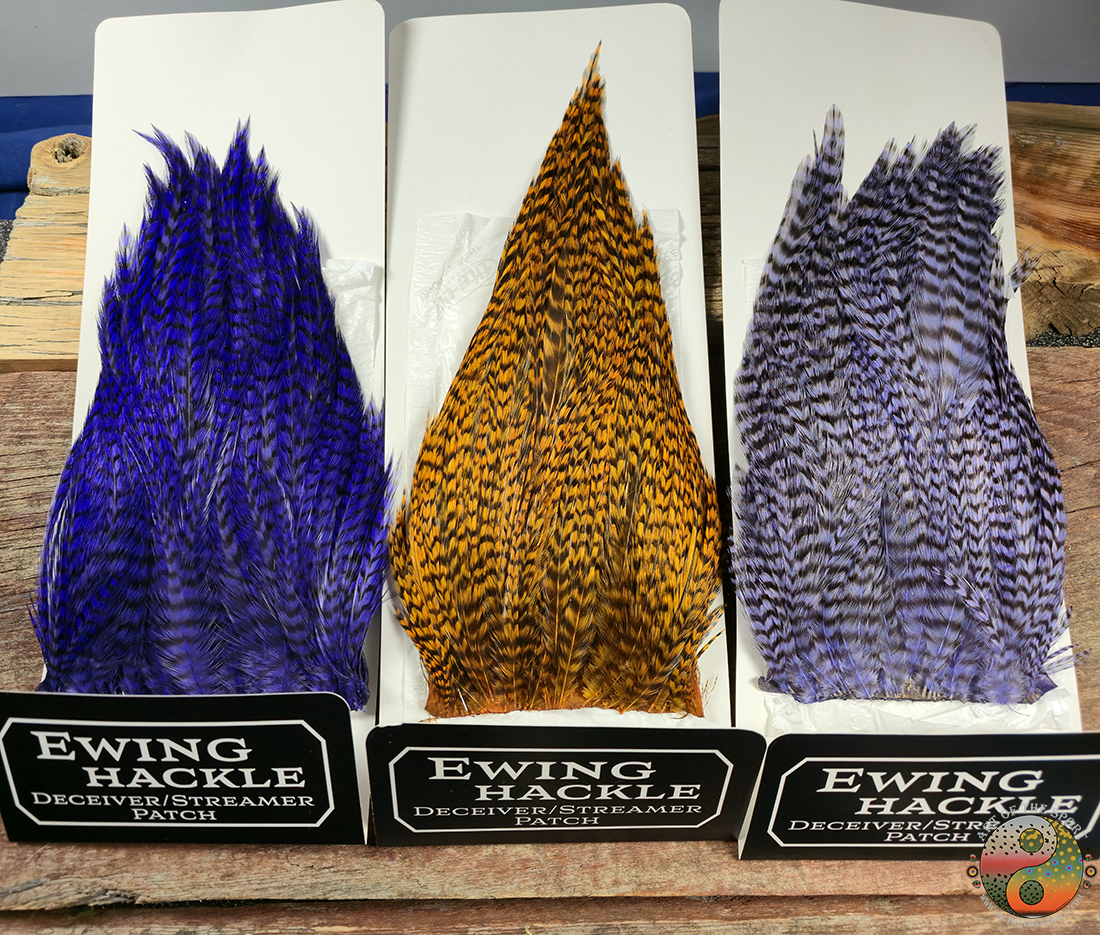
Here are some visual inspirations for these killer patterns—imagine stripping these bad boys through Pelican’s weeds: That’s another story be prepared.
Best Locations on the Lake: Where to Pretend You Know What You’re Doing
You could fish random water here and catch a few. But for numbers and size, focus on high percentage spots. This approach improves your fishing reports significantly.
Weed Lines And Inside Turns
The most consistent pattern is weed edge fishing. You want spots where the weed line does something interesting. Look for inside corners and points in the vegetation.
Bass hang where they can tuck back into cover. They slide out and smash anything that passes the edge. This is classic Pelican Lake fishing.
Set the boat up just outside the edge. Cast at a forty five degree angle along it. This keeps your fly in the strike zone longer.
Dock Lines And Shallow Shoreline Cover
The south and west shorelines are loaded with docks. Pilings, swim rafts, and manmade rock piles attract fish. These fish see a lot of traditional tackle.
Use a shorter leader with a weedless popper. Skip or roll cast under the shade. Strikes happen right away most of the time.
Rock Bars And Deeper Points
Smallmouth use rock bars and humps. They like steeper drop offs near the main basin. You can find many of these mid-lake.
This pattern shines from late summer into fall. You want heavier flies to stay near the bottom. It feels like river smallmouth bass fishing in deep pools.
Use Clousers or articulated baitfish imitations. Keep the rod tip low to feel every bump. These rocky zones mimic the river smallmouth habitats found in moving water.
Other Great Destinations
Re-Hash Conservation, Invasives, And Fishing Ethic
Pelican is productive, but it is not bulletproof. Invasive plants and heavy harvest change how this lake fishes. Fisheries management is crucial to maintain quality.
You see that story echoed across northern waters. Reservoirs that flow from the Northern Highlands show similar patterns. Lakes in Vilas County face similar pressures.
For fly anglers, it is pretty simple. Crush barbs where it makes sense. Release big fish in good shape to help the population open year after year.
Rinse your boat and wading gear. This prevents the spread of invasives to systems like the Flambeau River. If you like conservation talks, check online communities.
Places like the Wisconsin Fly Fishing Forums have archives full of angler reports. You can find notes from people who live on these lakes. Those threads paint a detailed picture of change over decades.
Trip Planning Tips For The Traveling Fly Angler
Most anglers heading to Pelican are not making it the only stop. Northern Wisconsin stacks together dozens of rivers and lakes. You have options from the Chippewa River to the Bois Brule.
One fun way to see more is by tying your fishing loop to a driving route. You can follow Highway 64 or drift south by Highway 29. This lets you pass a variety of waters.
If you like planning, consider how you budget your trips. Some folks link fly fishing and financial planning to make these adventures happen annually. Planning your calendar ensures you hit the fishing regulations pelican lake windows perfectly.
To stay flexible, keep map tools close. Fishing reports can also guide your daily decisions. Modern satellite images show Pelican’s points and bays accurately.
Always have your Wisconsin fishing license accessible. You can store it on your phone. This makes interactions with wardens quick and easy.
Pelican Lake Bass Fly Fishing Wisconsin As Part Of A Bigger Journey
If you travel to other fly fishing destinations, Pelican will feel different. It has more bugs and more weeds. It has more humor baked into every day.
It feels honest. You are not standing in a postcard canyon. You are grinding on a bass lake that has fed families for generations.
Days here are full of contrasts. You have early mornings full of surface eats. You have lazy midday breaks swimming off the boat.
Then there are evenings where you pull on a hoodie. You run one more rock bar. You watch a friend stick a heavy smallmouth that jumps beside the boat.
That is what makes Pelican a strong base camp. It serves road trippers who chase fish and forest. It represents the heart of the Northwoods experience.
Conclusion of Pelican Lake Bass Fly Fishing
Pelican Lake Bass Fly Fishing Wisconsin trips reward people who like work over hype. You are throwing meat into wind and ripping it across weed edges. You are figuring out where pressure pushes fish.
If you come with a solid eight weight and a simple box of flies, you will catch fish. Explore the bays, points, and rock bars. These structures stitch this lake together.
Mix in an honest look at state rules and regular checks of fishing regulations pelican mandates. Respect how hard these lakes work. You help keep the resource strong for the next group.
At the end of the trip, you will remember more than fish counts. You will remember the quiet runs across flat water. You will remember the mosquito filled sunsets.
And you will remember that one savage eat where a bass blew up your frog. That moment teaches you why people keep coming back. It is the reason Pelican Lake Bass Fly Fishing Wisconsin remains a favorite pursuit.