Bass Fly Fishing Lake Eufaula Oklahoma: History and Habitat
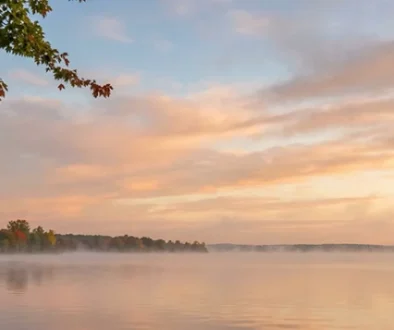
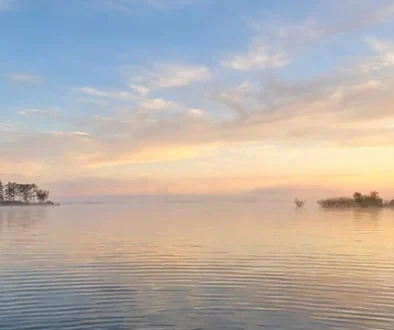
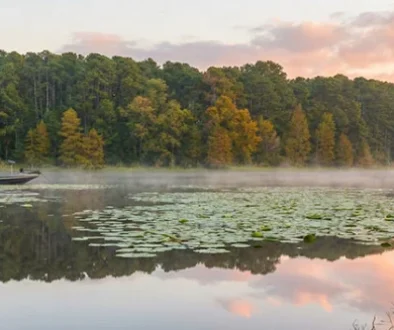
Lake Eufaula stands as a massive 102,000-acre reservoir located in the eastern region of Oklahoma, providing some of the finest Oklahoma bass fishing in the state. The United States Army Corps of Engineers constructed this massive body of water primarily for flood control purposes. Today, this sprawling aquatic environment offers incredible opportunities for bass fly fishing Lake Eufaula Oklahoma enthusiasts.
President Lyndon B. Johnson dedicated this 121 million dollar dam project on September 25, 1964. The resulting reservoir holds roughly 3.8 million acre-feet of water at its maximum pool capacity. It features approximately 600 miles of twisting shoreline that provides endless habitat for warmwater predatory fish and legendary Oklahoma bass fishing.
Anglers travel from across the country to experience this historic and productive warmwater fly fishing destination. Most visitors rely on conventional tackle to pull largemouth bass from the murky depths. However, throwing large flies to aggressive warmwater species provides a far more satisfying and productive challenge for those who enjoy fly fishing for bass.
Before the massive dam flooded the region, this area served as historic Creek and Choctaw Nation territory. Covered wagons regularly rumbled across the old Texas Road during the early nineteenth century. The region also hosted the Battle of Honey Springs in 1863, representing a major Civil War conflict.
Early settlers frequently fished near Standing Rock, which was a prominent 63-foot landmark in the Canadian River. The construction of the dam eventually submerged this landmark along with several old towns and farmlands. This dramatic transformation created a sprawling aquatic playground that now attracts millions of outdoor enthusiasts seeking Lake Eufaula fly fishing adventures annually.
The reservoir features a mean depth of 23 feet and a maximum depth approaching 87 feet. Fluctuating water levels dictate the fishing conditions based on the strict flood control priorities of the Corps. Anglers must constantly adapt to these shifting water levels to locate productive bass habitats and maximize their Oklahoma bass fishing success.
Table of Contents
Understanding the Water Structure for Lake Eufaula Bass Fly Fishing Success
Lake Eufaula provides an abundance of structural elements that hold large populations of predatory fish. You will find flooded timber, sharp rocky points, expansive brush piles, and miles of artificial riprap. These structural features create perfect ambush points for largemouth bass, spotted bass, and occasional smallmouth bass throughout the year.
The fish primarily feed on abundant populations of threadfin shad, gizzard shad, and native crawfish. Bass position themselves along sharp depth transitions to intercept these baitfish as they move through the water. Identifying these transition zones remains the most critical skill for any angler visiting this reservoir for warmwater fly fishing.
Do you know how to read a topographic map for reservoir fishing? Studying the underwater contours allows you to locate submerged creek channels that intersect with shallow flats. These specific intersections consistently produce the largest bass during the spring and fall feeding frenzies on Lake Eufaula.
Key Points for Oklahoma Bass Fly Fishing:
- Lake Eufaula covers 102,000 acres and features 600 miles of diverse shoreline structure for Oklahoma bass fishing.
- Water levels fluctuate frequently based on the flood control operations of the Army Corps, impacting Lake Eufaula fly fishing conditions.
- Focus your fishing efforts on flooded timber, rocky points, and submerged creek channels to find active largemouth bass.
Reason Fly Fish Bass on Eufaula? Because Conventional Anglers Are Missing the Point (Literally)
Conventional anglers dominate the reservoir by casting heavy crankbaits and dragging plastic worms through the brush. These heavy lures displace significant amounts of water and create aggressive vibrations that trigger reaction strikes. However, highly pressured bass often learn to avoid these loud and intrusive conventional presentations over time.
Fly fishing for bass allows you to present a completely natural profile to weary and educated fish. A properly tied streamer glides through the water column with a fluid motion that perfectly mimics injured prey. This subtle presentation routinely fools large bass that would otherwise ignore a noisy plastic lure in clear water.
The visual excitement of topwater fly fishing provides an unparalleled experience for dedicated warmwater fly fishing anglers. Watching a three-pound largemouth bass violently inhale a floating foam popper creates lasting memories on the water. The direct connection of stripping the fly line amplifies the raw power of every strike during your Oklahoma bass fly fishing trip.
Adapting to Water Clarity for Lake Eufaula Fly Fishing Success
Water clarity varies dramatically depending on recent rainfall and the specific area of the lake. The upper river arms frequently resemble muddy soup after heavy spring thunderstorms roll through the region. You must select flies that push water and create distinct silhouettes in these stained conditions to find success.
The mid-lake regions and areas near the dam generally offer much better water visibility for Lake Eufaula fly fishing. Bass in these clearer sections rely heavily on their vision to track and ambush fast-moving baitfish. You should downsize your tippet and use highly realistic baitfish patterns when fishing these clear zones.
Wind direction heavily influences the clarity and the position of the baitfish schools on any given day. Sustained winds push plankton and shad against the rocky shorelines, which inevitably draws feeding bass. You must position your boat carefully to cast into these wind-blown areas without spooking the fish.
Pro Tip: Always carry a sinking tip fly line when targeting deep structure for Oklahoma bass fishing. Getting your streamer down to the 10-foot depth range is critical during the hot summer months.
Top 15 Fly Patterns for Bass on Lake Eufaula Oklahoma
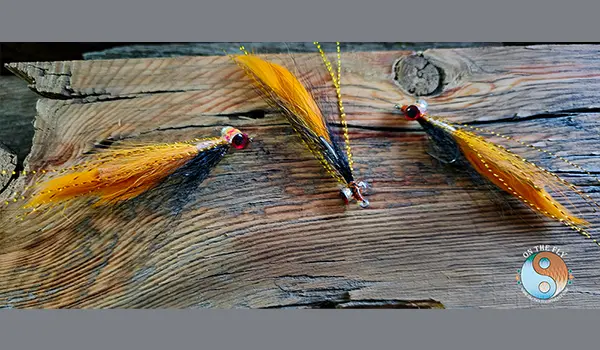
Selecting the right fly requires an understanding of the local forage base and the current water conditions. You must imitate shad, crawfish, bluegill, frogs, and injured baitfish to find consistent success. The following fifteen patterns represent the most effective options for targeting bass in this massive reservoir.
We recommend tying or purchasing these patterns in sizes ranging from 2/0 down to size 6. Your color selection should include chartreuse, white, black, olive, and natural brown tones to match the hatch. Adjust the size and color based on the aggression level of the fish and the water clarity for better Lake Eufaula fly fishing.
Do you struggle with fly selection on large bodies of water? Start with a versatile baitfish pattern and let the fish tell you what they want. If they refuse the streamer, switch to a bottom-bouncing crawfish pattern or a surface popper to trigger a strike.
1. The Clouser Minnow: A Staple for Oklahoma Bass Fly Fishing
The Clouser Minnow remains the absolute standard for warmwater fly fishing across the entire country. The weighted dumbbell eyes force the fly to dive rapidly between each strip of the line. This erratic jigging motion perfectly imitates a dying shad struggling in the middle of the water column.
We suggest throwing chartreuse and white color combinations when fishing the stained waters of the river arms. The white belly provides excellent contrast, while the chartreuse back grabs the attention of predatory fish. Strip the line aggressively, pause for two seconds, and prepare for a violent strike on the drop.
This pattern easily punches through the notorious Oklahoma winds that frequently plague the open water. You can cast a heavily weighted Clouser with a standard eight-weight rod without excessive false casting. It represents the most reliable option for exploring new shorelines and locating active schools of bass.
2. The Woolly Bugger: Versatile Fly Fishing for Bass
Many anglers view the Woolly Bugger as a simple trout pattern, but it absolutely dominates reservoir bass. The undulating marabou tail provides continuous lifelike movement even when the fly sits completely still. We prefer tying these patterns with heavy lead wire under the body to reach deeper structure.
Black, olive, and purple represent the most productive colors for dragging through submerged brush piles. Adding a few strands of reflective flash material helps the fly stand out in murky water conditions. You should fish this pattern with short, slow strips right along the bottom of rocky points.
The profile of the Woolly Bugger effectively mimics both large leeches and fleeing crawfish depending on the retrieve. It catches reluctant bass that refuse to chase fast-moving baitfish streamers during the cold winter months. Keep your rod tip low and maintain direct contact with the fly to detect subtle takes.
3. Foam Popper: Topwater Lake Eufaula Fly Fishing
Nothing compares to the excitement of watching a large bass smash a floating foam popper at dawn. The cupped face of the popper pushes a significant amount of water and creates a loud “bloop” sound. This acoustic disturbance draws fish out from dense weed beds and flooded willow thickets.
We recommend using white, yellow, or chartreuse poppers equipped with long, fluttering rubber legs. The rubber legs continue to vibrate and move long after the popper comes to a complete stop. Let the popper sit motionless until the concentric rings disappear before initiating your next twitch.
Target shallow flats and the edges of lily pad fields during low light conditions for the best results. Bass actively cruise these shallow zones searching for bluegill and frogs during the early morning hours. Set the hook firmly with a strip-strike rather than lifting the rod tip prematurely.
4. Crawfish Pattern: Bottom-Bouncing Oklahoma Bass Fishing
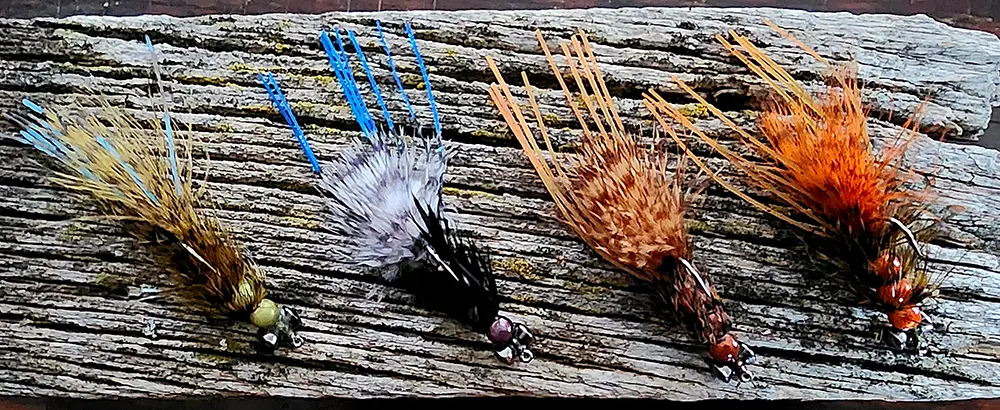
Crawfish provide a massive source of protein for the largemouth bass and spotted bass populations in the lake. Patterns like Cohen’s Jiggy Craw or the Ghetto Craw effectively replicate the defensive posture of a fleeing crustacean. You must fish these heavy flies directly on the bottom to achieve the proper presentation.
Focus your efforts on rocky points, riprap banks, and gravel transitions where natural crawfish congregate. Bounce the fly slowly over the rocks, allowing it to kick up small puffs of silt. This visual disturbance mimics a burrowing crawfish and triggers aggressive feeding responses from nearby predators.
Brown, orange, and olive color combinations work exceptionally well during the early spring pre-spawn period. Bass actively hunt for high-protein meals to build their energy reserves before moving to the spawning beds. Use a strong fluorocarbon leader to prevent the sharp rocks from cutting your line during the fight.
5. Deceiver or Half-and-Half: Large Profile Warmwater Fly Fishing
The classic Lefty’s Deceiver offers a larger profile for imitating adult gizzard shad and large bluegill. The sleek design allows you to cast a surprisingly large fly without fighting excessive wind resistance. It swims with a smooth, gliding action that appeals to large, highly educated fish.
The Half-and-Half variant combines the weighted eyes of a Clouser with the flowing tail of a Deceiver. This hybrid pattern provides a substantial profile while maintaining the attractive jigging action of a weighted fly. It sinks quickly into the strike zone when fishing deep creek channels and steep drop-offs.
Strip this pattern parallel to the shoreline to keep it in the productive depth zone longer. White and silver combinations produce excellent results when the bass are actively busting schools of shad. Maintain a steady retrieval cadence to mimic a healthy baitfish trying to escape the area.
6. Bass Popper/Bug (Dahlberg Diver): Technical Fly Fishing for Bass
The Dahlberg Diver represents a brilliant piece of fly design that combines topwater and subsurface action. The tightly spun deer hair collar allows the fly to float at rest, but dive sharply upon retrieval. A slow, steady strip pulls the bug under the surface with a seductive wobbling motion.
This subtle diving action works perfectly when highly pressured fish refuse loud, splashing foam poppers. The Sneaky Pete variant offers a similar gliding action that quietly walks the dog across the surface. Use these patterns during the mid-morning hours when the surface bite begins to taper off.
You need a stiff fly rod and a specialized bug taper fly line to turn over these wind-resistant flies. Cast them tight against the trunks of flooded timber and let them sit for several seconds. A gentle twitch often produces a strike before you even begin your main retrieval sequence.
7. Game Changer: Realistic Lake Eufaula Fly Fishing
The articulated Game Changer completely revolutionized the way modern anglers approach warmwater fly fishing streamer tactics. Multiple articulated shanks allow this fly to swim with an incredibly realistic, snake-like slithering motion. It moves through the water exactly like a living baitfish, requiring very little manipulation from the angler.
Throwing a four-to-six-inch Game Changer requires a heavy rod, but it consistently attracts the largest fish. We prefer solid white or olive patterns when targeting aggressive bass chasing shad schools in open water. The fluid motion of the fly triggers an instinctual predatory response that bass cannot ignore.
Use a steady, hand-over-hand retrieval technique to maintain a constant swimming action without erratic pauses. This presentation covers large amounts of water quickly when searching for active fish over submerged points. Ensure your knots are flawless, as the strikes on this pattern are often incredibly violent.
8. Leech Pattern: Cold Water Oklahoma Bass Fishing
Simple leech patterns tied with rabbit strips or marabou provide an easy meal for sluggish fish. When water temperatures plummet during winter, bass refuse to expend energy chasing fast-moving baitfish. A slow-moving leech represents a high-calorie reward that requires minimal effort to capture.
Black and dark brown colors provide the best silhouette when fishing in off-color or muddy water. The natural current of the lake causes the rabbit strip to pulsate continuously without any stripping action. Cast the leech near drop-offs and let it drift slowly toward the deeper water.
You can fish these patterns under a large strike indicator to maintain precise depth control in cold water. Suspended bass will gently inhale the leech, causing the indicator to slowly dip beneath the surface. This technique requires patience, but it produces large fish when other methods completely fail.
9. Frog Pattern: Heavy Cover Fly Fishing for Bass
Spun deer hair or foam frog patterns dominate the shallow, weed-choked coves during the hot summer months. The buoyant materials allow you to fish directly over thick vegetation without constantly snagging the hook. The long rubber legs kick realistically with every short twitch of the fly line.
Cast the frog directly onto lily pads or floating mats of vegetation and pause for several seconds. Slowly slide the fly off the edge of the vegetation and into the open pockets of water. Bass frequently track the shadow of the frog and explode through the surface the moment it hits the water.
You must use heavy fluorocarbon tippet to pull large fish out of the dense aquatic vegetation. Do not attempt to finesse a large bass once it eats your frog pattern in heavy cover. Apply maximum pressure immediately to prevent the fish from wrapping your line around submerged roots.
10. Dragonfly/Damselfly: Surface Action Oklahoma Fly Fishing
During the late summer, massive swarms of dragonflies and damselflies hatch around the edges of the reservoir. Bass actively patrol the shallow margins, waiting for these insects to accidentally land on the water. A foam-bodied dragonfly pattern perfectly mimics these vulnerable terrestrial and emergent insects.
Slap the fly down aggressively on the surface to imitate the sound of a large insect crashing. Let it sit completely motionless for several seconds before giving it a very subtle, nervous twitch. This presentation works exceptionally well around the edges of cattails and shallow, sloping mud flats.
Spotted bass seem particularly fond of targeting these surface insects during calm, windless afternoons. You can downsize your rod to a six-weight to present these lighter flies with greater accuracy. Precision casting matters more than distance when targeting specific fish cruising the shallow margins.
11. Bunny Leech or Strip Fly: Durable Warmwater Fly Fishing
The Bunny Leech utilizes a continuous strip of rabbit hide wrapped around the hook shank. The dense fur absorbs water quickly, making the fly heavy and easy to cast into the wind. It pulsates and breathes in the water with a lifelike action that synthetic materials cannot replicate.
We recommend stripping this pattern erratically near standing timber and submerged brush piles in the creek arms. The fly looks like an injured baitfish or a large amphibian struggling to reach the safety of the cover. It is an incredibly durable pattern that withstands dozens of aggressive strikes from toothy predators.
Use a heavy wire hook to prevent the fly from bending when applying pressure to a large fish. Olive and black combinations consistently fool spotted bass hiding in the rocky crevices near the dam. Keep your rod tip low to the water to maximize the effectiveness of your strip-set
12. Kratky Baitfish: Clear Water Lake Eufaula Fly Fishing
The Kratky Baitfish provides an ultra-realistic profile for targeting highly pressured fish in crystal clear water. It utilizes synthetic fibers that maintain a distinct baitfish shape without absorbing excessive amounts of water. This pattern sheds water instantly during the false cast, allowing for rapid, long-distance presentations.
Match the color of your Kratky pattern directly to the size and color of the local shad population. Ghostly translucent colors work best when the sun is high and the water visibility exceeds five feet. Bass will heavily inspect the fly in these conditions, so realism is absolutely critical.
Use a fast, erratic retrieve to trigger reaction strikes from following fish that hesitate to commit. Pausing the fly often causes following fish to lose interest and turn away in clear water. Keep the fly moving rapidly to force the bass into making a split-second predatory decision.
13. Jiggy-Style Craw: Deep Water Oklahoma Bass Fishing
The Jiggy-Style Craw features heavy dumbbell eyes tied on the top of the hook shank. This design forces the fly to ride with the hook point facing upward, significantly reducing bottom snags. You can confidently drag this heavy pattern through dense rocky terrain without constantly losing your flies.
The silicone legs and rabbit fur claws flare out defensively every time you pause the retrieve. This defensive posture angers territorial bass and provokes violent reaction strikes from fish guarding their areas. Fish it slowly along the bottom of deep points where standard streamers pass too far overhead.
This pattern requires a sensitive rod to feel the subtle taps of a bass inhaling the fly. Often, the fish will simply pick up the crawfish and swim away without a jarring strike. Set the hook firmly the moment you feel any unnatural weight or tension on the line.
14. Boogle Bug: Durable Topwater Fly Fishing for Bass
The Boogle Bug represents a classic, highly durable foam surface bug that continues to catch massive fish. The hard foam body resists waterlogging and floats perfectly even after catching multiple heavy bass. The cupped face gurgles and sputters water forward, creating a distinct acoustic signature on the surface.
We love throwing this pattern during the golden hour just before sunset when the wind finally dies down. Cast it parallel to weed edges and retrieve it with steady, rhythmic pops to establish a cadence. Bass will often track the sound from a significant distance before launching a devastating surface attack.
The hook gap on a Boogle Bug is relatively wide, which provides excellent hooking percentages on large fish. Keep your rod tip pointed directly at the fly and use your line hand to set the hook. Lifting the rod prematurely will pull the bug directly out of the open mouth of the bass.
15. Articulated Leech (Big Ugly): Trophy Lake Eufaula Bass Fly Fishing
When you want to target the absolute largest fish in the reservoir, you throw the Big Ugly. This massive articulated streamer features multiple hooks, heavy flash material, and a bulky, intimidating profile. It displaces a massive amount of water and represents a substantial caloric meal for a trophy bass.
Throwing this pattern requires a nine-weight rod and a serious commitment from the angler. You will not catch high numbers of fish with this fly, but the ones you catch will be huge. It weeds out the smaller, aggressive bass and appeals specifically to the apex predators in the system.
Fish this pattern deep along the edges of submerged river channels using a heavy sinking fly line. Strip the fly with long, powerful pulls to maximize the erratic action of the articulated joints. Hold on tightly to the cork, because strikes on this pattern often feel like a car crash.
Pro Tip: The wind on Lake Eufaula can reach dangerous speeds with very little warning. Always wear your life jacket and avoid crossing large expanses of open water in a small boat during high wind advisories while Lake Eufaula Oklahoma bass Fly fishing.
Prime Locations for Bass Fly Fishing Lake Eufaula Oklahoma
Locating productive water on a 102,000-acre reservoir requires a strategic approach and a reliable topographic map. You cannot simply cast blindly from the boat ramp and expect to find consistent action. You must break the lake down into manageable sections based on the season and the current water levels.
Focus your attention on major structural transitions where shallow feeding flats intersect with deep water escape routes. Points, creek mouths, standing timber, and man-made riprap consistently hold the highest concentrations of baitfish. Where you find the baitfish, you will inevitably find the predatory bass waiting to ambush them during your Oklahoma bass fishing outing.
The following locations represent some of the most historically productive areas for fly fishing on the lake. Use these general zones as a starting point, but always trust your electronics and your eyes. Finding active birds or surface activity will always trump a spot marked on a static map.
Nichol’s Point and the Mid-lake Region for Lake Eufaula Bass Fishing
Tournament anglers frequently target the Nichol’s Point area due to its massive rocky structures and submerged timber. The midlake region features numerous staging areas where bass gather before moving into the shallow spawning coves. Bouncing heavy crawfish patterns along these rocky points produces excellent results during the spring and fall transitions.
The wind-blown sides of these mid-lake points act as natural funnels that concentrate massive schools of shad. Predatory fish pin the bait against the rocks, creating chaotic feeding frenzies near the surface. Casting a Clouser Minnow directly into the wind can be difficult, but it yields spectacular results here for fly fishing for bass.
You will encounter a healthy mix of largemouth bass and spotted bass throughout this specific region of the lake. The spotted bass tend to hold slightly deeper and relate tighter to the jagged rocky structures. Use intermediate sinking lines to keep your streamers in the correct depth zone while drifting past the points.
Longtown Area and Bays Near the Dam for Lake Eufaula Fly Fishing
The water near the dam generally offers the greatest clarity and the deepest structural drop-offs. Areas like Brooken Cove feature expansive stretches of riprap that absorb heat and attract early-season baitfish. This region provides the best opportunity to encounter the occasional smallmouth bass that inhabit the reservoir.
Deep water transitions near the dam require heavy sinking lines and heavily weighted streamer patterns. You must count your fly down for several seconds before beginning your retrieve to reach the fish. Stripping baitfish patterns parallel to the steep channel swings often triggers strikes from suspended bass.
During the heat of the summer, focus on the deeper brush piles located in the Longtown area. Bass retreat to these shaded, deep-water sanctuaries when the surface temperatures become uncomfortably warm. Dragging a heavy Woolly Bugger slowly through these deep brush piles is a highly effective summer tactic for Lake Eufaula fly fishing.
Upper Creeks and River Arms: Prime Lake Eufaula Bass Fly Fishing Spots
The upper river arms, including Cowikee Creek, Duchess Creek, and Sandy Creek, provide classic shallow-water bass habitat. These areas feature heavily stained water, flooded willow bushes, and extensive fields of aquatic vegetation. This is absolute heaven for anglers who prefer throwing topwater frogs and large surface poppers.
High water conditions flood the shoreline bushes, allowing bass to move incredibly shallow to hunt for prey. You must cast your flies tight into the heavy cover to reach these ambush-oriented fish. A weedless pattern is essential for exploring the dense, submerged thickets found in the backs of these coves.
During periods of low water, the bass evacuate the shallow flats and concentrate in the main creek channels. Focus your efforts on the sharp bends in the creek channel where the current creates slight undercuts. Drifting a leech pattern through these channel bends is a deadly tactic during low water conditions.
Conservation Challenges for Oklahoma Fly Fishing and Habitat
Lake Eufaula faces significant environmental challenges that threaten the long-term health of this massive warmwater fly fishing resource. The reservoir drains a massive 47,522-square-mile basin fed by the Canadian, North Canadian, and Deep Fork rivers. This massive drainage area funnels millions of tons of agricultural runoff and sediment directly into the lake.
Fluctuating water levels constantly stress the delicate shoreline habitats required for successful bass spawning and fry survival. When the Army Corps drops the water level rapidly, it can leave fish eggs stranded high and dry. This unpredictable water management severely impacts the natural recruitment of the bass population year after year.
We must acknowledge these harsh realities rather than pretending the fishery exists in a pristine, untouched state. Protecting this resource requires active participation from the anglers who utilize the water for recreation. Understanding the science behind the management decisions helps anglers advocate for better conservation practices for Oklahoma bass fishing.
Siltation and Water Clarity Issues in Oklahoma Bass Fishing
Sediment buildup and agricultural pollution have severely impacted the overall water clarity in recent decades. Professional tournament anglers have noted that the lake feels significantly dirtier than it did in previous years. This increased turbidity makes it difficult for sight-feeding predators to locate their natural prey.
The Oklahoma Department of Wildlife Conservation (ODWC) actively works to combat these challenging environmental conditions. They began stocking aggressive Florida-strain largemouth bass in the 1980s to boost the genetic potential of the population. They also implemented a strict 14-inch minimum length limit in 1987 to protect the mature spawning fish.
However, even the most aggressive Florida-strain bass struggle to thrive when their habitat fills with thick silt. The suspended solids from upstream development smother the rocky bottoms necessary for successful crawfish reproduction. Improving the water quality requires massive upstream agricultural reforms that move slowly through the political system.
Invasive Species and Management for Lake Eufaula Fly Fishing
Invasive species represent another critical threat to the delicate biological balance of the reservoir system. Zebra mussels have appeared in nearby water bodies, and Lake Eufaula remains highly vulnerable to cross-contamination. These invasive mussels filter out vital plankton and disrupt the foundation of the aquatic food chain.
Largemouth Bass Virus (LMBV) has also been detected in the local fish populations in the past. While it has not caused massive, catastrophic fish kills here, it remains a constant underlying threat. Stressed fish are far more susceptible to the virus, making proper catch-and-release handling absolutely critical.
You play a vital role in preventing the spread of these dangerous invasive species. Always clean, drain, and dry your boat and fishing equipment before moving between different bodies of water. Your responsible actions help protect the future of bass fly fishing Lake Eufaula Oklahoma for the next generation.
How to Set Up Your Lake Eufaula Bass Fly Fishing Rig for Success
Properly rigging your equipment is critical for successfully presenting large flies to aggressive warmwater fish. Trout gear will simply not survive the heavy cover and brutal strikes associated with reservoir bass fishing. You must utilize specialized equipment designed specifically to handle heavy lines and large, wind-resistant flies.
We recommend bringing multiple rods rigged with different line densities to cover various water depths efficiently. Switching rods is much faster than cutting and retying different fly lines while the fish are feeding. Follow these specific steps to configure your primary warmwater fly fishing setup for Lake Eufaula bass fly fishing.
Do you know how to build a proper bass leader? Complex, tapered trout leaders fail miserably when trying to turn over a heavy Clouser Minnow. You need a short, stiff leader system that transfers energy directly to the heavy fly for effective Oklahoma bass fishing.
Frequently Asked Questions About Bass Fly Fishing Lake Eufaula Oklahoma
Many anglers have questions about transitioning their skills from small streams to a massive reservoir environment. Understanding the logistics of fishing such a large body of water helps you plan a successful trip. We compiled the most common questions regarding bass fly fishing Lake Eufaula Oklahoma.
Review these answers carefully before you pack your gear and head to the boat ramp. Proper preparation saves you hours of frustration when dealing with unpredictable weather and difficult water conditions. Knowledge is your most valuable asset when facing the challenges of a major warmwater fly fishing destination.
Do you still have questions about specific techniques or locations? Local fly shops and guide services offer invaluable daily reports that can point you in the right direction for Oklahoma bass fishing.
Conclusion: Embrace the Challenge of Bass Fly Fishing Lake Eufaula Oklahoma
Lake Eufaula provides a rugged, authentic bass fishing experience that tests the skills of any dedicated angler. It lacks the pristine clarity of a mountain trout stream, but it makes up for it with raw power. The aggressive strikes and heavy fish offer a highly rewarding alternative to traditional conventional fishing methods.
Success on this massive reservoir requires you to adapt quickly to shifting winds and fluctuating water levels. You must study the topographic maps, select the appropriate flies, and present them accurately into heavy cover. Those who put in the effort will eventually experience the thrill of a massive topwater explosion during their Lake Eufaula fly fishing trip.
Pack your heavy rods, tie a selection of durable streamers, and respect the ongoing conservation efforts. Bass fly fishing Lake Eufaula Oklahoma offers an incredible opportunity to connect with a powerful and historic fishery. Get out on the water, fight the wind, and do not let the bass win the argument.
Terminal Tackle and the Ten Best Methods for Bass Fishing on Lake Eufaula (Because Swinging a Fly Isn’t the Only Way to Get Humiliated by a Bass)
Alright, fly guys, let’s have a little heart-to-heart. Yes, we love watching a 4-pound largemouth absolutely smoke a foam popper at dawn like it owes us money. But Lake Eufaula is a 102,000-acre Oklahoma beast with flooded timber, rocky points, stained creek arms, and wind that’ll slap your backcast into next Tuesday. Sometimes the bass are moody, the water’s chocolate milk, and your pretty streamers just aren’t cutting it. That’s when you need to talk terminal tackle—the stuff between your line and the fish that actually turns frustration into “holy crap, that thing just tried to steal my rod.”
For conventional (or “normal people”) bass fishing on Eufaula, keep it simple and sturdy. The lake’s structure eats gear, so go heavy where it counts.
Rods & Reels: 7- to 7’6” medium-heavy to heavy baitcasters or spinning setups. Fast or extra-fast action for punching mats or flipping brush. Pair it with a 7:1 or 8:1 gear-ratio reel so you can burn a spinnerbait or swim jig when those shad spawns fire off.
Line: 12-20 lb fluorocarbon for most applications (stealthy and abrasion-resistant around timber and rocks). 30-50 lb braid main line with a 14-20 lb fluoro leader for flipping/punching heavy cover—because nothing ruins your day like a 5-pound bass burying itself in a brush pile and winning. Braided setups with a good no-fade color help you see bites in stained water.
Terminal Tackle Essentials:
- Hooks: 3/0 to 5/0 offset wide-gap for Texas rigs and flipping. 1/0-2/0 for wacky or Neko rigs. Heavy-duty flipping hooks that won’t bend when Mr. Bucketmouth decides to test your knots.
- Weights: Tungsten is king—1/4 to 1 oz for Texas rigs, 1-2 oz for punching. Tungsten sinks faster and transmits feel better than lead, so you know exactly when that craw is crawling over a stump instead of just dragging mud.
- Pegs & Beads: Rubber pegs to keep your weight from sliding. Glass or plastic beads protect your knot when punching through vegetation.
- Swivels & Snaps: Barrel swivels for spinnerbaits and buzzbaits to reduce line twist. Quick-change snaps for swapping lures when the bite changes every 20 minutes (which it will, because Eufaula loves to keep you humble).
- Other goodies: Split shot for finesse rigs, barrel swivels for Alabama rigs, and a good pair of line cutters because you’ll be retying more than you want to admit.
Now that your boat looks like a tackle shop exploded, let’s get to the good stuff: the Ten Best Methods for catching bass on this Gentle (but occasionally grumpy) Giant. These work whether you’re chunking conventional gear or mixing in the occasional fly-rod hybrid approach.
- Spinnerbait Slow-Roll or Burn The classic Eufaula hammer. 3/8 to 3/4 oz willow/Colorado blade combos in white/chartreuse or black/blue. Slow-roll it along rocky points and creek channel swings in spring and fall. When shad are schooling, burn it just under the surface. It’s basically cheating in stained water.
- Texas-Rigged Creature or Worm 6-10 inch straight-tail or creature bait (Junebug, green pumpkin, or black/blue) on a 3/0-5/0 hook with 1/4-1 oz tungsten weight. Drag it through brush piles, laydowns, and along the edges of flooded timber. When the water’s high, pitch it into the bushes and let it fall. Bass inhale these things like they’re free cheeseburgers.
- Swim Jig with Trailer 3/8 to 1/2 oz in black/blue or green pumpkin with a craw or swimbait trailer. Swim it over the tops of submerged brush or along rocky banks. Perfect for when bass are staging on points in 5-12 feet. Add a little flash and it mimics fleeing shad like a boss.
- Topwater Poppers, Frogs & Buzzbaits Early morning, late evening, or cloudy days—throw a walking bait, popper, or hollow-body frog over mats and shallow flats. Buzzbaits in the same windows will draw explosive strikes when bass are chasing in 2-4 feet. Nothing beats the sound of a largemouth turning your bait into a submarine.
- Crankbaits (Squarebill & Deep-Diver) Squarebills for shallow cover and riprap; 6XD-style divers for main-lake points and channel swings in 8-15 feet. Shad patterns or chartreuse in stained water. Bump them off rocks and stumps—defensive strikes are common when the fish are neutral.
- Jig & Craw (Football or Flipping Jig) 1/2 to 3/4 oz football jig for dragging on points and humps; flipping jigs for punching mats. Pair with a craw trailer in brown/orange or green pumpkin. This is money when the water cools and bass hug the bottom.
- Lipless Crankbait or Rat-L-Trap Rattle those things across grass lines and over submerged vegetation in the river arms. Great for covering water quickly when searching for active schools, especially in fall.
- Wacky Rig or Neko Rig Finesse option when the bite gets tough. 5-6 inch Senko-style worm wacky-rigged weightless or with a small nail weight on a Neko. Drop it around docks, isolated brush, or staging areas. Sometimes the bass just want something that falls like a dying minnow and doesn’t look like it’s trying too hard.
- Alabama Rig (or Mini A-Rig) When the bass are schooling or suspended, this umbrella rig with small swimbaits can light them up. Use it around main-lake points and creek mouths, especially in spring and fall. Just check current regulations—some tournaments have rules on how many wires you can run.
- Jerkbait & Jighead Swimbait Suspending jerkbaits for clear water or cooler temps around points and bluff ends. Jighead minnow or small swimbait on 1/4-3/8 oz head for forward-facing sonar work—drop it on suspended fish or bait balls in the channels. Brutally effective when the fish are lethargic.
Pro tips for Eufaula success: Pay attention to water levels (check the Corps site—fluctuations move fish fast). Wind-blown banks concentrate bait. Early morning and last light are usually best, but night fishing in summer can be stupid good when the bass move shallow. And always match the hatch—threadfin shad are the primary forage, so silver, white, and chartreuse with some flash win a lot of arguments.
Whether you’re strictly fly fishing with your Clousers and poppers or mixing in these conventional methods when the bite gets picky, the key is adaptability. Eufaula doesn’t care about your ego—it cares about movement, profile, and whether your offering looks like an easy meal or a threat.
So load up the terminal tackle, pick your poison from the list above, and get after it. The bass are there, the structure is ridiculous, and the lake is big enough that you can still find solitude if you avoid the obvious tournament honey holes. Just remember: when that fish hits and your drag screams, don’t say I didn’t warn you. This Gentle Giant bites back.