Fly Fishing Bass at Toledo Bend Reservoir: A Guide
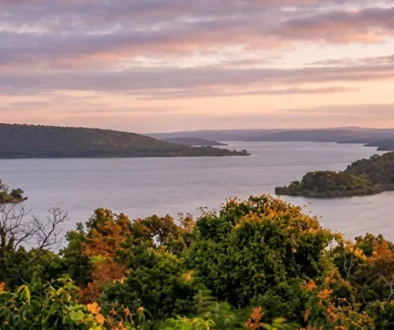
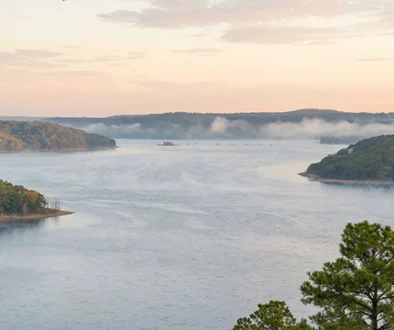
Toledo Bend Reservoir sits on the Louisiana-Texas border like it owns the place. At 185,000 acres, it stands as the South’s largest man-made body of water and a powerhouse fishery. This massive lake is a two-time Bassmaster champion for being the best bass fishery in America. Take the Challenge and Fly Fishing Bass at Toledo Bend Reservoir.
Most anglers show up with shiny fiberglass boats packed to the gills with conventional gear. You will see decks lined with every baitcasting reel imaginable. However, fly fishers are starting to make their mark on this legendary water.
We are catching the same trophy largemouths while everyone else wonders what we are doing. The bass here aren’t your average fish. They have been stocked with Florida-strain genetics since the 1980s.
Over 30 million fingerlings have been released to create true monsters. The lake record flirts with 16 pounds. Double-digit catches happen regularly on this massive bend reservoir.
Fly fishing this giant reservoir is wildly underrated. While conventional anglers crowd the main lake points with forward-facing sonar, fly rodders act differently. We slip into backcountry coves and target shallow zones.
There are no humming motors and no crowds in these skinny waters. It is just you, a long rod, and bass that hit flies like they have been personally insulted. It is time to fish Toledo Bend differently.
Table of Contents
Reason Fly Fishing Bass at Toledo Bend Reservoir Works Better Than You’d Think
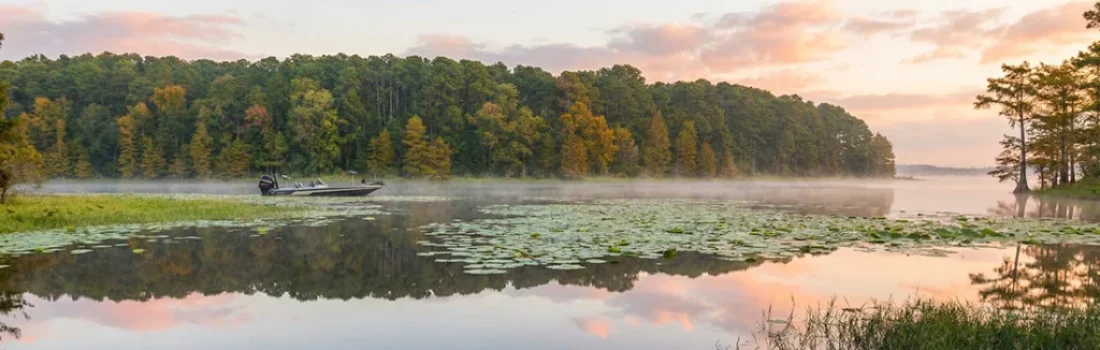
The habitat at Toledo Bend is perfect for fly casters. Flooded standing timber creates excellent structure everywhere you look. This timber has been there since they dammed the Sabine River in the 1960s.
Hydrilla has made a huge comeback in recent years. This vegetation forms edges that hold shad and crawfish. These edges act as prime bass forage areas where predators wait.
Shallow flats in the backs of creeks and protected coves offer amazing access. You can wade carefully or pole a boat into spots where big bass ambush prey. This shallow water action is ideal for a floating line.
While gear anglers burn lipless cranks over grass, you can offer something subtler. You are popping a deer-hair bug over the top of heavy cover. You watch for explosions that make conventional topwater lures look tame.
Current conditions as of late 2025 show lake levels around 168 feet. This is about four feet low, which exposes more timber. That is normal winter drawdown for the lake area.
Water temps in the 50s and 60s mean bass are moving deeper. However, they are still hittable shallow on warmer days. The fluctuating water temperatures play a huge role in fish location.
According to South Toledo Bend Guide Services, this has become a destination spot for anglers chasing 10-pound bass. The Florida genetics combined with abundant forage create perfect conditions for trophy fish. This is the place for big fish hunters.
Recent fishing reports show solid action on subsurface patterns. Fly Fishers are scoring on Clousers and hollow-body flies imitating shad. The bite remains consistent even when the weather turns.
Toledo Bend Lake offers immense public land access. This allows anglers without boats to find good water. You can explore miles of shoreline that rarely see a lure or fly.
Best Times to Target Bass with a Fly Rod
Timing matters when fly fishing for bass at Toledo Bend Reservoir. You do not want to show up in the dead of summer without a plan. You might end up sweating through your waders while bass sulk in 30 feet of water.
The great American spring is the golden era here. From February through May, the lake comes alive. Prespawn and spawn movements bring big females shallow.
Early spring offers the best shot at a personal best. You can sight-fish beds in clear coves or blind-cast poppers along hydrilla edges. This is when the bass concentrate in predictable areas.
Explosive topwater action in low light is common. Bass smash frog patterns with reckless abandon. It feels like they are auditioning for a horror movie scene.
Fall from September to November brings schooling bass chasing shad. Intermediate lines and streamers shine during these months. You need to strip fast and hang on tight.
These fish mean business as they feed up for winter. The main lake points often hold large schools of baitfish. Bass ambush them from below, creating boiling surface activity.
Winter from December through February is a favorite for hardcore fly folks. You definitely won’t find anyone ice fishing here in East Texas. Instead, you slow down with sink-tips and Clousers along creek channels.
Jigging spoons work for gear guys in deep water. Fly equivalents like heavy streamers pull fish from 15 to 25 feet. We use high-density sinking lines to reach these deep ledges.
Warmer afternoons push bass shallow again. This is perfect for poppers when everyone else is bundled up complaining. You can enjoy solitude while others stay home.
Summer requires a different approach entirely. Stick to dawn and dusk topwater only. Bass go deep during the day, turning fly fishing into a sinking-line workout.
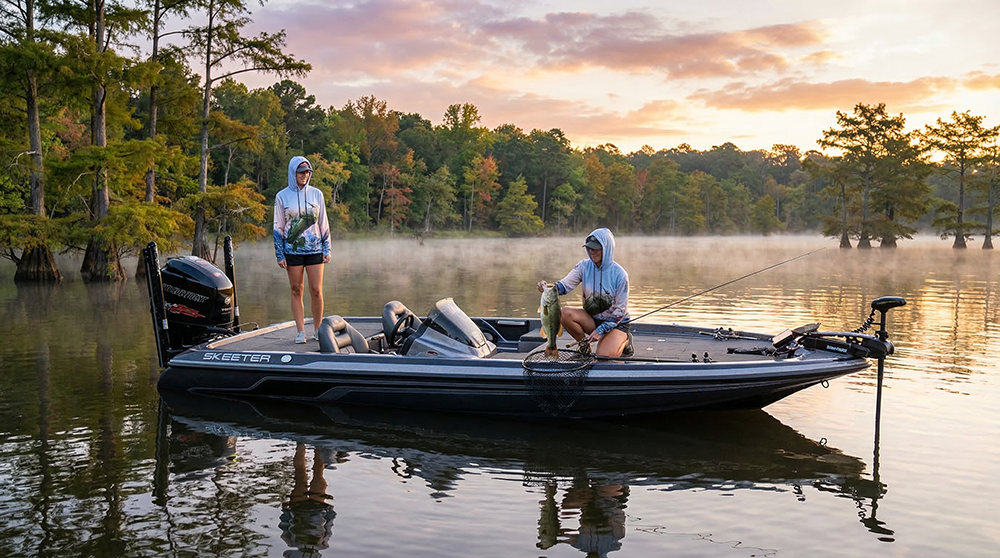
Pro tip: Check lake levels and reports before you go. Low water concentrates fish but exposes stumps. That creates excellent habitat for targeting structure with flies.
To help you plan, here is a breakdown of seasonal tactics:
| Season | Target Depth | Best Fly Patterns |
|---|---|---|
| Early Spring | 2-6 Feet | Crawfish patterns, large streamers |
| Spawn (Spring) | 1-4 Feet | Bluegill patterns, lizards, floating worms |
| Summer | 15+ Feet or Surface | Dredging streamers or dawn/dusk poppers |
| Fall | Surface to 10 Feet | Shad imitations, Clousers, spoonflies |
| Winter | 12-25 Feet | Heavy weighted Clousers, dredging flies |
Gear That Won’t Let You Down
Toledo Bend bass are not polite creatures. They live in heavy cover and fight dirty. Your delicate 5-weight trout rod will snap like a twig here.
Rods should be 8 to 10 weight fast action. A 9-weight is the sweet spot for most days. It handles wind, big flies, and 10-pounders towing you into timber.
Reels need to be large arbor with smooth drag. You need at least 200 yards of backing. These fish run hard and will wrap you around stumps.
Lines matter just as much as the rod. Floating weight-forward for poppers is standard gear. You will also need an intermediate or sink-tip for subsurface work.
A clear intermediate sink tip is vital for spooky fish. It helps get the fly down without alerting the bass. This setup works wonders on clear bend lake flats.
Leaders and tippet should be 9 to 12 feet tapered to 15 to 20 pound fluoro. Heavy cover demands stout tippet. There is no room for 4X nonsense here.
Other essentials include a stripping basket. Hydrilla clogs loops and ruins casts. A basket keeps your line managed and ready to shoot.
Bug spray is critical because mosquitoes are vicious in the humid South. A boat or kayak helps you access the best spots. However, you can wade if levels allow, just watch for drop offs.
When packing for the family, remember this is a place for outdoor family fun. Bring appropriate life jackets for everyone. Safety on a lake this size is paramount.
The Flies That Actually Catch Bass
Bass flies are ridiculous in the best way. They are big, noisy, and designed to make largemouths angry. You are looking for reaction strikes as much as feeding strikes.
Topwater poppers and divers are the stars of the show. Deer-hair bugs push a lot of water. Foam poppers in frog, white, and chartreuse colors all work well.
Boogle Bugs and Schmidterbugs are reliable choices. You want anything that gurgles and disturbs the surface. Strip, pause, strip to trigger heart-stopping blowups.
Streamers include Clouser Minnows in chartreuse and white. Black or gray and white combinations also work. These serve as primary shad imitations.
Deceivers, Seaducers, and Double Bunnies work for bigger profiles. EP fibers make excellent baitfish patterns that shed water easily. This makes casting large flies much easier on your arm.
Subsurface specials like Spoonflies are deadly. Sqworms act as fly rod versions of plastic worms. Crawfish patterns produce well near the bottom.
The Bass Bully works well in summer heat. Hollow-body shad flies shine when bass school up in the fall. You need a variety of weights to cover the water column.
Colors should match the hatch whenever possible. Shad patterns use white and gray tones. Craw patterns utilize brown and orange hues.
Frogs are best imitated with green, yellow, and black. However, sometimes a bright color triggers aggression. Do not be afraid to throw something gaudy.
Techniques vary by season and water temperature. Quick strips trigger reaction strikes in warm water. Slow retrieves work better in cold water.
Target edges, timber, and main lake points. In winter, slow-roll heavy Clousers along drops. You want the fly to bump the bottom occasionally.
Recent reports mention fly rodders crushing fish with chartreuse and white Clousers. White Wiggle Fish topwaters are also moving fish. The Louisiana Department of Wildlife and Fisheries tracks fishing reports and can provide current updates.
Fly tying for Toledo Bend bass is a fun hobby in itself. You can create custom patterns for specific situations. It adds another layer of satisfaction to catching largemouth bass.
Where to Find Bass Without the Crowds
Toledo Bend is huge at over 1,200 miles of shoreline. You can avoid the bass boat armada if you know where to look. Finding your own water is part of the adventure.
The north end on the Louisiana side holds promising water. Creeks like Housen Bay, Negreet, and Six Mile are legendary. These areas offer shallow spawning flats and plenty of timber.
Mid-lake around the 1215 area offers different structures. The Pendleton Bridge area has points, humps, and thick hydrilla beds. These spots hold fish year-round.
The south end on the Texas side includes Indian Creeks. This area features deeper structure but good flats nearby. It is a great place to search for white bass schooling on the surface.
Backcountry remote coves accessible by kayak are gold mines. Shallow-draft boats act as a fly angler’s paradise. You can reach water that bass boats simply cannot access.
Public access is available at North and South Toledo Bend State Parks. Marinas like Cypress Bend also offer launch points. For more information on Louisiana state parks, visit the Louisiana state parks website.
Licensing has a helpful quirk here. Boat anglers can use a Texas or Louisiana license on the water. Shore fishing requires the license for the state you are standing in.
This reciprocity makes it easy to fish Toledo Bend. You do not have to worry about crossing an invisible line in the water. Just make sure you have a valid license on your phone or in your pocket.
Reason Winter Fly Fishing for Bass at Toledo Bend Reservoir Rocks
As of December 2025, the water is cool and crowds are gone. Bass stage along channels and move shallow on sunny days. This is the time for serious anglers to fish Toledo Bend.
Slow retrieves with sink-tips work best. You need to be patient and methodical. The fish typically hold tight to cover during these colder months.
Clousers bumped along drops produce fish. Poppers in protected pockets still get strikes in the afternoon. Fewer boats mean peaceful casting and the kind of solitude most anglers dream about.
Winter fishing requires mental toughness. The action is slower but the quality of fish is often better. Big females that have moved deep will still come up to eat on warm afternoons.
High water levels in winter can flood new cover. This gives bass more places to hide shallow. You might find them right up in the brush.
According to research on fly fishing techniques, the methodical approach needed in cold water improves your skills. You learn to read water better. You also make more precise casts to structure.
What to Do Around the Lake
When you are not fishing, the area has plenty to offer. About 15 miles south of Many on U.S. Highway 6, you will find Hodges Gardens. The gardens opened to the public in 1956 and became a state park in 2007.
This region is also great for outdoor family activities. You can engage in outdoor cooking at the many campsites. The smell of barbecue is always in the air around the lake.
For lodging, dining, and area information, check out Toledo Bend Lake Country. The region caters to anglers with multiple marinas and accommodations. You can find everything from luxury cabins to simple campsites.
If you are into hunting, keep an eye on the local rut update. The area is known for big bucks and deer hunting. It creates a true sportsman’s paradise in East Texas and Western Louisiana.
People looking for nightlife won’t find much around Toledo Bend itself. But you can reach Shreveport, Louisiana, about 90 minutes from Many. The Shreveport area offers music and casino gambling.
Drivers could also reach Houston in three hours. Dallas is a four-hour drive away. New Orleans takes about five hours to reach.
About 30 miles east of the lake, visitors can explore Natchitoches. This is the oldest city in the Louisiana Purchase. It offers great food and history for a day trip.
You might pick up a current issue of a local outdoor magazine while in town. It is a good way to read an article about local trends. Just ignore the ads and look for the fishing reports.
Understanding the Bass Population
Florida-strain largemouth bass grow larger and faster than northern largemouths. The stocking program at Toledo Bend started in the 1980s. This initiative has created a world-class fishery.
These bass are aggressive and opportunistic feeders. They will eat shad, crawfish, frogs, and just about anything else. That makes them perfect targets for fly fishing.
They are willing to hit well-presented flies with force. You do not have to beg these fish to eat. You just have to put the fly in front of them.
Kentucky spotted bass also live in the reservoir. They are smaller than largemouths but fight incredibly hard. Many anglers catch both fish species in the same day.
White bass school in the open water and offer fast action. They are great fun on lighter tackle. You can often find them breaking the surface in the evening.
The combination of abundant forage and excellent habitat drives growth. Quality genetics mean trophy bass are always possible. That is why Toledo Bend consistently ranks as one of America’s top bass lakes.
Fish spawning activities usually happen in waves. This keeps the shallow water bite going for months. You can target different stages of the spawn from February through May.
Regulations You Need to Know
Fishing regulations vary between Louisiana and Texas sides of the lake. Make sure you understand the rules before you fish. Ignorance of the law is not a valid defense.
For details on Louisiana regulations, visit the Louisiana Department of Wildlife and Fisheries or call 318-676-7594. Texas regulations are available through Texas Parks and Wildlife Department. Both agencies provide digital issue handbooks for download.
When you purchase a license online, you will likely encounter a privacy policy. Review your privacy choices if you are concerned about data. However, the most important thing is getting that license number.
Daily bag limits and size limits can change. Season dates are also subject to adjustment. Always check current regulations before your trip.
Conservation helps maintain the quality fishing that makes Toledo Bend’s waters special. Catch and release is encouraged for trophy fish. Let them go so they can grow even bigger.
We want to keep this American spring tradition alive for the next generation. Respect the resource and the other anglers. It ensures the fishery remains healthy for years to come.
Conclusion of Fly Fishing Bass at Toledo Bend Reservoir
Fly fishing for bass at Toledo Bend Reservoir is the ultimate flex in a lake dominated by power fishing. You get bigger fights and explosive eats. You also earn serious bragging rights when you land a lunker on fur and feathers.
Toledo Bend is not just a bass factory. It acts as a fly angler’s hidden gem in the South. The combination of massive size and quality habitat creates perfect conditions.
Trophy genetics ensure the fish typically grow to impressive sizes. While conventional anglers crowd the main lake, fly fishers slip into backcountry spots. We catch the same fish with more finesse and often more fun.
Grab your heavy rod and tie on a popper. Get ready for chaos in the timber. The bass are waiting at Toledo Bend, and they are not gentle.
Whether you are targeting shallow spawners in spring or probing deep channels in winter, the experience is unmatched. Fly fishing for bass at Toledo Bend Reservoir delivers action that will make your arm tired. Your face will hurt from smiling after a day on this Lone Star treasure.