Fly Fishing Bass on Clarks Hill Reservoir: Guide to Georgia-South Carolina’s Monster Lake
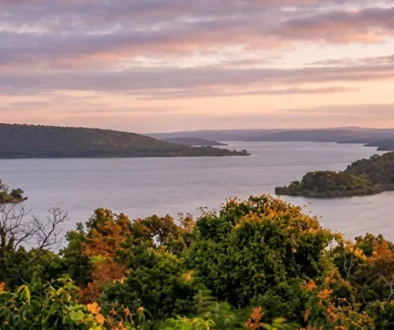
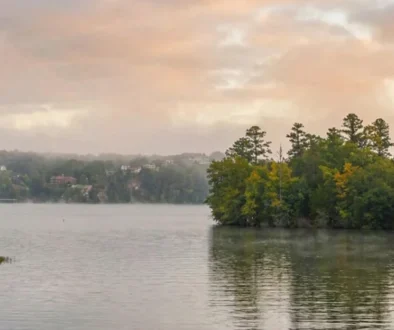
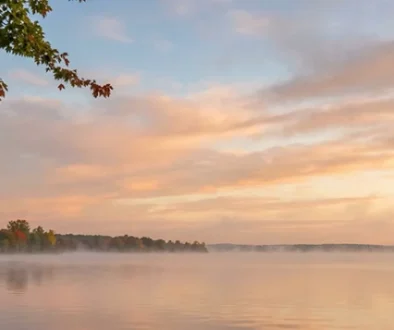
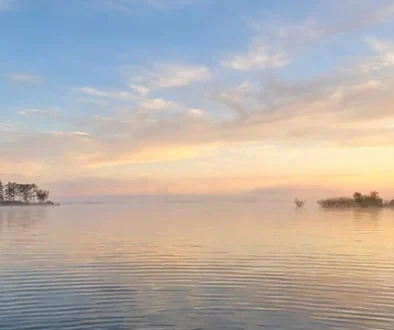
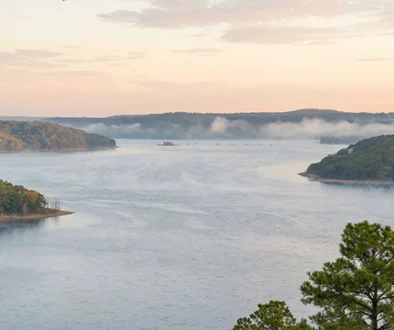
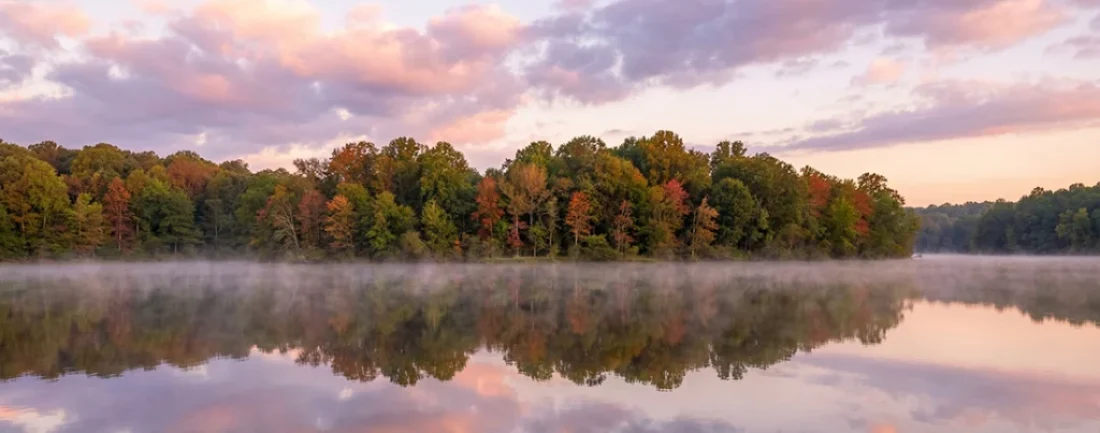
Clarks Hill Reservoir sits right on the Georgia-South Carolina border like a massive liquid playground for Fly Fishing bass. This body of water acts as a magnet for anglers seeking a genuine fishing adventure on the fly. It is a place where you can test your skills against some truly powerful fish.
Oh, That’s what were calling it, Clarks Hill Reservoir – or J. Strom Thurmond Lake if you’re on the South Carolina side and feeling particularly bureaucratic.
This lake has over 71,000 acres of water and more than 1,200 miles of shoreline. That creates a lot of room to cast your fly and hunt for fish that can make your rod bend in ways you did not think possible. The sheer size of the water fish inhabit here is impressive.
For bass anglers who want to chase fish without all the tournament boats and spinning gear chaos, this place delivers. The reservoir produces largemouth bass that regularly hit the scales above five pounds. Some years bring double-digit monsters that make you question your tackle choices.
Why focus on fly fishing here instead of conventional gear? Because when a three-pound bass explodes on a popper at dawn, you feel every second of that fight through your rod. There is no buffer between you and the fish.
The challenge is real. The reward is often a bigger fish than you expected. Fly Fishing for Bass on Clarks Hill Reservoir is an experience that stays with you long after you leave the water.
Table of Contents
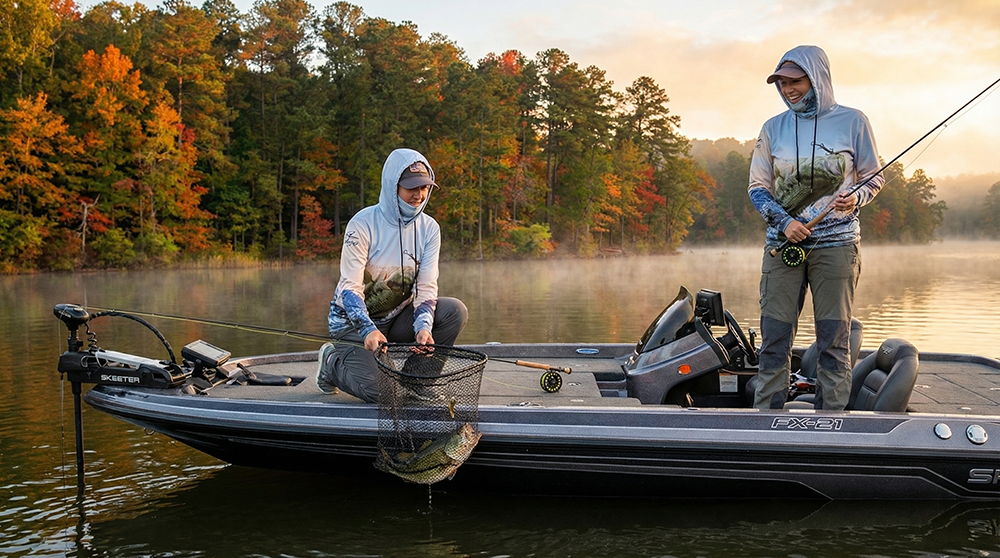
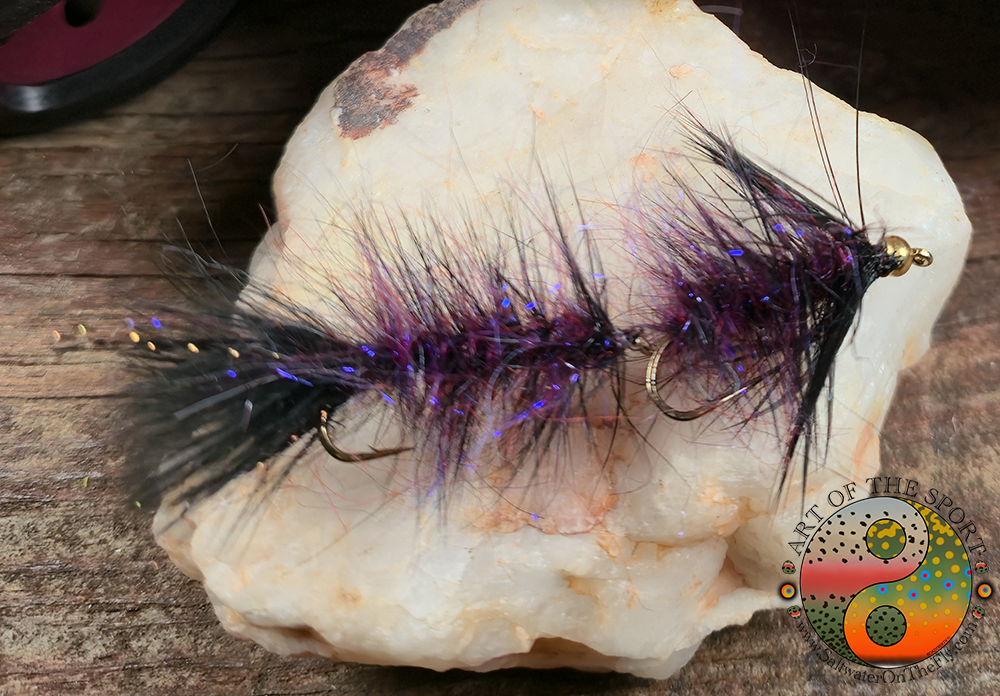
Articulated Blood Leech is a great pattern for Bass and Trout. I have caught serval dolly’s on this pattern in Canada. Even picked up a few walleyes on local lakes. On the water you need sun protection, the best in Performance Outdoor Fishing Apparel.
Quick History Lesson (Because Who Doesn’t Love a Name Controversy?)
Picture this: It’s the 1940s, post-WWII America is all about big projects, and the U.S. Army Corps of Engineers decides the Savannah River needs taming. Construction kicks off in 1946 on what was originally called Clarks Hill Dam (after a clerical error dropped the ‘s’ from “Clark’s Hill,” named for Revolutionary War hero Elijah Clark or some landowner – sources argue like politicians).
The dam finishes in 1954, flooding valleys to create a massive reservoir for flood control, hydropower, and recreation. It filled up quick – by 1952 – and suddenly we’ve got Georgia’s largest lake (third-largest man-made east of the Mississippi). Fast forward to 1987: South Carolina’s Senator Strom Thurmond gets the federal name changed to honor himself (classic politician move). Georgia throws a fit, passes a law keeping it “Clarks Hill,” and locals on both sides still call it whatever ticks them off less.
Moral of the story? Don’t get attached to lake names – they’re as changeable as bass moods. But the fishing? Timeless.
The lake’s been a bass mecca since day one, with healthy populations of largemouth, striped, and hybrid stripers. Blueback herring introductions in the ’80s/’90s turned largemouth into open-water predators, making them bigger and meaner. Tournaments flock here because, well, the fish are stupid-big sometimes.
What Makes Fly Fishing for Bass on Clarks Hill Reservoir Different
Clarks Hill isn’t your typical bass lake. Built back in the 1950s by the U.S. Army Corps of Engineers, this reservoir changed the Savannah River forever. It sits downstream from Lake Hartwell and upstream from the ocean.
The dam created flood control and hydroelectric power for the region. It also created one of the Southeast’s best fisheries for largemouth and striped bass. The history here runs deep.
Here is what separates Clarks Hill from other bass waters in the region like Lake Seminole or Lake Jackson. The lake has incredible structure diversity with standing timber, rocky points, and grass flats. Bass have endless places to hide and ambush prey.
Water clarity shifts depending on where you fish and what time of year you visit. Some areas stay stained while others clear up enough to see several feet deep. This affects your fly selection more than you might expect.
Temperature swings also play a major role in fish activity. Summers can push water temps into the mid-80s while winters drop them into the 40s. Bass behavior changes dramatically with these shifts, much like they do at West Point Lake.
The name itself sparks debate among locals. Georgia calls it Clarks Hill Reservoir while South Carolina officially named it J. Strom Thurmond Lake back in 1987. Most locals still say Clarks Hill regardless of which state they reside in.
Does the name matter when you are stripping a streamer past a submerged log? Not really. However, it is good to know if you are asking for directions or reading fishing news reports.
Essential Fly Fishing Gear for Clarks Hill Bass
You do not need a trout setup for bass at Clarks Hill. These fish demand heavier gear that can handle big flies and strong pulls. You need backbone to pull fish from heavy cover.
An 8-weight rod is the sweet spot for most situations. It casts large poppers without dying mid-stroke and handles largemouth bass up to eight pounds with ease. It gives you the power to turn a bigger fish.
Some anglers go up to a 9-weight for throwing huge streamers or dealing with wind. Others drop to a 7-weight for smaller topwater patterns or when targeting smaller schooling bass. Match your rod to the flies you plan to throw most often.
Your reel needs a solid drag system. Bass do not run like bonefish but a big largemouth can still strip line on the first surge. Make sure your reel holds enough backing to handle surprise stripers too.
Fly lines matter more than most people think. A weight-forward floating line works for topwater and shallow presentations. Add a sink-tip or full-sink line if you plan on fishing deep water.
Leaders should be simple and strong. A 9-foot leader tapered to 20-pound tippet handles most bass situations. You generally do not need delicate presentations when a bass is trying to eat something substantial.
Wire bite tippet is usually not necessary for largemouth. However, it helps if you find yourself fishing near stripers or hybrid stripers. Their teeth can slice through mono in seconds.
Flies come in two main categories for Clarks Hill. Surface flies and subsurface flies are the standard. Both have their moments depending on conditions and bass mood.
Top Fly Patterns for Clarks Hill Bass
Poppers are the classic choice for bass on top. These cork or foam flies push water and make noise when you strip them. Bass can not resist the sound of something struggling on the surface.
White, yellow, and chartreuse poppers work well in stained water. Natural colors like green and brown perform better when visibility improves. Carry a mix of sizes from small to obnoxiously large to start fish reacting.
Deer hair frogs and divers add variety to your topwater game. These patterns dive under the surface when stripped then pop back up. The action drives bass crazy around lily pads and grass beds.
Woolly Buggers remain one of the most productive subsurface flies for bass anywhere. Black or olive versions work at Clarks Hill. Strip them slowly near structure or let them sink deep over points.
Clouser Minnows imitate bait fish perfectly. Chartreuse and white is a proven color combo. Tie them weighted so they sink fast and get down to suspended bass quickly.
Deceivers work when bass are chasing herring schools. White or olive versions stripped fast through open water trigger aggressive strikes. These flies effectively mimic the jerk baits conventional anglers use.
Articulated streamers like the Game Changer offer big profiles that large bass love. They swim with realistic movement and push water like a fleeing baitfish. Throw these when you want to target trophy fish that usually eat crank baits.
Crawfish patterns produce around rocky areas and during post-spawn periods. Bass eat crawfish year-round but they key on them heavily after leaving spawning beds. Natural brown and orange flies work best.
Do not overlook simple patterns like Clouser Crayfish or Near Nuff Crayfish. These flies sink fast and bounce along the bottom just like the real thing. They work well on a rocky point.
Best Locations for Fly Fishing Bass on Clarks Hill Reservoir
The Little River area on the Georgia side offers steep banks and deep water close to shore. This makes it perfect for fly casting without a boat. Bank fishing here can be very productive.
Submerged timber and brush piles provide cover for bass waiting to ambush prey. Target these areas with streamers and poppers early in the morning. Fish hold tight to this wood cover.
Soap Creek and Murray Creek feature shallow flats and grass beds. These spots hold bass during spring and fall. Work topwater flies slowly through these areas and prepare for explosive strikes.
Keg Creek sits near the main Savannah River channel. Schooling bass roam this area chasing herring. Watch for surface activity and cast streamers into the feeding frenzy.
Big Creek and Bussey Point offer transition zones from shallow to deep water. Bass use these areas as highways between feeding and resting spots. Fish points and drop-offs with sinking lines.
Cherokee area and Parks Creek hold bass during hot summer months. Deeper structure keeps fish comfortable when surface temps climb. Focus on early morning and late evening for best results.
The damsite and tailrace area attract stripers and hybrid stripers. These are not largemouth but they hit flies hard. Bring heavier tippet if you fish here to avoid breaking off.
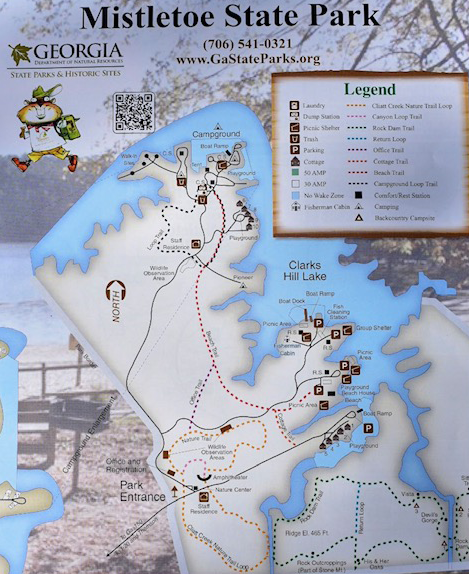
Mistletoe State Park provides bank access and boat ramps. The points near deep water consistently produce bass. This area gets fishing pressure but still delivers quality catches. This where we stayed.
Do not overlook small pockets and secondary creeks. Many anglers focus on main lake points and miss great fishing in overlooked spots like the Hart creeks. Explore until you find your own honey holes.
The table below outlines where to focus your efforts based on the season.
| Season | Primary Location | Key Structure | Recommended Fly Type |
|---|---|---|---|
| Spring | Creek backs & Shallow flats | Grass beds, Wood cover | Poppers, Woolly Buggers |
| Summer | Main lake points & Ledges | Deep brush piles, Drop-offs | Weighted Streamers, Clousers |
| Fall | Creek mouths & Bays | Schools of bait fish | Deceivers, Game Changers |
| Winter | Deep main lake channels | Steep banks, Rock piles | Slow-sinking Crawfish |
Seasonal Strategies for Clarks Hill Bass
Spring starts slow when water temps sit in the 50s. Bass begin moving shallow as temps climb into the 60s. Target creek mouths and shallow coves with darker colored streamers.
Pre-spawn bass feed heavily to prepare for spawning. This creates some of the best fishing of the year. Crawfish patterns and woolly buggers work well during this period.
Spawning happens when water hits the mid-60s to low 70s. Bass move to shallow flats and protected areas. Sight fishing becomes possible in clear water.
Use small poppers and divers around visible beds. Post-spawn bass scatter and feed aggressively. They are recovering from the spawn and need to eat.
This is prime time for topwater action with poppers and frogs. Summer pushes bass deep during midday heat. Early mornings and late evenings offer the best surface action.
Target shaded areas under docks and overhanging trees. Suspended bass over deep points become the main targets during hot weather. Use sinking lines and baitfish patterns.
Strip fast to trigger reaction strikes. Fall brings schooling activity as bass chase herring and shad. Watch for surface explosions and birds diving.
Cast streamers into the chaos and hold on tight. Water temps dropping into the 60s trigger the best fall fishing. Bass feed heavily before winter slows their metabolism.
This is trophy time if you are willing to put in the hours. Winter fishing slows dramatically when temps drop into the 40s. Bass become lethargic and hold deep.
Winter bass require patience. Slow presentations with weighted flies near bottom structure produce occasional bites. Most anglers give up too quickly during winter months.
Even when the air is cold, the fish hold near vertical structure. Find a steep bank and work it thoroughly. You can still catch big bass in the cold.
Techniques That Work for Fly Fishing Bass on Clarks Hill Reservoir
Topwater fishing requires patience more than anything else. Cast your popper near structure and let it sit completely still for several seconds. Let the rings dissipate.
Give it one sharp strip to create a loud pop. Pause again. Repeat until a bass explodes underneath it or you complete your retrieve.
The pause kills most anglers. They want to keep stripping. Bass often hit during that dead stop when the fly just sits there looking helpless.
Streamer fishing demands different timing. Strip your fly fast enough to trigger aggressive strikes but not so fast the bass can not catch it. Vary your retrieve speed until you find what works that day.
Sometimes bass want flies ripped through the water. Other days they prefer a slow, steady pull. Add pauses during streamer retrieves.
Let the fly sink for a second then resume stripping. This change in speed often triggers strikes from following fish. Sight fishing works during spring spawning periods.
Polarized sunglasses let you spot bass on beds or cruising shallow water. Approach quietly and cast beyond the target. Strip the fly past the bass without hitting it in the face.
A fly that swims by naturally looks less threatening. If the bass ignores your first cast, wait several minutes before trying again. Repeated casts spook bedding fish faster than anything else.
Deep fishing with sinking lines requires counting down your fly. Cast out and count to ten before starting your retrieve. If that does not produce strikes, count to fifteen next time.
Find the depth where bass are holding then work that zone consistently. Suspended bass often stack at specific depths following bait fish schools. You must cover water efficiently to find them.
If you see a fish attractor marked on a map, fish it. These man-made structures are magnets for bass. A sinking line helps you probe the depths of these attractors.
Dealing with Clarks Hill’s Environmental Challenges
Hydrilla invaded Clarks Hill decades ago and created serious problems. This invasive aquatic weed choked out native plants and made boating difficult. The Army Corps of Engineers fought back with herbicides and grass carp.
The grass carp ate the hydrilla faster than it could grow. Now most of the hydrilla is gone but so are many native plants. This loss of vegetation changed bass habitat.
Fewer weeds mean less cover for small fish and bait. It also reduces oxygen production and water quality. Restoration efforts are underway to replant native vegetation.
These projects take years to show results but they are critical for long-term fishery health. Water level fluctuations affect fishing conditions throughout the year. The Corps manages water levels for flood control and power generation.
Full pool sits at 330 feet deep but levels drop regularly. Low water exposes structure and concentrates bass in smaller areas. This can improve fishing temporarily.
It also stresses fish populations if levels stay low too long. High water floods new wood cover and spreads bass out. This makes them harder to find but also provides more feeding opportunities.
Check current water levels before your trip. The Corps publishes daily updates on their website. Knowing the level helps you plan where to fish.
Pollution remains a concern like any large reservoir. Agricultural runoff and development affect water quality. Following catch and release practices helps maintain healthy bass populations.
Clean your boat and gear between trips to different waters. Invasive species spread easily on dirty equipment. Nobody wants to be responsible for the next hydrilla invasion.
Planning Resources and Licensing
Before you fish Clarks Hill, you need to understand the licensing. Georgia requires anyone 16 and older to have a fishing license. South Carolina has similar age requirements.
Both states offer daily, annual, and lifetime license options. If you fish both sides of the lake, you technically need licenses from both states. The border runs right through the middle of the reservoir.
Most anglers pick one side and stick with it to avoid buying two licenses. Check which state controls the boat ramp you launch from and buy that license. License fees support fisheries management.
Keep your license with you while fishing. Game wardens patrol the lake regularly. Fines for fishing without a license are not worth the risk.
When researching where to fish, check online for recent fishing news. Many websites offer detailed reports. However, verify the source before you trust the information completely.
Local expert Ronnie Garrison has shared a wealth of knowledge about this lake over the years. His tips can cut down your learning curve. Look for articles or guides that reference his techniques.
Be aware that some online maps have all rights reserved regarding their data. Use them for reference but do not rely on them exclusively for navigation. Always check the privacy policy and subscriber services of any paid fishing report site you join.
Anglers from North Carolina often travel down to experience the action here. They find the Georgia bass fishing to be worth the drive. It compares favorably to other regional destinations like West Point.
Safety Considerations on a Large Reservoir
Clarks Hill is massive and weather changes quickly. Calm mornings can turn into dangerous afternoons with little warning. Check weather forecasts before heading out.
Wind creates waves that make fly casting difficult and boating dangerous. Thunderstorms develop fast during summer months. Wear a life jacket if you are fishing from a boat or kayak.
It sounds obvious but people skip this step constantly. A life jacket only works if you wear it before you need it. Tell someone where you are fishing and when you plan to return.
Cell service exists in most areas but not everywhere. Having a backup communication plan makes sense. Bring more water than you think you need.
Summer heat causes dehydration faster than most people realize. Fishing all day without enough water leads to bad decisions. Sun protection matters year-round.
Sunscreen, a hat, and protective clothing prevent burns that ruin trips. Water reflects UV rays and intensifies sun exposure. Know the location of boat ramps and emergency services.
The lake is huge and getting help can take time. Wildwood Park and Amity Recreation Area offer easy access points. Stay safe so you can return to limit bass another day.
Reason Fly Fishing for Bass on Clarks Hill Reservoir Is Worth Your Time
This reservoir offers everything a bass fly angler wants. You have the chance at big fish, diverse structure, and enough water to explore for a lifetime. It is a vast playground for the adventurous angler.
The challenge of presenting flies to educated bass keeps things interesting. These fish see plenty of lures and pressure. Making them eat your fly requires skill and persistence.
Topwater strikes create memories that last forever. Watching a bass launch out of the water to crush your popper never gets old. That visual connection beats conventional gear every time.
The solitude factor matters too. Fly fishing naturally separates you from tournament crowds and conventional bass anglers. You can find quiet water and fish at your own pace.
Whether you are casting near a rocky point or working a creek channel, the potential for a trophy is always there. The combination of beautiful scenery and fighting fish makes every trip worthwhile. Grab your rod and discover why the bass good times never seem to end here.