Pickwick Lake Bass Fishing History: Fly Fishing Bass on Pickwick Lake Tennessee
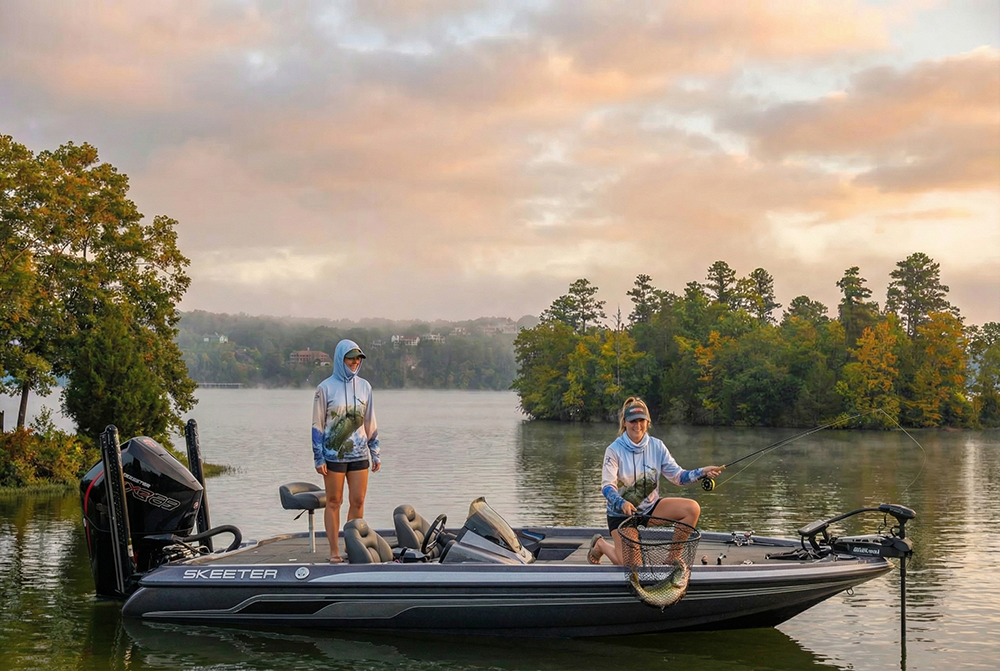
Listen up, you fly-casting rebels and bass-chasing gluttons for punishment who refuse to use standard tackle. Are you sick of hearing conventional anglers brag about heavy largemouths while your 9-weight rod out-fishes their electronics? Welcome to the definitive experience of Fly Fishing Bass on Pickwick Lake Tennessee, where the river rewards the bold and the persistent.
This is no polite trout stream where small fish sip tiny midges from the water’s surface. Pickwick stands as a massive 43,000-acre Tennessee Valley Authority beast that offers some of the best Pickwick Lake bass fishing in the region. Think about 500 miles of shoreline packed with submerged stumps, thick hydrilla mats, rocky ledges, and aggressive bass.
We are targeting smallmouth bass that fight like caffeinated honey badgers and largemouth bass plotting world domination from the dark cypress shadows. You will experience elite Tennessee River fly fishing because nobody needs a baitcaster to experience topwater glory. Grab your heaviest rods and prepare for a wild ride on the Tennessee River.
Table of Contents
Named after Charles Dickens’ famous novel, this lake exists because an 1800s postmaster possessed a literary sense of humor. Back in the 1840s, the area served simply as a sleepy riverboat stop along the main Tennessee River. Fast-forward to the Great Depression, and Franklin D. Roosevelt’s New Deal crew arrived with massive construction plans.
Construction on Pickwick Landing Dam, a cornerstone of Tennessee River fly fishing infrastructure, kicked off in 1935. The government felt an intense hurry to flood the entire valley in the name of industrial progress. The new dam tamed the treacherous Muscle Shoals while creating 43,100 acres of deep reservoir water for Pickwick Lake bass fishing.
It provided the surrounding region with vital flood control, commercial barge navigation, and cheap hydroelectric power. Pickwick actually became one of the very first all-electric towns in the United States. The towns of Waterloo and Riverton unfortunately got sacrificed and submerged to make this modern miracle happen.
Families relocated their homes, workers moved over 400 graves, and engineers rerouted countless miles of country roads. By 1972, the old construction worker village transformed into the modern Pickwick Landing State Park. Today, it stands as a massive recreation mecca for boating, hiking, and incredible bass fishing.
Tennessee River Fly Fishing: Why Fly Fishing Bass on Pickwick Lake Tennessee Beats Conventional Gear
Let us be completely honest about the dominant fishing culture on this particular body of water. Most folks hit Pickwick with heavy spinning rods, Alabama rigs, and enough electronics to launch a modern space shuttle. They certainly catch fish, but you are out there slinging a 9-weight rod to make things interesting.
You pop a deer-hair bug and feel that unmistakable thunk when a bass violently inhales your fly. Fly fishing on Pickwick shines in the shallow creeks and around heavy structure where conventional gear usually snags. Topwater explosions at dawn happen regularly when you place a popper near the grass edges.
Streamer patterns stripped in the heavy current seams produce aggressive strikes from hungry fish all day long. Smallmouth bass absolutely love the rocky upper lake, while largemouth bass rule the heavily vegetated backwater sloughs. Spotted bass act like chaotic neutrals that will aggressively hit absolutely any fly pattern you throw.
Conventional anglers secretly envy the intense fight you get on high-quality fly fishing gear. You experience zero line stretch, pure connection to the fish, and the smug satisfaction of tying your own patterns. Some days the fish want a loud crankbait much more than your artisanal, hand-tied fly. That’s when I throw flashy Gurglers.
Key Takeaways
- Pickwick Lake offers 43,000 acres of prime bass habitat created by the TVA in the 1930s.
- Fly anglers excel in shallow water, creeks, and heavy structure where conventional gear often fails.
- Expect to encounter largemouth, smallmouth, and aggressive spotted bass across different lake zones.
Best Spots for Pickwick Lake Bass Fishing: Top Locations for Tennessee River Bass Fishing
Pickwick spans a massive geographic footprint, meaning you need a solid strategy before launching your boat. Without a clear plan, you will likely spend the entire day motoring around the reservoir like a lost tourist. Fly fishing truly shines in the shallow-to-mid-depth structure where you can visually track the aggressive take of a smallmouth bass.
Bear Creek and Yellow Creek Backwaters
These specific areas provide largemouth bass heaven with endless cypress trees, hydrilla mats, and submerged stump fields. Prespawn fish stage here in the spring, while fall brings a massive feeding frenzy on schooling shad. Cast poppers into the small pockets and watch the surface explode with violent strikes.
Coffee Slough
This expansive backwater offers one to five feet of water filled with cypress, grass, and wooden stumps. This year-round bass factory is absolutely perfect for throwing floating lines and large streamer patterns. You will see much less boat traffic because the skinny water keeps the heavy fiberglass bass boats away.
Koger Island
This location features hidden stumps mixed with thick milfoil and hydrilla where big bass live year-round. Target the outer edges with heavy crayfish patterns to trigger aggressive strikes from territorial fish. This area demands precise casting and a sturdy 9-weight fly rod to succeed in the heavy cover.
Second Creek and Panther Creek
You want to fly fish for bass on Pickwick Lake Tennessee? Then listen up about Second Creek and Panther Creek. These spots are not for the faint of heart. They have rocky points everywhere. You will also find riprap along the banks. And plenty of shallow flats too. This makes them a prime location for bass. But it also means snags. Lots of snags. Get ready to lose some flies. It is part of the game.
Fly fishing here means you can wade. Or you can drift slowly. Both methods let you get close. You can target those rocky points. Bass hide there. They wait for an easy meal. Shallow flats are good for largemouth bass. They like to ambush prey. You need to cast accurately. Your aim matters a lot here. It means less time untangling. More time fishing.
Ledges Near the Main River Channel
The main river channel on Pickwick Lake is no joke. It holds some serious bass. You’ll find shallow hydrilla on top of these ledges. Then the bottom drops to 15 feet or more. This is prime Pickwick Lake summer fishing territory. Largemouth bass Pickwick Lake love to ambush from these depths. Smallmouth bass Pickwick Lake patrol the edges too. Spotted bass Pickwick Lake also crash the party here.
You need long casts to reach these fish. A fast retrieve with Pickwick Lake streamers works well. Try a Pickwick Lake Clouser Minnow. It mimics the abundant Pickwick Lake Gizzard Shad. The Pickwick Lake current helps your fly move. Look for Pickwick Lake current seams where fish wait. The Tennessee Valley Authority (TVA) dam releases make these currents. So, watch the TVA operating guide. Fish hug the Pickwick Lake structure. They feed on shad and Pickwick Lake Bluegill.
Pro Tip:
Always check the TVA operating guide for water release schedules before heading out. Dam generation creates the current that turns on the smallmouth bite, but fluctuating water levels can leave you stranded in the shallows.
Essential Fly Fishing Gear: The Top 13 Best Bass Fly Patterns for Pickwick
These thirteen specific patterns are battle-tested for imitating Pickwick’s shad, crayfish, bluegill, and frog forage base. Tie them in sizes 2 through 6/0 depending on how aggressive the fish feel on any given day. Use bright chartreuse and white for dirty water, and stick to natural colors for clear conditions.
Baitfish and Streamer Patterns
The Chartreuse and White Clouser Minnow acts as the ultimate workhorse for this entire lake system. Heavy dumbbell eyes get it down quickly, and it strips exactly like a terrified, fleeing shad. Smallmouth bass inhale it in heavy current seams, though it causes hilarious wind knots if your casting mechanics get sloppy.
Lefty’s Deceiver represents another classic choice that allows for long casts and a natural swimming action. Articulated Sparkle Minnows provide extra movement during the fall feeding frenzy when bass gorge themselves. Throwing this flashy pattern into a breaking school of gizzard shad means game over for the fish.
Topwater and Surface Bugs
A Yellow and Black Foam Popper reigns as the undisputed topwater king during the early morning hours. Gurgle it across the small hydrilla pockets at dawn for almost guaranteed surface explosions. The Gurgler is a noisy, floating surface fly that causes a massive commotion on the water.
Deer Hair Frog patterns are absolutely mandatory for fishing over the thickest vegetation mats. Skitter the frog across the heavy cover and pray for a massive blowup from a hidden largemouth bass. Terrestrial Hoppers offer a fun bonus for anglers walking the banks and casting tight to the grass.
Crayfish and Bottom Bouncers
Near Nuff Crayfish patterns completely dominate the rocky areas and deep river ledges. Bounce this heavily weighted fly on the bottom to make largemouths lose their minds in Bear Creek. This pattern also doubles as an irresistible snack for hungry smallmouths hunting in the rocks.
The Weighted Slumpbuster acts as a deep-water beast for targeting underwater points and steep drop-offs. Use a slow strip-strip-pause retrieve to trigger lethargic fish holding tightly near the bottom structure. Thank me later when you pull a monster smallmouth from the dark depths.