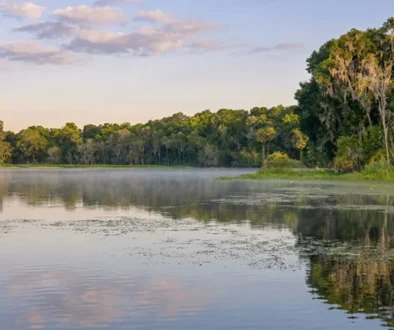
Guide to Lake Gogebic Bass Fly Fishing Michigan
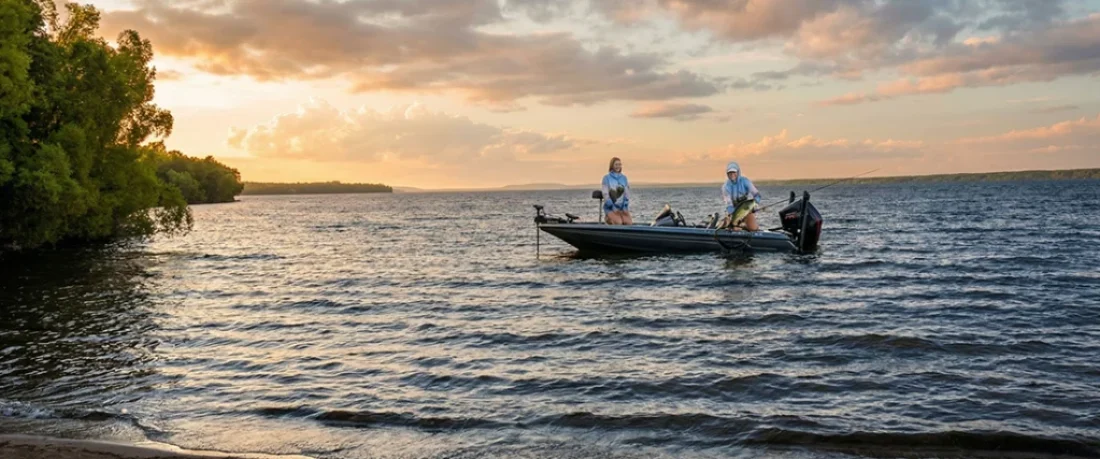
Lake Gogebic Bass Fly Fishing Michigan is the trip you start planning during a boring meeting, then end up actually booking. It is big water, wild country, and holds smallmouth that act like they are angry you showed up. While most folks are dragging live bait for walleye, you get the surface eats, the streamer chases, and the quiet coves to yourself.
This lake sits deep in Michigan’s Upper Peninsula, spread across two counties and even two time zones. It provides that rare mix of easy boat access and real backcountry vibes. You can chase bronzebacks at sunrise and hike or ride trails in the Ottawa National Forest in the afternoon.
If you are tired of crowded spots on famous smallmouth rivers, this place feels like a genuine escape. You do need a game plan though. Big inland waters can be overwhelming if you just wander out and start blind casting.
Table of Contents
Reason Lake Gogebic Works So Well For Fly Fishing Bass
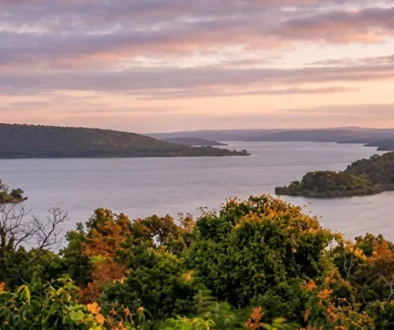
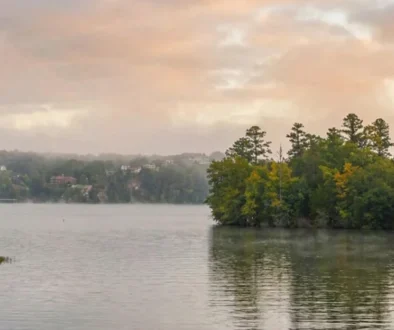
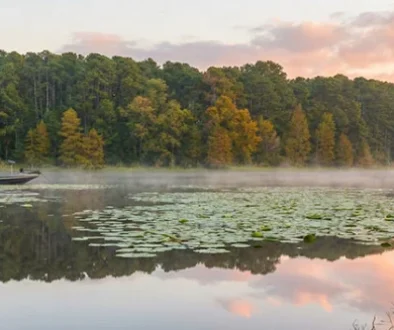
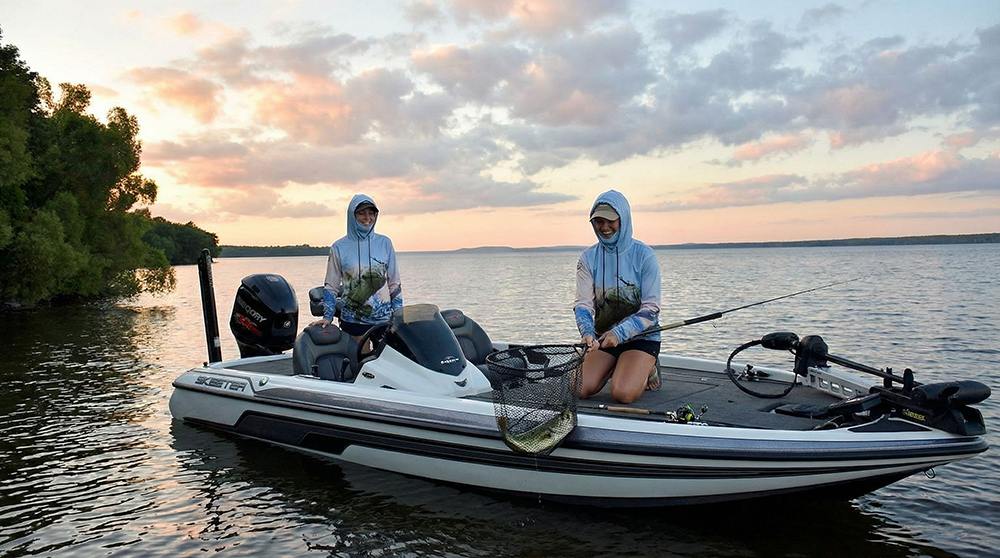
Lake Gogebic covers parts of Gogebic and Ontonagon counties, spanning more than 13,000 acres. It stands as the largest natural lake in the Upper Peninsula. Long rocky shorelines slide into gravel and sand flats, with thick cabbage weed beds and scattered fish cribs mixed in.
That variety creates perfect smallmouth habitat from ice out through late fall. You have spawning areas, summer weed edges, mid depth humps, and current around inflows, all in one system. This diverse structure supports a healthy smallmouth bass fishery that rivals many famous waters.
Local anglers share current patterns, water temperatures, and seasonal changes through regular Lake Gogebic fishing reports. You can scan the latest Fishing Report and the broader area Reports before you drive north. Checking these resources helps you avoid wasting time guessing where the fish are holding.
A Short, Honest Look At Lake Gogebic’s Bass History
Long before modern boat launches and fish cribs, this lake was a travel and food source for Native communities. Later, logging and early settlement reshaped shorelines and water levels as logs moved downstream. A dam was eventually built to control the flow.
Stocking programs tried lake trout and then walleye, with the Gogebic walleye eventually becoming the main draw for many anglers. Over the last few decades, however, smallmouth bass found everything they needed here. Their numbers exploded, creating a premier bass lake in the region.
The mix of rock, clean water, and good forage created strong year classes. Groups like the local improvement association worked with natural resources officials on habitat projects. These efforts helped bass, panfish, and predator species thrive together.
Seasonal Patterns For Lake Gogebic Bass Fly Fishing Michigan
To fly fish a big lake well, you must match your tactics to the season. Smallmouth here act differently in May than they do in August. They stay predictable once you recognize the prevailing patterns.
Spring: Ice Out Through Post Spawn
The transition happens fast once the ice fishing season ends. As soon as ice clears and the water warms into the mid 40s, bass begin sliding out of winter holes. You will find early season fish near gravel and sand close to deeper water.
Think about the south ends flats, shallow bays, and any shoreline with mixed rock and sand. Slowly stripped streamers and crawfish patterns fished low in the water column shine during early spring. These transition zones are critical for locating prespawn fish.
Watch water temperatures and wind with the local NOAA Weather page so you know which side of the lake will warm first. Slightly stained and warmer water often holds the first active bronzebacks of the year. Finding water even two degrees warmer can make a massive difference in catching fish.
Early Summer: Peak Fly Fishing Window
Once the spawn wraps and water temps push into the 60s, it is go time. This usually occurs around early June. Bass recover from spawning and then feed hard on baitfish and crayfish around rocks, weeds, and cribs.
This is prime time for a mix of floating and sinking lines. You can work poppers along weed edges at dawn, then switch to Clousers and crayfish patterns over drop offs once the sun climbs. The lake offers excellent opportunities for topwater action during this window.
Game and Fish Media points out that Michigan smallmouth fisheries shine through early summer because fish are shallow and active. Their broader bass regions coverage gives context to just how strong these northern waters can be. It is a period where fly anglers can outproduce conventional gear in shallow water.
Mid Summer: Topwater And Deep Edges
By July, bright skies and heavy boat traffic can push bass off the banks. The good news is you still get amazing morning and evening surface bites in 5 to 10 feet of water. Early morning is often your best bet for avoiding the midday sun.
Midday, work a sink tip or full sink line along main lake points, mid lake humps, and outside weed lines. Some fish may suspend near mid-lake mud flats where perch congregate. Crayfish flies that crawl along the rocks can out fish faster baitfish patterns during this period.
Hot stretches can slow things down, so it pays to check NOAA Weather for cooling trends. Storms often stir the lake and restart the bite by dropping water temperatures. Adapting to weather conditions is critical for mid-summer success.
Fall: Big Fish, Less Pressure
As water temps drop back through the 60s and into the 50s, Gogebic’s smallmouth put on weight. Baitfish bunch up around deeper edges and structure, and big bass stack nearby. This is often when the largest fish of the year are caught.
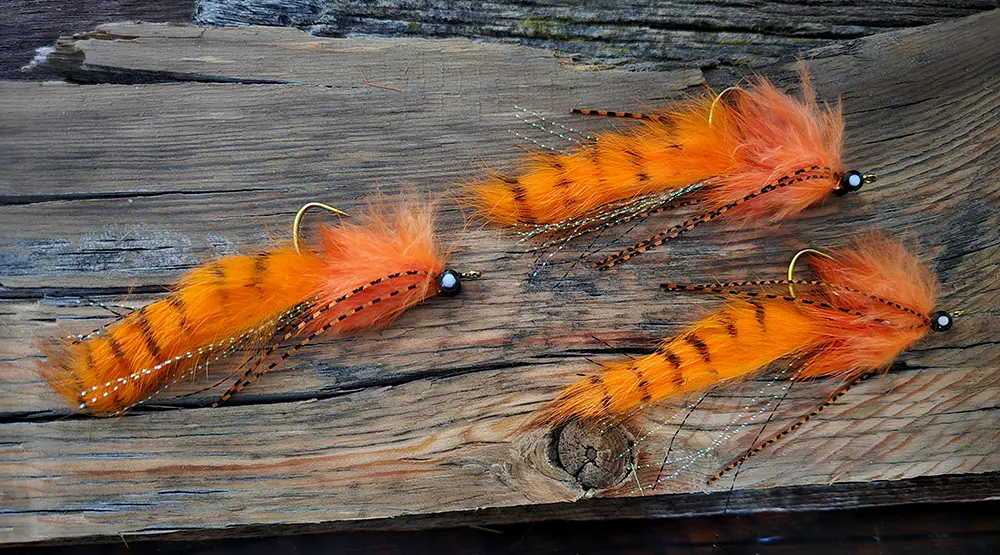
This is prime time for articulated streamers and Game Changer style flies. Slow pulls with long pauses often beat fast strips. You are looking for a reaction from fish fattening up for winter.
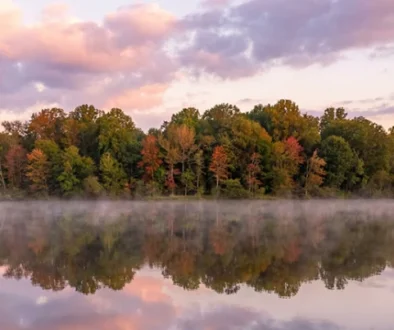
The crowds thin, the leaves change, and the whole lake feels wilder. If you are the kind of angler who likes big fish more than big numbers, this season can spoil you. Just be mindful of bag limits if you decide to keep any species.
Gear Setup That Works On Lake Gogebic
You do not need a truckload of rods to have a good trip. But this lake fishes smoother if you match rod and line to the wind, depth, and fly size. Personal preference plays a role, but heavier rods help punch through the wind.
Rod, Line, And Leader Basics
| Gear | Recommended Setup | Best Use On Gogebic |
|---|---|---|
| Rod weight | 7 or 8 weight, fast action | Handles wind, big bass, and pike |
| Floating line | Warmwater or bass taper | Poppers, sliders, shallow bugs |
| Sinking option | Sink tip or type 3 to 5 full sink | Drop offs, cribs, deeper structure |
| Leader | 7 to 9 feet, 10 to 15 pound tippet | General smallmouth use |
| Wire bite tippet | 20 to 30 pound light wire | Pike areas or big streamer days |
| Backup Rod | 6 weight, medium-fast | Calm days or panfish fun |
A stout 7 weight will turn almost any bass you meet on this lake and still be fun to cast all day. An 8 weight helps when the wind stacks waves along the west shore. The larger rod also helps turn over wind-resistant flies.
Bring spare leaders and tippet. Between rock, weeds, and the surprise pike, you will go through more than you think. You do not want to run to a local bait shop just for a leader.
The 11 Best Flies For Lake Gogebic Smallmouth
Local bass are aggressive, but they are not dumb. You want flies that cover different depths, shapes, and sounds. Popular methods involve rotating patterns until the fish commit.
- Foam or deer hair popper, size 2 to 6, in frog, black, or white colors.
- Clouser Minnow, olive or chartreuse and white, tied on size 1 or 2 hooks.
- Weighted Woolly Bugger in black or olive, sizes 4 to 8, fished like head jigs.
- Small articulated Game Changer, white or shad colors, for swimming action.
- Crayfish pattern like a Near Nuff style, rust or olive, size 4 to 6.
- Leftys Deceiver in natural baitfish shades to mimic local forage.
- Foam spider or Schmidterbug for subtle surface takes on calm days.
- Frog popper with rubber legs for pulling fish out of thick cabbage.
- Muddler Minnow fished as a waking baitfish or sunken sculpin.
- Sneaky Pete or similar slider for calm water and wary fish.
- Dragonfly or damselfly adult and nymph for mid to late summer hatches.
Tie or buy extras of anything that pushes water or imitates crayfish. Those flies will take the worst beating from rock and teeth. It is smart to carry varied sizes.
If you are brand new to chasing warmwater species, it can help to study broader fly fishing destination lists. Seeing how other lakes fish gives you a sense of strategy. The more water types you see, the faster patterns click here.
Best Areas To Target Smallmouth On Lake Gogebic
This lake is shaped like a stretched out boot, with different character at each end. Instead of beating the entire shoreline, break it down into zones and focus on the pieces that fit the season. This approach makes the vast water feel manageable.
South End Weeds And Bays
The southern basin holds thick cabbage and coontail that pull in baitfish, perch, and bass once the water warms. Weed edges in 5 to 10 feet are topwater heaven during low light. It is one of the most productive parts of the lake area.
During the day, fish the outside edges with sink tip lines and Clousers or crayfish patterns. Work parallel to the weed wall, not straight into it. This keeps your fly in the strike zone longer.
Many resorts and launches sit near this part of the lake, which makes it an easy place to start. You can launch early and be fishing productive water within minutes. It is a favorite zone for many regular visitors.
East Shore Rocks And Drops
Long sections of the east shoreline drop quickly into deeper water. Wind blown rock holds crayfish, so bass cycle through even in bright light. The structure here is steeper than the south end.
On breezy days, set drifts that move you across those edges in 8 to 15 feet of water. Use streamers that ride close to bottom, bumping stone now and then. This noise often triggers strikes from curious bass.
Changes in bottom type matter here. Anytime you find a transition from chunk rock to gravel or sand, slow down and work it harder. These transition zones act as highways for feeding fish.
West Shore Access And Mixed Cover
The west side runs parallel to Hwy M-64 and brings together rock, scattered timber, and easy shore access. It is one of the better places for wade anglers and kayak folks who want to stay close to a launch. You can access several spots right from the road.
Work points, any laydowns, and visible boulder fields. A popper early, followed by a streamer once the light climbs, is a simple plan that covers water well. This side often has wind protection in the morning.
For first timers, checking local current Lake Gogebic fishing reports gives clues about which side is holding bait. Knowing where the bait is helps you decide where to launch. The west shore is often a solid starting point.
Bergland Bay And North End Structure
The north end near Bergland Bay tends to be a little shallower overall. It features large bays, extensive weed growth, and cribs mixed through. This is an underrated stretch for early season smallmouth.
When water temps climb in spring, fish here can move shallow earlier than other areas. Cruise slowly, watch for beds and cruising bass, and then back off to deeper water before casting. Sight fishing is possible here on calm days.
Later in the season, weed lines, docks, and cribs all act as ambush points. Subtle poppers and spiders work well on calm mornings here. The famous Timbers Resort is located in this general area, offering a good landmark.
Cribs, Humps, And Inflows
Man made cribs sit scattered through the basin and around key shorelines. A sonar unit or a detailed map app is almost required to stay on top of them. These structures hold fish consistently throughout the year.
When you find one, back off and fish vertically with buggers or crayfish flies on a sink tip. Let the fly drop, lift slowly, then drop again. This mimics the action of the head jigs used by conventional anglers.
Mouths of inflows, like small creeks and rivers, matter after rains or in cooler periods. Current brings fresh food and slightly different temperatures. Both factors pull in bass and sometimes walleye.
Other Species You Will Meet While Fly Fishing Gogebic
Lake Gogebic is not just about bass. You will meet other residents even if you swear you are casting only for smallmouth. The lake offers a multi-species experience.
- Northern pike that smash streamers with zero warning near weed beds.
- Walleye that grab woolly buggers on deep edges or mud flats.
- Jumbo perch that eat small baitfish flies close to bottom.
- Bluegill and crappie that crash tiny poppers in weedy pockets.
- Brook trout may occasionally be found near cold water inflows.
A surprise pike on an 8 weight can be the most fun five minutes of your week. Just remember a short section of wire near toothy spots, so you are not feeding flies to every predator. Walleye fishing enthusiasts often share the same water, typically using slip bobbers or trolling.
Local Intel, Guides, And Trip Planning
You can absolutely learn this lake on your own. But a little help speeds up the process, especially on your first visit. Utilizing a guide service can save you days of searching.
Area guides and resorts live and breathe these conditions every day. The team at Eyes Guy, for example, offers multi species Guide Services along with useful Fishing details for visitors. They understand the nuances of the mid-lake mud flats and rock transitions.
Their home base ties in with lodging options like Timbers Resort or the nearby Pines Resort. This gives you one central place to sleep, launch, and gather current info before you head out. Staying at a shore resort simplifies the logistics significantly.
Conservation, Ethics, And Keeping This Fishery Strong
Healthy bass, jumbo perch, and decent walleye numbers do not happen by accident. They stick around because of good habitat, solid rules, and anglers who care about what they release. Respect for natural resources is part of the culture here.
Smallmouth in this lake grow slowly in cold northern water, so older fish represent a lot of years. A fish that is 18 inches long could be over a decade old. Treat them well and they will be there for the next time you visit.
Use heavy enough gear so you land bass quickly. Keep them wet and skip long hero shots on hot days. If you keep a few eaters, stick inside the current state limits posted each year.
Travel Style, Mindset, And Why This Lake Hooks So Many Of Us
Lake Gogebic fits that sweet spot for adventure travelers. You can fish hard, then step right into hiking, backcountry hunts, or quiet cabin time. In winter, the area transforms into a hub for snowmobiling.
The surrounding Ottawa National Forest offers hiking, dispersed camping, and backroads exploring. A trip to the Porcupine Mountains is an easy day excursion from the lake. Some anglers tie trips here into bigger fly fishing road swings through Michigan’s Upper Peninsula.
If you run your own business and try to line trips up with work and money goals, check out Forbes. Their look at fly fishing and financial planning shows how many owners build adventure into their schedules. Getting that part right means more mornings on quiet water and fewer years saying maybe someday.
There is even a fun mix of money talk and casting stories in the Finger Financial Five episode. It blends a backdoor Roth strategy with fly fishing themes. It is worth a listen on your drive north while you picture that first smallmouth crushing a popper.
Conclusion of Lake Gogebic Bass Fly Fishing
Lake Gogebic Bass Fly Fishing Michigan is for anglers who like their water big, their scenery wild, and their crowds small. The smallmouth are thick, strong, and ready to eat everything from foam frogs to heavy craw patterns. You just have to show up with a plan.
Use local Fishing Report pages, accurate NOAA Weather forecasts, and trusted guide services to shorten the learning curve. Pack that 7 or 8 weight, a small box of hard working bass flies, and a mindset that you are here to explore. Whether you stay at a cabin or camp in the forest, the experience is memorable.
If you like road trips that mix adventure, solitude, and strong fish, you will end up coming back. The Lake Gogebic offer of solitude and quality fishing is hard to beat. That first blow up on a quiet morning has a way of rewriting your bucket list.
Very Detailed Terminal Tackle for Bass Fly Fishing on Lake Gogebic (Because Losing Fish to Bad Knots Is for Amateurs)
Alright, let’s get nerdy – because throwing pretty flies at toothy, structure-loving smallmouth without proper terminal tackle is like bringing a Nerf gun to a knife fight.
For Lake Gogebic smallies, run a 7- or 8-weight rod (9-foot is perfect for boat or wade). Floating line for poppers and shallow work; intermediate or sink-tip (type 3-6) for stripping deeper along drops and cribs.
Leaders: Ditch those dainty trout leaders. Bass aren’t leader-shy like browns in gin-clear spring creeks. Go with a 7.5- to 9-foot tapered leader starting at 20-25 lb butt section and stepping down to 12-15 lb tippet. Many Gogebic fly anglers build their own: 3-4 feet of 20-25 lb fluoro, then 2-3 feet of 15-17 lb, finishing with 12 lb tippet for the last 2-3 feet. Fluorocarbon is king here – it sinks better for streamers and is more abrasion-resistant around rocks and zebra mussel shells
Tippet specifics
- Topwater/poppers/frogs: 12-15 lb fluoro (gives you turnover power without spooking fish in calm water).
- Streamers (Clousers, Game Changers, buggers): 15-20 lb. These fish hit hard and run for structure.
- Crayfish patterns bounced on bottom: Bump to 17-20 lb – rocks and gravel eat lighter stuff.
Knots that won’t fail when a 5-pound smallie goes airborne: Use the non-slip mono loop (perfection loop) for fly connection – it gives action. Improved clinch or Trilene knot for tippet-to-leader. For heavy butt to tippet, the blood knot or FG knot if you’re fancy. Double surgeon’s loop for quick changes.
Wire or shock tippet for the toothy bonus brigade: When pike are around (and they will be), add 6-12 inches of 20-40 lb wire (titanium or coated) with a good snap. Smallies have teeth too, but nothing like a northern’s chainsaw mouth.
Other terminal must-haves: Split shot or weighted flies for depth (no added weight below the hook per some regs). Strike indicators? Optional for slow nymphing crayfish, but most smallie work is active stripping. Polarized glasses are non-negotiable – you’ll spot fish on gravel bars and cribs. Bring extra leaders – wind, trees, and bad casts will eat them. Pro tip: Pre-tie a few 20 lb butt sections with loops so you can swap tippet fast when the bite turns on.
This setup turns your fly rod into a weapon instead of a comedy prop. Lose a fish because your knot slipped? That’s on you, buddy.
Here’s the straight scoop on the best types of crankbaits for bass – with a heavy lean toward smallmouth bass since that’s what dominates conversations about Lake Gogebic and similar clear, rocky northern waters. (Largemouth love the same stuff, they just tend to hang in thicker weeds and wood.)
Crankbaits are reaction baits that let you cover water fast, trigger aggressive strikes, and imitate crayfish, shad, or minnows – prime forage for bass. The “best” type depends on depth, cover, water clarity, season, and whether you’re targeting smallies (which often key on rocks/craws) or largemouth (more vegetation-oriented).
1. Squarebill Crankbaits (The Shallow Cover King)
These are the most versatile and popular for bass fishing, especially in 2-6 feet of water.
- Why they’re great: The square lip deflects off rocks, wood, stumps, and rip-rap without snagging as easily as round-bill cranks. They have a wide, erratic wobble that screams “injured baitfish” or “fleeing crawdad.” Perfect for smallmouth hunting crayfish on rocky banks or gravel bars.
- Best uses: Spring pre-spawn/post-spawn shallows, wind-blown shorelines, rock piles, and sparse weeds. Bounce them off structure – the deflection often triggers reaction strikes.
- Top recommendations:
- Strike King KVD 1.5 or 2.5 Squarebill (Kevin VanDam’s signature – deadly on smallies).
- Bandit 100 Series.
- Lucky Craft LC 1.5 Squarebill.
- SPRO Little John or Rock Crawler (great rattle and hunting action).
- Colors for smallmouth: Crawdad patterns (red/orange), chartreuse/blue back, sexy shad, natural browns/olives. In clear water (like Gogebic), go subtler; in stained, brighter.
- Gear tip: Medium cranking rod (7-7’6″), 10-17 lb fluorocarbon. Reel fast with occasional pauses or snaps.
If you’re only bringing one crankbait type for bass, make it a squarebill. It catches both smallmouth and largemouth year-round in shallow-to-mid depths.
2. Shallow Round-Bill or Finesse Crankbaits (Subtle & Natural)
- Why they work: Smaller profile, tighter wobble, less noise. Excellent when bass are finicky or in clear water.
- Best uses: Clear rocky lakes, post-frontal conditions, or when smallies are on subtle crayfish or minnow forage.
- Standouts:
- Rapala Shad Rap (classic finesse crank – runs 3-8 ft depending on size).
- Bomber 6A.
- Salmo Hornet.
- Bagley Balsa B or Sunny B (flat-sided versions shine for smallmouth).
These are deadly on Lake Gogebic-style fisheries where smallies relate to gravel and rocks in 4-10 feet.
3. Medium-Diving Crankbaits (The All-Around Workhorse)
Run 5-12 feet – perfect for transitions, ledges, and mid-depth flats.
- Why effective: Gets down to where suspended or staging bass hang without being too deep.
- Top picks:
- Rapala DT Series (DT4, DT6, DT10 – legendary for smallmouth; DT6 is a universal killer).
- Strike King 3XD or 5XD.
- Berkley Frittside (great rattle and action).
- When to use: Summer when smallies move off shallows to 8-15 ft rock piles or drops. Also great for covering water along weed edges.
4. Deep-Diving Crankbaits (Offshore & Ledge Specialists)
These dive 12-25+ feet for summer/winter smallmouth or suspended fish.
- Why they shine: Reach bass holding on deep structure, humps, or channel edges.
- Best options:
- Strike King 5XD or 6XD.
- Rapala DT14/DT16.
- Norman Deep Runner or DD22.
- Trolling note: On big lakes like Gogebic, deep divers (or lipless) get trolled effectively for walleye/smallmouth suspended over bait.
5. Lipless Crankbaits (Vibration Machines)
No bill – they sink and produce tight, thumping vibration.
- Why bass love them: Great for ripping through grass, over weeds, or in open water. Excellent in cold water or when bass are aggressive.
- Standouts: Strike King Red Eye Shad, Rat-L-Trap, Yo-Zuri Rattl’n Vibe.
- Uses: Spring in shallows, grass mats (yo-yo retrieve), or as a search bait. Smallies will smash them on rocky flats too.
Bonus: Flat-Sided Crankbaits
These have a tighter, subtler action than traditional round bodies. Many smallmouth specialists swear by them (e.g., Bagley flat balsa or similar) for clear water and pressured fish. They excel in cooler temps when a wide wobble is too much.
Quick Decision Guide for Bass Crankbaits
- Shallow rocks/wood/cover → Squarebill (KVD 1.5 style).
- Clear water/smallies → Finesse like Shad Rap or flat-sided.
- Mid-depth structure → Rapala DT6 or Strike King 3XD/5XD.
- Deep or suspended → Deep divers or lipless.
- Weeds/grass → Lipless or shallow squarebill over the top.
- Cold water → Tighter action (flat-sided or finesse).
- Dirty water → Loud rattle, bright colors (chartreuse, fire tiger).
Pro Tips for Success
- Line: Fluorocarbon (12-17 lb) for better feel and sink rate. Braid + leader in heavy cover.
- Retrieve: Steady reel with occasional pauses, twitches, or “kill it” moments. Deflections = strikes.
- Rod: Dedicated cranking rods with parabolic action (soft tip to load, backbone to set hooks).
- Seasonal: Pre-spawn/spring = shallow squarebills. Summer = medium/deep. Fall = mix of shallow and lipless.
- For Lake Gogebic smallmouth: Focus on squarebills and medium divers around rocky shorelines, wind-blown points, and cribs. Smallies here love crayfish imitations bounced off rocks. Pair with your fly rod days – when the wind howls or smallies go deep, switch to cranks for fast coverage.
Start simple: Grab a Strike King KVD 1.5 Squarebill, a Rapala DT6, and a Strike King 5XD. Those three cover 80-90% of bass situations on most lakes, including big UP waters like Gogebic.
Crankbaits are confidence baits – once you get the hang of feeling the “tick” off bottom or the deflection, you’ll wonder why you ever left them in the box. Tight lines, and may your next cast end in a violent smallmouth explosion!
If you’re tying this into a fly-focused trip on Gogebic, cranks make an excellent “search tool” or backup when the wind kills your backcast or the fish move deeper.
Medium-Light Spinning Rods for Perch, Crappie, and Bluegill on Lake Gogebic (The “Panfish Detour” That Saves the Day)
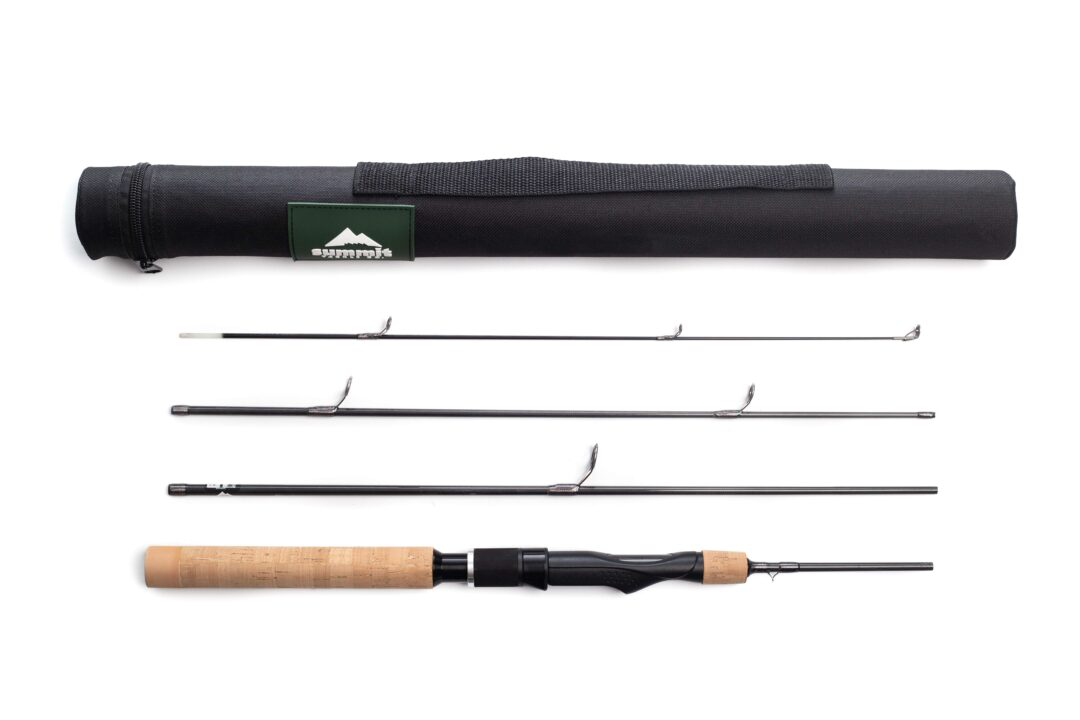
Sometimes the smallies are sulking, or you just want silly fun on light gear. That’s when you break out the medium-light (ML) spinning rods – think 6-7 foot, fast or moderate action, 4-10 lb line rating. Pair with 1000-2500 size reels spooled with 4-6 lb mono or 6-8 lb braid + fluoro leader.
For jumbo perch (“teeter pigs”): Light jigs (1/16 to 1/8 oz) tipped with wigglers, mayflies, or small plastics. ML rods give you the sensitivity to feel those subtle winter-like nibbles even in open water. Fish weed edges, rock piles, and transitions in 8-20 feet. Early season shallows on north/south ends are stupid good. These rods let you detect the bite without over-powering 1-2 lb perch.
Crappie: Same ML setup shines around bulrushes and wood early season. Small tube jigs, curly-tail grubs, or minnows under a bobber. The light tip telegraphs those paper-mouth sucks perfectly. Crappie here aren’t always giants, but they school and fight fun on ultralight-ish gear.
Bluegill and sunfish: Go even lighter if you want (ultra-light rods work too), but ML still handles them without turning every fish into a limp noodle. Pop small foam spiders or tiny jigs in warm shallows starting June. The northeast parts can hold decent gills. These rods make 8-inch bluegills feel like they’re pulling drag like a smallie.
Bonus: An ML spinning rod is perfect for “bonus species” when your fly line is tangled or wind is howling. Pack one – it weighs nothing and saves the day when the panfish decide to crash the party.
Walleye Fishing on Lake Gogebic (Because Everyone Else Is Doing It)
Walleye are the lake’s celebrity residents, and yes, they’ll occasionally eat your fly (especially a dark bugger or Clouser stripped slowly near bottom). But for serious pursuit, most switch to conventional gear.
Regs (2026): 15-inch minimum, 5 daily. There’s ongoing push for a protected slot (release 18-23 inches, keep one over 23) to build bigger spawning stock – check current MDNR rules before you go.
Techniques: Early season (post-May 15 opener), jigging with 1/8-1/4 oz jigs tipped with shiners or plastics in 8-15 feet along shorelines and wind-blown rocks. Trolling crankbaits (Rapalas, Thundersticks) or spinner rigs with leeches/nightcrawlers along hard-to-soft bottom transitions is deadly. Planer boards help cover water when fish suspend.
Deeper summer fish: Troll deeper crankbaits or drift live bait. Look for baitfish schools on electronics. Windy days concentrate fish on wind-blown shores.
Tackle: Medium spinning or baitcasting rods, 6-10 lb line. Sensitivity is key – those light bites in cold water are sneaky.
Fly anglers sometimes pick up “accidental” walleye on sink-tip lines with baitfish patterns near cribs or drops. They fight doggedly but don’t jump like smallies. Tasty table fare, so follow slot limits.
Northern Pike Fishing on Lake Gogebic (Toothy Chaos on Fly or Conventional)
Pike are the lake’s ambush artists and will absolutely wreck your day – in the best way. They love big streamers on the fly rod (8-weight minimum, wire leader mandatory) or big spoons, spinnerbaits, and jerkbaits on spinning gear.
Fly approach: Big, flashy patterns in red/white, chartreuse, black, or purple – 4-8 inches long. Use intermediate or sink lines to get down. Target weed edges, shallow bays, and transitions. A 40+ inch pike on fly is forearm-burning fun. Wire shock tippet (12-18 inches, 30-50 lb) saves your leader from the teeth.
Conventional: Medium-heavy rods, 10-20 lb braid, steel leaders. Big in-line spinners, glide baits, or sucker rigs. Early season shallows, summer deeper edges.
Pike here aren’t always giants, but 30-40 inch fish show up. They’ll eat your bass popper by mistake too – be ready for chaos. Catch-photo-release is smart; they’re fun but not the best eating.
Bonus Species: The Lake’s Chaotic Supporting Cast
Northern pike (wire leader!), walleye (accidental or targeted), jumbo perch (light spinning detour), crappie, bluegill, rock bass. One trip can deliver a grand slam of fun.
There you have it – your ridiculously thorough, sarcasm-laced guide to fly fishing bass on Lake Gogebic, complete with terminal tackle deep dives, panfish spinning setups, and detailed walleye/pike intel. Pack the 8-weight, a backup ML spinner, extra wire, and a sense of humor. These UP smallies hit hard, the scenery is stupid pretty, and the walleye crowd will secretly envy your fights.
Tight lines, you glorious fly-slinging degenerates. Don’t forget the bug spray – the mosquitoes up here have their own zip codes.