Bass Fly Fishing Lake Whitney and Lake Waco in Texas: A Brief History of Texas Bass Fishing Shenanigans
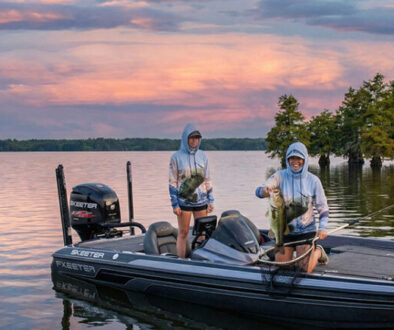
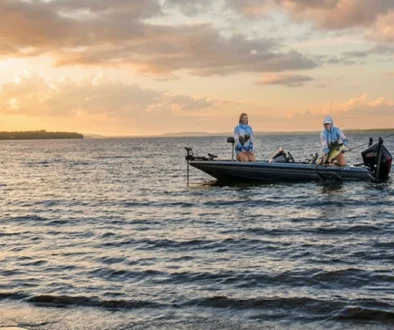
Engaging in bass fly fishing Lake Whitney and Lake Waco in Texas offers a unique challenge with substantial rewards for dedicated anglers. These expansive reservoirs demand respect from fly fishers who appreciate the raw power of warmwater species in rugged, natural settings. While local conditions require specific technical adjustments, the opportunity to land a trophy largemouth bass on a fly rod remains unparalleled in the region.
This comprehensive guide covers the pursuit of largemouth, smallmouth, and spotted bass, along with the powerful striped bass inhabitants found in these waters. Texas reservoirs compensate for lower water clarity with aggressive strikes on topwater flies and high-energy visual takes that thrill the senses. Anglers can expect a visceral experience that emphasizes physical strength and casting precision over the delicate presentations typical of coldwater trout streams.
Landing a trophy bass on a heavy fly rod provides a level of satisfaction that traditional casting gear rarely matches for most enthusiasts. Embracing the inherent chaos of these warmwater environments allows fly fishers to target large predators hiding deep within heavy shoreline cover. It is time to refine your technical approach and explore the premier bass fly fishing opportunities available in central Texas today.
Table of Contents
Bass fly fishing Lake Whitney and Lake Waco in Texas: A Brief History of Texas Bass Fishing Shenanigans
Bass fishing in Texas didn’t start with fancy tournaments and bass boats that cost more than a house—it kicked off in the 1950s when someone finally figured out reservoirs were good for something besides drowning cows. Lake Whitney, impounded in 1951 on the Brazos River, became ground zero. In 1955, the Waco Tribune-Herald’s outdoor writer Earl Golding got tired of bar arguments about who was the best angler and organized the first real bass tournament on Whitney—the Central Texas Invitational. 73 teams showed up, no cash prizes, just bragging rights. It was the spark that lit the fuse for modern bass fishing madness.
Whitney quickly earned a rep as one of the prettiest (and fishiest) lakes in the state, with striped bass stocking turning it into a hybrid heaven, plus solid largemouth, smallmouth, and white bass runs. The Brazos below the dam became legendary for topwater bass on fly or conventional gear—clear water, rocky structure, and fish that actually jump instead of sulking.
Lake Waco, built earlier in the 1920s (with major expansions later), was more of a local hangout for Waco folks. It got its share of bass love too, with hybrid striped bass added in 2009 to spice things up. Fishing here has always been about largemouth in the creeks and points, white bass runs, and crappie hiding in the brush. Both lakes helped turn Texas into the bass capital, influencing everything from B.A.S.S. to catch-and-release ethics. Without Whitney’s early tournament, we might still be using cane poles and wishing for better luck.
Fast-forward to today: These lakes host pro events (like recent Bass Pro Tour stops on Whitney and Waco), but fly fishing? It’s the redheaded stepchild that’s finally getting respect. Guides on Whitney target stripers and bass on flies, while the Brazos below the dam is a fly-fishing playground for multi-species days. Waco’s more low-key, but the bass don’t care about your Instagram.
Conservation Challenges: Because Nothing Says “Fun” Like Watching Fish Die from Algae
Modern environmental factors continue to influence the health and accessibility of these vital Texas bass fishing locations for future generations. Lake Whitney occasionally experiences golden alga blooms, which can result in significant fish mortality when water temperatures rise during the summer. Anglers should consult the Texas Parks and Wildlife Department for current bloom status reports before finalizing any fly fishing travel arrangements.
You must check the TPWD bloom status to ensure you are visiting during optimal conditions for the local fishery. Water fluctuations of four to eight feet annually also disrupt natural bass spawning cycles and alter available shoreline cover. These changes require fly fishing anglers to remain mobile and adaptable when searching for productive water throughout the changing seasons.
Pro Tip: Check TPWD reports for golden alga blooms before planning your trip to Lake Whitney. Toxic water conditions can completely shut down the bite and cause massive fish kills.
Lake Waco has its own issues: hybrid striped bass intro in 2009 helped, but body condition varies. Largemouth numbers fluctuate with water levels and vegetation (cattails, bulrush). Both face broader Texas woes—habitat loss from development, invasive species, nutrient runoff from farms/cities, and climate weirdness making blooms and low oxygen worse. TPWD stocks like crazy (e.g., Lonestar bass fingerlings in Whitney), and groups push habitat restoration. But let’s be sarcastic: Nothing fixes algae like more boats stirring it up. Practice catch-and-release, pick up trash, and maybe don’t fertilize your lawn right before a rain. The bass will thank you—probably with a tail slap to the face.
Largemouth bass numbers fluctuate heavily based on water levels and the health of aquatic vegetation growth in the shallows. Both lakes face broader habitat loss from rapid urban development and the introduction of invasive species into the delicate ecosystem.
Nutrient runoff from nearby farms and cities makes seasonal algae blooms much worse over time, impacting overall water quality. The state stocks Lonestar bass fingerlings aggressively to help maintain healthy fish populations for future generations of fly fishing anglers. You should practice catch-and-release and pick up your trash to help protect these valuable Texas bass fishing resources.
Best Fly Patterns: Top 13 Flies for Bass Fly Fishing Lake Whitney and Lake Waco
Successful bass fly fishing in Texas requires the use of substantial, high-displacement fly patterns that effectively move water. Anglers should prioritize large flies tied on size 2 to 1/0 hooks to withstand the force of aggressive strikes. Utilizing 7-weight to 9-weight fly rods is essential for turning over wind-resistant patterns and managing dense aquatic vegetation.
Texas brush eats flies like candy, so pack plenty of extra fly patterns in your box to avoid running short. These specific patterns have been selected for their ability to trigger aggressive responses from largemouth and striped bass. Here are the top thirteen patterns that consistently catch fish on these central Texas lakes.
- Clouser Minnow: The greatest of all time. Strip it fast for stripers or slow for largemouth bass.
- Game Changer: This modern hero swims exactly like a panicked shad. Whitney stripers destroy these articulated baitfish patterns.
- Deer Hair Frog: These create massive topwater explosions. Slap it down, pause, and strip to mimic a frog in distress.
- Foam Poppers: Loud and obnoxious flies work perfectly for windy days. They trigger strikes from shallow, angry bass.
- Woolly Bugger: A classic option in black or olive. Strip or swing it near structure to catch just about anything.
- Crawfish Patterns: Bottom-bouncing flies catch big largemouth hiding in rocks or heavy brush.
- Morrish Mouse: Use this rodent imitation during low-light conditions. Strip it erratically along the banks for pure chaos.
- Grasshopper Imitations: Large foam hoppers are a summer staple. Bass smash these patterns like they are free tacos.
- Lefty’s Deceiver: A highly versatile streamer. Use white for open water and natural colors for the creeks.
- Rainy’s Rattlin Frog: This weedless fly features a loud rattle. It works wonders in the heavy cover on Waco flats.
- Murdoch Minnow: Hollow-body flies push a lot of water. They are excellent for targeting schooling fish.
- Blados Crease Fly: This pattern acts as half topwater and half diver. It generates sneaky eats when standard poppers fail.
- Improved Swimming Minnow Pattern: An articulated baitfish for finicky fish. Use this when bass want finesse but you want immediate results.
Texas Fly Fishing Tips: Prime Locations for Fly Fishing Lake Whitney
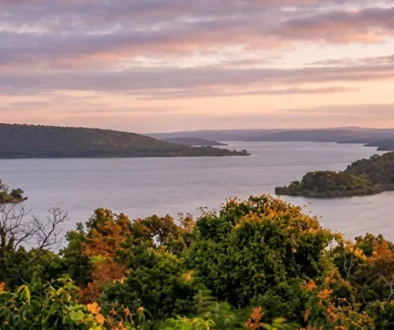
Lake Whitney encompasses over 22,000 acres of diverse aquatic habitat, offering fly anglers a wide range of structural targets. The Brazos River tailwater below the dam is noteworthy for its clear water and consistent topwater fly fishing opportunities. Whether wading rocky shorelines or navigating by boat, this reservoir provides exceptional variety for dedicated bass fly fishing enthusiasts.
The Brazos River below the dam provides crystal clear, rocky topwater heaven for those seeking a visual fly fishing experience. You can find smallmouth, largemouth, and spotted bass feeding on the surface throughout much of the year. Anglers can fly fish from the shore or float the river for epic multi-species days in scenic surroundings.
Pro Tip: Focus your efforts on the Brazos River tailwater during the heat of summer. The cooler water releases keep the fish active even when the main lake shuts down.
Sandy beaches and submerged roadbeds attract white bass and stripers chasing shad during the seasonal migrations. You should strip large streamers across these windy points for aggressive strikes from schooling predators. The Walling Bend Park area on the east side holds excellent largemouth bass in the submerged brush and timber.
Cedar Creek Park on the west side offers great shallow water access for targeting resident bass populations with fly fishing gear. Offshore channel swings, ledges, and humps hold deeper fish during the middle of the day when temperatures peak. The Nolan River inflows are perfect for intercepting spawning runs in the spring when water levels are favorable.
Fly Fishing Gear and Spots: Best Spots for Fly Fishing Lake Waco
Lake Waco presents a shallower and more turbid environment across its 8,000 acres, necessitating highly visible fly patterns. Despite the increased turbidity, the lake offers a distinct advantage due to relatively low pressure from specialized fly fishing anglers. Focusing on creek arms and windy points during warmer months can yield impressive results for resident largemouth bass and hybrids.
Hog Creek and Flatrock Creek provide excellent spring spawning grounds in the back sections of the reservoir. These same creeks feature productive windy points during the hot summer months when fish seek oxygenated water. The Twin Bridges area offers accessible bank fishing for bass and crappie holding near significant drop-offs and structure.
Main lake windy points near the river channels heat up from May through September as baitfish congregate. You will want to strip poppers or divers aggressively across these shallow flats to elicit reaction strikes. Coves protected from the north wind provide shelter and warmer water during the early pre-spawn period in February.
Submerged roadbeds and sandy beaches become hotspots during the white bass runs between February and April each year. Your foam popper might be the only artificial fly these fish see all week, giving you a significant edge. This makes the spring spawn a highly productive time for fly fishing anglers looking for high-volume action.
Multi-Species Fly Fishing: Bonus: Panfish and Bass Fly Fishing on Lewis Smith Lake
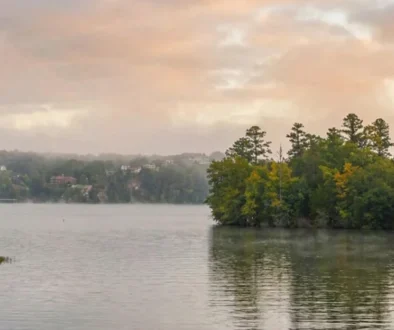
While our primary focus remains on Texas, Lewis Smith Lake in Alabama offers a compelling detour for panfish action. This deep highland reservoir is renowned for spotted bass, yet the sunfish populations provide incredible light-tackle opportunities. The clear water and extensive shoreline cover make it an ideal destination for anglers utilizing lightweight fly rods.
This 21,000-acre lake features massive bluffs, submerged timber, and exceptionally clear water that challenges your stealth. Panfish aggressively guard their beds in the shallow coves from April through June, providing constant entertainment. You can also find them hanging around boat docks and brush piles year-round for consistent fly fishing action.
Rock Creek and Ryan Creek feature winding shorelines loaded with submerged brush that holds significant fish populations. These areas allow panfish to gang up and ambush small prey, making them perfect for delicate fly presentations. The Sipsey Fork above the dam offers great warmwater fishing for both panfish and bass in a scenic environment.
Pro Tip: Use a lightweight 3-weight or 4-weight fly rod for panfish on Lewis Smith Lake. This turns a one-pound bluegill into an epic, rod-bending battle.
You ought to cast size 8 to 12 popping bugs, rubber-leg spiders, or small woolly buggers for the best results. Sight-cast directly to the beds during the early morning or late evening hours when visibility is high. The fish are so aggressive that hooksets are basically optional once they commit to your fly patterns.
Expert FAQ: Bass Fly Fishing Lake Whitney and Lake Waco in Texas
What size fly rod do I need for bass fishing in Texas?
You should use a 7-weight or 8-weight fly rod for Texas lakes. These heavier rods help you cast large, wind-resistant flies and pull angry largemouth bass out of heavy brush.
Do I need a boat to fly fish Lake Whitney?
A boat helps you cover the massive 22,000 acres effectively. However, you can wade fish the Brazos River below the dam for excellent shore-based fly fishing action.
What is the best time of year to catch bass on topwater flies?
Spring offers the most consistent action for topwater flies from March through May. Fall also provides aggressive feeding frenzies as bass fatten up for the winter.
How do golden alga blooms affect fishing?
Golden alga releases toxins that kill fish in massive numbers. You must always check current state wildlife reports before planning a bass fly fishing trip to affected lakes.
Can I catch striped bass on a fly rod?
Yes, striped bass aggressively attack large baitfish patterns like Clouser Minnows and Game Changers. You will need a strong fly rod and plenty of backing to handle their powerful runs.
Final Thoughts: Conclusion: Mastering Bass Fly Fishing in Texas
Mastering bass fly fishing Lake Whitney and Lake Waco in Texas requires technical skill, appropriate fly fishing gear, and local knowledge. By trading tranquil streams for dynamic reservoir conditions, anglers can experience some of the most aggressive strikes available in the sport. Success on these waters is defined by the ability to adapt to changing environments while maintaining a persistent approach.
You must adapt to the conditions by throwing loud poppers and heavy baitfish fly patterns that displace significant water. Pay close attention to water levels, algae blooms, and seasonal shad migrations to find the most active fish in the reservoir. Exploring local bass fishing reports helps you stay ahead of the changing conditions across the state.
Grab your 8-weight fly rod, fill your box with articulated streamers, and hit the water for an unforgettable Texas bass fishing experience. The bass are waiting to test your knots and challenge your casting skills in these historic Texas reservoirs. You might just find that wrestling a Texas largemouth bass is the most fun you can have with a fly rod.