Bass Fish Fly Fishing Table Rock Lake Missouri: A Angler’s Guide
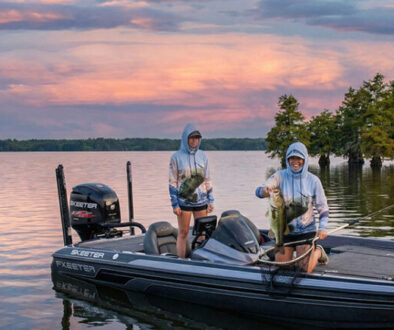
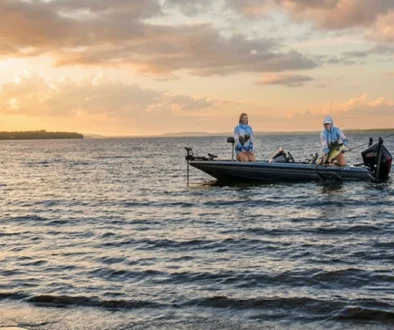
Bass Fly Fishing Table Rock Lake Missouri offers an unparalleled experience for anglers seeking the thrill of catching aggressive species in a stunning natural setting. This massive impoundment, located in the heart of the Ozark Mountains, is renowned for its crystal-clear waters and diverse aquatic habitats. Whether you are targeting largemouth, smallmouth, or spotted bass, the lake provides a dynamic environment that rewards skillful fly presentation. Many visitors find that a well-planned, branson guided fishing trip to this region becomes a highlight of their outdoor pursuits. The combination of scenic beauty and prolific fish populations makes Table Rock a premier destination for fly fishing enthusiasts from across the country.
So buckle up, folks, because we’re diving headfirst into the wild world of Spotted Bass and Florida Bass fly fishing on Table Rock Lake in Missouri. Yeah, you read that right—Florida Bass. Because nothing says “Ozark paradise” like transplanting some beefy southern largemouths up north and watching them duke it out with the locals. If you’re into fly fishing, sarcasm, and occasionally yelling “why won’t you eat my bug?!” at fish that clearly have better things to do, this rant-guide-thing is for you.
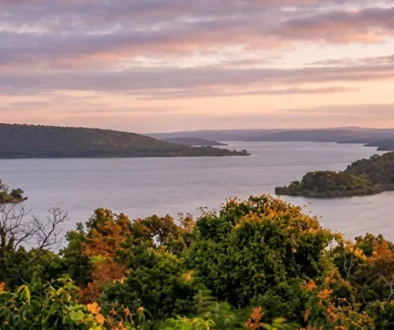
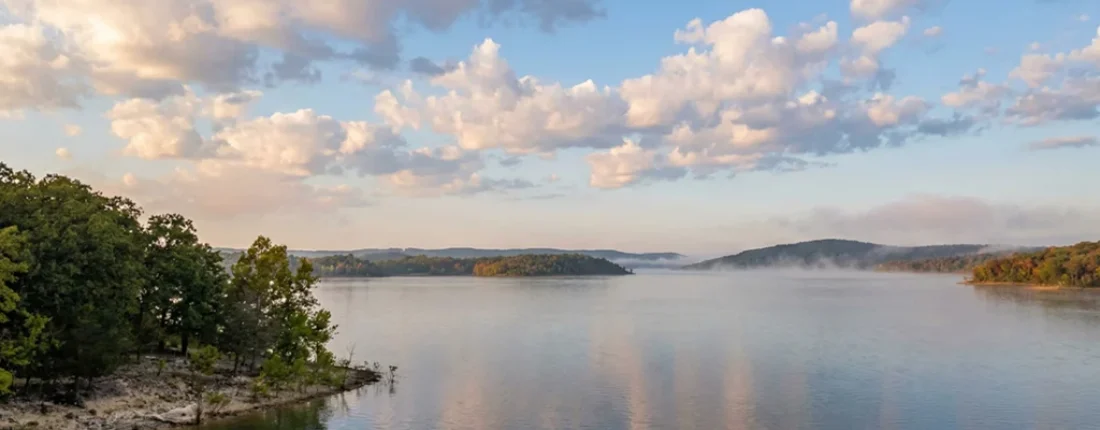
Table Rock Lake isn’t just another pretty reservoir; it’s a massive, clear, deep chunk of the White River impoundment built in the late 1950s by the Army Corps of Engineers for flood control, hydropower, and apparently to give bass anglers something to obsess over. Spanning the Missouri-Arkansas border near Branson (yes, the one with the shows where people clap politely at dinner theater), this bad boy stretches over 43,000 acres with depths plunging to 220 feet. It’s got everything: bluffs, chunk rock points, submerged timber, gravel flats, and enough baitfish schools to make a spotted bass think it’s living in an all-you-can-eat buffet.
Table of Contents
Mastering Branson Table Rock Lake Bass Fishing Techniques
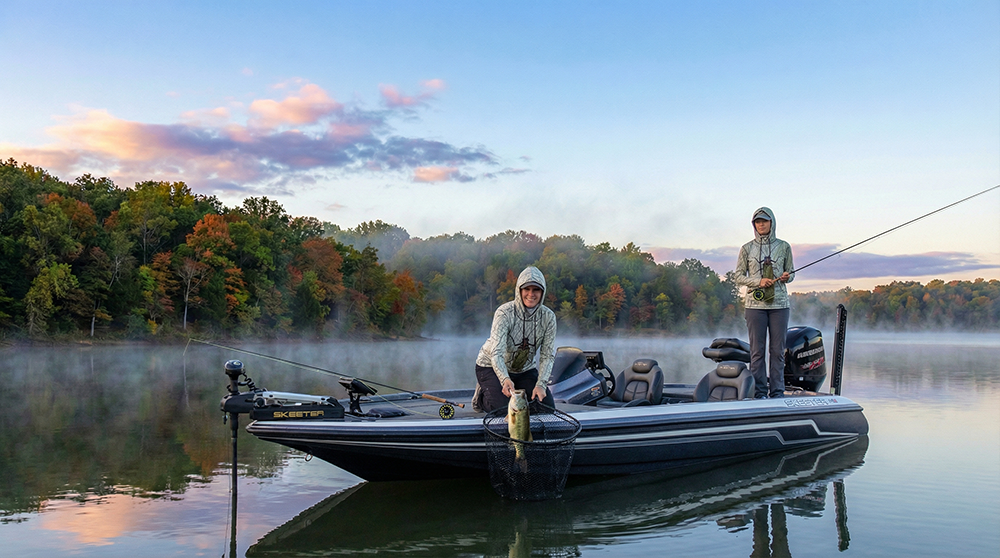
To succeed at Table Rock Lake bass fishing, one must understand the seasonal movements of the various species that inhabit these waters. During the spring, the fish move into the shallower coves and secondary points to prepare for the spawning season. This is an ideal time for fly fishers to use topwater poppers or shallow-running streamers to entice a strike. The clarity of the water means that stealth and long casts are often necessary to avoid spooking the wary lake bass. As the temperatures rise, the fish often retreat to deeper structures, requiring sinking lines and weighted fly patterns to reach them effectively.
The variety of bass fish available in this reservoir is truly impressive for any serious angler. You can spend your morning targeting the hard-fighting smallmouth bass along the rocky bluffs and then transition to looking for largemouth bass in the standing timber. Many anglers also enjoy the challenge of catching the “mean mouth bass,” which is a hybrid between a smallmouth and a spotted bass. These fish are known for their incredible strength and aggressive nature when they see a well-placed fly. Understanding the nuances of each species will help you make the most of your time on the water during your next fishing trip.
When you are exploring the vast reaches of the lake, keep an eye out for the rock bass that often hide in the crevices of submerged boulders. While they may be smaller than their cousins, they provide excellent sport on lighter fly tackle. The rock lake bass fishing experience is further enhanced by the presence of white bass, which often school in large numbers during their annual spring run. These fish provide fast-paced action that can keep an angler busy for hours. By diversifying your approach, you can experience the full spectrum of what Table Rock Lake fish have to offer.
Successful anglers often find that varying their retrieval speed is the key to triggering strikes from pressured fish. In the clear water of the Ozarks, a fly that looks too artificial or moves too predictably will often be ignored by trophy-sized specimens. Experimenting with erratic strips and long pauses can mimic the behavior of a wounded shad or a disoriented crawfish. This attention to detail is what separates the casual hobbyist from the truly successful fly fisher on these challenging waters. As you refine your technique, you will develop a deeper intuition for where the fish are holding throughout the day.
Conservation challenges for Table Rock Lake and Area
Oh, where do we start? Spotted bass have exploded, crowding out largemouth and smallmouth by gobbling food and space. They’re not growing big because there’s too many of them fighting over the same shad snacks. The MDC’s logic: let anglers harvest more small spots to thin the herd, ease pressure on the food chain, and hopefully let the other bass species bulk up. Some anglers are thrilled—more keepers! Others are losing their minds, claiming it’s a death sentence for quality fish and that tournaments/meat hunters are the real culprits. Water quality dips from development, fluctuating lake levels, and good ol’ Ozark runoff don’t help. But hey, at least the paddlefish, white bass, and crappie records keep the lake famous. It’s a balancing act: harvest spots or watch the whole bass population turn into runts. Classic conservation drama—everyone’s an expert until the fish stop biting.
…
Top 13 Best Flies for Spotted Bass (and Florida Bass) on Table Rock
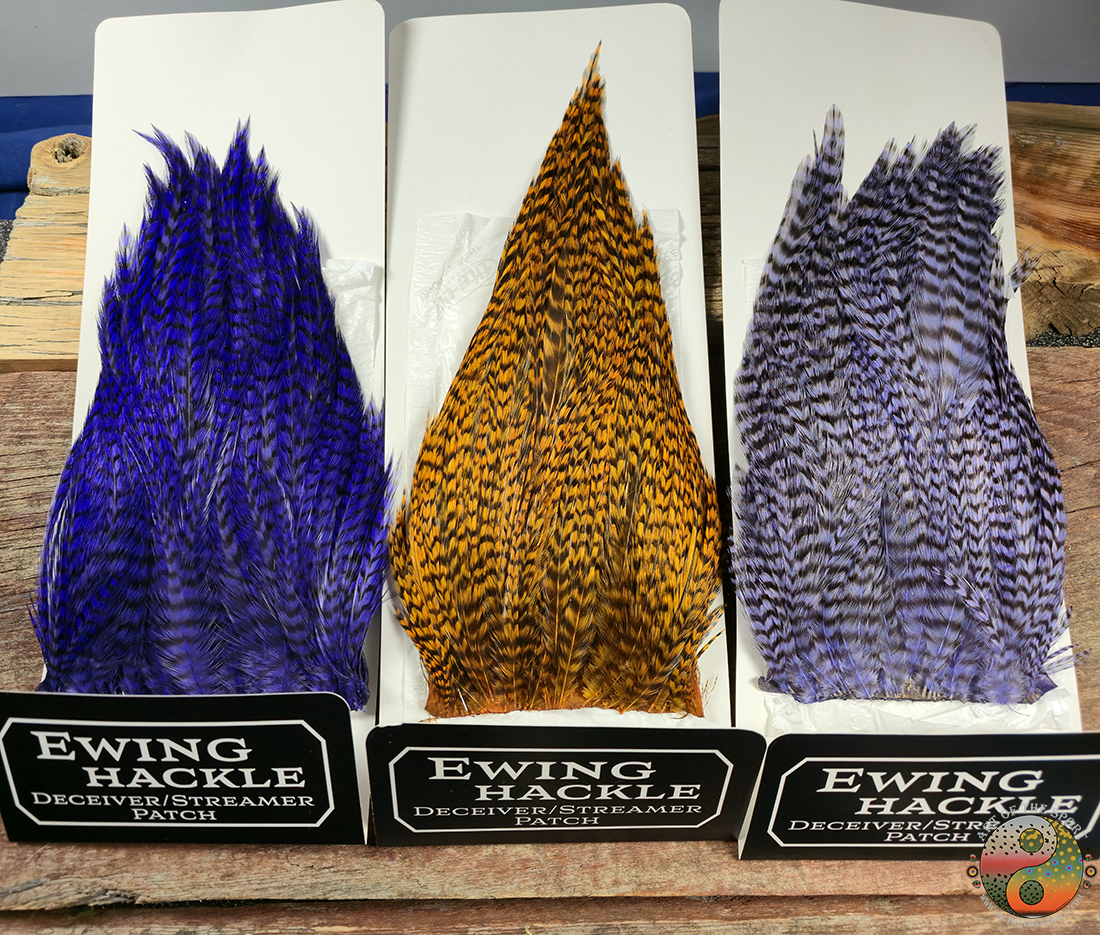
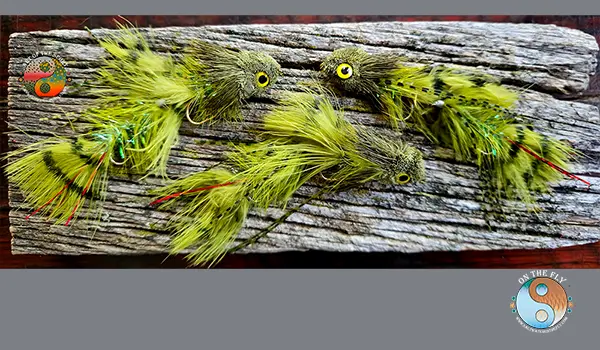
Fly fishing for bass here is all about imitating shad, crawfish, bluegill, or anything that looks edible and moves wrong. Spotted bass are pelagic little jerks—suspend ’em deep or chase schools—so streamers rule. Florida largemouths? They like bigger, slower stuff in shallower cover. Here’s my sarcastic top 13 list (because 10 is too mainstream): I travel with an extensive fly tying kit. DIY type I am. Experimentation and testing your skill is more fun. Just do it… your home work.
- Clouser Minnow (chartreuse/white or olive/white) — The GOAT. Dives fast, looks like a fleeing shad. Strip it erratically and watch spots pile on like it’s Black Friday.
- Woolly Bugger (black, olive, or purple, beadhead) — Because why reinvent the wheel? Swing it, strip it slow—bass eat it like candy. Pro tip: add flash for Table Rock’s clear water.
- Game Changer (white or chartreuse) — Articulated magic. Looks alive even when you’re hungover. Spots crush these on the strip.
- Lefty’s Deceiver — Classic baitfish slayer. White/chartreuse for suspended spots over deep points.
- Sculpin patterns (olive or tan) — For bottom-hugging smallies and spots on rocky banks. Crawl it like it’s terrified.
- Poppers (foam, like Bass Popper or Dahlberg Diver) — Topwater chaos for Florida largemouth in coves at dawn/dusk. Explosive eats—worth the mosquito bites.
- Crawfish imitations (Clouser Crayfish or near-and-dear) — Spots love ’em on chunk rock. Hop along the bottom; pretend you’re not snagging every rock.
- Bunny Leech — Rabbit fur magic for deeper water. Strip slow for moody bass.
- Stealth Bomber (white) — Deer hair diver that pushes water. Great for schooling spots.
- Dredge Fly or similar articulated streamers — Heavy, gets down quick for suspended fish over 20-40 feet.
- Pineapple Grenade or similar bright popper — For aggressive Florida bass in weeds or timber.
- Crystal Bugger — Flashy version of the Woolly. Because Table Rock water is gin-clear—make it sparkle.
- Foam terrestrials (hoppers, beetles) — Summer fun when bass are looking up. Because why not?
- Pelagic Forger Minnow – (Olive White-Chartreuse White-Blue White and White)
Tie ’em on 6-8 wt rods, 200-300 grain sink-tip lines for deep stuff, floating for topwater. Use 12-20 lb fluoro leaders—spots aren’t leader-shy, but clear water is unforgiving.
Best Locations on Table Rock Lake for Fly Fishing
Table Rock’s 800+ miles of shoreline mean you can spend a lifetime and still miss spots. Focus on these gems:
- James River Arm — Upper end, stained water, wood cover. Prime for Florida largemouth and crappie. Fly fish creeks/backwaters for big girls in spring.
- Long Creek Arm — Similar to James—lots of timber, great for panfish and bass.
- Main lake points and bluffs (mid-lake to dam) — Spotted bass heaven. Suspend over deep water (20-50 ft) chasing shad. Use electronics to find schools; cast streamers down.
- Highway 86 bridge area to Campbell Point — Smallmouth stronghold on rock piles and gravel. Spots mix in.
- Aunts Creek — Shore access near Branson. Good for wading or kayak fly fishing largemouth.
- Kings River Arm — Warms first, early spawn action for largemouth.
- Deep main lake humps and extended points — Summer spots suspend deep. Troll-ish strips with heavy flies.
- Coves and pockets near Branson — Topwater Florida bass at low light.
Boat or kayak needed for most—public ramps everywhere, but Branson area’s crowded in summer.
Detailed Section: Fly Fishing for Panfish (Crappie & Sunfish), Smallmouth Bass, and White Bass
Because you’re not a one-trick pony, right? Table Rock’s got variety that’ll make trout snobs jealous.
Panfish: Crappie & Sunfish (Bluegill, Longear) Crappie (black and white) school around submerged cedars, brush piles, and timber in spring/fall. Best in Long Creek and James River arms. Fly fish ’em? Absolutely—use small streamers like mini Clousers, Woolly Buggers (#8-12), or crappie-specific flies (white/yellow jigs imitations). Slow strip or dangle under indicators. Spring spawn (April-May) = shallow wood; fall = deeper. Sunfish? Bluegill on gravel points 10-20 ft in late May-July. Poppers, foam ants, or small nymphs—pure fun on 4-6 wt. Longear are colorful little jerks; they’ll smack anything small.
Smallmouth Bass The bronzebacks rule the clearer, rockier lower lake (Highway 86 to dam). Isolated rock piles, pea gravel banks, bluffs. They hug bottom—think crayfish patterns, sculpins, or buggers crawled slow. Summer: deep (15-30 ft); spring/fall: shallower. Fight like freight trains—best on fly in clear water. 6-7 wt, sinking lines.
White Bass These chrome missiles school like maniacs. Spring spawn runs up tributaries (March). Summer: troll gravel flats 25-50 ft deep. Fly fish? Streamers (Clouser, Deceiver) stripped fast—imitate shad. Explosive topwater when they bust. Fair fly fishing but always had a good time, but when they’re on, it’s nonstop.
Table Rock isn’t perfect—crowds, fluctuating regs, the occasional “why did I come here?” skunking. But fly fishing spotted and Florida bass here? It’s raw, rewarding, and ridiculous. Grab your rod, tie on a Clouser, and go yell at some fish. They probably deserve it.
Branson Area Basecamp
The town of Branson serves as the perfect base camp, offering a wide range of amenities and easy access to multiple bodies of water. While Table Rock is the primary focus for many, a comprehensive fishing trip should also include a visit to the nearby Lake Taneycomo. This unique tailwater system provides a completely different environment, characterized by cold water and a steady current. Balancing your time between these two locations allows you to experience both warm-water bass fishing and cold-water trout fishing in a single journey.
When I lived in Grandview, just south of Kansas City we made several four day weekends to Table Rock and Taneycomo. Decent trout fishing is hard to pass up.
Exploring the White River System and Lake Taneycomo for Trout Fishing
No discussion of the region is complete without mentioning the incredible opportunities within the White River system. This body of water is famous for its world-class trout fishing, attracting anglers from all over the globe. The lake is stocked regularly, but it also supports a healthy population of wild fish that have grown to impressive sizes. Fly fishers often find success using midges, scuds, and small streamers in the upper reaches of the lake near the Shepherd of the Hills Fish Hatchery. The presence of Lake Taneycomo adds a layer of diversity to your Branson fishing itinerary that is hard to find elsewhere.
The cold waters of Lake Taneycomo are home to both rainbow trout and the elusive brown trout. Catching a trophy-sized brown trout on a fly rod is a dream for many, and this lake provides one of the best chances to make that dream a reality. The Missouri Department of Conservation has implemented specific regulations to protect the trophy potential of these fish, including length limits and tackle restrictions in certain areas. As you plan your fishing trip, be sure to set aside at least one day to experience the unique challenges of this cold-water fishery. The contrast between the deep blue of Table Rock and the misty currents of Lake Taneycomo is truly remarkable.
Anglers often find that Lake Taneycomo offers a peaceful retreat from the busier parts of the main lake. The scenery along the banks is breathtaking, with lush vegetation and frequent sightings of bald eagles and other wildlife. If you have already spent several days focusing on table rock lake bass fishing, the change of pace at Taneycomo can be very refreshing. The lake fish here are often more selective, requiring a delicate touch and precise presentations. This variety ensures that every day of your guided fishing trip feels like a new and exciting adventure.
Understanding the generation schedule of the Table Rock Dam is crucial for anyone fishing the upper White River area. When the turbines are running, the water level rises and the current becomes much stronger, favoring larger streamers and heavier weights. Conversely, during periods of low flow, the water becomes gin-clear and requires very fine tippets and tiny flies. This dynamic environment keeps anglers on their toes and rewards those who can adapt their tactics to the changing flow. Whether you are wading the shoals or fishing from a boat, the river always has something new to teach you.
Comparing Branson Table Rock Fish to Northern Wisconsin Waters
Many anglers who travel to Missouri often draw comparisons between the Ozarks and the lakes of northern Wisconsin. While both regions offer fantastic opportunities for bass and other species, the environment in Missouri is quite distinct. The water in Table Rock Lake tends to be much deeper and clearer than many of the glacial lakes found in the north. This depth requires different tactics, such as using heavy sink-tip lines to reach the rock lake fish that suspend over deep timber. However, the aggressive nature of the smallmouth and largemouth bass remains a constant across both regions.
In northern Wisconsin, anglers might be used to targeting fish in shallower, weedier environments. At Table Rock, the focus shifts to rocky points, bluffs, and submerged roadbeds. The table rock lake bass are often found in much deeper water, especially during the heat of the summer. This transition can be a learning curve for some, but a local fishing guide can help bridge the gap. Despite the geographical differences, the fundamental joy of seeing a large bass explode on a surface fly is a universal experience that connects all fly fishers, regardless of where they usually cast their lines.
Another interesting comparison involves the diversity of species. While Wisconsin is famous for its musky and walleye, the Missouri Ozarks offer a unique blend of warm and cold-water species in close proximity. You can spend one day chasing table rock lake bass fishing records and the next day pursuing trophy trout in Lake Taneycomo. This proximity is a major draw for those planning a comprehensive fishing trip. Additionally, the longer growing season in Missouri often results in bass that reach impressive sizes more quickly than their northern counterparts, providing a consistent supply of quality lake fish.
The geological makeup of the Ozarks also contributes to a different underwater landscape than the sandy bottoms of the north. Table Rock is characterized by its limestone bluffs and chert-covered points, which provide excellent habitat for crawfish, a primary food source for bass. This abundance of high-protein forage allows the fish to maintain excellent weight and health throughout the year. Anglers who can effectively mimic these crustaceans with their fly patterns will often find themselves hooked into the largest fish in the lake. The rugged beauty of the Missouri shoreline provides a dramatic backdrop for every cast you make.
Essential Gear for Deep Water and Missouri Department Regulations
Before you embark on your Bass Fly Fishing Table Rock Lake Missouri adventure, it is crucial to have the right gear. For most bass applications, a 7-weight or 8-weight fly rod is the standard choice. These rods provide the power needed to cast large, wind-resistant flies and to pull strong fish away from submerged cover. A high-quality reel with a smooth drag system is also essential, as a big smallmouth or largemouth bass can put considerable strain on your tackle. Don’t forget to pack a variety of lines, including floating, intermediate, and fast-sinking options to cover the entire water column.
Fly selection should include a mix of topwater patterns, such as poppers and sliders, as well as sub-surface streamers like Clouser Minnows and crawfish imitations. The bass fish in Table Rock are often keyed in on shad, so flies that mimic the silver and white flash of these baitfish are particularly effective. For your excursion to Lake Taneycomo, you will need lighter gear, typically a 4-weight or 5-weight rod, along with a selection of tiny nymphs and midges. Having the right equipment for both environments will make your fishing trip much more enjoyable and productive.
It is also vital to stay informed about the latest rules from the Missouri Department of Conservation. This includes obtaining a valid Missouri fishing license before you hit the water. You can easily purchase a fishing license online or at local retailers in Branson. Be aware of the specific length and bag limits for bass on Table Rock and trout on Lake Taneycomo, as these can vary by location and season. Following these regulations helps maintain the health of the fishery for future generations. If you are unsure about any rules, your fishing guide service will be happy to provide clarification and help you stay compliant.
When targeting fish in deep water, the use of fluorocarbon leaders is highly recommended due to their low visibility and sinking properties. This material is much more abrasion-resistant than standard monofilament, which is a significant advantage when fishing around sharp rocks and submerged timber. Additionally, carrying a variety of split shot can help you fine-tune the sink rate of your flies to reach the exact depth where fish are holding. Being prepared for these technical adjustments can make a huge difference in your overall catch rate. Always double-check your knots, as the powerful strike of an Ozark bass will quickly find any weakness in your gear.
Expanding Your Horizons: Branson Table and Stockton Lake
While Table Rock and Taneycomo are the stars of the region, there are other nearby waters worth exploring if you have the time. Stockton Lake is another excellent destination for those interested in bass and walleye. It is known for its slightly more stained water and abundant rocky habitat, offering a different set of challenges for the fly fisher. Including Stockton Lake in your broader fishing trip itinerary can provide a well-rounded view of the angling opportunities available in Southwest Missouri. The variety of lake fish in this part of the state is truly remarkable.
The James River and Kings River arms of Table Rock also offer a more river-like experience, with moving water and narrower channels. These areas are particularly productive during the spring when fish are moving upstream to spawn. Fly fishing in these sections can feel more intimate than the wide-open spaces of the main lake. You might find yourself casting under overhanging trees or along gravel bars, much like you would on a traditional trout stream. This diversity of habitat is why so many anglers return to the region year after year for their guided fishing trips.
The area known as the Branson Table provides a unique geographic perspective on the surrounding Ozark landscape. This plateau offers stunning vistas and serves as a gateway to some of the most productive fishing spots in the entire state. Many local anglers prefer the smaller, more secluded coves that are accessible from the Branson Table area, as they often hold less-pressured fish. Exploring these hidden gems can lead to some of the most rewarding experiences of your entire trip. Whether you are looking for a quiet morning on the water or a high-energy afternoon of chasing schools of white bass, this region has it all.
Ultimately, a trip to this part of Missouri is about more than just the number of fish you catch. It is about the experience of being on the water, the skill of the cast, and the beauty of the Ozark landscape. Whether you are targeting table rock lake bass or drifting a midge on Lake Taneycomo, the memories made on these waters will last a lifetime. By working with a professional fishing guide and preparing properly, you can ensure that your Bass Fly Fishing Table Rock Lake Missouri experience is everything you hoped it would be. The combination of world-class fishing and Midwestern hospitality makes this a destination that every fly fisher should visit at least once.
Conclusion: Your Next Great Fishing Adventure
As you finalize the details for your upcoming fishing trip, remember that the key to success is flexibility. The weather and water conditions in the Ozarks can change quickly, but there is always a productive way to fish if you are willing to adapt. Whether you are focusing on rock lake bass fishing or exploring the depths of Lake Taneycomo, the region offers endless possibilities. The local fishing guides are ready to share their passion and expertise with you, helping you navigate the complexities of these beautiful waters. From the first cast of the morning to the last light of evening, every moment on the lake is an opportunity for discovery.
Make sure to take some time to enjoy the other attractions that Branson has to offer. After a long day of table rock lake bass fishing, there is nothing better than a great meal and some local entertainment. The community is very welcoming to anglers, and you will find plenty of support for your hobby throughout the town. With its incredible variety of species, stunning scenery, and professional guide services, Table Rock Lake is truly a crown jewel of American fly fishing. We look forward to seeing you on the water and helping you land the fish of a lifetime on your next guided fishing trip.