Fly Fishing Bass on Sam Rayburn Reservoir Texas: A Guide
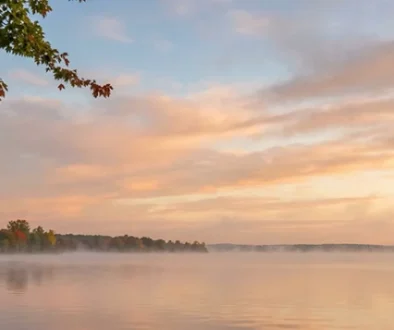
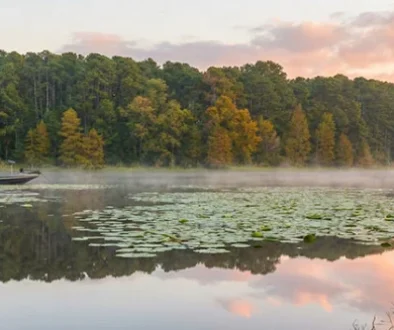
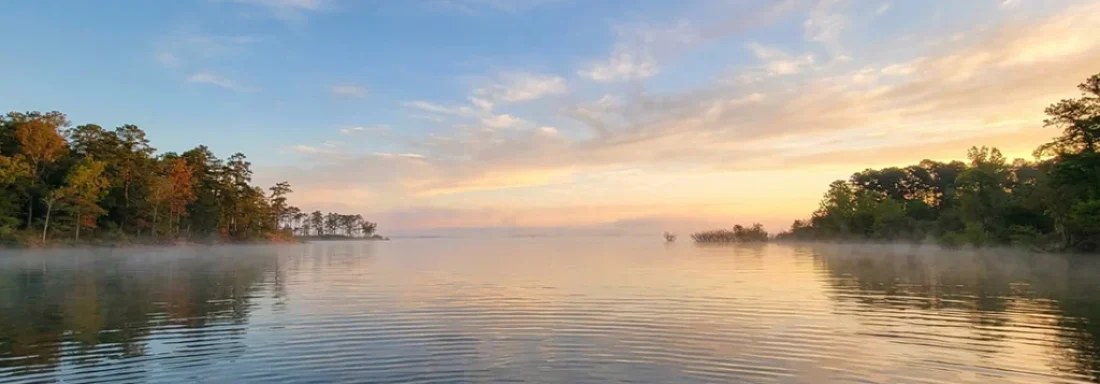
You’re standing at the edge of Sam Rayburn Reservoir with your fly rod in hand. The early morning mist is lifting off the water, revealing a vast expanse of potential. You are about to experience something most bass anglers will never try. Fly fishing for bass on Sam Rayburn Reservoir Texas isn’t what most people picture when they think about this famous lake. Most folks are running around in expensive bass boats with a dozen rods rigged up. You are doing something different. And honestly? You are about to have way more fun than they are. Sam Rayburn is the largest lake wholly within state borders. It covers 114,500 acres of prime East Texas real estate. The reservoir was created back in the 1950s when the U.S. Army Corps of Engineers decided the Angelina River needed some flood control. They finished the Sam Rayburn Dam in 1965. It was named after a longtime Speaker of the House who cared about water conservation. I doubt he ever imagined people would be out here chasing bass with fly fishing gear decades later. When they flooded all that timber and bottomland, they created bass heaven. Standing timber, submerged brush, and endless ambush points for hungry largemouth dominate the landscape. The famous Bassmaster Classic has visited this region because the fishery is legendary. It still holds that reputation today as a premier destination.
Table of Contents
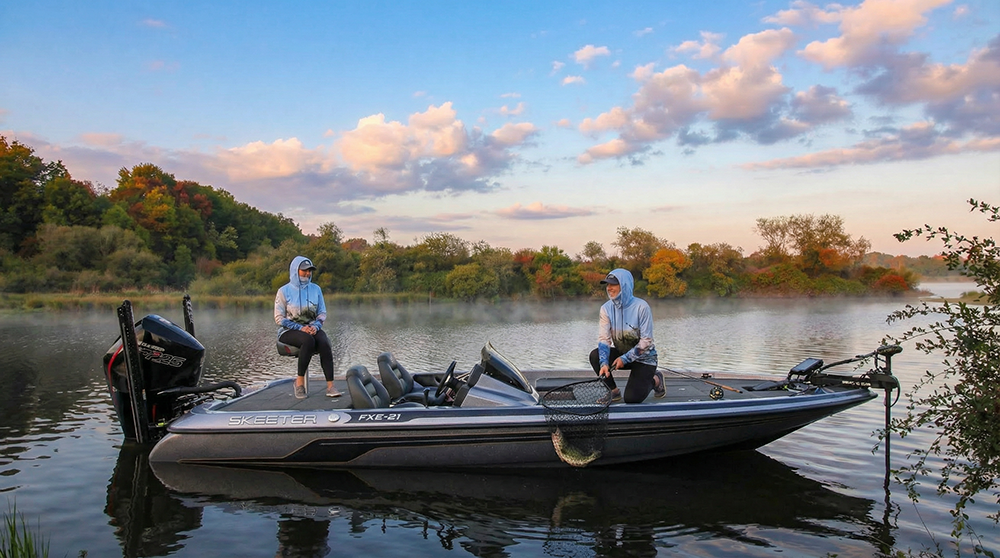
On the water sun protection is as important as having the right selection of fly patterns. UPF-50 Outdoor Performance Apparel with a built in facemask, extended cuffs with thumb holes.
History of Sam Rayburn Reservoir: From Flood Control to Bass Paradise
Back in the 1950s, the Angelina River was apparently a drama queen, flooding everything in sight. So, the U.S. Army Corps of Engineers said, “Hold my beer,” and started building a dam in 1956. Originally called McGee Bend Dam and Reservoir (boring name, right?), it was renamed in 1963 to honor Sam Rayburn, the longtime Speaker of the House who was a big fan of water conservation and probably never fly fished a day in his life. Dedicated in 1965, it impounded the Angelina River, creating this behemoth for flood control, hydropower, and—unintentionally at first—world-class fishing.
When they flooded all that Pineywoods timber and bottomland, they basically created the perfect bass habitat: standing timber, submerged brush, and endless edges for ambush predators. Hydrilla and other vegetation exploded, baitfish thrived, and largemouth bass said, “Thank you very much.” Fast forward to today, and Big Sam hosts over 300 tournaments a year, from Bassmaster Elites to local derbies. It’s produced fish over 16 pounds (the lake record is around 16.80), and 10-13 pounders aren’t rare—they’re just camera shy.
But fly fishing? Yeah, it’s not the dominant scene here. Most anglers are slinging crankbaits or flipping jigs from $80,000 boats. Fly rodders are the rebels, sneaking into shallow creeks, hay grass flats, and flooded timber where boats can’t go. And honestly? The bass don’t care if your lure has treble hooks or feathers—they smash flies just as hard.
Reason Fly Fishing Bass on Sam Rayburn Reservoir Texas Makes Sense
Here is the thing about Sam Rayburn. While everyone else is bombing around in their tournament rigs, you can sneak into places they cannot reach. You can access shallow coves, flooded timber, and the back ends of creeks where the grass grows thick. Most anglers target these fish with plastic worms or a precise Ned rig. Bass do not care if your lure has treble hooks or feathers. They hit flies just as hard as anything else. Sometimes they hit harder because flies move differently in the water. The lake is loaded with Florida-strain largemouth bass thanks to years of stocking. These fish grow big and mean. The lake record sits around 16.80 pounds, but ten to thirteen pounders show up regularly.
You can check current conditions and explore fishing hotspots on the map for Sam Rayburn Reservoir. The water stays stained most of the year. This actually works in your favor. Bass feel more comfortable moving shallow when they cannot see as well. Spring is when things get crazy good. Bass move up to spawn and they stack up on points and drainages. You can sight fish beds with buggers or strip streamers along transition zones.
Summer means early morning and late evening topwater action. Midday you will want to go subsurface and target shade lines. Fall brings schooling bass chasing shad, and winter slows things down but the big girls still eat. The fishing opportunities here are practically endless if you are willing to explore. Unlike Toledo Bend to the east, Rayburn is fully inside Texas, giving it a local charm.
The Best Flies for Catching Bass on Big Sam
Bass in this reservoir feed heavily on shad, crawfish, bluegill, and the occasional frog found along the grassy shorelines. Matching the local forage with proven largemouth bass flies greatly increases your chances of a heavy strike during your outing. You should stock your fly box with durable patterns because these powerful fish will quickly destroy fragile materials during the fight.
Surface Action: Essential Topwater Patterns for Bass
The classic Deer Hair Popper rules the early morning hours along thick hydrilla edges where big bass lie in wait. Bass explode on these bulky flies with an aggression that will instantly wake you up and test your reaction time. Boogle Bugs and similar foam poppers offer excellent durability when the fish tear up deer hair during a hot bite.
Dahlberg Divers mimic fleeing frogs and dive erratically just below the surface on the strip, triggering instinctive predatory strikes. Gurgler patterns create a subtle surface disturbance that works perfectly over shallow grass flats when the water is calm. Using weedless bass flies allows you to easily punch through thick hyacinth mats where giant bass hide.
Deep Water Tactics: Effective Subsurface Options
The Clouser Minnow remains the most versatile subsurface fly you can tie on your leader for Fly Fishing for Bass on Sam Rayburn Reservoir Texas. Its weighted eyes create a jigging motion that perfectly imitates dying shad around deep creek channels and submerged structures. Woolly Buggers twitched slowly near the bottom do an excellent job imitating vulnerable crawfish scurrying through the rocks.
Double Bunny Streamers provide massive articulation that triggers strikes from big fish holding in deeper, cooler water. Crawfish patterns sink quickly into flooded brush piles during the pre-spawn when bass feed heavily to prepare for the spawn. Black mohair leeches stripped slowly entice lazy fish when winter temperatures drop the water into the fifties.
Sometimes bass want something quieter and this is your go-to. Shad imitations like double deceivers or game changers shine in fall. Strip them erratically when you see bass busting bait.
Match the hatch and you will catch fish. Frog patterns with weed guards let you punch through thick vegetation. Walk them across hyacinth mats or grass and wait for the explosion. This is as exciting as bass fishing gets. Leech patterns in black mohair work great in cooler months. Slow strip them for big lazy fish that do not want to chase. Sometimes patience pays off better than speed. Redear sunfish or yellow bass patterns are also effective.
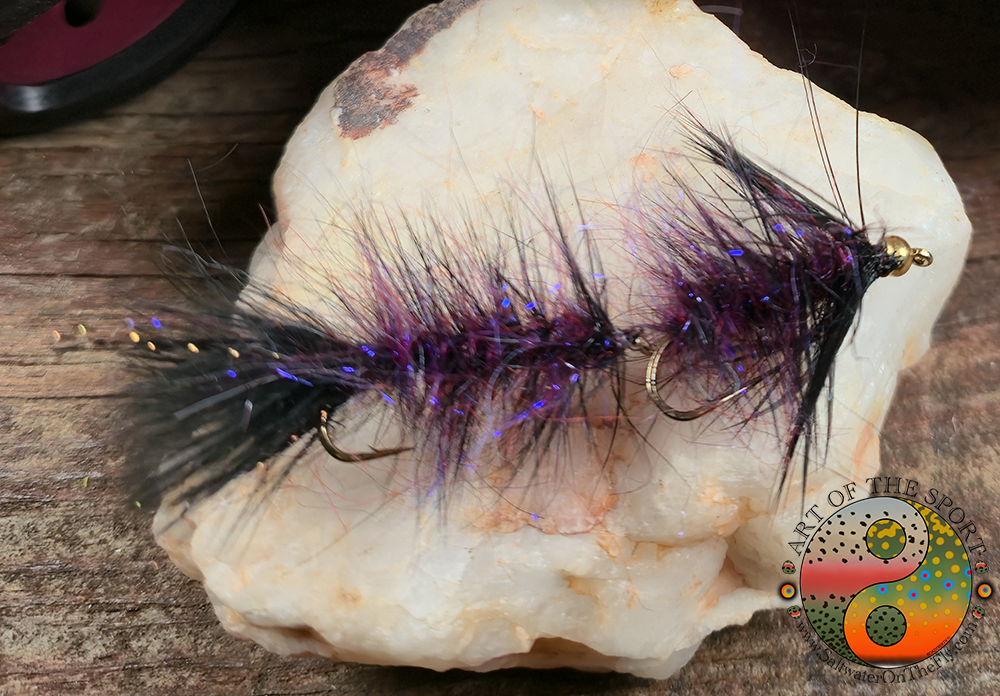
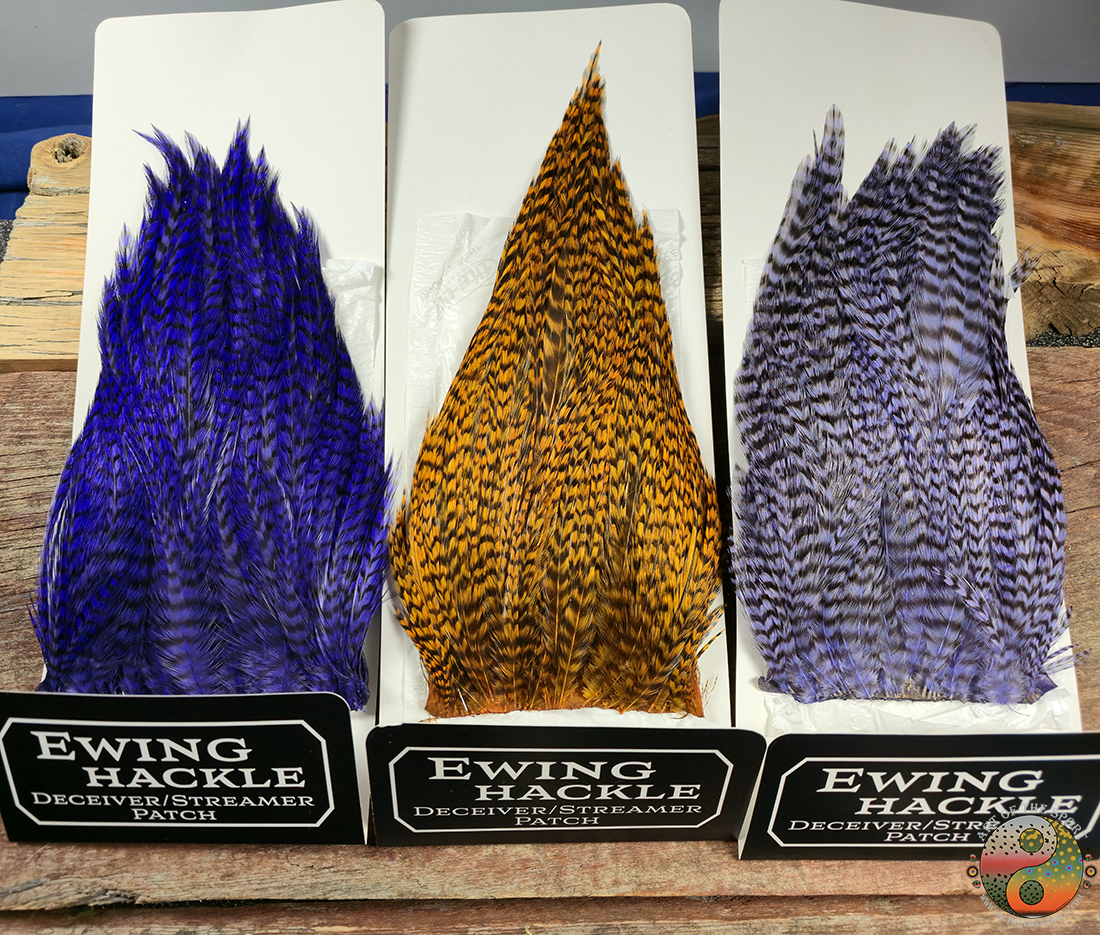
Find the perfect woolly bugger for leech imitations, Ewing Hackle Deceiver Patches to assist with great streamer and Bucktails for tying great Deceivers.
Big largemouths eat smaller fish species regularly. Having a fly that mimics these abundant panfish can trigger massive strikes.
| Fly Pattern | Primary Target/Imitation | Best Season |
|---|---|---|
| Deer Hair Popper | Topwater Surface Feeding | Summer Mornings/Evenings |
| Clouser Minnow | Shad/Baitfish | Spring & Fall |
| Woolly Bugger | Crawfish/Leeches | Year-Round |
| Dahlberg Diver | Frogs/Surface Disturbance | Summer |
| Near Nuff Crayfish | Crawfish | Pre-Spawn Spring |
| Weedless Frog | Frogs in Vegetation | Late Spring/Summer |
All these flies work because they match what bass see every day. Stock up on bigger sizes since Rayburn bass are not shy. You can find more detailed fishing reports for Texas on Fishidy to plan your trip.
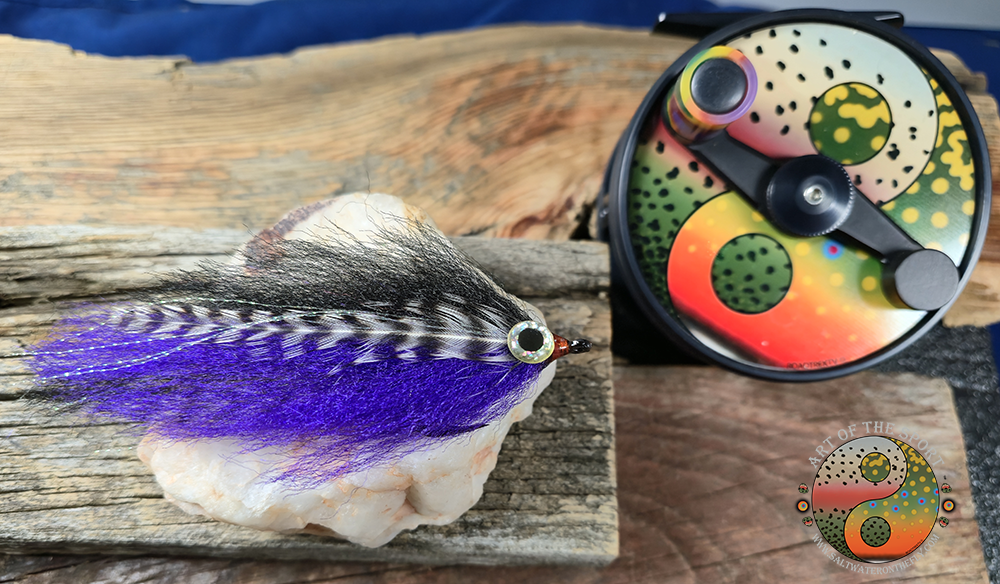
Another great Bass Fly Fishing Streamer is a Pelagic Forger Minnow, tied with Semperfli Predator Fibers.
Gear You’ll Need for Fly Fishing Bass Here
An 8-weight fishing rod is perfect for most situations on Sam Rayburn. You can go lighter with a 7-weight or heavier with a 9-weight depending on conditions. An 8-weight handles poppers and streamers without being too much.
If you are used to saltwater fishing for redfish, this gear will feel very familiar. The power needed to turn over big bass flies is similar to casting in the salt. A floating line covers most of your fishing. Add a sink-tip line for deeper presentations when bass move off the banks. Mid-summer and winter often call for getting flies down to where fish are holding. Leaders should be 8 to 15 pound fluorocarbon. Bass have sandpaper mouths and love wrapping you around stumps.
Do not cheap out on tippet or you will lose fish and flies. Solid fishing knots are essential. Learn to tie a non-slip loop knot for your streamers to give them more action. A strong nail knot connects your leader to the fly line securely. A stripping basket helps manage line when you are wading or in a float tube. The aquatic vegetation here will grab your line if you are not careful. Keep it controlled and you will catch more fish. Polarized sunglasses are non-negotiable. You need to see fish habitat, structure, and where your fly lands. Good sunglasses make you a better angler instantly.
Don’t forget to organize your fishing tackle efficiently. You don’t need giant tackle boxes like boat anglers. A simple sling pack works wonders. If you are serious about fly fishing different waters, Sam Rayburn should be on your list. The techniques you learn here translate to other warmwater fisheries across the country.
Stealthy Sam Rayburn Fishing Spots: Float Tubing and Bass Fishing
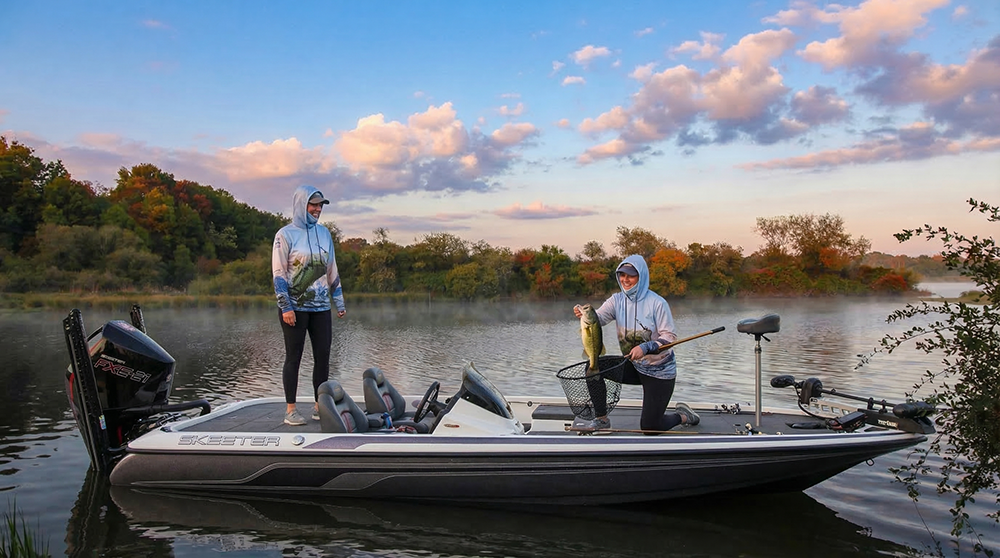
A massive reservoir usually dictates the use of a powerboat or a large fishing kayak to cover significant distances. Float tubing offers a surprisingly effective alternative for anglers who want to fish completely unnoticed by the local fish population. You can strap on a tube and kick into shallow coves that large fiberglass boats cannot reach without grounding.
This stealthy approach allows you to cast to bass that rarely see artificial lures, providing a distinct advantage over conventional anglers. You can launch quietly from public access points like Twin Dikes or Marion’s Ferry without needing a concrete boat ramp. Kicking slowly along grass lines eliminates the unnatural engine noise that normally spooks pressured fish in popular areas.
A U-shaped or pontoon-style tube provides the best maneuverability on this massive body of water during windy conditions. You should wear scuba-style fins to generate enough power to fight the persistent Texas wind that often sweeps across the lake. Always prioritize safety by wearing a personal flotation device and staying close to the shoreline for maximum security.
Pro Tip Warning: Tournament boats travel at extremely high speeds across the main lake areas. Always mount a bright orange visibility flag to your float tube to prevent tragic accidents
Year-Round Texas Bass Fishing: Seasonal Strategies and Prime Locations
Spring fishing requires focusing on secondary points and shallow drainages where bass stage for their annual spawning rituals. You can sight-fish for bedding bass using heavily weighted Woolly Buggers and realistic crawfish patterns that mimic natural intruders. Summer fishing demands early wake-up calls to capitalize on the brief low-light topwater bite before the sun becomes too intense.
Fall fishing revolves entirely around locating massive schools of shad near the 142 bridge area where current often concentrates bait. You must strip large articulated streamers erratically through the water column to trigger reaction strikes from aggressive, feeding fish. Winter slows the bite considerably, requiring deep presentations with heavy Clouser Minnows along steep ledges and river channel bends.
The northern creeks offer extensive standing timber that holds fish throughout the entire year, providing consistent targets for fly casters. These Sam Rayburn fishing spots provide endless ambush points that you can effectively cover with weedless flies and a floating line. You should plan your trips during the week to avoid the heavy weekend tournament crowds that dominate the main lake.
Frequently Asked Questions
What weight fly rod is best for bass on Sam Rayburn?
An 8-weight fly rod provides the perfect balance for targeting largemouth bass on this reservoir. It offers enough backbone to cast large, wind-resistant flies and pull heavy fish out of thick hydrilla.
Do I need a boat to fly fish this lake effectively?
A boat certainly helps cover more water, but it remains entirely optional for dedicated anglers. Float tubes and kayaks allow you to access shallow, weed-choked coves that larger bass boats cannot physically enter.
What are the best months to catch bass on the fly here?
March through May offers incredible prespawn and spawning action in the shallow flats. September and October provide explosive strikes as bass aggressively school up to chase massive balls of shad.
What kind of leader should I use for largemouth bass?
You should use a stout 8 to 15-pound fluorocarbon leader for most subsurface applications. Fluorocarbon sinks quickly, resists abrasion from submerged stumps, and remains practically invisible in the stained water.
How do I set the hook on a bass with a fly rod?
You must use a firm strip set rather than lifting the rod tip like trout anglers do. Pulling the line hard with your stripping hand drives the thick hook securely into the tough jaw.
Trophy Bass Fishing: Final Thoughts on Chasing Big Sam’s Largemouth Bass
Targeting largemouth bass with a fly rod on this massive Texas reservoir offers explosive action for those willing to learn the water. You trade the noise of conventional tournament fishing for a more deliberate and quiet approach that often yields surprising results. The thrill of a ten-pound bass inhaling a topwater popper makes every challenging cast worthwhile for the dedicated sportsman.
Stock your boxes with durable streamers, weedless frogs, and plenty of heavy fluorocarbon leader material to handle the abrasive environment. Consider deploying a float tube to access the hidden backwaters where the true monsters hide from the heavy boat traffic. Grab your favorite eight-weight rod and experience the incredible Fly Fishing for Bass on Sam Rayburn Reservoir Texas that this legendary lake provides.