Ewing Chickabou Marabou Body Patches
Ewing Chickabou Marabou Body Patches. The Stuff That Breathes
I’ve been tying streamers and guiding Montana water for a long time, and I’ll tell you what I tell every client who asks why their fly isn’t eating: it isn’t moving. Fish don’t eat feathers. They eat things that look alive. Ewing Chickabou is the most alive material you can put on a hook.
Chickabou is the soft, downy marabou from the base of a chicken skin. It’s shorter and finer than turkey marabou, which means it fits small hooks without turning into a mop, and it moves at a dead-drift crawl that turkey can’t match. Ewing sells it as a body patch — a section of skin loaded with consistent, dense fibers — so every feather you pull looks like the last one. That’s how you tie a dozen identical Woolly Buggers instead of twelve cousins.
We carry 40 colors, solid and grizzly. The grizzly patches carry a natural barring that reads like the lateral line on a sculpin, a crawfish leg, or a mullet’s flank. In clear water, barring gets eats when solid colors get looks.
What it ties: Woolly Buggers, leeches, Simi Seal-style leeches, soft-hackle wets, damsel nymphs, crawfish and sculpin tails, steelhead and salmon collars, Intruder hackle, spey flies, Clouser and Deceiver tails, bonefish and permit crab legs, tarpon toad tails, panfish jigs, and muskie fly accents.
What it catches: trout, steelhead, salmon, bass, muskie, pike, panfish, carp, bonefish, redfish, permit, snook, tarpon, and just about anything else that swims and eats. I mean that.
Hook range: #12 soft hackles through 3/0 streamers. Pull fibers from the base of the patch for big flies, the tip for small ones.
At $22.88 a patch, you get dozens of flies per color. Pick the colors your water demands, then pick one you think is silly. That one usually catches the biggest fish.
— Capt. Grumpy
| Water / species | Start with | Then try |
|---|---|---|
| Montana trout, streamers | Black, Olive, Coachman Brown | Olive Grizzly, Ginger Grizzly |
| Trout, nymphs and soft hackles | Light Dun, Medium Dun, Ginger | Golden Olive, Claret |
| Steelhead and salmon | Black, Bright Purple, Orange | Kingfisher Blue, Bright Pink |
| Bass and panfish | Black, Green Chartreuse, White | Coachman Brown Grizzly, Red |
| Muskie and pike | Black, Yellow Chartreuse, Red | Orange Grizzly, White |
| Flats: bonefish, redfish, permit | Ginger, Ginger Grizzly, Light Dun | Golden Olive, Light Pink Grizzly |
| Tarpon and snook | Black, Dark Purple, White | Royal Blue, Yellow Chartreuse |
FAQ
What is chickabou? Chickabou is the fine, soft marabou-type feather from the base of a chicken skin. It’s shorter and finer than turkey marabou, so it works on smaller hooks and moves with almost no current.
Chickabou vs. turkey marabou — what’s the difference? Turkey marabou is longer and bulkier, good for big flowing tails. Chickabou is finer, more consistent in length, and better for #12–#2 flies, collars and legs. Most serious tyers keep both.
What hook sizes does Ewing Chickabou fit? Roughly #12 through 3/0. The base of the patch gives longer fibers for big streamers and saltwater flies; the tip gives short fibers for soft hackles and nymphs.
Is chickabou good for saltwater flies? Yes. It’s a standard tail on bonefish, permit and redfish patterns and a great accent on tarpon flies. Rinse flies in fresh water after a salt trip and they’ll last.
What’s the difference between solid and grizzly chickabou? Grizzly patches are naturally barred. Barring imitates sculpins, crawfish, baitfish and shrimp and often triggers more eats in clear water.
Showing all 40 results
-
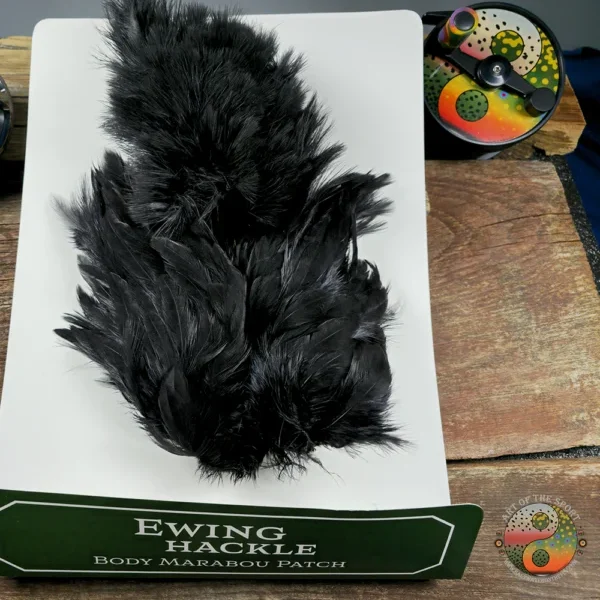
Black Chickabou Body Marabou
$22.88 Select options This product has multiple variants. The options may be chosen on the product page -
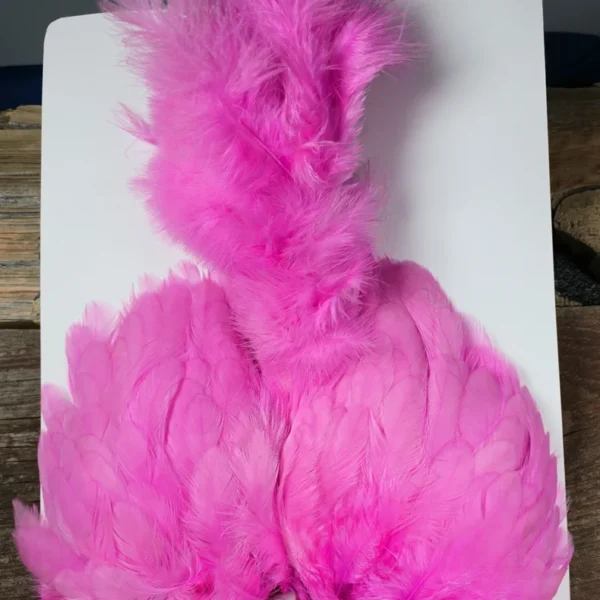
Bright Pink Chickaboo Body Marabou Patch
$22.88 Select options This product has multiple variants. The options may be chosen on the product page -
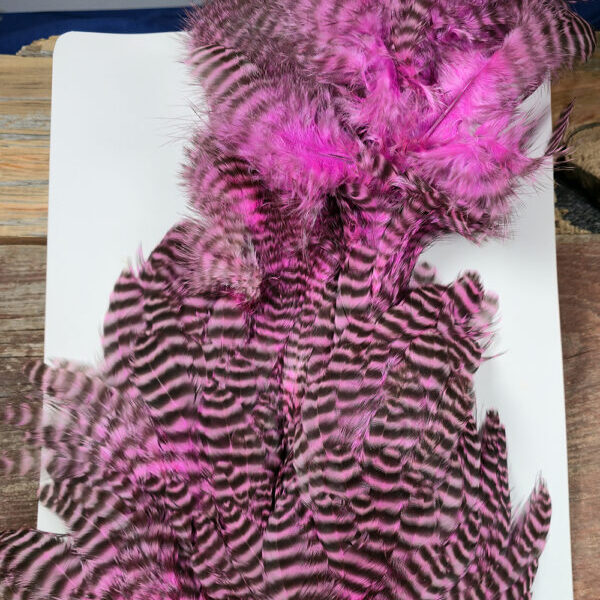
Bright Pink Grizzly Chickaboo Body Marabou Patch
$22.88 Select options This product has multiple variants. The options may be chosen on the product page -
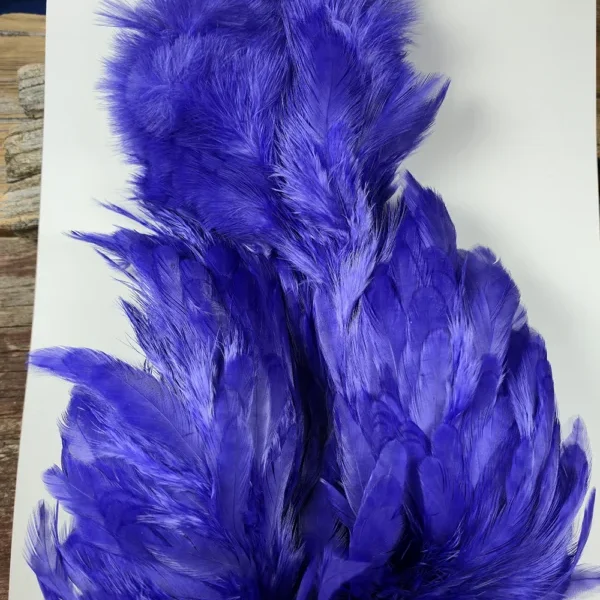
Bright Purple Chickabou Body Marabou Patch
$22.88 Select options This product has multiple variants. The options may be chosen on the product page -
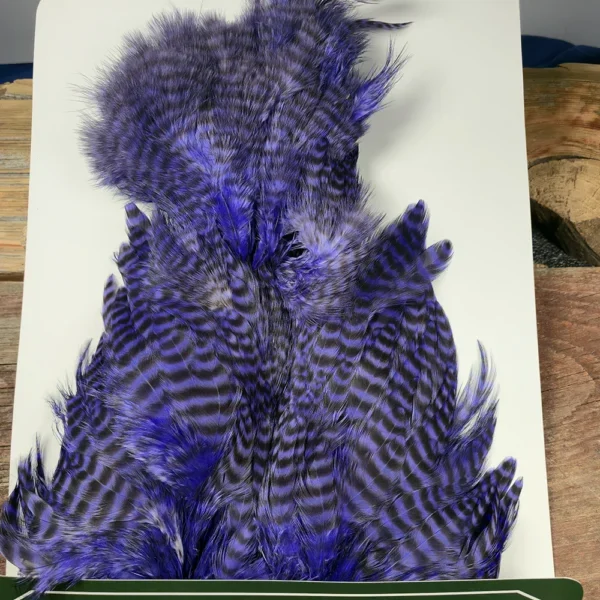
Bright Purple Grizzly Chickabou-Marabou Body Patch
$22.88 Select options This product has multiple variants. The options may be chosen on the product page -
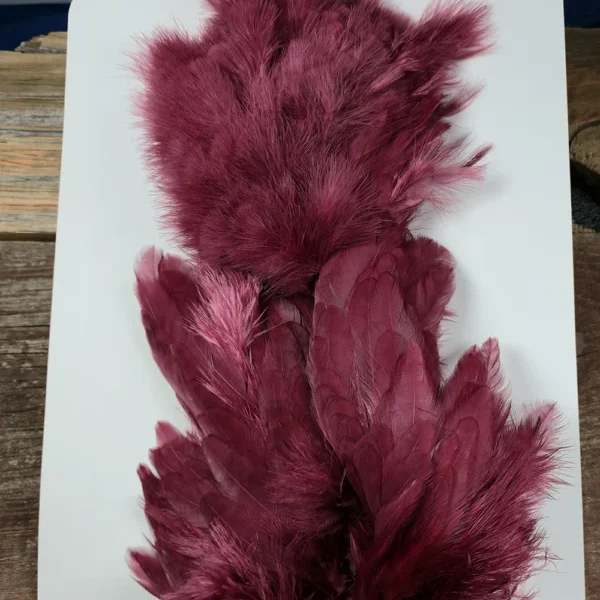
Claret Chickabou-Marabou Body Patch
$22.88 Select options This product has multiple variants. The options may be chosen on the product page -
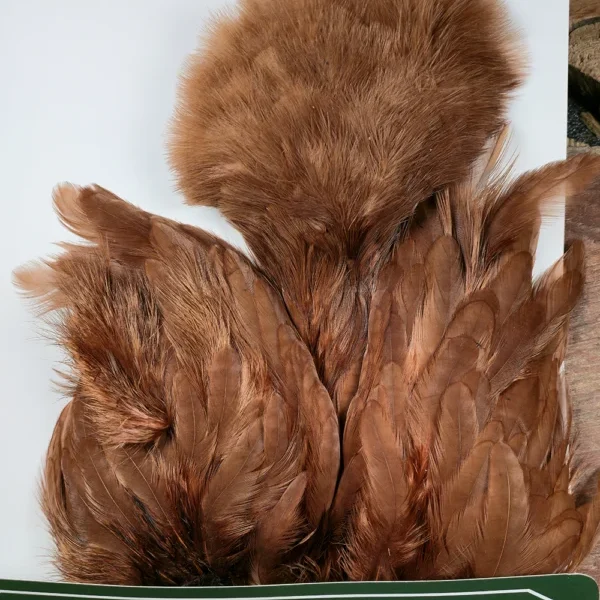
Coachman Brown Chickabou Body Marabou Patch
$22.88 Select options This product has multiple variants. The options may be chosen on the product page -
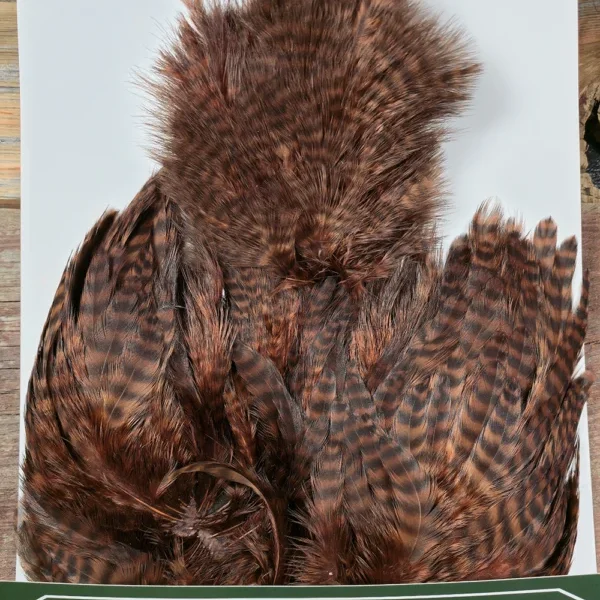
Coachman Brown Grizzly Chickabou Body Marabou Patch
$22.88 Select options This product has multiple variants. The options may be chosen on the product page -
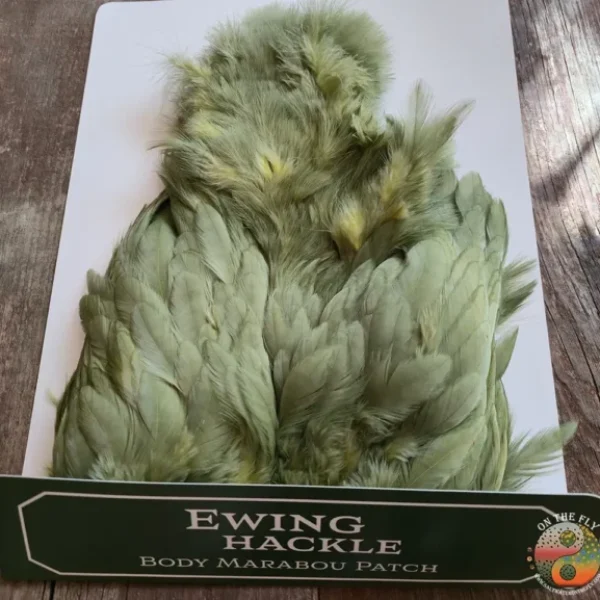
Dark Olive Chickabou-Marabou Patch
$22.88 Select options This product has multiple variants. The options may be chosen on the product page -
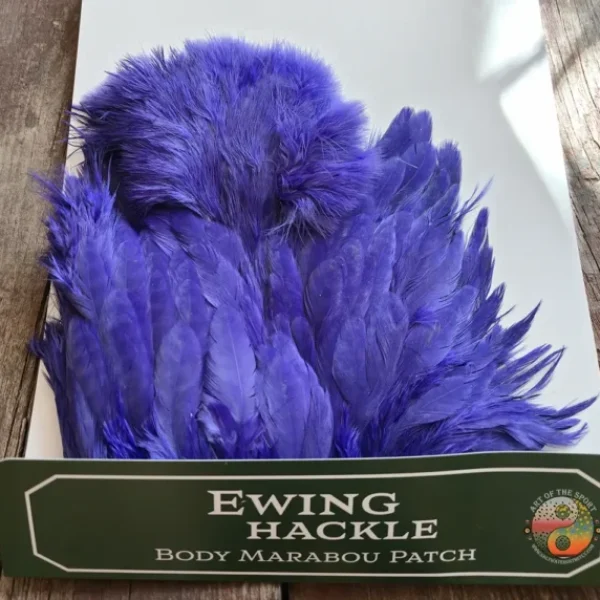
Dark Purple Chickabou-Marabou Patch
$22.88 Select options This product has multiple variants. The options may be chosen on the product page -

Dark Purple Grizzly Chickaboo Body Marabou Patch
$22.88 Select options This product has multiple variants. The options may be chosen on the product page -
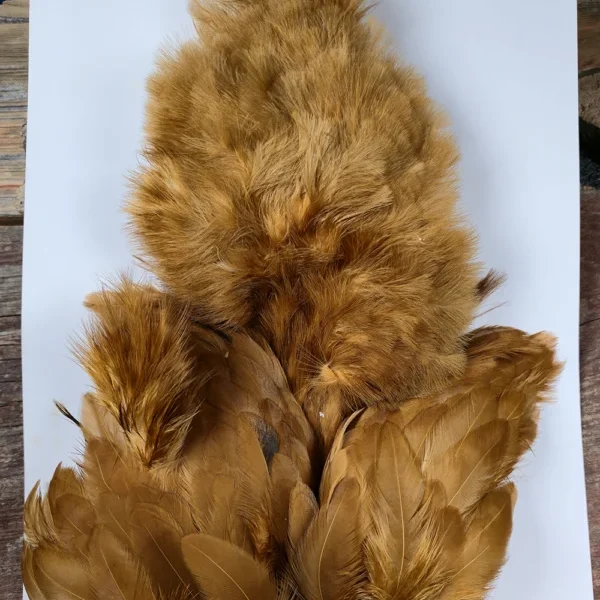
Ginger Chickaboo Body Marabou Patch
$22.88 Select options This product has multiple variants. The options may be chosen on the product page -
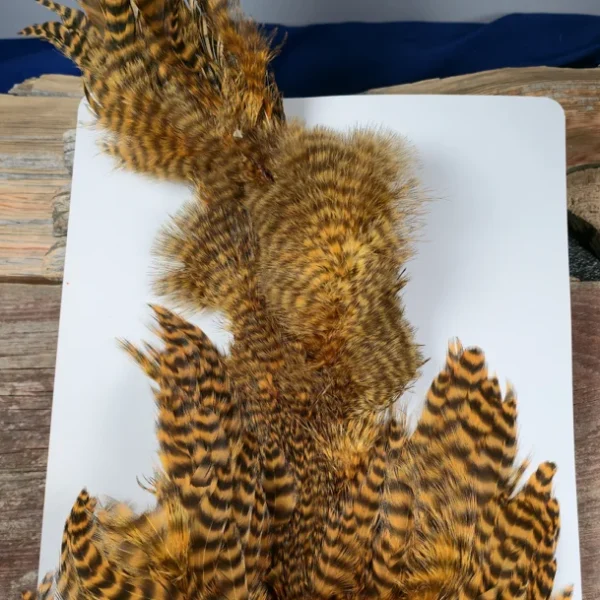
Ginger Grizzly Chickaboo Body Marabou Patch
$22.88 Select options This product has multiple variants. The options may be chosen on the product page -
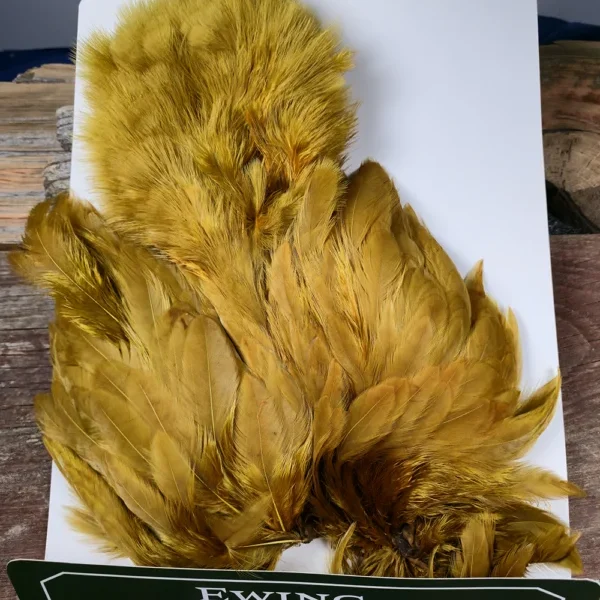
Golden Olive Chickaboo Body Marabou Patch
$22.88 Select options This product has multiple variants. The options may be chosen on the product page -
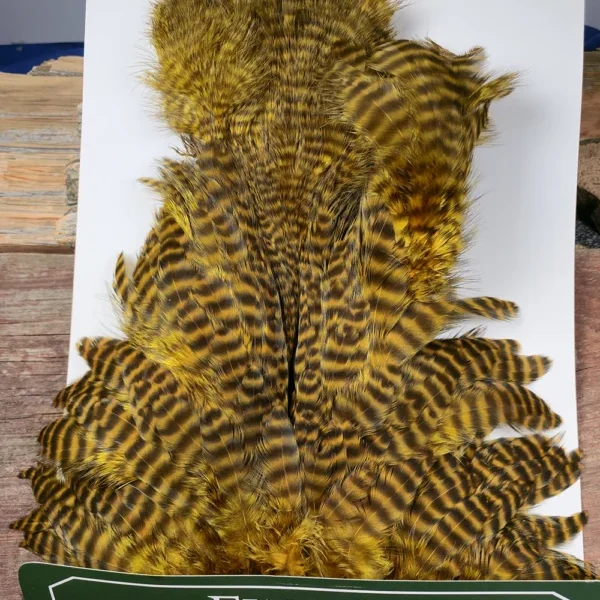
Golden Olive Grizzly Chickaboo Body Marabou Patch
$22.88 Select options This product has multiple variants. The options may be chosen on the product page -
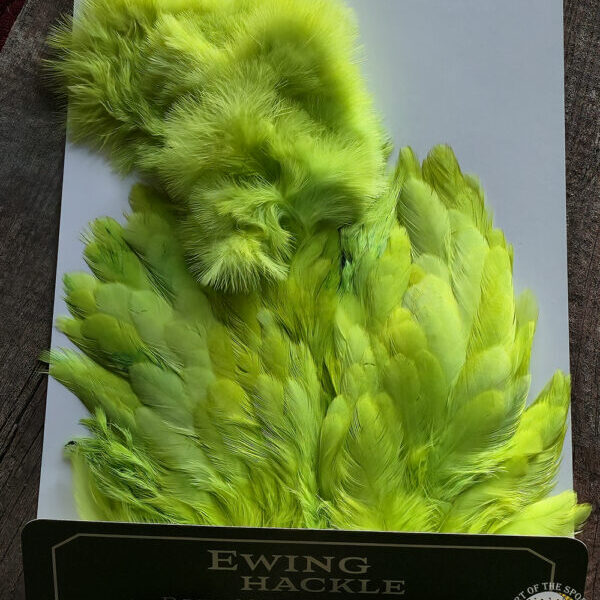
Green Chartreuse Chickabou-Marabou Patch
$22.88 Select options This product has multiple variants. The options may be chosen on the product page -

Green Chartreuse Grizzly Chickabou Body Marabou Patch
$22.88 Select options This product has multiple variants. The options may be chosen on the product page -

Kingfisher Blue Chickabou Body Marabou Patch
$22.88 Select options This product has multiple variants. The options may be chosen on the product page -

Kingfisher Blue Grizzly Chickabou Body Marabou Patch
$22.88 Select options This product has multiple variants. The options may be chosen on the product page -
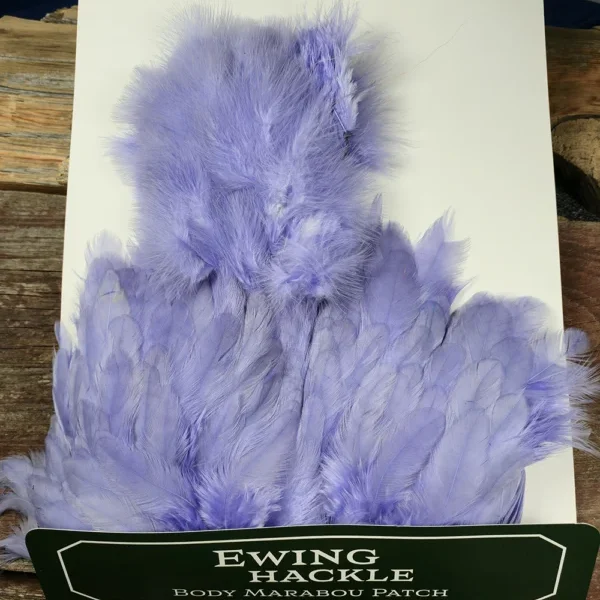
Lavender Chickaboo Body Marabou Patch
$22.88 Select options This product has multiple variants. The options may be chosen on the product page -

Lavender Grizzly Chickabou Body Marabou Patch
$22.88 Select options This product has multiple variants. The options may be chosen on the product page -
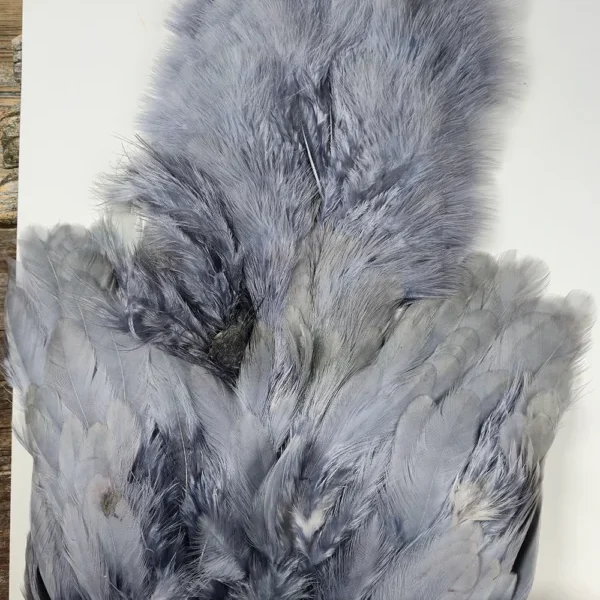
Light Dun Chickabou Body Marabou Patch
$22.88 Select options This product has multiple variants. The options may be chosen on the product page -
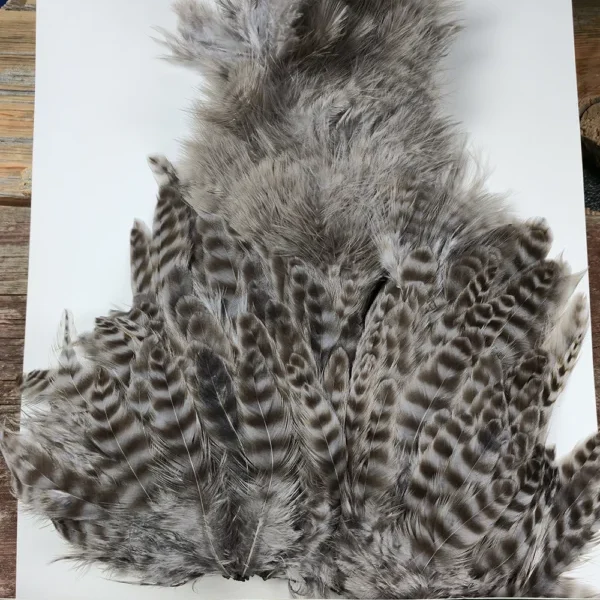
Light Dun Grizzly Chickabou Body Marabou Patch
$22.88 Select options This product has multiple variants. The options may be chosen on the product page -
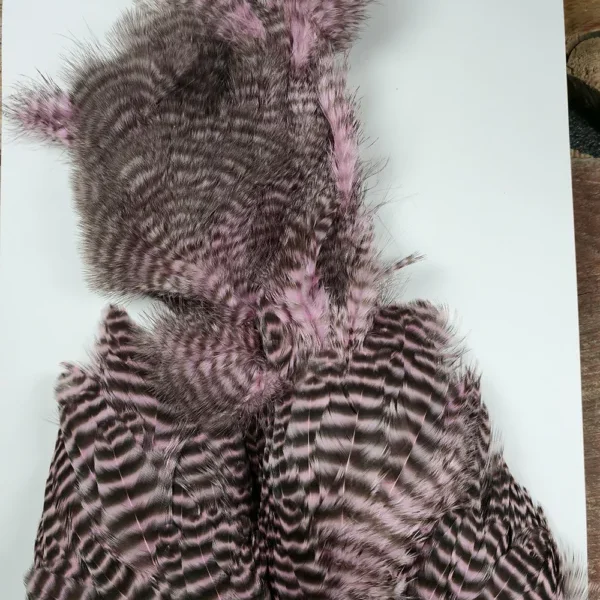
Light Pink Grizzly Chickabou Body Marabou Patch
$22.88 Select options This product has multiple variants. The options may be chosen on the product page -
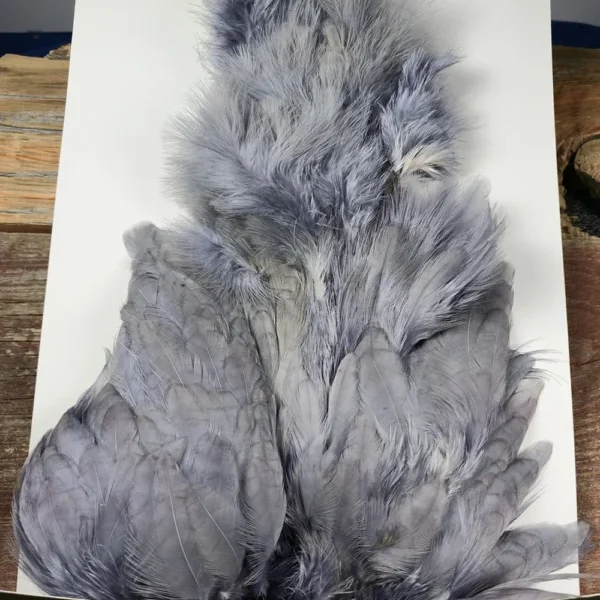
Medium Dun Chickabou Body Marabou Patch
$22.88 Select options This product has multiple variants. The options may be chosen on the product page -
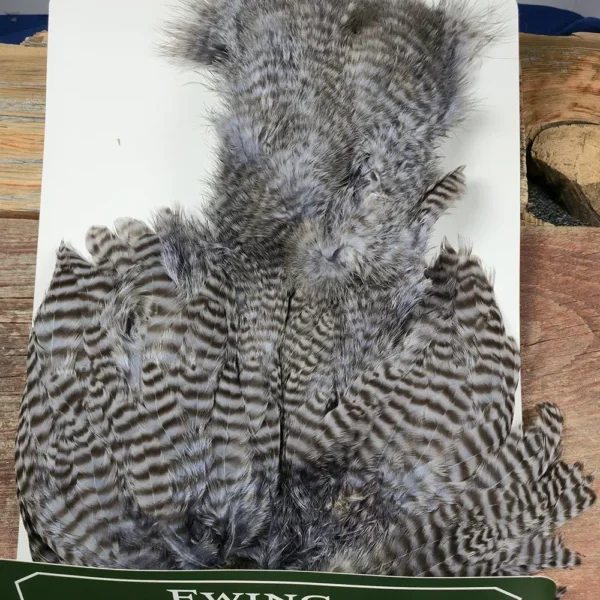
Medium Dun Grizzly Chickabou-Marabou Body Patch
$22.88 Select options This product has multiple variants. The options may be chosen on the product page -
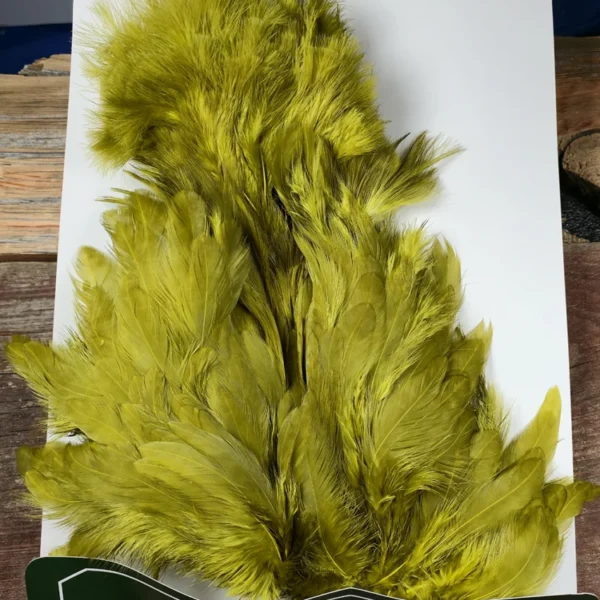
Olive Chickaboo Body Marabou Patch
$22.88 Select options This product has multiple variants. The options may be chosen on the product page -
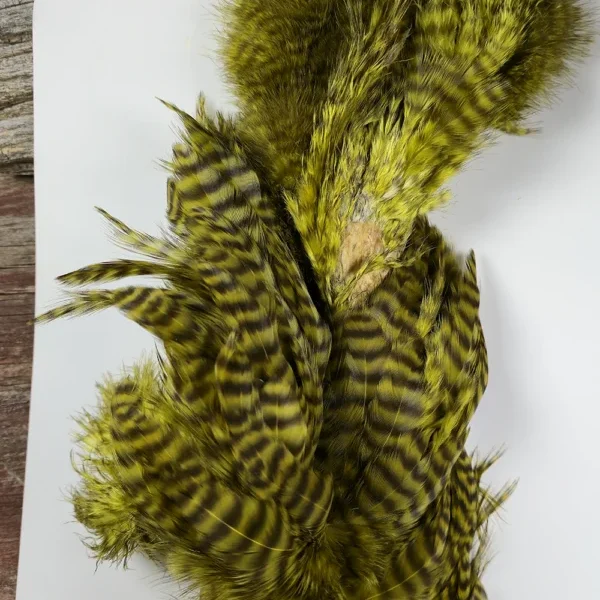
Olive Grizzly Chickaboo Body Marabou Patch
$22.88 Select options This product has multiple variants. The options may be chosen on the product page -
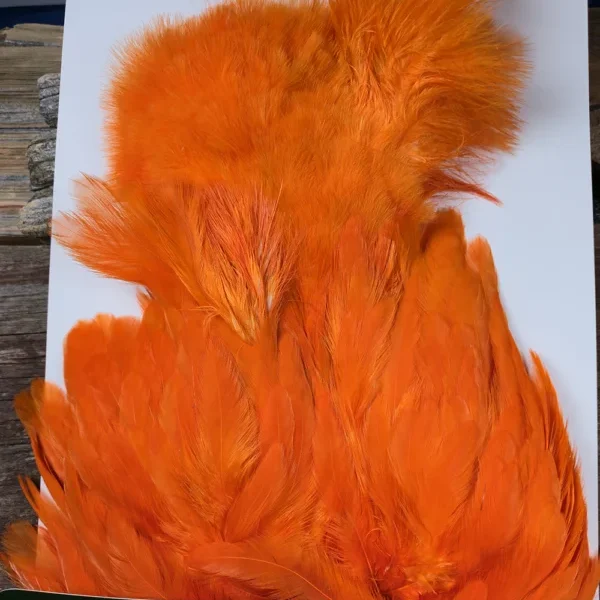
Orange Chickabou Body Marabou Patch
$22.88 Select options This product has multiple variants. The options may be chosen on the product page -
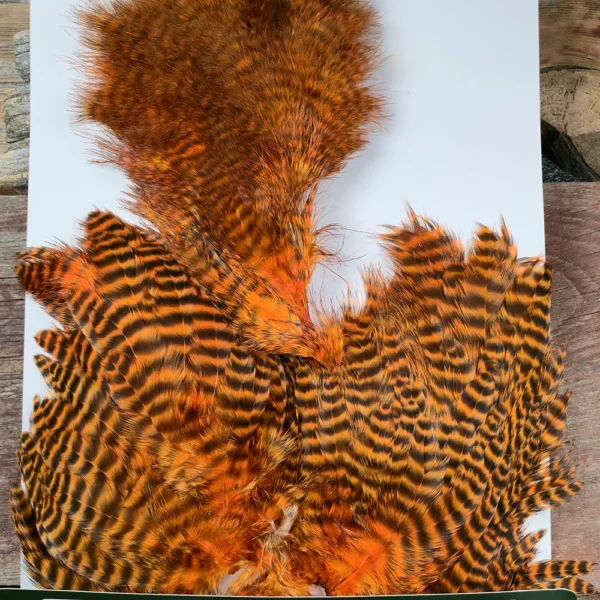
Orange Grizzly Chickabou Body Marabou Patch
$22.88 Select options This product has multiple variants. The options may be chosen on the product page -
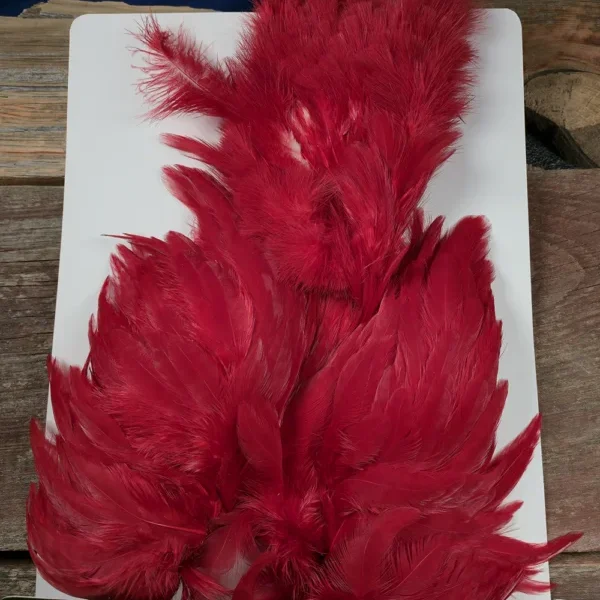
Red Chickabou-Marabou Body Patch
$22.88 Select options This product has multiple variants. The options may be chosen on the product page -
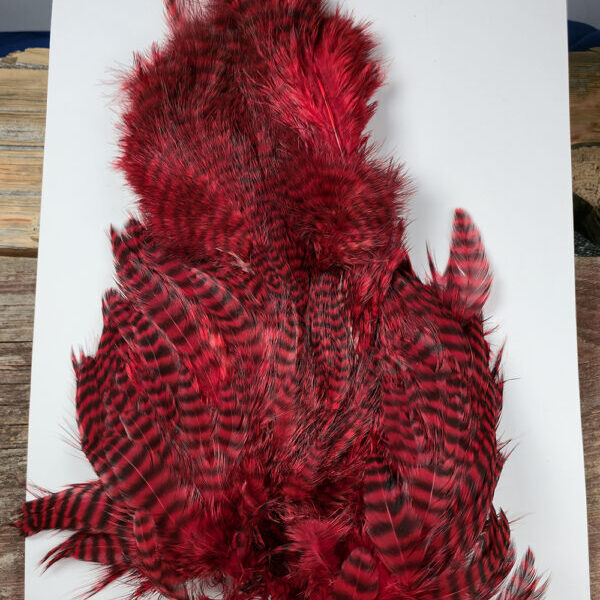
Red Grizzly Chickabou-Marabou Body Patch
$22.88 Select options This product has multiple variants. The options may be chosen on the product page -
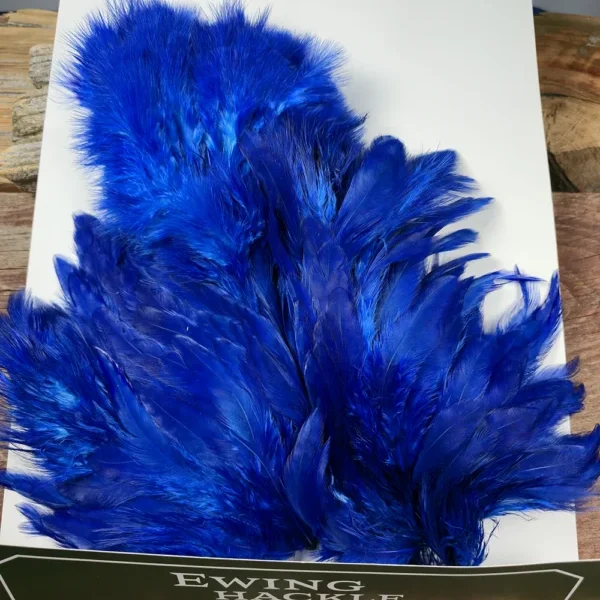
Royal Blue Chickabou Body Marabou Patch
$22.88 Select options This product has multiple variants. The options may be chosen on the product page -
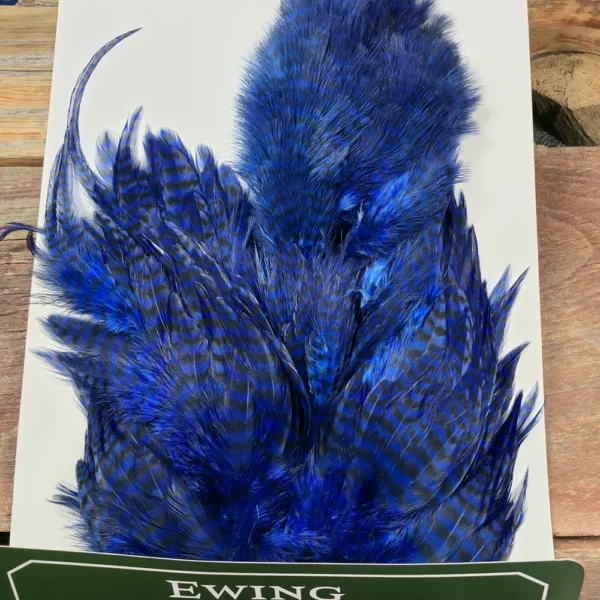
Royal Blue Grizzly Chickabou-Marabou Body Patch
$22.88 Select options This product has multiple variants. The options may be chosen on the product page -
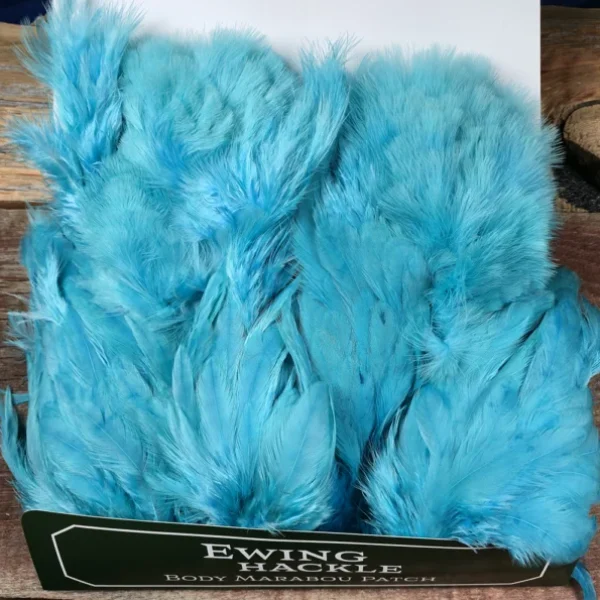
Silver Doctor Blue Chickabou Body Marabou Patch
$22.88 Select options This product has multiple variants. The options may be chosen on the product page -
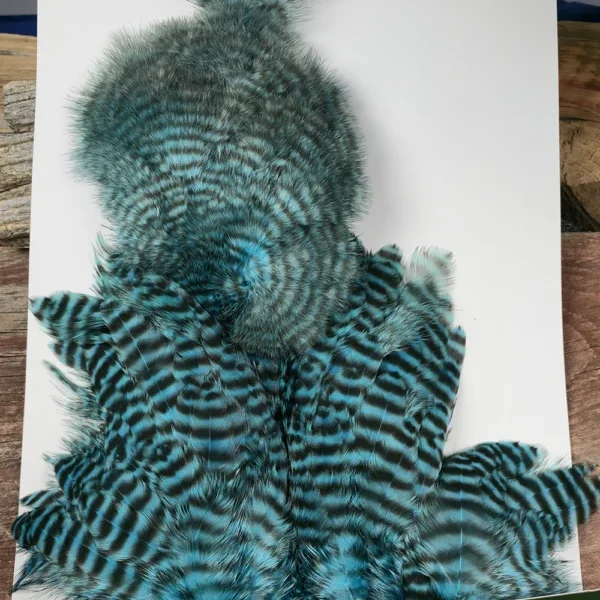
Silver Doctor Blue Grizzly Chickabou Body Marabou Patch
$22.88 Select options This product has multiple variants. The options may be chosen on the product page -
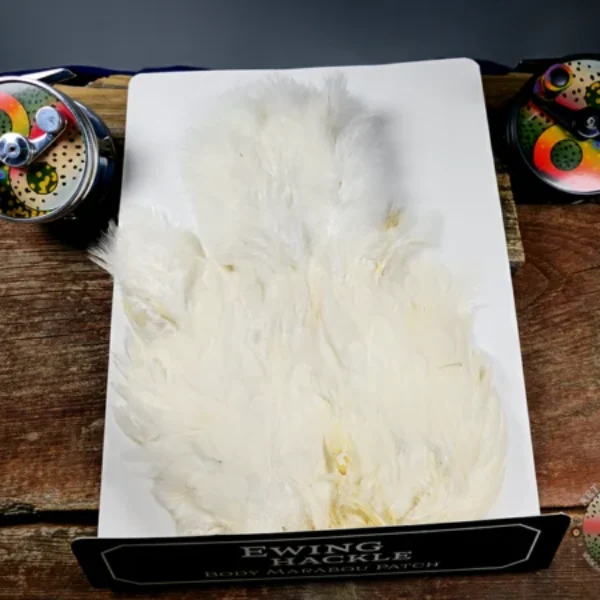
White Chickabou Body Marabou
$22.88 Select options This product has multiple variants. The options may be chosen on the product page -
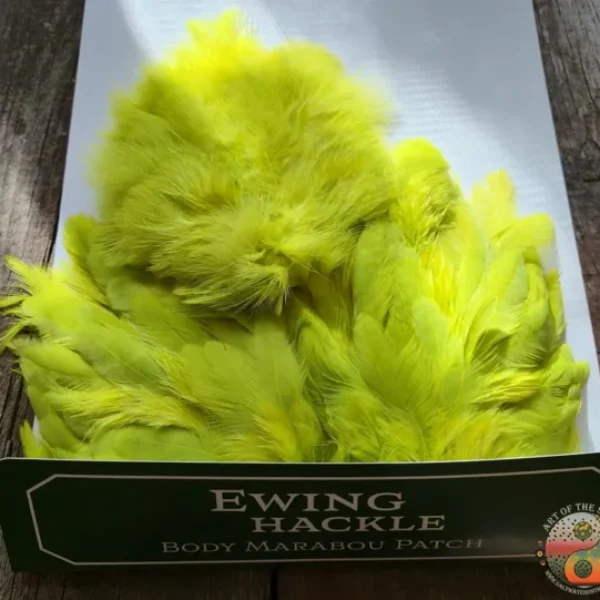
Yellow Chartreuse Chickabou-Marabou Patch
$22.88 Select options This product has multiple variants. The options may be chosen on the product page -
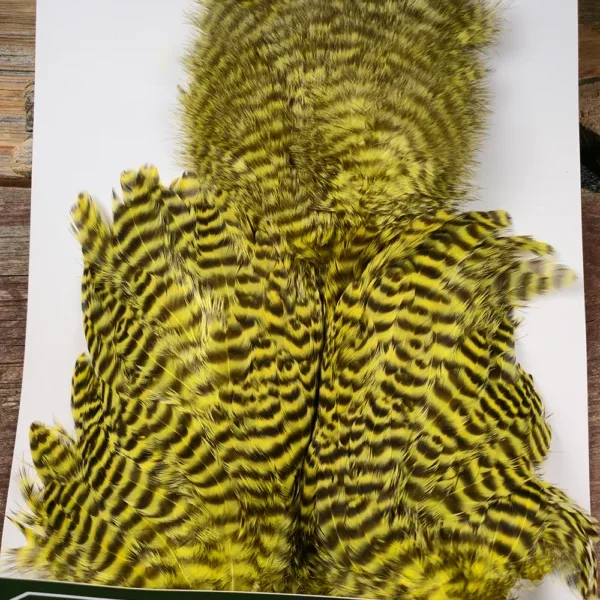
Yellow Chartreuse Grizzly Chickabou Body Marabou Patch
$22.88 Select options This product has multiple variants. The options may be chosen on the product page -
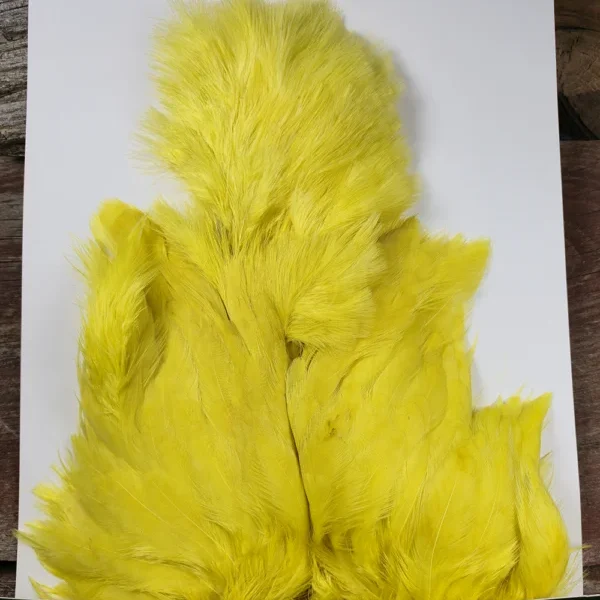
Yellow Chickaboo Body Marabou Patch
$22.88 Select options This product has multiple variants. The options may be chosen on the product page