Origins of Lewis Smith Lake Bass Fly Fishing, Alabama
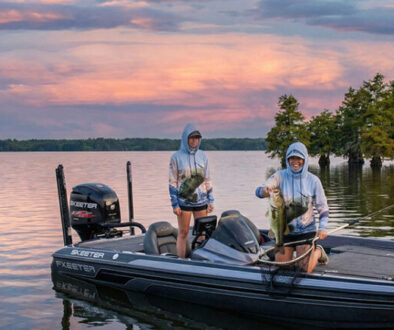
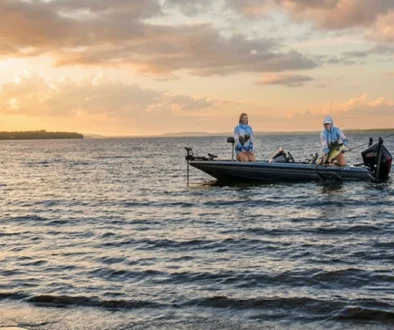
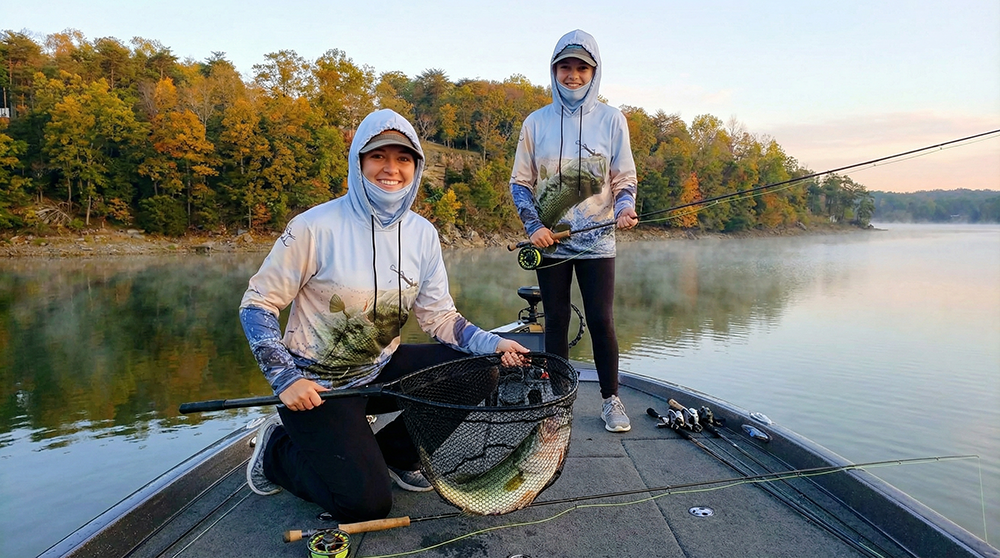
Lewis Smith Lake Bass Fly Fishing, Alabama—oh boy a concept, where do we even start with this watery wonder that’s basically Alabama Power’s mid-century fever dream turned into a fisherman’s paradise (and occasional headache)? If you’re searching for “Lewis Smith Lake Alabama fly fishing,” “best flies for Smith Lake,” “Smith Lake panfish fly fishing,” or just “why is this lake so damn deep and pretty,” buckle up. This ramble is your one-stop shop, served with a side of sarcasm because, let’s face it, nothing says “relaxing day on the water” like arguing with a spotted bass that thinks it’s smarter than you. On this trip we targeted panfish quite a bit, fun in the sun. As well we sought out areas known for largemouth bass.
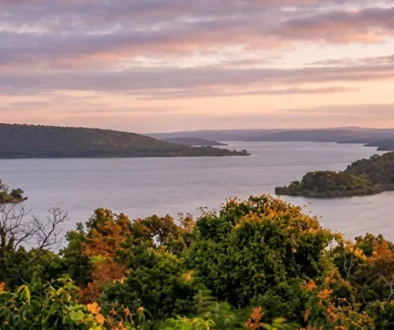
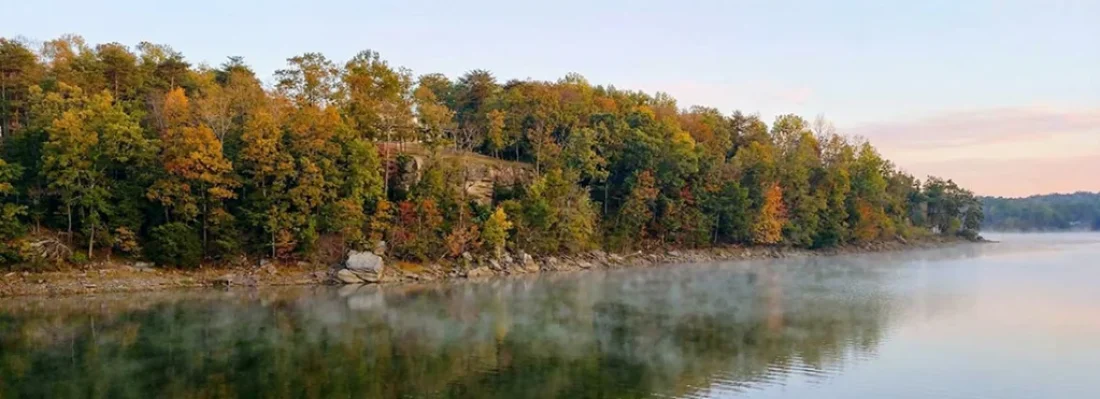
First off, let’s get the name straight: it’s Lewis Smith Lake (often just called Smith Lake by locals who can’t be bothered with the full title). This bad boy sits in north-central Alabama, sprawling across Cullman, Walker, and Winston counties like a giant blue rug someone forgot to vacuum. Created in 1961 by the Alabama Power Company damming the Sipsey Fork of the Black Warrior River, it’s one of those “we needed power, so we flooded everything” stories. The dam—named after Lewis Martin Smith, former Alabama Power prez—is a monster: 300 feet tall, 2,200 feet long, one of the biggest earthen dams in the eastern U.S. It flooded nearly 21,200 acres, creating over 500 miles (some say 713) of twisty shoreline that’s perfect for getting lost, finding secret coves, or pretending you’re in a postcard while your boat motor dies.
Table of Contents
History: From Falls and Farms to Flooded Graves and Fish Heaven
Picture this: back in the 1950s, Alabama Power’s like, “Hey, we need more juice for the grid, and oh yeah, some drinking water and recreation wouldn’t hurt.” They file paperwork in 1954, pick the Sipsey Fork spot for its depth and “strategic location” (code for “this valley is begging to be a bathtub”), and boom—construction kicks off November 25, 1957. By 1961, the $29 million project is done, dedicated on May 23, and the lake fills faster than expected thanks to a biblical downpour in 1958. What was supposed to take five years? Done in under one. Nature’s way of saying, “Hold my beer.”
But it’s not all happy hydro vibes. The flooding swallowed farmland, homes, and entire communities like Falls City (a tiny post office village near the now-submerged Clear Creek Falls, once one of the state’s biggest waterfalls). They relocated 78 graves from four cemeteries—because nothing screams “progress” like digging up grandma to make room for bass habitat. The area was sparsely populated, sure, but still: haunted vibes under the water? Check. Locals still whisper about old structures and graveyards lurking below the surface. It’s like Atlantis, but with more banjos and less Kevin Costner.
Today, the lake’s a recreational beast: boating, swimming, striped bass chasing, and yes, some killer fly fishing if you know where to look. Alabama Power manages it for power generation, but it’s become a mecca for anglers who want clear, deep water (average depth around 60 feet, max over 200 in spots) and fish that fight like they owe you money.
Conservation Challenges for Lewis Smith Lake and Fly Fishing
People frequently praise the exceptional water clarity here, but the reservoir still faces significant environmental pressure from human development. Steep shorelines and shallow bedrock make traditional septic systems highly prone to leaking excess nutrients directly into the watershed. Maintaining high standards for warmwater fly fishing requires constant vigilance regarding population growth in Cullman and Winston counties.
The Smith Lake Environmental Preservation Committee works tirelessly to monitor water quality and organize massive volunteer shoreline cleanup events. They regularly remove hundreds of tons of debris, including massive amounts of broken foam from aging private boat docks. These efforts are vital for maintaining the high-quality habitat required for successful fly fishing for bass in Alabama.
Power generation schedules dictate sudden water level fluctuations that actively disrupt fragile transitional habitats in the upper creek arms. These drastic changes strip away beneficial riffles and replace them with fine sediment that suffocates native mussels and crayfish. Responsible anglers must support ongoing habitat restoration efforts to protect this fishery from further ecological degradation over the coming decades.
Top 13 Best Flies for Lewis Smith Lake
Fly fishing here isn’t Sipsey Fork tailwater trout (that’s below the dam—different beast). On the lake proper, you’re mostly chasing warmwater species: spotted bass (the stars), largemouth, stripers (in deeper channels), and yes, panfish galore. The water’s clear and deep, so finesse is key, but topwater explosions at dusk? Chef’s kiss.
Here’s my sarcastic-but-accurate top 13 flies that’ll actually work (no, not just “whatever’s in your box”):
- Woolly Bugger (black or olive, sizes 8-12) — The Swiss Army knife. Strip it slow near structure for bass; panfish love it too. If you’re not catching on this, go home.
- Clouser Minnow (chartreuse/white or olive/white) — For stripers and bigger bass imitating baitfish. Because who doesn’t want to feel like a predator?
- Poppers (foam or deer hair, frog or poppin’ bug patterns) — Summer evenings around lily pads or docks. Bluegill and bass will slap these like bad decisions at a family reunion.
- Foam Spider or Ant — Terrestrials for panfish in shallows. Because bugs fall in the water, and fish are opportunists (unlike your ex).
- Hare’s Ear Nymph (beaded, sizes 12-16) — Universal. Drop it under an indicator for panfish or bass cruising mid-depth.
- Pheasant Tail Nymph — Classic. Gold beadhead version for getting down quick in this deep lake.
- Zebra Midge (black or red, tiny 18-22) — For finesse when fish are picky. Yes, even warmwater fish get moody.
- Elk Hair Caddis — If hatches pop (sporadic here), match ’em. Otherwise, great searching dry.
- Bluegill Popper (small, colorful) — Obvious for panfish, but deadly. They can’t resist the splat.
- Damsel Fly Nymph — Summer around weeds. Strip it erratically—panfish go nuts.
- Leech Pattern (bunny or marabou) — Slow strip for bass lurking deep.
- Cricket or Hopper — Late summer terrestrials. Windy days? Bombs away.
- Prince Nymph — Flashy attractor. Because sometimes you need bling to get noticed.
Stock up on 4-6 weight rods, floating and sink-tip lines. The lake’s big—boat or kayak essential unless you’re bank-bound (good luck).
Best Locations on the Lewis Smith Lake for Fly Fishing
Smith Lake’s arms are Sipsey (west), Rock Creek (middle), Ryan Creek (east). Ryan’s flatter, better for largemouth; others steeper for spots.
- Sipsey Fork Arm — Upper parts near the dam for deeper structure; tailwater below for trout (but that’s not the lake).
- Rock Creek — Mid-lake, good for spotted bass on points and drops. Fly fish humps and ledges.
- Ryan Creek — Shallower coves, lily pads—prime for panfish and topwater bass.
- Brushy Creek — Quieter, great for laid-back panfish in fall.
- Bear Branch, Dismal Creek, etc. — Smaller inlets with wood/cover for sneaky casts.
- Coves and Docks — Everywhere. Night fly fishing for spots is legendary.
- Near the Dam — Deeper for stripers, but tricky currents.
Best seasons: Spring/fall for active fish; summer nights to avoid the heat (and tourists).
Detailed Section: Fly Fishing for Panfish in Lewis Smith Lake
Panfish—bluegill, shellcrackers, crappie (yeah, crappie count as panfish when you’re fly rodding)—are the unsung heroes here. While everyone chases stripers or spots, panfish provide non-stop action, especially if you’re introducing kids or just want to feel like a god for an afternoon.
Lewis Smith isn’t a shallow weedy panfish factory like some southern lakes—it’s deep and clear, so fish hold deeper or in cover. But spring spawn (April-May) pushes them shallow; summer finds them in coves or under docks; fall crappie school up.
Gear Setup: 4-6 wt rod, floating line, 9-12 ft leader tapering to 4-6X tippet. Small flies (8-16) to match tiny mouths.
Top Flies for Panfish:
- Foam poppers (bluegill killers—colors like chartreuse, black, or natural).
- Woolly Buggers (small olive/black).
- Wet flies like spiders, ants, or crickets.
- Nymphs (hare’s ear, pheasant tail) under indicators.
- Damsel patterns for weed edges.
Techniques:
- Topwater: Early morning/evening around lily pads or fallen trees. Cast popper, let it sit, twitch—BOOM. Bluegill explode; it’s addictive.
- Nymphing: Indicator rig in 5-15 ft near brush piles or docks. Crappie love suspended nymphs.
- Streamers: Strip small buggers along weedlines or drop-offs for bigger shellcrackers.
- Sight Fishing: Clear water means you can spot beds in spring—sneak up, drop a spider on a bedded bluegill. They guard like it’s Fort Knox.
Prime Spots:
- Shallow coves in Ryan Creek arm—lily pads galore.
- Brushy Creek backs—quiet, weedy.
- Dock lines anywhere (private docks = permission needed, public ramps have structure).
- Upper Sipsey Fork inlets—shallower flats.
- Wooded points with submerged timber—crappie magnets.
Tips:
- Spring: Fish beds at dawn before the bass guys show up and ruin it.
- Summer: Go deep or go home—panfish sulk in heat.
- Crappie: Find brush piles (use electronics if you’re fancy); vertical jig a small nymph.
- Bluegill: They school like gossip—catch one, catch 20.
- Watch for bedding aggression—nothing funnier than a palm-sized bluegill charging your fly like it’s personal.
The beauty? Panfish are forgiving. Mess up a cast? They’ll still eat. Unlike those snobby spotted bass that ghost you mid-fight.
Final Thoughts on Bass Fly Fishing Lewis Smith Lake Alabama
This massive reservoir offers an incredibly diverse fishery that rewards anglers who take the time to learn its patterns. The sheer depth and stunning water clarity demand a thoughtful approach, proper fly selection, and a bit of patience. Whether you chase aggressive spotted bass or focus on the abundant panfish, the experience here remains truly rewarding.
Protecting this exceptional resource requires everyone to practice responsible catch and release while minimizing their environmental impact along the shoreline. Pack out your trash, respect the local property boundaries, and support the ongoing conservation efforts organized by local volunteer groups. Grab your favorite four-weight rod, launch your kayak into a quiet cove, and enjoy everything this beautiful water offers.
Remember that fishing deep reservoirs often tests your skills in ways that smaller local ponds simply never will. Embrace the learning curve, experiment with different sinking lines, and do not hesitate to ask local tackle shops for advice. Your persistence will eventually pay off with a massive spotted bass pulling hard against your perfectly bent fly rod.