Pymatuning Reservoir Bass Fly Fishing Ohio: A Guide
Pymatuning Reservoir sits right on the Ohio-Pennsylvania border like it cannot pick a side. This massive body of water spans over 17,000 acres and is a top destination for anglers. It is one of those places that does not get enough credit for bass fishing.
If you are chasing largemouth or smallmouth on the fly here, you are in for a treat. The structure and vastness of the lake provide endless opportunities. You can spend days exploring without seeing the same spot twice.
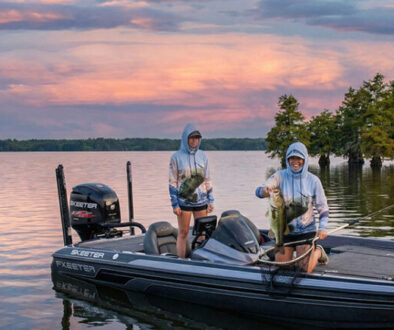
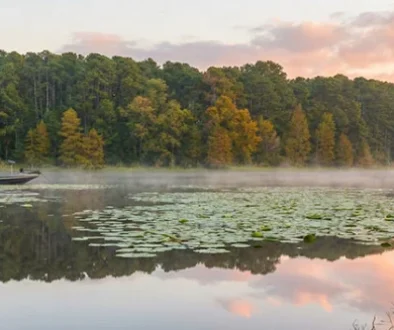
The Ohio side offers some of the best shallow water bass habitat in the region. Weedy bays, lily pad fields, and submerged timber create the perfect setup for fly fishing action. It is the kind of place where a well-placed popper can trigger explosive strikes.
This guide covers everything you need to know about Pymatuning Reservoir Bass Fly Fishing Ohio style. From the best flies to use to where the fish actually hang out, we have you covered. Let’s explore what makes this reservoir a bass angler’s paradise.
Table of Contents
Reason Pymatuning Reservoir Is Perfect for Bass Fly Fishing
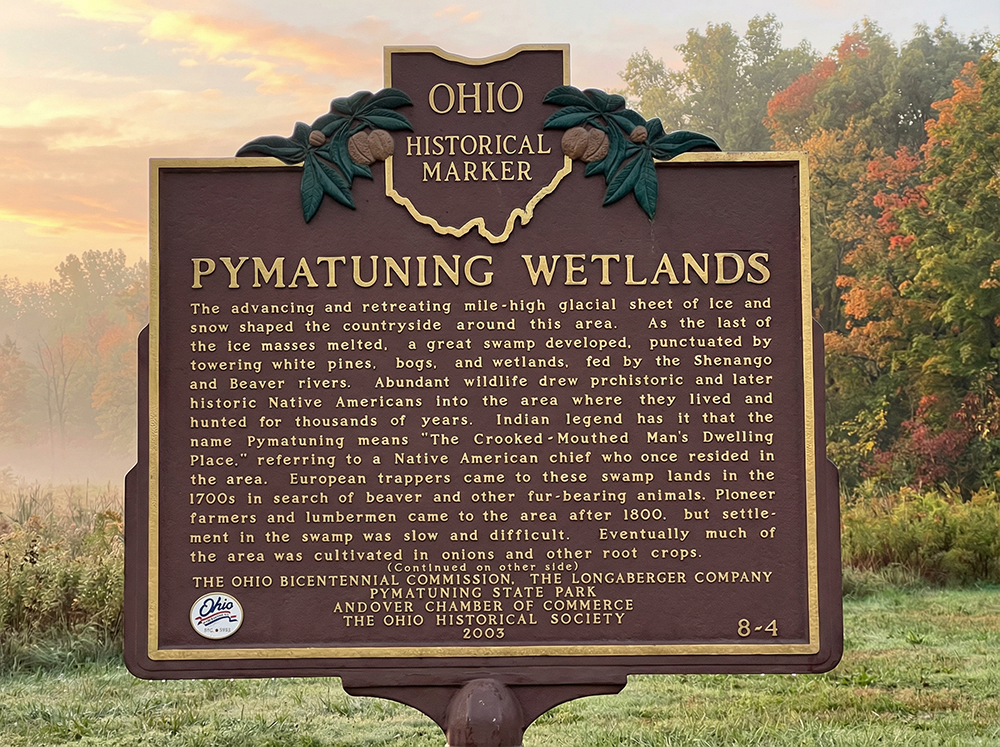
Pymatuning was not always a lake. Back in the early 1900s, this area was the Great Pymatuning Swamp. It was a massive, mosquito-infested wetland that proved difficult for locals.
After devastating floods in 1913, officials decided to dam the Shenango River. The dam was completed in 1934, creating what is now Pymatuning Reservoir. This massive project flooded swampland and farmland alike.
The resulting lake straddles Ashtabula County in Ohio and Crawford County in Pennsylvania. It stands as the largest inland lake in the Commonwealth of Pennsylvania. This vast expanse of fishing waters creates a diverse ecosystem.
Some old roads and buildings still sit underwater. This submerged history creates structure that bass love to hold near. Finding these hidden spots is part of the adventure.
The reservoir’s shallow nature makes it a prime warmwater fishery. The lake is rarely more than 35 ft deep, with most areas being much shallower. This creates ideal conditions for largemouth bass.
These freshwater fish thrive in the warm, weedy water found here. The Ohio side of Pymatuning Lake features extensive weed beds and lily pads. These areas are prime territory for topwater fly fishing.
Smallmouth bass prefer the rockier areas near the causeway and deeper drop-offs. They patrol these areas looking for crawfish and bait. Your fishing trip should target these distinct zones based on the species you want.
Water clarity varies depending on wind and carp activity. Common carp stir up sediment, which can muddy the water quickly. This means you will want to adjust your fly selection based on visibility.
The lake’s size allows you to find solitude even on busy weekends. With multiple fishing access points and miles of shoreline, there is always a spot to explore. Finding your own secret cove is very rewarding.
Best Flies for Pymatuning Reservoir Bass Fly Fishing Ohio
Your fly selection can make or break your day on Pymatuning. Largemouth and smallmouth have different preferences. However, both respond to a few proven patterns.
Visiting a local bait shop is a good way to see what colors are working. The locals often know the good choices for the week. Here is what you generally need in your box.
Topwater Flies
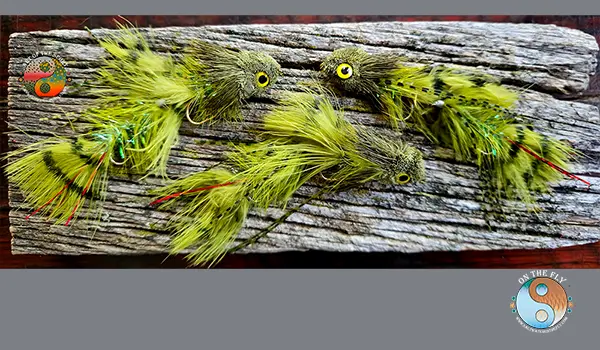
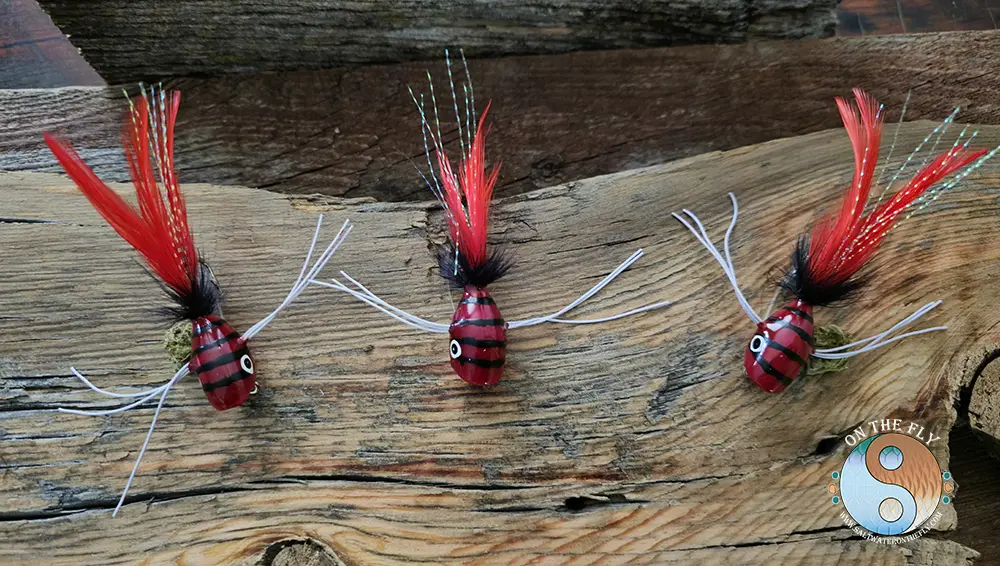
Foam poppers are your best friend for largemouth bass. The Dahlberg Diver and Double Barrel Popper work great in sizes 2 through 6. Chartreuse and black are go-to colors for low light conditions.
Fish these slow with deliberate pops along weed edges. The explosion when a bass crushes a popper is exhilarating. Early morning and late evening produce the most topwater action.
Gurgler patterns and foam divers create a different action. They push water and gurgle across the surface. These work well on windy days when standard poppers get lost in the chop.
Subsurface Streamers
Clouser Minnows in chartreuse and white or olive and white are essential. Sizes 1/0 through 4 cover most situations. The jigging action of dumbbell eyes mimics injured baitfish perfectly.
Woolly Buggers in black and olive are another must-have. Strip them erratically through weeds or dead-drift them for small bass and panfish. Add weight for deeper water near drop-offs and humps.
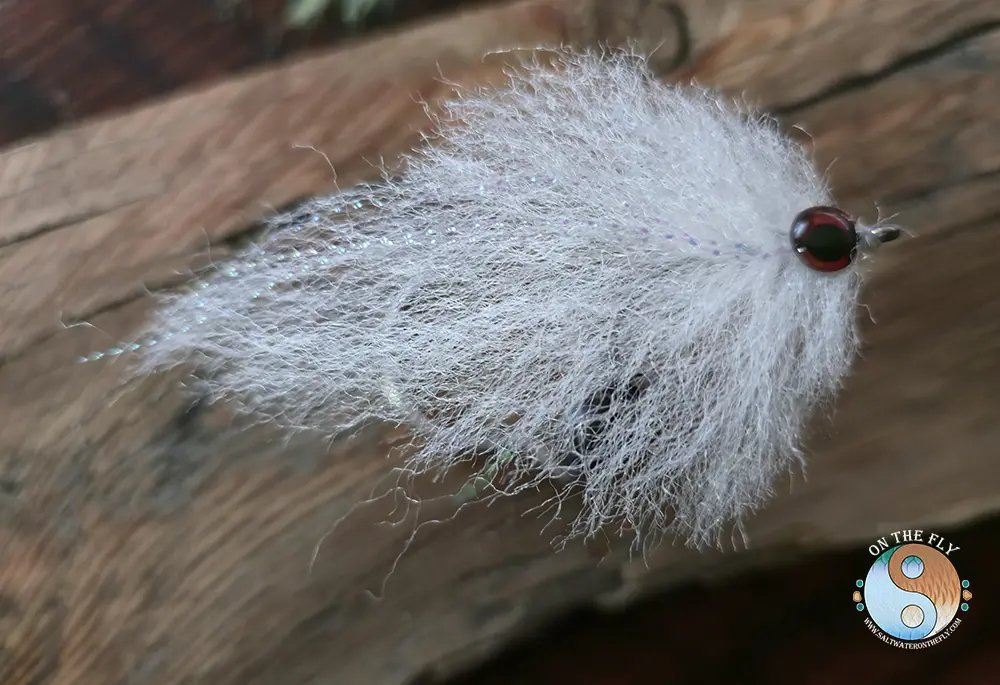
Deceiver patterns work well for covering water quickly. Use lighter versions for shallow areas and weighted ones for deeper structure. White and natural baitfish colors produce consistently.
The table below outlines a simple guide for selecting flies based on target species in these inland lakes.
| Target Species | Recommended Fly Pattern | Best Colors | Preferred Location |
|---|---|---|---|
| Largemouth Bass | Foam Poppers / Weedless Bugs | Black, Chartreuse, Frog | Weed beds, Lily Pads |
| Smallmouth Bass | Clouser Minnow / Crayfish | Olive/White, Orange/Brown | Causeway, Rocky Points |
| Northern Pike | Large Deceivers / Bunnies | Red/White, Yellow/Black | Weed edges, Drop-offs |
| Bluegill Fishing | Foam Spiders / Nymphs | Black, Yellow, Ants | Docks, Shallow Brush |
Specialty Patterns
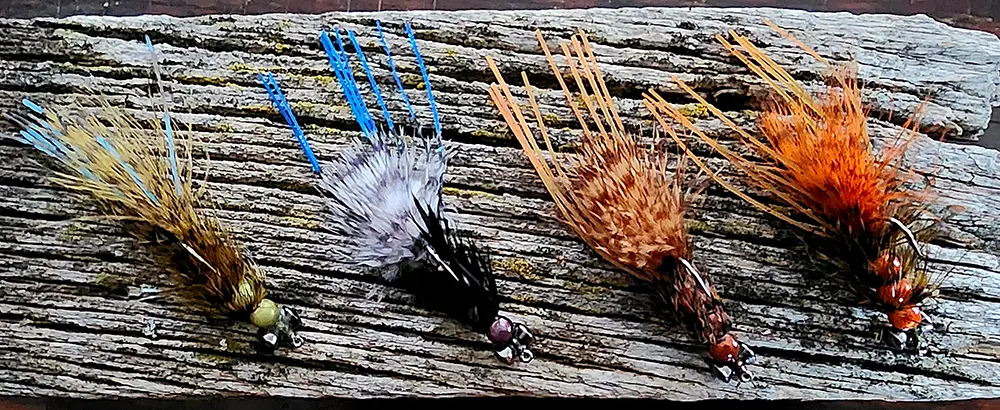
Crawfish patterns are deadly near rocky areas. The Near-Nuff Crayfish and similar patterns in orange and brown work best. Hop them slowly along the bottom where smallmouth feed.
Mouse and frog patterns create nighttime excitement. Skate a deer hair mouse across lily pads after dark. The strikes are violent and memorable.
Dragonfly patterns work during summer hatches. Both adult and nymph imitations produce. Bass key on these large insects when they are active.
Where to Find Bass on Pymatuning Reservoir
Pymatuning’s massive size can be intimidating at first. Focus on proven areas to maximize your time on the water. Each spot offers different opportunities depending on season and conditions.
Northern Shallow Bays
The northern end of the reservoir on the Ohio side features extensive shallow bays. These areas warm quickly in spring and hold spawning bass. Lily pads and weed beds provide excellent cover here.
Padanaram Boat Launch Area gives access to some of the best topwater fishing. Work your poppers along pad edges during low light periods. Largemouth stack up in these protected areas.
Wilson Road Launch at the north end offers similar opportunities. Hidden bays here see less pressure than more popular fishing areas. Kayakers can sneak into tight spots that bigger boats cannot reach.
The Causeway
The causeway bridge connecting Ohio and Pennsylvania is a major landmark. Rocky riprap along both sides holds plenty of smallmouth bass. This structure provides habitat and ambush points.
Fish both sides of the causeway with crawfish patterns. Smallmouth cruise these rocks looking for food. The current near bridge pilings concentrates baitfish schools.
This area can get crowded but produces year-round. Early morning visits help you beat the crowds. The rocks continue underwater, creating drop-offs that hold fish.
Submerged Structure
Old roads and foundations from the pre-dam era still exist underwater. These create irregular bottom structure that bass love. Use a fishing map to locate these productive spots.
Tuttle Point and areas near Stockers Island offer good structure fishing. Drop-offs and humps hold smallmouth, especially during summer heat. Sink-tip lines help get streamers down to these fish.
The Shenango River inlet brings current and baitfish. This area near the Jamestown Park Day Use Area can be excellent. Streamers fished in the current produce aggressive strikes.
Other Notable Spots
The area near the Linesville Spillway is famous for carp, but bass lurk nearby. While the spillway itself is a sanctuary, the surrounding waters are productive. You might see fishing charters working these deeper edges.
South of the causeway, Jamestown PA offers access to deeper water. The shoreline here has pockets of excellent habitat. It is a great time to explore these southern reaches in the fall.
Seasonal Patterns for Pymatuning Bass Fly Fishing
Bass behavior changes dramatically throughout the year. Understanding these patterns helps you be on the water when fishing is best. The fishing season typically dictates your approach.
Spring
Spring brings bass into shallow water for spawning. Water temperatures in the 60s trigger the spawn. Northern bays and protected areas warm first.
Pre-spawn fish are aggressive and feed heavily. This is one of the best times for fly fishing. Post-spawn bass can be finicky but are still catchable.
Target shallow water from late April through May. Sight fishing for bedding bass is possible in clear conditions. Be sure to check species regulations regarding spawning seasons.
Summer
Summer heat pushes some bass deeper during the day. Early morning and evening topwater fishing is spectacular during the summer months. Largemouth stay in weeds where water stays cooler.
Smallmouth move to deeper structure during midday heat. Focus on humps and drop-offs with weighted streamers. Night fishing becomes productive for trophy largemouth.
Dragonfly hatches bring bass to the surface. Match the hatch with appropriate patterns. Thunderstorms can trigger feeding frenzies before and after they pass.
Fall
Fall is perhaps the best time for Pymatuning Reservoir bass fly fishing Ohio anglers experience. Cooling water temperatures trigger aggressive feeding. Bass bulk up for winter and strike with abandon.
Target the same shallow areas that produced in spring. Baitfish schools move into bays and bass follow. Streamer fishing becomes extremely effective now.
September through October offers consistent action. Water clarity often improves as carp activity decreases. This makes sight fishing more productive.
Winter
Winter fishing slows considerably but isn’t impossible. Bass move deep and their metabolism slows. Ice fishing becomes the primary method for most anglers.
If you can find open water, focus on the deepest areas. Small jigs and flies worked slowly near the bottom produce occasional fish. Most fly anglers take this time to tie flies for spring.
Gear and Techniques for Success
Having the right gear makes a huge difference on a big reservoir. Pymatuning requires equipment that can handle wind and big water. Here is what works best.
Rod and Line Selection
An 8 or 9 weight rod is ideal for bass fishing here. You need power to punch flies through wind and turn over big poppers. A 9-foot rod provides good casting distance.
Floating line handles most situations on Pymatuning. A sink-tip or intermediate line helps reach deeper fish. Having both options ready saves time switching setups.
Leaders should be stout for bass. A 7.5-foot leader tapered to 12-pound test works well. Bass aren’t leader shy, so go heavy enough to horse fish from weeds.
Boat Considerations
A boat or kayak opens up the entire reservoir. Motor restrictions keep things peaceful with a 20 horsepower limit. This makes it perfect for kayak anglers.
Multiple launch sites provide access around the reservoir. Check Ohio Fishing Regulations for current information on access points. The Pennsylvania side launches work too if you prefer.
For camping near the water, Pymatuning State Park offers great facilities. The park opened in 1951 and sits adjacent to the Allegheny National Forest. If you want full hookups, Oil Creek Campground in Titusville is nearby
Text content
Other Species You’ll Encounter
Pymatuning isn’t just about bass. The reservoir holds multiple species that will take a fly. This diversity keeps things interesting when bass are not cooperating.
Walleye and Muskie
Walleye fishing is popular here, as they are stocked regularly. While traditionally caught trolling, they will hit streamers drifted near the bottom. Night fishing produces the most fly-caught walleye.
Muskie also inhabit Pymatuning and grow to trophy sizes. These toothy predators require heavy gear and big flies. Landing one on a fly rod is a lifetime achievement.
Panfish and Others
Crappie schools hang around brush piles and docks. Small poppers or nymphs under an indicator work well. Spring brings crappie shallow for spawning.
Northern pike are present and offer thrilling fights on the fly. You will need a wire bite tippet to prevent cut-offs. They hang around weed edges looking to ambush prey.
White bass can be found in schools chasing baitfish. When you find them, the action is fast and furious. Small white streamers are deadly for these aggressive fish.
Channel catfish will surprisingly take a fly, especially dead-drifted streamers or crayfish patterns. Bluegill fishing is fantastic for beginners or kids. Yellow perch also add to the variety of lake fish you might catch.
Regulations and Conservation
Knowing the rules keeps you legal and helps protect the fishery. Ohio and Pennsylvania have different regulations, so pay attention. The beauty of Pymatuning is the reciprocal agreement.
Your Ohio fishing license or Pennsylvania fishing license works on the entire reservoir if you are in a boat. However, shore fishing requires the license of the state you are standing in. Always carry your fishing license with you.
Bass season and size limits vary by state. Check current Ohio Fishing Regulations before you fish. Pennsylvania has similar resources through their fishing regulations page.
There may be special regulations for certain areas or seasons. It is smart to check local bulletin boards at the boat ramp. Being informed prevents fines and protects the resource.
Invasive species are a concern at Pymatuning. Common carp have been here since the early days. White perch arrived recently and are expanding rapidly.
The 2017 koi herpes virus outbreak killed thousands of carp. While this sounds bad, it actually improved water clarity temporarily. The long-term effects on the ecosystem are still being studied.
Clean your boat and gear between water bodies. This prevents spreading zebra mussels and other invasives. It is a simple step that protects waters everywhere.
If you catch a tagged fish, report it to help research efforts. Visit the Report a Tagged Fish page. Your data helps biologists manage the fishery.
When purchasing licenses online, read the policy terms carefully. Navigating government sites can be tricky, so check the privacy policy if you have data concerns. If a pop-up blocks your view, hit menu close and proceed.
Planning Your Trip
A successful Pymatuning trip starts with good planning. The reservoir is big enough that you cannot fish it all in one day. Focus your efforts based on conditions and season.
Check weather forecasts before heading out. Pymatuning’s size means wind can create challenging conditions. Mornings are typically calmer than afternoons.
Accommodations range from primitive camping to RV sites with full hookups. State parks on both sides offer camping. Nearby towns have motels and restaurants.
If you are bringing the family, the park offers more than just fishing. There are hiking trails and a nice bike trail for non-anglers. Outdoor recreation is abundant in the surrounding public land.
Local fly shops can provide current fishing reports. NC Fly Shop and others in the region stay connected to what is happening. A quick call saves you time on the water.
Consider buying gift cards from these local shops for your fishing buddies. It supports local business and makes a great present. They can also point you toward the best fishing rods for the lake.
Bring extra flies because you will lose some to weeds and fish. Snacks and water are essential for a full day. Sun protection matters on a big, open reservoir.
Launch ramps can get busy on weekends. Arriving early gets you on the water first. It also means you fish during prime morning hours.
If you are coming from PA Route 322 or other main highways, access is easy. The reservoir is a popular destination, unlike the massive expanse of Lake Erie to the north. It offers a more intimate lake fishing experience.
For those new to the area, the fish Ohio program recognizes trophy catches. Pymatuning produces many qualifying fish. Check the acres Pymatuning covers on a map to see the potential.
Tips from Experience
Years of fishing Pymatuning have taught valuable lessons. These tips will help you catch more bass and enjoy your time on the water. Small details often lead to the biggest success.
Do not be afraid to cover water when searching for fish. Bass concentrate in certain areas. Keep moving until you find active fish.
When you find feeding fish, slow down and work the area thoroughly. Bass often travel in groups. Catching one means more are likely nearby.
Match your fly size to the baitfish present. Shad and alewives are primary forage. Your streamers should mimic these in size and color.
Wind is your friend, not your enemy. Windward shores concentrate baitfish and bass. The chop also makes bass less wary.
Take time to observe before casting. Watch for baitfish activity and surface strikes. This tells you where to focus your efforts.
Visit favorite places like the causeway, but explore new water too. Fish species move, and yesterday’s hot spot might be cold today. Adaptability is the most important skill.
Reason Pymatuning Deserves Your Attention
Pymatuning Reservoir often flies under the radar compared to other fishing waters Ohio offers. Yet, it holds an incredible density of sport fish. From the aggressive largemouth to the hard-fighting Pennsylvania fish species, it has it all.
Whether you are casting poppers in the lilies or stripping streamers near the causeway, the action is consistent. The sheer amount of natural resources available here is impressive. It is a place where memories are made.
So grab your gear and head to the border. Experience the great fishing that fish Pymatuning regulars rave about. You might just find your new favorite bass destination.
Tackle Assault on Pymatuning Reservoir: The Sarcastic, No-BS Complete Guide to Rods, Lures, Jigs, and Poppers for Bass, Muskie, and Panfish with a side of Option I Believe in Single Hooks Instead of Trebles and Practice Catch and Release
Oh, Pymatuning Reservoir—you glorious 17,000-acre border brawl between Ohio and Pennsylvania. You’re not some pristine trout stream; you’re a weedy, windy, carp-infested warmwater warzone where bass explode like drunk fireworks, muskies lurk like aquatic hitmen, and panfish swarm like they owe you money. If you’re done with the fly-rod ballet from the earlier sections and ready to sling conventional tackle like a normal human who wants to actually catch something without crying over wind knots, this is your 1,400-word (and counting) smack-talking guide. We’re talking rod sizes, reels, line, lures, jigs, poppers—everything you need to dominate largemouth, smallmouth, muskie, crappie, bluegill, and perch without looking like a tourist feeding ducks at the spillway. Grab a coffee (or a beer, no judgment), because we’re going deep on gear that actually works here.
Bass Tackle: Because Bucketmouths Don’t Care About Your Ego
Pymatuning’s bass fishery is stupid good—largemouth in the lily pads and timber on the northern Ohio side, smallmouth along the rocky causeway and gravel drops. The lake averages 10-15 feet but has 3-8 foot weedlines that scream “pitch a jig here, dummy.” You’ll need versatile setups that handle wind, weeds, and 5-pounders that fight like they’re auditioning for a cage match.
Rods & Reels for Bass: Go with a 7-foot medium-heavy (MH) baitcasting rod for most work—stiff enough to horse fish out of pads but with enough backbone to launch heavy lures. Pair it with a 7:1 or 8:1 baitcaster spooled with 12-17 lb fluorocarbon or braid (50 lb for flipping). For finesse days (yeah, they happen when the bass are moody), grab a 6’10” medium spinning rod with 10-12 lb mono or fluoro. Ultralight? Save that for panfish. Budget pick: Any 7’ MH like a St. Croix or Abu Garcia; high-end: Fitzgerald or Falcon. Why? Wind on Pymatuning laughs at short rods.
Top Lures for Bass:
- Spinnerbaits: 3/8 to ½ oz willowleaf or Colorado blades in chartreuse/white or black. Rip them along timber edges or wind-blown banks—deadly for both largies and smallies in spring and fall.
- Crankbaits: Shallow divers (0-6 ft) like Strike King or Rapala for weed edges; deep divers (10-15 ft) for summer structure. Square-bills for banging rocks.
- Lipless Crankbaits: ½ oz Rat-L-Trap or Strike King Red Eye Shad in chrome or craw colors—burn them through vegetation in fall.
- Soft Plastics: Texas-rigged Senkos (4-6 inch) in green pumpkin or black; creature baits like Zoom Z-Craw for flipping pads. Wacky-rigged for beds.
Jigs for Bass: Bladed jigs (½ oz War Eagle or Strike King) in chartreuse or craw—rip them through milfoil like you’re mad at them. Football jigs (¾ oz) with craw trailers for rocky smallmouth drops. Finesse: Ned rigs (1/4 oz) or tube jigs (3/8 oz) dragged on gravel. Pitch and flip ½ oz flipping jigs into timber—Pymatuning eats these for breakfast. Tip with plastic craws or trailers; colors: black/blue or green pumpkin.
Poppers for Bass: This is where it gets fun. Topwater poppers are Pymatuning gold in low light or over pads. Rebel Pop-R (1/4 oz), Hula Popper, or Boogle Bug in frog or chartreuse—chug them slow along lily edges for heart-stopping explosions. Gurgler-style or walking baits like Zara Spook for windier days. Sizes 2-4 inches; use a 7’ MH rod with 12-15 lb line so you don’t get broken off by a 6-pounder. Early morning or evening? You’ll sound like a machine gun of bass hits.
Seasonal sarcasm: Spring—pitch jigs and poppers in 3-5 ft pads. Summer—deep crankbaits midday, poppers at dawn. Fall—lipless and spinnerbaits chasing shad. Winter—slow jigs vertical. Pro tip: The causeway riprap and northern bays are your bass playgrounds.
Muskie Tackle: For When You Want to Fight a Toothy Missile
Pymatuning is a legit muskie factory—stocked annually, 30-inch minimum, two-fish limit. These things hit like freight trains and live in the weed edges, points, and deeper drops (8-15 ft). Don’t bring your bass gear; you’ll get schooled.
Rods & Reels for Muskie: Heavy artillery: 8-9 foot extra-heavy (XH) muskie rods (St. Croix or Musky Innovations) with 50-65 lb braid and a 100-200 yard capacity baitcaster (Abu Garcia or Shimano). Wire leaders mandatory—80-100 lb fluoro or titanium. Trolling setup? Long heavy rods in rod holders. Why so beefy? A 40-inch muskie will test your soul and your knots.
Lures for Muskie:
- Big Swimbaits: 8-12 inch soft bodies (Medusa or Bull Dawg) in shad or perch colors—slow roll or burn them along weedlines.
- Bucktails/Inline Spinners: ¾-1 oz Cowgirl or Double Cowgirl in black/orange—figure-8 at boatside for follows.
- Crankbaits & Glide Baits: Large Rapala X-Raps or Mag 10s for trolling; Leo Lures or Phantom for casting.
- Topwater: Huge walk-the-dog baits or prop baits for summer evenings.
Jigs for Muskie: Large hair jigs (preacher style, 1-2 oz) or bucktail jigs—vertical jig or slow retrieve through suspended fish. Not your everyday jig; these are muskie-sized monsters. Troll mid-depth (10-19 ft) along points in fall.
Sarcastic reality: Muskies here follow more than they eat, so figure-8 like your life depends on it. North of the causeway and weed-edge points are prime. Spring pre-spawn (45-55°F): shallow swimbaits. Summer: troll edges. Fall: burn big baits at transitions. You’ll lose gear, but the photos are worth the therapy.
Jigs for Muskie: Large hair jigs (preacher style, 1-2 oz) or bucktail jigs—vertical jig or slow retrieve through suspended fish. Not your everyday jig; these are muskie-sized monsters. Troll mid-depth (10-19 ft) along points in fall.
Sarcastic reality: Muskies here follow more than they eat, so figure-8 like your life depends on it. North of the causeway and weed-edge points are prime. Spring pre-spawn (45-55°F): shallow swimbaits. Summer: troll edges. Fall: burn big baits at transitions. You’ll lose gear, but the photos are worth the therapy.
Panfish Tackle: Because Sometimes You Just Want Quantity Over Quality (And Kids Love It, Take a Kid Fishing Today)
Crappie, bluegill, perch, and shellcrackers turn Pymatuning into a slab factory—especially around brush, docks, and weed edges. These are the gateway fish that save your skunked days.
Rods & Reels for Panfish: Ultralight spinning rods: 6-7 foot light or ultralight (like Mr. Crappie or St. Croix) with 4-6 lb mono or fluoro and a 1000-2000 size spinning reel. Sensitive tip for detecting light bites; long enough for dock or boat control. Ice fishing? Same setup with a jigging rod.
Lures & Jigs for Panfish:
- Crappie Jigs: 1/16 to 1/8 oz hair jigs (Minskis or tube jigs) in chartreuse, white, or wonderbread. Tip with minnows or plastics (Bobby Garland or Strike King). Vertical jig or under a slip bobber 14-18 inches deep.
- Poppers & Small Topwater: Tiny panfish poppers or beetlespins for bluegill—chug them around docks for nonstop action.
- Soft Plastics: 1-2 inch curly tails or minnow imitations on light jig heads. Live minnows under bobbers for crappie.
Techniques: Drift jigs tipped with crawlers/minnows near campgrounds or weed edges (classic Pymatuning move). Bobbers with suspended baits for pre-spawn slabs in shallow stained water. Summer: vertical jig around brush in 8-12 ft. Fall/winter: slow jigs in deeper channels.
Bonus sarcasm: Panfish save the day when bass and muskies ghost you. The spillway and marina areas are idiot-proof for bluegill; crappie love the submerged timber. Limits are generous—20 crappie combined, no size on most panfish.
Final Sarcastic Send-Off & Pro Tips
Pymatuning’s tackle game is all about versatility: one MH bass rod for double duty on smallies and light muskie work, but don’t cheap out on muskie gear or you’ll be telling “the one that got away” stories forever. Clean your boat (invasives hate clean trailers), check regs (Ohio or PA license works from boat), and respect the 20 HP limit if you’re not trolling. Wind will wreck your casts, weeds will eat your lures, but when that largemouth inhales a popper, a muskie crushes a bucktail, or a slab crappie bends your ultralight—yeah, you’ll be back.
This isn’t rocket science; it’s reservoir fishing done right. Stock these setups, hit the pads, points, and causeway, and prepare for chaos. Tight lines, fewer snags, and zero excuses