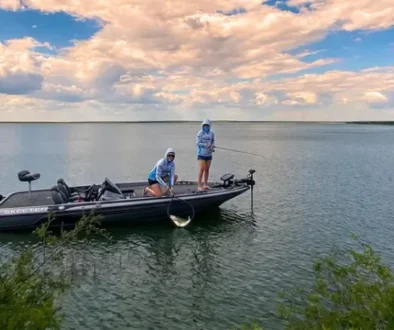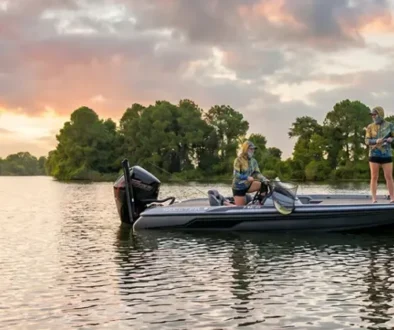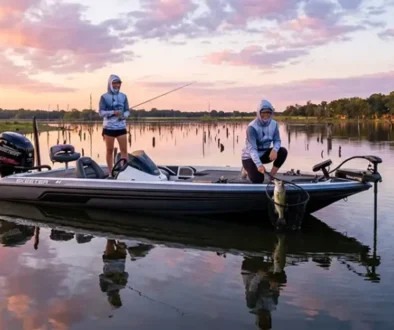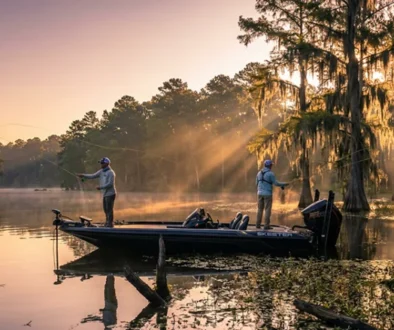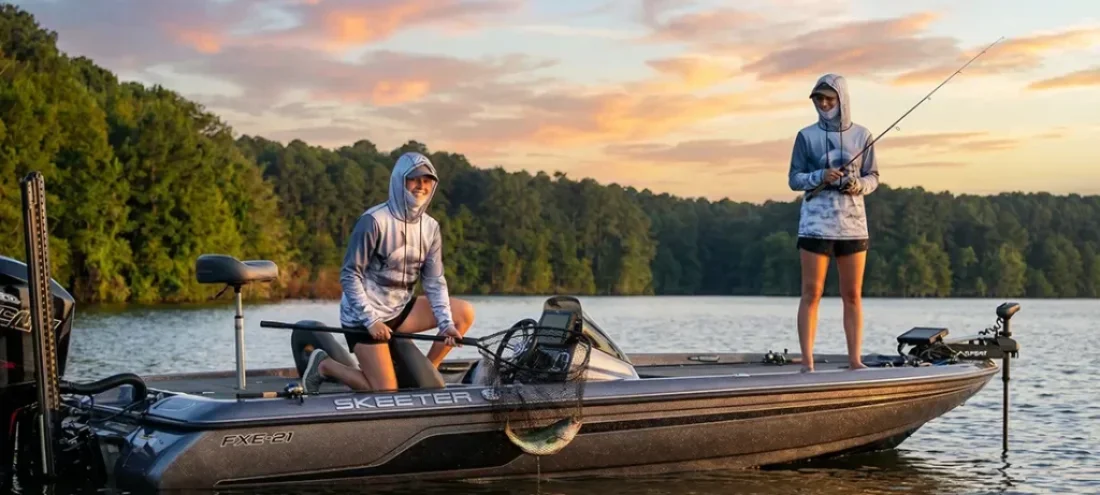
Conventional Tackle Fishing at Toledo Bend Reservoir: Bass, Crappie, Catfish & Everything Else That’ll Make You Question Your Life Choices
Because sometimes you just need a baitcasting reel, a lawn chair, and a cold beverage at one of America’s greatest fisheries.
Introduction: The Other Side of Toledo Bend (Where Normal People Fish)
Look, I’ll be straight with you. I spend a lot of time waving a long stick at fish that are too smart to eat what I’m throwing. But even I — a man who once drove 14 hours to cast a deer-hair bug at a largemouth that weighed roughly as much as a car battery — have been known to pick up a baitcasting rod.
Not often. But it happens.
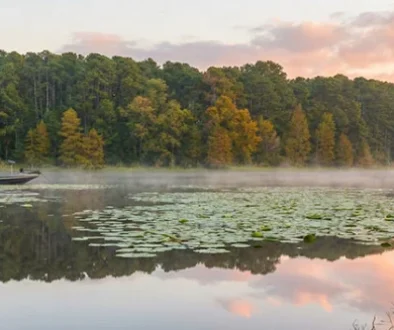
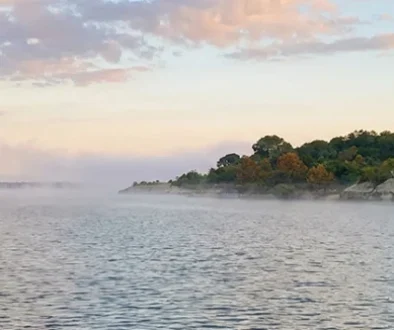
Toledo Bend Reservoir has a way of doing that to a person. At 185,000 acres straddling the Texas-Louisiana border like a very wet state line dispute, it is the largest man-made lake in the South and a two-time Bassmaster champion for best bass fishery in America. When a lake this big and this angry says “grab a conventional rod,” you grab a conventional rod.
The fly fishing crowd has their article. This isn’t it.
This one is for the baitcasting heathens, the crappie dock-walkers, the catfish trotliners, and the white bass fanatics who show up at 5 a.m. like they’ve received a personal invitation. This is the real Toledo Bend — the one where you load up on jigs and crankbaits, tie up two miles of trotline, and come home smelling like a bait shop in July.
Sit down. We’ve got water to cover.
Table of Contents
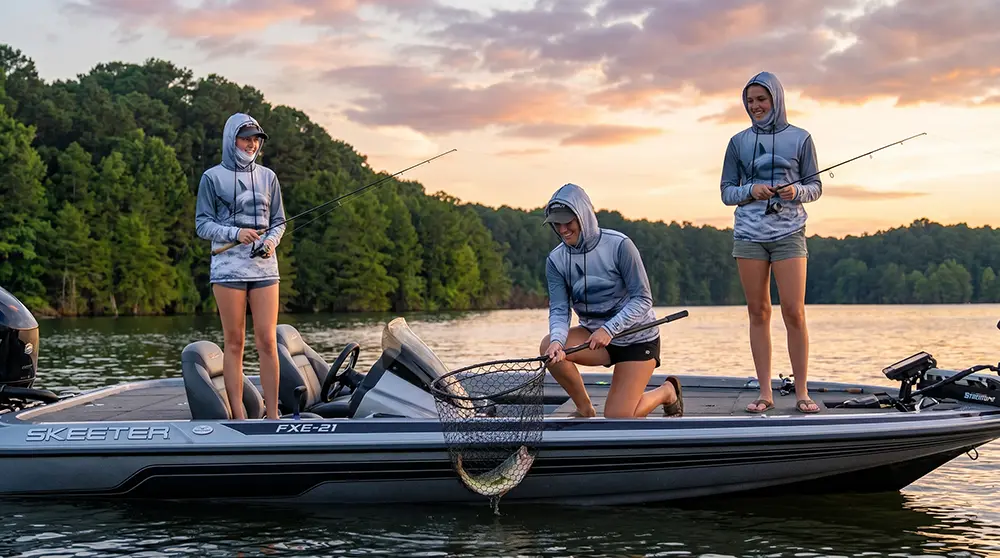
Reason Toledo Bend Is Built for Conventional Anglers {#why-toledo-bend}
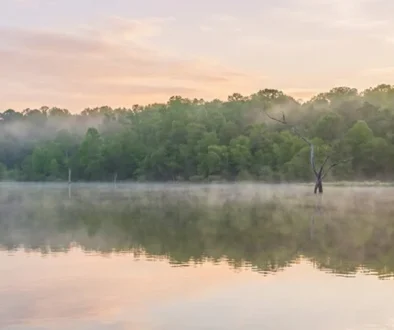
Toledo Bend was created in 1969 when the Sabine River Authority of Texas and the Louisiana Department of Wildlife and Fisheries decided it would be a fantastic idea to drown 186,000 acres of East Texas and Western Louisiana pine forest. The trees are still there, decades later, which is either great foresight or a colossal reminder that no one asked the largemouth bass what they thought.
Those trees turned out to be perfect bass structure. The flooded timber, creek channels, hydrilla beds, and 1,200 miles of irregular shoreline create a habitat so productive that fish here have basically set up a full-time buffet. Florida-strain largemouth were introduced in the 1980s, and over 30 million fingerlings have been stocked since. The lake record flirts with 16 pounds. People pull 10-pounders out of here the way other lakes give up a modest 3-pounder on a good day.
Conventional tackle shines here because:
- Heavy cover demands heavy gear. Flipping jigs into submerged timber and hydrilla is where Texas-rigged soft plastics were basically invented for this kind of water.
- Trolling is legal and productive. You can cover enormous sections of this lake dragging crankbaits and spoons, especially for striped bass and white bass.
- The panfish density is absurd. Crappie, bluegill, and redear sunfish are everywhere in numbers that will make you feel like a fishing prodigy, which is honestly something everyone deserves to feel at least once.
- Catfish grow here like they’re on a government program. Blue cats, channel cats, and flatheads populate the deeper sections with a dedication that is truly admirable.
Toledo Bend also hosts roughly 100 regional and national fishing tournaments a year. The record tournament weight is 40.45 pounds for a five-fish limit. That is not a typo. That is five bass averaging over 8 pounds each. Put that in your hat and think about it.
Largemouth Bass: The Main Event {#largemouth-bass}
What You’re Dealing With
Toledo Bend largemouth are not your average suburban pond bass. They have Florida genetics, an abundant food supply, world-class structure, and approximately zero respect for your feelings. They will take your jig straight into a submerged tree, wrap you around a timber stump, and sit there watching you try to figure out what happened.
This is the lake where bass fishing goes from hobby to religion, and where people’s personalities change after catching their first double-digit fish.
Best Conventional Lures for Toledo Bend Bass
Soft Plastics (Year-Round Workhorse) Texas-rigged soft plastics are the bread and butter of Toledo Bend bass fishing. Creature baits, crawfish imitations, and worms in green pumpkin, watermelon red, and black-and-blue account for enormous amounts of fish throughout the year. The Bass Assassin Skunk Ape and Lit’l Skunk Ape are local favorites in green pumpkin — that color imitates both shad and crawfish, which is the kind of overachieving that impresses bass and should impress you too.
- Wacky-rigged Senkos in green pumpkin or natural — deadly in clear water during the spawn
- Creature baits flipped on 3/4 to 1 oz. tungsten into timber — the heavy cover flip is a Toledo Bend staple
- Drop-shot rigs in post-spawn and summer when fish push deep, 15 to 25 feet
Crankbaits Lipless crankbaits in shad and crawfish colors are Toledo Bend’s seasonal workhorses. A chartreuse/blue Rat-L-Trap is nearly a religion here. When hydrilla is present, the “rip and kill” retrieve through the grass edges will trigger violent strikes.
For structure fishing, deep-diving crankbaits in the 15-foot range cover creek channel drop-offs and ledges that hold post-spawn and summer bass. Berkley’s deeper-running cranks in shad patterns belong in every Toledo Bend tackle box.
Topwater If there is any justice in the world, you will experience a Toledo Bend topwater blow-up at least once. Buzzbaits and popping frogs over hydrilla edges at dawn are the gold standard. The shad spawn — which kicks off when water temps hit 68-76°F in the shallows — is a perfect time to work topwater poppers and walking baits over wooden structures and wooden bulkheads in 2-4 feet of water.
Swim jigs, flukes, and popping toads round out the shallow game. Walk-the-dog lures like Spooks and Skitter Walks over open water points will pull fish to the surface when they’re schooling.
Spinnerbaits Chartreuse/blue spinnerbaits in 6-10 feet around hydrilla beds produce consistently through spring and early summer. Don’t overlook a white/chartreuse tandem-blade setup in stained water — it functions as a reaction bait that bass struggle to ignore.
Jigs Football jigs on hard-bottom points, and flipping jigs in timber and brush, account for some of the biggest fish of the year. The mid-lake and southern Texas sections have enough hard-bottom ridges and humps to keep a jig fisherman busy until their arm falls off. Green pumpkin and black-and-blue are the go-to colors.
Bass Seasonal Breakdown
| Season | Location | Depth | Top Tactics |
|---|---|---|---|
| Pre-Spawn (Feb–Mar) | Main lake ridges, humps, buck brush | 4–12 ft | Jerkbaits, lipless cranks, swim jigs |
| Spawn (Mar–May) | Shallow coves, NW pockets, sandy/gravel flats | 1–6 ft | Wacky Senko, soft plastic lizards, topwater frogs |
| Post-Spawn (May–June) | Points, flat edges, grasslines | 5–20 ft | Crankbaits, drop-shots, Carolina rigs |
| Summer (July–Aug) | Deep ledges, channel drops, hydrilla edges at dawn/dusk | 15–30 ft (or surface at first/last light) | Deep cranks, football jigs, topwater at low light |
| Fall (Sep–Nov) | Main lake points, humps, shad schools | Surface to 12 ft | Topwater, lipless cranks, swimbaits |
| Winter (Dec–Jan) | Creek channels, ledges, drops | 15–30 ft | Jigging spoons, slow-rolled swimbaits, heavy jigs |
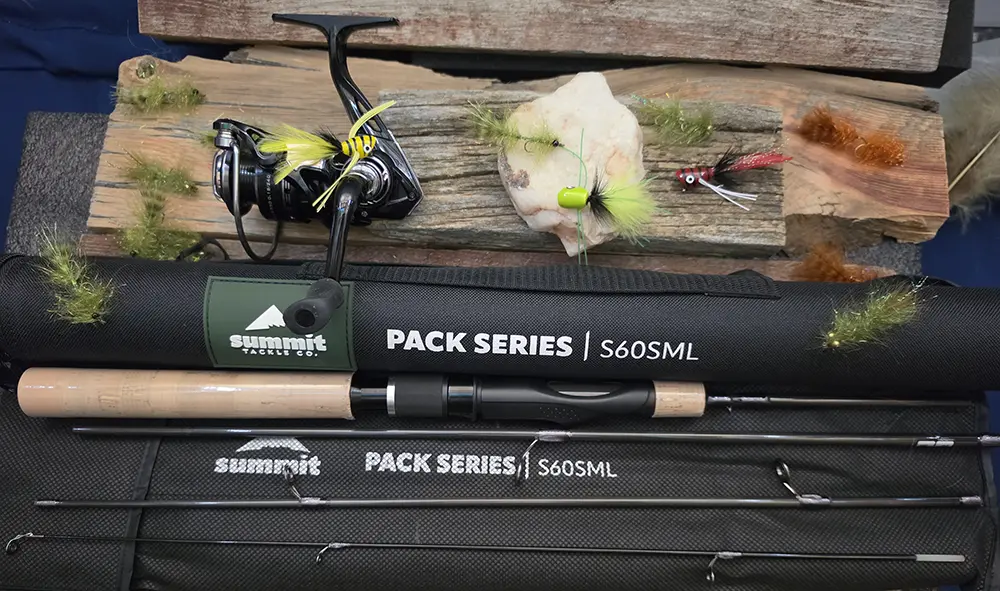
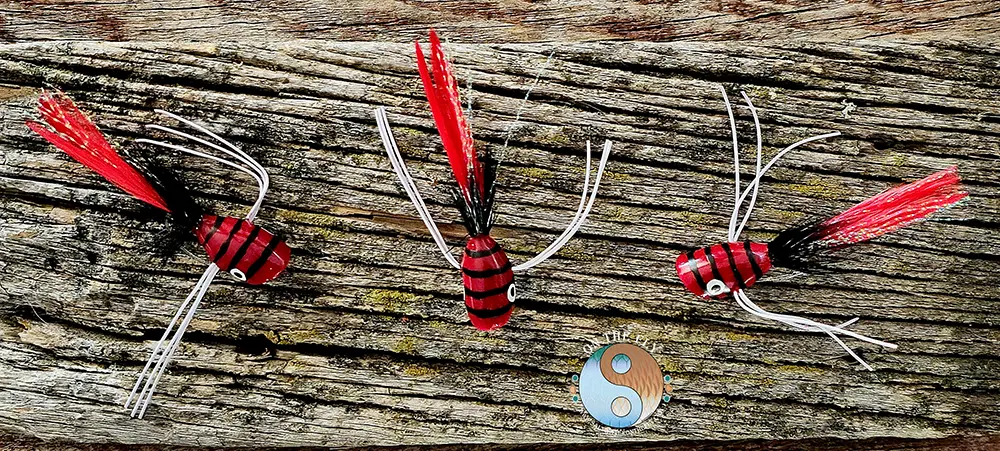
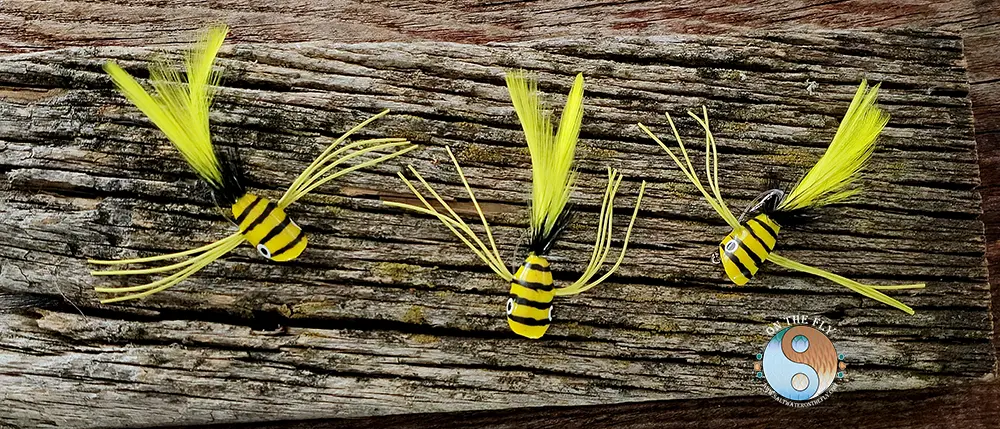
Where Bass Live
The north end on the Louisiana side holds excellent early-season fishing. Creeks like Housen Bay, Negreet, and Six Mile offer classic shallow-water habitat with timber and spawning flats. Northwest pockets warm up first in spring, so bass push in there before anywhere else.
Mid-lake around the Pendleton Bridge area offers structure, humps, points, and thick hydrilla — fish year-round with versatile tactics. The Texas side stretch from Indian Creek north to Bayou Siepe is consistently productive for bass and crappie both. The south end around Indian Creeks features deeper structure with good adjacent flats.
Crappie: Toledo Bend’s Overlooked Obsession {#crappie}
Here’s the thing nobody tells you about Toledo Bend crappie fishing: it is excellent. Like, embarrassingly good. Like, your friend who doesn’t fish will catch 25 crappie on his second cast and spend the rest of the trip telling everyone about it excellent.
Black and white crappie both inhabit the reservoir in solid numbers, and the fishery is consistent year-round because Toledo Bend is big enough that crappie can always find a comfortable depth and food supply regardless of what the weather is doing.
Where Crappie Live by Season
Spring Spawn (March–May)
Crappie move shallow and predictably. Target timber and brush in coves at 4-8 feet. Dock edges and bridge pilings on the northern sections also concentrate fish. Vertical fishing with a live minnow or a 1/32 oz. jig drops fish in the boat with alarming efficiency. This is when you fill the cooler. Don’t pretend you’re not going to fill the cooler.
Summer
Fish dive into creek channels and sloughs at 10-15 feet of water. Planted brush piles in these channels hold crappie in stacked concentrations that would make a structural engineer jealous. Use electronics to find brush tops, then fish shiners or small jigs vertically over them. The Crappie will be suspended 14-15 feet from the surface in deeper water during peak summer.
Fall
Crappie begin their southward migration along the river channel as water cools. The north end of the lake fishes best early in the fall transition. As temperatures drop further, fish 12-20 feet over brush tops on channel ledges. Early in fall, live shiners produce better; as water gets colder, jigs take over.
Winter
Winter crappie at Toledo Bend run 15-30 feet deep, concentrating on creek and river channel edges near structure. A 1/16 to 1/32 oz. jig in monkey milk or pumpkinseed colors on 1 to 2-pound test will absolutely embarrass you with fish while everyone else thinks you have no idea what you’re doing.
Best Crappie Tackle & Lures
- 1/32 and 1/16 oz. jigheads with 1.5-2″ soft plastic bodies — monkey milk, pumpkinseed, chartreuse/blue, and pink are proven Toledo Bend colors
- Panfish Assassin Jigs in monkey milk and pumpkinseed — a local staple
- Panfish Assassin Shad and Curly Shad in monkey milk or chartreuse/blue for light soft-plastic applications
- Live minnows fished under a slip float or tight-lined over structure — never gets old, never stops working
- Light tackle spinning setup: 6.5 to 7-foot ultralight to light rod, spinning reel, 4-6 lb test mono or fluorocarbon
A good rule of thumb from local guides: when you hit a brush pile and fish are going to bite, they bite fast. Work it, catch what’s there, and move on. Waiting them out rarely pays dividends.
Catfish: The Night Shift {#catfish}
Toledo Bend produces channel catfish, blue catfish, and flathead catfish, each requiring a slightly different approach and each capable of making you wonder why you ever bothered with anything that requires more finesse.
This is not meant as an insult to catfish anglers. Some of my best days on the water have involved a lawn chair, a cooler, and a circle hook baited with cut shad. There is a purity to catfish fishing that fly fishing will never achieve, and I say this as someone who owns a 12-weight rod.
Channel Catfish
Channel cats are the most democratic of the bunch — they’re everywhere and they’ll eat almost anything. Stinkbait is the classic approach, especially in areas baited with soured grain. Chicken liver, shrimp, cut bait, and commercial catfish attractants all work.
Main lake sandy points, ridges, and flats in 8-10 feet of water are productive in warmer months. The mouths of creeks hold channel cats on cut bait and liver through the cooler months. Use heavy enough weight to pin your bait on the bottom — if you’re not on the bottom, you’re not catching channel cats.
A slip cork rig in 2-4 feet of water from first light to 8:30 a.m. is a legitimately productive technique, especially in warmer months when cats are feeding actively in the shallows.
Blue Catfish
Blues grow large in Toledo Bend. Real large. The kind of large that makes you reconsider your drag settings and your life decisions simultaneously. Blue cats prefer deeper, moving water and are most effectively targeted with cut bait on trotlines — which are popular and legal here — or on heavy rod and reel setups with fresh-cut skipjack, gizzard shad, or large chunks of carp.
Target river channel bends, deep creek mouths, and any area with current influence for the best blue cat action.
Flathead Catfish
Flatheads are the antisocial cousins of the catfish family. They want live bait — specifically live bream, small bass, or large shiners — and they want to be left alone near heavy cover in deep water. Fishing a large live bluegill under a heavy slip float near a submerged timber pile at night will eventually produce a flathead that weighs more than a medium-sized dog.
Minimum length of 18 inches on the Louisiana side; check Texas regulations at tpwd.texas.gov for current size requirements.
White Bass & Striped Bass: The Mob Scene {#white-bass-striped-bass}
White Bass
White bass at Toledo Bend are a seasonal phenomenon that borders on supernatural. In early spring during the spawning run, they move upriver above the reservoir in dense, aggressive schools. Small spinners, 1/4 oz. jigs, jigging spoons, and small crankbaits in silver or white will get absolutely destroyed during this period. It is the closest freshwater fishing comes to a feeding frenzy without involving sharks.
During summer and fall, watch for breaking fish on main lake points, humps, and flats as white bass herd shad to the surface. A Rat-L-Trap or Li’l Fishie worked through a boiling school is pure, uncomplicated joy. When they’re up and feeding, almost any lure works. The trick is finding them, which is why you drive around watching for birds.
The possession limit on the Louisiana side is 25 per day. Plan accordingly.
Striped Bass
Striped bass at Toledo Bend are maintained by annual stockings because natural reproduction is limited — conditions don’t consistently allow successful spawning. That said, these fish grow impressively and fight like they’ve got somewhere important to be.
During summer and fall, stripers school in deep water on main lake points and adjacent flats near river channels. Bucktail jigs, green striper jigs, and trolled deep-running plugs are the primary weapons. Spoons fished vertically over schools located by electronics account for most of the consistent action.
Morning and evening topwater can produce when stripers push bait to the surface. Keep an eye out for diving birds — if birds are working a spot, something is eating bait from below, and it might be a striper the size of a ham.
Possession limit on the Louisiana side: 5 daily, no more than 2 over 30 inches.
Bream & Bluegill: The Overlooked Redemption {#bream-bluegill}
Toledo Bend has bluegill and redear sunfish (shellcrackers) in numbers that are, frankly, embarrassing. These are the fish that remind you why you started fishing in the first place. No forward-facing sonar required. No $50,000 boat. A cane pole, a bobber, a cricket, and a reasonable amount of patience.
When to Target Bream
Late April through early May marks the beginning of the bream spawn. Beds appear on main lake ridges and humps in 6-8 feet of water if the lake is at mid-range (around 168 feet elevation). Below that, fish concentrate in protected coves and pockets.
Late spring through summer, work isolated grass patches that drop into deeper water. Crickets and worms are the classic approach with ultralight spinning gear or a cane pole. Don’t overthink this.
Redear Sunfish (Shellcrackers)
Redears prefer slightly deeper structure and feed heavily on snails and clams near the bottom. They grow larger than bluegill and are highly prized table fare. Target sandy or hard-bottom flats with live worms near shell beds and gravel areas.
Texas Parks and Wildlife notes that bluegill and redear sunfish are present in high numbers and provide excellent fishing, especially for younger or inexperienced anglers. Which is a polite way of saying that if you cannot catch bream at Toledo Bend, you should seriously reconsider your relationship with fishing.
Seasonal Fishing Calendar {#seasonal-fishing-calendar}
| Month | Primary Target | Secondary Target | Best Tactics |
|---|---|---|---|
| January | Bass (deep) | Crappie (deep) | Heavy jigs, jigging spoons, vertical jig crappie |
| February | Bass (pre-spawn staging) | White Bass (run begins) | Jerkbaits, lipless cranks, small spinners |
| March | Bass (spawn/pre-spawn) | Crappie (spawn) | Topwater, shallow soft plastics, live minnows |
| April | Bass (spawn peak) | Crappie / Bream | Wacky rigs, frogs, crickets |
| May | Bass (post-spawn) | Crappie / Bream | Crankbaits, drop-shots, cane pole |
| June | Bass (structure/offshore) | Catfish | Deep cranks, Carolina rigs, cut bait |
| July | Catfish | Bass (dawn/dusk topwater) | Night fishing, topwater at first/last light |
| August | Striped Bass | Catfish | Trolling, jigging, night cat fishing |
| September | Bass (fall transition) | White Bass (schooling) | Topwater, lipless cranks, spoons |
| October | Bass (fall feed) | Crappie (transition) | Crankbaits, swimbaits, jigs |
| November | Bass (late fall) | Crappie (channel migration) | Lipless cranks, jigs, vertical crappie |
| December | Bass (deep winter) | Crappie | Jigging spoons, slow swimbaits, deep jigs |
Gear That Won’t Let You Down {#gear}
Bass Fishing Conventional Setup
Baitcasting — Flipping & Pitching:
7’3″ to 7’6″ heavy power, fast action rod. A quality baitcasting reel with a 7:1 or higher gear ratio for line pickup. 50-65 lb braided line for flipping timber and heavy cover — you need the no-stretch hookset and the ability to pull a 10-pounder out of a log pile before it has time to make you look foolish.
Baitcasting — Crankbaits:
7′ medium to medium-heavy, moderate action rod. A lower gear ratio reel (5:1 to 6:1) for crankbait fishing keeps your lure in the strike zone longer. 12-17 lb fluorocarbon for deep cranks; 17-20 lb monofilament for shallow crankbaits.
Spinning — Finesse:
7′ medium power, fast action spinning rod with a quality 2500-3000 series reel. 10-15 lb braid to a fluorocarbon leader for drop-shot and wacky rig applications.
Crappie Setup
6.5 to 7.5-foot light to medium-light spinning rod. A 1000-2500 size spinning reel. 4-6 lb monofilament or 10 lb braid to a 4 lb fluorocarbon leader. Simple, clean, efficient. Crappie fishing doesn’t need to be complicated. If it is, something has gone wrong philosophically.
Catfish Setup
For channel and blue cats: A 7′ medium-heavy spinning or baitcasting rod with a reel capable of holding 150+ yards of 20-30 lb monofilament. Circle hooks in 4/0 to 8/0 sizes keep fish hooked and are more easily removed — important if you’re practicing catch and release.
For flatheads: Upgrade to a heavy action rod and a beefy reel. Live bluegill or bream on a large circle hook fished in timber or deep holes at night. Bring patience and a headlamp.
Striped Bass Trolling Setup
A medium-heavy trolling rod rated for 2-4 oz. lures with a baitcasting reel holding 200 yards of 20-30 lb monofilament or braid. Wire line or lead-core adds depth for stripers running 25-40 feet. Trolling speed between 2-4 mph with large diving plugs, umbrella rigs, or spoons.
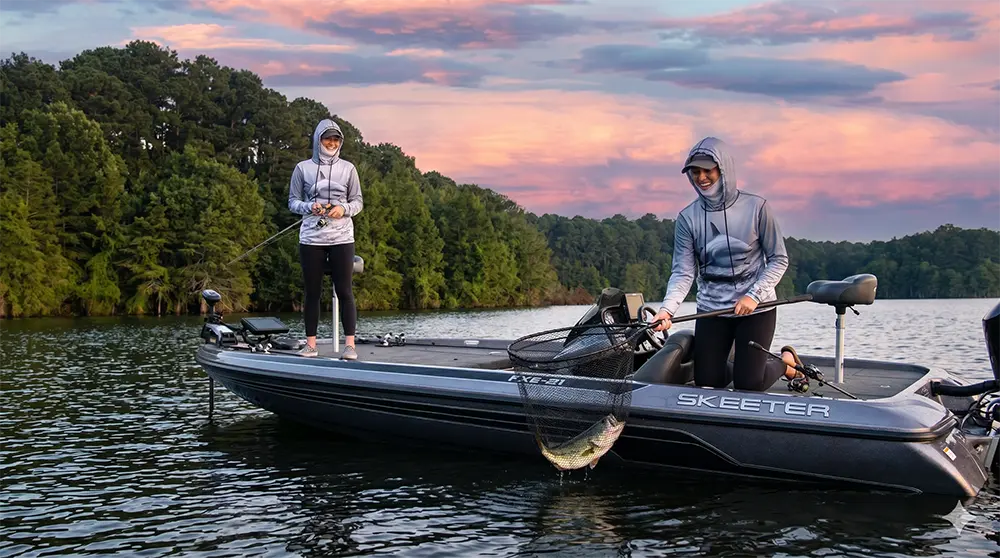
Where to Fish Without Losing Your Mind {#where-to-fish}
Toledo Bend is 65 miles long. This is relevant information because it means you can spend a lot of time driving around in a boat and not catching fish, or you can have some idea of where to start.
North End (Louisiana Side)
Housen Bay, Negreet Creek, and Six Mile Creek are legendary early-season locations with shallow spawning flats and abundant timber. The north end of the lake is also where crappie begin their fall migration along the river channel.
Mid-Lake
The Pendleton Bridge area holds structure, points, humps, and thick hydrilla that hold bass year-round. This is the general-purpose section — if you’re not sure where to go, start mid-lake on a point with hydrilla and see what happens.
Texas Side — Indian Creek North to Bayou Siepe
A consistently productive stretch for both bass and crappie. This corridor has excellent structure diversity and receives somewhat less pressure than high-profile tournament water.
South End
The southern Texas section has deeper structure with good adjacent flats for both bass and catfish. Excellent for summertime catfish and fall bass transition fishing.
Public Access Points
- North Toledo Bend State Park (Louisiana)
- South Toledo Bend State Park (Louisiana) — particularly productive for catfish in its navigable channels
- Cypress Bend Marina
- Big Bass Marina
- San Miguel Park
- Various public boat ramps on both the Texas and Louisiana sides
You do not need a $50,000 bass boat to fish Toledo Bend. You need a functional vessel, a valid fishing license, and a willingness to occasionally get stuck on a stump. The stumps are character-building.
Regulations You Actually Need to Know {#regulations}
Toledo Bend exists in two states simultaneously, which sounds like a philosophical problem but is actually a licensing problem. Here is the relevant guidance:
Licensing:
Boat anglers can use either a Texas or Louisiana license while on the water. Shore anglers need the license for the state they are physically standing in. This is the lake’s way of making geography a sport.
Key Louisiana Limits (Toledo Bend):
- Largemouth Bass: Check current LDWF regulations
- Crappie: 25 per day, 100 fish possession limit
- White Bass: 25 per day, no size limit
- Blue/Channel Catfish: 50 per day (aggregate), no more than 5 over 30″
- Flathead Catfish: 10 per day, 18″ minimum
- Striped Bass: 5 per day, no more than 2 over 30″
Key Texas Limits:
Visit tpwd.texas.gov or call Texas Parks & Wildlife for current regulations, which can differ from Louisiana for some species.
For Louisiana: Visit the Louisiana Department of Wildlife and Fisheries or call (318) 676-7594.
Regulations can and do change. Check current rules before every trip. The fish don’t care about your ignorance, and neither does the warden.
Getting There & What to Do When You’re Not Fishing {#logistics}
Toledo Bend sits roughly 3 hours east of Dallas, 3 hours north of Houston, and 5 hours from New Orleans — which means you have multiple emergency exits when the fishing gets slow and you need something to do. It happens. Not often, but it happens.
The town of Many, Louisiana serves as the primary hub. Natchitoches — the oldest city in the Louisiana Purchase — sits about 30 miles east and offers excellent Cajun food, history, and an excuse to leave the lake when your casting arm gives out. Shreveport is about 90 minutes away for anyone who needs to lose money at a casino after losing fishing tackle in a stump.
Lodging:
Multiple marinas and resorts offer cabin rentals directly on the lake. Cypress Bend Resort on the Texas side offers full amenities. Campgrounds at both state parks are available for those who prefer to sleep on the ground and call it character-building.
Current Fishing Reports:
Texas Parks & Wildlife Toledo Bend Page publishes weekly fishing reports. Louisiana Sportsman also carries regular Toledo Bend reporting from local guides.
Final Thoughts: Go Fish Toledo Bend
Here’s the honest truth about Toledo Bend conventional fishing: it is one of the most complete fisheries in the American South, and it is wildly underrated outside of bass tournament circles. Crappie anglers, catfish enthusiasts, and bream chasers all get to eat here. The water is big enough that crowds disperse, the fish are big enough that you’ll remember specific ones by name, and the access is good enough that you don’t need to know someone or spend a small fortune to find quality water.
The Florida-strain genetics mean that every cast at this lake has the statistical possibility of producing a fish that will ruin the rest of your fishing life by comparison. That is a risk I encourage you to take.
If you showed up here from the fly fishing article and are wondering whether to bring a conventional rod along — yes. Bring it. No one is watching. And if they are, they’re probably jealous.
Fly Fishing Bass at Toledo Bend Reservoir →
Capt. Grumpy is an outdoor content writer, former fly shop owner, and reformed guide who has spent more time than is medically advisable standing in rivers and on lake banks across North America. He lives in Montana and writes about fishing, adventure travel, and the ongoing comedy of life being in the outdoors at saltwateronthefly.com.