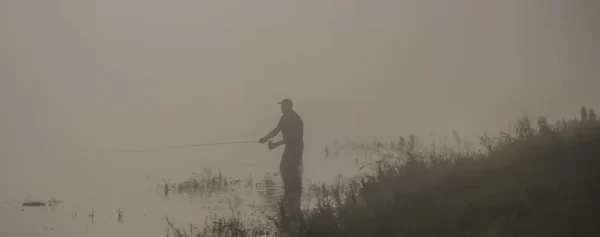
Arkansas Fly Fishing: The White River, the Norfork, and the Trout Fishery the South Keeps Trying to Hide
Arkansas fly fishing doesn’t get mentioned in the same breath as Montana or Colorado, and that’s the biggest favor the fly fishing world has ever done for the state of Arkansas. While the crowds are stacking up shoulder to shoulder on the Madison and fighting for parking on the South Platte, Arkansas has been quietly running two of the most productive tailwater trout fisheries in the United States — the White River and the Norfork River — with a fraction of the pressure and none of the attitude. I’ve fished a lot of rivers. The White River deserves to be on every serious fly fisher’s list, and most of them don’t even know it exists.
Here’s the geography that makes Arkansas fly fishing work: Bull Shoals Lake and Norfork Lake sit in the Ozark Mountains of northern Arkansas, massive cold-water reservoirs fed by the White River drainage. The water released from the bottom of those dams is cold, clear, oxygen-rich, and absolutely loaded with trout. The White River below Bull Shoals Dam and the Norfork River below Norfork Dam are the result, and both rivers have produced rainbow trout and brown trout of a size that makes anglers from across the country reroute their travel plans when they find out about them.
The White River tailwater below Bull Shoals is the flagship of Arkansas fly fishing. This is big water — wide, powerful, and capable of producing brown trout that push past 30 inches and 15 pounds on a regular enough basis that guides in the area talk about them the way most guides talk about 18-inch fish. Rainbow trout fishing on the White is consistent year-round, with large populations of quality fish holding throughout the 90-mile tailwater section. The section from Bull Shoals Dam downstream through Cotter and on to Buffalo City gives fly fishers everything from wadeable riffles to deep runs requiring a sinking line and some patience. Midges, sowbugs, scuds, and egg patterns dominate the fly box on the White, with dry fly opportunities during summer midge hatches that catch most visitors completely off guard.
The Norfork River — smaller, clearer, and more technical than the White — is where Arkansas fly fishing gets genuinely interesting for the angler who has done some homework. The Norfork below the dam to its confluence with the White is only about four miles of water, but those four miles hold an extraordinary density of rainbow and brown trout, plus a population of cutthroat trout that makes it one of the few places in the South where you can catch all four major trout species in a single day. Norfork River fly fishing rewards presentation over brute force. The fish here have seen flies. Fish small, fish slow, and fish with a leader long enough to make your casting instructor nervous.
Beyond the tailwaters, Arkansas fly fishing extends into the Ozark National Forest streams and the Buffalo National River corridor — the first national river designated in the United States. The Buffalo and its tributaries hold smallmouth bass that are as aggressive and acrobatic as any smallmouth in the country, and the float fishing opportunities on the upper Buffalo through the limestone bluff country are as scenic as anything you’ll wade into with waders on.
Arkansas fly fishing is a legitimate destination hiding in plain sight. Come before the secret gets completely out.
Target Species: Rainbow Trout, Brown Trout, Cutthroat Trout, Brook Trout, Smallmouth Bass Best Seasons: Year-round (tailwaters) | March–May and September–November (peak trout) | June–August (smallmouth) Notable Waters: White River, Norfork River, Little Red River, Buffalo National River, Spring River