Description
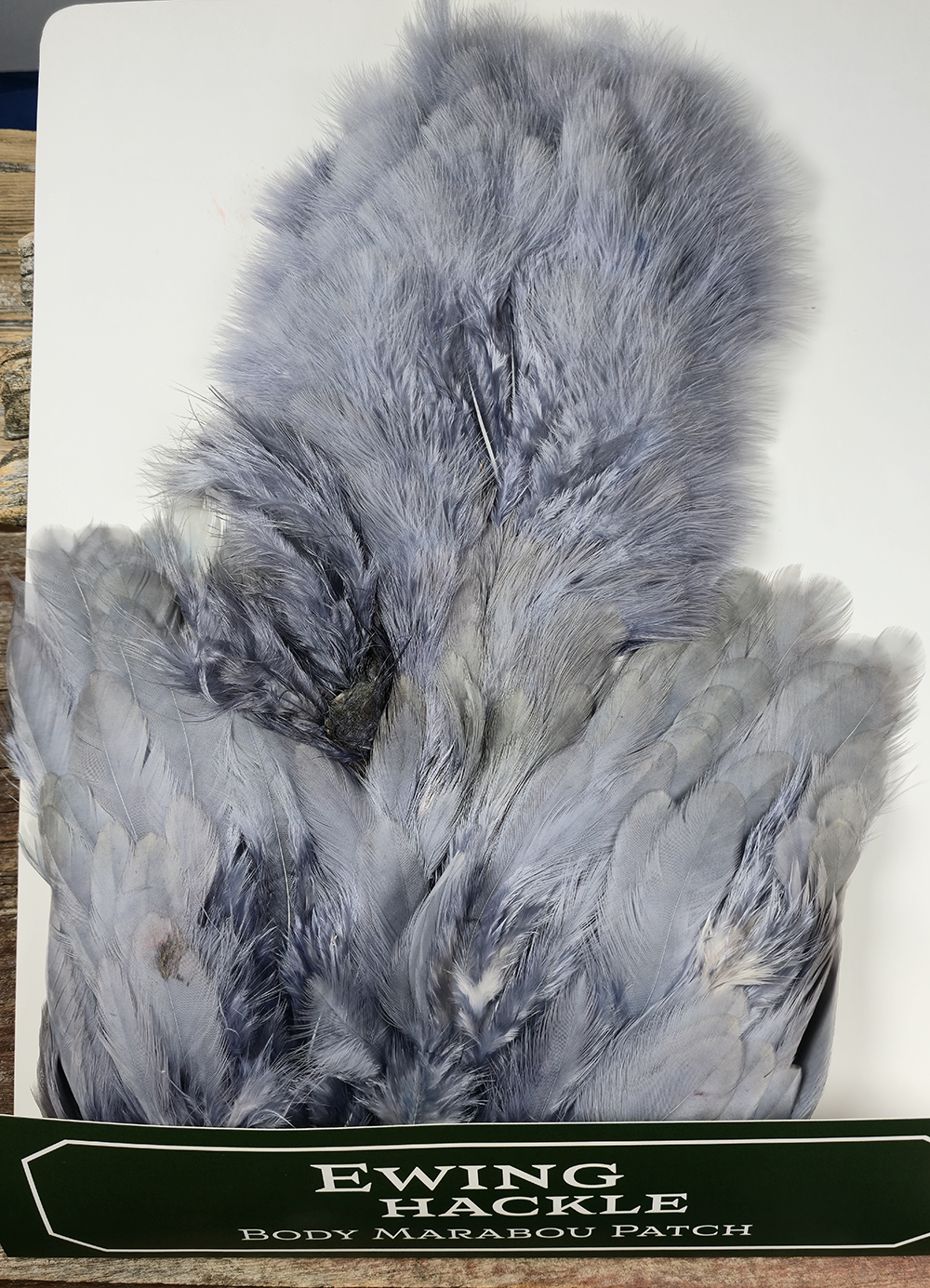
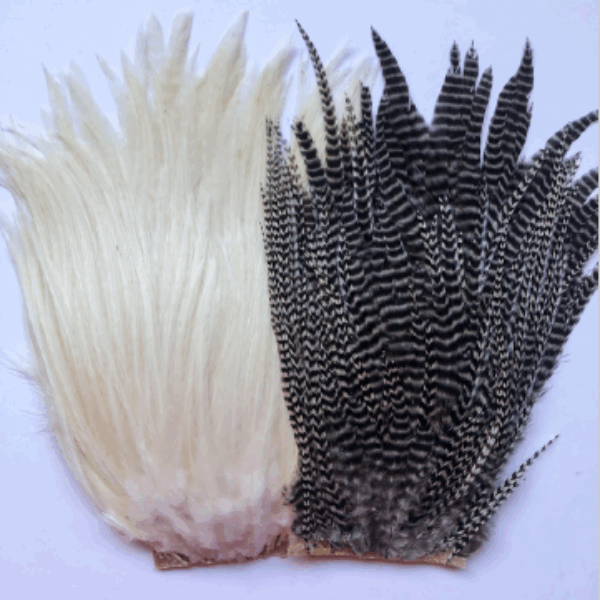
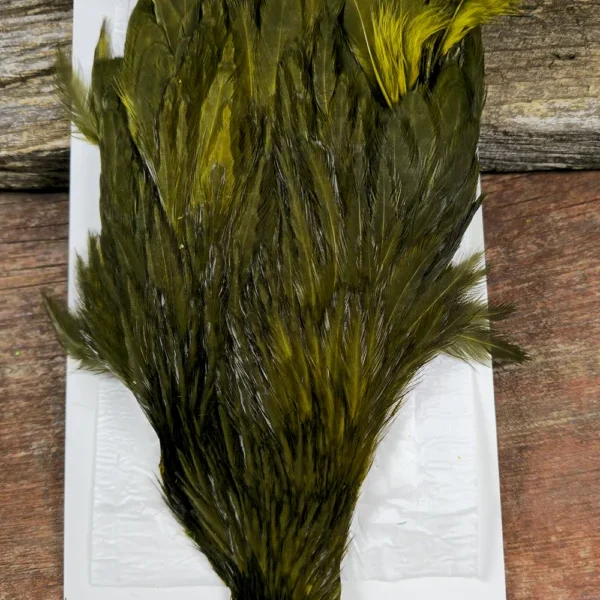
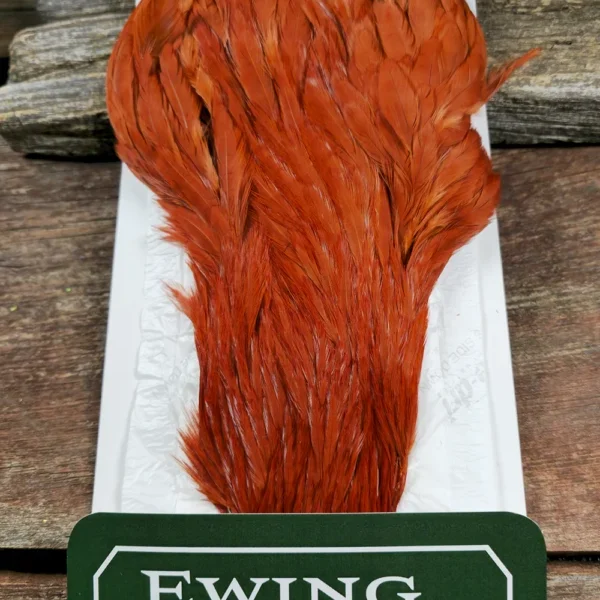
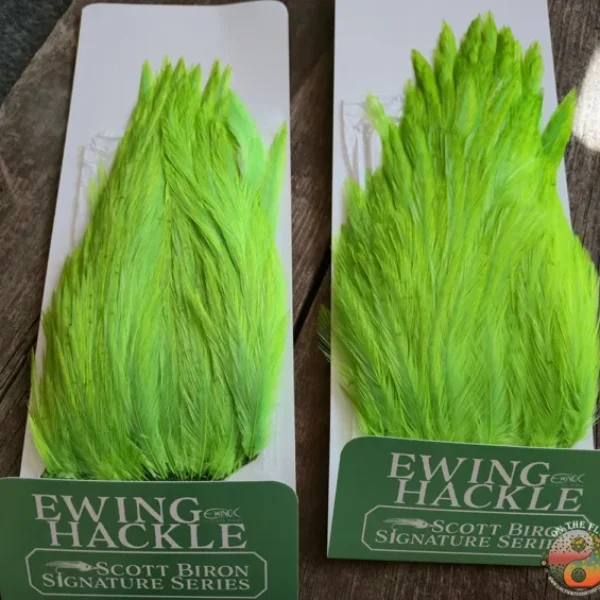
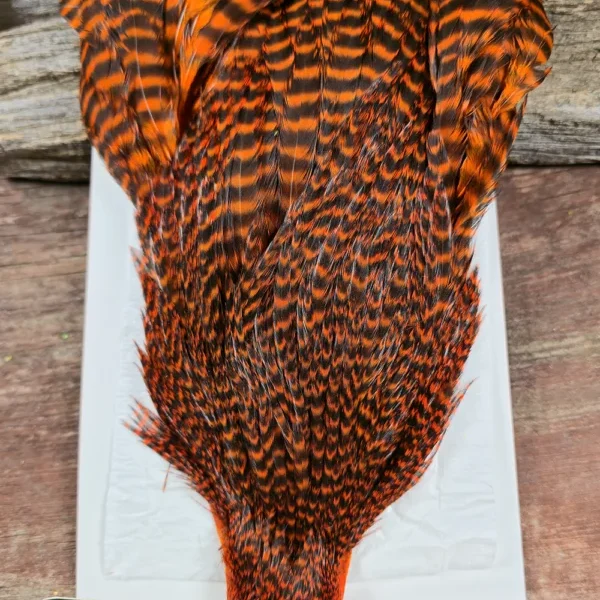
Light Dun Ewing Chickabou Marabou Body Patch
Light Dun is a pale, smoky gray — the color of mayfly wings, emerging Blue-Winged Olives, Callibaetis nymphs, and the soft gray of a trout’s favorite small bugs. It’s the color you reach for on technical water when the fish have seen every bright fly in the shop.
Light Dun Ewing Chickabou gives you fine, soft fibers for soft-hackle collars, nymph legs, emerger wings and shuck tails. It’s quiet. And quiet catches picky fish.
Spring creek trout, tailwater trout, grayling, whitefish and bonefish on pale sand.
Recipe 1: Light Dun Chickabou BWO Soft Hackle
- Hook: Wet-fly or dry-fly, #16–#20
- Thread: Olive 8/0 or 12/0
- Body: The tying thread, thin, with a single strand of pearl Krystal Flash as a rib
- Thorax: Olive-gray Superfine dubbing, a pinch
- Hackle: Light Dun Ewing Chickabou, one turn, very sparse
Tying:
Pull the finest fibers from the very tip of the patch. One turn. If it looks too sparse in your vise, it’s right.
How to fish:
During a Blue-Winged Olive hatch on an overcast day, fish it as a dropper 18 inches behind a dry, or swing it on a floating line. Trout eating emergers just under the film will take it with a soft swirl. Watch the dry for any twitch.
Recipe 2: Light Dun Chickabou Callibaetis Nymph
- Hook: 1XL nymph, #14–#16
- Bead: Small silver or gray glass bead (optional)
- Thread: Gray 8/0
- Tail: Light Dun Ewing Chickabou, short tuft
- Abdomen: Gray-tan dubbing, ribbed with fine silver wire
- Gills/legs: Light Dun chickabou fibers along the sides and at the thorax
- Wing case: Pheasant tail fibers
Tying:
Callibaetis nymphs have flared gills along their sides that pulse in the water. Tie a few chickabou fibers along each side of the abdomen to copy that.
How to fish:
In lakes from June to September, fish it over weed beds in 3–10 feet of water on a floating line. Use a very slow, 1-inch hand-twist retrieve. Callibaetis nymphs swim in short darts and pauses
Reviews
There are no reviews yet.