Bull Bluegill on the Fly, Part Two: Nebraska, Kentucky & Iowa’s Trophy Panfish Waters
By Capt. Grumpy, Saltwateronthefly.com
If you missed Part One — Illinois, Ohio, and Missouri — go read it, because we covered the gear, and I’m not typing out the whole rod-and-fly rundown twice just because you skipped ahead. Short version for the stragglers: a 7-foot-6-inch, 3-weight fly rod, poppers when the water’s calm, small streamers and nymphs when it’s not, and an ultralight spinning rod with a slip-bobber if you’d rather keep it simple. Go read Part One for the full breakdown. I’ll wait.
Back? Good. Because Part Two might be the best of the two articles, and I say that as a man who does not hand out compliments easily — not to fish, not to fishing guides, and certainly not to my brother-in-law’s boat, which I remain convinced is held together entirely by rust and optimism. Nebraska, Kentucky, and Iowa each bring something different to the bluegill table: sneaky Sandhills lunkers, a genuine strip-mine-lake monster, and a state where the bluegill spawn turns into an event that borders on civic pride. Let’s get into it.
Table of Contents
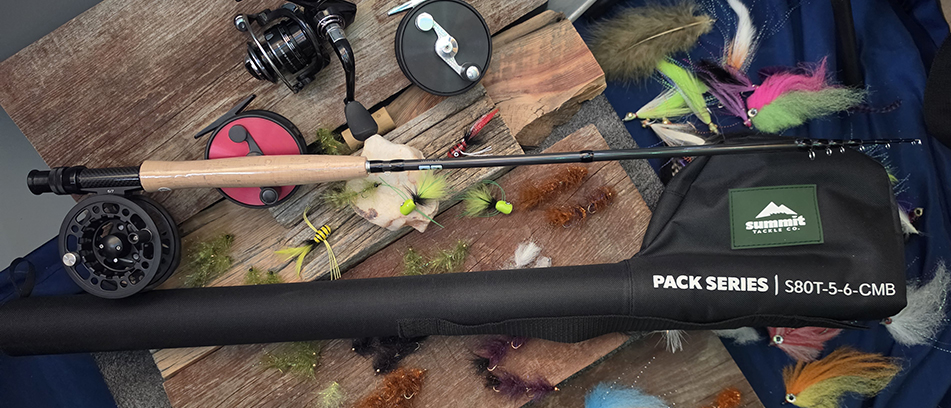
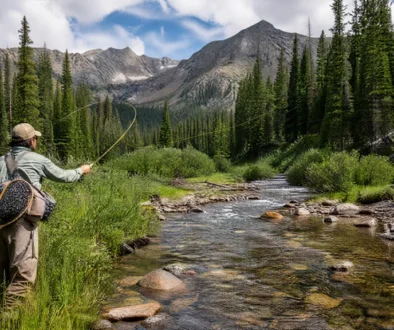
Both weights and lengths of Summit Tackle Fly Rod are the perfect Bluegill set up.
Quick Refresher: The Popper, Streamer, Nymph Rotation
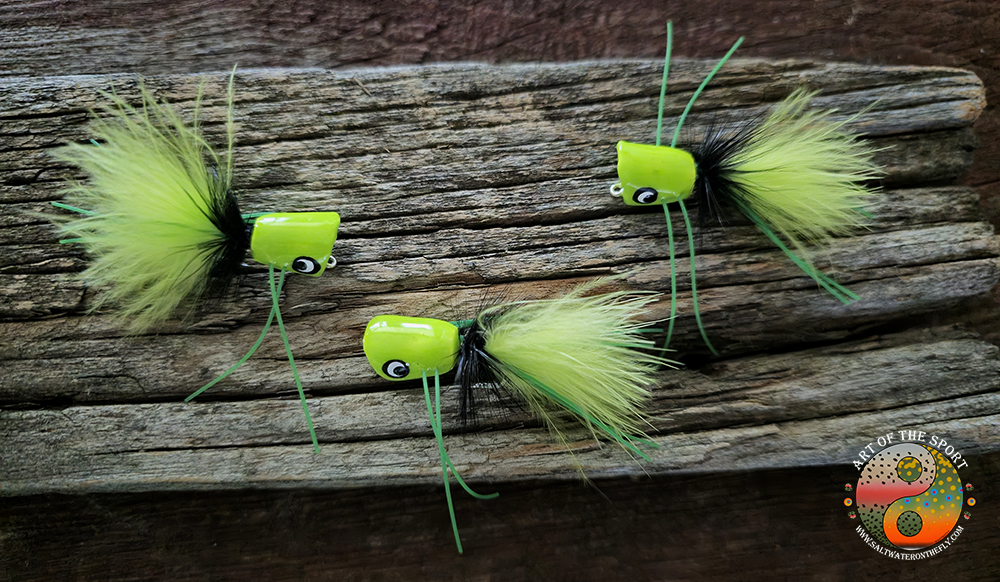
Since we’re picking up mid-story, here’s the rule I fish by on every one of these lakes, whittled down to one paragraph so you don’t have to flip back: calm water and low light, throw the popper. Size 8-10, twitch it, let the rings die, twitch again — do not strip it like you’re setting a bass on fire. Bright sun or a cold front, go subsurface. A size 8-12 sparse streamer, stripped slow with long pauses, will find the wary fish holding deep. Fish sitting tight to structure and refusing everything else, switch to a size 12-16 nymph under a small indicator, or dead-drifted along the bottom near weed edges. Rotate through those three before you decide a lake is “off.” It almost never is — you’re just fishing the wrong depth for the conditions.
Nebraska: The Sandhills Sleeper
Most people don’t think “Nebraska” when they think trophy bluegill, and that is exactly why you should. The state record — a 2-pound, 13-ounce bull gill caught by Gary Ralson at Grove Lake in 1977 — has stood for decades in a state most anglers drive straight through on their way somewhere else. Their loss.
According to Nebraska Game and Parks, the state’s small-to-medium reservoirs are producing excellent bluegill right now, with these standing out for the current season:
- Summit Lake — solid numbers and good average size.
- Walnut Creek Lake — a consistent, well-managed producer.
- Skyview Lake — smaller water, but don’t let that fool you.
- Yankee Hill Lake — a reliable pick close to Lincoln.
Then there’s the Sandhills — a completely different animal. Lakes like Frye Lake and Swan Lake produce genuine trophy bluegill exceeding a pound, but the fish are spread thin, so you’ve got to work for them. This is prime streamer-and-nymph water: fewer, smarter fish that didn’t get big by eating the first sloppy popper that landed near them. Slow-stripped small streamers along deeper drop-offs and weed lines will out-produce a popper here more often than not.
Rounding things out, the pits and ponds at Verdon and Coot Shallows hold their own, offering a lower-pressure alternative if the bigger lakes feel crowded.
Local wisdom worth stealing: Nebraska Game and Parks biologist Daryl Bauer recommends targeting deeper water near weed edges for the biggest bluegill — the giants tend to hold deeper and closer to structure than their smaller, more reckless cousins in the shallows. He also urges anglers to release the true trophies to keep these fisheries producing for the next guy. I’m with him on that. Take a picture, put it back, and let it grow into somebody else’s personal best.
I spent a genuinely humbling afternoon on Swan Lake a few Augusts ago, convinced I had the whole “deeper water near weed edges” thing figured out, only to spend two hours getting picked apart by fish I never saw. Turned out I was fishing my streamer about four feet too shallow — the fish were holding right on the bottom edge of the weed line, not suspended above it the way I’d assumed. Once I added a little more weight to get the fly down and slowed my strip to a near-stop, I started connecting. The lesson, which took me embarrassingly long to relearn: in low-density water like the Sandhills lakes, the fish aren’t going to come up and chase. You have to go get them.
The wind is also worth mentioning, because Sandhills wind does not mess around. A 3-weight is light, which is a virtue right up until a steady 20 mph crosswind turns your tight loop into abstract art. On the blustery days, shorten your casts, keep the rod tip low, and don’t be afraid to sidearm it. Or, frankly, switch to the spinning rod for the afternoon and not feel bad about it. Nobody’s handing out style points out there except you, to yourself, and you can be gracious about it.
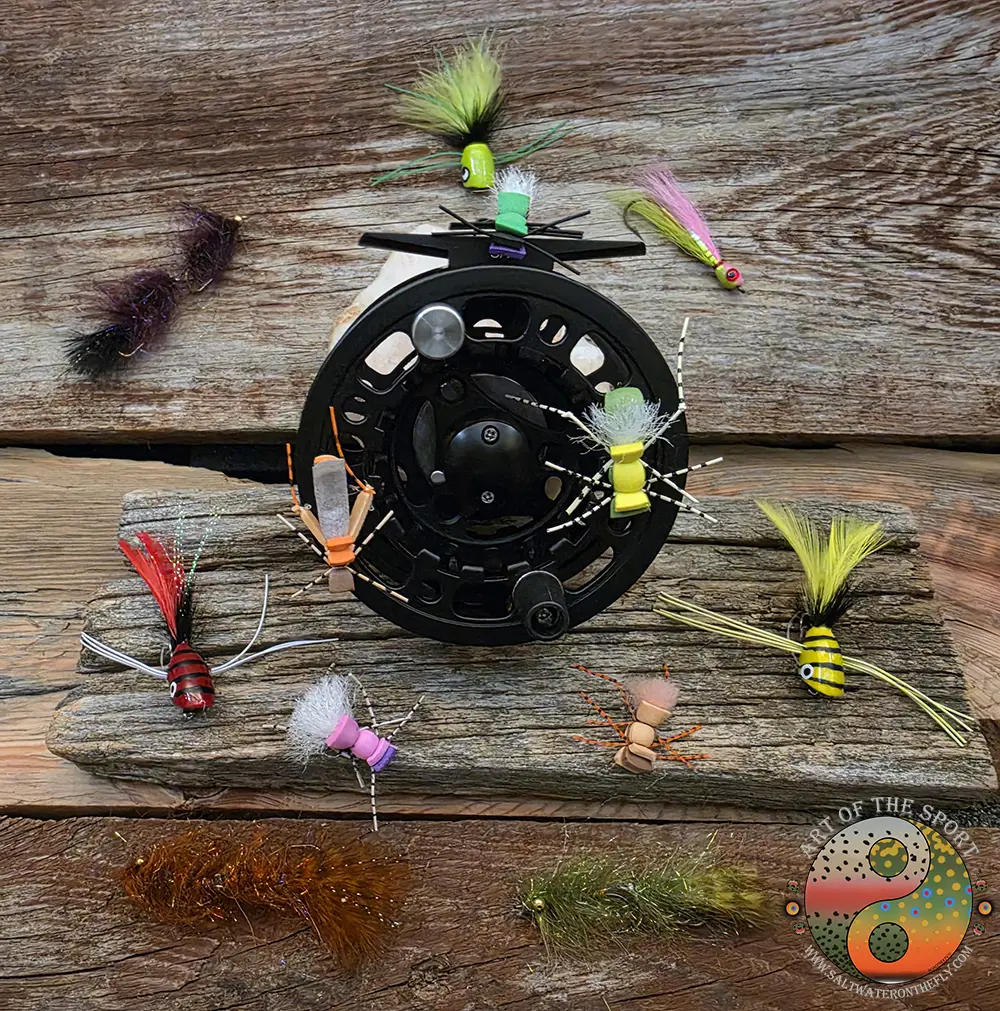
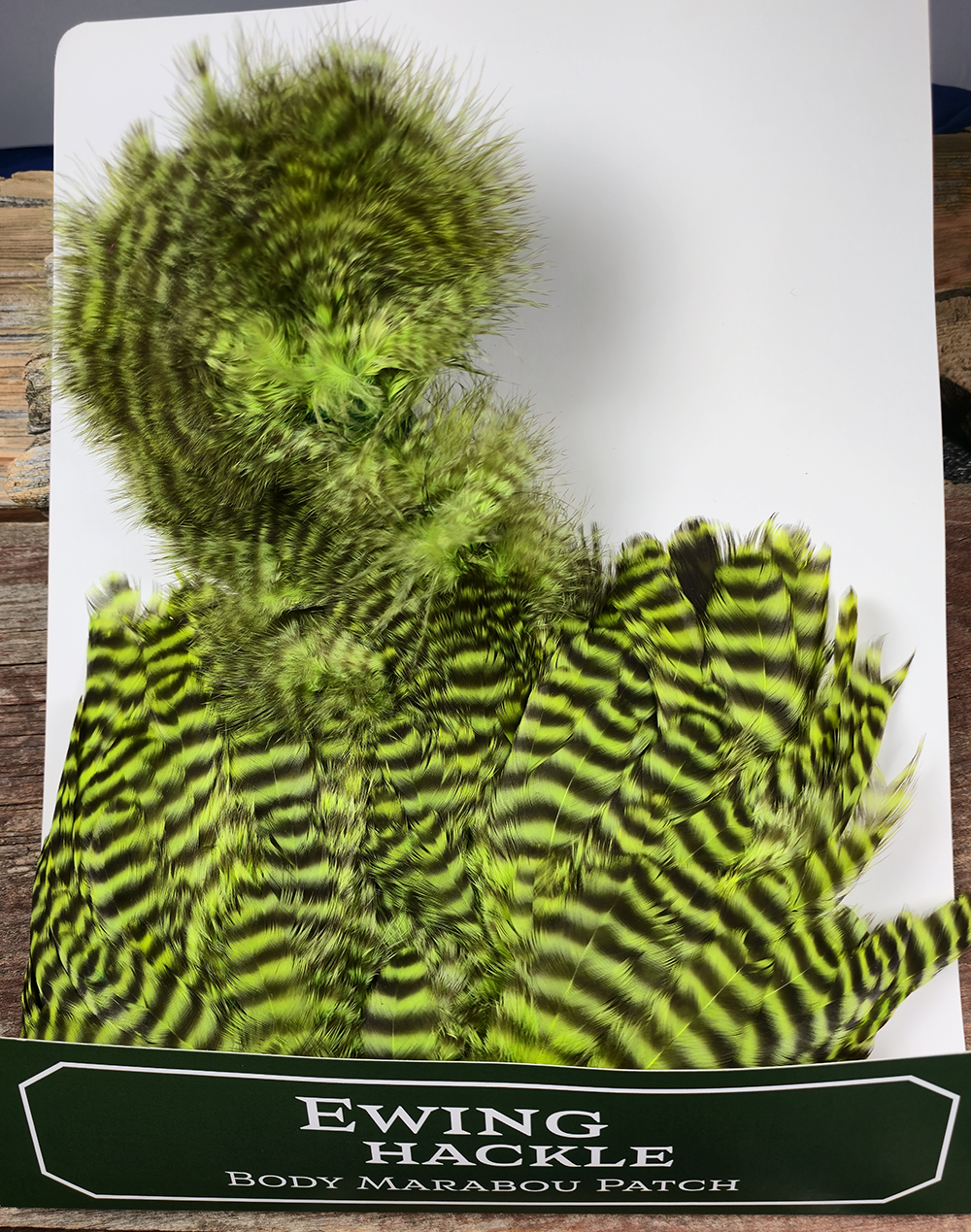
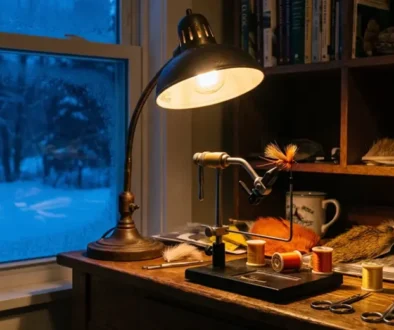
Tie your own Bluegill Flies, Ewing Hackle Marabou Body Patches are the perfect hackle for many patterns.
Kentucky: Home of the Midwest’s Biggest Bluegill
If there’s a heavyweight champion in this whole series, it’s Kentucky, and it isn’t close. The state — and honestly, a strong claim for the entire Midwest — record is a 4-pound, 3-ounce bruiser caught by Phil Conyers out of a Hopkins County strip-mine lake. Sixteen inches long, taken on a 4-inch artificial worm, and it fought hard enough near the dam that I imagine Phil needed a minute afterward to remember what species he was supposedly targeting. A four-pound bluegill isn’t a fish story. It’s a geological event.
For anglers who don’t happen to have a secret strip-mine lake on speed dial, Kentucky Lake is the real destination — 160,309 acres of water, which is not a typo, and the undisputed top bluegill fishery in the state. Spring is prime time, when the coves fill with flooded timber and vegetation and hold fish routinely running 8 to 10 inches, with plenty of bigger ones mixed in. That’s exactly the kind of skinny, cover-choked water a short 7’6″ fly rod was built to fish — you can work a popper tight to timber that would eat a longer rod alive on the backcast.
Beyond Kentucky Lake, keep these on your list:
- Barren River Lake — big, clean water with strong panfish numbers.
- Herrington Lake — deep, clear, and consistently productive.
- Fishtrap Lake — a solid eastern Kentucky option.
- Dewey Lake — reliable and underfished relative to its quality.
- Beaver Lake — a smaller-water option worth checking out.
And don’t overlook the Fishing in Neighborhood Lakes (FINS) program — a network of accessible community lakes spread across 28 Kentucky counties, purpose-built to put quality fishing within reach of, well, your neighborhood. Some of the best bluegill water in the state doesn’t require a boat, a guide, or a four-hour drive. It requires a short rod, a popper, and knowing FINS exists.
I bring up FINS specifically because it’s the kind of resource that gets overlooked in favor of the marquee lakes, and that’s a mistake. A community lake with light fishing pressure, decent structure, and easy bank access can flat-out out-fish a famous reservoir on a given afternoon, simply because the fish haven’t seen forty poppers go by that week. If you’re traveling to Kentucky specifically for bluegill and only have an evening to fish, a nearby FINS lake is often a smarter bet than fighting boat traffic on Kentucky Lake during peak season.
As for that flooded timber in the spring coves — fish it like you would fish structure anywhere, just slower and closer than feels comfortable. Drop the popper within a foot of standing timber, let it sit until the rings are completely gone, and resist every urge to move it early. Bluegill holding in timber are ambush feeders, not chasers. The take, when it comes, is usually less a strike and more a quiet, deliberate inhale, followed immediately by your line coming tight and the fish bulldogging straight back toward the wood it came from. Keep the rod tip up and steer, don’t horse it — 4X or 5X tippet has a breaking point, and that timber does not care about your feelings.
Iowa: Where the Spawn Turns Into an Event
Iowa closes out our tour, and it does so with a state record that has proven nearly unbreakable: 3 pounds, 2 ounces, caught by Phil Algreen on July 1, 1986, out of a Madison County farm pond. That fish measured 12.88 inches and has now stood for close to forty years, which tells you two things — Iowa grows serious bluegill, and whoever eventually breaks that record earns genuine bragging rights.
Bluegill are, without exaggeration, Iowa’s most widespread game fish. They’re thriving in thousands of private farm ponds, deep glacial lakes, and state-managed reservoirs across the state, which is either a dream or a paradox depending on how decisive you are about where to fish first. The Iowa DNR manages public water with a generous 25-fish daily bag limit, and while bluegill bite year-round — including through the ice on tiny tungsten jigs, for the masochists among us — the real show happens late May through mid-June, during the spawn.
During that window, massive schools of bluegill move into the shallows to build beds, and they get aggressive, defensive, and about as catchable as a fish can get. This is prime popper season — cast to the beds, let it sit, and hang on. Bank anglers, this is your moment; you don’t need a boat to clean up during an Iowa bluegill spawn.
For the best of it, target Iowa’s top producers:
- Prairie Rose Lake
- Lake Sugema
- Big Creek Lake
- Lake Anita
- Lake Geode
- Lost Grove Lake
- Diamond Lake
- Meadow Lake
- Big Spirit Lake (natural glacial water)
- West Okoboji Lake (natural glacial water)
Conventional anglers do exceptionally well here too — ultralight spinning rods spooled with 2 to 4-pound line, fishing live nightcrawlers under a slip-bobber, or 1/64-ounce micro-jigs, are Iowa staples for a reason. On the fly side, foam surface spiders during the spawn and sinking nymphs worked slowly along weed edges the rest of the season will keep you tight to fish all summer long.
The natural glacial lakes — Big Spirit and West Okoboji — deserve their own paragraph, because they fish differently than the reservoirs and farm ponds. Clearer water, deeper basins, and fish that get more pressure and more boat traffic through the summer months mean a slightly stealthier approach pays off. Longer leaders, a lighter presentation, and working the early morning and evening low-light windows will put you on fish that spend the middle of the day sulking deep and ignoring everything. If you only have one trip to Iowa and you want the classic shallow-water spawn experience, aim for one of the smaller managed lakes like Lake Anita or Lake Geode during that late May window instead — less pressure, more aggressive fish, and a shoreline you can actually work all the way around in an afternoon.
Frequently Asked Questions: Nebraska, Kentucky & Iowa Bluegill
When is the best time to fly fish for bluegill in Iowa? Late May through mid-June, during the spawn, when massive schools move into the shallows to bed and become highly aggressive — prime popper conditions, and excellent for bank anglers.
What’s the best lake for a trophy bluegill in Kentucky? Kentucky Lake is the top overall producer, especially in spring around flooded timber and vegetation in the coves. For a true giant, the strip-mine lakes of Hopkins County have produced the biggest fish on record, though access can be limited.
Are Nebraska’s Sandhills lakes worth the extra travel? Yes, if you’re after size over numbers. Frye and Swan Lakes hold lower densities of fish but produce bluegill exceeding a pound with real consistency — bring streamers and nymphs, not just poppers, since the fish hold deeper.
Do I need a boat for these lakes? Not necessarily. Community and neighborhood lakes — Nebraska’s Skyview and Yankee Hill, Kentucky’s FINS lakes, and Iowa’s smaller managed lakes like Lake Anita — are all well-suited to bank fishing with a short fly rod.
The Bottom Line on Midwest Bull Bluegill
Six states, two articles, and enough state-record stories to make you seriously reconsider what a “panfish” is capable of. Illinois’ farm pond giants, Ohio’s overlooked reservoirs, Missouri’s pond-country dynasty, Nebraska’s Sandhills sleepers, Kentucky’s strip-mine monster, and Iowa’s spawn-season blitz — that’s a full season’s worth of fly rod bluegill trips, and I haven’t even told you about the time a “beginner fish” nearly pulled my sunglasses off my face. That’s a story for another day.
Rig the short rod. Tie on the popper. Bring the streamers and nymphs for backup. And go find out for yourself why guys who’ve caught tarpon and permit still get genuinely fired up over a two-pound bluegill.
Ready to Gear Up? Saltwateronthefly.com Has You Covered
Reading about it is fine. Catching one is better. Head to Saltwateronthefly.com and let’s get you set up right:
- The 7’6″ 3-weight setups, lines, and leaders built exactly for this style of fishing — no guesswork, no upsell you don’t need.
- Poppers, streamers, and nymphs proven on real water, not just tied pretty for a fly bin.
- Guided adventure travel bookings — whether that’s chasing bluegill closer to home or joining me somewhere on the Fly Fishing the Rockies Head to Tail circuit, from Montana all the way to Chile, Argentina, Iceland, and Italy.
Don’t just bookmark this article and forget about it. Go fish. And when that popper vanishes, give a shout on Saltwateronthefly.com and tell me about it — I read every one.
Tight lines.