Lake Charlevoix Fishing: Bass, Pike, Panfish & Everything Else That Humiliated Me as a Kid
There are two kinds of people in this world: those who grew up fishing Lake Charlevoix, and those who had a perfectly happy, well-adjusted childhood. I was not among the latter.
Lake Charlevoix shaped me. Humbled me. Regularly made a fool out of me in front of anyone within eyeshot. And I keep coming back to it — in conversation, in print, and in the peculiar nostalgia that only haunts people who spent a disproportionate amount of their formative years staring at a rod tip, waiting.
If you’ve never fished Lake Charlevoix, Michigan, let me introduce you properly. If you have — you already know. Pull up a chair.
Table of Contents
What Is Lake Charlevoix and Reason You Ought to Care
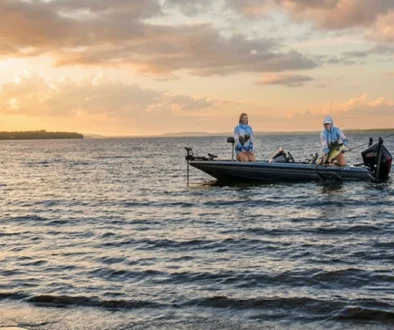
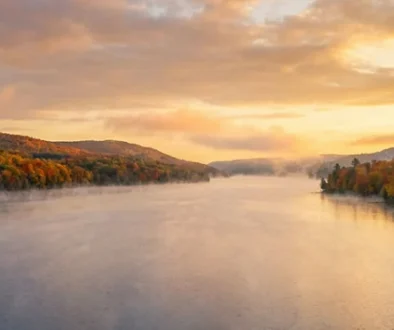
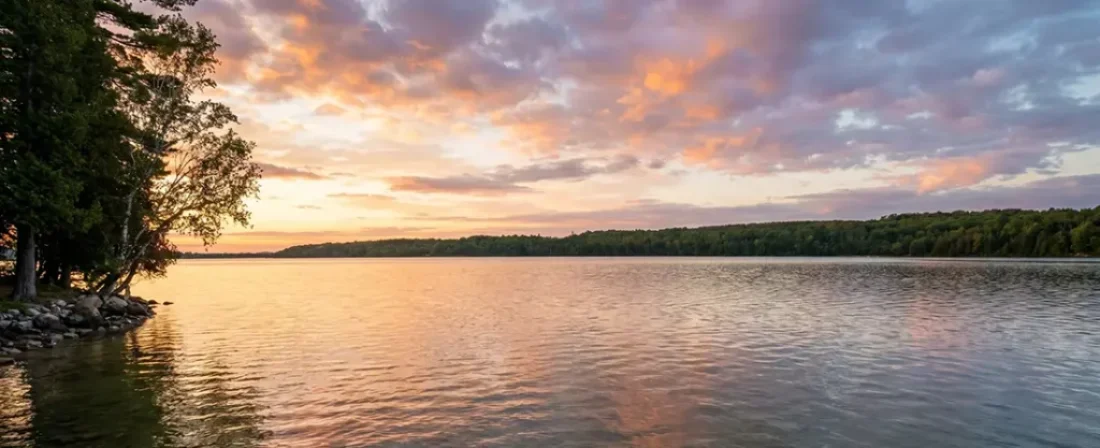
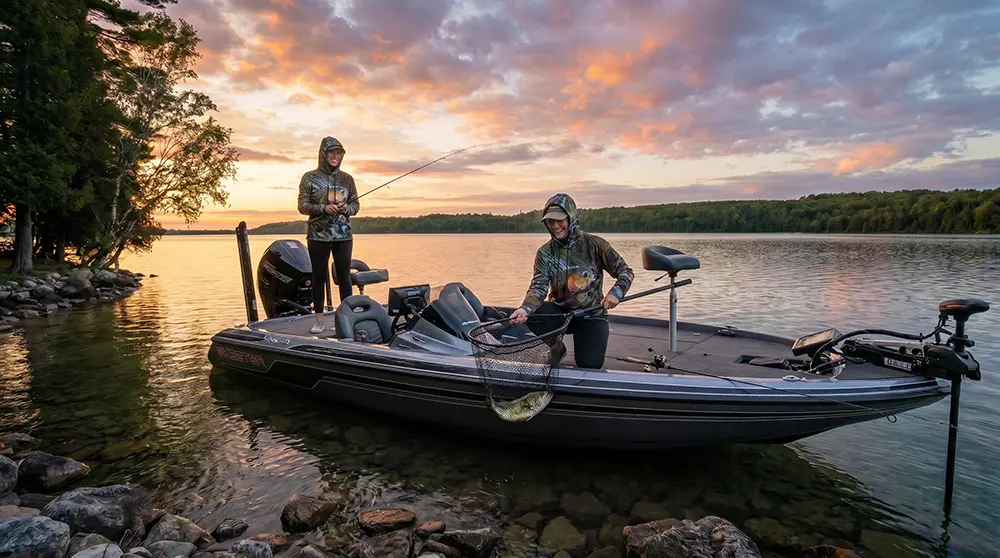
Lake Charlevoix sits in northwest lower Michigan, about as close to perfect as a freshwater fishery gets without anyone making a big deal about it. At roughly 17,260 acres and up to 122 feet deep, it is one of Michigan’s largest inland lakes — connected to Lake Michigan through the Pine River Channel in Charlevoix, which means it thinks rather highly of itself and has the fish populations to back it up.
The lake sits in Charlevoix County, bordered by the towns of Charlevoix, Boyne City, and East Jordan. It is divided into two distinct basins — the main body to the north and the shallower South Arm to the south — which matters a great deal when you’re chasing specific species and pretending you knew exactly where you were going all along.
The water is clear, cold in the deep main basin, and warm and weedy along the shallows — which is a long way of saying that nearly every species of interest to a freshwater angler can be found here doing whatever it is they do to avoid being caught by you specifically.
Growing Up in Michigan: The Education That No School Would Offer
Before we talk tactics, I owe you some context, because fishing Lake Charlevoix without understanding where it fits in a Michigan childhood is like reading the last chapter of a book first — technically possible, but you miss the full tragedy.
I grew up in Michigan, which means I grew up wet. Not metaphorically. Actually wet. There is a condition unique to Michigan children that involves perpetually damp jeans, waterlogged sneakers, and a mother who has given up asking why there’s a night crawler in the dryer.
The AuSable River
My earliest understanding of “serious fishing” came from the AuSable River — Michigan’s crown jewel of trout water and a place where grown men stand in chest-deep current wearing waders that cost more than their first car, casting dry flies with the focused intensity of someone defusing a bomb.
The AuSable gave me brown trout. More precisely, it gave brown trout the opportunity to ignore me at close range. The Holy Water stretch between Grayling and Mio is where I first learned that fish are smarter than they look, and that a drag-free drift is not something you accidentally stumble into. It is earned. Slowly. With humility. The AuSable teaches patience the way a brick wall teaches patience — eventually you stop walking into it.
What it did give me was an obsession with moving water, with matching a hatch, and with the absolute commitment required to present a fly naturally in current. Lessons that followed me north to Charlevoix and, eventually, everywhere else.
Houghton Lake
Houghton Lake is the largest inland lake in Michigan, which it will tell you itself if given half a chance. As a kid, it was the great democratizer — a place where every species of fish in the state seemed to coexist in a kind of chaotic open house, and where a kid with a cane pole and a bobber had as good a shot as anyone.
It was here I learned that panfish are not a consolation prize. Yellow perch, bluegill, and crappie pulled from Houghton Lake on summer evenings are a legitimate pursuit — one that requires skill, timing, and a working knowledge of where the weeds drop off into deeper water. And it was Houghton Lake that introduced me to the concept of “the bite just died,” which is fishing’s way of saying “you’re done now, go home.”
Walleye were the prestige fish at Houghton Lake. Every uncle had a spot. Every uncle’s spot was a secret. Nobody caught anything from anyone else’s secret spot. This is the Michigan walleye experience in its purest form.
The Pere Marquette River
If the AuSable was where I learned to fly fish, the Pere Marquette River was where I learned to be humbled by steelhead. The PM, as it’s universally called by people who don’t want to write out Pere Marquette River every time, runs through Mason and Lake counties and dumps into Lake Michigan — which means it receives serious runs of steelhead and king salmon that have absolutely no interest in the fly you’ve tied on.
The Pere Marquette is a designated wild and scenic river. It is beautiful. It is cold. It will steal your fly, your dignity, and occasionally your footing, and it will do all three before 7 AM. Swinging flies through the runs on a grey November morning is an experience that feels both ancient and deeply personal — even when the fish are staging a boycott.
What the PM gave me was a love of big fish in moving water and a healthy respect for the idea that some fish are simply not going to cooperate and there is nothing wrong with you personally.
Camp Tapico — Where Scouting Met Smallmouth and Neither Apologized
Somewhere between earning a merit badge and learning that institutional scrambled eggs are not actually eggs, I discovered that Boy Scout camp had a secret advantage nobody put in the brochure.
Camp Tapico sat on the north side of the Manistee River outside Grayling, Michigan — and our camping area was a literal stone’s throw from Grass Lake. I’m not being poetic. You could stand at the edge of camp and throw a rock into that water. A detail that, for a kid already wired for fishing at an unreasonable hour of the morning, was approximately the best news available.
The routine sorted itself out naturally. Good breakfast for the patrol — and I mean a real breakfast, the kind that justified getting vertical before the sun had fully committed to the idea — and then the quiet negotiation of being first out of camp. Bill and I had it figured out. We’d hit the canoe before the rest of the troop had finished their coffee, and Grass Lake would be ours.
Smallmouth bass and northern pike. That was the lake’s offer, and it was a generous one. The smallmouth were aggressive and ignorant in the best possible way — the kind of fish that haven’t yet developed the sophisticated wariness that comes from surviving a few seasons of pressure. The pike were pike. Which is to say, they were large, sudden, and occasionally alarming.
I went back five or six years running. Every summer, the same lake, the same canoe, the same early alarm clock that wasn’t an alarm clock but was instead a specific inability to sleep past 5 AM when fish were within walking distance. Some habits form early and never leave. This was one of them.
And then there was Fred Bear.
Bear Archery called Grayling home, which meant Fred Bear called Grayling home, which meant that a Boy Scout camp within range of his museum and factory was going to produce at least a few encounters that a kid would carry for the rest of his life. Fred put on archery demonstrations at camp — the kind of thing that sounds like a scheduled activity and becomes, in hindsight, one of those moments you realize you were in the presence of someone genuinely significant.
I met him a couple of times at the museum and factory as well. The second or third time, it wasn’t a demonstration — it was a handful of bowhunters talking whitetails with the man who had arguably done more to shape American bowhunting than anyone alive. Fred Bear discussing whitetail deer is not a conversation you forget.
What strikes me now, decades removed from those mornings on Grass Lake, is how completely that stretch of northern Michigan mapped out everything that came after. The AuSable taught me trout and currents. The Manistee showed up in my peripheral vision every morning from camp. Grass Lake gave me pike and smallmouth before I knew enough to be intimidated by either. And Fred Bear, without knowing it, handed a kid in a Scout uniform permission to take the outdoor life seriously.
Some educations don’t come with transcripts.
Lake Charlevoix: The One That Started It All
And then there was Lake Charlevoix. Sixteen years on that shoreline. Sixteen years of bass, pike, perch, and the occasional humiliation so specific and thorough it could only happen to a kid who thought he knew what he was doing.
Lake Charlevoix was my proving ground. It was where I first understood that fishing is not simply the act of catching fish — it is the sustained willingness to not catch fish while remaining optimistic about your chances. A skill, it turns out, that transfers directly into adult life.
Lake Charlevoix Fishing by Species: The Complete Breakdown
Smallmouth Bass — The Main Event
Smallmouth bass are the signature species of Lake Charlevoix and the reason most serious anglers make the trip. The lake’s clear, rocky main basin is textbook smallmouth habitat — gravel shoals, submerged rock structure, boulder fields, and the kind of deep, oxygenated water that lets smallies grow to genuinely impressive sizes.
Three to five pound smallmouth are not uncommon here. Fish pushing six pounds exist and are occasionally caught by people who will talk about it for the rest of their natural lives. The main basin’s rocky points, humps, and shoals hold fish throughout the warm months, with mid-summer fishing in 8–18 feet of water over gravel and rock being as reliable as anything in Michigan.
For conventional tackle anglers, smallmouth on Lake Charlevoix are a drop-shot, tube jig, and crankbait fishery. Match your presentation to depth and season — shallow and aggressive in June, slower and deeper through August, back to the feed in September when the topwater bite comes alive and the fish briefly forget they’re supposed to be cautious.
Best Lures & Baits — Smallmouth Bass:
- Tube Jigs (3–4 inch, smoke, green pumpkin, watermelon) — the single most versatile smallmouth bait on Lake Charlevoix’s rocky structure. Drag it slow on a 3/16 to 1/4 oz jig head and hold on.
- Drop Shot Rig with Finesse Worm — deadly on pressured fish in clear water. Roboworm, Berkley MaxScent, or a hand-poured straight tail in green pumpkin or natural shad colors.
- Ned Rig — small ElaZtech bait on a mushroom jig head. Embarrassingly effective. Don’t overthink it.
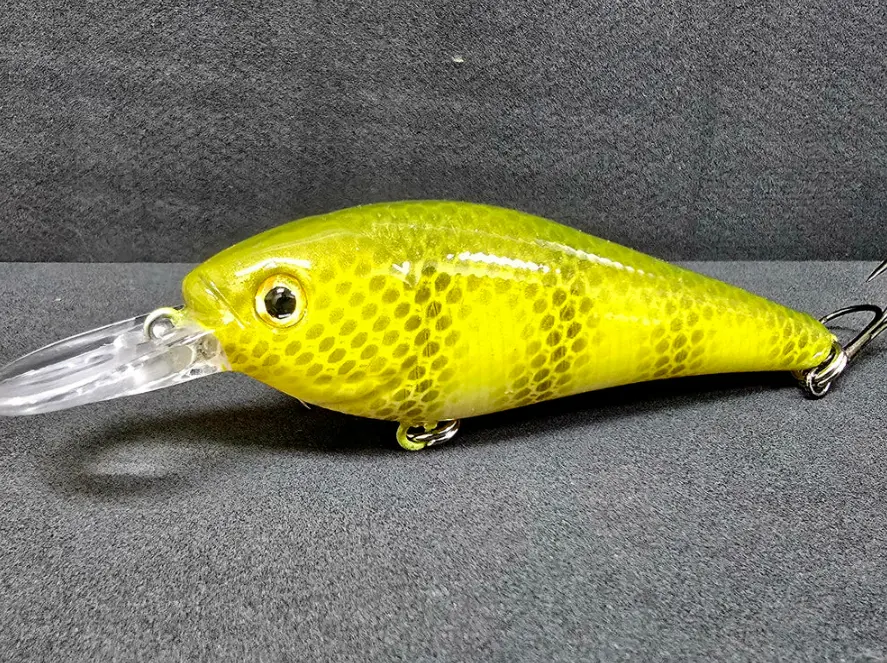
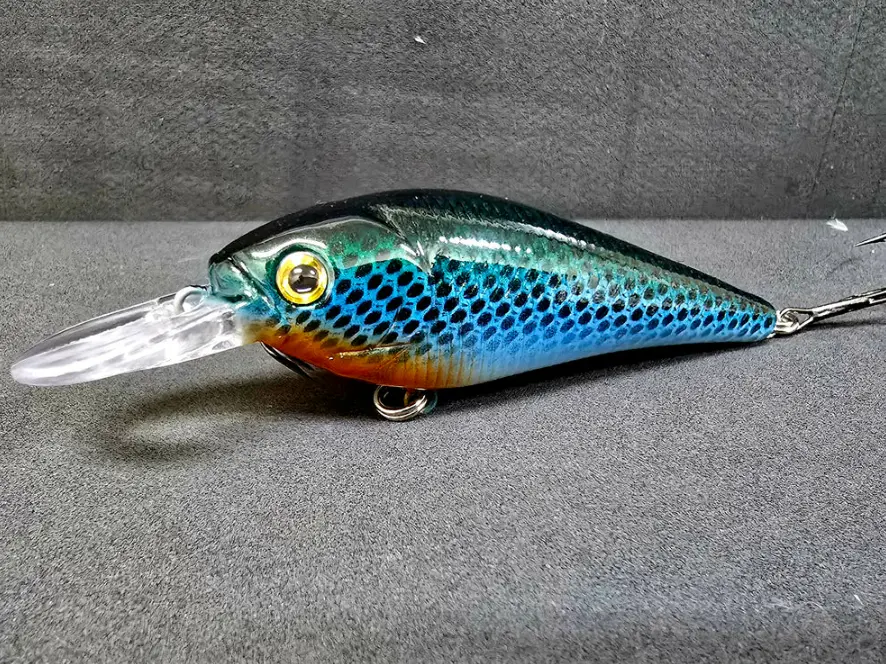
- Rapala DT-6 and DT-10 Crankbaits — deflecting off rocky bottom structure in natural crawfish and shad patterns triggers reaction strikes all summer.
- Spinnerbaits (3/8 oz, white/chartreuse or willow/Colorado combo) — excellent for covering water along rocky points and transitions.
- Topwater — Heddon Zara Spook, Rebel Pop-R, or Whopper Plopper — September and early October mornings on Lake Charlevoix are a reason to live. Don’t miss them.
- Live Crayfish — if you want an unfair advantage, a live crayfish on a light hook near a rocky shoal is as close to cheating as Michigan law allows.
Seasonal Timing:
- June: Post-spawn fish aggressive on shallow rocky structure, 4–10 feet
- July–August: Mid-depth rock humps and points, 10–18 feet, slower presentations
- September: Feeding hard before turnover — best topwater month of the year
Largemouth Bass — The South Arm Specialist
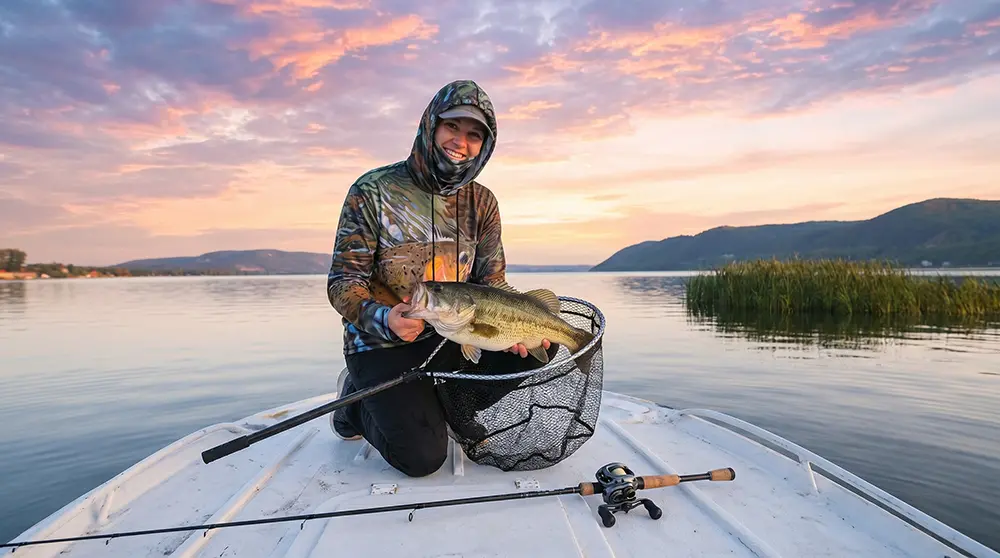
While the main basin belongs to smallmouth, the South Arm of Lake Charlevoix is largemouth territory. Warmer, shallower, and heavily vegetated — the South Arm offers classic largemouth habitat: submerged weeds, lily pads, downed timber, and shoreline structure that a five-pound largemouth considers personal property and will defend accordingly.
The South Arm largemouth are underrated precisely because they’re overshadowed by the main basin’s smallmouth reputation. That is your opportunity. Fish the pads and the weed edges early and late, work timber with slower presentations through the midday hours, and don’t be surprised when something genuinely large decides your lure is a problem that needs solving.
Best Lures & Baits — Largemouth Bass:
- Hollow Body Frog (Booyah Pad Crasher, SPRO Bronzeye) — the South Arm’s lily pads are made for this presentation. Work it slow, pause on every open pocket, and set the hook only when you feel the fish — not when you see the explosion.
- Texas-Rigged Senko (5 inch, green pumpkin, black/blue, watermelon red) — weightless through the pads, light weight near timber. The Senko catches largemouth the way arguing catches nothing. It just works.
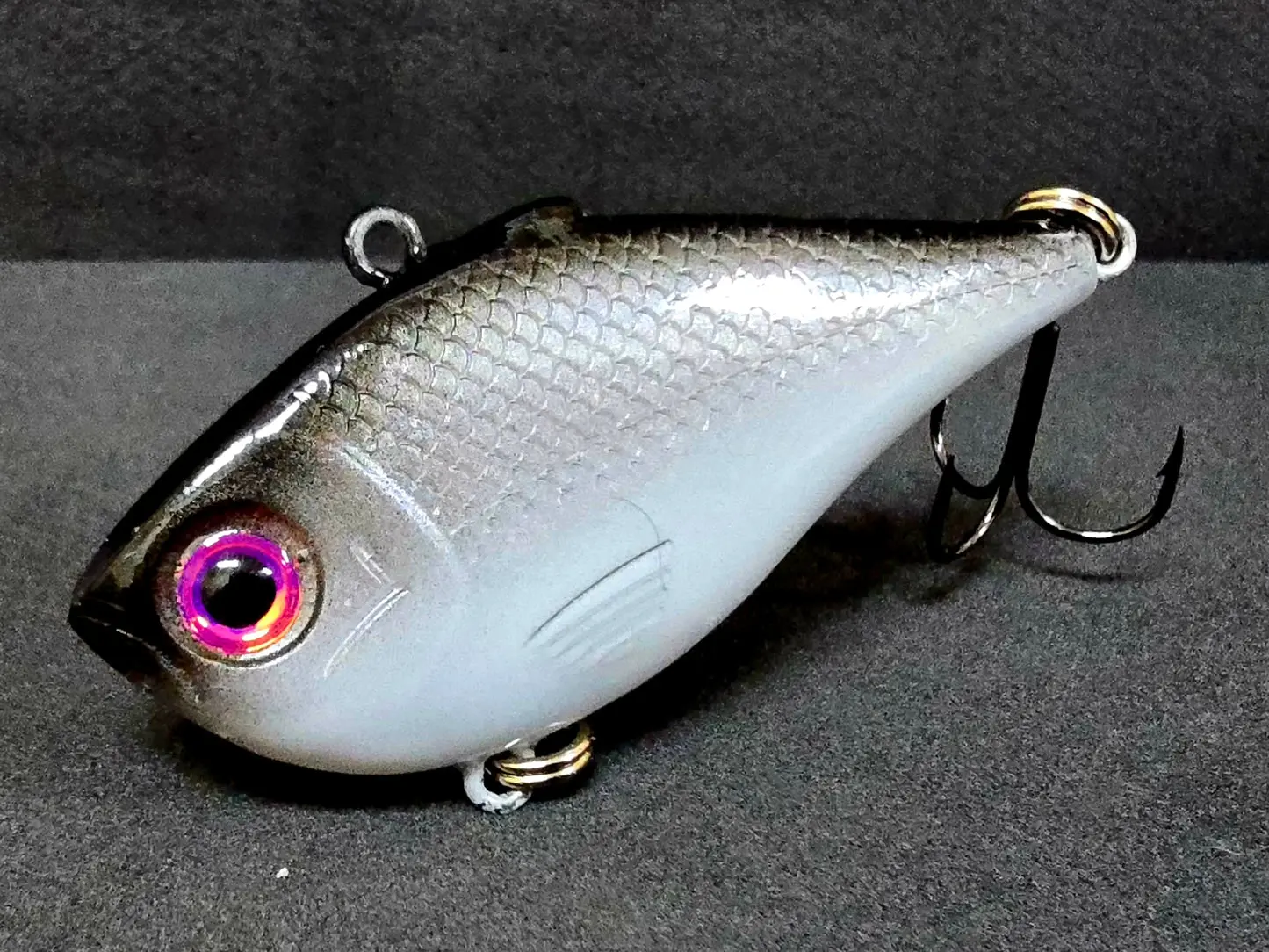
- Chatterbait / Bladed Jig (3/8 oz) — outstanding along weed edges and through sparse vegetation. Chartreuse/white or black/blue with a matching trailer.
- Swim Jig with Paddle Tail Trailer — slow-rolling through submerged vegetation produces throughout the season.
- Spinnerbait (1/2 oz, double willow, white or chartreuse) — for burning along weed lines and covering the South Arm’s open shoreline water efficiently.
- Popper or Walking Bait (Heddon Super Spook Jr., Lucky Craft Sammy) — early morning topwater along the South Arm’s quiet coves is not something you forget.
- Live Nightcrawlers on a Wacky Rig — for the purists and the panicked alike. A wacky-rigged crawler near structure is profoundly difficult for a largemouth to ignore.
Northern Pike — Big Water, Big Attitude
Northern pike are Lake Charlevoix’s apex predator and will remind you of this fact the moment you give them an opening. Pike inhabit the weedy bays and shallows throughout the lake, ambushing from vegetation with the confidence of a fish that has nothing to worry about and knows it.
Lake Charlevoix northern pike range from respectable mid-twenties to genuine slabs pushing 40 inches — fish that look like they were assembled from leftover parts by someone whose only requirement was that the finished product be mostly mouth. They are not subtle. They will hit lures they cannot possibly eat, at speeds that suggest personal grievance. This is, frankly, a large part of their appeal.
Spring through early summer is prime time — pike are shallow, aggressive, and looking for a confrontation. Summer heat pushes them slightly deeper along weed edges, but they never wander far from ambush cover.
Best Lures & Baits — Northern Pike:
- Spinnerbaits (3/4 to 1 oz, single large Colorado blade, white, chartreuse, or orange) — the workhorse pike lure. Slow-roll it along weed edges and let it helicopter on the pause.
- Large Swimbaits (5–8 inch paddle tail, white, shad, or perch patterns) — steady retrieve along vegetation edges on a heavy jig head. Deadly on bigger fish.
- Mepps Musky Killer or Aglia Spinner (sizes 4–5) — a classic for a reason. The flash and vibration combination is something pike find difficult to leave alone.
- Johnson Silver Minnow with Pork Rind or Soft Plastic Trailer — the original weedless pike lure. Still works as well as it ever did.
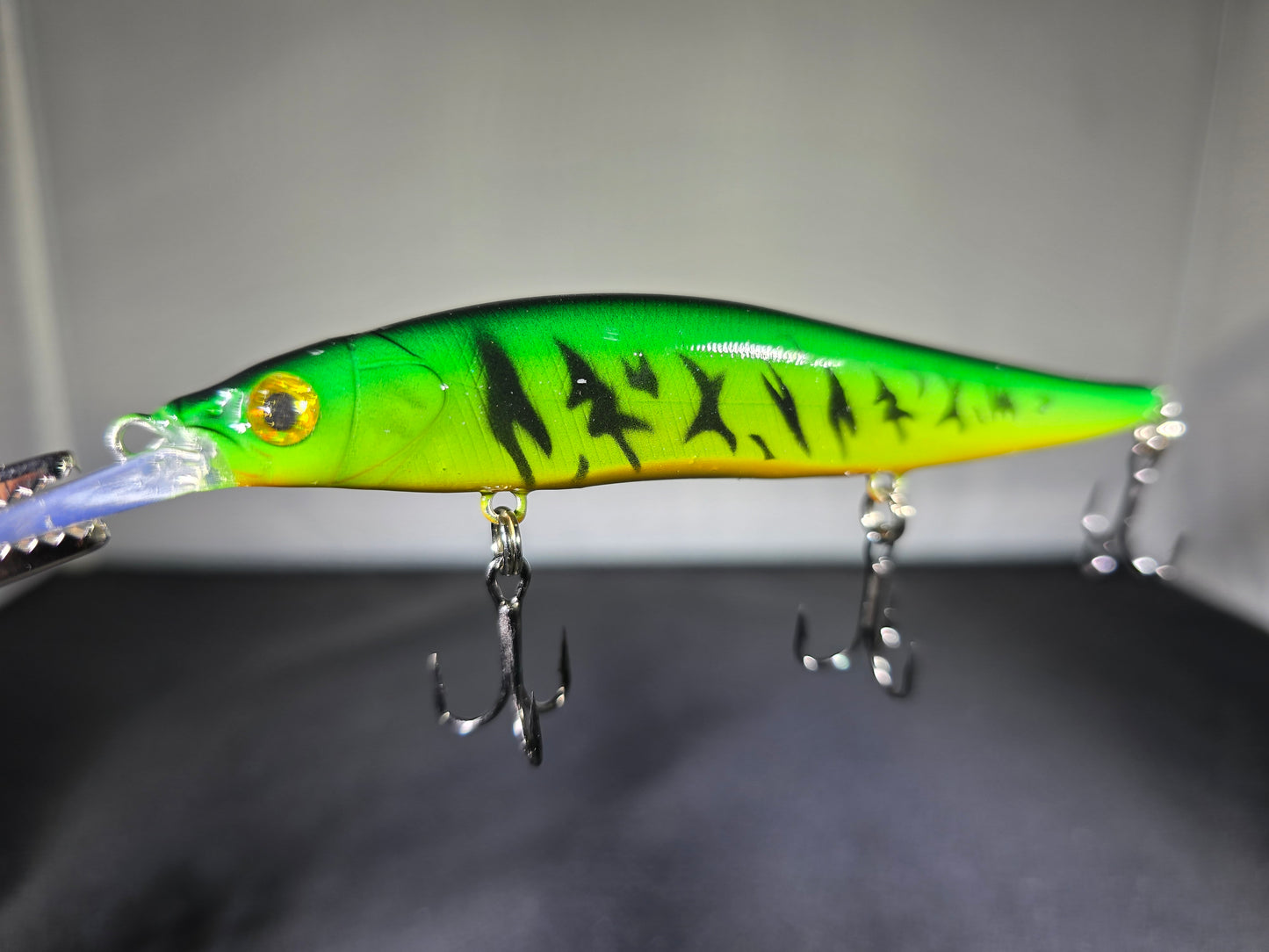
- Large Crankbaits (Rapala Husky Jerk, X-Rap, Shallow Shad Rap in perch, fire tiger, or silver) — worked through open pockets in vegetation or along transitions.
- Topwater Lures (Suick Thriller, Whopper Plopper 130, Heddon Torpedo) — surface pike strikes are a legitimate outdoor experience. Worth targeting in low-light conditions.
- Large Suckers or Chubs (live bait) — under a quick-strike rig, a 6–10 inch sucker is hard to argue with if you want to target the largest fish in the lake.
A note on terminal tackle: Wire leader. Always. A 12–18 inch single-strand or seven-strand wire bite leader is non-negotiable. Pike will sever fluorocarbon and monofilament without a second thought and without remorse, which is consistent with their overall character.
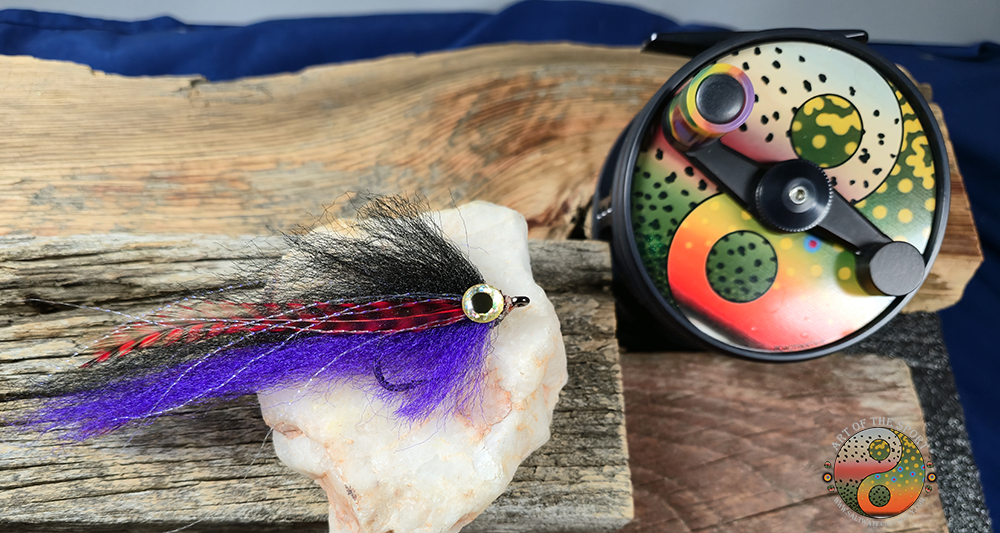
For fly anglers: Large Predator Fiber baitfish patterns, articulated deceivers, and pike-specific streamer flies in chartreuse, white, and orange on a 9-weight with a wire bite tippet. Handle these fish carefully — long-nose pliers are not optional equipment.
Walleye — Lake Charlevoix’s Quiet Trophy
Walleye occupy the deeper sections of Lake Charlevoix’s main basin and are pursued with a quiet intensity by anglers who have decided that patience is a virtue and that 5 AM is not actually that early. They exist here in fishable numbers and represent a genuine trophy target — Lake Charlevoix walleye run large, a product of cold, clear, deep water that allows fish to grow at a measured pace over multiple seasons.
Low-light periods are everything with walleye. Dawn and dusk in spring and fall. After dark in summer, when fish push shallow to feed along rocky transitions. Midday midsummer walleye are deep and largely uninterested in your schedule, which is why trolling exists.
Best Lures & Baits — Walleye:
- Lindy Rig with Nightcrawler — the foundational walleye presentation and still one of the most effective. Live crawler behind a walk-sinker on a 6-foot fluorocarbon leader, dragged slowly along rocky bottom transitions at first light.
- Jigging with Blade Baits (Swedish Pimple, Jigging Rapala) — highly effective in deeper water, particularly for suspended fish in summer. Drop to bottom, lift, let fall, repeat.
- Jigging Minnow (Rapala Jigging Rap, Northland Forage Minnow) — worked vertically over structure or cast and retrieved with a lift-drop cadence.
- Crawler Harness (spinner rig) — slow-trolled or drifted along rocky structure and transition zones. Produces consistently throughout the season.
- Walleye Cranks (Rapala Shad Rap, Berkley Flicker Shad, Salmo Hornet) — trolled along depth contours in perch, gold, and fire tiger. Effective for covering water and locating fish.
- Live Minnows under a slip bobber — in spring and fall, a lively shiner or fathead minnow suspended off bottom near rocky structure is one of the most underrated walleye presentations available.
- Bottom Bouncer with Nightcrawler or Leech — for working deeper structure and rock transitions during summer.
Muskellunge — The Fish of Ten Thousand Casts
Muskie exist in Lake Charlevoix. Let that sentence sit for a moment.
Muskellunge are the apex obsession of freshwater anglers — a fish so difficult to catch consistently that its devotees have built an entire subculture around the pursuit. Lake Charlevoix supports a muskie population, and the lake’s size, depth, and structure give these fish room to grow to trophy dimensions.
Muskie on the fly is not a casual undertaking. It requires a heavy rod (10-weight minimum), enormous flies designed to push water and trigger strikes, a wire leader, and the psychological constitution of someone who genuinely doesn’t need external validation. You may cast all day and not see a fish. You may see a fish follow your fly to the boat and turn away. This is called a “follow” and it is a specific kind of emotional damage.
If you’re willing to put in the work, Lake Charlevoix muskie on the fly is a legitimate bucket-list achievement.
Best Lures & Baits — Muskellunge:
- Large Bucktail Spinners (Mepps Giant Killer, Muskie Mania Showgirl, Harasser — size 10 blade) — the most reliable muskie search bait. Cover water, vary retrieve speed, and burn it back to the boat for a figure-8.
- Glide Baits (Slammer, Phantom, Glidin’ Rap) — the premium muskie lure category. Work with a walk-the-dog or gliding action on a medium-slow retrieve. Triggers strikes from following fish.
- Large Jerkbaits (Suick Thriller, Bobbie Bait, Reef Hawg) — the original muskie bait. Jerk-pause-jerk along weed edges and open water. Still produces trophy fish.
- Topwater (Creeper, Hawg Wobbler, Bull Dawg walked on the surface) — low-light muskie topwater is a once-in-a-season experience that resets your entire perspective on fishing.
- Large Swimbaits (8–12 inch paddle tail or segmented glide) — increasingly popular and effective, particularly for targeting larger fish.
- Figure-8: Not a lure — a technique. Every single retrieve ends with a figure-8 at the boat. No exceptions. The number of muskie caught on the figure-8 at the side of the boat is not a small number. Do not skip this step.
For fly anglers: This is a 10-weight minimum situation. Enormous articulated flies designed to push water, a wire leader, and the willingness to cast all day without a strike. It is deeply unreasonable and worth every minute.
Panfish — Never Sleep on the Perch
Yellow perch, bluegill, and crappie round out the Lake Charlevoix fishery and deserve significantly more respect than they typically receive from people who have convinced themselves they’re above panfishing.
Yellow perch are the lake’s most abundant and most delicious species — a fact no one disputes. Lake Charlevoix perch average 8–10 inches with genuine jumbo perch pushing 12 inches available to anyone willing to find the right structure. Rocky bottom transitions, submerged vegetation edges, and docks hold perch in numbers.
Best Lures & Baits — Yellow Perch:
- Small Jigging Spoons (Swedish Pimple, Kastmaster 1/4 oz, gold or silver) — tipped with a small minnow or perch eye. Vertically jigged over structure.
- Tube Jigs (1.5–2 inch, white, chartreuse, or pink) on a 1/16 oz jig head — the most versatile perch lure on the water.
- Live Minnows (fatheads or small shiners) on a light hook below a slip bobber — never, ever wrong.
- Nightcrawler pieces on a small hook with a split shot — simplest and most consistently productive perch bait available anywhere.
- Wax Worms — particularly effective in early season when perch are less active and a slower, softer presentation produces.
Bluegill occupy the weedy bays and dock edges throughout the warmer months and are the perfect fly rod target on light tackle. A 4-weight with a small popper or foam beetle fished along a dock at dusk is one of the most purely enjoyable fishing experiences available in freshwater — do not let anyone tell you differently.
Best Lures & Baits — Bluegill:
- Red Worms or Wax Worms on a Small Hook (size 6–8) below a small bobber — the foundational bluegill setup and still the most reliable.
- 1/32 to 1/16 oz Jig Head with Small Soft Plastic (Berkley Gulp! Alive Earthworm, tiny grub) — ultralight spinning presentation that covers water quickly.
- Beetle Spin (1/16 oz, chartreuse or white) — the classic bluegill lure. Cast along dock edges and retrieve slowly.
- Small Inline Spinners (Mepps Aglia #0 or #1) — produces on active fish throughout the day.
- Crickets or Grasshoppers (live) — summer bluegill surface bait that produces hits so fast it becomes a problem.
Crappie are spring fish first, gravitating to docks, submerged timber, and structure in April and May when water temperatures trigger the spawn. Crappie move deep in summer and become harder to target consistently, but spring crappie in Lake Charlevoix are as reliable a bite as anything the lake offers.
Best Lures & Baits — Crappie:
- Tube Jigs (2 inch, white, chartreuse, pink, or black/chartreuse) on a 1/16 oz jig head — the universal crappie bait. Suspend under a slip bobber or cast and count down.
- Small Paddle Tail Swimbaits (2–2.5 inch, white or shad) on a light jig head — effective for covering the water column when fish depth is unknown.
- Bobby Garland Baby Shad or Crappie Shooter — purpose-built soft plastics that crappie anglers swear by for a reason.
- Live Minnows (small fatheads or crappie minnows) under a slip bobber at the right depth — find the depth, catch the fish. Simple as that.
- Small Inline Spinners (Roostertail 1/16 oz, pink or white) — early spring crappie along docks respond well to a slow, steady retrieve.
Lake Charlevoix Fishing Access & Logistics
Boat Access: Multiple public boat launches serve Lake Charlevoix, including launches at Charlevoix City, Boyne City, and East Jordan. The lake’s size demands a boat for accessing the main basin structure, though shoreline access points exist for bank fishing.
Shore Fishing: The downtown Charlevoix waterfront, the Pine River Channel, and various public parks offer shore access. The channel connecting the lake to Lake Michigan can be productive for migratory species including coho and chinook salmon in fall.
Fishing License: Michigan fishing license required. Current regulations and license information available through the Michigan DNR.
Best Months: May through October covers the primary warm-water season. Fall (September–October) offers exceptional bass and pike fishing as fish feed aggressively ahead of winter.
The Bottom Line on Lake Charlevoix
Lake Charlevoix is not a secret, but it is underestimated. Most people who visit northern Michigan head for the Traverse City wine trails or the Sleeping Bear Dunes, which is fine, and means more room on the water for the rest of us.
This lake taught me more about fishing than anything I’ve read since. It taught me patience, location, reading water, and the specific humility that comes from being repeatedly outsmarted by a fish. Sixteen years on that shoreline, and I’m still learning from it.
If you’re headed to northern Michigan, put Lake Charlevoix on your itinerary. Bring a fly rod. Bring good hackle. Bring the kind of optimism that can survive a slow morning.
You’re going to need all three.
Ready to gear up for Lake Charlevoix bass? Shop bass flies, Ewing Hackle, and performance outdoor apparel built for anglers who mean it: Lake Charlevoix Fly Fishing for Bass — SaltwaterOnTheFly.com
Capt. Grumpy | Because the fish don’t care which coast you’re on.