Pelican Lake Wisconsin Fishing Guide: Bass, Panfish, Walleye, Musky & More (For the Rest of Us)
Pelican Lake Wisconsin Fishing: Where the Fish Are Big, the Regulations Are Complicated, and Your Pride Is Optional and the Mosquito’s can Lift a VW Bug
Let me be upfront with you. I spend most of my professional life convincing people that fly fishing is the pinnacle of the angling experience — a pursuit of grace, precision, and quiet suffering. I’ve written about it, guided it, lived it. And yet here I am, writing a conventional fishing guide for Pelican Lake, Wisconsin, because the truth is that a 4-pound smallmouth doesn’t particularly care what kind of rod you’re using when it bulldozes your lure into a weed bed the size of a Walmart parking lot and snaps your line. The fish won. You lost. It doesn’t matter how elegant you were when it happened.
Pelican Lake is that kind of place. It humbles everyone equally — the tournament angler with $80,000 worth of boat and electronics, the kid with a Zebco 33 and a half-eaten nightcrawler, and yes, the fly fishing guy who thought he’d “slum it” for a weekend. The lake does not play favorites. It plays defense.
So whether you’re a devoted gear angler, a walleye fanatic, a bluegill-obsessed grandpa who measures his success by the butter and shore lunch rather than length and release, or someone who just wants to know what to throw at whatever is willing to eat — this is your guide. Sit down. We have a lot to cover, and the bugs won’t wait.
Table of Contents
What Is Pelican Lake, Exactly? (And The Reason You Ought To Care?)
Pelican Lake sits in Oneida County in northeastern Wisconsin, right off US Route 45, near the town of Pelican Lake — a town so committed to its identity that it named itself after the lake that named itself after birds that don’t actually live there anymore. Classic Wisconsin efficiency.
The lake covers roughly 3,545 to 3,600 acres depending on the water level and which map you’re looking at, features 16.3 miles of shoreline, a maximum depth of 39 feet, and a bottom that is approximately 40% sand, 20% gravel, 10% rock, and 30% muck — the muck being the part that will steal your lure, your trolling motor prop, and your will to live in roughly equal measure.
It’s part of the Wisconsin Valley Improvement Company reservoir system, one of 21 lakes that regulate flow on the Wisconsin and Tomahawk rivers. There’s a dam on the outlet feeding the Pelican River. The lake sits on the Great Wisconsin Divide — water on one side of the ridge drains to the Great Lakes, the other to the Mississippi. Nature’s version of committing to neither coast.
Five public boat landings provide access. The Wisconsin DNR designates it as a Quality Fishing Water for musky and bass, meaning special regulations apply and you absolutely cannot wing it on the rules without checking first. We’ll get to that.
The water is stained — dark, tea-colored, Northern Wisconsin water that smells like earth and fish and potential. Visibility is limited, which works in your favor as an angler because the fish can’t see you and your questionable hat nearly as well.
Fish Species on Pelican Lake Wisconsin
Let’s talk about who lives here and why they’re worth chasing.
Largemouth Bass
Pelican Lake holds a healthy largemouth population. These are weed-oriented fish through and through. They live in, around, and underneath the extensive emergent and submerged vegetation that dominates the shallower flats and bays. In summer, you’ll find them pushing into the thickest stuff — the salad-bowl lily pad mats, the submerged cabbage, the places where a heavy jig sounds like it’s fishing through a lawn.
The largemouth here are not particularly finicky. They are, however, deceptively strong for a lake that looks like it should produce average fish. Don’t let the flat, weedy, “boring” water fool you. Trophy largemouth come out of places like this regularly.
Key largemouth techniques:
Texas-rigged plastic worms (10-inch ribbon tails in green pumpkin or black/blue), hollow body frogs over the lily pads, heavy flipping jigs with a trailer punching into matted vegetation, swim jigs along weed edges, and topwater walking baits early morning and evening. A 3/8 to 1/2 oz. tungsten punch weight will get you through the slop. If you’re not getting hung up occasionally, you’re not fishing where the fish are.
Best times: Early summer through fall. First light and last light are your premium windows. Midday in summer, look deeper along the weed edges or skip into dock shade.
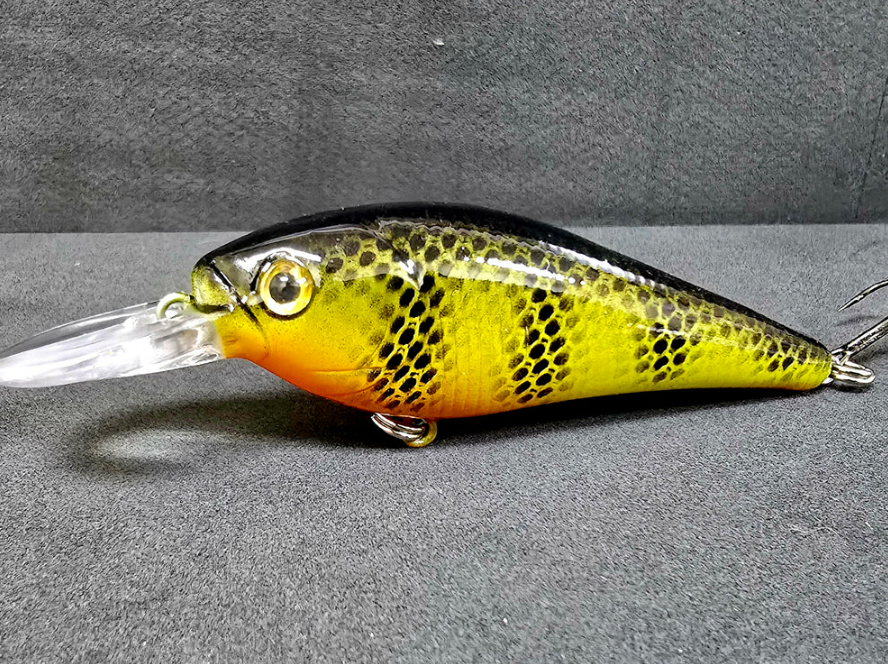
Smallmouth Bass
Pelican Lake smallmouth are the ones that will make you question your tackle selection, your knot choice, and briefly, your life decisions. The rocky areas, gravel bars, rip-rap shorelines, and points hold good populations of smallmouth that routinely push quality size. Smallmouth in Northern Wisconsin lakes like Pelican have a reputation for reaching trophy proportions — fish over 18 inches are genuinely possible and are protected as such (more on that below).
Key smallmouth techniques:
Drop-shot rigs with Roboworms or finesse worms in natural colors over rocky bottom. Tube baits dragged slowly on a shaky head. Ned rigs when fish are being stubborn. Topwater — walking baits, prop baits, and poppers during low-light periods. Jerkbaits in spring when fish are shallow and aggressive. Around grass, spinnerbaits and swim jigs.
In fall as water cools, smallmouth move deeper. Deep structure — rock piles, humps, mid-lake bars — becomes the target. Drop-shots and football jigs in the 10-18 foot range. This is when Pelican Lake smallmouth fishing gets genuinely excellent.
Walleye
Walleye are the fish that everyone on Pelican Lake has an opinion about — whether they’re in the shallows or the depths, whether the bite is on or off, whether the DNR should change the regulations or leave them alone. Walleye anglers are like that. Very passionate. Very certain. Frequently wrong.
What we know from the Wisconsin DNR’s own fish surveys is that Pelican Lake sustains its walleye population through natural reproduction — meaning fish are spawning successfully and the lake doesn’t need stocking to maintain the fishery. That’s a good sign. Survey data shows a healthy percentage of adult walleye at or exceeding harvestable size.
Key walleye techniques:
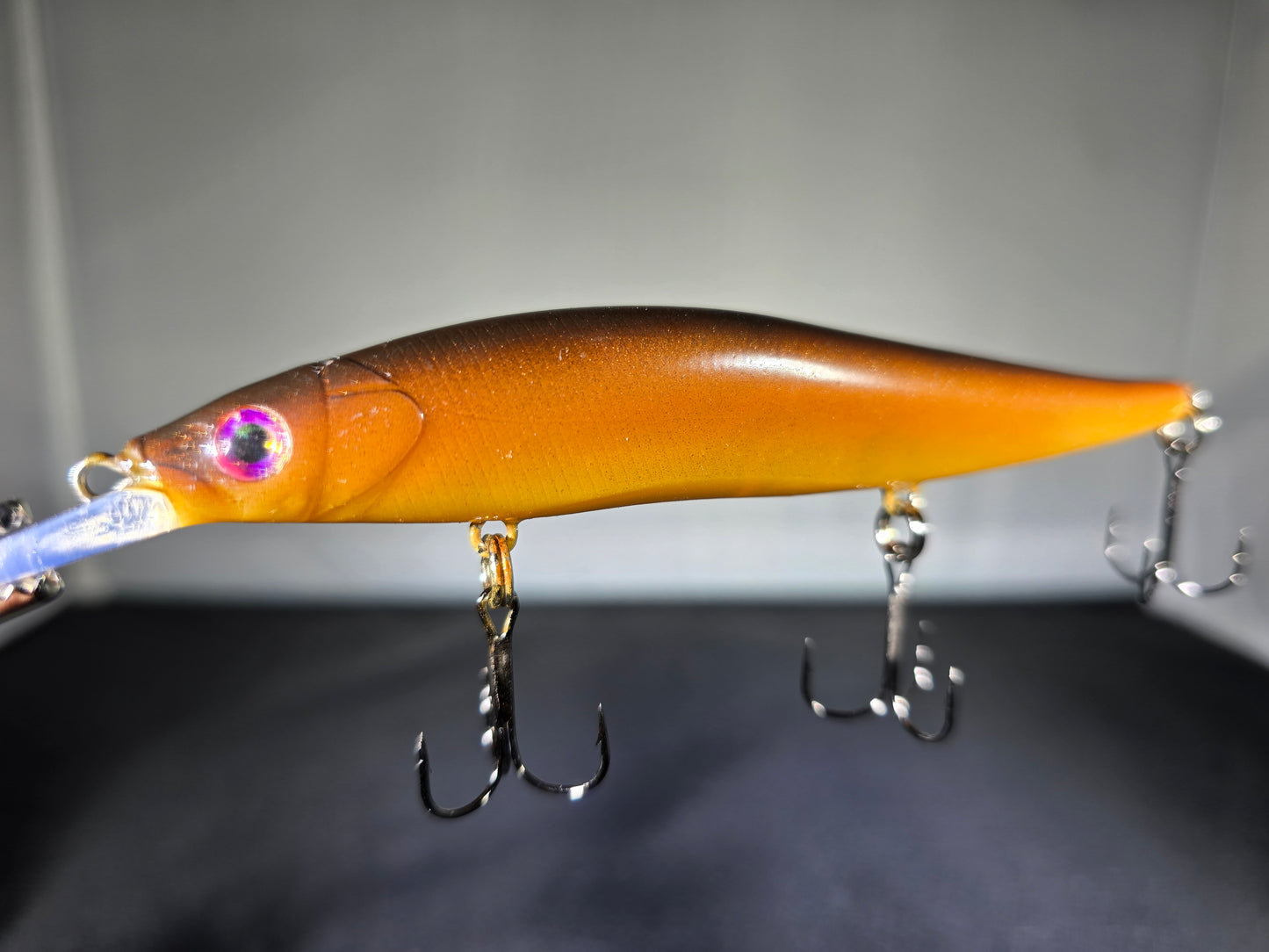
Trolling is the traditional approach, particularly with spinners tipped with live bait or long-billed deep-diving crankbaits along weed edges and mid-lake structure. Jigging with 1/8 to 3/8 oz. jig heads tipped with fathead minnows or leeches is productive, especially around rocky structure and deep weed edges during low-light hours. Jigging Raps and blade baits through the water column work when walleye suspend. Live bait rigs with a crawler or leech drifted over 10-18 feet of water is the classic, never-fails approach when everything else is quiet.
Best timing: Low light is everything with walleye — dawn, dusk, overcast days, and windy chops that break up surface light. Summer midday walleye fishing is a good way to get sunburned and humbled simultaneously.
Regulations: Walleye on Pelican Lake fall under Ceded Territory rules — standard regulations apply with a bag limit and size slot. Always verify the current regulations on the Wisconsin DNR website or eRegulations before fishing, as these can change by season.
Muskellunge (Musky)
Here’s where things get serious. Pelican Lake is managed as a Quality Fishing Water for musky, and it shows. The DNR maintains the population through stocking and habitat management. The minimum size limit is 50 inches — one of the larger minimums in the state — which tells you everything you need to know about the potential here.
Musky fishing is not for the faint of heart, the easily frustrated, or anyone with a delicate ego. It’s an exercise in repetitive optimism. You throw big baits for long periods of time and occasionally, one of the lake’s apex predators decides to participate. When that happens, it’s unforgettable. The other 98% of the time, you’re working on your casting arm and developing opinions.
Key musky techniques:
Bucktails — always bucktails. Boo Tails, Weagle bucktails, in-line spinners with large blades. Topwater lures like the Suick, Jerk Shad, and surface walkers during warm water months. Jerkbaits (Musky Innovations, Phantom, Bucher) work well in fall and transition periods. Live sucker rigs on a harness with float — not glamorous, but it produces. Always, always, always make a figure-eight at the boat. The number of musky that follow a bait and then crush it at boat side would shock you if you don’t already know. And if you do already know, you’re nodding right now.
Best season: Fall. When water temps drop to the 60s and below, musky feed aggressively before winter. This is the time locals make their pilgrimages and out-of-staters book their trips.
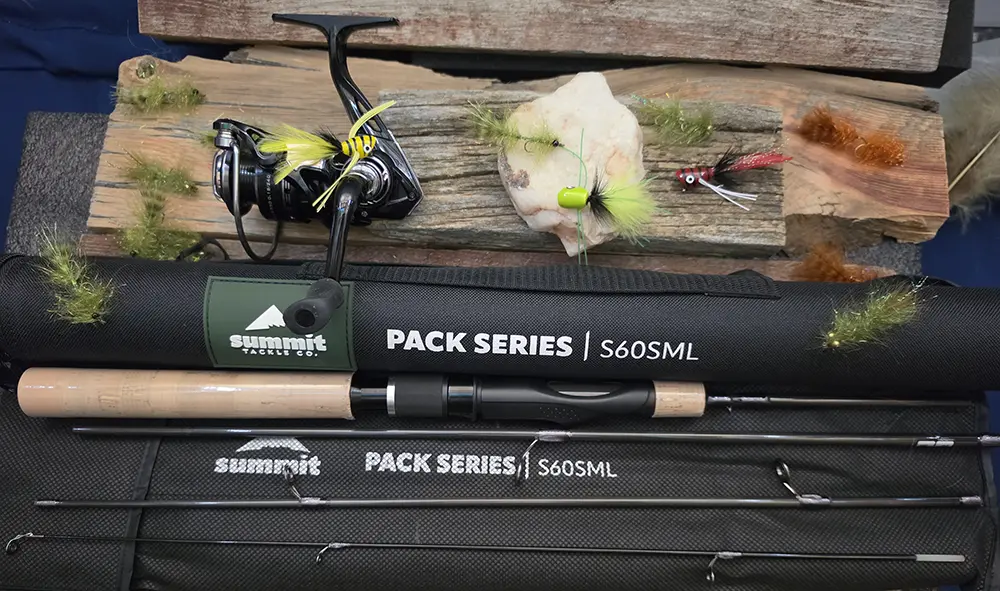
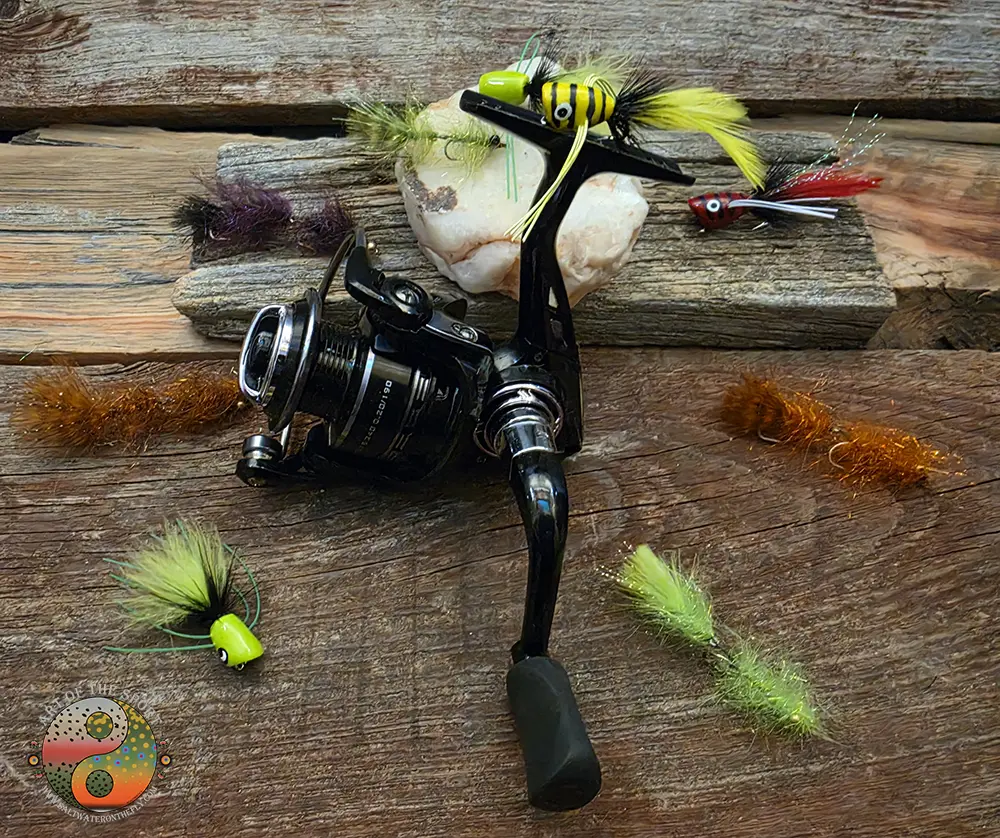
Summit 1000 Series Spinning Reel
Bluegill
Bluegill on Pelican Lake are abundant — DNR electrofish surveys have pulled thousands of them. The mean size in surveys runs around 6-7 inches, which sounds modest until you’re in the middle of a bluegill bite on an overcast summer morning with a bobber and a worm and you realize this is genuinely one of the most fun things you can do outdoors.
Shore-lunch-quality bluegills are available. Work the weed edges in 6-12 feet of water with small jigs tipped with waxies, minnow pieces, or small leeches. In summer, small dark-colored jigs in 1/64 to 1/32 oz. sizes work well. Worms under a small bobber around dock pilings and boat houses. Small spinners and beetle spins when gills are actively chasing.
Pro tip: Fly fishers know this, and I’ll share it with you — late August and early September, Pelican Lake area lakes get a flying ant hatch. Dry flies work, but topwater micro-lures and small popping bugs work equally well on surface-feeding bluegills during this window.
Black Crappie
Crappie surveys on Pelican Lake show moderate but consistent populations, with mean catch lengths around 8-9 inches — solid crappie by most standards. These fish are structure-oriented and weed-oriented, and they’re not always where you think they’ll be.
In spring, crappie move into the shallows and bays to spawn — this is the easiest window to find them in predictable locations. Post-spawn and into summer, they suspend in the water column around tall, narrow-leaf cabbage beds in 8-14 feet of water. Small minnows under a slip float, small jigs in chartreuse or pink, beetle spins, Bobby Garland Itty Bit Slab Hunters — these produce consistently. Glow jigs at night during the summer can be exceptional.
Crappie Night fishing note:
Crappie do their best work after dark in summer on Pelican Lake, particularly mid-summer when days are brightest. Light attracts insects, insects attract baitfish, baitfish attract crappie. Run a small light off the dock or boat. Use micro jigs. Be patient. Bring bug spray — the mosquitoes at night are a different thing entirely from the daytime mosquitoes. They’ve had time to organize.
Yellow Perch
Perch surveys show substantial numbers on Pelican Lake — the DNR has recorded thousands during electrofishing surveys, with average lengths around 7 inches. Quality perch pushing 10-13 inches are present and worth targeting separately from the mixed panfish.
Work cabbage bed pockets with half crawlers or medium leeches on a small jig head. Split-shot rigs with a small crawler section account for good perch in the right spots. Use medium-sized bait to filter out smaller fish. When you find nice perch on Pelican Lake, you’re often close to walleye — the two species tend to share habitat in similar structure.
Northern Pike
Northern pike are present in Pelican Lake and provide solid action, particularly along deeper weed edges in the 6-12 foot range. They’re not the primary target most anglers chase, but they’ll be happy to eat your bass lure, your panfish rig, or your carefully rigged walleye presentation without apology.
Large flashy baits draw strikes: chatter baits, large spinnerbaits, number 4-5 Mepps spinners over the weed tops. Slip-bobber rigs with big minnows or suckers produce, particularly during warmer water months. In cooler water, pike move more aggressively and will hit a wider range of presentations.
The bonus fish: Many Pelican Lake anglers have the experience of fishing for bluegills along the weed edge and watching a northern smoke the fish on the way to the net. Bring heavier line than you think you need if you’re fishing near pike habitat with panfish rigs. Steel leaders are not optional when pike are active.
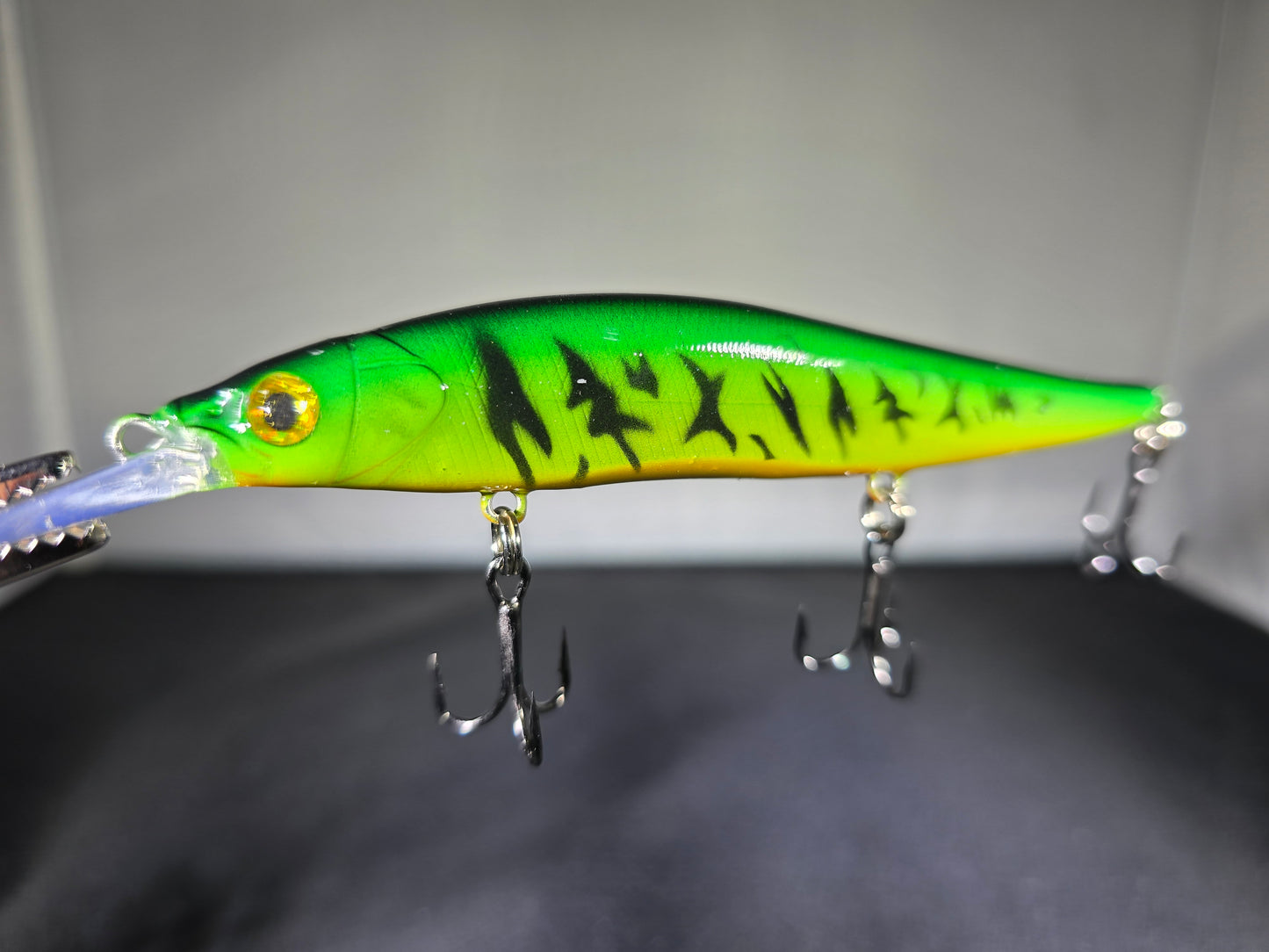
Channel Catfish
Channel catfish round out the Pelican Lake species mix — not a primary target lake for cats, but present. Night fishing with cut bait, stink bait, or large nightcrawlers on the bottom in areas with current or near the outlet is your best bet. Catfish on a Northern Wisconsin lake are a bonus fish rather than a destination species, but if you find them on a quiet evening, they’ll give you a fight well above their perceived reputation.
Other Species
The full species list on Pelican Lake includes rock bass, pumpkinseed sunfish, green sunfish, black bullhead, yellow bullhead, burbot, common and golden shiners, and white sucker. Most of these are incidental catches. Burbot are one of the more interesting — a cold-water species that looks like someone crossed a catfish with an eel and gave it a lawyer’s personality. They’re caught through the ice primarily in winter.
Pelican Lake Wisconsin Fishing Regulations — Read This Before You Launch
Pelican Lake is a Wisconsin DNR Quality Fishing Water with special regulations that differ from statewide defaults. Get these wrong and you’ll have a conversation with a conservation warden that nobody enjoys.
Bass: The big one — only one largemouth or smallmouth bass may be kept per day, and it must be at least 18 inches. This is a significantly more restrictive regulation than the standard Northern Bass Zone rules, and it exists to protect the trophy fishery. Catch-and-release bass fishing is open year-round. Harvest season runs May through early March.
Musky: Minimum size is 50 inches. Do not even think about keeping a musky under 50 inches on Pelican Lake. The DNR takes this seriously, your fellow anglers take this seriously, and frankly, any musky under 50 inches on this lake has earned the right to be released.
Walleye and Panfish: Subject to Ceded Territory regulations as part of the standard Northern Wisconsin framework. Bag limits and size slots apply. Verify current specifics at dnr.wisconsin.gov before you fish.
Current license requirements: All anglers over 16 years old need a valid Wisconsin fishing license. Resident annual licenses run around $20; non-resident licenses are available online through the Wisconsin Go Wild system, at DNR Service Centers, or registered sales locations.
Always verify: Regulations can change season to season. What’s accurate when this was written may be updated by the time you’re reading it. Visit Wisconsin DNR Fishing Regulations or check the Wisconsin eRegulations guide for the current season before your trip.
Seasonal Fishing Calendar: When to Go and What to Expect
Spring (Ice-Out Through May)
Ice typically releases Pelican Lake in March or April — which up here is a loose concept best described as “eventually.” The moment the ice is out, the lake comes alive.
Panfish — bluegill and crappie — are the first to respond to warming shallows. Hit the north-facing bays that warm fastest. Walleye are spawning early in the season and become available to anglers starting May 3 for harvest. Bass are in pre-spawn mode and aggressive.
This is also when pike are most active and willing — cold, post-ice water is pike weather, and they’ll crush big presentations that bass might ignore.
Spring fishing on Pelican Lake has a wild energy to it. The bugs aren’t fully operational yet (this is a brief and precious window), the fish are hungry after a long winter, and the lake belongs to the serious anglers before the summer crowds arrive.
Summer (June Through August)
Full-on Northern Wisconsin summer. Warm water, heavy weed growth, peak boat traffic on weekends, and the mosquito-to-angler ratio that would give any reasonable person pause.
Bass fishing is excellent in the thick vegetation. Topwater action early and late is as good as it gets. Walleye action concentrates at dawn, dusk, and on overcast days — midday walleye fishing in summer tests your character more than your skill. Crappie go nocturnal. Musky are present but handle with care in warm water — if you’re specifically targeting them in summer, be quick with the release, keep them in the water, and don’t mess around.
Panfish are consistent all summer long. The fly ant hatch in late August is worth knowing about regardless of whether you’re throwing conventional gear or not — it triggers visible surface feeding from bluegills that’s genuinely exciting.
Fall (September Through November)
The best-kept secret about Pelican Lake is the fall fishery. Cooling water triggers feeding aggression across every species. Bass go on pre-winter feed. Walleye come shallow. Musky reach their peak activity. Perch schools become more predictable.
Fall is also when the crowds leave. After Labor Day, Pelican Lake quiets down dramatically, and you have a 3,500-acre lake nearly to yourself on weekdays. The mosquitoes finally accept their seasonal defeat. The leaves turn. The fishing gets serious.
This is when trophy musky hunters make their annual pilgrimages. It’s when deep smallmouth fishing on rocks and humps produces some of the biggest bass of the season. If you only make one trip to Pelican Lake, make it September or October.
Winter (Ice Fishing — December Through February/March)
Pelican Lake freezes and offers ice fishing access for most winter species. Yellow perch are a primary ice fishing target — finding nice perch in the 10-13 inch range through the ice is deeply satisfying in the way only sitting in a shack on a frozen lake in Wisconsin can be. Walleye are targeted with jigging Raps, Clam Tikka Minos, and tip-ups baited with minnows. Crappie come to glow jigs at night, and northern pike will take large minnows fished on tip-ups in 6-12 feet of water over the weed edges.
Access, Boat Launches, and Logistics
Five public boat landings provide access to Pelican Lake — a generous number for a lake this size that means you rarely end up stuck behind a boat ramp traffic jam for long. The lake is located off US Route 45, making it accessible from the south (Rhinelander is 15 miles away) and the north (Antigo is about 25 miles south).
Rhinelander is your primary hub for supplies, bait, tackle, and lodging. Pelican Lake Resort on the lake’s shoreline is listed on the National Register of Historic Places and provides lakeside lodging for those who want to stay as close to the water as the laws of geography allow.
For bait and local intel, always hit a local bait shop before launching. The reports in this guide are accurate in framework and supported by real data — but the guy behind the bait shop counter who fished Pelican Lake last Tuesday afternoon knows where the walleye were on Tuesday afternoon, and that’s information you cannot buy online.
Gear Recommendations for Pelican Lake
For bass:
- Medium-heavy to heavy baitcasting setup for flipping and frogging — 7’3″ to 7′-10″ rod, 65-80 lb. braided line, 1/2 to 1 oz. punch weights for vegetation work
- Medium-heavy spinning setup for drop-shot and finesse work — 7′ to 7′ – 10″ rod, 15-20 lb. braid with 10-12 lb. fluorocarbon leader
- Topwater: whatever you love that makes a commotion — Whopper Ploppers, Zara Spooks, Strike King KVD Sexy Dawg
For walleye:
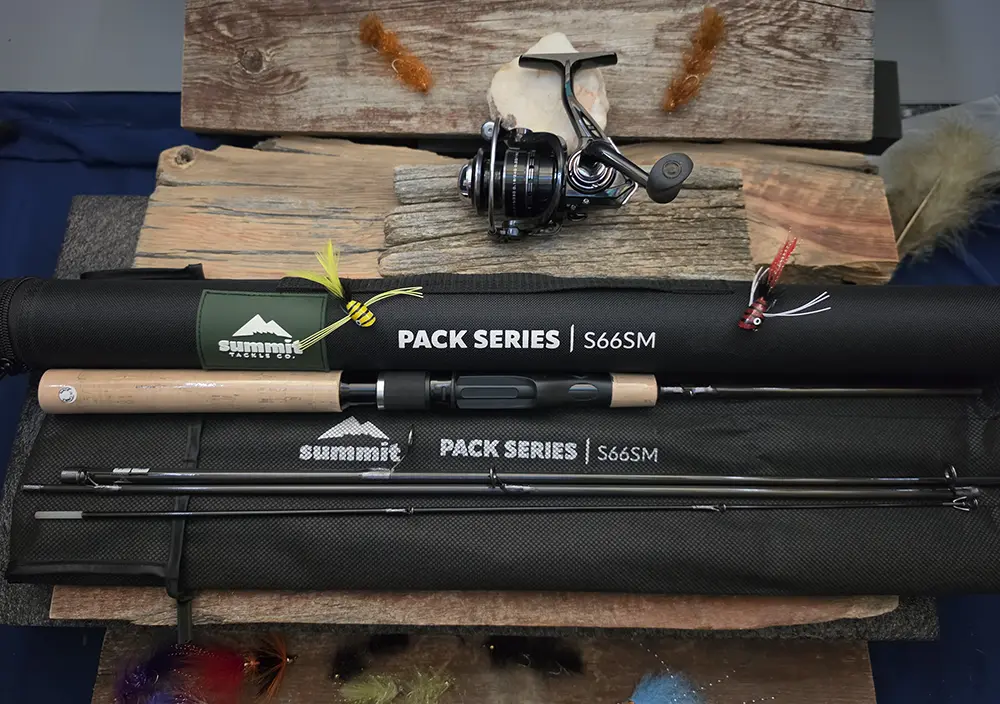
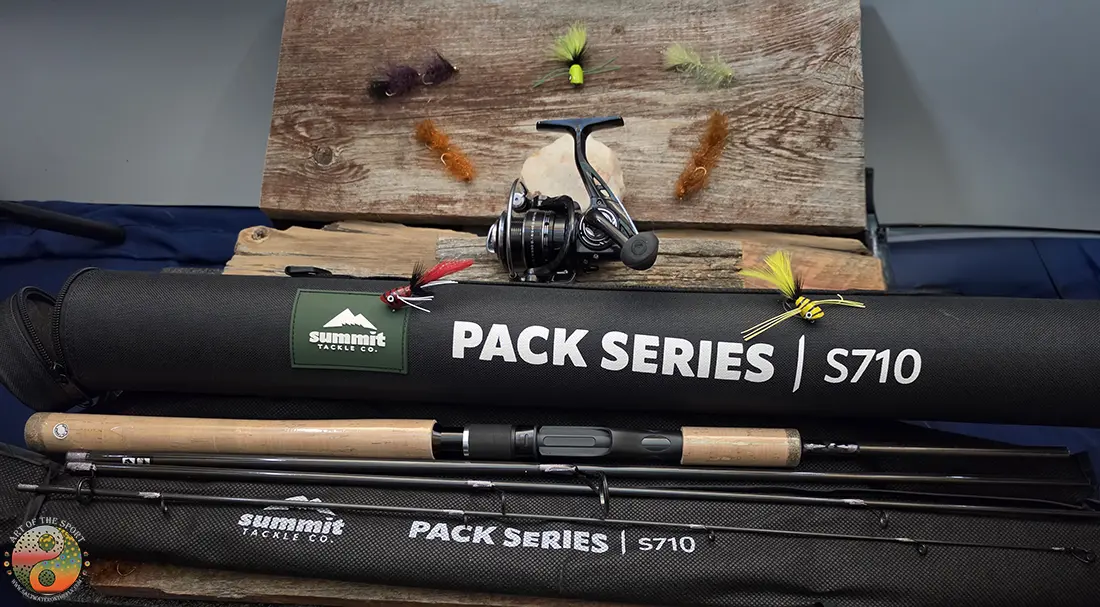
- Medium spinning rod, 6’6″ to 7′ – 10″, 10-15 lb. braid with fluorocarbon leader
- Live bait rigs, 1/8 to 1/4 oz. jig heads in natural colors
- Crawler harnesses for trolling, long-billed cranks for structure trolling
For panfish:
- Light spinning setup, 4-6 lb. monofilament or light braid
- 1/64 to 1/32 oz. jig heads, small plastic grubs, waxies, small minnows
- Slip floats in multiple sizes
For musky:
- Heavy baitcasting setup — 9″ to 10′ dedicated musky rod, 80-100 lb. braid
- A willingness to throw big, ugly lures for hours without reward
- 12-inch steel leaders, quality ball-bearing swivels
The Hodag Country Festival: Because Four Days of Fishing Isn’t Enough
If you’re driving to Pelican Lake in early July, there’s a reasonable chance you’ll pull into Rhinelander and find it considerably louder than expected. That’s the Hodag Country Festival — four days of country music, camping, and approximately 25,000 to 50,000 people who have collectively decided that the Northwoods in July is an excellent place to be. They are not wrong.
I was there in 2010. I don’t remember the set lists with any useful precision — it was a while ago and the evening got away from me somewhat — but I remember the crowd being genuinely good people. Polite, in the way that Northwoods Wisconsin people tend to be polite, which is to say authentically rather than performatively. The music was excellent. The town held up under the pressure without complaint. It was the kind of event that makes you feel good about a place, and Rhinelander passed that test without trying very hard.
The festival runs annually in the second week of July at the Hodag Festival Grounds on River Road. In 2026, it’s scheduled for July 9–12, with Brothers Osborne, Old Dominion, and Nate Smith headlining, among others. There’s on-site camping, vendors, and a statewide band competition that gives the whole thing a regional authenticity that larger festival circuits tend to stay away from.
The practical fishing angle here is real: if you’re planning a Pelican Lake trip in early July, the Hodag weekend adds a legitimate reason to stay an extra night or two rather than rushing home after the last day on the water. Fish hard in the morning, clean up, drive the 15 miles into Rhinelander, and spend the evening in a lawn chair listening to country music with strangers who are mostly friendly. There are worse ways to end a fishing trip.
And if loud crowds and country music aren’t your thing — no judgment, fishing is a self-selecting personality type — Rhinelander also runs a free concert series at Hodag Park Amphitheater on the shores of Boom Lake every other Tuesday evening from June through early September. Food trucks, live music, no ticket required. The walleye will still be there at dawn.
A Few Honest Words Before You Launch
Pelican Lake Wisconsin is not a perfect fishing destination in the travel-magazine sense of the word. It’s weedy, it’s shallow, the mosquitoes operate like a government agency — enormous in number, bureaucratic in their insistence, impossible to fully dismiss. The regulations are specific. The boat traffic on summer weekends is real.
But the fishing is also genuinely good across a remarkable variety of species. You can wake up on a Tuesday in September, hit Pelican Lake at first light, catch a quality smallmouth on topwater, a crappie on a jig, a walleye at dusk, and drive home feeling like you got away with something. That’s not an accident. It’s a healthy, well-managed fishery doing what healthy, well-managed fisheries do.
The DNR’s special regulations — particularly that 18-inch one-bass limit that makes tournament anglers wince — exist for a reason. They work. The fish quality reflects it.
Go fish it. Leave the fish better than you found them. And for the love of everything, check your boat and trailer for invasive species before you pull out. The rusty crayfish and curly-leaf pondweed that have already made life complicated on Pelican Lake got there somehow, and it wasn’t by walking.
More Pelican Lake Wisconsin Coverage
Looking to add a fly rod to your Pelican Lake adventure? Our companion piece covers the full picture for fly anglers targeting bass on this water:
Pelican Lake Bass Fly Fishing — Saltwater on the Fly
Saltwater on the Fly — Fly Fishing, Gear, and the Places Worth Going saltwateronthefly.com