Monster Bush Fur: The Fly Tying Material That Actually Lives Up to Its Name
There’s no shortage of fly tying materials that promise the world and deliver a discount bin disappointment. Monster Bush Fur is not one of them.
I’ve been tying flies for longer than I care to admit, and I’ve watched materials come and go like bad fishing guides. Most of them collect dust on the bench. Natures Spirit Monster Bush Fur stays in rotation — and for good reason.
Table of Contents
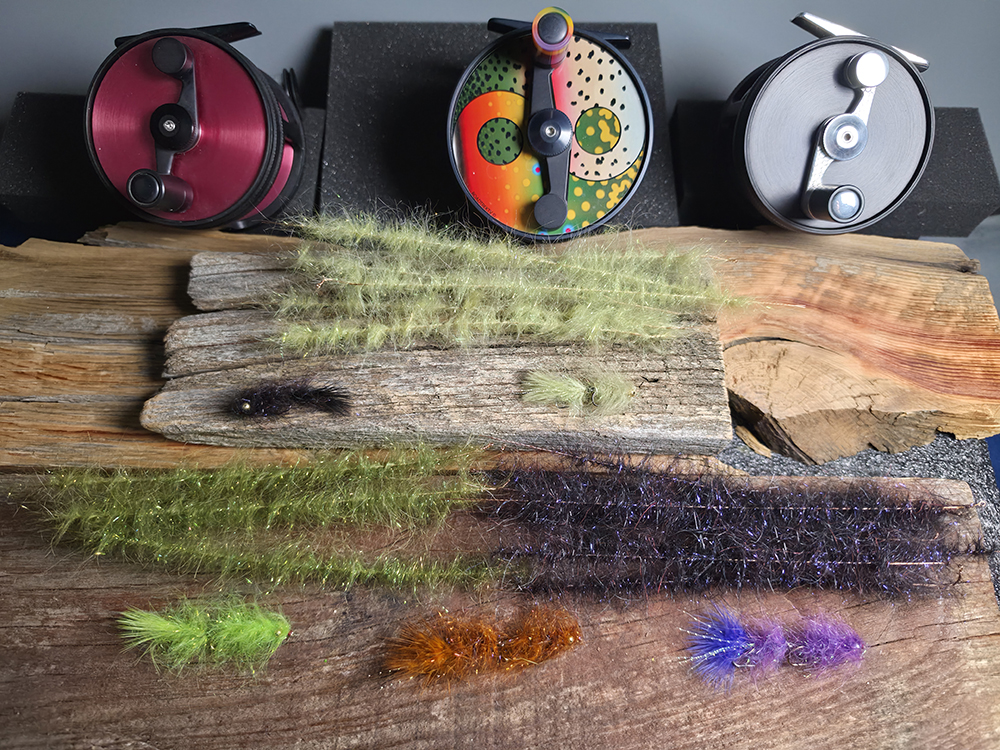
Monster Bush Fur Mini Brushes and Leeches
What Is Monster Bush Fur?
Monster Bush Fur is a coarse, long-fiber synthetic fur designed for tying large, high-movement flies. It’s most commonly used in saltwater patterns, pike flies, musky streamers, and big predator rigs where profile and water displacement matter more than delicacy.
The fibers are thick enough to hold shape but fine enough to breathe and pulse in the current. That movement — that’s the whole game. A fly that doesn’t move isn’t a fly. It’s a costume.
Reason Saltwater Tyers Reach for It First
If you’re tying for snook, tarpon, big redfish, or anything toothy in open water, you need a material that:
- Holds profile when wet — Monster Bush Fur doesn’t collapse into a soggy mess at the end of your cast
- Pushes water — big fish eat big profiles, and this material builds bulk without killing your sink rate
- Breathes on the pause — the slow exhale of fibers when the fly stops is what triggers a strike
- Takes a dye or natural color well — blending shades for baitfish patterns is straightforward
Most bucktail and craft fur fall somewhere on the spectrum of fine to medium fiber. Monster Bush Fur runs coarser and longer, which means it reads large in the water column. That matters when you’re matching a juvenile mullet or a wounded pinfish.
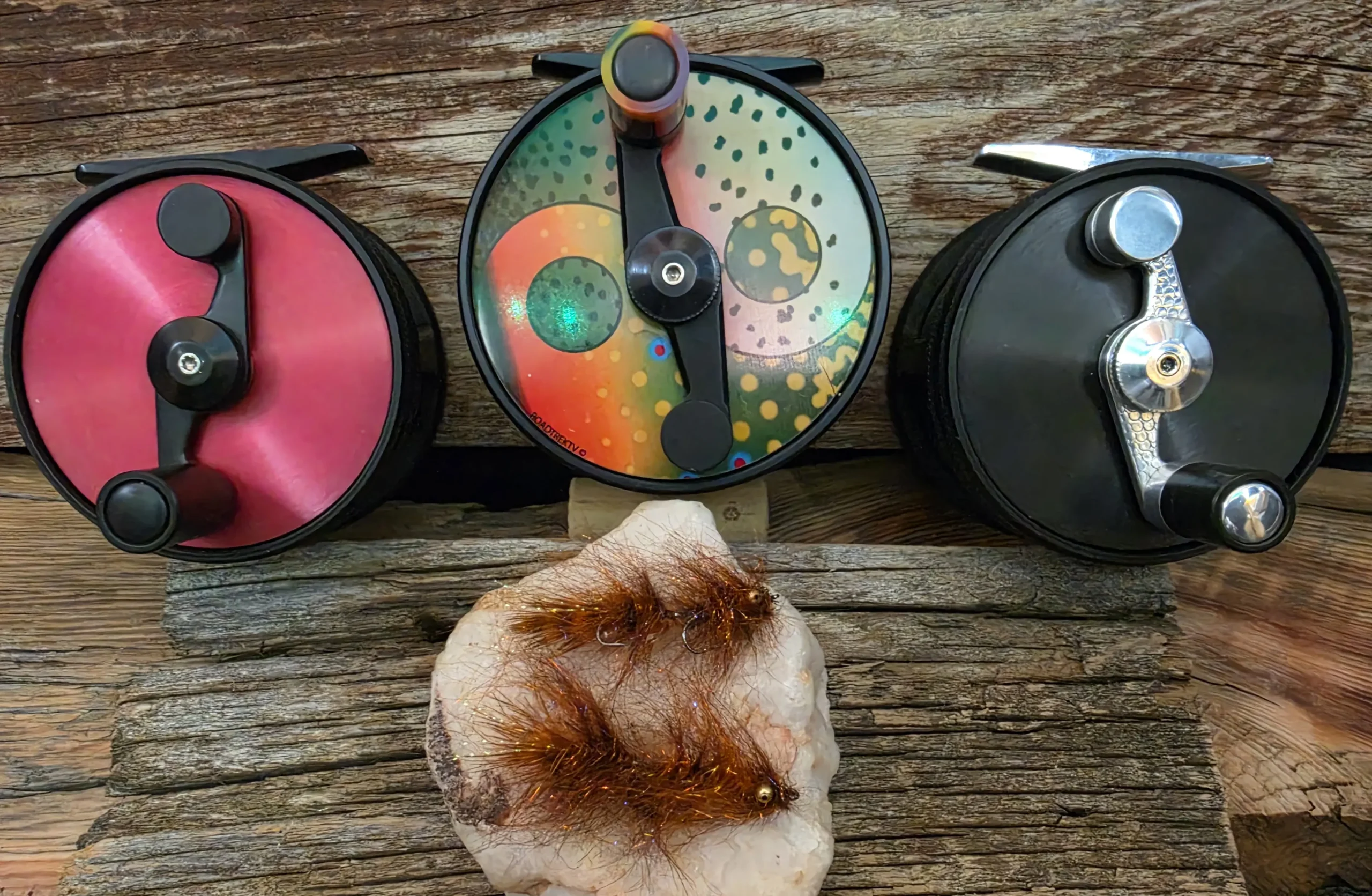
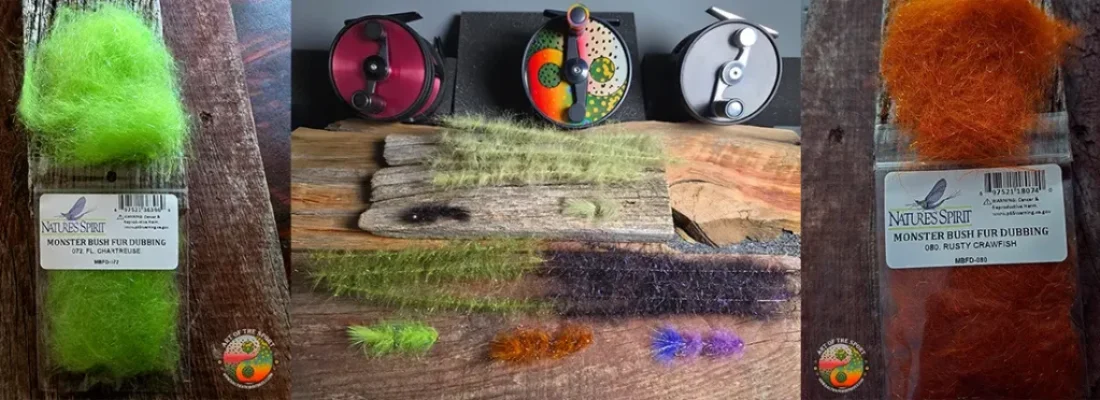
Dragon Fur Leeches and Spey Reels, Great Pattern to swing on Madison and Yellowstone Rivers in Fall.
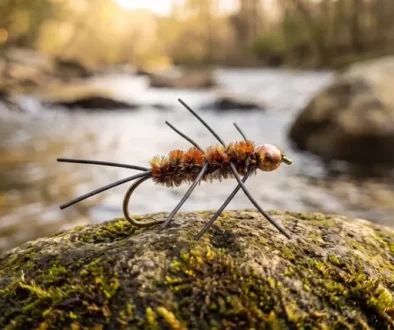
I have found this to be a great Dragon Fly Nymph Pattern, that’s what it originally designed as. Bass seem to attack it coast to coast. Hook a Dragon Fur Nymph Here.
How I Use Monster Bush Fur at the Vise
Layered Baitfish Patterns
Stack Monster Bush Fur over a sparser under-wing of lighter material. The under-wing collapses tight and creates the illusion of a slim belly profile. The top layer flares. You get a fly that reads thin from below and wide from the side — exactly how a panicked baitfish looks to something hunting from depth.
Articulated Saltwater and Freshwater Streamers
Tie it in at the junction of an articulated shank rig. When the rear hook swings, that fur kicks and rolls in a way that bucktail can’t replicate. It’s not subtle. It’s not supposed to be.
Pike and Musky Patterns
In freshwater — especially for big predators — Monster Bush Fur tied in reverse (spinning style) and then stroked back creates a fly that moves like something alive. I’ve watched pike hit these things the second they hit the water. No retrieve needed. That’s how good the movement is when the material is rigged right.
Trout, Steelhead, and Salmon Patterns
Monster Bush Fur isn’t just a saltwater and pike material — it earns its place in freshwater boxes too, and serious tyers already know it. Trim it short and sparse for stonefly nymphs and you get that ragged, buggy silhouette that rubber legs and synthetic dubbing can never quite nail. Leave it longer for damselfly and dragonfly nymphs and those fibers undulate on the slowest retrieve — exactly the lazy, twitching movement that trout key on when they’re hunting subsurface. For steelhead and salmon streamers, Monster Bush Fur builds the kind of flowing, breathing profile that Intruder-style patterns demand without the bulk penalty of too much material crowding the hook. Stack it behind marabou, blend it with arctic fox, or run it solo on a heavy shank — it holds color, survives teeth, and keeps moving even in heavy current where stiffer synthetics go dead and lifeless. If you’re tying anything that needs to look alive in cold, moving water, this material belongs on your bench right next to your thread and your bobbin.
I have been tying streamers with this type of material for decades. In the early years on the Swan River, Montana I used a material called MoHair with great success through the rocky mountain states. Bush Fur creates twice the fly.
Tips for Tying with Monster Bush Fur
Don’t overdress it. The instinct with coarse fur is to keep piling it on. Fight that instinct. Two or three sparse passes beat one heavy clump every time. The fly moves better and casts better.
Use a strong thread. A 140-denier flat waxed thread or GSP handles the tension when you’re spinning or stacking. Thin thread cuts into the material under pressure.
Comb it out before you tie it in. Run a dubbing needle or a fine comb through the bundle and remove the underfur and loose fibers before you ever touch the hook. Cleaner tie-in, cleaner fly, less bulk at the head.
Wet it to check profile. Before you call a fly done, dunk it and hold it up to the light. What looks right dry often looks like a drowned cat wet. Monster Bush Fur usually holds better than most materials, but you still want to check your work.
What Colors Work Best For How I’ve Been Fly Fishing
The classics hold for a reason:
- White and chartreuse — the universal saltwater combination. Works in clear water, dirty water, and everything between.
- Olive over white — baitfish imitation that covers mullet, sardine, and most small pelagic patterns
- Fl. Coal Fire — low-light situations, night fishing, and deep structure where silhouette outperforms color every time
- Tan and brown — crab and shrimp profiles for redfish and bonefish applications
- UV pink and purple — offshore work where you want the UV spectrum to do some heavy lifting at depth
Blend colors to create Dragon Fur, or your own creation. Layer a darker shade over a lighter base. That translucency is what separates a fly that looks real from one that looks like a toy.
Monster Bush Fur vs. Other Synthetic Furs
| Material | Fiber Length | Movement | Profile Bulk | Best Use |
|---|---|---|---|---|
| Monster Bush Fur | Long | Excellent | High | Saltwater, Pike, Musky |
| Craft Fur | Medium | Good | Medium | Trout Streamers, Light Saltwater |
| Bucktail | Variable | Good | Low-Medium | Versatile, All Species |
| EP Fiber | Long | Excellent | Low | Sparse Saltwater, Bonefish |
| Icelandic Sheep | Very Long | Very Good | High | Articulated, Streamer Heads |
Monster Bush Fur sits in a specific lane — big, mobile, and built for predators. It’s not replacing EP Fiber for sparse bonefish patterns, and it’s not going on a size 18 midge. Know what it does and tie accordingly.
The Bottom Line
Monster Bush Fur earns its shelf space. It’s not a novelty material. It’s a tool — one that catches fish when tied with a little restraint and a lot of intention. If you’re building saltwater patterns, pike rigs, or big articulated streamers and you haven’t added it to your bench yet, that’s the only mistake you’re making.
Tie it sparse. Check it wet. Fish it with confidence.
Capt. Grumpy ties, fishes, and writes from Montana and wherever saltwater meets a fly rod. More patterns, material breakdowns, and honest gear reviews at Saltwateronthefly.com.