Chickamauga Lake Fishing: The Complete Guide to Bass, Panfish, Crappie, Catfish & More (For the Rest of You)
This article is the conventional fishing companion to Fly Fishing for Bass at Chickamauga Lake Tennessee
So. You don’t fly fish.
That’s fine. Really. We’re not going to make this weird. You’ve got your spinning rod, your Ugly Stik, your tackle box the size of a small refrigerator, and approximately four hundred dollars in plastic worms that all look basically the same. You’ve driven twelve hours from somewhere in the Midwest, you’re wearing a shirt that says “REEL MEN FISH,” and you have fully committed to the idea that Chickamauga Lake, Tennessee, is about to change your life.
And here’s the thing — you’re not entirely wrong.
Chickamauga Lake is, by any reasonable measure, one of the finest fishing reservoirs in the entire United States. The TWRA didn’t just throw a few fish in a mud hole and call it a day. This is 36,000 acres of Tennessee River impoundment teeming with largemouth bass that could bench-press a Labrador, crappie the size of dinner plates, catfish that have seen things, striped bass running in wolf packs, and enough bluegill and shellcracker to keep your kids entertained while the adults find the good spots. The state record largemouth — 15.20 pounds — came from right here. The Bassmaster Elite Series visits regularly. Tournament five-fish limits regularly crack 25 pounds.
What I’m saying is: this place has a pulse.
What I’m also saying is: you’re going to need a little guidance, because showing up at Chickamauga without a plan is like showing up to a sword fight with a fishing rod. Which, depending on your weekend, might actually happen.
Let’s get into it.
Table of Contents
What Lives in Chickamauga Lake (A Species Breakdown Worth Reading)
Before we talk about where to fish and how to fish it, let’s talk about what you’re chasing. Because Chickamauga isn’t just a bass lake — it’s a full-service operation.
Largemouth Bass
The crown jewel. The reason the parking lots at Harrison Bay fill up before sunrise. The reason you had that argument with your wife about buying a new boat. Chickamauga’s largemouth fishery is elite, full stop, and it got that way for a few specific reasons.
The TWRA began stocking Florida-strain largemouth in 2000, and those fish — already predisposed to growing to absurd sizes on the genetic level — found a lake perfectly suited for getting enormous. Abundant hydrilla and milfoil beds. Massive populations of threadfin and gizzard shad to eat. TVA current flows that keep the water oxygenated and position baitfish predictably. The result is a lake where double-digit bass are a legitimate, achievable possibility and not just something guys lie about at the bait shop.
Regulations: Five bass per day in combination. Largemouth minimum is 15 inches. One largemouth over 16 inches may be kept per day. Know your regs — TWRA enforces them.
Smallmouth Bass
Often overshadowed by their largemouth cousins, Chickamauga’s smallmouth are a seriously underrated target. The headwaters below Watts Bar Dam in the northern end of the lake provide the best smallmouth habitat year-round — rockier substrate, more current, the kind of environment smallmouth evolved for. Spring spawning activity on gravel flats in March and April offers prime sight-fishing opportunities.
Pro tip: After the spawn, topwaters and swimbaits along bluff banks and rocky shorelines produce consistently through summer. In the heat of July and August, move to night fishing on points in 15-25 feet of water.
Spotted Bass
Chickamauga holds spotted bass in good numbers, and they’re terrific sport on lighter tackle. No length limit applies to spotted bass under current TWRA regulations, and they share the five-fish daily combination limit with largemouth and smallmouth. They tend to run in schools, they eat aggressively, and they make themselves available along mid-depth rocky structure and current seams.
Striped Bass
This is where things get genuinely exciting, in the way that makes your arms hurt. Striped bass were stocked into Chickamauga by the TWRA, and they’ve established a fishery that most anglers completely sleep on. Big stripers — and we’re talking 20+ pound fish — roam the main river channel in schools, chasing massive shad populations.
Jump fishing is the name of the game in summer and fall when stripers push schools of baitfish to the surface. Watch for birds, watch for surface disturbance, run to it, and throw anything that resembles a fleeing shad. This is some of the most action-packed freshwater fishing you’ll experience without a prescription.
White Bass
White bass are the blue-collar hero of Chickamauga Lake. Overlooked, underrated, and just delighted to be here. They school aggressively, jump-fish throughout summer and fall alongside stripers, and will eat nearly anything you throw at them. White curly tail jigs, small spinnerbaits, blade baits — it doesn’t matter much. Find the bait schools, find the white bass.
Crappie (Black and White)
If bass fishing is the main event at Chickamauga, crappie fishing is the very good dinner you had afterward. Both black and white crappie inhabit the lake in substantial numbers, and the fishery rewards anglers who understand seasonal movement.
Spring spawn (March through May) is the marquee crappie event. Fish move into shallow brush piles, stump fields, and flooded timber to spawn — often in water less than five feet deep. Spider rigging with small tube jigs or minnows around this structure is a proven producer. May is the sweet spot.
Post-spawn and summer: Crappie push deeper — from 7 feet out to 30 feet — and suspend along channel edges and submerged structure. Trolling with small deep-diving crankbaits like the Bandit 300 Series along creek channel edges in 12 to 20 feet is productive but requires patience. Summer crappie fishing is legitimately challenging. Manage your expectations accordingly.
Fall: Crappie follow baitfish movements and can be caught in intermediate depths around points and ledges.
Bluegill and Redear Sunfish (Shellcracker)
April and May are the golden months for panfish at Chickamauga. Bluegill and redear sunfish — shellcracker, if you want to sound like a local — spawn in the shallows during this window, and they bite with the enthusiasm of fish who have clearly not thought their situation through. Light spinning tackle, a small hook, a piece of nightcrawler, and shallow structure is all you need. Kids catch them. Adults who need a confidence boost catch them. Tournament fishermen who are tired of trying so hard catch them.
Redear sunfish get legitimately large in Chickamauga — fish over a pound aren’t unusual, and they put a satisfying bend in an ultralight rod.
Channel Catfish, Blue Catfish, and Flathead Catfish
Chickamauga holds all three major catfish species, and the fishery is no joke. Blue catfish in the 20-40 pound range exist in this system. Channel cats are catchable from bank and boat throughout the year. Flatheads lurk in deeper holes, wood, and undercuts, growing to sizes that make you question your tackle selection.
Summer catfishing below Watts Bar Dam’s tailwaters is a reliable producer — river holes and humps in 30 to 35 feet of water with nightcrawlers, chicken livers, or cut shad. This tailwater draws fish from throughout the lake during the heat of summer.
Bank fishing for catfish is entirely viable on Chickamauga’s 800-plus miles of shoreline — one of those statistics that sounds fake but is completely real.
Walleye and Sauger
Here’s your obscure knowledge flex for the day: Chickamauga holds walleye and sauger, and the TWRA actively stocks walleye to maintain the fishery. The headwaters near Watts Bar Dam are the primary zone. May and June push them shallower and closer to shore; the rest of the year they roam deeper structure. Trolling with spinners tipped with live bait or long-billed crankbaits is the classic approach. Casting jigs, live bait, and spoons also produces. If you catch a walleye at Chickamauga, you’ve earned your cocktail story for the evening.
Seasonal Fishing Guide for Chickamauga Lake
Because fishing Chickamauga in the wrong season with the wrong technique is how you spend a $500 day on the water to catch nothing and blame the lake.
Spring (March–May): Peak Season, No Excuses
This is when Chickamauga fires on every cylinder simultaneously. Bass spawn in the shallows, crappie stack on brush piles, catfish stage in the tailwaters, and panfish are everywhere, eating everything. Water temperatures from the high 50s to mid-70s trigger feeding activity that the fish have been repressing all winter.
Bass fishing: Pre-spawn bass in March are pushing toward spawning flats — use lipless crankbaits, jerkbaits, and spinnerbaits to cover water and locate active fish. April spawn means bed fishing: Senko worms, stick baits, soft plastic creatures worked slowly around visible beds and staging areas. Post-spawn in May gets topwater bites going strong — Zara Spooks, Heddon Torpedos, and hollow body frogs along grass edges.
Crappie: Spider rigging shallow brush piles in 3-8 feet with minnows or 1/16 oz jigs. Don’t overthink it.
The general vibe: Get up early, stay late, and try not to drive the ski boats off the road on your way to the ramp.
Summer (June–August): The Test of Character
Summer at Chickamauga is not for the faint-hearted or the sleep-dependent. Water temperatures climb into the 80s and low 90s, fish go deep or go nocturnal, and you get to experience the full radiant warmth of a Tennessee summer baking you alive from above while your electronics tell you the fish are 35 feet below the boat.
Bass fishing: Deep structure is the answer. Ledges and humps along the main river channel holding bait schools are key. Deep-diving crankbaits (Kilt Lifter), Carolina rigs with big plastic worms, and drop-shot rigs are the workhorses. Summer bass in Chickamauga concentrate on specific pieces of structure — the right hump will have fifty bass on it; the wrong hump will have nothing but your disappointment.
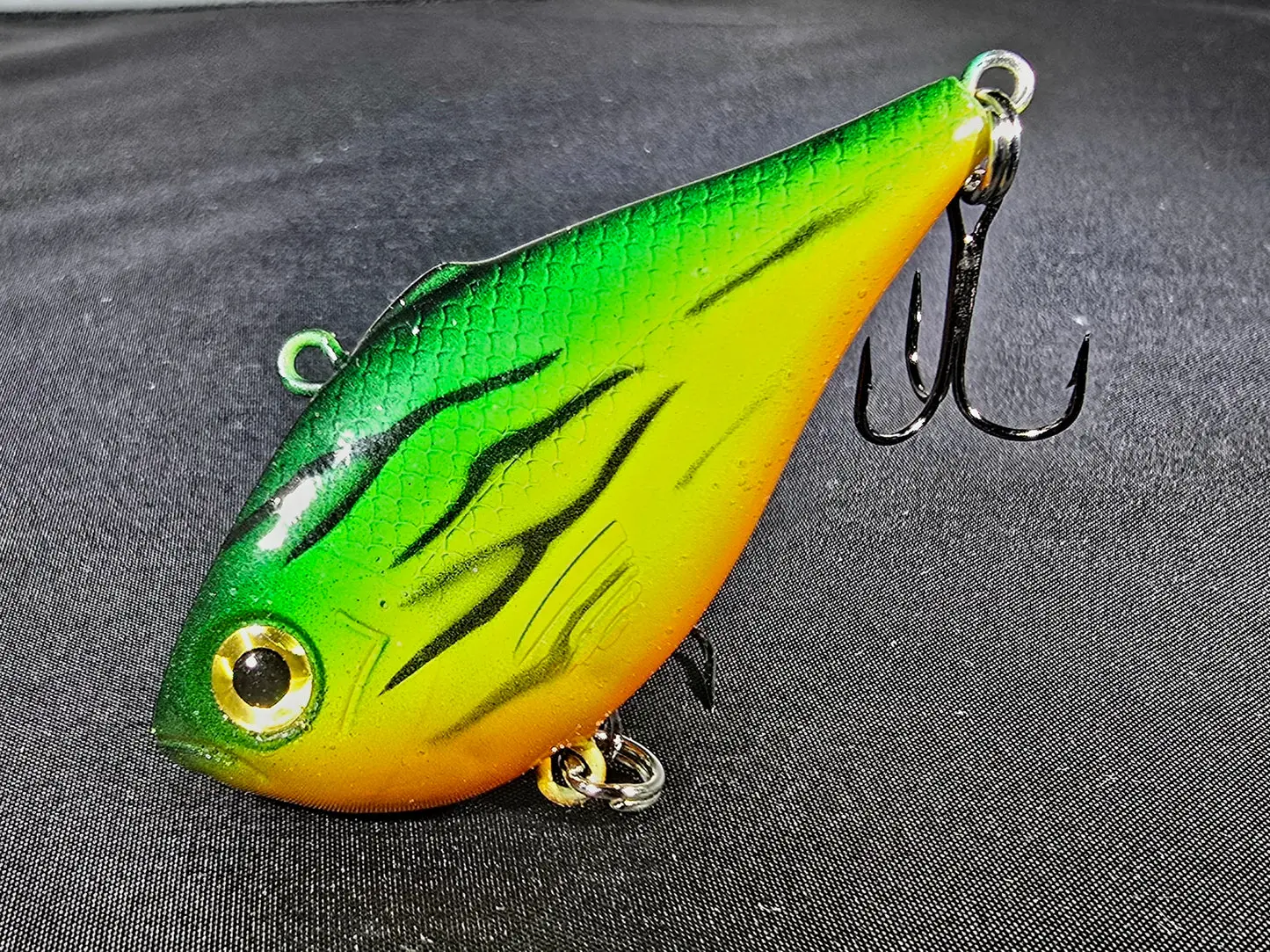
Night fishing for smallmouth and largemouth: This is legitimately great and criminally underutilized. Big black spinnerbaits, large surface lures, and jigs worked along points in 15-25 feet of water when the air finally cools below 95 degrees. You have the lake largely to yourself, which is reason enough.
Jump fishing: In July and August, keep your eyes on the water’s surface and your trolling motor on standby. When stripers and white bass push shad schools topside, everything happens at once and it’s magnificent chaos.
Fall (September–November): The Season Everyone Forgets Is Perfect
Fall is, objectively, the best time to be on Chickamauga Lake. You just need to tell someone. Bass feed aggressively ahead of winter — they’ve read something in the water temperature that tells them to eat everything now and sort it out later. Crappie and white bass follow baitfish movements to predictable spots. The air is tolerable. The crowds have thinned. You might even find a parking spot at the ramp without arriving at 4:30 a.m.
Bass: Follow the shad. In September and October, bass crash threadfin shad along grassy points, channel swings, and main lake structure. Topwater lures produce well in the morning hours — pencil poppers, prop baits, and walking baits along grass edges. As October progresses, crankbaits that mimic shad coloration and swimbaits become increasingly effective.
White bass and stripers: Classic fall jump fishing. Find the birds, find the bait, find the fish.
Crappie: Suspended schools along channel edges and points in 10-20 feet. Vertical jigging with small tube jigs or casting light jigs to likely structure.
Winter (December–February): The Brave and The Numb
Fishing Chickamauga in winter separates those who genuinely love fishing from those who love the idea of fishing and do it primarily in good weather. The fish don’t leave — they just slow down, go deep, and require precision rather than enthusiasm.
Bass: Live bait works best. Slow-rolling swimbaits, finesse presentations on drop-shots and shakey heads, and blade baits worked vertically on deep structure. Tennessee River bluffs attract largemouth in cooler months — fish them slowly and thoroughly.
Catfish: Live bait on deep river holes and channel edges. If you’re cold, the catfish are also cold, and neither of you wants to be there, but here you both are.
Where to Fish on Chickamauga Lake: Key Access Points and Spots
Chickamauga stretches over 50 miles with 800-plus miles of shoreline. The following are your primary zones of interest.
Harrison Bay State Park: The most popular access point on the lake, with multiple boat ramps, bank fishing opportunities, and extensive grass flats that produce spring bass and panfish. Also home to approximately one thousand boats on a Saturday in April, which is something to know going in.
Sale Creek / Wolftever Creek Arms: Classic upper-lake creek arms with abundant stump fields, shallow flats, and submerged structure. Prime spring bass and crappie territory.
Hiwassee River Arm: The northeastern arm of the lake where the Hiwassee River enters Chickamauga. Excellent habitat diversity — current seams, timber, depth changes. Worth exploring.
Main River Channel Ledges (Chattanooga-to-Georgetown corridor): The backbone of the summer and fall bass fishery. Humps, ledges, and channel edges holding bait schools in 15-35 feet of water. Tournament anglers make their livings on these spots.
Below Watts Bar Dam (Headwaters): The northern end of the lake where Watts Bar Dam releases water into Chickamauga. Year-round smallmouth habitat, walleye opportunity, catfish concentration in summer, and a noticeably different fishing character than the lower lake.
Chickamauga Dam Tailwaters (Nickajack Headwaters): The downstream end near Chattanooga. Some of the best year-round fishing in the immediate Chattanooga area, particularly for mixed species.
Gear Recommendations for Chickamauga Lake Conventional Fishing
You don’t need to spend a fortune. You do need to not show up with the wrong tools for the job.
Bass — Largemouth and Spotted:
- Medium-heavy baitcasting rod, 7 to 7’6″, fast action
- 15-20 lb fluorocarbon main line or 30-50 lb braid with 15-20 lb fluorocarbon leader
- Deep crankbaits (Strike King 6XD, Rapala DT-16), Carolina rig with 3/4 to 1 oz weight and 10-inch Zoom Trick Worm, heavy jig in 3/4 oz, football head for ledge fishing
- Topwater: Zara Spook, Heddon Torpedo, Strike King KVD Sexy Dawg
Bass — Smallmouth:
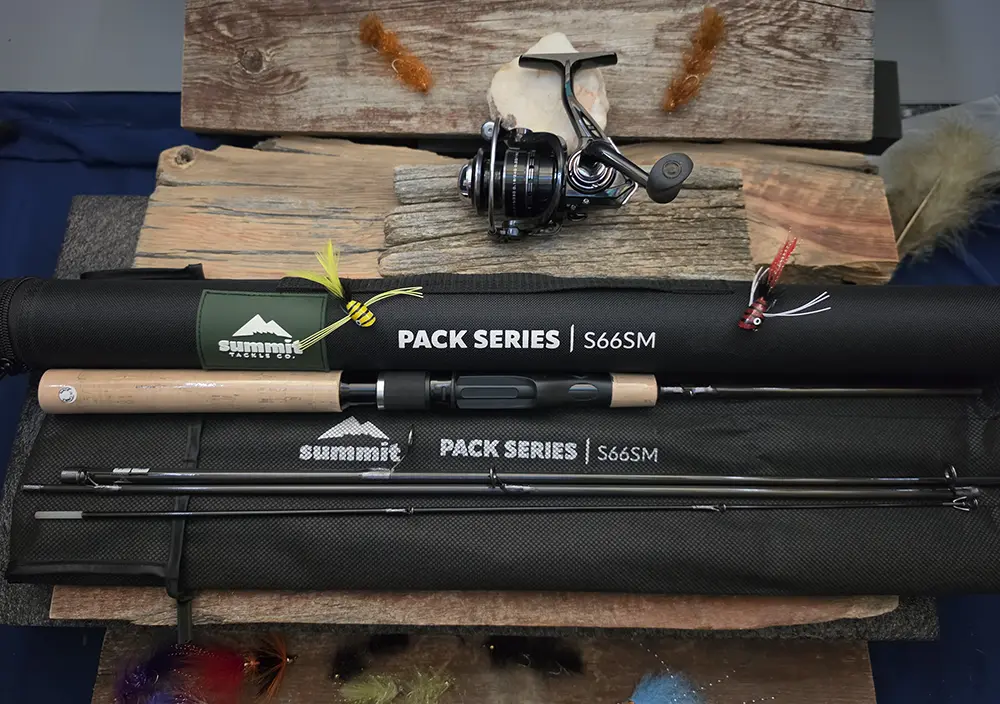
- Medium power spinning rod, 6’8″ to 7′, fast action
- 8-12 lb fluorocarbon or 20 lb braid/10 lb fluoro leader
- Shad-profile swimbaits, small crankbaits, drop-shot with Roboworm
Crappie:
- Light to ultralight spinning setup, 5’6″ to 6’6″
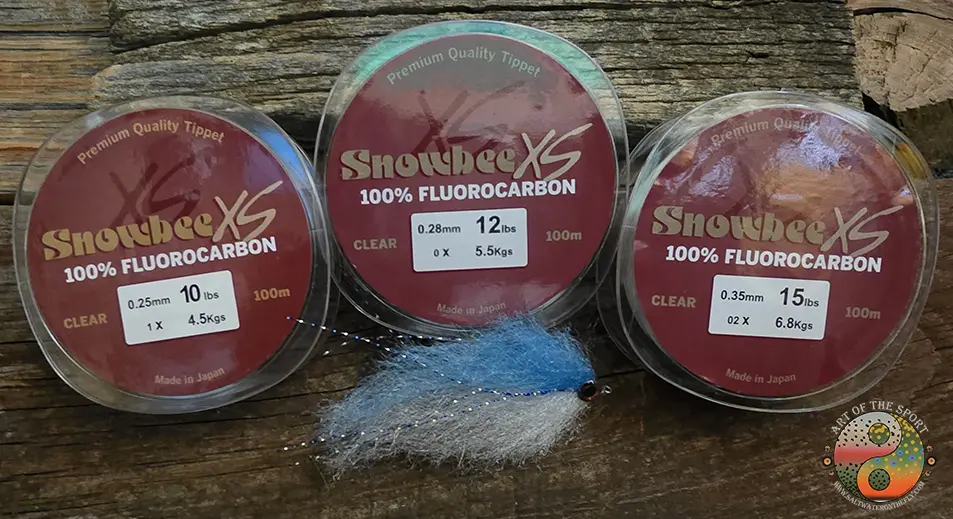
- 6-8 lb mono or fluorocarbon
- 1/16 to 1/8 oz tube jigs in chartreuse, white, and pink, small inline spinners, live minnows under a float
Panfish (Bluegill/Shellcracker):
- Ultralight spinning rod, 5 to 6 feet
- 4-6 lb mono
- Small hooks (size 6-10), split shot, nightcrawler sections or crickets. Done.
Catfish:
- Heavy spinning or baitcasting setup
- 20-30 lb mono or braided line
- Kahle or circle hooks in 2/0 to 5/0, slip sinker rigs
- Bait: nightcrawlers, chicken liver, fresh-cut shad or skipjack
Stripers and White Bass:
- Medium-heavy spinning rod, 7 feet
- 20-30 lb braid
- 1/2 to 1 oz white bucktail jigs, large swimbaits, topwater pencil poppers (Bomber Saltwater Grade, Cotton Cordell Pencil Popper)
Fishing Regulations You Actually Need to Know
Nobody wants a citation as a souvenir.
- Largemouth bass: 15-inch minimum, 5 per day in combination with other black bass. One largemouth over 16 inches per day allowed.
- Smallmouth, Spotted, Alabama, and Hybrid Bass: No length limit. Combined five-fish daily limit with largemouth.
- Crappie: Statewide regulations apply — check TWRA for current limits.
- Catfish: Statewide regulations — check TWRA.
- Striped Bass: Check current TWRA regulations as these can be updated seasonally.
- Walleye/Sauger: Statewide regs apply.
Current regulations are available at tn.gov/twra and are updated periodically. Print a copy. Don’t assume last year’s limits are still in effect.
Tennessee fishing license: Required for anyone 13 and older. Available online through the TWRA website, at most sporting goods stores, and unfortnately Walmart.
Boat Ramps and Marina Access
Chickamauga has multiple public and private access points along its 50-mile length. Key public ramps include:
- Harrison Bay State Park Ramps (multiple, well-maintained, heavy traffic)
- Chester Frost Park (Hamilton County Parks, solid ramp with good parking)
- Birchwood Ramp (upper lake access)
- Georgetown Ramp (mid-lake, good access to ledge fishing)
- Hiwassee Island Access (eastern arm)
Call ahead during peak season — busy Saturdays fill ramp parking lots, and the only thing worse than missing the morning bite is circling a parking lot while it happens.
The Honest Truth About Fishing Chickamauga Lake
Chickamauga Lake is legitimately world-class. The bass are real. The crappie are real. The catfish would stop your heart if you saw them clearly in the water. The Bassmaster Elite Series doesn’t show up at mediocre reservoirs.
But it is also a 36,000-acre body of water that does not particularly care about your schedule or your expectations. Fishing it well requires understanding seasonal patterns, covering the right water, and adjusting when the fish don’t cooperate — which is more often than the fishing magazines admit. It rewards anglers who pay attention, who learn the structure, who understand that the same spots don’t fish the same way in March and July, and who accept that some days the biggest catch is the humility of leaving empty-handed.
That said — if you show up in April with crappie gear, or in May with topwater bass tackle, or in September when the white bass are jumping and you can hear them from the ramp — you are going to have one of the better days of your fishing life.
And if you’re ever feeling adventurous, there’s always a fly rod. We’ve written about it, and some of us find it very dignified. But that’s a conversation for another time.
Related Reading on Saltwateronthefly.com
- Fly Fishing for Bass at Chickamauga Lake Tennessee — For when you want to make things considerably harder on yourself and enjoy every second of it.
Capt. Grumpy is a Montana-based fly fishing guide, former fly shop owner, and the entity behind Saltwateronthefly.com. He covers fishing from the Tennessee Valley to the Chilean Andes, and has opinions about nearly everything. They will not apologize for them.