Lake Conroe Fishing Guide: Bass, Panfish & More (For Those Who Still Using Hooks with Barbs)
So you’ve arrived at Lake Conroe, Texas — 21,000 acres of warm, green water nestled conveniently between Houston’s sprawl and the Sam Houston National Forest — and somewhere along the drive down I-45 you had a moment of terrible clarity: you forgot your fly rod.
Or maybe you never owned one. Or maybe you do own one and someone borrowed it and returned it in a condition best described as “a pile of suggestions.” Whatever brought you here clutching a spinning rod with a baitcaster duct-taped to your tackle bag, welcome. You’ve come to the right place. Lake Conroe doesn’t judge. The bass certainly don’t. And if the crappie are laughing at you, it’s only because they do that to everyone.
This is your no-nonsense, occasionally sideways guide to conventional fishing on one of Texas’s most productive reservoirs. Consider it the sensible older sibling to the fly fishing guide — the one who shows up to family reunions with the right bait cooler and doesn’t spend forty-five minutes explaining presentation.
Table of Contents
What Is Lake Conroe and Reason You Ought to Care?
Lake Conroe is a reservoir born in 1973 when the San Jacinto River Authority, the Texas Water Development Board, and the City of Houston all agreed they needed more water — which, given that this is Houston, was already a fairly bold ask from a city that averages 50 inches of rain a year. The result was a dam across the West Fork of the San Jacinto River and one of the most popular fishing destinations in Southeast Texas.
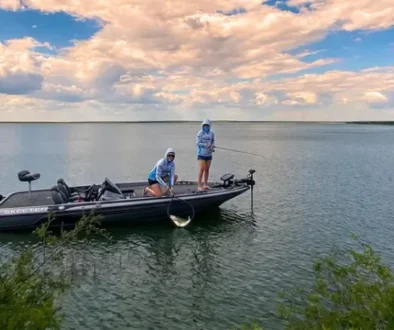
It sits about 40 miles north of Houston in Montgomery County, making it close enough to the city that you will absolutely share it with personal watercraft and pontoon boats full of people who have no idea what a fish is. Plan accordingly. Arrive early. Bring patience. Or at minimum, bring earplugs.
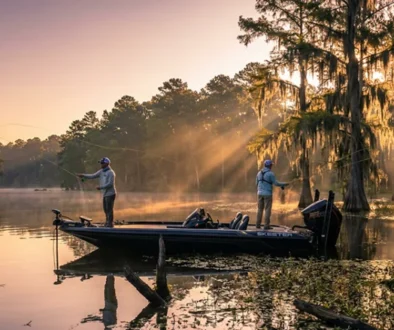
The upper lake, where the Sam Houston National Forest presses in from the north, is wilder, shallower, and heavier with timber and submerged structure. The lower lake is more developed — docks and marinas line the shores like a neighborhood that forgot to include the neighborhood — but those docks are also prime fish habitat and shouldn’t be overlooked just because they’re attached to someone’s lakehouse where the Jet Ski music is still thumping at 7 AM.
The Species You’re Actually Here For
Largemouth Bass: The Main Event
Let’s be clear about something: Lake Conroe is, first and foremost, a largemouth bass fishery. It has hosted the Bassmaster Classic. It has produced a 15.93-pound lake record fish caught back in January 2009. It has made grown adults wake up at 4:30 AM voluntarily, which is something no other life circumstance has managed to accomplish.
Largemouth bass (Micropterus salmoides) are the most sought-after species on the lake, and the population has historically provided what Texas Parks & Wildlife politely calls “high quality angling opportunities” — which in plain English means there are a lot of them and they eat things.
The Florida Strain Connection
Texas Parks & Wildlife has stocked Florida Largemouth Bass into Conroe over the years to bolster the genetics and push average sizes higher. The result is a fishery capable of producing true trophy bass — fish in the 8- to 13-pound range have been submitted to the Toyota ShareLunker Program more than once. If a double-digit fish is what you’re after, Lake Conroe gives you a legitimate shot.
Where to Find Largemouth Bass on Lake Conroe
- Old creek and river channels: The submerged drainages of the original West Fork are essentially highways for bass. Follow them with electronics and you’ll find bass stacked at their edges and transitions, especially where channels meet shallow flats.
- Dock rows: The lower lake’s shoreline is a dock-to-dock parade, and every one of those docks is potential bass cover. Cast parallel to the dock, let the bait fall into the shadow, and hold on.
- Brush piles: Both natural and intentionally placed. Five artificial reef sites sit in the upper lake; over a dozen more are scattered in the lower section. The Texas Parks & Wildlife Fish Habitat Structure Viewer interactive map will show you exactly where they are, which is the first genuinely useful thing technology has done for fishing since the depth finder.
- Stubblefield Lake Area: Located in the upper lake, this section is regarded as one of the better bass spots on the reservoir — submerged structure, less boat pressure, and a healthy resident population.
- Dam area: Deeper, cooler, and productive for larger fish during the warm months when bass are seeking out thermoclines.
Seasonal Bass Patterns on Lake Conroe
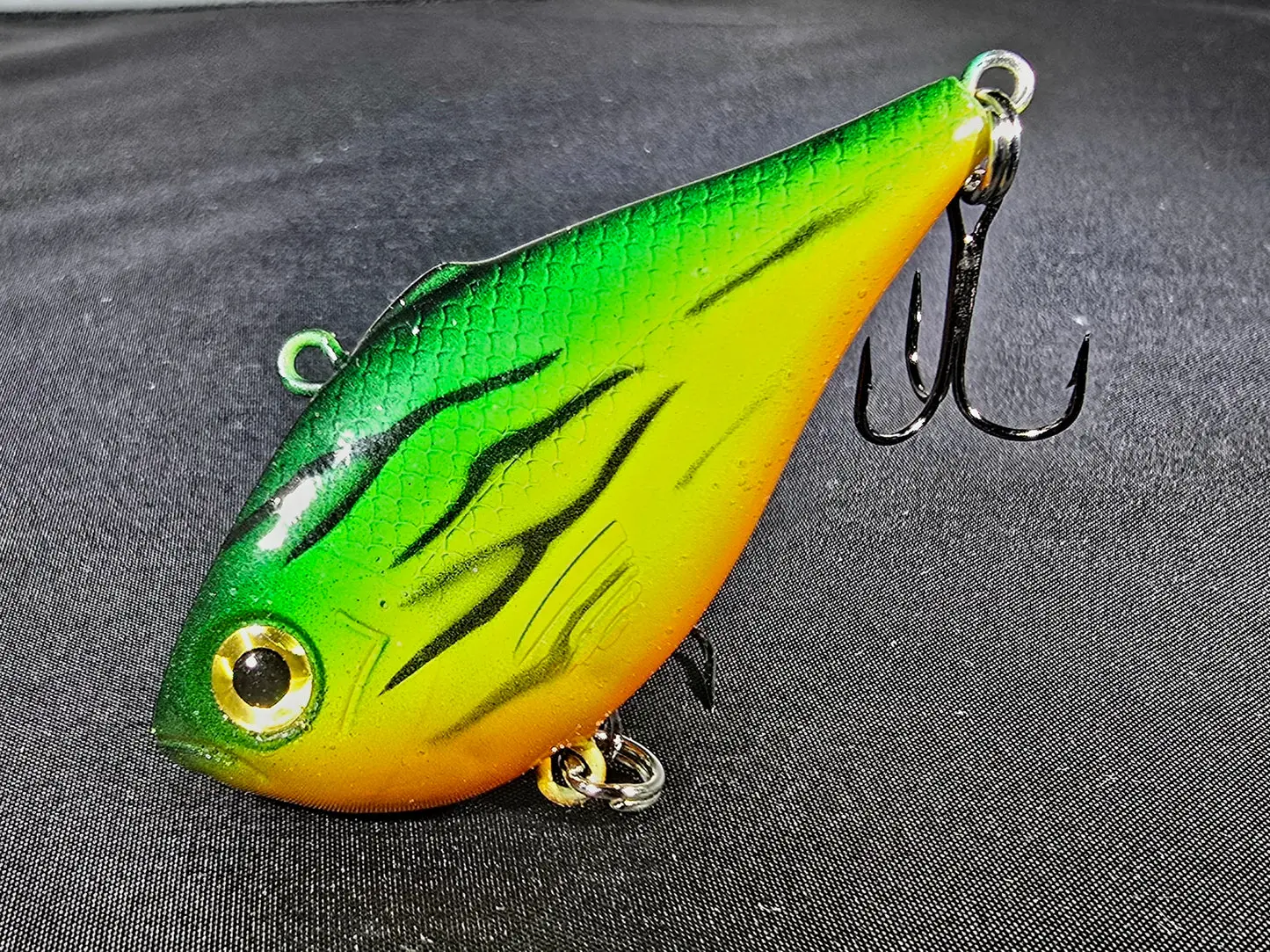
Spring (March – May): The best time to be on the water, full stop. Buck bass fan beds in the shallows first, with bigger females following. Rattle traps, spinnerbaits, and perch-colored reaction baits work exceptionally well when shad push shallow. Fish docks and rocky banks in the upper lake. This is when largemouth are most accessible and most aggressive. Show up. Catch fish. It’s not complicated.
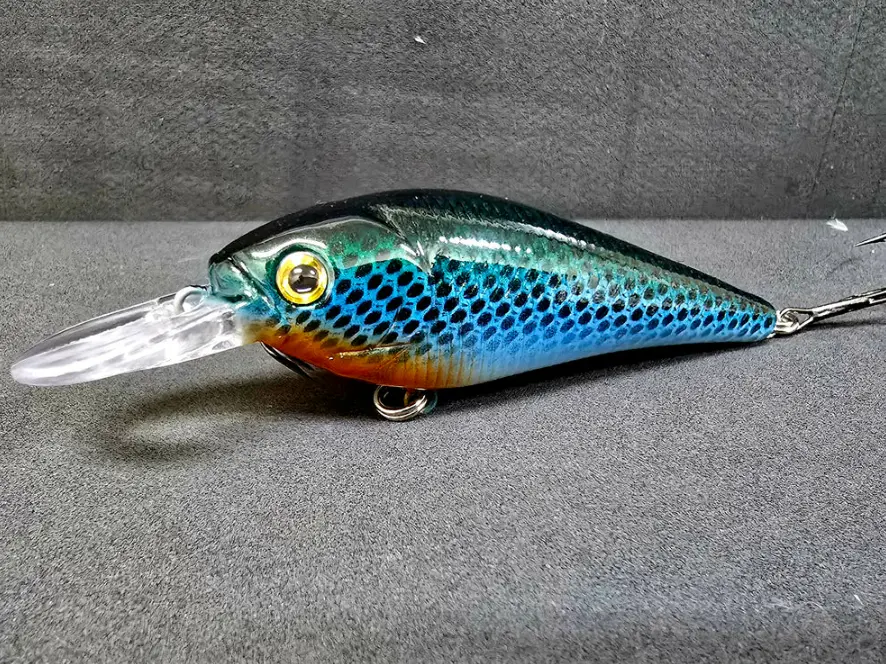
Summer (June – August): The fish don’t disappear; they just get sensible and move deeper. Deep-diving crankbaits, Texas-rigged ribbon tail worms, Carolina rigs dragged along drop-offs and channel edges are your friends. The first and last light of the day will still produce shallow action, but midday fishing in the Texas summer heat is a spiritual experience best avoided unless suffering is your hobby.
Fall (September – November): A second spring, essentially. Water temps drop, baitfish schools move shallow, and bass follow. Topwater lures at first light during fall are one of the great underrated joys of freshwater fishing. Spinnerbaits, lipless crankbaits, and swimbaits all shine. This is the season to be aggressive.
Winter (December – February): Slower. Everything slows down. Jigs worked patiently along deep structure, drop-shot rigs in 20-plus feet, blade baits jigged vertically — these catch fish when nothing else will. You’ll have less competition on the water, which is either a benefit or a warning, depending on how you interpret an empty parking lot.
Best Conventional Bass Lures for Lake Conroe
| Presentation | Best Season | Target Depth |
|---|---|---|
| Spinnerbait (1/2 oz, white/chartreuse) | Spring, Fall | 2–8 ft |
| Lipless Crankbait (Rat-L-Trap) | Spring, Fall | 3–10 ft |
| Texas-Rigged Soft Plastic (worm or creature bait) | Year-round | 5–20 ft |
| Deep-Diving Crankbait | Summer | 10–20 ft |
| 1/2 oz Football Jig | Summer, Winter | 15–25 ft |
| Topwater (Popper or Walking Bait) | Fall, early Spring | Surface |
| Drop-Shot Rig | Winter | 20–30 ft |
| Swimbait (paddle tail) | Fall | 5–15 ft |
Hybrid Striped Bass: The Fish That Didn’t Read the Instructions
Hybrid striped bass — the offspring of a white bass mother and a striped bass father, which already sounds like a complicated family situation — are one of the more exciting fish in Lake Conroe and also one of the more perplexing. They don’t behave like other fish. They swim in open water, crash shad schools with the kind of explosive violence that makes you feel like you’ve stumbled onto something that shouldn’t be witnessed, and then disappear into 25 feet of water before you can get a second cast off.
Texas Parks & Wildlife stocks hybrid stripers annually, and the program has built a legitimate fishery. Current TPWD reports show fish being caught in 8 to 28 feet of water on slabs, spoons, and large minnows or shad.
How to Catch Hybrid Stripers on Lake Conroe
Trolling: Because the fish roam open water following shad schools, trolling is the most practical way to locate them. Troll pet spoons behind deep-diving crankbaits over main lake humps and points in 15 to 25 feet. Cover water until you mark fish, then work that zone.
Vertical jigging: Once you locate fish on electronics — look for that suspended cloud of baitfish and the larger marks below them — drop a 3/4 oz slab spoon directly into the school and bounce it. When it works, it’s almost unfair. When it doesn’t work, you’re just bouncing a metal object in 20 feet of water for no reason, which is fine, no one is judging.
White bass connection: Hybrid stripers frequently prowl beneath schools of white bass in the summer months. Find the whites and you’ll often find the hybrids below them. Follow the birds. Follow the baitfish. Follow the chaos.
A Note on Juvenile Hybrids: TPWD advises checking identification on smaller fish carefully, as juvenile hybrids can be confused with white bass. Use the Texas Hunt & Fish app or the Outdoor Annual for identification guidance before keeping anything.
White Bass: The Chaos Agents
Every spring, usually somewhere between February and April depending on water temperature, white bass (Morone chrysops) go completely unhinged. They run up the river channels, stack in huge schools near the mouths of creeks, and feed in frenzied surface blitzes that will make you question every other fishing experience you’ve ever had.
Cast a spoon, a white jig, a curly-tail grub, or frankly anything silver-ish into a boiling school of white bass and you will catch fish on nearly every cast. This is not an exaggeration. This is the white bass spring run, and if you’ve never experienced it, schedule it now. Put it on the calendar. It is the closest freshwater fishing gets to the kind of wide-open action you read about in saltwater.
After the spawn, white bass scatter into open water and can be found mixed with the hybrids through summer. Fall pushes them toward the backs of creeks again as baitfish stage.
Best setups: 1/4 to 3/8 oz white or chartreuse jigs, small swimbaits, inline spinners, metal spoons. Light spinning tackle, 8–12 lb line, long enough rod to make distance casts into the melee.
Crappie (Black and White): The Reliable Ones
If largemouth bass are the celebrity anglers of Lake Conroe, crappie (Pomoxis nigromaculatus and Pomoxis annularis) are the working professionals — dependable, abundant, and considerably easier to get into the cooler. Both black and white crappie are present in the lake and have been producing solid fishing for years. Angling effort for crappie has actually increased in recent creel surveys, which is Texas’s polite way of saying everyone figured out the crappie are worth keeping on the radar.
Where to Find Crappie on Lake Conroe
- Brush piles: The single most important structure for crappie on Conroe. Local guide services have been sinking brush on this lake for decades — one operation has reportedly averaged 100 trees per year in the lake since 1986, which is an extraordinary commitment to crappie habitat and also a deeply admirable way to spend your winters.
- Bridge pilings: The FM-1097 bridge across the lake is a perennial crappie producer. Fish the pilings in 12 to 20 feet.
- Dock pilings: Similar to bass, crappie relate to dock structure. The difference is that crappie suspend at mid-depths rather than holding tight to the bottom or surface.
- Creek channels and drop-offs: Especially in summer when fish leave the shallows for cooler, deeper water along channel edges.
Seasonal Crappie Strategy
Spring: Prime time. Crappie move shallow on the north end of the lake as water warms. Fish docks, brush, and flooded timber with jigs and minnows in 4 to 8 feet. The biting can be ridiculous.
Summer: Fish deep. Brush piles in 15 to 20 feet hold fish; vertical jigging with 1/16 to 1/8 oz jigs directly into marked structure is the most efficient method. Spider rigging — running multiple rods off the bow while slow-trolling — covers more water when you’re searching.
Fall: Transitional. Fish follow baitfish and begin pulling back toward mid-depth structure. Good action on jigs.
Winter: Crappie are caught year-round on Conroe, but winter requires finding them on deeper brush piles and working slowly. Minnows on small hooks under a float, or jigs worked with minimal movement. Patience. Coffee. More patience.
Crappie Regulations on Lake Conroe
- Minimum length: 10 inches
- Daily bag limit: 25 fish (black, white, or any combination)
Best crappie jig colors: Chartreuse/white, black/chartreuse, pink/white, and straight white. Live minnows under a small float work anytime the jigs don’t.
Panfish (Bluegill & Sunfish): The Gateway Drug
There is a subset of the fishing population that looks down on bluegill fishing. These people are wrong. Bluegill (Lepomis macrochirus) and the broader family of sunfish present in Lake Conroe — including redear sunfish, longear sunfish, and green sunfish — are excellent sport on ultralight gear, excellent table fare, and excellent at making you feel competent when the bass aren’t cooperating.
Lake Conroe’s panfish are abundant and accessible around docks, lily pad edges, and shallow cover throughout the warm months. Small jigs, crickets, worms, and even tiny inline spinners will all produce. This is also deeply enjoyable fishing with kids, who correctly understand that catching lots of small fish beats catching nothing while following someone else’s fishing system.
Bluegill and sunfish regulations: No minimum length, no bag limit. Fill the livewell and your conscience remains clean.
Catfish: Because Dignity Is Overrated
Lake Conroe is regarded as one of the premier channel catfish lakes in the entire state of Texas, which is saying something in a state that takes catfish about as seriously as most places take their professional sports franchises. Both channel catfish (Ictalurus punctatus) and blue catfish (Ictalurus furcatus) are present, with channel cats being the more abundant of the two.
Current TPWD reports confirm catfish stacking on baited holes in 10 to 40 feet of water, with liver, worms, punch bait, and products with names like “Catfish Bubblegum” — an actual product that actual people purchase without apparent embarrassment — producing steady catches.
Catfish Techniques That Actually Work
Bank fishing and trotlines: Rod-and-reel anglers do just about as well as trotline anglers on Lake Conroe, which is either encouraging or deeply unsettling for those who’ve spent considerable money on catfish equipment.
Early morning shallow bite: In the first couple hours of daylight, channel cats work the shallow bulkheads and breakwater areas in 2 to 6 feet of water, feeding on shad. A shad or minnow under a cork worked slowly down the bank in the half-light of morning is an underutilized and very effective approach.
Midday deep water: Once the sun is up, back off to the river and creek channels in deeper water. Dip baits on sponge hooks, cut shad, and liver are standard offerings.
Summer catfish: An excellent season. Channel cats work structure in moderate depths while blue cats prefer the deeper water. Either way, stinky bait wins.
Where to find them: Along river channels, near creek mouths, around structure in the upper lake, and anywhere someone has been consistently putting out cut bait. Scott’s Ridge is noted as a local favorite for catfish and crappie alike.
Top Fishing Locations on Lake Conroe
Stubblefield Lake Area (Upper Lake)
The most productive area for largemouth bass. Submerged structure, forest edges, and significantly less boat traffic than the lower lake. Worth the extra run.
The Dam (South End)
Deep water, hard structure, temperature breaks. Go-to for hybrid stripers and larger bass during summer. The area immediately below the dam can produce stripers when they’re working the current.
FM-1097 Bridge
The bridge pilings fish year-round for crappie in 12 to 20 feet. Also holds bass and catfish. A reliable spot when you need a backup plan.
Scott’s Ridge
Local reputation for crappie and catfish. Quieter water, easy access, less crowd.
Dock Rows (Lower Lake)
The lower lake’s developed shoreline contains over a dozen artificial reefs and miles of dock-lined banks. Working dock to dock during the spring and fall is a proven bass and crappie tactic that covers water efficiently.
Open Water (Main Lake)
Don’t overlook the open water in the middle of the lake. Hybrid stripers and white bass chase shad schools in open water, and birds — especially diving gulls — are your best sonar for locating surface activity.
Lake Conroe Fishing: By the Numbers (Quick-Reference Regulations)
Always verify current regulations with Texas Parks & Wildlife before fishing.
| Species | Minimum Length | Daily Bag Limit |
|---|---|---|
| Largemouth Bass | 14 inches | 5 fish |
| White Bass | No minimum | 25 fish |
| Hybrid Striped Bass | 18 inches | 5 fish |
| Crappie (Black & White) | 10 inches | 25 fish |
| Channel Catfish | 12 inches | 25 fish |
| Blue Catfish | 12 inches | 25 fish |
| Bluegill / Sunfish | None | None |
| Alligator Gar | None | 1 fish (mandatory reporting within 24 hours) |
A Texas freshwater fishing license with a freshwater endorsement is required for anglers 17 and older. Grab it at tpwd.texas.gov or the Texas Hunt & Fish mobile app, which you should have on your phone anyway for regulation lookups and catch reporting.
Essential Gear for Lake Conroe Conventional Fishing
Bass Setup:
- 7’0″ to 7’6″ medium-heavy baitcasting rod with a fast action
- Low-profile baitcaster (6.3:1 to 7.5:1 gear ratio depending on technique)
- 15–20 lb fluorocarbon for most presentations; 50–65 lb braid for flipping dock cover
Crappie/Panfish Setup:
- 5’6″ to 6’6″ ultralight to medium light spinning rod
- Small spinning reel with 4–8 lb monofilament or 10 lb braid with fluorocarbon leader
- 1/16 to 1/8 oz jigs, small bobbers, and a minnow bucket you will invariably tip over in the boat
Hybrid Striper/White Bass Setup:
- Medium-action spinning or casting rod, 7’0″ – 7′-10″
- 10–17 lb line depending on water clarity
- Slab spoons (3/4 oz for jigging), pet spoons for trolling, white jig heads with paddle tail grubs
Catfish Setup:
- Heavy-action rod, 7’0″ to 9’0″ depending on bank fishing vs. boat
- 20–40 lb monofilament or braid
- Circle hooks (7/0 to 10/0 for blues, 2/0 to 4/0 for channels), and your choice of scented bait product you will not explain to non-fishing family members
Getting On the Water: Access and Services
Boat Ramps: Multiple public ramps are scattered around the lake. April Plaza Marina is well-regarded for access, services, and fuel. Call ahead during peak weekends — Lake Conroe draws Houston boaters in numbers that suggest the entire metropolitan area owns a vessel.
Guide Services: If you want to shortcut the learning curve, Lake Conroe has experienced fishing guides specializing in every major species. For crappie and hybrid stripers specifically, a guide with established brush pile locations will dramatically outperform any self-directed crappie trip until you’ve put in the time to build your own map of the lake.
Boat Rentals: Rental options are available through marina services on the lake — practical for visitors who don’t have a trailer or who left their trailer attached to a truck that’s currently doing something more sensible in Montana.
A Final Word on Expectations
Lake Conroe will not always perform on command. It’s a reservoir, not a koi pond. There will be mornings when the bass ignore every lure you own, the crappie have apparently relocated to another state, and the catfish are staging a coordinated refusal. This is fishing. It happens.
What Lake Conroe will reliably offer is variety — the genuine possibility, on a single trip, of catching largemouth bass, white bass, crappie, catfish, bluegill, and the occasional hybrid striper that explodes out of nowhere and reminds you why you got into this in the first place. For a reservoir less than an hour from Houston, that’s a remarkable thing.
The rest — the right lure color, the exact depth, the precise point on the tidal clock of a non-tidal lake — is what keeps you coming back. Which is, come to think of it, the whole point.
Prefer to add a fly rod to the mix? Check out our fly fishing guide to Lake Conroe bass — because apparently some of us can’t leave well enough alone.
— Capt. Grumpy | Still fishing. Still complaining. Largely unrepentant.