Fly Fishing the Tidal James River: A Section-by-Section Guide to One of the East Coast’s Most Overlooked Fisheries
Most fly fishers who think about Virginia think about the upper James — boulders, riffles, smallmouth on poppers, that kind of thing. It’s a great river. But if you stop paying attention when you hit Richmond, you’re leaving half the fishery on the table.
Below the fall line, the James transforms completely. The rocks and rapids give way to tidal flats, marsh grass, oxbow bends, and a 348-mile journey’s worth of momentum pushing toward the Chesapeake Bay. This is the tidal James River — a world-class multi-species fly fishing destination that doesn’t get anywhere near the credit it deserves.
Here’s how to work it, section by section.
Table of Contents
What Changes at the Fall Line (And Reason It Matters for Fly Fishers)
Richmond sits on the fall line — the highest point tidal influence reaches from the Atlantic. Above Richmond, you’re fishing Piedmont water: current, structure, rock. Below it, you’re fishing a completely different animal. Tidal fluctuation drives everything — feeding windows, fish positioning, where bait concentrates, where the predators stack up.
If you’re used to fishing rivers by reading current seams, this adjustment takes about a day on the water. Tides replace current as your primary planning tool. Learn to read them and the tidal James becomes incredibly predictable. Ignore them and you’ll spend a lot of time wondering where the fish went.
A quality tide chart is your most important piece of tackle on this water.
Ancarrows Landing — Downtown Richmond’s Hidden Spring Fly Fishery
Ancarrows Landing sits right inside the city of Richmond and is one of those access points that non-locals almost always overlook. Don’t make that mistake in spring.
The American shad and hickory shad runs on the tidal James are legitimate. These fish stack up in late March and through April, and on the fly they’re a blast — fast, acrobatic, and willing to eat small clouser-style patterns in chartreuse, white, or pink. Shad darts converted to flies work well. Sight-casting to rolling fish is possible when the run peaks.
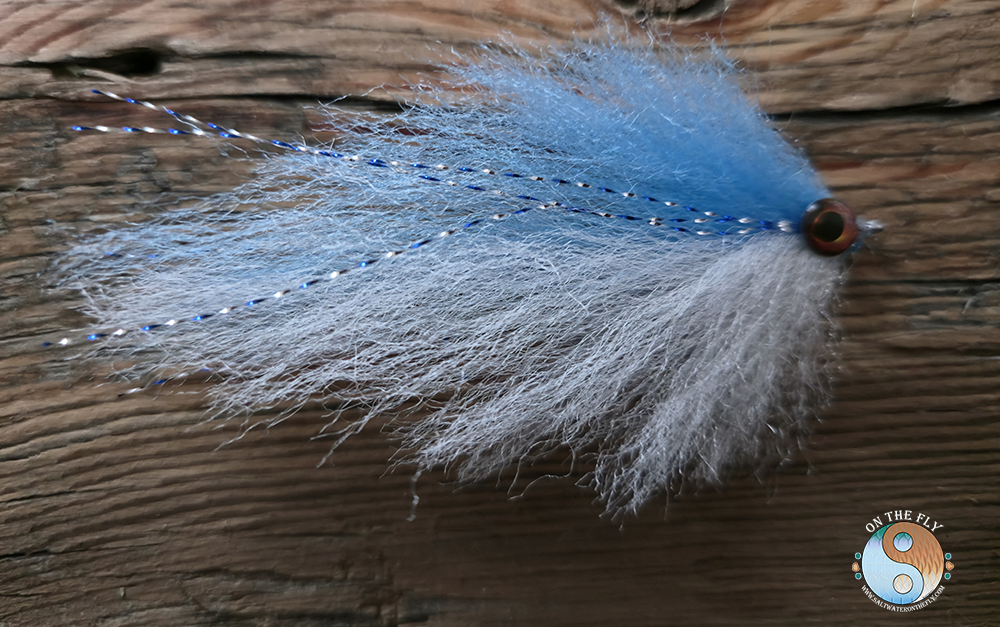
But shad aren’t the only story here. Striped bass push upriver following the same spring spawning instinct, and they eat streamers. Large, dark deceiver patterns worked in the current edges early morning is hard to beat. White perch — often ignored — are actually a respectable fly rod target on lighter gear and hit small woolhead patterns aggressively.
Bank access is solid at Ancarrows, which makes this a viable spot even if you’re fishing without a boat. Two-lane ramp handles everything from kayaks to bay-capable center consoles.
Primary fly rod targets: Hickory shad, American shad, striped bass, white perch
Best season: Late March through mid-April for shad; striped bass through May
Suggested patterns: Clouser minnows (chartreuse/white), small deceivers, woolhead minnows
Osborne Landing — Tidal Largemouth on the Fly
Osborne Landing is famous in the bass tournament world for good reason — this section of the tidal James is a world-class tidal largemouth bass fishery. That reputation holds up on the fly rod, too.
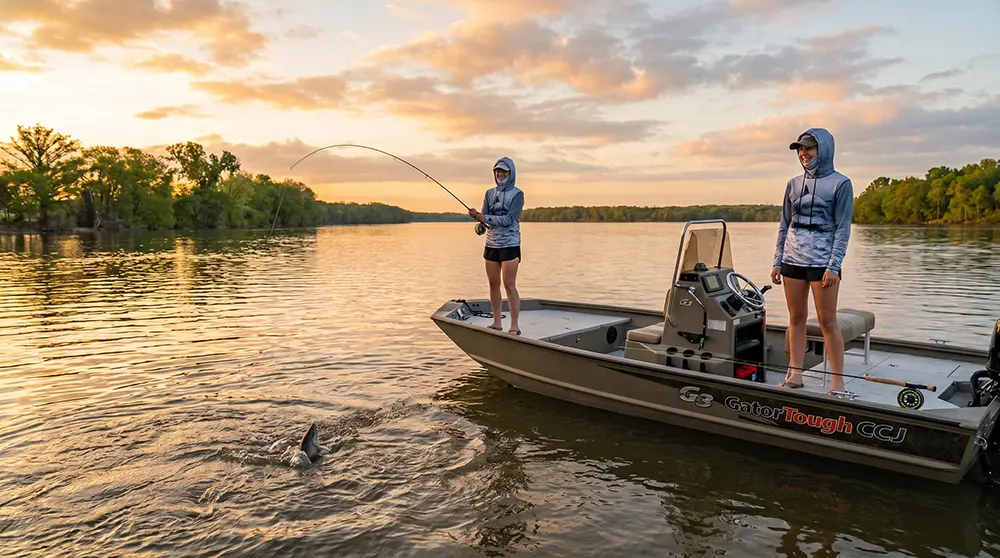
Tidal largemouth are not the same fish as pond bass. They’re conditioned by current, used to chasing baitfish in open water, and often found working structure on moving tides rather than sitting stationary. Big deer-hair bugs, large streamers, and foam poppers on a 7 or 8-weight all produce. You’re looking for rip rap, dock edges, current seams, and any structure that creates an ambush point.
Spring adds striped bass, hickory shad, and white perch to the mix for fly fishers who want variety. A fishing pier at Osborne means access doesn’t require launching a boat, though the better largemouth water is best covered from a kayak or jon boat.
Primary fly rod targets: Largemouth bass, striped bass (spring), blue catfish
Best season: Year-round for bass; spring for migratory species
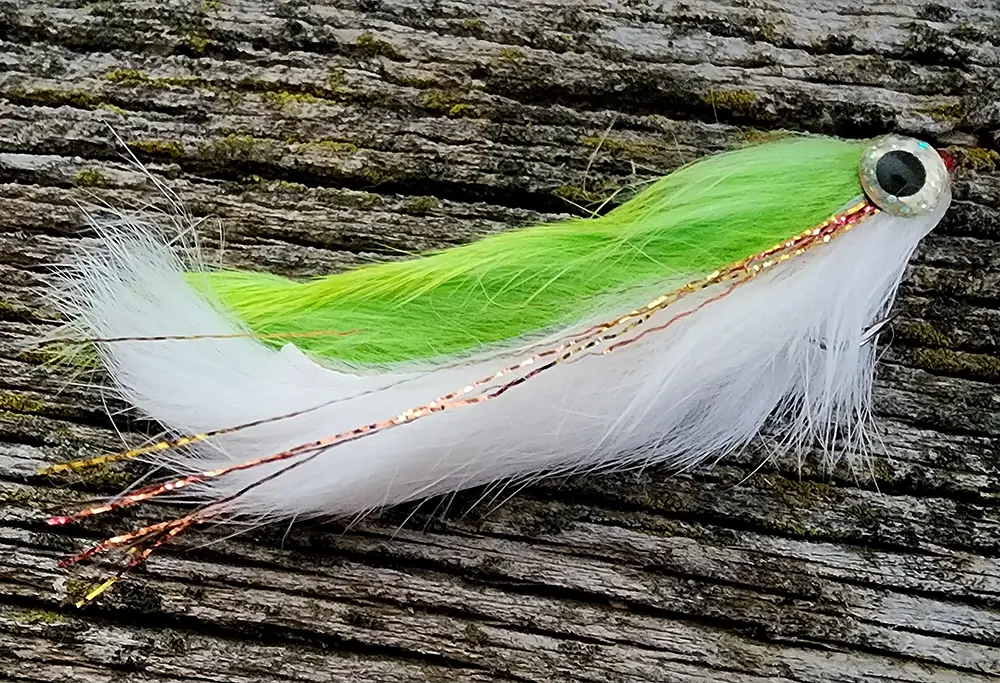
Suggested patterns: Large deer-hair poppers, double-bunny streamers, large clousers
Deep Bottom — Trophy Blue Catfish Water and Scenic Bends
Deep Bottom opens up access to some of the most scenic stretches of the tidal James, with long sinuous bends, freshwater marsh, and the Presquile National Wildlife Refuge just downstream. Bald eagles, osprey, and great blue herons work this stretch constantly — which is always a good sign that the bait is here.
This section is blue catfish country first and foremost. Trophy fish exceeding 50 pounds are caught regularly, and on the fly — if big game fly fishing for catfish is your thing — big weighted streamers worked near the bottom on fast-sinking lines can get into fish. Largemouth bass fishing remains strong here too.
Worth noting for the fly fisher: the flats that develop in this section of the river at low tide create legitimate sight-fishing opportunities for largemouth working the edges. It’s not unlike fishing the flats for redfish, and if you approach it that way — slow, quiet, sight-cast — the results will surprise you.
Primary fly rod targets: Largemouth bass, blue catfish
Best season: Spring through fall
Suggested patterns: Large bottom-weighted streamers (catfish), top water bugs (bass)
Appomattox Delta and Confluence — Where the River Gets Serious
At Hopewell, the Appomattox River dumps into the James, the river widens dramatically, and things get real. This section is big water. The flats are expansive, the structure is varied — rip rap, docks, duck blinds, wooded shorelines, humps, and drop-offs — and the fish are here in numbers.
Largemouth bass in this section are a legitimate fly fishing opportunity, and the habitat variety means you can run a full day covering different structure types. More importantly for saltwater fly fishers: spring striped bass fishing is excellent here, with fish willing to eat large deceivers and Clouser patterns trolled or cast to structure.
Blue catfish are everywhere in this section, and fish exceeding 100 pounds are pulled from this stretch nearly every year. On conventional gear. If you figure out a fly-caught 100-pound blue cat on the tidal James, call us — that’s a story we want to tell.
Access via Hopewell City Marina (Appomattox side) or Jordan Point Marina (main river below the confluence).
Primary fly rod targets: Largemouth bass, striped bass (spring), blue catfish
Best season: Spring for stripers; year-round for bass and catfish
Suggested patterns: Large flashy deceivers (stripers), poppers and streamers (bass)
Hog Island WMA — The Freshwater/Saltwater Line and the Transition Zone
Here’s where the tidal James starts to feel different in a way that matters to saltwater fly fishers.
Hog Island marks the official freshwater/saltwater license line on the James. Below this point, salinity increases — seasonally and annually depending on rainfall and river flow. More importantly, the species mix changes. This is where striped bass, red drum, and speckled trout become the primary targets.
Lawnes Creek Boat Ramp provides access to the creek just upstream of the main river confluence. Red drum, speckled trout, and striped bass work this section, and on a falling tide the creek mouths concentrate fish in predictable ways. Standard saltwater fly patterns work here: EP Crabs and Flexo Crabs for redfish, clouser minnows and deceivers for stripers and specks.
Black drum and flounder are also in this mix, and during wet winters when the salinity wedge pushes well upriver, blue catfish follow.
Primary fly rod targets: Red drum, striped bass, speckled trout, black drum, flounder
Best season: Spring through fall; drum peak late spring through summer
Suggested patterns: EP Crabs, Flexo Crabs (red drum), Clouser minnows and Deceivers (stripers and specks)
Ragged Island WMA — The Mouth of the James and the Full Saltwater Experience
This is where the tidal James gives saltwater fly fishers everything they came for.
Ragged Island Wildlife Management Area sits across from Newport News on the south side of the river. Oyster beds. Tidal salt marsh. Creek channels with serious tidal current. At low tide and high tide this place looks like completely different water — and that’s the point. Learning to read it on the tides is what unlocks the fishery.
The red drum fishing at Ragged Island is legitimate and worth planning a dedicated trip around. Drum work the marsh edges and oyster bars on moving tides. On calm, clear mornings you can sight-fish tailing and cruising reds in the shallows — this is as close to a classic redfish experience as you’ll find this far north on the East Coast. Standard redfish patterns produce: EP Crabs, Merkin crabs, and small clousers in olive/white.
Speckled trout, striped bass, bluefish, flounder, and sheepshead round out the summer species list. The structure around the Hampton Roads Bridge Tunnel further downriver holds fish and is accessible to boaters.
Two access options: Jones Creek Boat Ramp on the south shore or Huntington Park Boat Ramp on the Newport News side. Either way, plan for a 15-20 minute run to reach the WMA, and check the tides and wind forecast before you go. This is big, exposed water and it gets dangerous fast when conditions deteriorate.
Dolphins show up regularly through summer months. A good sign — they’re following bait. Follow the dolphins.
Primary fly rod targets: Red drum, speckled trout, striped bass, flounder, sheepshead, bluefish
Best season: Late spring through early fall
Suggested patterns: EP Crabs, Merkin crabs (red drum), Clouser minnows (speckled trout and stripers), Deceiver variants (bluefish)
Planning Your Tidal James Fly Fishing Trip
A few things to have dialed in before you launch:
Licenses: Fishing above the Hog Island line requires a Virginia freshwater license. Below it, you need a saltwater license. If you’re fishing both sections in a day, carry both or get a combination license. Virginia DWR manages licensing.
Tides: The single most important planning tool on this water. A falling tide moving bait out of marshes and creek mouths concentrates fish at predictable pinch points. High slack and low slack both produce differently. Plan your sections around the tide, not around the clock.
Boat vs. Wade vs. Kayak: Some sections — particularly Ragged Island and the lower river — are accessible by kayak but require awareness of exposure and conditions. The lower river is not kayak-friendly in wind or heavy current. A flats-style boat or a small skiff gives you the most flexibility in the lower sections.
Wind: Afternoon winds on the lower river can be significant. Get on the water early, fish hard in the morning, and be off exposed water before early afternoon if the forecast shows afternoon buildup.
The 15 Best Flies for the Tidal James River
This is a multi-species fishery that covers freshwater, brackish, and full saltwater inside a single river system. You don’t need a separate box for every section — but you do need flies that can cross over. Here’s what belongs in your bag from Richmond to the Bay.
1. Clouser Minnow — Chartreuse/White, Size 1/0–2 The single most versatile fly on this list. It catches striped bass, hickory shad, speckled trout, white perch, largemouth bass, and flounder. If you’re only packing one box, load it with Clousers in chartreuse/white and olive/white and you’ll be covered for 80% of the fishing on this river. Fish it on a sink tip, count it down, and vary your retrieve until the fish tell you what they want.
2. Lefty’s Deceiver — White/Olive, Size 2/0–3/0 The go-to striper pattern from Ancarrows Landing all the way to Hampton Roads. Big profile, good action, moves water. White with an olive or gray back for clear water; all-white or with flash for stained conditions. Tie them on stout hooks — the stripers in the lower river are not small. Another great pattern is the Pelagic Forger Minnow.
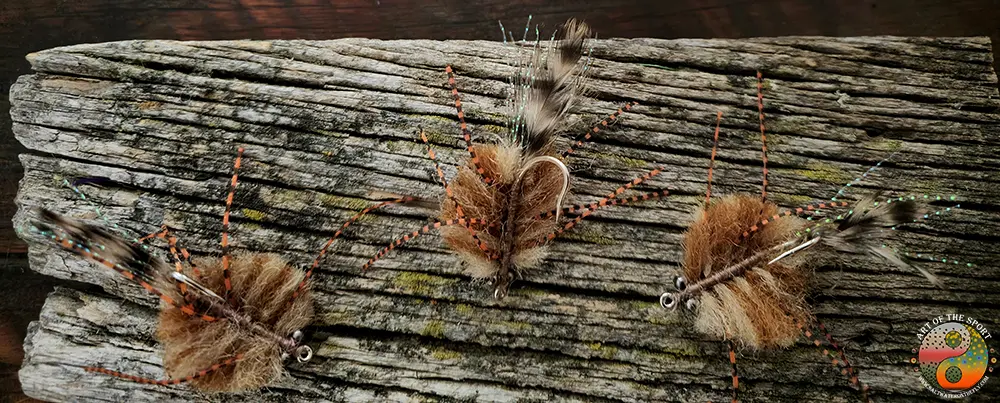
3. Predator Fiber Crab — Tan or Olive, Size 2–4 The foundational red drum fly for the Ragged Island and Hog Island sections. Cast it ahead of a cruising or tailing drum, let it sink, and strip it slow. The Predator Fiber Crab has the right profile and sink rate to trigger the eat. Tan for sandy bottom, olive for grass and oyster bar work.
4. Merkin Crab — Tan, Size 2 When red drum are locked into specific bottom structure — oyster bars, marsh edges — the Merkin’s flat profile and realistic silhouette outperforms everything else. It lands soft, sinks fast, and sits right. Carry a few weighted heavier than usual for deeper cuts on a falling tide.
5. Half and Half — Chartreuse/White, Size 2/0 A Clouser/Deceiver hybrid that offers more profile than a standard Clouser with the sink rate you need to get down in tidal current. Excellent for stripers in moving water and for speckled trout working deeper channels in the lower river sections.
6. Woolhead Sculpin — Olive/Brown, Size 2–4 Massively underused on the tidal James. Largemouth bass in the tidal sections eat sculpin, and this fly fished on a sinking tip through the deeper bends around Deep Bottom and the Appomattox confluence produces when other patterns don’t. Also works on stripers holding near bottom in current.
7. Popovic’s Surf Candy — White or Chartreuse, Size 2 When bluefish and speckled trout are pushing bait on the surface in the lower river, you need something that can survive the teeth. The Surf Candy’s epoxy body holds up to bluefish abuse far better than bucktail or feather patterns. Small profile, fast sink, and the fish eat it hard.
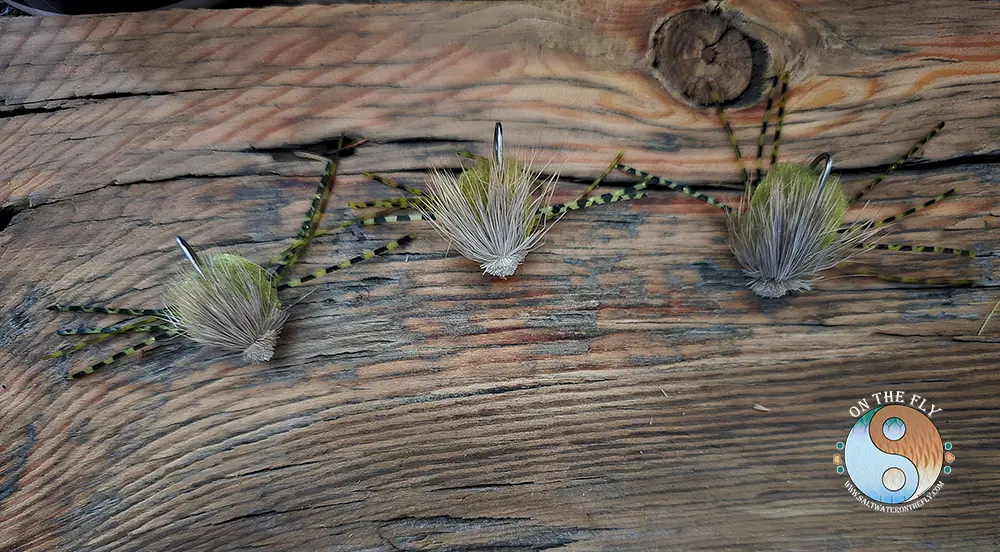
8. Deer Hair Bass Bug — Various, Size 1/0–2/0 The best fly on the list for tidal largemouth on the upper sections. Fish it at first light on a dead calm surface near docks, rip rap, and creek mouths on a rising tide. The take is visual, violent, and worth getting up early for. Pack a few in frog coloration for the vegetated edges around Chickahominy.
9. Shad Dart Fly — Pink/White or Chartreuse/White, Size 6–8 Purpose-built for the Ancarrows Landing shad run and nothing else on this list does it better. Small weighted head, short tail, fished on a floating line with a slow stripping retrieve. When the shad are stacked up on the run, this fly is lights out. Don’t overthink it.
10. Clouser Minnow — Olive/White, Size 4 Same fly as #1, different size and color — different enough that it belongs on this list separately. Downsized olive/white Clousers work for the speckled trout and flounder in the brackish and saltwater sections when fish are keyed on smaller bait. Also the best white perch fly on the upper river during the spring run.
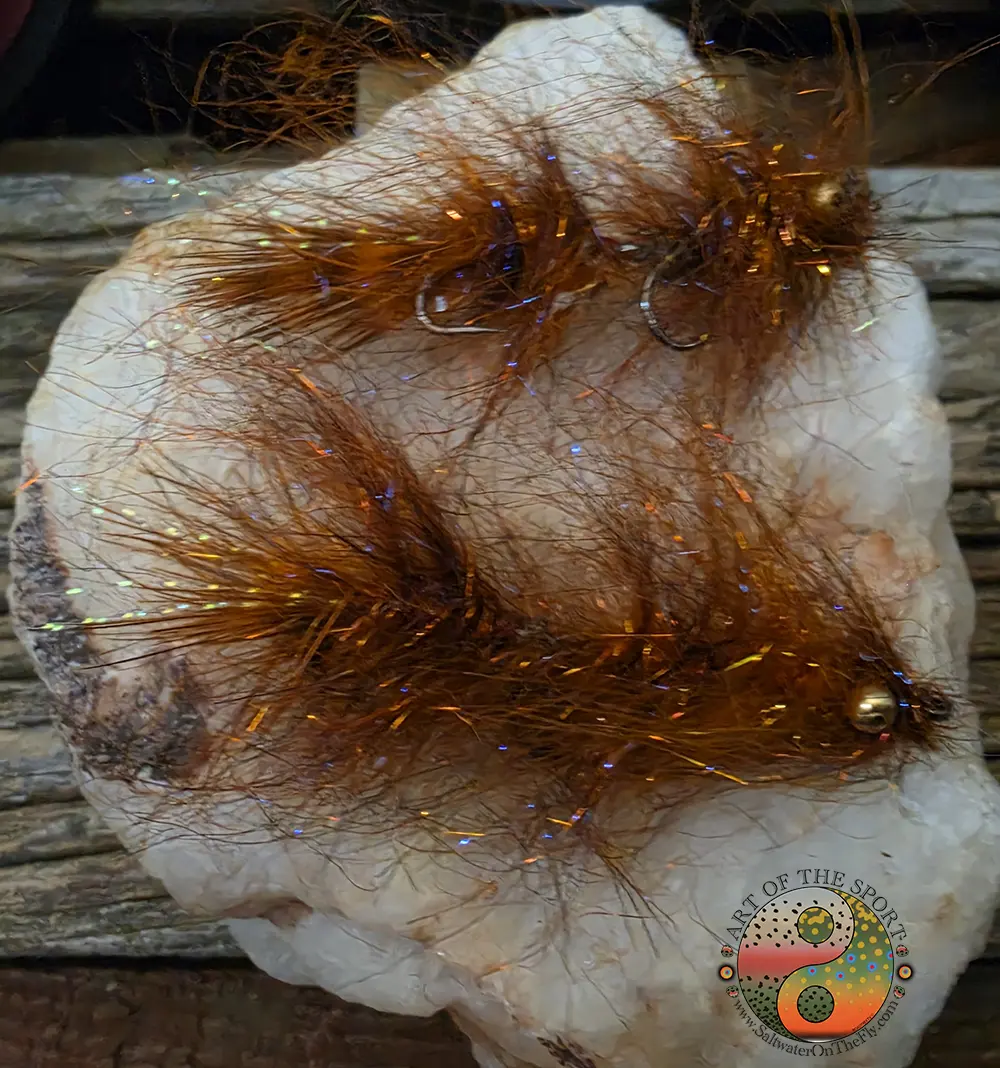
11. Flexo Crab — Tan or Brown, Size 2 A more streamlined crab profile than the EP or Merkin. The Flexo Crab casts easier in wind, sinks at a consistent rate, and is a strong alternative when drum are pressured or in cleaner water conditions. Works well for sheepshead around bridge structure in the Hampton Roads area — fish it dead drift along the pilings.
12. Gummy Minnow — White or Silver, Size 1–2 An underrated pattern for flounder on the lower river. Flounder are ambush predators holding on bottom structure — cast the Gummy Minnow, let it sink to the bottom, and strip it slow with long pauses. The realistic profile and translucent body get bit when other patterns get ignored.
13. Gurgler — White or Chartreuse, Size 1/0 A surface pattern with more wake and commotion than a standard popper. Excellent for bluefish and stripers busting bait on the surface in the lower river, and a strong alternative to the deer hair bug for tidal largemouth when there’s more chop on the water. Rides high, pushes water, and the fish find it.
14. Mike’s Shrimp — Pink or Natural, Size 4 Speckled trout eat shrimp. Black drum eat shrimp. Sheepshead eat shrimp. In the Hog Island and lower river sections, any time you’re fishing structure in the brackish and saltwater zones, a simple shrimp pattern fished on a slow swing or strip is a legitimate option that most fly fishers overlook in favor of flashier patterns.
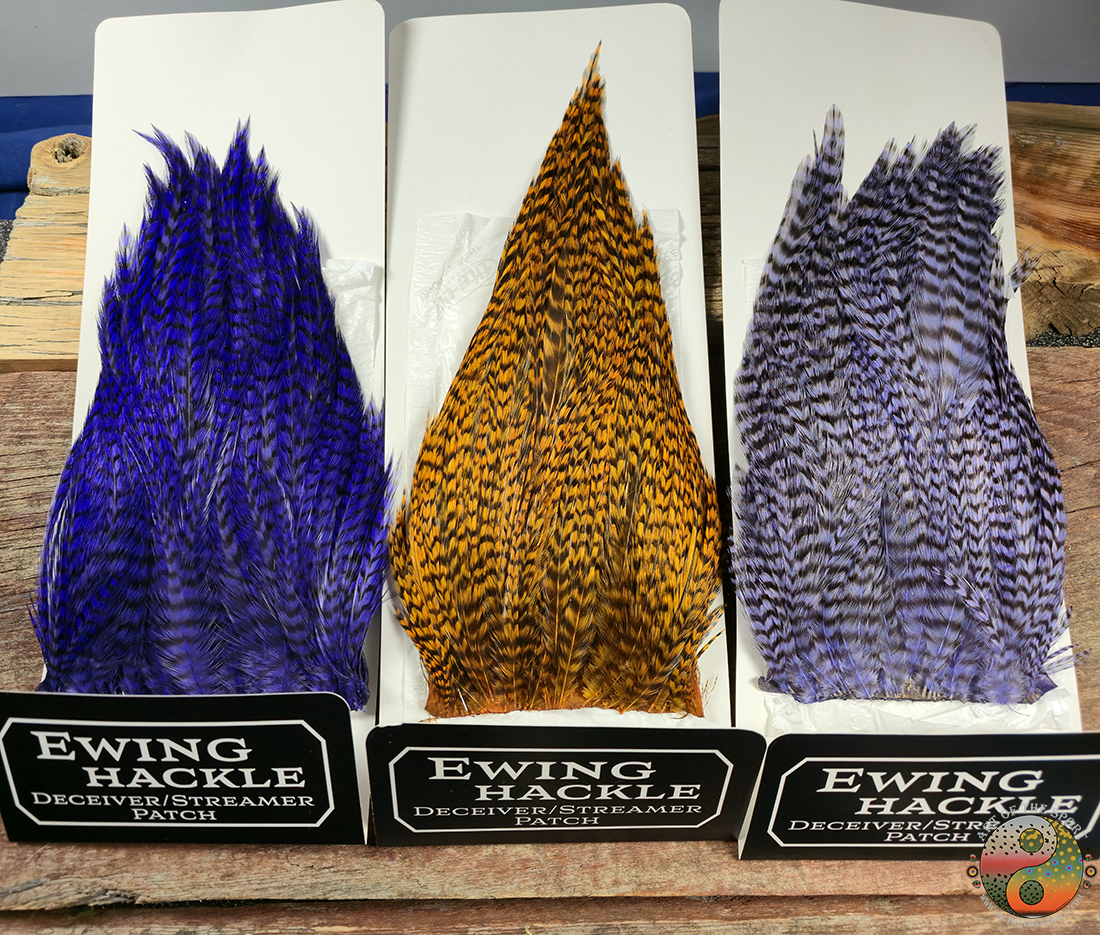
15. Weighted Minnow Streamer — Black/Purple, Size 2/0 A big, dark, heavily weighted streamer for targeting striped bass in low-light conditions. Fish it at dawn or dusk, strip it fast near the surface or work it deep on a fast-sinking line. Black/purple in off-color or tannic water; switch to white or chartreuse in cleaner conditions. This is the fly you throw when you want one big bite instead of a lot of small ones.
Rod and Line Notes: A 7-weight handles most of the freshwater and brackish sections. Step up to a 9-weight for the lower river — red drum, large stripers, and wind all argue for more rod. For the shad run, a 5 or 6-weight on a floating line is more fun and plenty of stick. Carry a fast-sinking sink tip or full-sinking line for any section where you’re working depth — the tidal current in the lower James moves fast enough to require it.
The tidal James River is not a secret — it’s simply underappreciated by fly fishers who write it off as conventional gear water. That’s a mistake. From the shad run in Richmond to red drum on oyster bars near Hampton Roads, this river fishes well on a fly rod from one end to the other. Stop sleeping on it.
Capt. Grumpy covers saltwater fly fishing destinations, gear, and tactics on SaltwaterOnTheFly.com. If you found this guide useful, bookmark the site — we cover the water most people overlook.