Conventional Tackle Fishing at Buggs Island Lake: Baits, Rods, and the Real Story on What Actually Works
Stop guessing. Start catching. Here’s your no-nonsense conventional gear breakdown for Kerr Reservoir.
There’s a reason Buggs Island Lake hosts more bass fishing tournaments per year than most Virginia anglers can count. Fifty thousand acres of productive water, a largemouth population that’s been managed carefully for decades, and structure so varied that no two days of fishing feel the same. The fly rod has its place here — we’ve made that case already — but let’s be straight: the overwhelming majority of fish caught at Kerr Reservoir are caught on conventional tackle. Spinning gear, baitcasters, braided line, fluorocarbon leaders, and a tackle box that’s taken over an embarrassing amount of garage real estate.
This guide is for that crowd. Whether you’re hitting Buggs Island for the first time or you’ve been fishing it for years and you’re wondering why your neighbor keeps outfishing you, here’s a straightforward breakdown of the rods, reels, and baits that actually move the needle on this fishery.
Table of Contents
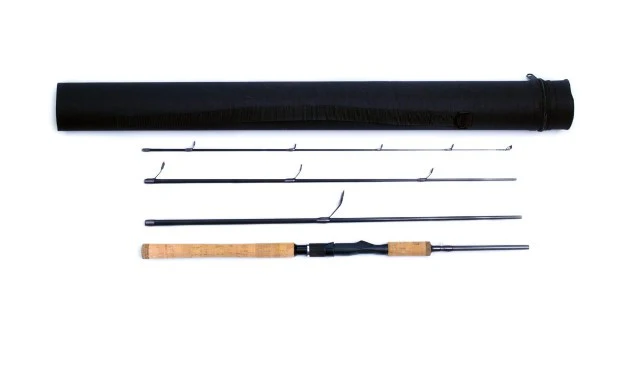
Summit Tackle 7' 10" Soft Tip Medium Action Spinning Rod
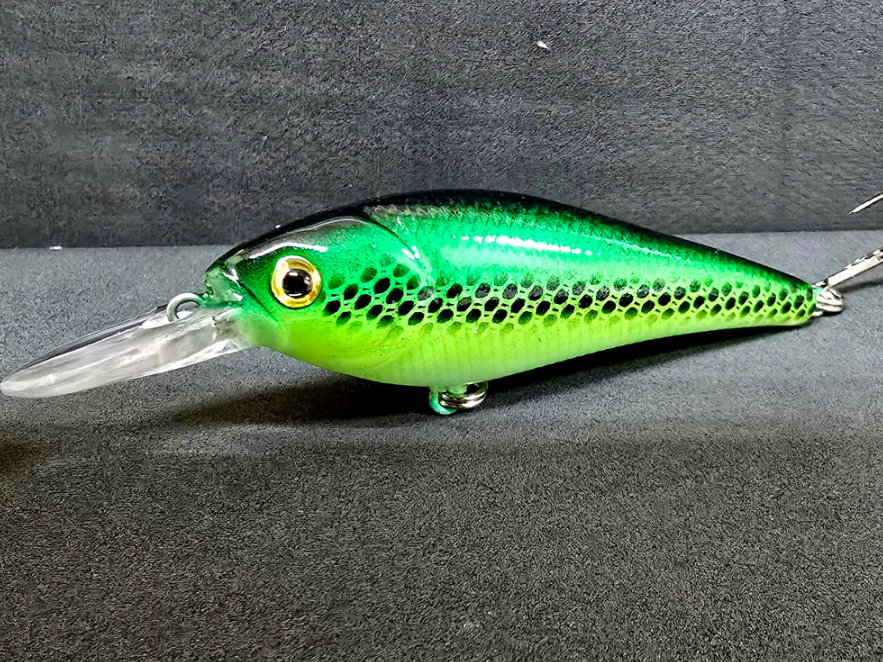
The Conventional Tackle Arsenal: Matching Gear to Water
Before diving into specific baits, let’s talk about the setup. Buggs Island is a big, varied reservoir. The guy pitching jigs into flooded timber in the back of Grassy Creek needs different gear than the guy cranking main-lake points in summer. This is not a one-rod lake.
Baitcasting Setup
For most serious Buggs Island applications, a baitcasting outfit is the tool. It gives you the accuracy for skipping docks, the power to pull a big largemouth out of submerged timber, and the sensitivity to detect subtle bites on soft plastics.
Medium-Heavy, 7-foot to 7’3″ baitcasting rod:
is the workhorse. This length and power covers the widest range of presentations — flipping jigs into cover, throwing spinnerbaits on main-lake points, working swimbaits along bottom structure. It’s the Swiss Army knife of Buggs Island rods.
A 7’6″ heavy action rod:
is what you reach for when you’re deep in the timber, fishing heavier weights on Carolina rigs, or punching through vegetation. Heavier tip, more backbone, less room for the fish to use the cover against you.
For crankbaits specifically:
a medium-action 7’10” rod with a softer tip makes a meaningful difference. A little flex in the tip prevents you from ripping the hook on a strike — cranking fish have a habit of hitting and throwing the bait if you don’t give them a beat to load up. Fiberglass-composite cranking rods do this better than straight graphite. They’re heavier and slower, but the hookup percentage on crankbaits improves noticeably.
Reel:
6.4:1 to 7.1:1 gear ratio covers the majority of presentations. Slower ratio for crankbaits and deep-diving plugs; faster for burning spinnerbaits, swimbaits, and anything where you need to pick up line quickly after a strike.
Spinning Rod Setup
Don’t be a snob about spinning gear. Some of the best finesse fishing at Buggs Island — drop shots, Ned rigs, lighter jigs, small crankbaits — is better done on spinning tackle, full stop. A medium-power 7-8 foot spinning rod with a 2500–3000 series reel covers the finesse end of the Buggs Island presentation spectrum. Load it with 10–15 lb braided main line and a 6–10 lb fluorocarbon leader and you’re ready.
Line: The Argument Nobody Wants to Have
Fluorocarbon
on monofilament spools for most applications. It sinks, it’s nearly invisible in water, and it has zero stretch compared to mono — which matters when you’re setting hooks on long casts with a Carolina rig. For the majority of Buggs Island fishing, 12–17 lb fluorocarbon as a main line or leader is the range.
Braided line
is the right call for flipping and pitching into heavy cover where stretch is the enemy. 40–65 lb braid with a 15–20 lb fluorocarbon leader covers flipping jigs, Texas-rigged plastics in vegetation, and frog fishing. If you’re tying direct to a topwater frog, the braid-to-hook connection is fine.
Monofilament
still has a role on crankbaits for older-school anglers or when you specifically want some forgiveness in the line during a hard hook set. But fluorocarbon has largely taken its place for most modern applications.
Baits: What Buggs Island Bass Actually Eat
Topwater Lures — The Morning Mandate
At Buggs Island, guide Joel Richardson noted that Pop-Rs, Heddon Spooks, buzzbaits, and floating worms draw solid strikes on main-lake points and secondary points during mornings and evenings — and that pattern holds true across the seasons. Early June through early September, the topwater window at Buggs Island is real, consistent, and worth setting an alarm for.
Popping plugs (Pop-R, Rebel Pop-R, Strike King Splash) work best on calm mornings with a walk-the-dog/pause retrieve. The pause is doing most of the work. Give the fish time to commit.
Walk-the-dog baits (Heddon Spook, Yo-Zuri Surface Walker) are the topwater choice for open water and main-lake points when bass are chasing shad on the surface. This happens regularly at Buggs Island in summer — you’ll see baitfish busting the surface, stripers and bass underneath pushing them up. When that’s happening, throw a Spook into the melee and hold on.
Buzzbaits are criminally underused at Buggs Island. A buzzbait burned along the edge of flooded vegetation in spring, or along dock lines in low-light conditions, is one of the most effective big-fish patterns on the lake. Single-blade buzzbait in white or chartreuse. Keep it moving fast enough to stay on top. The strike is violent and you will not be ready for it the first time.
Spinnerbaits — The Do-Everything Lure
On windy days, Rat-L-Traps and spinnerbaits become especially effective, allowing anglers to cover a lot of territory quickly at Kerr Reservoir. This is not a coincidence. Spinnerbaits are built for Buggs Island conditions: variable wind, mixed cover, active bass.
A ½-oz white or chartreuse/white double-willow spinnerbait is the default. Slow-roll it along the outside edge of the flooded tree lines in spring. Burn it over submerged vegetation in summer. Bump it through stumps and laydowns in fall. The spinnerbait is the year-round, all-conditions safety net that every Buggs Island tackle box should contain.
Color notes: White or chartreuse/white in clear to slightly stained water. Chartreuse/white/blue or shad patterns in dirtier water. Black/blue in heavy cover on overcast days, which is more of a night-fishing pattern but worth mentioning.
Crankbaits — The Structure Hunters
Carolina rigs and crankbaits around points, with crankbaits worked in 8 to 10 feet of water, are consistently productive at Buggs Island, and the numbers back it up. Crankbaits let you cover water efficiently and match the depth of whatever structure you’re targeting.
Shallow-diving crankbaits (0–6 feet): For fishing the flooded timber edges, dock pilings, and backs of coves in spring. A square-bill crankbait deflecting off timber triggers reaction strikes. One of the most fun ways to fish Buggs Island in April and May.
Medium-diving crankbaits (6–12 feet): The workhorse class. A 2.5 or 3 crankbait on a 7’6″ medium-action rod, covering the main-lake points and rocky structure in the mid-range. Shad colors (silver/white, Tennessee shad, ghost minnow) during clear conditions; crawfish colors (orange belly/brown back) during warm water periods or around clay banks.
Deep-diving crankbaits (12–20+ feet): Summer structure fishing. Get the bait down to where the bass have moved during the heat, grind it along the bottom, and let the bottom deflections do the triggering work. This is methodical, patience-requiring fishing — but Buggs Island has enough offshore structure to reward it.
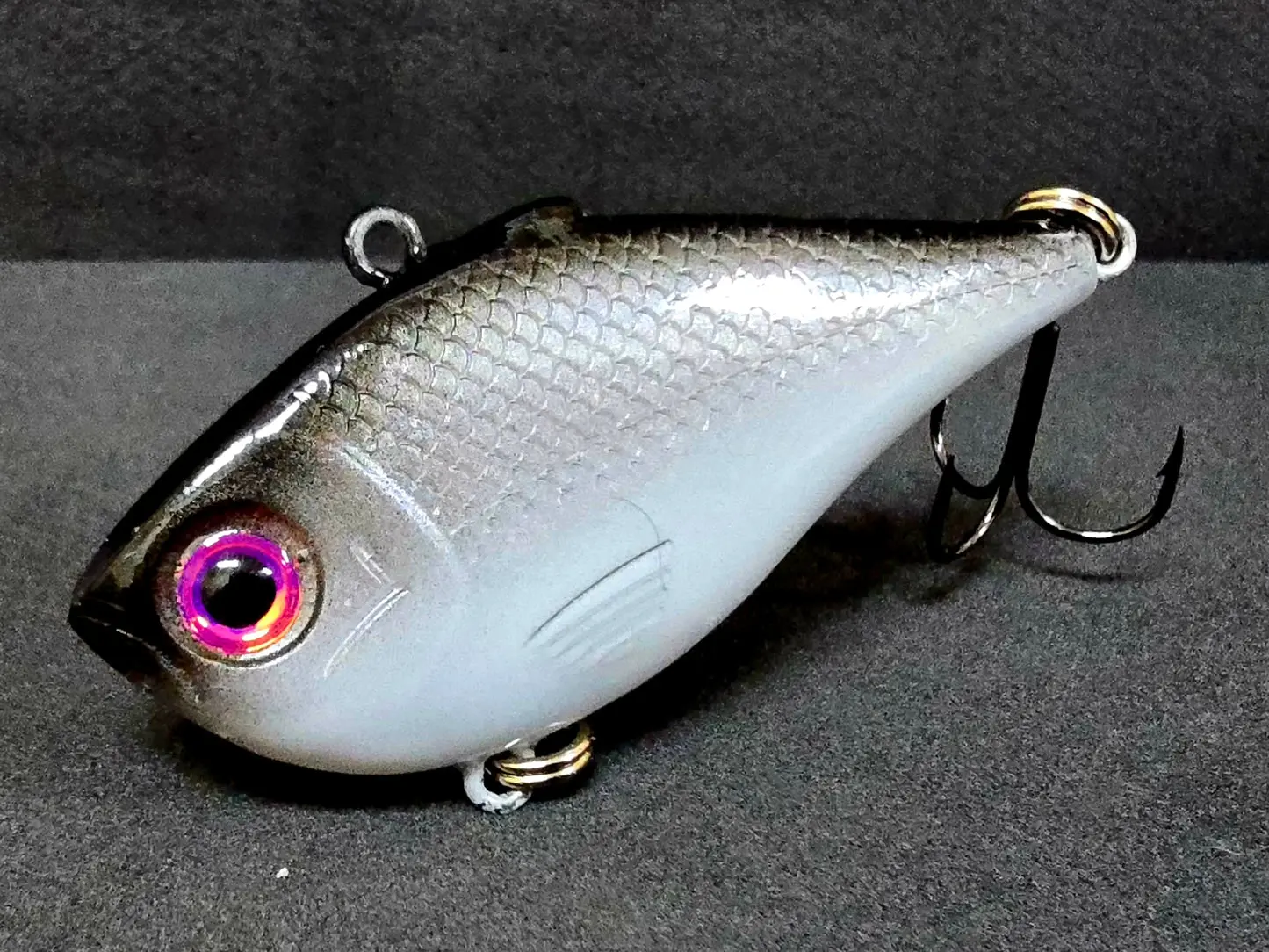
Lipless crankbaits (Rat-L-Trap, Strike King Red Eye Shad): For covering flats, burning over vegetation, and ripping through suspended fish in the water column. ½ oz in chrome/blue or red are the standard at Buggs Island. Rip them free from vegetation and let them flutter on the pause — a lot of strikes happen there.
Soft Plastics — The Bass Fishing Foundation
No tackle guide is complete without the soft plastic conversation, and no Buggs Island tackle box is complete without a serious commitment to the category.
Texas-Rigged Worms and Creature Baits: The foundational Buggs Island technique. A 7-inch plastic worm or creature bait, Texas-rigged on a 3/0–4/0 offset hook with a ¼ to ½-oz bullet sinker, dragged slowly along structure. Carolina rigs with plastic worms 7 inches or longer, plastic lizards, and centipede patterns in green pumpkin, redbug, black/grape, and black are among the most consistent fish-catchers for the lake. This is not glamorous fishing. It works relentlessly.
Carolina Rigs: The same plastics fished on a Carolina rig — long leader, ½ to ¾-oz sinker — are specifically lethal for covering large expanses of flat, hard-bottom structure. Cast it out, drag it back slowly, feel for the thump. Carolina rigging the main-lake points at Buggs Island in June and July is one of the more reliable big-fish patterns.
Jig and Craw: A ⅜ or ½-oz football jig or casting jig tipped with a beaver-style or craw trailer is the most versatile structure lure at Buggs Island. Rocky bottoms, laydowns, dock pilings, brush piles — the jig works everywhere. Green pumpkin, black/blue, and brown/purple cover the color spectrum. Don’t overthink it.
Drop Shot: When bass are finicky, pressured, or staged at specific depths on offshore structure in summer and fall, the drop shot rig outperforms everything else in the box. A 3–4 inch finesse worm or shad-profile bait, 6–12 inches above the bottom weight, shaken subtly in place. Nose-hook the bait on a light-wire drop shot hook, use 6–8 lb fluorocarbon leader, and let the subtle action do the work.
Ned Rig: Criminally underrated at Buggs Island. A small mushroom-head jig head with a 2.5–3-inch ElaZtech stick bait, fished on light spinning gear. The Ned rig’s butt-up presentation on the bottom drives bass insane, especially in summer when fish are slow and finesse is the answer. It’s the “I’ve tried everything else” lure that has a habit of immediately catching fish.
Swimbait: As Buggs Island’s bass fishery has matured, paddle-tail swimbaits on a weighted swimbait hook or jig head have become more relevant. A 3.8–5-inch paddle tail in shad or alewife color, slow-rolled along structure, is particularly effective for targeting larger fish. The blueback herring population in the lake means bass are often keyed in on larger baitfish than most soft plastics imitate.
Frogs and Punching Rigs — When Cover Gets Heavy
When the reservoir reaches full pool in spring, the banks are lined with miles of water willow, buckbrush, and flooded trees — and when bass burrow deep into the brush, a weedless creature bait or worm is the right call. Take that one step further into matted vegetation or lily pad fields, and a hollow-body frog on 50–65 lb braid becomes the primary tool.
A frog fished across the top of matted vegetation, worked with a stop-and-go retrieve, triggers some of the most violent strikes in freshwater fishing. Buggs Island’s creek arm backs and flooded vegetation zones are prime frog water from late spring through early fall. Patience on the hookset — wait until you feel the weight before swinging — is the difference between hookups and blown opportunities.
Seasonal Summary: What to Tie On When
Spring (March–May): Spinnerbaits and shallow crankbaits along flooded vegetation, topwater in mornings, jig/craw combinations around spawning flats, Texas-rigged plastics in the backs of coves.
Summer (June–August): Topwater in the first hour of light, then transition to Carolina rigs and crankbaits on offshore structure, drop shot and Ned rig for finesse work, deep-diving crankbaits for mid-day structure fishing.
Fall (September–November): Lipless crankbaits and spinnerbaits for covering water as bass chase baitfish, swimbaits for targeting bigger fish, topwater in mornings, jig fishing in creek arms as water cools.
Winter (December–February): Jigs and drop shots on deep structure, slow-rolled swimbaits, finesse presentations near submerged channel edges. Patience required. Coffee mandatory.
The Bottom Line
Buggs Island Lake rewards anglers who match their presentation to the season, the water level, and the structure. There is no single magic bait — but there are definitely wrong choices for wrong conditions, and the most common mistake on this lake is fishing too fast. In Kerr Lake, bass often move shallow and become aggressive when feeding; but if they seem disinterested in your presentations, try slowing down and using smaller, lighter baits. That sentence should be taped to every tackle box that launches from these ramps.
The fish are here. The structure is here. The water is here in quantity. Cover your water systematically, match your gear to your target presentation, and don’t be the person throwing a drop shot in flooded timber or a buzzbait in 25 feet of water in August.
Fish smart. Fish slow when you need to. And book that campsite at Rudds Creek before the weekend warriors beat you to it.
Wish to Learn about Fly Fishing Buggs Island Lake Click Here.
Published by Saltwateronthefly.com — Because fish don’t care what coast you came from.