Fly Fishing for Bass at Smith Mountain Lake, Virginia: Angler’s Guide to Not Sucking on One of Virginia’s Best (and Busiest) Bass Fisheries
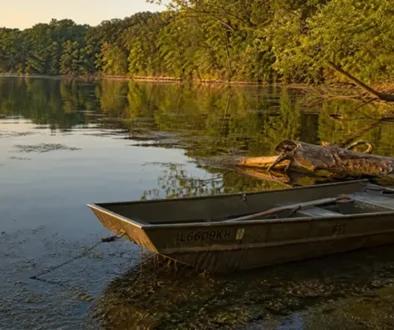
Listen up, you rod-slinging, line-tangling hopefuls: If you think fly fishing for bass at Smith Mountain Lake is all delicate presentations and sipping martinis while trout snobs look down on you, Smith Mountain Lake (SML) is here to laugh in your face and hand you a 5-pounder that just ate your popper like it owed it money. This 20,600-acre beast in Virginia’s Blue Ridge is a highland reservoir fishery stuffed with largemouth (the bulk of the action) and solid smallmouth, plus enough structure to make your casting arm hate you in the best way.
Forget the Instagram-filtered perfection. SML delivers real talk: explosive topwater eats at dawn, wind that’ll turn your backcast into modern art, summer boat traffic that makes you question humanity, and skeeters that are… actually not that bad (thanks, fluctuating water levels). But when it clicks—stripping streamers tight to docks or walking a deer-hair popper over submerged brush—you’ll be hooked harder than a bluegill on a size 12.
This isn’t your average “10 tips” fluff piece. It’s a no-BS premium guide for fly anglers chasing bass (and a little adventure) at SML. We’re talking original insights from the water, not recycled forum BS. Let’s dive in before the wind gods get angry.
Table of Contents
When to Go: Seasons, Crowds, and Not Freezing Your Fly Line Off
SML isn’t a one-season wonder. It’s a year-round bass playground, but timing separates the pros from the “I got skunked and blamed the wind” crowd.
Spring (March–May): Prime Time, Baby
Bass move shallow for the spawn. Hit the upper arms (Roanoke and Blackwater) and coves upstream of Hales Ford Bridge for aggressive largemouth. Early mornings and evenings are money for poppers and streamers. Water temps climb, fish get territorial. Crowds ramp up by April, but nothing like summer hell. Pro tip: Post-front days with stable weather = stupid bites. Real talk: Wind can howl; learn to double-haul or cry.
Summer (June–August): Early Bird Gets the Bass (and Avoids the Floatilla)
Fish dawn and dusk hard. Midday heat pushes bass deeper or under docks/shade. Topwater explodes at first light. Boat traffic is insane on weekends/holidays—think floating party barges everywhere. Fish the lower lake points and main lake for less chaos. Skeeters? Surprisingly chill thanks to the dam’s water fluctuations. Wind? Expect afternoon breezes that test your casting. Nights are magical for big flies.
Fall (September–November): Underrated Glory
Foliage porn, cooling water, schooling bait. Bass chase shad in pockets and creeks. Topwater and streamers in the backs. Fewer crowds, better fishing. October can be stupid good.
Winter (December–February): Trophy Mode for the Hardcore
Fewer anglers, potential for big smallmouth and largemouth in deeper structure or ditches. Cold hands, hot takes. Dress like you’re invading Russia. Fish slower, deeper presentations. Great for those who hate people.
Bold Takeaway: Skip peak summer weekends unless you love dodging jet skis. Shoulder seasons win for fly fishing sanity.
Where to Stay: From Budget Bunks to Fancy Lake Houses (Without Selling a Kidney)
Options run the gamut. Book early for peak times.
Smith Mountain Lake State Park (Huddleston): Cabins, camping, bunkhouse. Lakefront vibes, trails, fishing pier. Affordable and peaceful. Cabins book fast—reserve 6+ months out for summer.
Vacation Rentals: VRBO/Airbnb lake houses or condos. Split costs with buddies. Many have private docks—perfect for dawn sessions. Mariners Landing or Westlake areas for amenities.
B&Bs and Inns: Bedford Landings or similar for breakfast that doesn’t come from a cooler. Cozy, character-filled.
Camping/RV: Arrowhead, Sweetwater, or state park sites. Cheap, immersive, bug spray mandatory in summer.
Hotels: Halesford Harbour Inn, Westlake Waterfront—water access without full commitment.
Real talk: Waterfront = premium pricing. Inland a short drive saves cash and still gets you on the water via ramps.
What to Fish: Fly Patterns, Techniques, and Where the Bass Actually Live
Fly fishing bass at SML rewards versatility. 7-9wt rods, floating to intermediate/sink-tip lines.
Gear Setup:
- Rod: 8-9wt for wind and big flies.
- Lines: Floating for poppers, sink-tip for stripping.
- Leader: 0X-2X, 9-12ft.
Top Patterns:
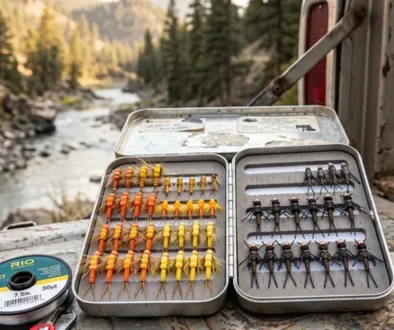
- Poppers/Deer Hair: Dahlberg Divers, crease flies in chartreuse, black, or bluegill colors. Walk ‘em.
- Streamers: Clouser Minnows, woolhead sculpins, articulated monsters in olive/white.
- Surface Bugs: Mice, frogs for explosive eats.
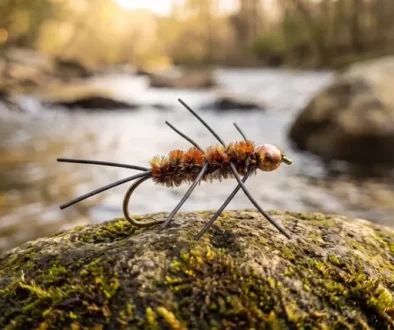
- Nymphs/Wet Flies: For deeper or pressured fish—beadhead crayfish, leeches.
Techniques & Locations:
- Docks & Boathouses: Legal to fish under/around (be polite). Sidearm casts tight to pilings. Strip fast.
- Coves & Upper Arms: Shallow brush, fallen trees. Early season gold. Roanoke arm above Hales Ford, Blackwater around B26.
- Main Lake Points & Shoals: Deeper structure in summer. Sink tips and long strips.
- Hidden Channels & Ditches: Scan for bait balls; drop flies into wolf packs.
- Windy days: Use it to your advantage for longer drifts. Crowds: Fish early or hit lesser-known coves.
Real Talk: The lake gets pressure. Sight-fish spawners in spring but practice ethics. Big fish exist—5+ pounders aren’t unicorns.
What to Eat, Drink, and Do When You’re Not Casting
Fuel up and unwind.
Eats: Drifter’s (American classics), Vinny’s Italian, Mangos Bar & Grill (waterfront tacos, views). Fresh seafood, burgers, Southern comfort. Bridgewater Plaza for casual bites and feeding carp popcorn (kid bonus).
Drinks: Local wineries, breweries nearby. SML Wine Festival in fall.
Do: Hike state park trails, boat rentals, swimming beaches, Booker T. Washington site, D-Day Memorial. Golf at Mariners Landing. Evenings: Sunset cruises or fire pits.
Sample Itineraries
3-Day Quick Hit (Spring/Fall): Day 1: Arrive, rent boat or launch, dawn fish upper coves. Evening poppers. Day 2: State Park exploration + main lake points. Day 3: Hidden gem hunt, eat big, head out.
7-Day Epic (Summer Shoulder): Mix early fishing, midday downtime, evening sessions. Add family activities, winery stop. One full guide day for hotspots.
Hidden Gems: Spots That’ll Make the ‘Gram Crowd Jealous
- Islands (anchor, explore, fish shores).
- Lesser coves off main channels with brush piles.
- Craddock Creek Lighthouse area vibes.
- Wildlife management trails for bank access.
- Secret ditch systems in creeks—find bait, find bass.
These deliver solitude and Instagram-worthy catches without the circus.
Budget Tips: Fish Hard, Spend Smart
- Camp or split rentals.
- Public ramps over marinas.
- Pack lunches, hit grocery stores.
- Shoulder seasons = cheaper lodging.
- Free/cheap: State park pier, bank spots like Scruggs Road. Total for a solo week: $800–2000 depending on style. Groups slash it.
Packing List with Attitude
- Rods/Reels: 2-3 setups. Backup because wind breaks souls.
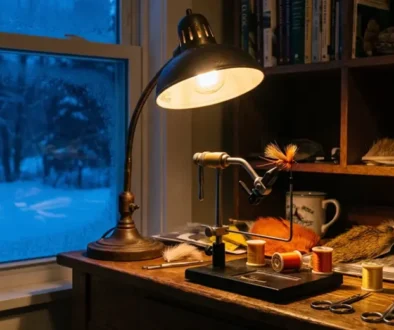
- Flies: 50+ in variety. Tie more at night.
- Clothing: Layers, rain gear, quick-dry pants, buff/hat (sun + wind).
- Boots/Waders: For bank or shallow launches.
- Essentials: Bug spray (light), sunscreen, polarized glasses, nippers, forceps, cooler with beer.
- Don’t Forget: Patience, sense of humor, extra tippet. Leave the ego at home.
FAQs
Best for beginners? Spring with a guide. Boat necessary? Helps hugely, but bank/pier possible. Licenses? Virginia fishing license + trout stamp if needed. Check DWR. Crowds/Wind/Skeeters? Weekends suck; wind is real; skeeters minimal. Fly vs Conventional? Fly shines for fun topwater; mix if needed.
Stop scrolling, book that trip to Smith Mountain Lake. Grab your 8wt, tie on a popper, and chase those Virginia bass that hit like they mean it. Whether you’re solo, with buddies, or dragging the family, SML delivers stories worth telling—and fish worth mounting (or releasing like a good angler). Hit the water, make memories, and tag us with your catches. Tight lines, you magnificent bastards. What are you waiting for? Go fish.