Conventional Tackle Fishing Smith Mountain Lake, Virginia: The No-BS Bass Guide That Actually Works
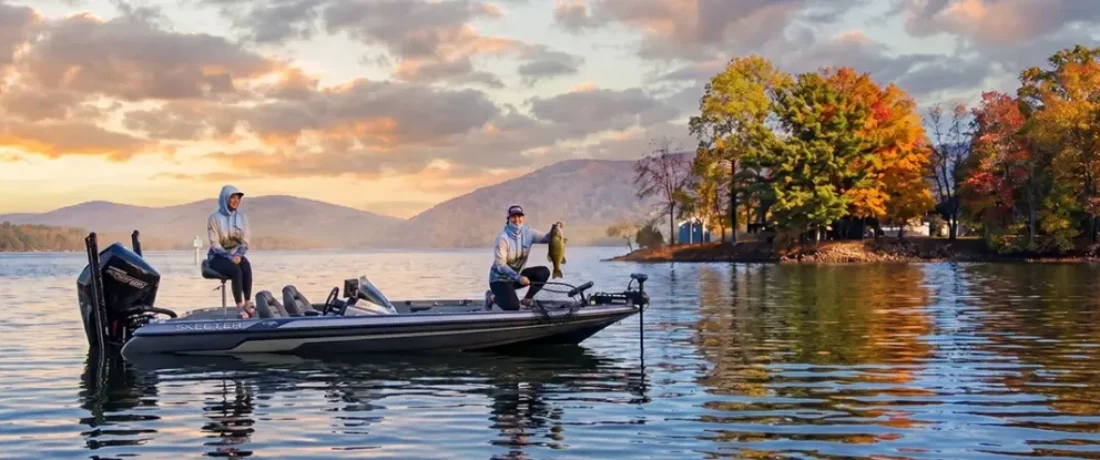
Alright, you magnificent bait-slinging heathens — welcome to the other side. While the fly rod crowd is out there double-hauling deer hair bugs and congratulating themselves on their presentation, the conventional tackle world is busy putting serious numbers in the boat at Smith Mountain Lake. And before you get defensive, nobody here is judging anybody’s method. Some days you want the meditative groove of stripping a streamer. Other days you want to bomb a crankbait 70 feet into the wind and feel a 5-pound largemouth detonate on it like it has a personal grudge.
Smith Mountain Lake — all 20,600 acres of it tucked into Virginia’s Blue Ridge — is built for both schools of thought. But conventional tackle unlocks a dimension of this fishery that fly gear simply can’t match. You can cover water when you need to cover water. You can punch through thick summer cover, reach suspended fish in 20 feet of water, or burn a lipless crankbait over a grass flat faster than a guy with a fly rod can strip in his line. This is a wind-swept, boat-pressured, highly variable reservoir where adaptability wins — and conventional gear was made for exactly this environment.
That said, SML will humble you if you walk in sloppy. Weekends in July look like a boat show that got out of hand. Afternoon wind regularly turns the main lake into a casting obstacle course. The “secret spots” everyone brags about online get fished harder than a tournament warm-up lake. But when you’re dialed in — right bait, right spot, right time — this lake produces largemouth up to 8+ pounds and bronzeback smallmouth that go airborne like they’ve been waiting all year for your lure.
Pro Note: This guide is a companion to our Fly Fishing for Bass at Smith Mountain Lake guide. If you’re a mix-and-match angler (smart move), read both.
Table of Contents
When to Go: Seasons, Crowds, and Timing Your SML Trip
Smith Mountain Lake fishes year-round for bass, but timing separates a great trip from a frustrating one. The lake sees serious recreational boat traffic from Memorial Day through Labor Day — the kind that turns prime morning flats into a wake-filled obstacle course by 9 a.m. Plan accordingly.
Spring (March–May): The Best Conventional Tackle Window of the Year
This is it. Pre-spawn, spawn, and post-spawn bass are aggressive, shallow, and making predictable movements. Largemouth stage on secondary points and creek mouths before moving to spawning flats in the backs of coves. Smallmouth are a little later and tighter to harder structure — rock piles, riprap, main lake points.
Water temps in the low-to-mid 60s trigger the pre-spawn push. This is when topwaters, spinnerbaits, and shallow crankbaits absolutely murder on SML. Fish the north and west-facing banks first — they warm fastest and pull the first wave of spawners. The Roanoke and Blackwater Arms above Hales Ford Bridge are the epicenter of spring largemouth activity. You can sight-fish spawning beds if you’ve got good polarized glass and the discipline not to blow your spot by spooking them.
Crowds ramp up from mid-April onward but are manageable compared to summer. Weekday fishing in spring is nearly as good as weekend fishing — minus the mayhem.
Real Talk: Cold fronts in March and April are brutal. A bluebird post-front day after a two-day blow will shut bass down hard. Stable weather windows of 48-72 hours after a front passes are your green light. Don’t burn a vacation day on the front itself.
Summer (June–August): Early and Late or Go Home
Summer on SML is a game of time slots. The window from first light to about 8:30 a.m. is pure gold — topwater explosions, dock fishing, and active shallow fish before the recreational fleet fires up. After that, it’s either go deep or go home.
Bass push to main lake points, submerged channel edges, and the shaded sides of docks once the surface temps climb into the 80s. Deep crankbaits, football jigs, and drop shots become your best friends at midday. The lower section of the lake below Hales Ford generally has more smallmouth, deeper points, and slightly less weekend chaos than the upper arms.
The upside: Summer nights on SML can be phenomenal. Big topwater baits worked around lit docks after dark produce some of the largest largemouth of the year. If you’re staying lakeside, don’t waste a calm evening on the couch.
Real Talk: Holiday weekends are genuinely wild. The lake turns into a floating tailgate. Fish at first light, eat a long lunch, fish again at dusk. It’s the only sane approach.
Fall (September–November): Arguably the Best Kept Secret
Cooling water, shad migration, reduced boat traffic, and aggressive bass — fall at Smith Mountain Lake is chronically underrated. As surface temps drop into the 60s, largemouth and smallmouth chase shad into the backs of creeks and pockets. This triggers one of the most visually exciting scenarios in freshwater fishing: schooling bass blowing up on baitfish near the surface.
Lipless crankbaits, swimbaits, and topwater are your weapons. When you find the shad, you find the bass — often in numbers. Work the mouth of creek arms and the transition zones between deep and shallow water. October is frequently outstanding. November pushes fish deeper as temps continue dropping, but big fish are more concentrated and easier to locate with electronics.
Real Talk: Fall foliage on SML is a legit experience on its own. Combine that with good fishing and light crowds, and you have one of the best road trips in the mid-Atlantic region.
Winter (December–February): Trophy Hunting for the Patient and the Cold
Winter fishing on SML is for the serious. The crowds evaporate. The fish are deep, slow, and concentrated — usually on main lake structure, channel bends, and the deepest docks on the lower lake. This is your best shot at a genuinely giant largemouth or a thick smallmouth that’s been feeding all fall.
Slow your presentation down dramatically. Football jigs crawled at a snail’s pace, deep crankbaits with long pauses, and drop shots on finesse setups in 15-25 feet of water are your tools. Electronics matter more in winter than any other season — if you don’t have quality sonar, you’re guessing.
Dress for it. Cold hands ruin fishing days faster than anything except maybe a dead trolling motor battery.
Where to Stay: Lodging at Smith Mountain Lake
Smith Mountain Lake State Park (Huddleston)
Cabins, tent sites, and bunkhouse options with direct lake access. It’s affordable, the grounds are well-maintained, and you’re close to some excellent early morning bank fishing. Book 6 months in advance for summer cabins — they fill up faster than you’d think.
Vacation Rentals (VRBO / Airbnb)
The best option for a fishing-focused trip, especially with a group splitting costs. Lakefront houses with private docks are available throughout the Westlake and Mariners Landing areas. Waking up 40 feet from the water and fishing before coffee is a lifestyle upgrade you’ll want to repeat. Look for properties in the Scruggs Road and Moneta areas for a balance of access and value.
Hotels and Inns
Halesford Harbour Inn and Westlake Waterfront Inn are solid options with water views and easy ramp access nearby. These work well for solo anglers or couples who want the lake experience without managing a rental house.
Camping and RV Sites
Arrowhead and Sweetwater camping areas offer budget-friendly stays with boat ramps nearby. Pack bug spray for early summer. The state park campground is the most scenic option.
Real Talk: Waterfront properties carry a premium — often $200-400/night for a rental in peak season. Inland by a short drive can cut that in half. Public ramps are solid on SML, so a private dock isn’t a necessity if you’re trailering a boat.
Gear Setup: Rods, Reels, and Line for SML Bass
SML is a reservoir with diverse conditions. Dialing in your gear for versatility is the right move.
Baitcasting Setup (Primary):
- Rod: 7’–7’6″ medium-heavy, fast action for most power applications (jigs, Texas rigs, frogs, heavy crankbaits)
- Rod: 7′ medium, moderate action for crankbaits and spinnerbaits — the softer tip loads the rod and keeps treble hook fish pinned
- Reel: 7:1 to 8:1 gear ratio for most techniques; a 6:1 for deep cranking
- Line: 15-20 lb fluorocarbon for most applications; 40-50 lb braid for heavy cover; 50-65 lb braid for frog fishing
Spinning Setup (Finesse and Light Tackle):
- Rod: 7′-7’10” medium, fast action
- Reel: 2500-3000 size
- Line: 10-15 lb braided main line with 8-12 lb fluorocarbon leader for drop shots, shaky heads, and wacky rigs
Essentials: Polarized sunglasses are non-negotiable on SML — glare off the main lake water will blind you at key moments. Quality sunglasses have saved more fish than good technique on this water.
Topwater: The Explosions That Make You Forget Everything Else
Nothing in freshwater compares to a topwater strike from a 5-pound largemouth. SML is exceptional topwater water — rich gizzard shad populations mean bass are constantly keyed on baitfish, and the lake’s miles of docks, laydowns, and shallow coves provide perfect ambush habitat for surface presentations.
Prime Conditions: Early mornings, late evenings, and overcast days from April through October. Calm water amplifies the sound and visual of your bait. Windy days? Topwater still produces in pockets out of the main blow.
Buzzbaits
The most efficient topwater search bait on SML. A 1/2 oz buzzbait in chartreuse/white or black with a clacker blade is the go-to combination. Burn it parallel to laydowns, dock edges, and shoreline vegetation in the upper arms. The key is keeping it moving fast enough to stay on top from the moment it hits the water — no countdown, no pause. A strike trailer (chunk of white grub or toad) adds vibration and gives short-striking fish a little more target.
Best conditions: Low light, choppy water, stained pockets. The Roanoke Arm and upper Blackwater in spring and early fall are topwater buzzbait gold.
Whopper Ploppers and Prop Baits
The 90mm and 130mm Whopper Plopper sizes are the most popular on SML. The 130 pulls bigger fish on average and handles wind better. Work it with a steady retrieve and occasional pause — bass will often crash it on the pause or right when you restart. Prop baits (Devil’s Horse, Heddon Torpedo) work similarly and have produced big SML fish for decades.
Target main lake points, secondary points where bait is busting, and the backs of coves in fall when shad schools are concentrated. Real talk: When you see birds working and bait dimpling, get a Whopper Plopper on that spot immediately.
Walking Baits (Zara Spook, Heddon Super Spook)
Classic walk-the-dog action that produces the most spectacular strikes SML has to offer. Chrome or bone for clearer water, black for stained conditions or low light. Slow the cadence down around boathouses and work the pauses — often a bass following the bait will commit when it stops. The Super Spook Jr. is an underrated choice for smaller profiles that match post-spawn forage.
Best post-spawn and fall. Main lake and lower lake for smallmouth.
Hollow Body Frogs and Poppers
Frogs come into their own in mid-summer when vegetation mats develop in creek pockets and cove backs. A Spro Bronzeye or Booyah Pad Crasher punched through slop and mat edges is pure big-bass medicine. Wait for the water to close behind the strike before setting the hook — swinging on the sound is the fastest way to miss every frog bite you ever get.
Poppers work the dock game beautifully — skip them tight to pilings with a sidearm cast and work them with short, sharp pops and long pauses. Anything that looks like a distressed bluegill or shad against dock structure is a serious weapon.
Crankbaits: Cover Water, Find Fish, Cash In
Crankbaits are arguably the best search tools on a reservoir as large and structurally diverse as Smith Mountain Lake. They let you locate active fish, trigger reaction bites, and cover vast amounts of water efficiently.
Square-Bills and Shallow Divers (0-6 feet)
Strike King KVD 1.5, Booyah Flex II, and Rapala DT-6 are workhorse picks. The square-bill’s deflection action around hard cover is what makes it special — bang it off dock pilings, chunk it into riprap, and let it ricochet off laydowns. That erratic deflection triggers strikes that no steady retrieve ever would.
Use shad patterns in the main lake (sexy shad, ghost minnow) and craw patterns in the upper creek arms where smallmouth and largemouth are feeding on crayfish. Spring and fall are primary seasons; any time water temps are under 72°F, shallow cranks are in play.
Lipless Crankbaits (Rattling / Vibrating)
Rat-L-Trap, SPRO Aruku Shad, and Strike King Red Eye Shad for ripping over grass and submerged vegetation. The technique that produces on SML is the controlled rip — let the bait sink into or near the grass, then snap the rod tip up sharply to rip it free, then pause. Strikes come violently on the pause as bass inhale the bait on the drop.
Fall is the prime season when bass are chasing shad aggressively. Silver and chrome patterns for clear conditions; chartreuse and gold for stained water. A 1/2 oz is the standard; bump to 3/4 oz in wind or current.
Mid-Depth Divers (Strike King 5XD, Megabass Vision Oneten+1, Rapala DT-10)
The transition depth from 6-12 feet — exactly where SML bass stage on secondary points in late spring and early fall. These are exceptional search tools. Long casts along channel edges and point transitions. A steady medium-speed retrieve with an occasional pause gets them running at the right depth. The hard tick of a crankbait hitting rock at depth is one of the best sounds in bass fishing.
Deep Divers (Strike King 6XD, 8XD, Megabass Big M, Rapala DT-14 to DT-20)
Summer and winter weapons for reaching bass on main lake ledges and deeper structure. The technique is patience — long casts (maximize your running depth), a slow, grinding retrieve, and pauses at any change in bottom composition. A thump at 15-20 feet that turns into drag-stripping runs is the payoff.
Forward-facing sonar has changed the deep crankbait game on SML. If your group uses it ethically, it helps you identify depth and mark fish to dial in the exact presentation. If you don’t have it, read the contour maps and grind the prominent main lake points on the lower end of the lake.
Spinnerbaits and Chatterbaits: The Dirty Weather Specialists
When the sky turns gray, the wind picks up, and conditions get ugly, two categories of bait become disproportionately valuable: spinnerbaits and chatterbaits.
Spinnerbaits
A 1/2 to 3/4 oz double willow blade in white/chartreuse is the standard SML spinnerbait configuration. The willow blades generate flash and allow a faster retrieve in clearer water; a tandem willow/Colorado blade in more stained conditions gives you both flash and thump.
Slow roll them along dock edges and points at depths of 3-8 feet — the bait helicopters naturally on pauses around laydowns, which is when strikes often come. Spring pre-spawn is the best window, but spinnerbaits produce SML bass from March through November in the right conditions.
The Roanoke Arm’s riprap banks and dock-lined channels in the middle sections of SML are prime spinnerbait water. Cover ground, stay efficient, follow up with a slower bait when you get a follow.
Chatterbaits (Bladed Jigs)
Z-Man ChatterBait in 3/8 or 1/2 oz with a swimbait or craw trailer displaces water like nothing else in the tackle box. The vibration calls fish from a distance — in off-color water, thick cover, or high wind, a chatterbait finds the fish that a quieter bait would walk right past.
Work them through shallow pockets, around brush piles, and over grass edges. The trailer selection matters — a 3.5″ paddle tail swimbait gives you a cleaner, faster-paced presentation; a craw trailer slows it down and makes it look more like a fleeing crayfish. Match the hatch based on what you’re seeing on the surface or what the fish are keyed on that day.
Soft Plastics: When the Lake Gets Pressured and Picky
SML gets fished. Hard. Especially on weekends from April through September. After a high-pressure weekend with dozens of boats working the same docks and points, finesse presentations and natural-looking soft plastics become essential.
Worms, Senkos, and Stick Baits
The 5-7″ straight worm Texas-rigged with 3/0-4/0 hook and 1/4-3/8 oz tungsten weight is one of the most consistently productive setups on any pressured fishery. Flip it to laydowns and pitch it under dock edges. Green pumpkin, black/blue, and watermelon red are the SML staples.
Senkos (or any similar stick bait — Missile Baits Quiver, YUM Dinger) on a wacky rig are devastating around dock pilings. No weight, light wire hook, and a slow, natural fall with the bait shimmying on both ends. Smallmouth crush these around rocky structure and transitions. It’s a slower game but produces when everything else stalls.
Creature Baits and Craws
A 3.5-4.5″ craw bait on a football jig or Texas rig pitched to rock piles, riprap, and brush piles is the backbone of SML smallmouth fishing. Missile Baits D-Bomb, Strike King Rage Craw, and Zoom Ultra Vibe Speed Craw are local favorites. Green pumpkin in clear water, blue-black in stained conditions.
Drag them slowly across rocky transitions — smallmouth intercept them on the bottom. A subtle twitch followed by a long, slow drag is more effective than constant action. Let the bait do the work.
Flukes and Soft Jerkbaits
Pearl, shad, or white-colored Zoom Super Flukes on a 4/0 wide-gap hook, fished weightless or with a very light nail weight. Twitch-twitch-pause near surface structure, over submerged points, or around bait schools. The erratic darting action on the pause drives bass crazy. It’s one of the most overlooked presentations on SML — everybody’s got a fluke in their box, but few people fish it consistently.
Drop Shots and Shaky Heads: The High-Pressure Finesse Tools
When the main lake is covered in boats and bass have seen every bait in the catalog, finesse saves the day. A drop shot with a 4-6″ finesse worm or minnow-style bait suspended 12-18″ off the bottom over main lake structure is your best summertime midday weapon. Keep the bait moving with subtle shakes — you’re imitating a baitfish holding in the water column, and suspended bass cannot ignore it.
A shaky head with a 5-7″ worm on main lake points fished slowly on a spinning rod is equally effective. The exposed hook on a shaky head allows for incredibly subtle presentations in clear water — use 10-12 lb fluorocarbon and keep the rod angle steady for maximum feel.
Swimbaits, A-Rigs, and the Big-Fish Weapons
SML’s gizzard shad population is the reason big baits work here. When bass are feeding on 4-6″ shad, a 3″ drop shot worm looks like hors d’oeuvres. Match the size of the forage and you get the size of the fish.
Big Swimbaits
Megabass Magdraft 6-8″, Huddleston Deluxe, and similar large paddle tail or glide-body swimbaits slow-rolled past bait balls and along main lake structure produce the biggest largemouth and smallmouth on SML. These are trophy baits — don’t expect numbers, but when one hits, you’ll remember it.
Glide baits like the KGB Chad Shad and Deps Slide Swimmer around deeper docks and main lake transitions. The side-to-side action draws fish from a distance and produces some of the most violent strikes you’ll experience in freshwater.
Fall and winter are the prime big swimbait seasons — shad are schooled up, bass are feeding heavily to build reserves, and the bigger profile gets noticed.
A-Rigs (Alabama/Umbrella Rigs)
A multi-wire umbrella rig with 3-5 small swimbaits mimicking a shad school is as close to cheating as you can legally get on some Virginia waters. Check current Virginia DWR regulations before rigging one up — hook and wire limits apply. When legal and deployed correctly, A-rigs on main lake points and over submerged channels absolutely hammer suspended bass. Slow roll them or let them helicopter on a controlled fall into fish marked on your sonar.
A 3-wire mini A-rig with 3.5″ paddle tails is a more practical alternative that’s easier to cast, still deadly, and legal under most configurations.
Jigs: The Year-Round Backbone of SML Bass Fishing
If you had to pick one bait category to fish SML for an entire year with nothing else, the argument for jigs is legitimate. They work in every season, at every depth, and produce both largemouth and smallmouth.
Football Jigs
A 3/8-1/2 oz football jig with a matching craw or chunk trailer dragged along main lake points, rock piles, and channel edges is the single most consistent deep-water technique for SML smallmouth and largemouth. The football head doesn’t hang up on rocks like a round or arky head — it rolls over structure naturally and keeps the bait in contact with the bottom.
Green pumpkin and black/blue are the bread-and-butter color combos. In cleaner, clearer water conditions on the lower lake, browns and natural craw patterns produce. Drag it slowly, pause it at transitions, and stay patient. Big bites come when you least expect them.
Swim Jigs
A 3/8 oz swim jig with a paddle tail trailer is a tremendous covering tool for docks, shallow wood, and vegetation edges. You can work it at multiple depths and speeds — burn it near the surface, or slow roll it at 3-5 feet. The weedless design lets you fish places that would eat a crankbait alive.
Chartreuse/white around docks in stained water. Natural shad or green pumpkin in clearer conditions.
Pitching and Flipping Jigs
A 1/2-3/4 oz arky-head jig with a heavy craw trailer, pitched tight to dock pilings, laydown pockets, and boat house corners. This is precision fishing — 10-15 foot pitches that drop the bait vertically into the strike zone without a splash. It requires patience and a willingness to work one piece of cover thoroughly before moving. The reward is a dock-dwelling largemouth that hasn’t been tempted by anything all day.
Where to Fish: The Best Spots on Smith Mountain Lake
Roanoke Arm (Upper Lake, Above Hales Ford Bridge)
This is the premier largemouth arm on SML. Shallower, more vegetation, more laydowns, and more dock-lined coves than the main lake. Spring pre-spawn staging and spawning activity is heavily concentrated here. Look for north-facing banks that warm quickly, secondary creek mouths off the main arm, and brush piles near channel edges. This is topwater, spinnerbait, and shallow crankbait territory from March through May.
Blackwater Arm
The secondary arm above Hales Ford is similar structure to the Roanoke but often slightly less pressured because it’s narrower and harder to navigate at speed. Excellent largemouth cove fishing in spring and fall, good dock fishing year-round. The upper sections have excellent laydown cover that holds fish from March through October.
Main Lake (Below Hales Ford Bridge)
The lower section of SML shifts toward a more classic highland reservoir feel — deeper, cleaner water, harder structure. This is where you’ll find the bulk of the smallmouth population, the best deep crankbait opportunities, and the most serious structure fishing (points, channel bends, submerged creek channels). The deeper docks on the lower lake hold both species year-round and are the primary winter target.
Hales Ford Bridge Area
The bridge itself and the area immediately surrounding it are a year-round fish magnet. Bridge pilings, riprap approaches, and the depth change underneath the bridge hold largemouth and smallmouth in every season. It gets pressure, but it’s also that good. Fish it early or fish it patient.
Main Lake Points and Secondary Points
Every pronounced point on SML holds fish at some point during the year. Learn to identify the productive ones — those with a sharp drop on at least one side, nearby bait school activity, or transition from hard to soft bottom — and work them thoroughly at multiple depths across seasons.
Creek Mouth Transitions
Where a tributary creek empties into a cove or arm, you have a natural funnel for baitfish movement. Bass stage on these transitions year-round. In fall especially, creek mouths become ambush points as shad move in and out with temperature and feeding activity.
Riprap Banks
The dam face, road causeways, and any rip-rap shoreline on SML is prime smallmouth territory. Work spinnerbaits and crankbaits parallel to the rock rather than perpendicular — you stay in the strike zone longer and cover more productive bottom.
Docks and Boathouses
SML has an extraordinary density of private docks, covered boathouses, and dock systems. These are year-round fish holders — shade in summer, warmth (relative) in winter, ambush cover in all seasons. Fish dock shades tight and be respectful of private property. Side-arm casts and skipping techniques to punch baits into the darkest corners produce the best results.
Important: Always observe right-of-way and be courteous around private docks. The fishing is good enough that you don’t need to do anything that’ll get you removed from a stretch of shore.
Seasonal Breakdown: What’s Working and Where
| Season | Depth | Top Baits | Best Areas |
|---|---|---|---|
| Spring (Mar–May) | Shallow, 2-8 ft | Spinnerbaits, shallow cranks, topwater, jigs | Roanoke Arm, Blackwater Arm, cove flats |
| Summer (Jun–Aug) | Deep, 12-25 ft (dawn/dusk shallow) | Deep cranks, football jigs, drop shots, topwater early/late | Main lake points, lower lake, docks |
| Fall (Sep–Nov) | Mid-depth transitional, 6-15 ft | Lipless cranks, swimbaits, topwater, spinnerbaits | Creek arms, main lake, bait schools |
| Winter (Dec–Feb) | Deep, 15-30 ft | Football jigs, deep cranks, drop shots, finesse | Main lake structure, lower lake, deep docks |
What to Eat, Drink, and Do Off the Water
Eating and Drinking
Drifters Restaurant on the lake is the go-to for a post-fishing meal — American comfort classics, cold beer, solid views. Mangos Bar and Grill delivers on waterfront tacos and solid drinks without the pretense. Vinny’s Italian for something a step above cooler food. Bridgewater Plaza near the bridge has casual eats and is worth a stop for supplies.
Local wineries and craft breweries are scattered within short drives — stop in during a midday weather window when you’re off the water anyway.
Things to Do Off the Water
Smith Mountain Lake State Park has legit hiking trails with Blue Ridge views that pair well with a fishing trip. The park’s swimming area and fishing pier give non-fishing companions something useful to do. The D-Day Memorial in nearby Bedford is one of the most undervisited and genuinely moving historical sites in the mid-Atlantic and is worth a half-day detour. The Booker T. Washington National Monument is within reasonable driving distance.
Evenings at SML are legitimately beautiful — the lake is surrounded by mountains and the sunset over the water is the kind of thing that reminds you why you don’t just fish out of a stock pond.
Budget Tips: Fish Hard, Spend Smart
- Camp at the state park or split a vacation rental with 3-4 anglers. A $1,500/week lakefront house split four ways is $375 per person — better than a mediocre hotel room.
- Use public ramps rather than marina launches. SML has solid public access points that save you $10-25 per launch.
- Pack a cooler with lunch and snacks rather than running to the marina store. A $5 gas station sandwich adds up over five days.
- Fish shoulder seasons. April, early May, September, and October cut lodging costs significantly and produce better fishing than peak summer.
- Buy bait before you get to the lake. Lake-adjacent tackle shops have a captive audience pricing model. Restock at a Bass Pro or Academy on your way in.
Solo week realistic budget: $700–$1,500 depending on style, boat situation, and whether you’re sleeping in a tent or a lake house.
Packing List: What to Bring (and What to Leave Home)
Tackle:
- 6-8 rod/reel setups covering: topwater, shallow crankbait, deep crankbait, spinnerbait/chatterbait, Texas rig/flipping, finesse spinning, jig, frog
- Polarized sunglasses — non-negotiable, bring a backup pair
- Pliers, clippers, scales, lip grippers
- Tackle organization: at minimum 4-6 large utility boxes sorted by technique
Clothing:
- Lightweight moisture-wicking base layer
- Waterproof shell for afternoon storm potential
- Buff/sun gaiter, quality hat with full brim
- Quick-dry fishing pants and shorts
- Dedicated boat shoes or wading sandals — SML boat ramps get slippery
Safety and Essentials:
- Sunscreen (SPF 50+, apply before you step on the boat)
- Insect repellent (minimal skeeters on SML but not zero)
- Dry bag for phone and keys
- Fully charged phone; download onX Fishing or Navionics before you go
- First aid kit, especially tweezers for hook removal
Leave Home: The ego, the “secret bait” that’s never actually worked, and the idea that you’ll be off the water before the afternoon wind hits. You won’t be. Tie on one more rod and enjoy it.
FAQs
Do I need a boat to fish Smith Mountain Lake for bass? A boat dramatically expands your options — SML is a big reservoir with much of the best structure accessible only by water. That said, the state park pier, Scruggs Road bank access, and a few public launch areas allow meaningful bank fishing, especially in spring. A kayak or canoe opens up additional options at a fraction of the cost of a bass boat rental.
What is the best bait for Smith Mountain Lake bass? There is no single best bait, but if forced to pick three: a 1/2 oz spinnerbait in spring, a 1/2 oz football jig in summer and winter, and a lipless crankbait in fall. All three have produced trophy fish at SML across decades.
How do I get a Virginia fishing license? Through the Virginia Department of Wildlife Resources (DWR) online portal at dwr.virginia.gov. Non-resident annual licenses and short-term licenses are available. No trout stamp required for bass fishing on SML.
When should I avoid Smith Mountain Lake? Peak summer weekends from Memorial Day through Labor Day, particularly July 4th week. The recreational traffic is genuinely difficult and makes serious fishing a frustrating experience unless you’re on the water before 7:30 a.m. or after 7:00 p.m.
Is Smith Mountain Lake good for beginners? Yes — especially in spring, when shallow, aggressive bass are relatively easy to locate and will eat a wide range of presentations. Hiring a local guide for your first day gives you a significant education that pays dividends for the rest of the trip.
Fly rod or conventional for Smith Mountain Lake bass? The right answer is both. Conventional gear covers more water, reaches fish at more depths, and handles wind better. Fly fishing produces the most exciting topwater experiences imaginable. Check our Fly Fishing for Bass at Smith Mountain Lake guide and let the conditions decide on the day.
Stop overthinking your tackle selection, burn your spreadsheet of potential baits, and drive to Smith Mountain Lake. The bass don’t care how organized your tackle box is. They care whether your bait looks real, lands where it should, and moves like something worth eating. Get on the water before the sun clears the ridgeline, keep a rod rigged for topwater until you absolutely can’t anymore, and adapt when the fish tell you to. SML will hand you some of the best bass fishing in Virginia — and occasionally hand you your head. Both experiences are worth the drive. Tight lines, you magnificent bait-slingers.
Capt. Grumpy is the founder of Saltwateronthefly.com and has guided fly fishing trips across Montana and beyond. If this guide helped you land a fish, tag us. If it didn’t, probably user error.