Central California Fly Fishing: 5 Lakes You’re Probably Driving Past
Most anglers blow right through the Sierra foothills on their way to Yosemite. The ones who stop are catching bass, stripers, kokanee, and trout on a fly rod. Here’s where to go and exactly how to fish it.
Most people drive right past some of the best freshwater fly fishing in the West on their way to Yosemite.
Mention Central California fly fishing and most anglers picture surf-pounded beaches, kelp beds, or the Sacramento Delta. But tucked into the foothills of the Sierra Nevada — between Fresno, Sonora, and the agricultural flatlands of the San Joaquin Valley — is a collection of reservoirs and lakes that can genuinely surprise you.
Big bass. Landlocked stripers. Kokanee. Rainbow trout. And enough structure, depth change, and baitfish to keep a fly rod busy for a week.
Here are five fisheries worth your time, your tippet, and the drive.
Table of Contents
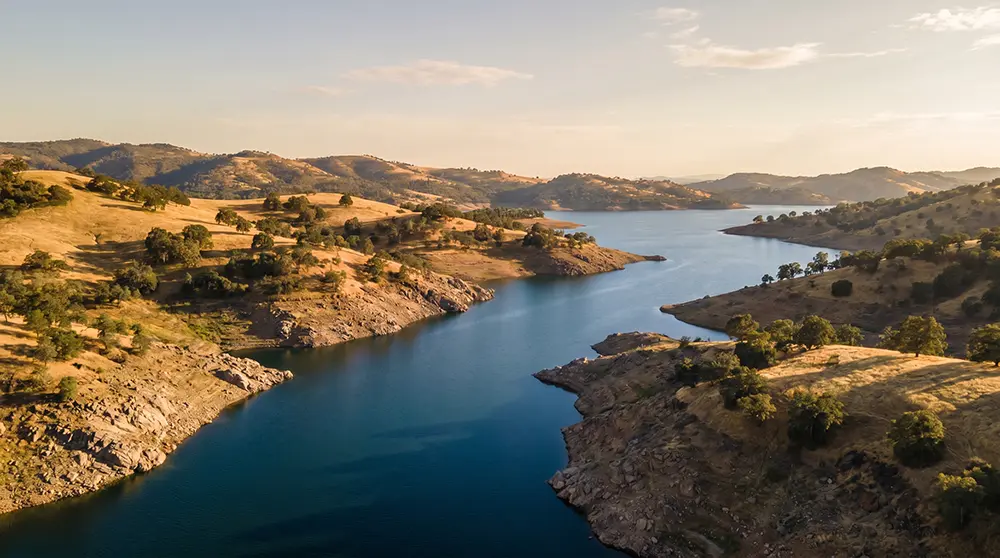
Lake Don Pedro Tuolumne County California aerial view
Lake Don Pedro — The Big Water Bass Factory
Don Pedro is a serious lake — over 13,000 surface acres when full — and it fishes accordingly. This isn’t a place to wander around blind. It rewards anglers who do their homework and fish with purpose.
What You’re After: Largemouth bass are the primary target for fly anglers, and Don Pedro has them in numbers. Through spring and early summer, fish push shad into the banks, which means streamer fishing can be exceptional. Think big, flashy, baitfish-imitating patterns stripped fast along rocky main-lake points at first light. Topwater is worth throwing at dawn before the sun climbs.
The lake hosts significant tournament pressure on weekends throughout late spring and early summer — nearly every weekend through June. Fish mid-week. You’ll have the water to yourself and the fish won’t be educated.
Fly Angler’s Edge: Everyone else is throwing lipless crankbaits and jerkbaits. You’re not. A well-placed streamer on a sinking line along submerged structure will often out-fish conventional tackle when the bite goes pressure-heavy. The difference is presentation depth and retrieve variation — two things a fly rod does better than a baitcaster when the fish are finicky.
Best Access: Launch at the main marina. Self-inspection required before launching. Check current lake levels at donpedrolake.com before you go — this is a water storage reservoir and levels change.
Bass Lake — Mountain Trout, Kokanee, and Pine Trees
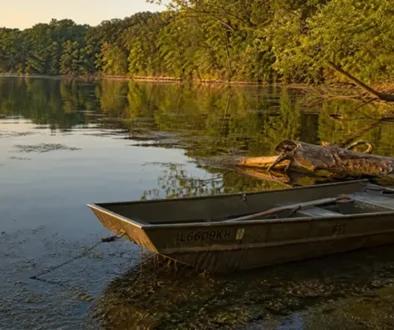
Bass Lake sits at roughly 3,400 feet in the Sierra Nevada foothills, surrounded by ponderosa pine and a short drive from the southern Yosemite entrance. It’s a beautiful lake, and it fishes as well as it looks.
What You’re After: Rainbow trout and kokanee salmon are the stars here. CDFW stocks rainbows consistently, and the kokanee population is strong — fish regularly running 15 to 16 inches, which for landlocked sockeye is worth pursuing on a fly rod. Largemouth bass round out the fishery for anglers who want to mix species.
Fly Angler’s Edge: Trout respond well to nymphs and streamers fished near shoreline structure. Dry fly opportunities exist during morning hatches, particularly in late spring. For kokanee, you’re competing with trollers running small spoons at depth — but fly anglers working shallower edges during feeding windows can intercept fish moving up to target zooplankton. It’s unconventional, but it works.
When to Go: Late spring through early fall. Summer weekends bring heavy recreational boat traffic. Get on the water before 7 a.m. or plan a weekday trip. Crowds thin dramatically after Labor Day, and the fishing stays strong into October.
Millerton Lake — Where the Stripers Live
Millerton sits at the confluence of the San Joaquin River above Friant Dam, and that river influence makes it unique among Central California reservoirs. When flows in the San Joaquin are running well, striped bass push into the lake — and that’s when things get very interesting for fly anglers.
What You’re After: Striped bass, largemouth, and crappie are the primary species. Stripers follow baitfish and are structurally tied to the old river channel running through the lake bed. Crappie school in impressive numbers around docks and marina structure in spring — groups of 20 to 100 fish are common when conditions are right. Largemouth are active along the banks, particularly in finesse situations once the sun climbs.
Fly Angler’s Edge: Striped bass on a fly rod in freshwater is one of the most underappreciated experiences in fishing. These fish hit like freight trains and don’t know they’re not in the ocean. Large Deceiver patterns, big Clousers, or brush-style flies stripped aggressively through the river channel produce explosive takes. The angler who understands tidal and current influence — even on a reservoir — and fishes transitions between moving and slack water will consistently outperform everyone else on the lake.
The San Joaquin River at Friant runs variable flows. When it’s up, fish the river channel hard. When it drops, shift to structure near main-lake points. Pay attention to the current; the fish do.
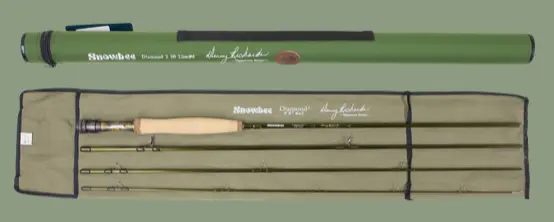
Denny Rickards Signature Nine Foot Six Weight Fly Rod
Perfect fly rod for Trout and Kokane, click image to learn more.
Lake McClure — Gold Country Bass at First Light
Lake McClure is 7,100 acres of reservoir in Mariposa County, right in the heart of California Gold Country. It’s a tournament lake with a tournament-caliber fishery — events consistently produce limits pushing 20-plus pounds. That tells you everything you need to know about the quality of fish in here.
What You’re After: Largemouth bass, kokanee salmon, and rainbow trout. Bass fishing is the headliner. The topwater bite at first light can be exceptional when fish push shad into the banks. Walking baits and poppers fished along rocky points before the sun climbs will produce.
Fly Angler’s Edge: Morning topwater for largemouth on a fly rod is chaotic in the best possible way. Deer-hair poppers, foam sliders, and large Gurglers worked along rocky banks before 8 a.m. is as fun as freshwater fly fishing gets. Once the sun climbs, drop to a sinking line and strip a Clouser or streamer through the same water where fish were busting topwater an hour earlier. The fish don’t disappear — they just go down. So do you.
Access Note: The Barrett Cove Marina is open seasonally. The Reel Deal Market and Café serves the lake on weekends. Confirm hours before you go if you’re planning a full day without supplies.
Gear List — What to Bring to Central California Reservoirs
You’re not fishing tailwaters or spring creeks here. These are open-water reservoir fisheries with structure, depth, and predatory fish that are actively hunting baitfish. Gear accordingly.
Fly Rods
Primary: 8-weight, 9-foot fast-action rod. This is your workhorse for bass and stripers. You need the backbone to turn over big streamers and fight fish in open water.
Secondary: 6-weight for trout and kokanee. Bass Lake and the trout sections of other lakes are much more pleasant with a lighter stick.
Optional: 10-weight if you’re specifically targeting stripers at Millerton and want to throw large flies with authority.
Reels and Lines
Reels: Large-arbor design with a smooth, reliable drag. Nothing special required — these aren’t bonefish, but a big striper or largemouth in open water will test a cheap drag system.
Line Setup 1 — Full Sinking (Type 3 or Type 6): Your primary setup for bass and striper work. Gets your fly into the strike zone fast. Running a Type 6 or faster is worth it when fish are holding deep in summer.
Line Setup 2 — Sink-Tip (10–15 foot section): Versatile. Good for working structure edges where you want the fly down but need to manage the retrieve angle. Excellent for timber and rocky points.
Line Setup 3 — Intermediate: When bass are suspended in the water column over deep coves, an intermediate gets you down to the zone without dragging bottom. Also good for kokanee fishing along depth edges.
Backing: 150–200 yards minimum on striper setups. You won’t usually need it — but the one time you hook a big striper in Millerton’s open water, you’ll be glad it’s there.
Leaders and Tippet
- Bass and stripers: 10–15 lb fluorocarbon, straight 4–5 foot section attached to the fly line loop. No need for a tapered leader with big streamers — it won’t help turnover and only adds complexity.
- Trout and kokanee: Standard 9-foot tapered leader, 4X or 5X fluorocarbon tippet.
- Bass in heavy structure (timber, brush): Consider bumping to 20 lb fluorocarbon. A big bass that wraps you around a submerged tree branch is gone unless your tippet holds.
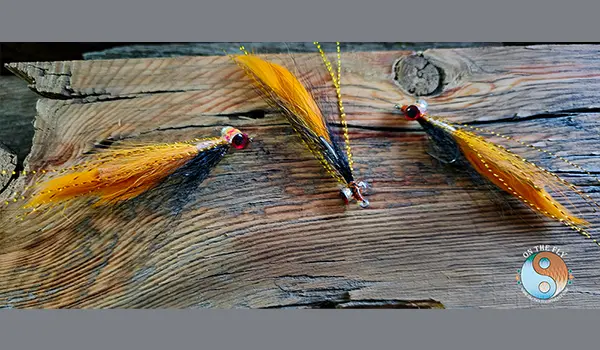
Orange Black Bunny Clouser Minnow
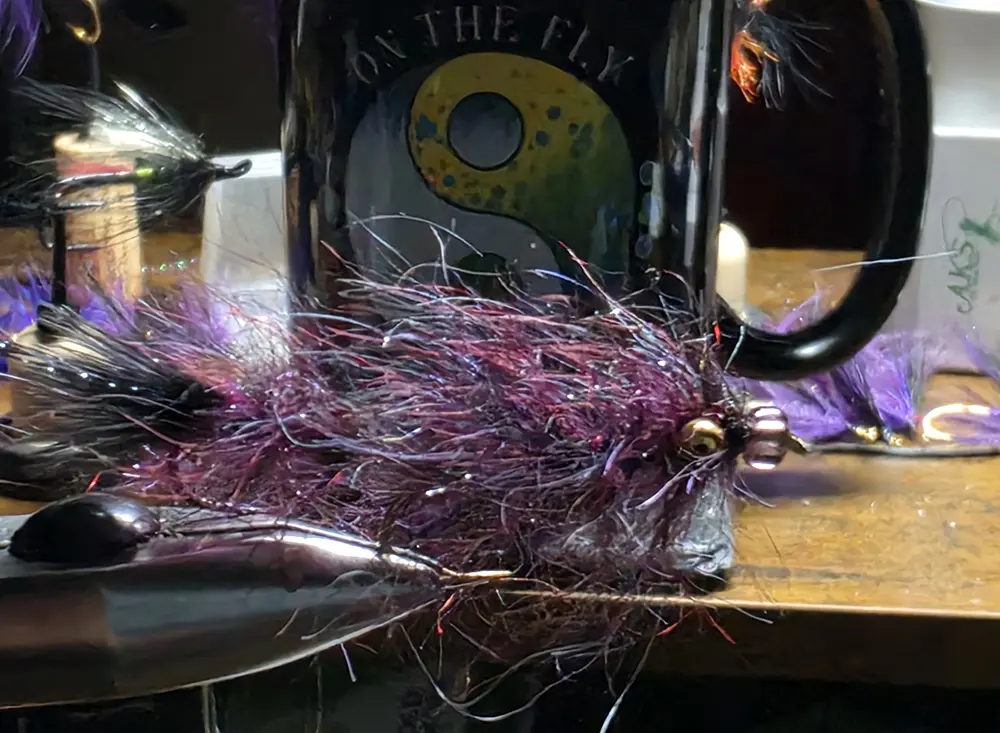
Blood Bush Fur Leech
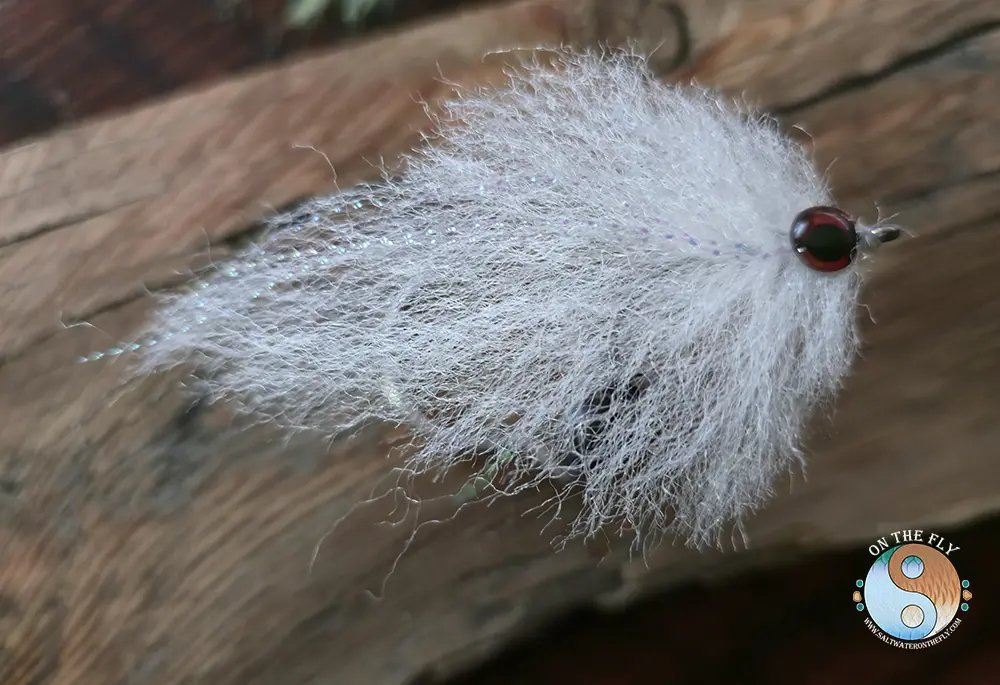
White Pelagic Forger Minnow
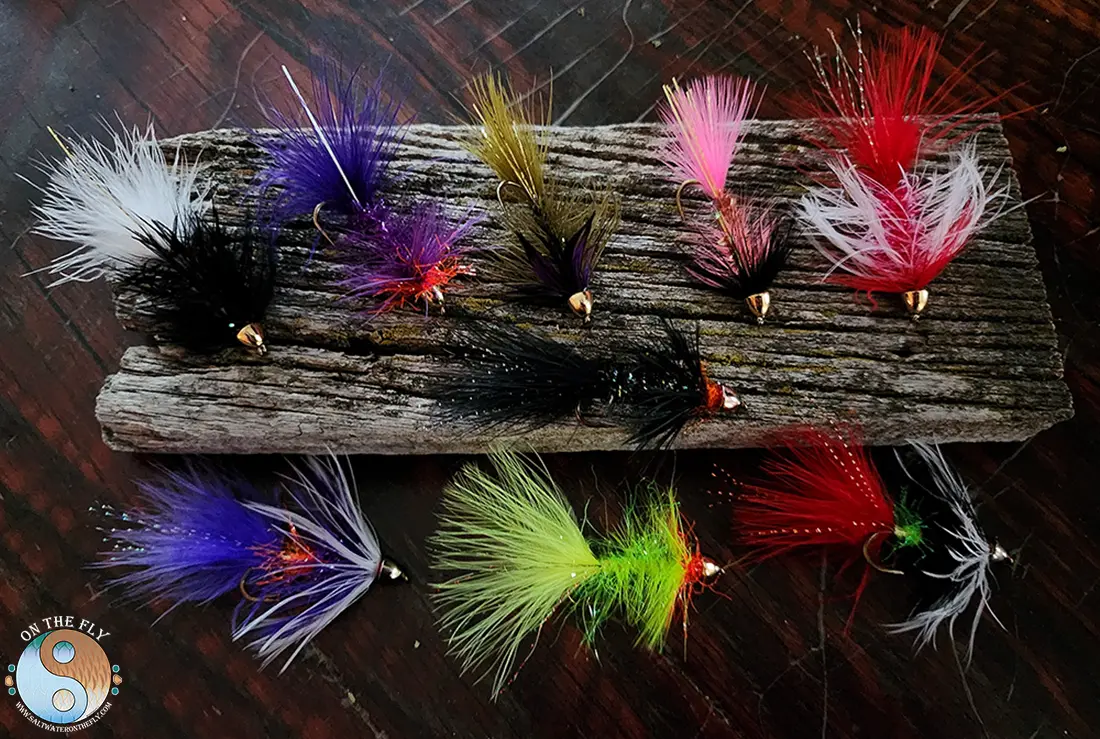
Woolly Buggers
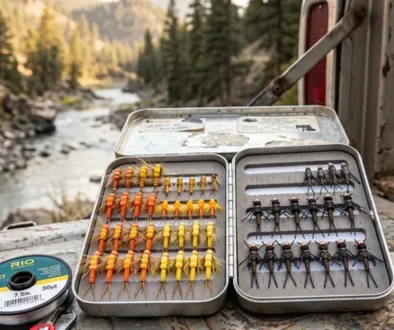
Fly Patterns — What’s in the Box for Central California
You don’t need an exotic selection. You need the right flies for the game you’re hunting. Here’s what works.
Largemouth Bass Flies
Clouser Minnow (White/Chartreuse, White/Olive, All White) Sizes 1/0 to 2/0. Clouser Minnow is one of the most versatile fly in reservoir bass fly fishing. Fishes on the drop, on the strip, and in current. If you carry nothing else, carry Clousers in three color combos.
Articulated Streamer (Any baitfish pattern) 4–6 inch articulated patterns in shad colors — white, silver, gray — work exceptionally well when bass are actively pushing baitfish into banks. The movement of an articulated fly on a strip-pause retrieve is hard to beat.
Deer Hair or Foam Popper (White, Yellow, or Chartreuse) Size 1 or 1/0. Topwater bass on a fly rod is a religion. Fish these at first light along rocky points and watch your heart rate go up. The strike is visual, violent, and absolutely addictive.
Gurgler (Chartreuse or White) When fish are active on top but not slamming hard-body poppers, a Gurgler’s subtle surface disturbance often closes the deal. Fish it with short, deliberate strips.
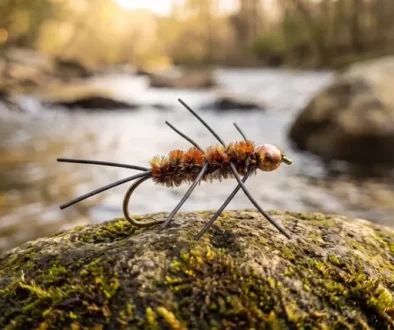
Crawdad Pattern (Brown/Orange or Brown/Purple) Bass in these California reservoirs eat a lot of crawdads. When topwater and streamers slow mid-day, drop to a weighted crayfish pattern on a sinking tip and crawl it along rocky bottom structure. It’s not glamorous. It catches fish.
Striper Flies — Millerton Lake
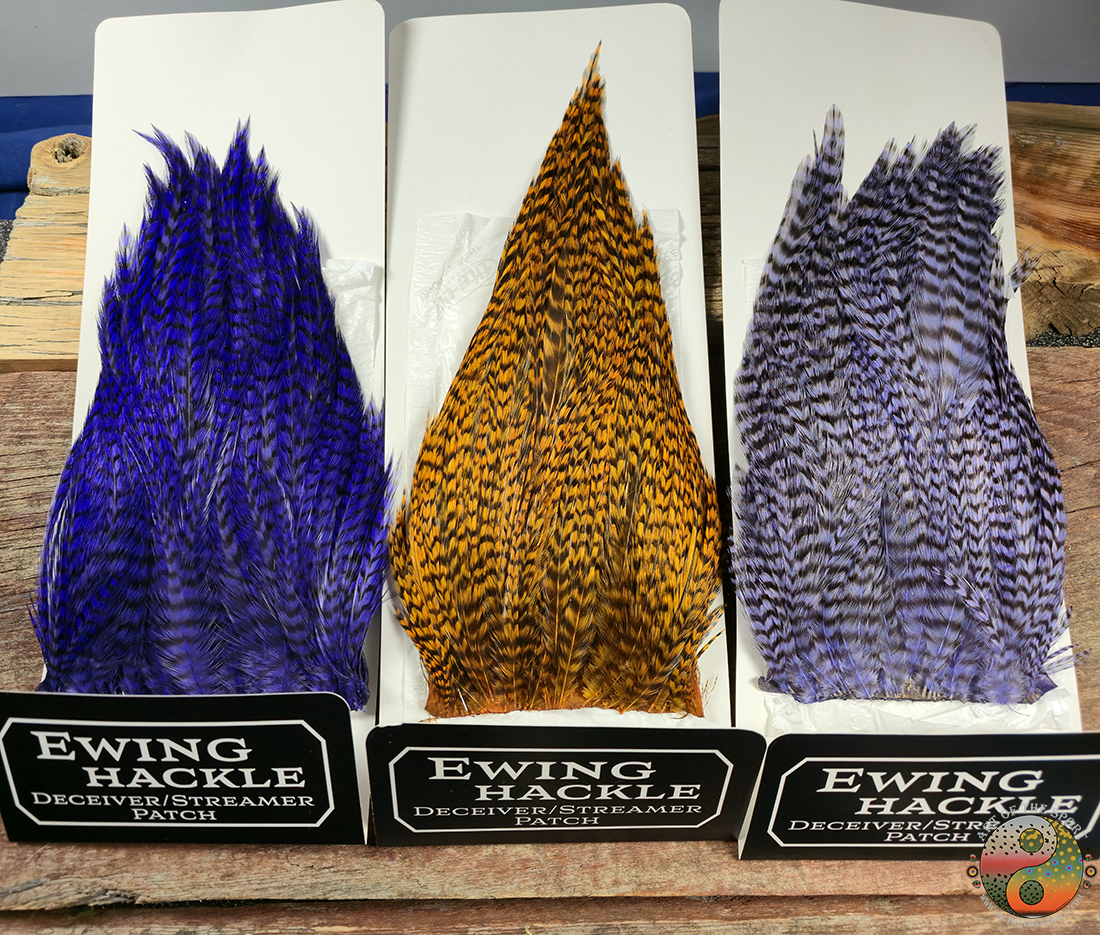
Deceiver (White/Blue, White/Chartreuse) Sizes 2/0 to 4/0. The original striper fly for a reason. Go big — you want a substantial fly that pushes water and looks like a legitimate baitfish.
Large Clouser Minnow (White/Chartreuse) Size 2/0 or larger. Heavy enough to get down in the current seams of the river channel. Strip it fast and hold on.
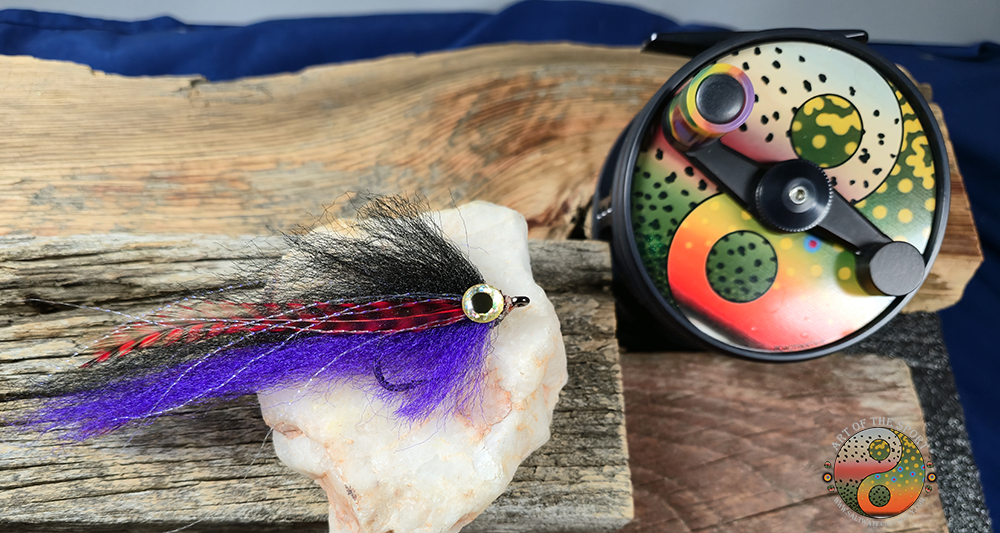
Pelagic Forger Baitfish (White or Shad Colors) The Pelagic Forger baitfish patterns have incredible water displacement and movement. For stripers that have seen a lot of pressure, the more natural profile of an Pelagic Forger pattern can make the difference. Tied with Semperfli Predator Fibres.
Trout and Kokanee Flies
Elk Hair Caddis (Tan, Size 14–16) Standard dry fly for California reservoir trout during morning hatches. Have some on you.
Hare’s Ear Nymph (Natural, Size 14–16) Works. Always works. Fish it under an indicator near shoreline structure or strip it slowly on an intermediate line.
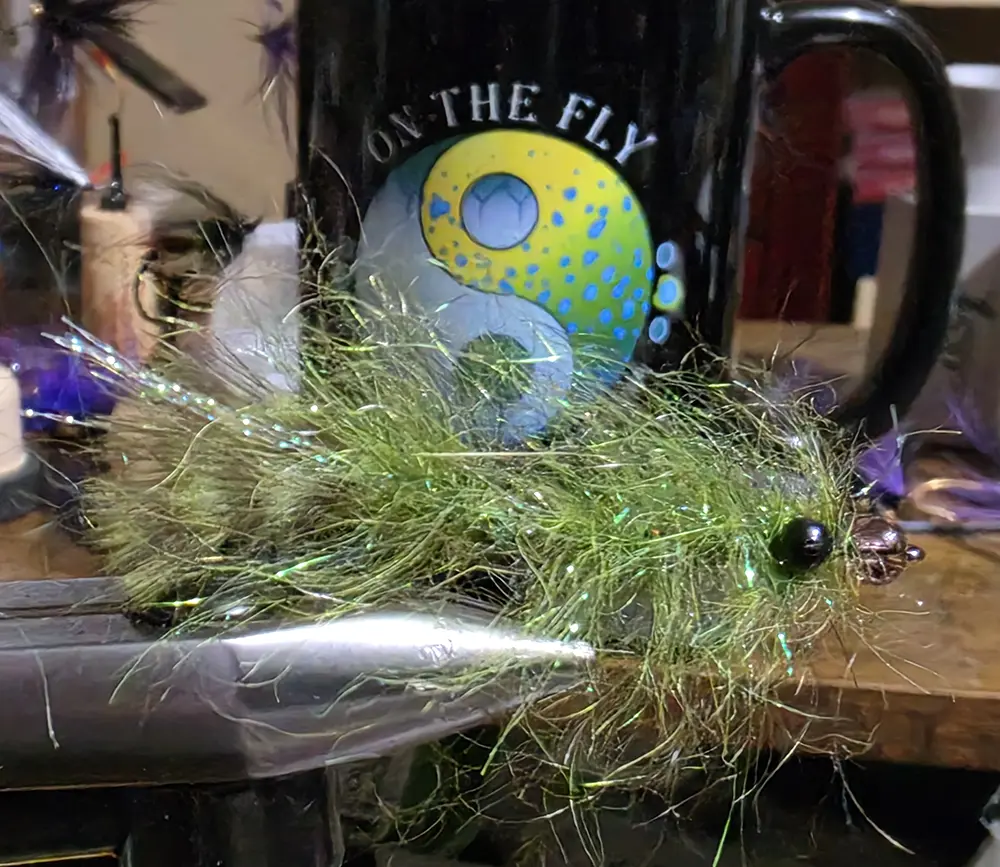
Woolly Bugger (Olive or Black, Size 8–10) Woolly Buggers the crossover fly. Works for trout, bass, and anything else that swims in these lakes. Weighted for depth, stripped with a varied retrieve.
Small Streamer / Muddler Minnow (Size 8–10) For kokanee and trout along depth edges. Strip slow, vary the pause, and pay attention to where the fish are holding relative to the thermocline.
The Bottom Line on Central California Fly Fishing
These reservoir fisheries aren’t a consolation prize for anglers who can’t make it to the coast or the tailwaters. They’re legitimate, diverse, and — especially mid-week — surprisingly uncrowded. The fish don’t know they’re not in Montana or on the flats, and they’ll eat a well-presented fly with the same aggression anywhere.
The key is preparation. Know the decontamination rules before you trailer a boat to New Melones. Check current lake levels — these are working water storage reservoirs and they fluctuate more than you’d expect. Fish early, fish structure, and don’t sleep on the striper game at Millerton. That one will get under your skin.
And if you drive right past on your way to the park — that’s fine. More water for the rest of us.
Frequently Asked Questions — Central California Fly Fishing
Do I need a California fishing license for these reservoirs? Yes. A valid California fishing license is required for all anglers 16 and older. Pick one up at any local sporting goods store or online through the California Department of Fish and Wildlife before you go.
What time of year is best for fly fishing Central California lakes? Spring (March–June) and fall (September–November) are the most productive windows across all five lakes. Spring brings active bass feeding on the shank of the spawn, and striper runs at Millerton peak in spring. Fall cools the water and gets the fish active again after summer doldrums. Summer is fishable but requires early mornings and heat management.
Can I fish these lakes from the bank, or do I need a boat? Bank fishing is possible at all five lakes, but a boat dramatically expands your access and effectiveness — especially for bass and striper work where covering water matters. Float tubes and kayaks are a solid middle ground and give you fly fishing access to water that boat anglers can’t reach quietly.
Are these lakes open year-round? Generally yes, though some marina facilities operate on seasonal schedules. Always confirm hours, ramp access, and any emergency closures before making the drive.
Have you fished any of these Central California lakes on the fly? Drop your experience in the comments.
And if you’re ready to take the fly fishing obsession somewhere with bigger water, bigger fish, and no cell service — check out what we’re doing on Saltwateronthefly.com.