Chippewa Flowage Fly Fishing: Wisconsin’s Wild Muskie Lake
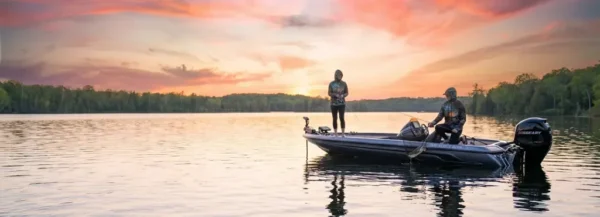
The Chippewa Flowage — Big Chip to everyone who fishes it — is 15,300 acres of wild, island-studded, weed-choked flowage water in Sawyer County, Wisconsin, and it is one of the most respected muskie fisheries in the country. Chippewa Flowage fly fishing is a serious undertaking in the best possible sense: this water demands respect, rewards preparation, and produces muskellunge of a quality that has made it a pilgrimage destination for fly fishers who have committed seriously to the species.
The Chippewa Flowage was created by flooding of the Chippewa River system in the 1920s, and the resulting 60-mile shoreline of bays, channels, islands, and weed-covered flats created muskie habitat of extraordinary quality. The flowage’s dark, tannic water — stained by the surrounding northwoods bog — is classic muskie country: warm, food-rich, complex, and unfishable without local knowledge. Hire a guide for your first several trips. This is not negotiable on the Chippewa Flowage. The water is big, the structure is complex, and the muskie’s relationship to specific spots changes throughout the season in ways that take years to learn.
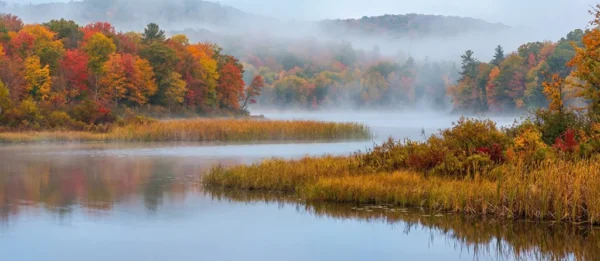
Chippewa Flowage muskie fly fishing peaks in June, when fish are post-spawn and actively feeding, and again in September and October when cooling temperatures trigger aggressive pre-winter feeding behavior. The fall window is the one that experienced Chippewa Flowage guides talk about in reverential tones — big fish, active fish, and the kind of violent strikes that happen fast and without apology.
Beyond muskie, the Chippewa Flowage offers walleye and largemouth bass fly fishing in the lake’s shallower bays and along the weed edges that extend from the flowage’s hundreds of islands. These are legitimate fisheries that get overlooked because muskie dominate the conversation.
Target Species: Muskellunge, Walleye, Largemouth Bass, Northern Pike, Panfish Best Seasons: June (post-spawn muskie) | September–October (fall muskie peak) | Summer (bass/walleye) Fly Patterns: Large articulated flies, big divers, deer hair creations, flashy attractor patterns Notable Areas: Herman’s Landing area, Teal River inlet, Ghost Bay, main flowage islands