Description
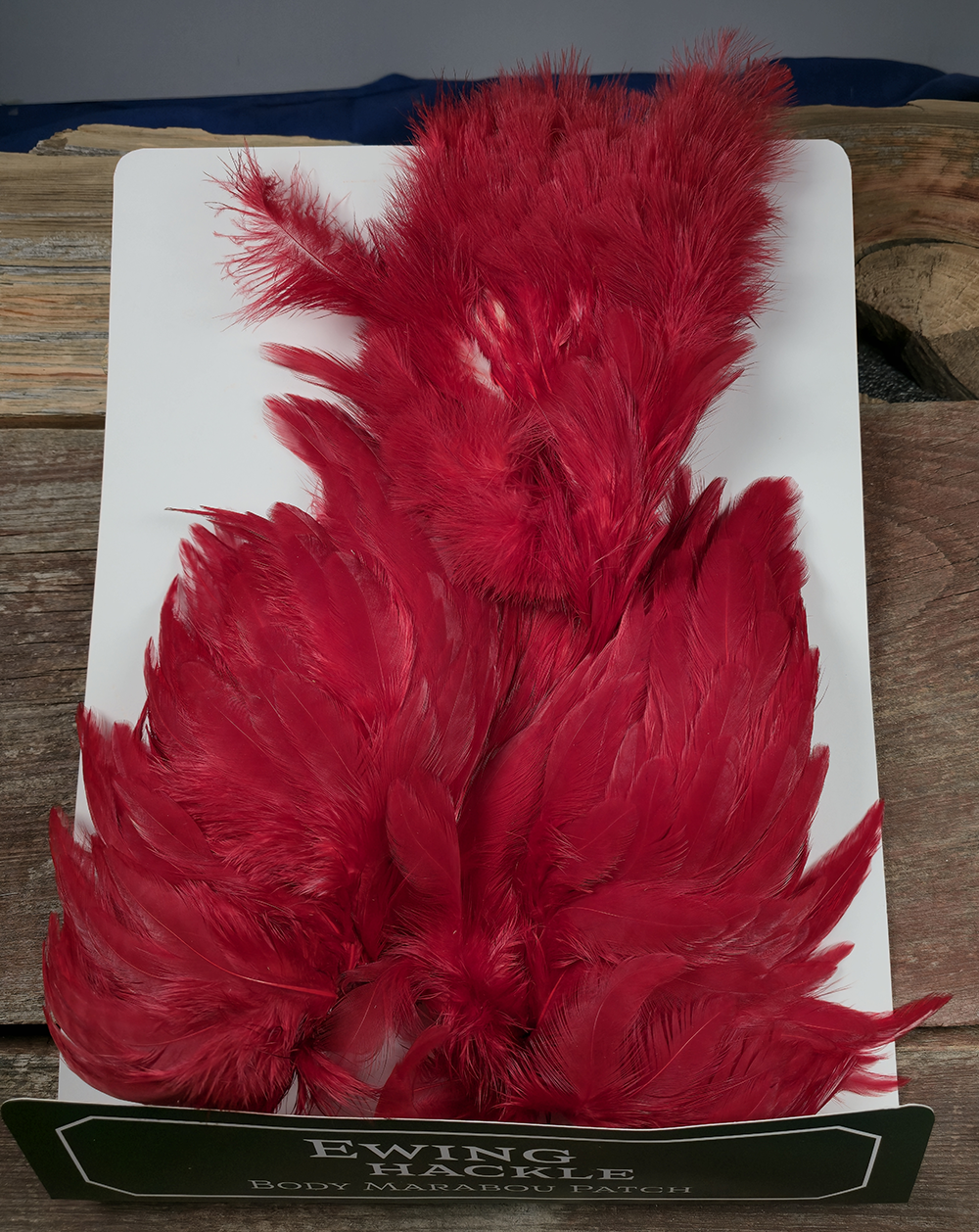
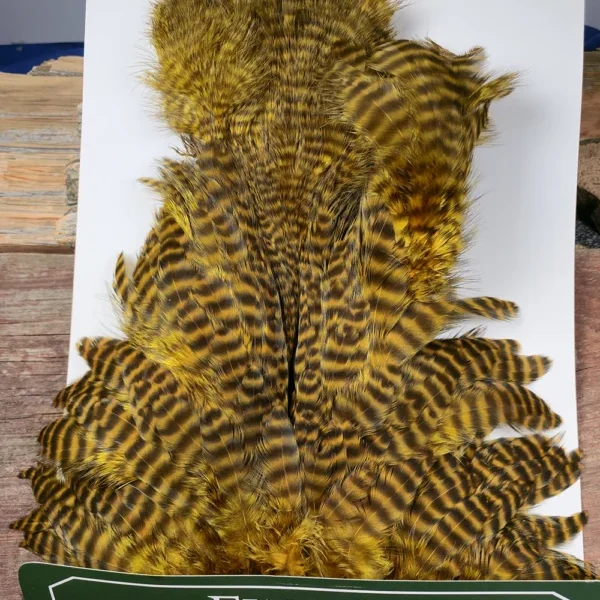
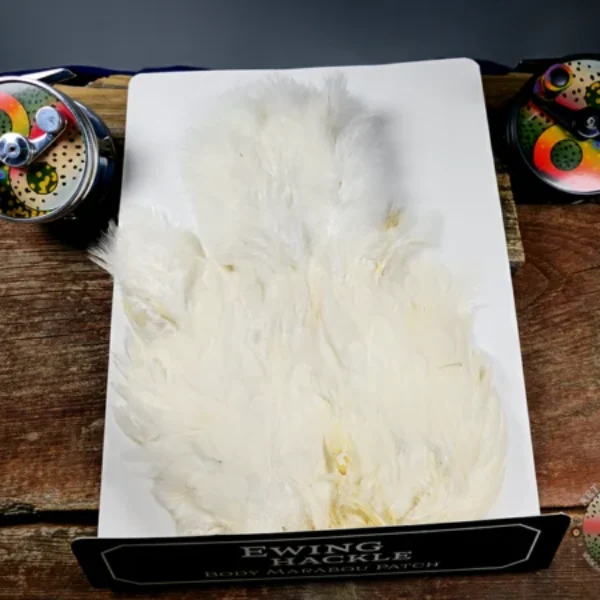
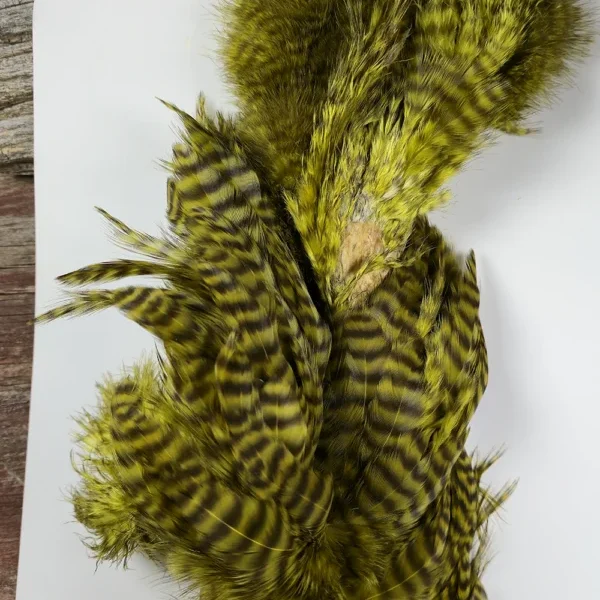
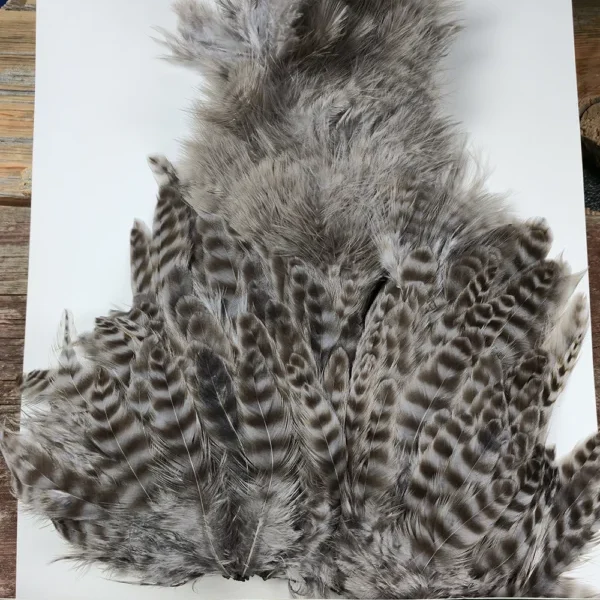
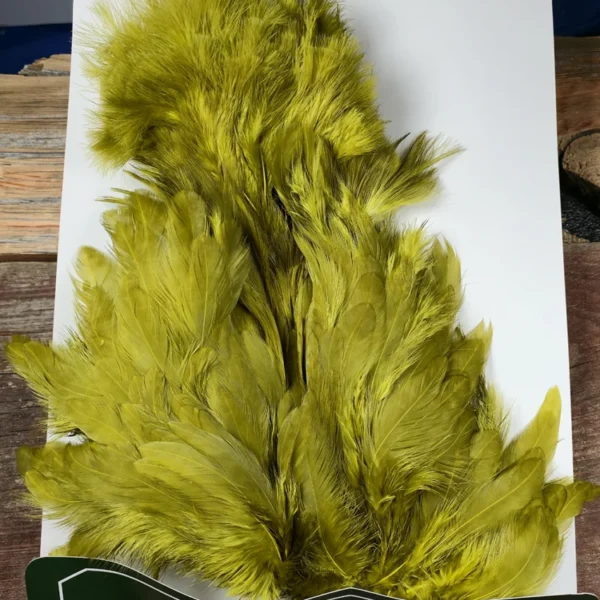
Red Ewing Chickabou Marabou Body Patch Daredevil of Colors
Red is the strike trigger. It’s the color of gills, blood and wounded prey. A little red on a fly — a throat, a tag, a collar — gives fish a target and often turns a follow into an eat.
Red Ewing Chickabou gives you bright red fibers for gill throats, hot-spot collars, bloodworm larvae and the classic red-and-white pike fly. Use it as an accent or go all-in.
Pike, muskie, bass, trout, carp, snook and steelhead.
Recipe 1: Red Chickabou Red-and-White Pike Fly
- Hook: Saltwater 3/0–4/0, with 30-lb wire bite tippet
- Thread: White 210-denier
- Tail: 4 white saddle hackles, plus silver flash
- Body: White chickabou wrapped as a full collar
- Collar: Red Ewing Chickabou, two full plumes, wrapped at the front
- Head: White bucktail or EP fiber, with large 3D eyes
Tying: Classic red-and-white, like the Daredevle spoon every pike angler has thrown. The red chickabou collar in front gives you the “head” fish aim for.
How to fish: In spring, pike move into shallow, weedy bays. Fish it on a floating or intermediate line with long, slow strips and pauses. Pike often follow and eat on the pause. Always use a wire bite tippet.
Recipe 2: Red Chickabou Bloodworm
- Hook: Curved scud hook, #14–#18
- Bead: Small red or black glass bead (optional)
- Thread: Red 8/0
- Tail: Very short tuft of Red Ewing Chickabou
- Body: Red wire or thin red Flexi-Floss, wrapped tight
- Head: Red thread or peacock herl
Tying: Keep it skinny. Bloodworms are midge larvae: thin, segmented and bright red. The tiny chickabou tail adds the wiggle.
How to fish: In lakes and slow tailwaters, fish it under an indicator about 1 foot off the bottom. Use almost no movement. Bloodworms barely swim. Stillwater trout and carp both eat them in huge numbers.
Reviews
There are no reviews yet.