Description
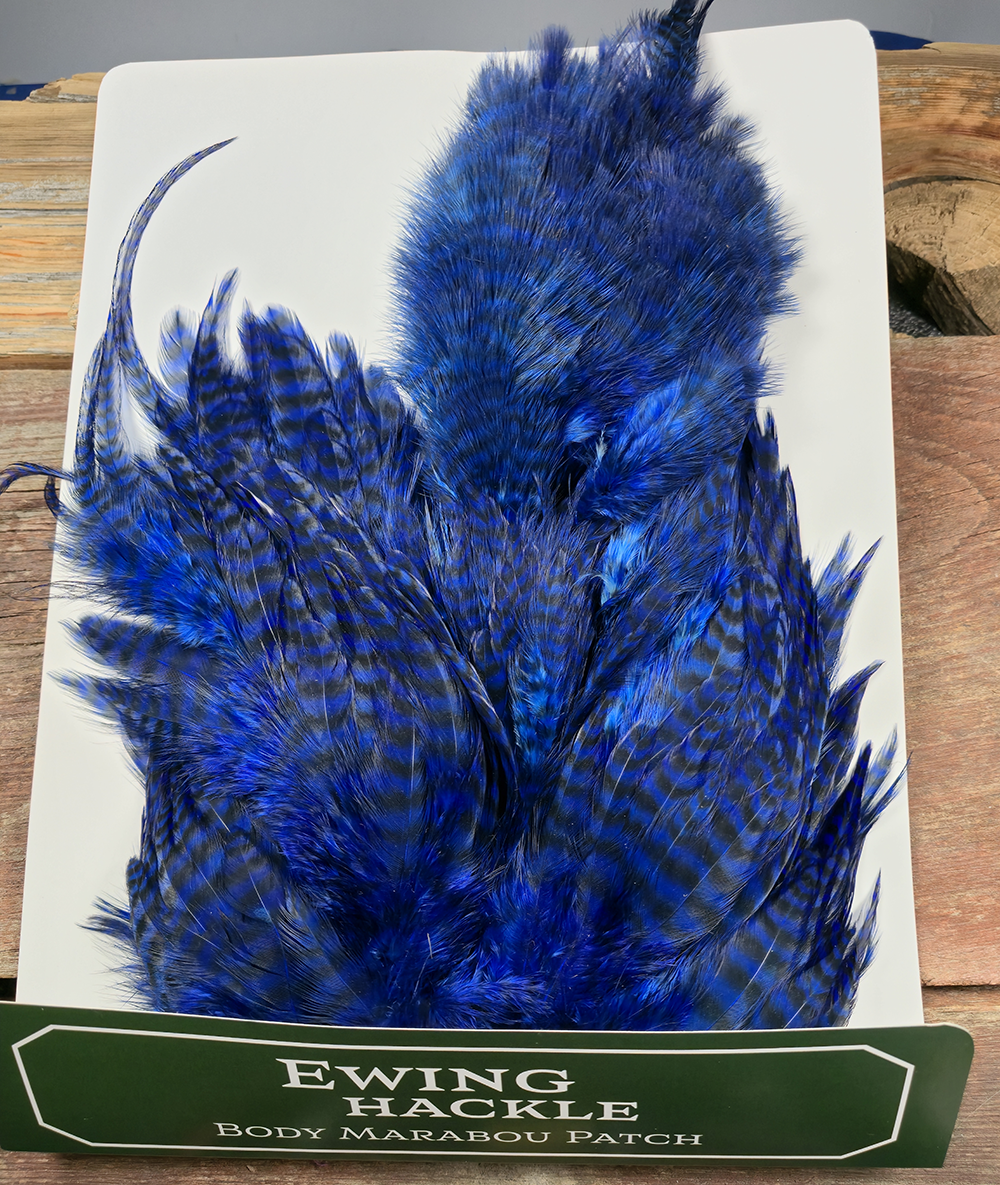
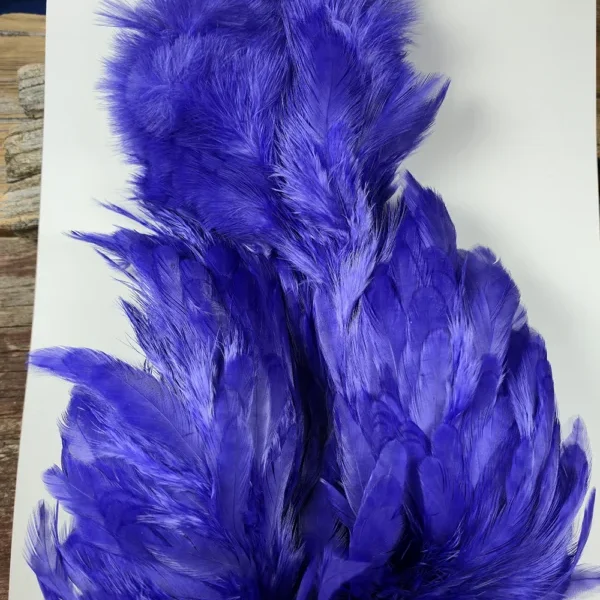
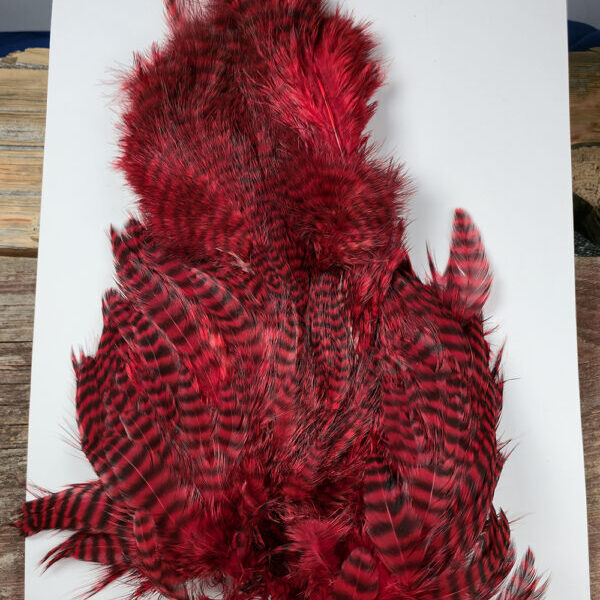
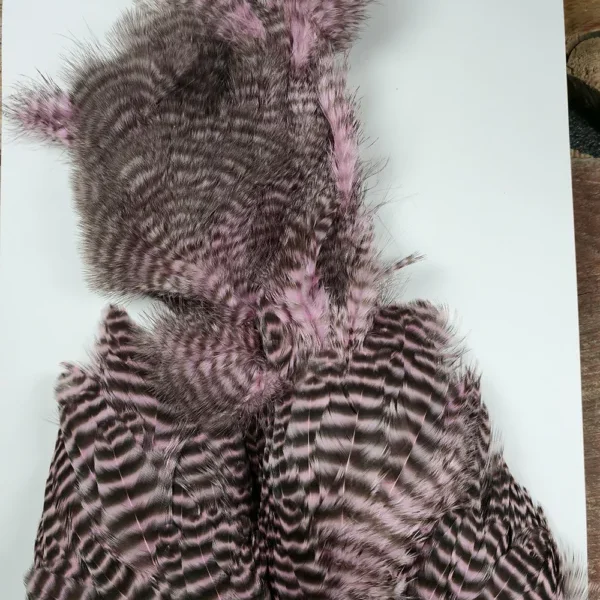
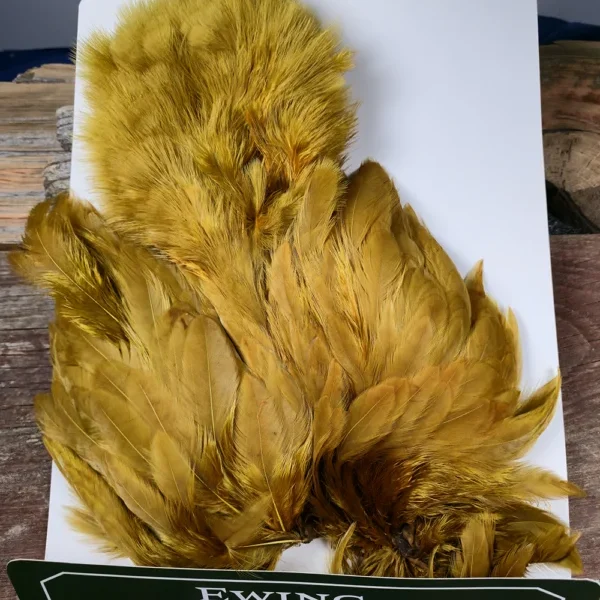
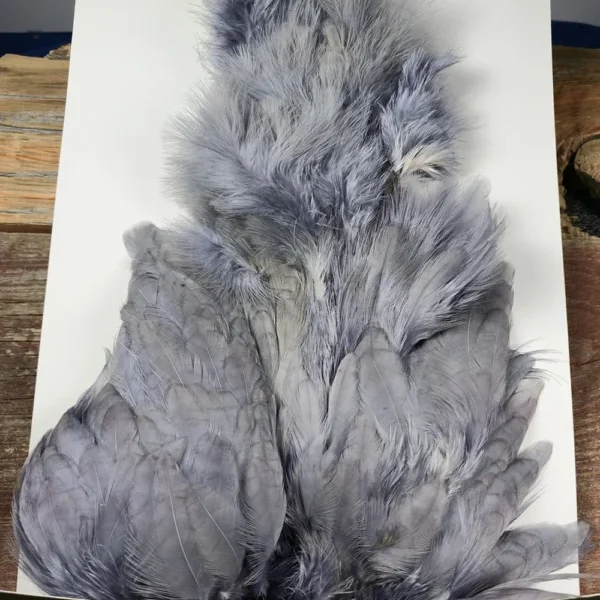
Royal Blue Grizzly Ewing Chickabou Marabou Body Patch
Royal Blue Grizzly is deep blue with dark bars, and it’s the closest thing in a feather to a bluegill’s flank. Bluegill have blue-tinged gill plates and dark vertical bars. Bass, pike and muskie eat bluegill all summer.
Royal Blue Grizzly Ewing Chickabou also works where bluegill don’t live: in South America, peacock bass tear up barred, colorful streamers, and blue grizzly is one of the best accents you can tie.
Bluegill, bass, pike, muskie and peacock bass.
Recipe 1: Royal Blue Grizzly Chickabou Bull Bluegill Bug
- Hook: Nymph or jig hook, #10–#12
- Bead: Small black or copper tungsten
- Thread: Black 8/0
- Tail: Royal Blue Grizzly Ewing Chickabou, short tuft
- Body: Natures Spirit Predator Dub, thin
- Legs: 2 thin black-and-blue rubber legs per side
- Collar: One turn of royal blue grizzly chickabou
Tying: Small and buggy. Big bluegill are not dumb. The whole fly should be under an inch.
How to fish: Around bedding areas and weed edges in late spring, cast it under a small indicator or let it sink on a floating line. Twitch it slowly. Bull bluegill hit hard and fight harder for their size than almost anything that swims.
Recipe 2: Royal Blue Grizzly Chickabou Peacock Bass Streamer
- Hook: Saltwater 2/0–3/0, strong wire
- Thread: White 140-denier
- Tail: Yellow chickabou or saddles, with Royal Blue Grizzly Ewing Chickabou on top
- Body: Yellow-green Natures Spirit Predator Dub, brushed out
- Bars: Royal blue grizzly chickabou tufts tied in at three points down the body
- Head: EP fiber or wool, with large 3D eyes
Tying: Peacock bass have three dark vertical bars and a lot of color. Tie in short chickabou tufts at three points along the body to make the bars.
How to fish: Peacock bass hit fast and hard near structure. Cast tight to fallen trees and rocks and strip fast and steady. Don’t pause long — they lose interest. Use a strong leader and a stiff rod.
Reviews
There are no reviews yet.