Conventional Tackle Fishing at Orange Lake Florida: The No-BS Guide to Bass, Panfish, and Everything Else That’ll Eat Your Lure
Conventional Tackle Fishing at Orange Lake Florida: Because Not Everyone Came Here With a Fly Rod
Look, if you showed up at Orange Lake with a conventional rod and a tackle box — you made the right call. This is 12,550 to 13,000 acres of stained, vegetation-choked, gator-patrolled, trophy-producing Florida water, and it rewards people who know how to work a spinnerbait, flip a jig, and rig a live shiner without flinching. The fly fishing crowd will tell you they have more fun. They’re wrong. They’re just wearing better hats.
Orange Lake, located in Marion County between Ocala and Gainesville in north-central Florida, sits quietly in the shadow of more famous fisheries — which is exactly why it still produces. This isn’t Disney World. There’s no gift shop at the boat ramp. What there is: largemouth bass that push double digits, black crappie stacked in the hydrilla, bluegill beds so thick in spring you’ll run out of bait before you run out of fish, and enough species variety to keep your rod bent from first light until the gators start getting curious about your stringer.
This companion guide to our fly fishing breakdown at Orange Lake is for the conventional angler — the person who wants to know what’s biting, where it’s biting, what to throw at it, and how not to get skunked on one of Florida’s most storied fisheries. Let’s get into it.
Table of Contents
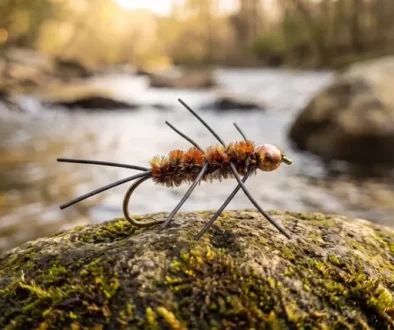
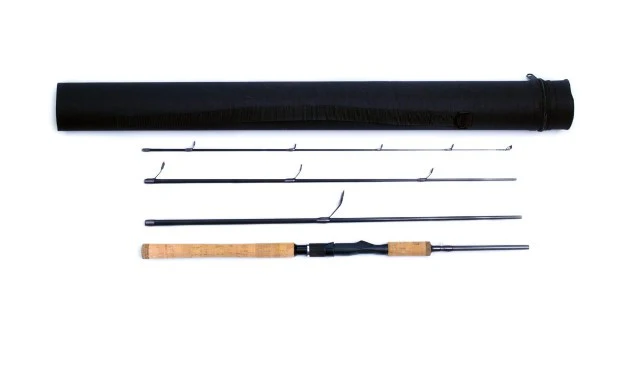
Don't Be Fooled Clouser Minnows on a 7' 10" Medium Heavy Soft Tipped Spinning Rod is Very Productive
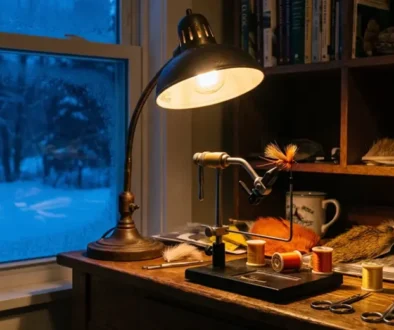
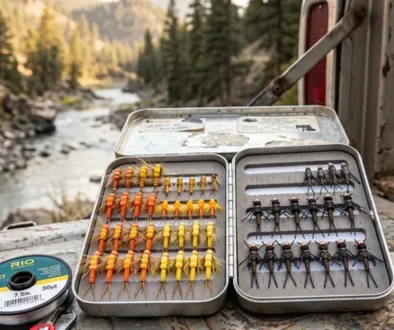
Wrapping your own jigs and poppers, six and three aught waxed thread.
Orange Lake by the Numbers
Before you load the boat, know what you’re dealing with:
- Size: 12,550–13,000 acres depending on water levels
- Location: Marion County, FL — roughly 10 miles south of Hawthorne, 25 miles southeast of Gainesville, 30 miles north of Ocala
- Average depth: 5.5 feet
- Maximum depth: 12 feet (southwest corner, McIntosh Area)
- Connected water: Lake Lochloosa (6,000 acres) via Cross Creek
- Water color: Stained — tannin-dark to tea-colored, reduced visibility
- Primary structure: Hydrilla, spatterdock, lily pads, maiden cane, floating vegetation mats, submerged grass lines
- Primary fish species: Largemouth bass, black crappie, bluegill, redear sunfish (shellcrackers), bowfin, chain pickerel, catfish, gar, Florida bass (genetically distinct strain)
- Public ramp: Heagy-Burry Park (southwest corner) — the only one that stays functional during low water
- Secondary launch: Marjorie Kinnan Rawlings State Park — excellent ramp, great access to the eastern shoreline
- Florida fishing license required: Yes. No exceptions. Buy it online before you leave home.
Largemouth Bass: The Main Event
Let’s not pretend otherwise — people come to Orange Lake for largemouth bass. Specifically, they come for the Florida Strain largemouth (Micropterus salmoides floridanus), a genetically distinct subspecies that grows bigger, eats harder, and fights meaner than its northern cousin. These fish evolved in dense subtropical vegetation, which means they’re not afraid of heavy cover, they’re not spooked by noise, and they will absolutely inhale a topwater lure at 7 a.m. with a sound that makes you forget your coffee.
Orange Lake has a long and complicated history with trophy bass production. It was slammed by a catastrophic sinkhole event in the early 2000s that essentially drained the lake and wiped out populations. But rainfall, restoration efforts, reduced pressure, and aggressive FWC management have brought it back — and then some. Local guides are now reporting consistent catches of fish in the 10–13 lb range, with afternoon trips in spring and summer producing 15–30 fish in just a few hours on good days.
What Makes This Water Different
The stained water gives bass a significant vision advantage. They can see your lure before you can see them. That means reaction baits work here — fish don’t need to study your offering long before committing. It also means color matters less than profile and action. Bass in dark water make decisions based on vibration, displacement, and silhouette. Your white spinnerbait with silver blades is deadly not because it looks like a shad — it’s because it sounds and moves like one.
The dense vegetation isn’t a problem. It’s the structure. Every edge, pocket, opening, and lane in the grass is a potential ambush zone. If you’re not getting your lure near vegetation, you’re not fishing Orange Lake — you’re just paddling around.
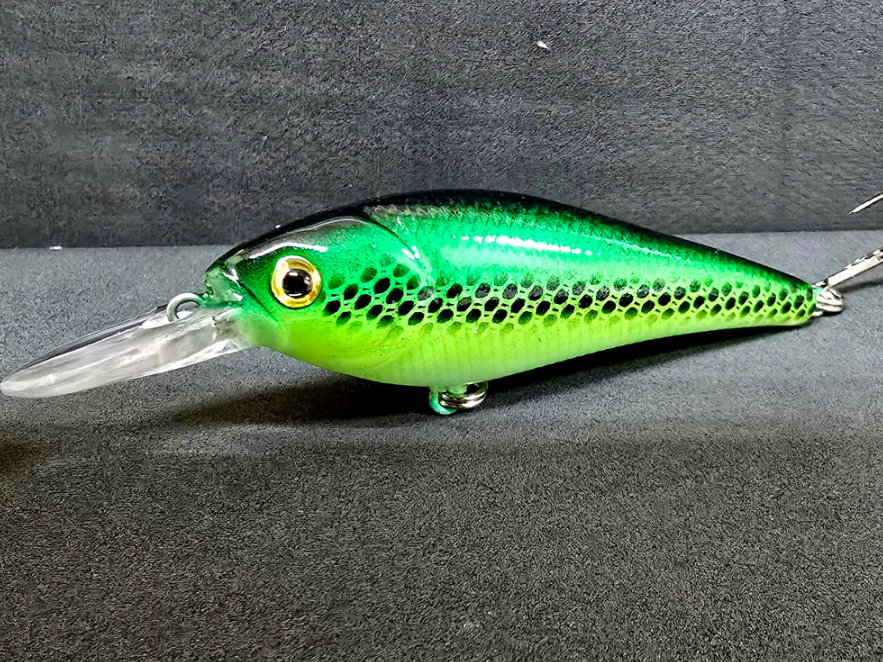
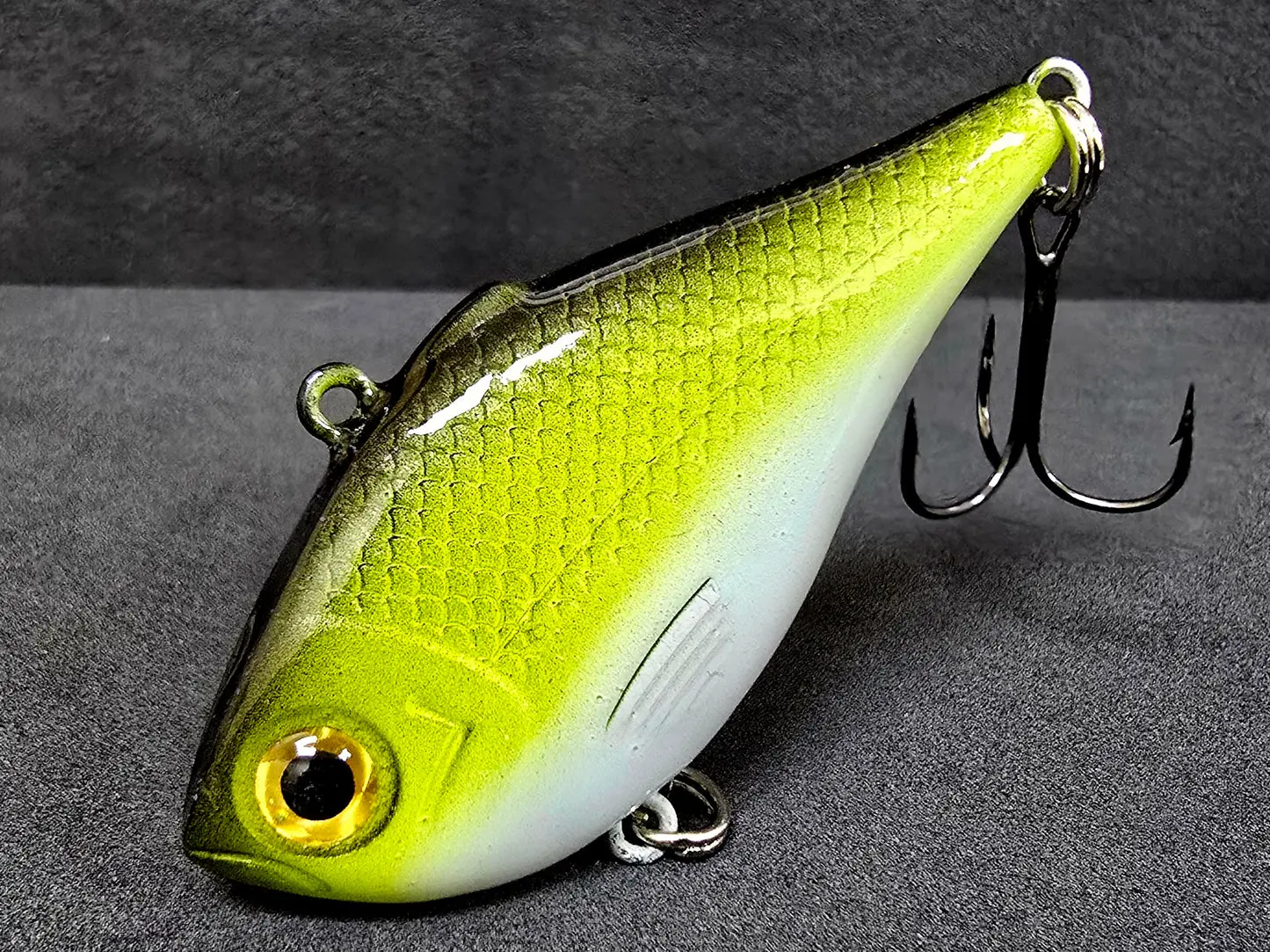
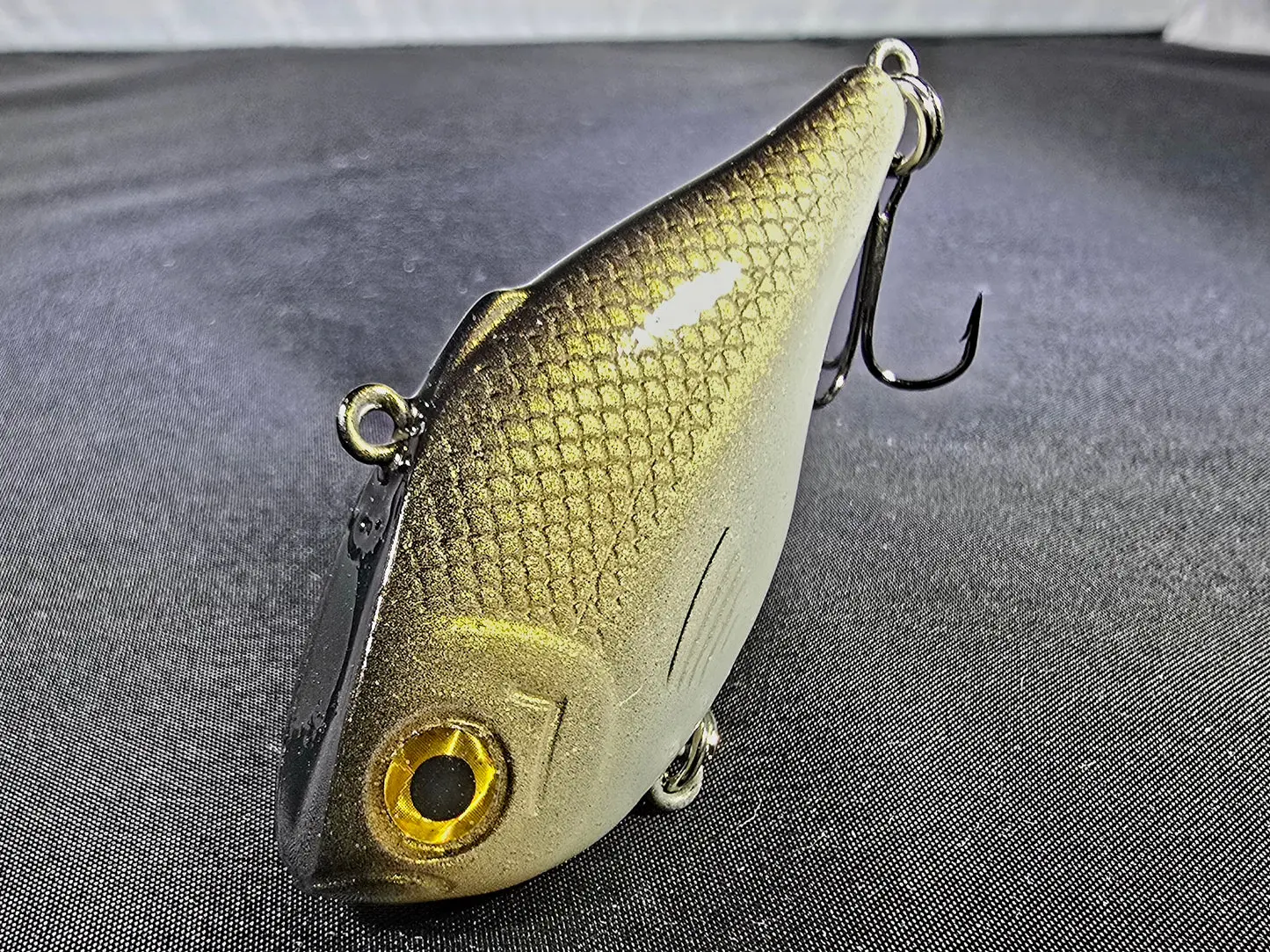
Top Conventional Lures and Techniques for Orange Lake Bass
No filler. These are the baits that actually produce on this water, ranked by versatility and effectiveness. We’re not including anything your uncle swore by in 1987 that hasn’t worked since.
1. Wild Golden Shiners (Live Bait — the Nuclear Option) Controversial to put at the top of a lure list? Maybe. Accurate? Absolutely. Wild shiners are the single most effective way to catch a giant bass on Orange Lake, full stop. A lively 5–7 inch shiner freelined under a bobber near Allen’s Point, the lily pads, or the hydrilla edges will outfish virtually any artificial on most days. Use a 3/0–5/0 kahle hook through the lips or just behind the dorsal. Keep them in an aerated livewell and change out dead ones immediately. Big fish don’t eat dead shiners.
2. Vibrating Rattletrap / Lipless Crankbait (Rat-L-Trap) The most versatile lure in this lake. In winter and early spring when hydrilla thins out, a free-running ½ oz Rattletrap burned across the tops of submerged grass beds is almost unfair. Chrome/blue, red/orange, and chartreuse/black all produce. Yo-yo it — rip it up, let it flutter down — and brace yourself. The northeast hydrilla beds and the open water areas along the north shore eat this presentation alive.
3. Plastic Worm (Texas-Rigged, 7–10 inch) The old faithful. A big ol’ straight-tail or ribbon-tail worm in watermelon red, junebug, or black/blue, Texas-rigged on a 4/0 or 5/0 offset worm hook with a ¼ to ½ oz bullet sinker, slow-crawled through lily pads and over the tops of grass mats. This is the patience play, but it produces fish when nothing else will, especially midday in summer when bass have locked up tight in the deepest vegetation shade they can find.
4. Spinnerbait (3/8 to ½ oz, Willow/Colorado Combo) Spinnerbaits were practically invented for water like this. A white or chartreuse skirt with a tandem willow-leaf blade combo slow-rolled just above the grass, or thumped alongside hard vegetation edges, triggers reaction strikes from bass that aren’t actively feeding. Crawl it slow in cold water; burn it fast in warm. The Heagy-Burry shoreline, the eastern grass beds, and the pads around Cross Creek all eat spinnerbaits year-round.
5. Hollow-Body Frog (Topwater) The single most viscerally satisfying lure to fish at Orange Lake. A Booyah Pad Crasher, SPRO Bronzeye, or Livetarget Hollow Body Frog worked across the lily pads and scum mats in spring and fall will produce topwater blowups that will rearrange your internal organs. Walk it across the pads, let it sit in pockets, twitch it in openings. Wait a full second after the explosion before setting the hook. (You won’t. You’ll yank it too soon. Everyone does. Try anyway.)
6. Flipping/Pitching Jig (½ to ¾ oz, with Craw Trailer) This is the technique for punching into heavy cover and getting your bait in front of bass that have absolutely no interest in moving to find it. A heavy tungsten-weighted football jig or punch rig with a ½ oz sinker and a beaver-style or craw trailer in black/blue or green pumpkin, punched through hydrilla mats and lily pad stems. Let it fall, shake it, wait. When a bass eats it in heavy cover, you’ll feel a tick or a weight — set the hook hard and get that fish moving immediately before it wraps you in vegetation.
7. Swim Senko / Wacky Rig (4–5 inch Senko) When bass are finicky — post-front, mid-summer heat, high pressure — drop down to a Senko on a wacky rig or a light Texas rig and work it slowly along the edges of pad fields and grass lines. The subtle shimmy of a falling Senko triggers strikes from bass that won’t touch anything with more action. Gary Yamamoto’s original in green pumpkin, watermelon, or black with red flake. Don’t sleep on this one.
8. Topwater Walking Bait (Zara Spook, Whopper Plopper) Dawn and dusk in spring and fall — you want something that makes noise and covers water. A chrome or bone Zara Spook walked along open water edges adjacent to pad fields, or a 110mm Whopper Plopper gurgled through channels in the grass, will find feeding bass fast. Don’t overthink the retrieve. Walk the dog, keep moving, cover water.
9. Swimbait (3.8–5 inch Paddle Tail on Weighted Hook) When bass are keyed on baitfish and shad schools, a paddle-tail swimbait on a ¼ to ⅜ oz belly-weighted swimbait hook slow-rolled just above the grass is money. Keitech, Zoom Swimmin’ Super Fluke, or a Reaction Strike Shad profile in shad/silver, chartreuse, or white/pearl. Target the open water pockets between vegetation mats and the hydrilla edges along the northeast shore.
10. Buzzbait Summer mornings along the grass edges, nothing is faster or more fun than a buzzbait. A ½ oz Booyah Buzz or similar in white or chartreuse, thrown tight to the edge of the pad fields and burned back as fast as you can reel. Bass blow up on these things like they owe you rent money. If they miss it — and they will — immediately follow up with a frog or Senko in the same spot.
11. Fluke / Soft Jerkbait (Zoom Super Fluke) An underrated bait at Orange Lake. A Zoom Super Fluke or Lunker City Fin-S in white/chartreuse or smoke/glitter, rigged on a 3/0 EWG hook with no weight, twitched and paused over shallow grass and pad edges. Especially deadly in late winter and early spring when bass start pushing shallow. Also doubles as an excellent follow-up bait when fish miss a topwater.
12. Crankbait (Square-Bill in Shallow Water) A square-bill crankbait in crawfish, shad, or chartreuse/black deflected off any hard structure — submerged logs, dock pilings at the park launches, transitions from hard bottom to grass — triggers reaction strikes from bass that aren’t interested in anything finesse. Bill Lewis Square Step, Strike King KVD 1.5, or Lucky Craft LV 1.5. Keep it in the 2–4 foot depth range where this lake lives.
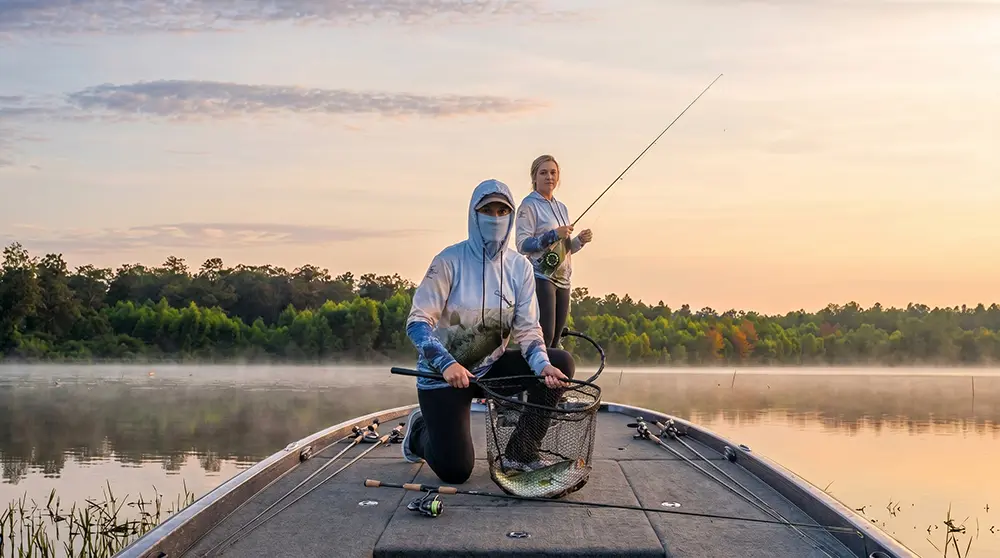
Live Bait Fishing: When Artificial Just Isn’t Enough
Orange Lake is live shiner country. Full stop. Wild golden shiners from 4 to 8 inches are the preferred bait of local guides and serious trophy hunters, and for good reason: they produce when everything else has already failed. Post-cold front, high-pressure bluebird days, pressured fish after a tournament — reach for a livewell full of fresh shiners.
Shiner rigs that work here:
- Free-line: No weight, hook through lips or dorsal. Let the shiner swim naturally into cover. Most effective in 2–4 feet of water around pad edges.
- Float rig: A large oval or round bobber set at 2–4 feet of depth. Position the shiner at the edge of hydrilla or near floating vegetation mats. Watch the float. When it moves sideways before going under — set the hook.
- Freelined weighted: A very small split shot 12–18 inches above the hook lets the shiner go slightly deeper without killing its action. Use this when working the Gator Hole and other deeper pockets.
Hook size: 3/0–5/0 kahle hook. Fluorocarbon leader, 20–25 lb. Main line can be 30 lb braid. Keep shiners lively — a dead shiner catches nothing.
Samson Point and the northwestern grass beds have a reputation for producing big fish on slow-rolled shiner rigs. The Allen’s Point area near Cross Creek is classic trophy shiner water.
Panfish — Crappie, Bluegill, Shellcracker, and More
Let’s be honest: you came for bass, but you’re going to end up catching panfish on half your trips and loving every minute of it. Orange Lake has outstanding populations of all three primary panfish species, and on the right day, you can catch 50 fish before noon without working very hard.
Black Crappie (Speckled Perch / “Specks”)
Crappie are the second-most-targeted species on Orange Lake after largemouth. They stack in the spatterdock, around hydrilla edges, and in any semi-open water with structure. The best conventional techniques:
- Jig fishing: A 1/16 to 1/8 oz jig head with a 2–3 inch curly-tail or paddle-tail grub in white, chartreuse, or yellow. Vertical jig in the spatterdock pockets or slow drift along grass edges.
- Minnow under a slip float: A live or fresh-dead minnow suspended 3–5 feet below a slip float, drifted along hydrilla edges or worked through open pockets in pad fields. Deadly for larger crappie.
- Trolling crankbaits: Small, thin-profile crankbaits (Bandit 100 or 200 series) trolled slowly along grass edges at 1–1.5 mph locate active crappie fast on big water days.
- Spider rigging: Multiple rod spread with jigs at different depths along depth contours. Best in winter when crappie school tight in 6–10 foot water near the deeper southwest areas.
Best times: Year-round, with peak action in winter (January–March) when cooling water temps group them up, and spring before the spawn. Look for them around the floating dock structure at Heagy-Burry Park — there’s an FWC-installed fish attractor near the pier that holds crappie consistently.
Bluegill
Bluegill in Orange Lake are fat, aggressive, and absolutely suicidal on light tackle in spring during the spawn. From mid-spring through early summer, beds of bluegill cover the shallow flats near every grass edge on the lake. You can sight-fish them — literally watch them hold on their beds and drop a bait right in front of them.
- Crickets and grass shrimp: The classic Florida panfish setup. A small split-shot rig with a #6 or #8 long-shank hook and a live cricket or grass shrimp dropped onto a visible bed. Immediate chaos.
- Small jigs: A 1/32 oz jig head with a tiny soft plastic in chartreuse or white, dipped and lifted slowly. Works anywhere you see fish.
- Ultralight spinning with 4 lb mono: The right setup for this. Ultralight rod, 2500-size reel, 4 lb monofilament. You’ll feel every bite and enjoy every fight.
Post-spawn bluegill scatter into the grass edges and feed aggressively all summer. They don’t really stop biting until water temps drop in late fall.
Redear Sunfish (Shellcrackers)
The shellcracker is the overlooked gem of Orange Lake panfish. These fish grow bigger than bluegill, fight harder per inch, and are absolutely addicted to earthworms and grass shrimp. They spawn slightly later than bluegill (typically May–June in Florida) in slightly deeper water — often 3–6 feet instead of the shallower bluegill beds.
Find them where there’s a sandy or hard-bottom transition to grass. A small piece of earthworm on a #6 hook with just enough split shot to get it to the bottom, then leave it alone. Shellcrackers are bottom feeders — they want a bait that stays put. Some of the best shellcracker action on Orange Lake happens on the eastern shoreline and along the sandy transitions near the Marjorie Kinnan Rawlings ramp area.
Bonus Species: Bowfin, Chain Pickerel, Catfish, and Gar
These aren’t the reason most people drive to Orange Lake, but they’re here, they’re abundant, and some of them fight like freight trains. Don’t be too proud to enjoy them.
Bowfin (Mudfish / Dogfish)
This is a prehistoric fish that was already old when dinosaurs were new. They’re built like a linebacker, bite like a bulldog, and will absolutely destroy any lure you put near them, including ones you had no intention of sacrificing. Bowfin hit topwater frogs, swimbaits, spinnerbaits, and jigs with equal ferocity. They also have a mouth full of teeth — have your pliers ready.
Best accidental targets: the shallow marsh edges, thick hydrilla, any area with decaying vegetation. If you hook something that bulldogs deep, shakes its head violently, and then explodes on the surface, you’ve got a bowfin. Land it carefully. Respect its history. Let it go.
Chain Pickerel
Long, spotted, toothy, and fast. Chain pickerel share the same vegetation edges as largemouth bass and hit the same lures — spinnerbaits, swimbaits, topwater — with the same aggression but considerably more teeth. They’re best targeted with single-strand wire or heavy fluorocarbon leader (30+ lb) to prevent bite-offs. If you hook one on light bass gear, you’ll probably lose the fish and the lure. If you land one, good on you — they’re fun.
Catfish
Blue catfish and channel catfish are present throughout Orange Lake. Most are caught incidentally by bass anglers using live shiners or as bycatch on bottom presentations. If you want to target them specifically, a chunk of cut bream or a large nightcrawler on a Carolina rig near the Heagy-Burry fish pier works fine. They’re excellent table fare and zero pressure to catch.
Florida Gar and Longnose Gar
You’ll see them — long, armored, and lurking in the shallows. Most conventional anglers leave them alone because they’re impossible to hook conventionally (the mouth is almost entirely bone). Rope lures work, but that’s a whole different conversation. Mostly they cruise around looking prehistoric and occasionally startling anglers who don’t expect something that long in that shallow of water.
Seasonal Breakdown: When to Fish, Where to Go
Orange Lake fishes differently by season, and understanding those patterns is the difference between a 30-fish day and a 3-fish day.
Winter (December–February)
Cold water (mid-50s to low 60s°F) concentrates fish. Largemouth stack up in the deepest available water — the Gator Hole, the McIntosh southwest corner, the main channel sections. Slow presentations win: Texas-rigged worms crawled along bottom, heavy jigs shaken in place, live shiners on a float. Crappie come alive in winter — work the deeper hydrilla edges with jigs and minnows. The Rattletrap is phenomenal in early winter when it’s still warm enough for reaction strikes. Expect fewer fish but bigger average size.
Spring (March–May) — Peak Season
This is it. The spawn triggers bass into shallows, and every panfish in the lake follows a few weeks later with their own spawn. Bass move into 1–4 feet of water along pad edges, grass flats, and sandy transitions. Topwater is explosive early morning. Frogs, walking baits, buzzbaits all work. After 8 a.m., switch to soft plastics and spinnerbaits. Live shiners produce consistently monstrous fish during the spawn. Allen’s Point, the eastern shoreline, and the Cross Creek area all light up. Bluegill spawn from mid-spring through early summer; crappie typically ahead of bluegill. This is the best month of the year to be on Orange Lake with a conventional rod.
Summer (June–August)
Hot. Stupid hot. Water temps in the upper 80s push bass deep into the thickest, shadiest vegetation they can find. Fish early (first two hours of daylight) and late (last two hours before dark). Midday is brutal — work slower, go deeper, punch jigs through heavy mat. Topwater frogs and Whopper Ploppers at dawn produce excellent action. Bluegill stay active on the grass edges throughout summer. Bass move to hydrilla mats and use the floating vegetation for shade. Live shiners are effective all summer when the heat shuts down artificial bite.
Fall (September–November)
The best-kept secret on Orange Lake. As water temps drop below 75°F, bass come back to life and feed aggressively before winter. Reaction baits are back in play — spinnerbaits, Rattletraps, swimbaits. Topwater extends well into October on warm afternoons. Crappie begin grouping in anticipation of winter patterns. Fall also brings lower fishing pressure, which is a bonus on a lake that sees good tournament activity in spring. The northeast hydrilla beds and the main grass edges all produce in fall.
Best Spots on Orange Lake — Conventional Angler’s Map
Cross Creek Inlet (between Orange Lake and Lochloosa) The current from Lochloosa pushing into Orange Lake concentrates baitfish and triggers feeding activity. Work spinnerbaits and swimbaits through the current seams. Shiners work excellently in the calmer water just downstream of the main flow. Also produces crappie on minnow rigs.
Allen’s Point (Near Cross Creek) Legendary trophy bass territory. Big, dense lily pads with pockets and lanes. Live shiners are the weapon of choice here. Frogs and flipping jigs are solid alternatives. This is where double-digit fish come from with regularity.
The Gator Hole (Central Lake — Deeper Pocket) At 6–7 feet, this is among the deepest water in Orange Lake and a consistent producer of large bass, especially in winter and during summer heat. Work heavy jigs, Carolina rigs, and live shiners near the hydrilla edges on the perimeter. Tournament-winning fish come from here in cold months.
Eastern Shoreline One of the most consistently productive bass-holding areas on the lake year-round. Depending on water level, the techniques change — flipping and pitching jigs in heavy cover during high water, spinnerbaits and swimbaits along grass edges during normal levels. Bluegill beds in summer are also excellent here.
McIntosh Area (Southwest Corner) The deepest water on the lake — up to 12 feet in places. Open grass, pads, and deep flats. Excellent for Carolina rigs, deep-cranking, and trolling crankbaits for crappie. Home of the “honey holes” that locals talk about in hushed voices.
Northeast Hydrilla Beds Go-to area for the Rattletrap presentation in winter and early spring when the vegetation is thinner. Also produces on swimbaits and spinnerbaits when bass are chasing shad schools in open water sections.
Samson Point and Northwestern Grass Beds Excellent for both bass and panfish on slow-rolled swimbaits and shiner rigs. Less traffic than some of the more well-known areas, which means less-pressured fish.
Heagy-Burry Park Dock and Fish Attractor The FWC-installed fish attractor near the dock holds crappie consistently year-round. Jig vertically or suspend minnows beneath a slip float. Also produces bluegill during spring spawn. Handicap-accessible fishing pier — worth knowing for mixed-group trips.
Pee Gee Run / Cane Hammock (Eastern Marsh) A bend in the eastern shoreline opens into a wide marsh area. Seasonally accessible — choked with vegetation in summer, but during high water or winter, it opens up for excellent bass and crappie action. Worth exploring with a guide who knows current conditions.
Conventional Gear Setup for Orange Lake
This isn’t clear water finesse fishing. Match your gear to the environment.
Bass — Heavy Cover Setup
- Rod: 7’3″ to 7’6″ heavy or medium-heavy casting rod. Fast action for flipping and pitching.
- Reel: Baitcaster, 7.3:1 gear ratio or faster. You need to move fish out of cover immediately.
- Line: 50–65 lb braided line. No mono or fluoro as main line in heavy cover. Braid cuts through hydrilla. Fluoro leader optional on clear-water presentations (not necessary in Orange Lake’s stained water).
- Lures: Frogs, flipping jigs, heavy Texas rigs, buzzbaits.
Bass — Reaction Bait Setup
- Rod: 7′ medium-heavy casting rod, moderate-fast action.
- Reel: Baitcaster, 6.3:1 or 7.1:1.
- Line: 17–20 lb fluorocarbon for Rattletraps and crankbaits (helps lure reach depth). Braid + fluoro leader for topwaters.
- Lures: Rattletraps, crankbaits, spinnerbaits, swimbaits.
Live Shiner Rig
- Rod: 7′ medium-heavy spinning rod or casting rod.
- Reel: 3000–4000 size spinning or low-profile baitcaster.
- Line: 30 lb braid main, 20–25 lb fluorocarbon leader.
- Hook: 3/0–5/0 kahle hook.
- Float: Large oval or round bobber for float-rigging; no weight for freeline.
Panfish Setup
- Rod: 5’6″–6′ ultralight or light spinning rod.
- Reel: 1000–2500 size spinning reel.
- Line: 4–8 lb monofilament or fluorocarbon.
- Hooks: #4–#8 long-shank or Aberdeen hooks for live bait. 1/32–1/16 oz jig heads for crappie.
Boat Access, Ramps, and Getting Around Orange Lake
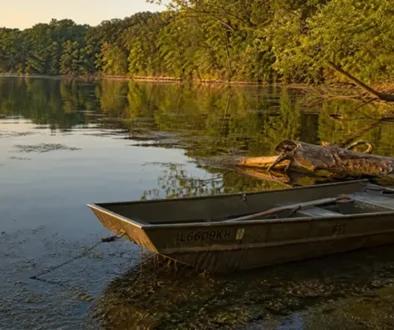
Heagy-Burry Park — The only public ramp that stays functional during low water levels. Located in the southwest corner of the lake. Boat rentals, bait, tackle, camping, RV hookups, lodging, convenience store, and restaurant are all available at or nearby. This is base camp for most Orange Lake trips.
Marjorie Kinnan Rawlings State Park — Excellent ramp on the eastern side, accessed via Cross Creek off Highway 325. Great parking, picnic facilities, and direct access to the productive eastern shoreline. One of the better launch points for guided trips targeting the east side of the lake.
Low water advisory: During drought conditions or when the sinkhole drainage affects levels, navigation in some areas becomes difficult and certain ramps may be unusable for larger boats. Check local conditions before launching anything bigger than a 17-foot boat at secondary ramps. Call the bait shops or check FWC reports.
Navigation: Orange Lake is a maze of boat trails through pad fields and grass mats. First-time visitors routinely get turned around. A GPS unit with good lake mapping or a local guide is strongly recommended for anyone unfamiliar with the water. The vegetation shifts seasonally — what was open water in February may be impassable in July.
Conservation: Handle It Right or Don’t Bother Coming Back
Orange Lake bass fishing nearly died. The sinkhole event, low water, and years of pressure came within a hairbreadth of turning a legendary fishery into a cautionary tale. It came back because of FWC management, slot limits, reduced pressure, and improved habitat — not because nature got lucky.
Catch and release is the right call for large bass. A 10-pound female bass is far more valuable in the water spawning than in a photo and a cooler. The FWC’s Trophy Catch program offers recognition for anglers who document and release bass over 8 pounds — use it. Photograph the fish quickly with wet hands, support the body horizontally, and get it back in the water in under 30 seconds.
Slot and size limits: Florida’s largemouth bass slot limit varies by water and management zone. Check FWC regulations for Orange Lake specifically before your trip. Requirements change; this guide doesn’t update automatically when they do.
Panfish: Bluegill, crappie, and redear sunfish have daily bag limits. Don’t take more than you’ll actually clean and eat that day.
Invasive vegetation management: The hydrilla, water hyacinth, and floating mats are managed with herbicide spraying by FWC. After spray events, avoid fishing in treated areas for a few days and check FWC spray schedules before your trip.
Gators: They’re everywhere. Do not approach them. Do not feed them. Do not be stupid near the water’s edge at dawn and dusk. This should not require explanation in 2026.
Frequently Asked Questions About Conventional Fishing at Orange Lake Florida
What is the best lure for largemouth bass at Orange Lake?
There’s no single “best” lure — it depends entirely on season, water temperature, vegetation conditions, and whether the fish are actively feeding or sulking. That said, a live wild golden shiner is the most consistently effective bait year-round for large bass. Among artificials, the Rattletrap in winter/early spring, a hollow-body frog in spring/fall, and a Texas-rigged worm when everything else is slow are your three-lure starting point.
When is the best time to visit Orange Lake for bass fishing?
Spring (February through April) is peak season, when spawning bass move shallow and are aggressive and accessible. Fall (September through November) is an excellent secondary window with less fishing pressure. Winter produces trophy-class fish but requires slower presentations and more patience. Summer is the most challenging season but dawn and dusk topwater action can be excellent in June and early July.
Do I need a guide to fish Orange Lake?
You don’t need one, but Orange Lake rewards local knowledge. The vegetation changes constantly, boat trails shift seasonally, and knowing which areas hold fish in current conditions takes time to learn. If it’s your first trip, an experienced guide is money well spent. For return visits once you’ve learned the water, you can fish effectively on your own.
Is there fishing from shore at Orange Lake?
The FWC-funded fishing pier at Heagy-Burry Park is handicap-accessible and provides bank fishing access. There is an installed fish attractor near the dock that holds crappie and bluegill consistently. Shore fishing elsewhere is very limited due to the dense vegetation along most of the shoreline. A kayak is an excellent option for anglers without a large boat — it gets you into the grass with less disturbance.
What’s the largest bass ever caught at Orange Lake?
Trophy bass in the 13–15 pound range have been documented from this water, and the Florida strain’s genetics support growth to 20+ pounds under ideal conditions. Current reports indicate consistent production of fish in the 8–13 lb range, which is exceptional by any standard.
Are there facilities at the lake?
Heagy-Burry Park offers the most complete amenity package: boat ramp, restrooms, camping, RV hookups, boat rentals, bait and tackle, nearby lodging and restaurants. Marjorie Kinnan Rawlings State Park offers a good ramp, parking, and picnic facilities. The Cross Creek area has some small fish camps and bait stores with variable hours — call ahead.
Capt. Grumpy / Casting Salt — Saltwater on the Fly – SHUT UP AND CAST. Less Talk. More Tippet.
Always check current FWC regulations before fishing. Slot limits, size limits, and bag limits change. Buy your Florida fishing license online before your trip at myfwc.com.
For fly fishing techniques and fly pattern recommendations for Orange Lake, see our companion guide: Fly Fishing Bass Orange Lake Florida