Conventional Tackle Fishing Mille Lacs Lake: The No-Nonsense Guide to Cranking, Jigging, and Trolling Minnesota’s Giant
So You Left the Fly Rod at Home
Good. Nobody’s judging you here.
The fly rod crew already got their guide — Mille Lacs Lake Bass Fly Fishing Minnesota — and they can keep it. This one belongs to the spinning and baitcasting crowd who want to know what actually works on 132,000 acres of clear, cold, boulder-strewn Minnesota water. The people who count crankbaits the same way other anglers count flies. The ones who think fluorocarbon leader weights and correct jig head sizes are a reasonable dinner table conversation.
You are in the right place. Let’s talk Mille Lacs conventional tackle from the ground up.
Table of Contents
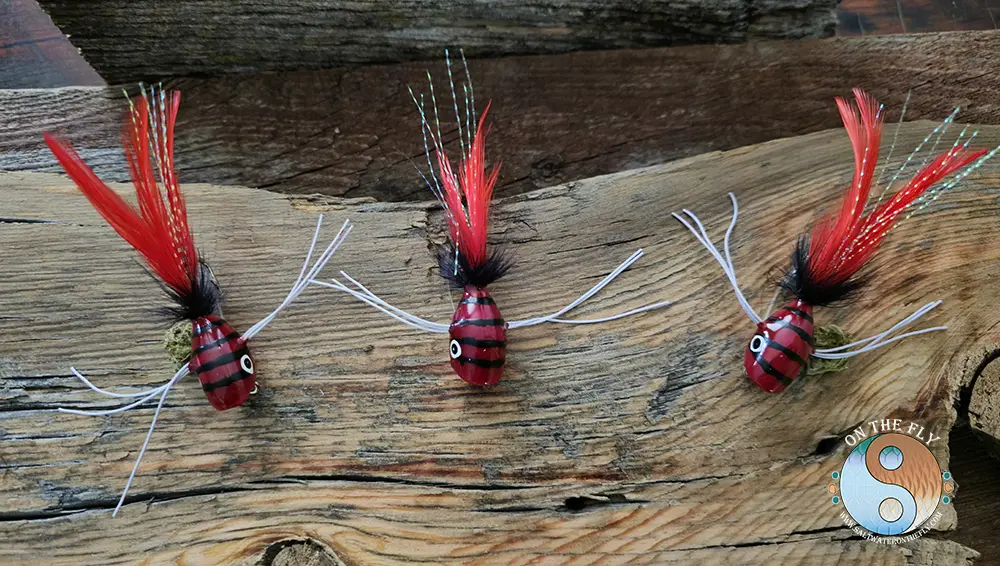
Bucktails for Those Wish To Create Their Own Jigs
Reason Mille Lacs Rewards Conventional Tackle Anglers
Mille Lacs Lake sits in central Minnesota about two hours north of the Twin Cities, and it is one of those rare fisheries where the hype is completely justified. At roughly 132,000 acres with an average depth of only 22 feet, the lake is enormous but relatively shallow. That means almost all of it is fishable water. Every inch of that gravel, boulder, sand flat, and weed edge holds something worth targeting.
For conventional tackle anglers, this is a dream setup. You can power fish with crankbaits and spinnerbaits across shallow reefs in the morning, drop down to finesse jigs and drop shots on deeper breaks by midday, and pull spinners and live bait rigs over the flats at sunset. The lake supports multiple species in real numbers — smallmouth bass, walleye, northern pike, muskie, yellow perch, and the occasional largemouth lurking in a weedy back bay.
Mille Lacs earned its national reputation the hard way. Professional bass tournaments have been run here. Local guides have documented days with fifty smallmouth in the net, most measuring over seventeen inches. Walleye numbers that once defined the lake have stabilized under careful management, and the fish that remain are worth chasing.
The combination of size, clarity, structure diversity, and multi-species potential makes this lake as challenging and rewarding as any conventional tackle fishery in the Midwest.
Mille Lacs Lake Fishing Regulations You Ought to Know for 2026
Read this section before you rig anything. Mille Lacs has specific regulations that differ from standard Minnesota statewide rules, and they change. Ignorance is not an excuse on a lake this closely monitored.
Walleye: The 2026 open-water season runs May 9, 2026 through February 28, 2027. The daily possession limit is three fish, all must measure over 17 inches, and only one fish over 20 inches may be kept. That slot protects the larger, more productive females. Respect it.
Night Restrictions: A night closure is frequently applied during early summer to protect walleye during peak feeding periods. During active night closure periods, possessing angling equipment capable of targeting walleye between 10:00 PM and 6:00 AM is illegal. Check current orders before planning any night sessions.
Smallmouth and Largemouth Bass: Bass share a continuous season with specific harvest windows. During catch-and-release periods, all bass must be returned immediately. Verify current harvest season open and close dates before keeping anything.
Muskie: Managed as a trophy species. Check current size limits and possession rules, as they can be updated mid-season based on population assessments.
Invasive Species: Mille Lacs is a regulated lake for aquatic invasive species. Drain all water from your boat, motor, and live well before leaving any access point. Clean and dry all gear.
For the most current regulations and any mid-season emergency orders, go directly to the Minnesota DNR Mille Lacs page. Do not rely on last year’s rulebook. Print a current copy or keep the DNR app open on your phone when you are on the water.
Understanding the Lake: Structure, Depth, and Where Fish Live
Mille Lacs looks like an open bowl from the air, and a lot of first-time visitors feel overwhelmed trying to break it down. The key is to stop looking at it as one giant piece of water and start identifying the structural elements that concentrate fish by season.
The Northern Half — Sand Flats and Shallow Rock
The northern end of the lake is defined by broad sand and gravel flats, shallow rock bars, and classic spawning habitat. Water temps here warm faster in spring, which pulls smallmouth and walleye in early. These flats run anywhere from two to fifteen feet and are perfect for covering water with crankbaits and spinner rigs in May and June.
The Southern End — Deeper Rock and Complex Structure
The southern portion features more complex rock structure and deeper gravel bars that hold fish year-round. Offshore reefs rise abruptly from the bottom in this section and require reliable GPS to navigate safely. The 15 to 25 foot depth range here is prime real estate for mixed bags of walleye, smallmouth, and perch.
Offshore Rock Piles and Isolated Humps
Isolated rock piles located away from shore are fish magnets, particularly when they sit near a depth transition. The best ones drop from 10 to 15 feet on top into 25 to 30 feet on the edges. In summer, these structures concentrate walleye along their deep edges and smallmouth on the shallower crowns.
The Mud Flats
The vast mud flats in the center and deeper sections of the lake host enormous invertebrate populations. During July insect hatches, walleye move onto these flats and feed aggressively on the surface activity. Trolling deep-diving crankbaits along the 20 to 30 foot contour where gravel transitions to mud is one of the most consistent mid-summer walleye tactics on the lake.
Weed Beds in the Southern Bays
The southern bays around Wahkon and Isle hold the lake’s healthiest weed growth. These areas are where you find largemouth bass, pike, and muskie staging on vegetation edges. Think weed lines, inside turns, and the open pockets between lily pad stands.
Use side-imaging sonar to map these transitions before making your first cast. On a lake this size, electronics are not optional — they are the difference between finding fish and running all day in the wrong places.
Best Conventional Tackle for Smallmouth Bass on Mille Lacs
The smallmouth fishery here is among the best in the country. Tournament circuits noticed it years ago. If you have never tangled with a five-pound Mille Lacs bronzeback in clear water over rock, that needs to change.
These fish feed on crayfish, yellow perch, and minnows. Match those, and you are in business.
Ned Rigs and Drop Shot Rigs
This is the finesse foundation for Mille Lacs smallmouth, particularly during summer when fish are pressured and the bite gets technical. The Ned rig excels on rock reefs because the mushroom-shaped jig head stands the bait up naturally, imitating a resting crayfish. Use Z-Man Finesse TRD or Missile Baits Ned Bomb in green pumpkin, smoke, or watermelon red flake. Pair with 1/5 to 3/8 oz jig heads depending on depth and wind.
The drop shot shines when fish are suspended just off the bottom near boulders and break lines. Use Roboworm straight-tail worms or small paddle tails on 6 to 8 inch leaders. Both presentations reward slow, deliberate movements. Drag them, do not rush them.
Tube Jigs — The Mille Lacs Staple
Ask any serious Mille Lacs angler what the single most reliable smallmouth bait is, and the tube jig wins the vote almost every time. The 3 to 4 inch tube in smoke, green pumpkin, or watermelon red flake, pitched on a 1/4 to 3/8 oz head, mimics a crawling or fleeing crayfish better than almost anything else.
“Cracking” a tube over the tops of boulders — letting it fall naturally into the gaps between rocks — is a technique specific to this lake and it produces. Late summer, when smallmouth are specifically targeting molting crayfish, the tube is the first bait to tie on and the last one to take off.
Jerkbaits
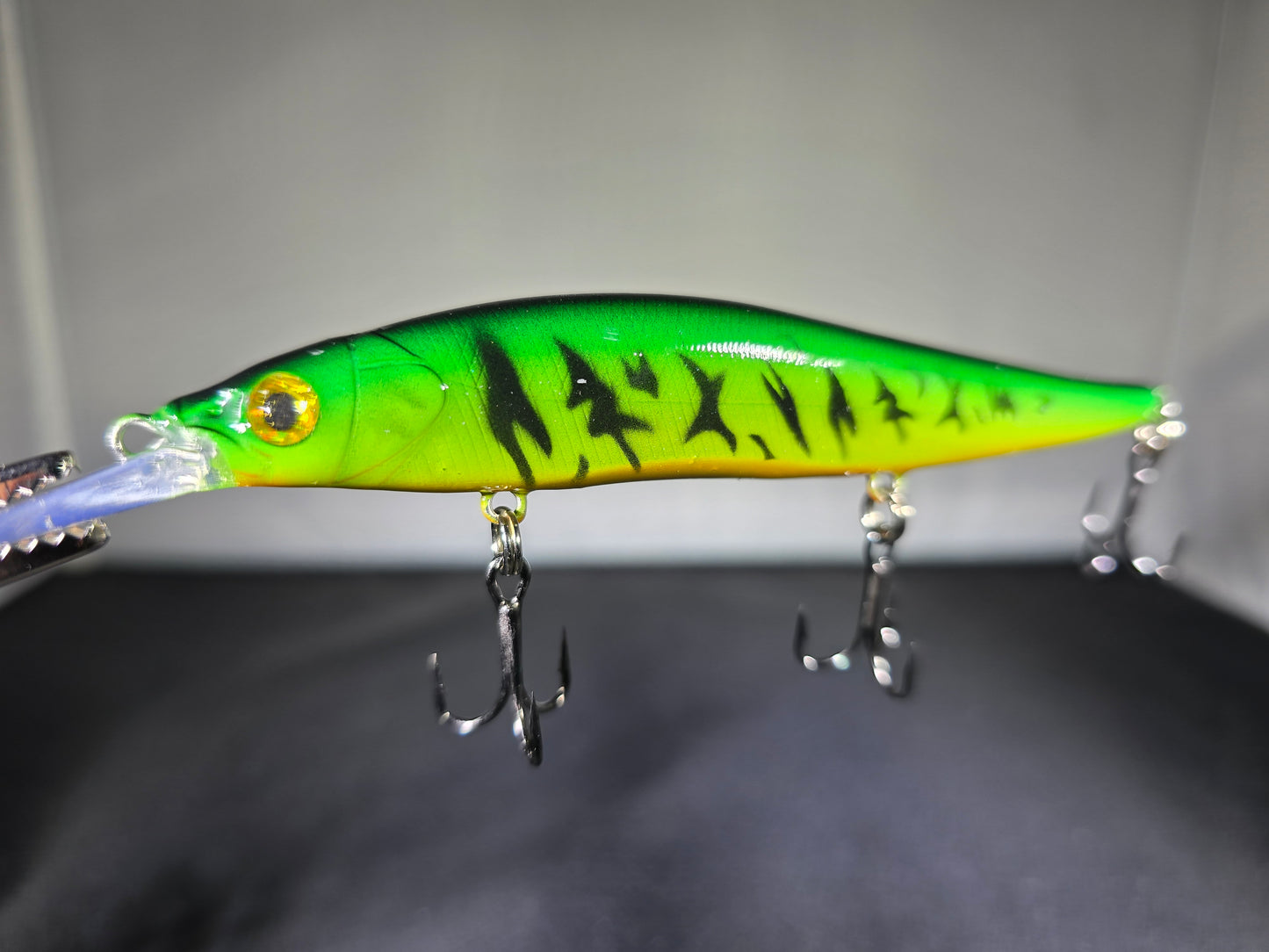
Spring and fall are jerkbait seasons on Mille Lacs. Water temps between 48 and 62 degrees make smallmouth responsive to long pauses and erratic, darting action. A Rapala X-Rap or similar hard jerkbait in natural shad or minnow colors, worked in the 3 to 12 foot range over rock and sand, generates reaction strikes from fish that are not ready to commit to slower presentations.
Work the bait with two to three short snaps, then pause for three to five full seconds. The hit usually comes on the pause.
Chatterbaits and Spinnerbaits
When the bite is on and fish are active, power fishing with a 3/8 oz Z-Man Jack Hammer or similar chatterbait covers water efficiently and triggers reaction strikes from bass that are not particularly selective. Use green pumpkin or natural craw trailers and work it over shallow reefs and rock breaks. Spinnerbaits in similar weights with white or chartreuse blades are good options on windswept points where fish are actively ambushing bait.
Both of these are search baits. Use them to locate fish, then follow up with a finesse presentation for the neutrally positioned fish that did not eat on the first pass.
Swimbaits and Soft Plastics
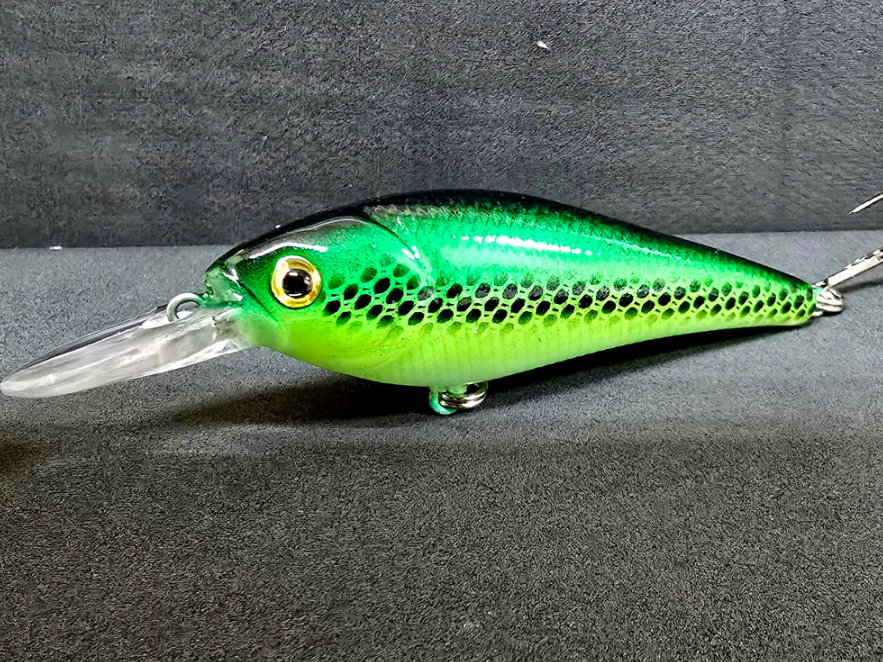
A 4 inch Keitech Easy Shiner on a swim jig head or underspin is a legitimate multi-season producer here, particularly when the lake’s shiner and perch populations have fish keyed in on smaller baitfish. Paddle tails rigged on 3/16 to 1/4 oz swim heads work the water column between top and bottom and cover the mid-range depth band where bass often hold.
Creature baits and finesse worms pitched directly to visible boulders are reliable on tough days when the standard presentations get refused.
Topwater
Low-light morning and evening windows during summer and early fall are prime topwater time on Mille Lacs. Poppers, walking baits, and buzzbaits over shallow rock and sand produce some of the most explosive strikes of the season. Bug hatches push fish to the surface and create ideal topwater windows that can last an hour or more. Watch the surface, and when bait starts popping, tie on a topwater.
Best Conventional Tackle for Walleye on Mille Lacs
Walleye are the fish that built this lake’s reputation. The current population is managed under strict regulation, and the fish that remain are worth every effort. They are not easy, but they are there.
Live Bait Rigs
A bottom bouncer with a spinner arm tipped with a live leech, nightcrawler, or spottail shiner is the classic Mille Lacs walleye presentation and it still works better than most people expect. Northland Baitfish-Image spinners or similar arm-blade combinations pulled slowly over gravel transitions and reef edges are the foundation setup for most fishing guides on this lake.
Lindy rigs with leeches or fathead minnows worked slowly across the bottom are effective in calmer conditions or when fish are holding tight to specific depth contours. Slip bobbers with leeches set to hang a foot off the bottom over rock piles during evening hours produce consistent action from fish that are moving up to feed.
During late fall, switching to large sucker minnows — some anglers run them in the four to six inch range — targets the trophy-class walleye that are aggressively feeding before winter. Big bait, big fish.
Jigs
Jig and minnow combinations are the go-to for spring and early summer when walleye are shallow on rock. A 1/8 to 1/4 oz Northland Fireball jig tipped with a fathead minnow, leech, or half a crawler, pitched to rock edges and dragged slowly over gravel is as reliable as any presentation on the lake. In deeper water, step up to 3/8 oz to maintain bottom contact in wind.
Paddle tail swimbaits rigged on jig heads are a strong artificial alternative when live bait restrictions are in effect or when you want to cover more water between fish.
Crankbaits
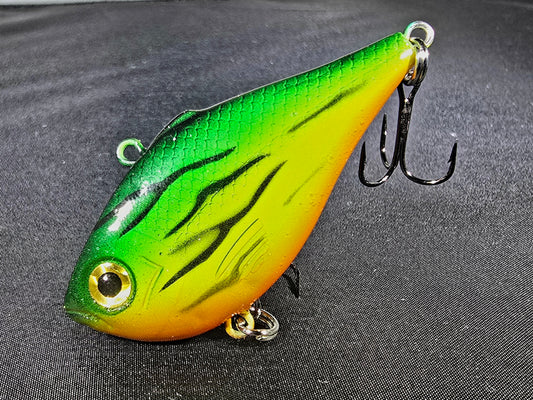
Trolling medium-diving crankbaits along depth breaks and reef edges is an efficient way to locate walleye on a lake this size. Rapala Husky Jerks and Berkley Flicker Shads in perch, shad, or natural minnow colors pulled at 1.5 to 2.0 mph in the 12 to 22 foot zone cover the primary depth range where Mille Lacs walleye spend most of the summer. Dial in the trolling speed and crankbait depth until you find the band where fish are holding, then stay on it.
Vertical Jigging
When you have fish located on sonar, vertical jigging with a Jigging Rap or Macho Minnow allows precise depth control and minimal drift. This is the technique for situations where fish are tight to specific rock piles and you need to put the bait directly in the zone without spooking them by trolling through.
Chasing Northern Pike and Muskie with Conventional Gear
While bass and walleye get top billing, Mille Lacs pike and muskie are a serious draw for anglers who want a fight that tests their gear instead of just their patience.
Northern Pike
Pike patrol the weed edges in the southern bays and the gravel transitions along main lake points. On this lake, forty-plus-inch pike are real possibilities. Target the 10 to 15 foot range where vegetation is present, and work large bucktails, swimbaits, and spinnerbaits along weed edges and inside current breaks. Steel or heavy fluorocarbon leaders are non-negotiable — pike teeth end the conversation quickly without one.
Spring and fall are peak pike windows. Fish become active and aggressive when water temperatures are between 50 and 65 degrees, and they hit reaction baits with the kind of violence that makes you grateful you set the drag correctly.
Muskie
Mille Lacs is legitimate muskie water. The lake’s population is managed carefully and produces fish that have drawn specialist anglers from across the country every fall.
Keep a heavy muskie rod — rated for 6 to 10 inch baits — rigged and ready any time you are fishing smallmouth or walleye structure. You are likely to see follows on the same reefs and points where you catch bass.
For deliberate muskie fishing, the highest-percentage presentation is a large bucktail in black and orange or perch colors cast to rocks, points, and weed edges. Work it with a steady retrieve and finish every cast with a figure-eight at the boatside. That is where a lot of Mille Lacs muskie commitment happens.
Large swimbaits — 8 to 10 inch Jakes in perch or walleye colors, Super Shad Raps, and big paddle tail swimbaits — work well for trolling and casting on reef edges and open water transitions. In low light and on choppy mornings, prop baits and walking topwater lures over shallow rock produce some of the most memorable strikes this lake can deliver.
Seasonal Breakdown: When to Fish and What to Throw
| Season | Water Temp | Primary Species | Best Presentations |
|---|---|---|---|
| Late May – June | 52°F – 65°F | Smallmouth, Walleye | Jerkbaits, jig and minnow, bottom bouncers, tube jigs |
| July – August | 68°F – 74°F | Smallmouth, Walleye, Pike | Ned rigs, drop shots, crankbaits (trolling), topwater early/late |
| September – October | 55°F – 65°F | Smallmouth, Walleye, Muskie | Swimbaits, large jigs, crankbaits, bucktails |
| Late October – Ice | Below 55°F | Walleye, Pike | Live suckers, large jigs, spoons |
Spring (Late May – June): Opener energy is real on Mille Lacs. Smallmouth move to shallow sand and gravel flats to spawn. Walleye push onto rock edges. This is the jerkbait and jig and minnow season, with topwater productivity building as temps climb into the 60s.
Summer (July – August): Mid-summer on a clear lake means fish adjust. Smallmouth push to reef edges and deeper rock during midday, then slide back shallow in low light. Walleye go deep on the mud flats during July insect hatches. Topwater windows from first light to 8 AM are reliable. Get on the water early.
Fall (September – October): This is the season regulars protect. Crowds thin, bass school up on structure, and the best crankbait fishing of the year happens along 8 to 20 foot break lines. Muskie activity builds as water temps drop. Plan at least one fall trip to Mille Lacs before you decide what your favorite season is.
Gear Setup: Rods, Reels, Electronics, and What Matters Here
Rods and Reels
Do not underestimate this lake. Mille Lacs smallmouth will test your gear. Here is a working setup for a multi-species day:
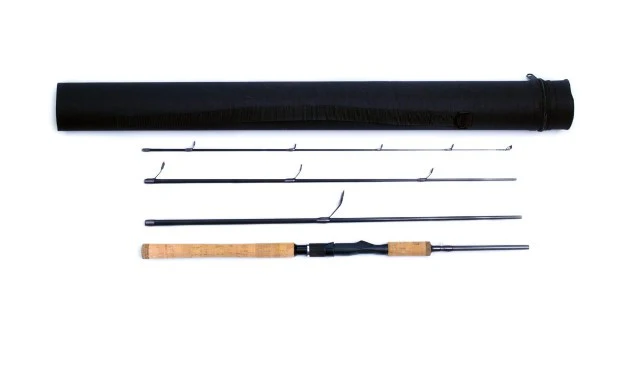
Spinning Setup: 6.5 to 7 foot medium power, fast action for finesse presentations — Ned rigs, drop shots, light tubes, and live bait. Pair with a 2500 to 3000 series spinning reel and 8 to 10 pound fluorocarbon.
Baitcasting Setup: 7 foot medium-heavy, fast action for crankbaits, swimbaits, chatterbaits, and heavier tubes. Pair with a 7.1:1 or 7.3:1 ratio baitcaster loaded with 12 to 15 pound fluorocarbon or 20 to 30 pound braid with a fluorocarbon leader.
Muskie/Heavy Pike Setup: 7.5 to 8 foot heavy muskie-rated rod with a high-capacity baitcaster and 50 to 65 pound braid. Do not try to fish big Mille Lacs muskie on bass gear. You will lose.
Leader Material
Fluorocarbon throughout for bass and walleye presentations. In clear water, it matters. Eight to twelve pound for finesse, fifteen pound for heavier applications. For pike and muskie, run 80 to 100 pound steel or heavy fluorocarbon in the 130 to 150 pound range.
Electronics
Side-imaging and down-imaging sonar are worth every dollar on a lake this size. The reefs, transitions, and subtle breaks that hold fish here are invisible without good electronics. Bring a GPS-loaded unit with current lake maps, and mark every productive piece of structure you find for return trips.
Best Access Points, Towns, and Where to Stay
Mille Lacs is ringed by publicly accessible boat ramps and small resort towns that have served visiting anglers for generations. The major hubs are Garrison on the western shore, Isle on the southern end, and Wahkon in the southwest. All three offer bait shops, fuel, restaurants, and lodging options that range from basic cabins to full-service resorts.
Garrison is the largest community and offers the most services. If you want quick access to the north and west sections of the lake, this is the logical base.
Isle and Wahkon provide access to the southern bays and the weed-edge structure that pike and muskie prefer. Resort options around these towns also put you close to some of the lake’s most productive multi-species reef systems.
Check with local resorts and bait shops when you arrive. That conversation, done right, is worth more than any fishing report posted online.
Conservation, Handling, and Why It Matters on Mille Lacs
A twenty-inch Mille Lacs smallmouth is over a decade old. A trophy walleye is older. That matters when you think about how you treat fish at the boat.
Keep fish in the water as much as possible. Use a rubberized net — the mesh type shreds protective slime coat. Hold fish horizontally for photos and return them quickly. Skip the grip-and-grin while standing in the boat for two minutes — quick shot over the side of the net and done.
Mille Lacs also sits at the center of tribal treaty fishing rights and complex resource management conversations. The regulations here reflect agreements and population science that goes well beyond standard statewide rules. Respecting the slot limits, honoring catch-and-release requirements during restricted periods, and cleaning your gear between waters are basic responsibilities on a fishery managed this carefully.
Clean your boat. Drain your live well. Dry your gear before moving to another body of water. Aquatic invasive species are a real threat to Minnesota’s fisheries, and Mille Lacs is a heavily monitored lake.
Frequently Asked Questions
What is the best time of year for conventional tackle fishing on Mille Lacs? Fall is the favorite season for most serious conventional tackle anglers. Crowds drop, bass school on structure, walleye feed aggressively before winter, and muskie are in peak condition. That said, the spring opener delivers genuine excitement and late May jerkbait fishing for smallmouth is hard to beat.
Can I use live bait on Mille Lacs? Yes, with restrictions. Certain bait types may be regulated to prevent invasive species spread. Always verify current bait rules with the Minnesota DNR before your trip, particularly regarding minnow size and species.
What electronics do I need for Mille Lacs? At minimum, a combination GPS and depth finder with side-imaging capability. On a lake this size with this much submerged structure, fishing without reliable electronics costs you fish.
Are there largemouth bass in Mille Lacs? Yes. Largemouth are present in the southern bays and weedy back areas, but they are less common than smallmouth. Target lily pads, submerged vegetation, and fallen timber near Wahkon and Isle bays to find them.
What is the best crankbait depth range for Mille Lacs walleye? The 20 to 28 foot depth contour is the primary trolling zone during summer. Along reef edges and rock-to-gravel transitions, the 12 to 18 foot range is more productive in spring and fall when fish are shallower.
Do I need a guide for my first trip? You do not need one, but it will cut your learning curve on this lake significantly. A half-day with a local guide tells you more about Mille Lacs structure and current patterns than three solo trips. If budget allows, book one day with a guide and spend the rest of the trip fishing what you learned.
Final Word
Conventional tackle fishing on Mille Lacs Lake is not a consolation prize for people who do not fly fish. It is a completely different game played on one of the best multi-species bodies of water in North America. Tube jigs, crankbaits, drop shots, bottom bouncers, and bucktails all belong here, and the fish you catch on them are as good as any this continent offers.
Come with enough gear, good electronics, a current copy of the regulations, and the flexibility to change tactics when the lake tells you to. Mille Lacs will humble you some days and put you in a fifty-fish afternoon on others.
That unpredictability is the whole point.
Want to see how the fly rod crowd handles the same water? Read the full Mille Lacs Lake Bass Fly Fishing guide here.
Planning your next great fishing adventure? Whether you are chasing walleye on a Minnesota lake or booking a guided trip through Montana’s best rivers, Get Lost in America has you covered.
Published by Saltwateronthefly.com — Because fish don’t care what coast you came from.