Mille Lacs Lake Fly Fishing: Minnesota’s Walleye Giant and the Smallmouth Nobody Expected
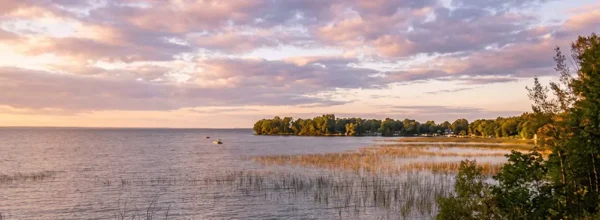
Mille Lacs Lake is one of Minnesota’s most famous bodies of water, covering 132,000 acres of relatively shallow, windswept, productive fishery in central Minnesota. Most people know Mille Lacs for walleye — it has been one of Minnesota’s premier walleye fisheries for generations — but Mille Lacs Lake fly fishing has a second act that the bass fly fishing community has been slow to appreciate: a smallmouth bass fishery that is quietly exceptional and gets better every season.
Walleye fly fishing on Mille Lacs is an acquired skill and a worthwhile one. Mille Lacs walleye respond to flies during specific conditions — overcast days, low light periods, and the post-spawn period in late May and June when fish are active and feeding in predictable locations. Jigging-style fly presentations on fast-sinking lines along the rock reefs and gravel bars that rim the lake produce walleye for fly fishers willing to put in the time to understand the water. The mud flat transition zones in 12 to 20 feet of water are prime walleye territory during the warmer months and can be worked effectively with deep-running Clouser patterns.
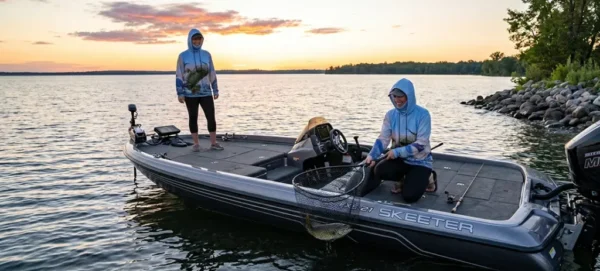
The smallmouth bass fishing on Mille Lacs Lake is what will genuinely surprise you. The lake’s extensive rock and cobble shoreline structure, combined with healthy crayfish populations, has produced a smallmouth fishery of real quality. Fly fishing for Mille Lacs smallmouth along the boulder shorelines and rocky points from June through September — with crayfish patterns, Clouser minnows, and surface poppers during low-light windows — delivers 2 to 4-pound fish with enough regularity to make it a primary target rather than an afterthought.
Mille Lacs Lake is big, exposed water that builds waves quickly. Respect the weather, carry proper safety gear, and don’t let the lake catch you unprepared. It will not feel bad about it.
Target Species: Walleye, Smallmouth Bass, Northern Pike, Muskie, Yellow Perch Best Seasons: May–June (walleye post-spawn) | June–September (smallmouth) | Fall (walleye feeding) Fly Patterns: Clousers, crayfish patterns, surface poppers, jigging streamers on sinking lines Notable Areas: Rock reefs along south shore, Garrison Bay area, gravel bars off the east shoreline