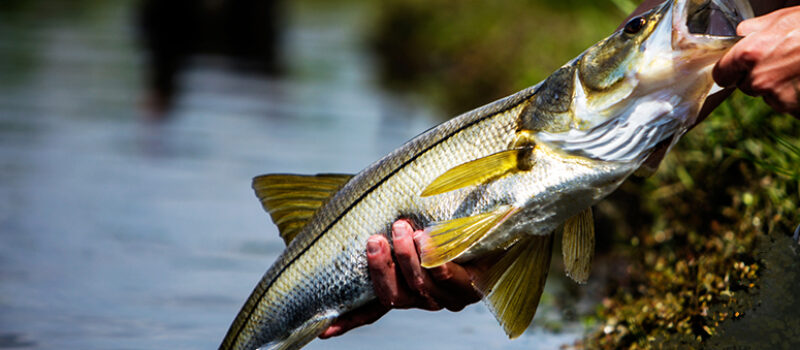
Dock lights for snook on the fly is Pure Enjoyment
Sight fishing for snook using fly fishing tackle is an adrenaline-charging, rewarding and sporting tactic for catching this prized inshore saltwater gamefish. You get to see the catch before even making a well-placed cast, and when you do, it’s rod bending, line stripping pure enjoyment as you battle with this shallow water acrobat of skinny water.
Believe it or not, there’s an obscure tactic for catching snook on the fly in south Florida, on the Atlantic and Gulf coasts. Leave your sunglasses at home and go sight fishing for snook at night. Finding where to start your search is the easiest part. Spending hours scouting through signs of bait and snook in a maze of mangroves is unnecessary. What is more, you don’t even need a boat. And the minimal effort guarantees a hook up with the oftentimes spook-prone snook.
Dock lights. That, in simple, terms are where this obscure tactic works best. Bait is attracted to the beam of light cast across the water’s surface, and that food source sets off the predator instinct of the snook. They know where there is light, there is an easy meal. And for the angler, dock lights are equally as easy to find. Think of dock lights like feeding stations for the snook. The action can go year-round, and especially on the southwest Gulf Coast and the Atlantic side in the Miami area.
Table of Contents
Choosing dock lights for snook
The best docks have good tidal current that serve as ambush points for the snook, as the bait is swept past them in the illuminated water. Like all shallow predators, snook prefer isolated cover for ambushing bait, and that includes dock lights. Look for docks with limited lights; too much illumination scatters the fish across a broader area, making them difficult to pin down. Snook aren’t particular about the kind of light on the dock. Overhead lights using a single light bulb, or giant incandescent or high-intensity gas-discharge lights area ideal, as they will create silhouettes of bait (and your fly), making them easier for the snook to home in on. The keys are a consistent source of food and tidal current.
Stealth is a key factor for dock light snook on the fly
Mobility aside, a boat is the ideal for covering the most docks and locking in on which have the most bait, the timing of the best tidal flow, and other obvious reasons. However, this tactic is ideal for those on foot. You practice stealth when in a boat, shutting off the outboard and either deploying shallow water anchors or drifting with the tide. Shut off the motor well outside the light arc cast across the surface when fishing from a boat. On the dock, your stealth approach focuses on soft steps and going light with tackle, wearing a backpack or sling bag with everything you need.
Fly choices for fly fishing in the dock light for snook
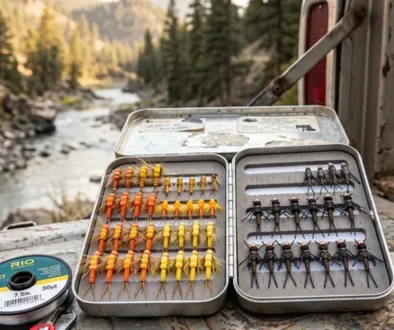
Schooling minnows swarm dock lights, and shrimp are common around dock lights and offer great opportunity for dock lights for snook on the fly. The key is matching the size and profile of the bait to the choice of flies. Baitfish fly patterns are white; brown is preferred for shrimp. Dock light fly anglers typically tie flies on No. 4 hooks, but carrying bigger flies are desirable when snook are feeding on small mullet or larger sardines. Fly tackle gets the nod over spinning tackle as small flies (as small as size 8) resemble the size of glass minnows and small bait favored by snook.
Best Flies for Dock Light Snook on the Fly
The Right Fly Makes the Difference Between a Story and a Slow Night
You’ve read the playbook. You know how to choose the right dock, how to move with soft feet, how to work the tide. That part is figured out. Now the pressure lands squarely on what you’re clipping to the end of your leader. Dock light snook are not feeding blind. They’re sitting in that halo of light, watching every piece of bait swept through by the tide, and they know exactly what they want.
Match that. Fail to match it, and you can stand over a blitz of feeding fish and leave with a dry hook.
The good news is that dock light snook are also not as picky as they are during daylight hours. The darkness gives you a margin for error. But you still need to be in the right neighborhood — right profile, right size, right presentation. These flies get the job done.
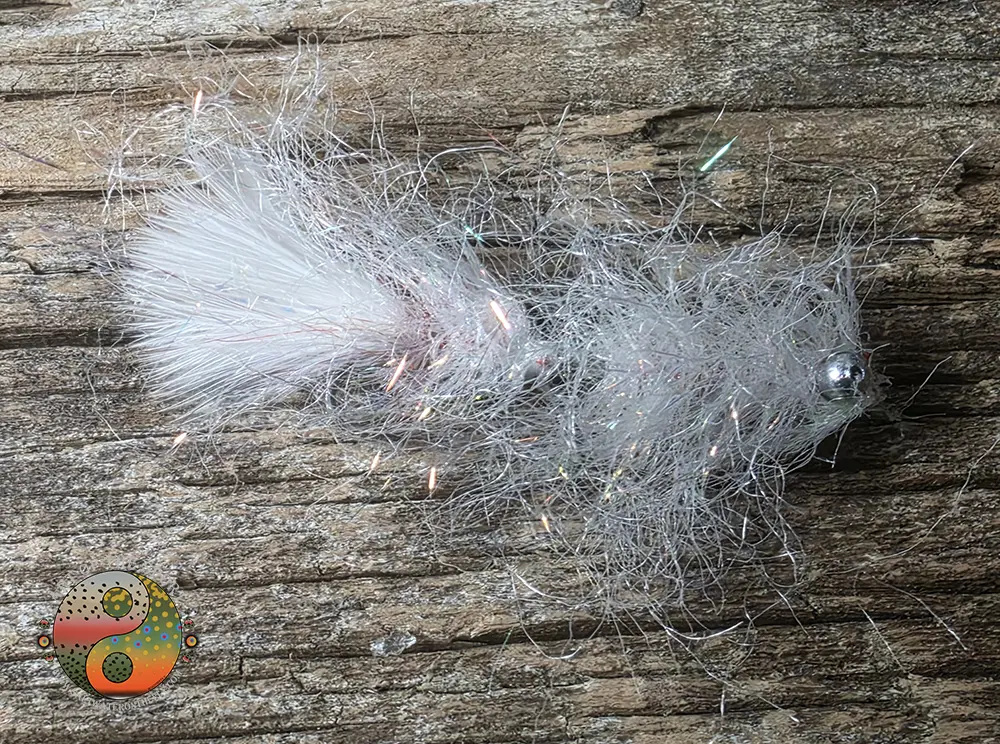
The Unicorn White Bush Fur Leech — Lead Fly for Dock Light Snook
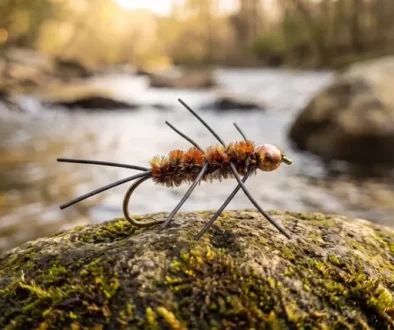
If there is one fly to tie on before you step onto that dock, this is it. The Unicorn White Bush Fur Leech is built for exactly this kind of fishing. White is the color of baitfish in low light, and the ultra-fine bush fur fibers move with every twitch, every pause, every subtle pull of the current. It breathes in the water the way a live glass minnow does, and that makes a difference when a snook has been sitting under a dock light for two hours watching the real thing drift past.
The profile is lean and suggestive without being over-dressed. In the cone of a dock light, you want a fly that casts a clear silhouette. The Unicorn White Bush Fur Leech does exactly that — easy for the snook to pick up against the lit water, and impossible to ignore when it pulses through the light’s edge. Fish it on a No. 4 or No. 2 hook depending on the size of the bait you’re seeing in the light. Dead drift it through the shadow line first, then strip with short, steady pulls if they won’t commit.
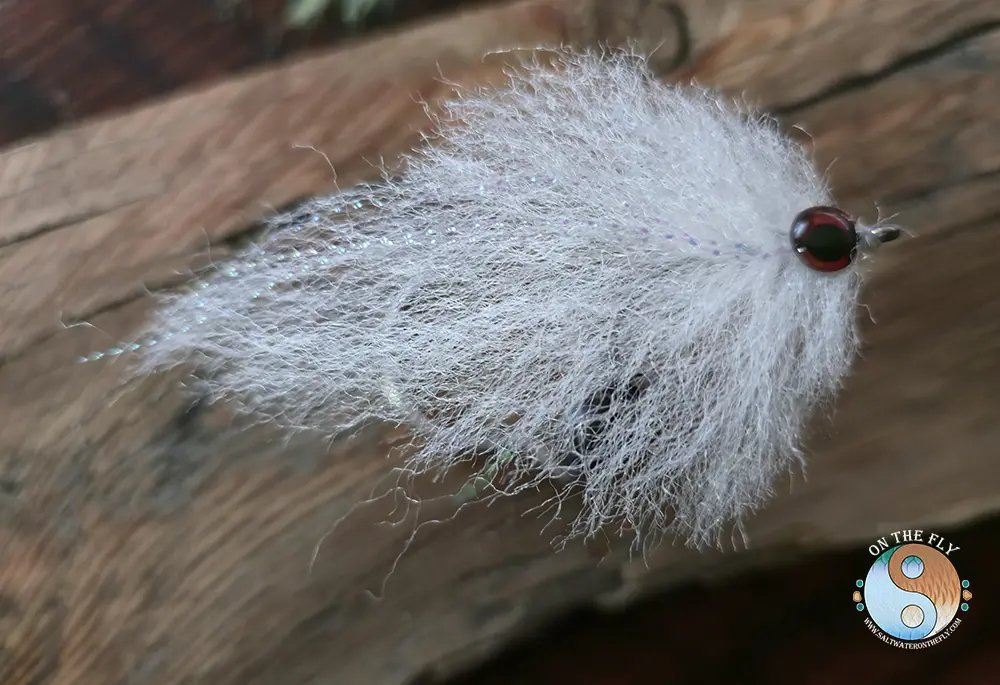
Pelagic Forger Minnow
The Pelagic Forger has been fooling snook since the pattern hit the scene, and dock light conditions are where it shines brightest. Tie or carry it in white or white over chartreuse. The EP fibers compress on the strip and flare on the pause, mimicking the erratic movements of a disoriented pilchard or glass minnow caught in the current.
Under a dock light, snook often key in on injured or confused baitfish that drift toward the edges of the illuminated zone. The EP Baitfish in a size No. 4 to No. 1/0 covers that presentation perfectly. Keep it sparse. A heavy, over-tied EP pattern pushes water and telegraphs the fake. Lean ties win on calm nights.
White Clouser Minnow
The Clouser Minnow is on this list because it earns its place every single time. It is one of the most versatile saltwater flies ever invented, and dock lights are no exception. The weighted dumbbell eyes give it a jigging action on the retrieve that triggers reaction strikes from snook that have already looked at every other offering floating through the light.
Use a white or white and chartreuse Clouser on a No. 4 hook for glass minnow imitations. If you’re seeing larger sardines or finger mullet in the light, step up to a 1/0 with a longer tie. The added weight also helps you land the fly beyond the light halo and swim it into the feeding zone naturally — a presentation snook on pressured docks respond to when they’ve seen too many flies land in the middle of the light.
Craft Fur Deceiver
On nights when the bait is running bigger — finger mullet, larger sardines, pilchards in the two to three inch range — the Craft Fur Deceiver is the answer. It has enough bulk to suggest a larger meal without the water resistance that kills your retrieve.
White is the go-to color. Add a flash of silver Krystal Flash or Mylar on the sides to catch the dock light and simulate the lateral flash of live bait. Fish it on a No. 1 to No. 1/0 hook and strip it erratically through the shadow line, where snook stage and wait for bait to make a mistake. Big snook, the ones you crossed state lines to find, often prefer a larger profile. This fly brings them out.
Brown Shrimp Pattern
Not every dock light is stacked with baitfish. Sometimes what’s swarming in the halo is shrimp — and snook eat shrimp with the same aggression they throw at baitfish. When you see baitfish patterns getting ignored, look down at the water’s surface. If shrimp are drifting through the light, switch.
A simple brown shrimp pattern on a No. 4 to No. 6 hook, drifted naturally without any added action, is all you need. Snook take drifting shrimp subsurface and near the surface. Do not over-strip it. Let the current do the work and lift the rod tip slightly on the swing to suggest a natural, panicked shrimp kicking away from the light.
Tips on Hook Size and Leader Setup
Carry variety. No. 8 flies for glass minnows, No. 4 and No. 2 for mid-size bait, No. 1 to No. 1/0 for the big stuff. The mistake most anglers make is showing up with one box of the same fly in the same size. The bait dictates everything.
Match your leader setup to the dock. A minimum of 30-pound fluorocarbon to a two-foot 20-pound tippet section. Dock pilings are brutal and snook will use every one of them. Build your leader right or the fish wins every time.
An 8-weight fly rod with a fast action is the right tool. You need the backbone to turn a big fish before it wraps you around a piling, and you need the precision to land a fly inside a tight cone of light without blowing up the surface and spooking every fish in the area.
Final Word
Dock light snook on the fly is one of the most accessible, high-percentage saltwater fly fishing opportunities on the Gulf and Atlantic coasts. The fish are where the light is. The bait is where the light is. Your job is to show up with the right fly and put it in the right place at the right time.
The Unicorn White Bush Fur Leech earns first cast every time. Back it up with an EP Baitfish, a Clouser, a Deceiver, and a shrimp pattern, and you are ready for whatever that dock light throws at you.
Now get out of the house and go find a light.
Shop flies for snook and all inshore species at Saltwater on the Fly.
Looking to book your next saltwater adventure or float a Montana river with an expert guide? Get Lost in America.
Our recommended fly rod for dock light snook
While fishing dock lights, keeping snook away from the dock pilings is a must to avoid losing the fish. At the minimum an 8-weight fly rod with sufficient drag will help prevent the fish from running into the danger zone. Use at least 30-pound fluorocarbon leader with a 20-pound tippet section of two feet.
Great Florida Night Snook Destinations
Some of the best locales for nighttime dock light fishing are around Sarasota. The Grand Canal in Siesta Key and Lido Key are targets. Longboat Key has an extensive canal system running through this barrier island. Topping the list is Snook Alley, known for its abundance of dock lights, and the four nearby bays that create a flushing action that attracts bait and snook.
Great Adventures on the Water Await
Looking to book that next great get away for Snook or floating a Montana River with an expert guide or booking a Yellowstone Cabin or Tent visit: Get Lost in America.